
Understanding the Role of Roof Ventilation in Preventing Ice Dams

Roof Ventilation

When snow builds up on rooftops across New Hampshire and Southern Maine each winter, it brings more than just pretty views. It can lead to hidden problems that take a toll on your home. One of those problems is the ice dam. These thick ridges of frozen water form near your roof edge and can cause real damage if they aren’t stopped early. The good news is, many ice dam troubles can be avoided with the right roof ventilation.

Ventilation is often overlooked. Homeowners see snow outside but don’t always think about what’s going on up in the attic. That’s where a lot of this trouble starts. Without enough airflow, heated air gets trapped and warms the roof from underneath while the edges stay cold. This uneven melting causes dams to form. Over time, more water can get stuck behind them and sneak under shingles, damaging roof layers and wood framing. That’s why so many homeowners turn to professional roofing services in NH to check ventilation before it leads to a much bigger problem. J. Carnes & Son Roofing is a trusted residential and commercial roofing contractor serving New Hampshire and Southern Maine since 2003, so we see firsthand how proper ventilation can protect local homes each winter.

How Ice Dams Start and Why They Matter

It doesn’t take much for an ice dam to form. Cold weather hits, snow piles up, and if just a bit of heat leaks from the attic, you’ve got the perfect setup. The highest points on the roof often melt first since warmer air rises and escapes through leaks or poorly insulated ceilings. Meltwater runs down the pitch of the roof, but before it reaches the edge, it hits colder surfaces that haven’t warmed up. That’s where it refreezes. Layer after layer turns into a hard ridge of ice near the gutters.

The more it builds, the bigger the risk. Water from melting snow can form puddles behind these ridges. And once it sits there long enough, it starts to find weak points. It seeps beneath shingles, under the felt, and into the wooden deck. The damage can travel further into ceilings or interior walls.

Watch for signs like:

• Large icicles forming along the edge of your roof

• Icicles hanging from gutters or downspouts

• Ceiling stains that show up after snowstorms

• Paint bubbling or peeling around soffits or upper wall corners

These may not seem big at first, but they often point to bigger problems hiding below the surface.

The Purpose of Roof Ventilation During Winter

Good ventilation helps your attic stay cool and dry, even when it’s freezing outside. It helps keep the space above your living area from holding onto warm air, slowing the cycle of snow melting and refreezing. In winter, this balance is key. Too much warmth in the attic means ice dams are more likely.

There are several ways homes around New Hampshire get ventilation:

• Soffit vents run low along the sides of the roof, pulling in colder air from the outside

• Ridge vents release warm air at the peak of the roof where it rises naturally

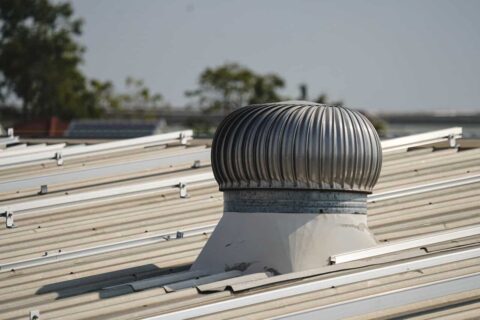
• Gable vents, roof vents, and fans add extra air movement in homes that need extra help

All of these work together to circulate air through the attic. If even one part is blocked or missing, it affects how well the setup works.

Proper airflow also helps stop excess moisture from collecting inside. When warm air gets stuck in the attic, humidity can rise and lead to mildew or condensation on wood surfaces. Over time, that extra moisture can weaken your roof from the inside, even when the outside still looks fine.

What Happens When Roofs Lack Ventilation

When a roof doesn’t have the right ventilation, problems tend to stack up over time. You may not notice them right away, but eventually they cause damage that’s hard to ignore.

Here’s what we often see in homes with poor ventilation:

• Warm air gathers in the attic and melts snow on the upper roof

• Melted water runs down and freezes along the roof edge

• Ice dams form and trap water above the gutters

• Leaks begin under shingles and water spreads into ceilings or walls

• Wet insulation stops working as well, which makes the attic even warmer

• Wood beams or sheathing can rot or warp from long-term moisture

A cycle like this puts a lot of pressure on your roofing system. It also makes heating your home harder, since the insulation affected by leaks can’t do its job. Mold or damp smells in the attic often follow, which may lead to more repairs and cleanup than expected.

How a Roofing Pro Can Help With Ventilation

Spotting a ventilation problem isn’t always simple. That’s why it helps to bring in someone who knows exactly where to look. A roofing expert understands not just where vents are placed, but how the entire system should work together through all four seasons.

When we look over attic ventilation in homes across New Hampshire, we check:

• If soffit vents are blocked by insulation or other debris

• Whether ridge vents are clear and properly installed

• If older homes are missing key airflow areas or need updated venting

• How much heat is escaping into the attic from the living space

After the inspection, we often recommend options like opening up airflow, adjusting insulation, or replacing vents that have stopped working. Many homeowners rely on professional roofing services in NH to help make these updates before ice dams cause costly water damage later in the season. Our team installs premium roof systems using high-quality products and proven installation techniques, so any ventilation upgrades are built to last through New Hampshire winters.

Get Ahead of Ice Dams Before They Start

As winter moves into its final stretch, it’s a smart time to think about what’s happening under the roof. Heavy snow makes it easier for ventilation issues to turn into bigger problems. When ice dams show up, they take hold fast. Catching poor airflow now gives you a better chance to stop leaks and damage before spring thaw.

Roof ventilation might not seem like the most obvious part of winter prep, but it plays a big role. It helps your house breathe and gives snow less chance to do harm. A well-ventilated roof stays stronger, drier, and ready for changing weather. Making small changes now could help prevent bigger headaches throughout the rest of the season. With a clear, straightforward process that begins with a detailed evaluation and continues through open communication and careful implementation, J. Carnes & Son Roofing focuses on solutions that give homeowners long-term confidence in their roofs.

Seeing signs of ice dam damage or uncertainty about your attic’s ventilation can signal hidden weaknesses ready to expose themselves when winter weather hits. Many homeowners trust us to inspect airflow and fix the gaps that lead to trouble. We offer a full range of help with ventilation and insulation through our professional roofing services in NH. Contact J. Carnes & Son Roofing to schedule an attic check before the next snowstorm hits.
How to Spot Hidden Ice Damage in Asphalt Shingles After a Cold Snap

Asphalt Shingles

After a tough cold snap here in New Hampshire or Southern Maine, it’s easy to assume your roof made it through just fine. No leaks, no big issues, so everything must be okay, right? But cold weather doesn’t always leave visible damage. Sometimes, the real problems are the ones you can’t see from the ground. Ice, snow, and freezing temps often do their damage quietly, hiding small issues that grow over time.

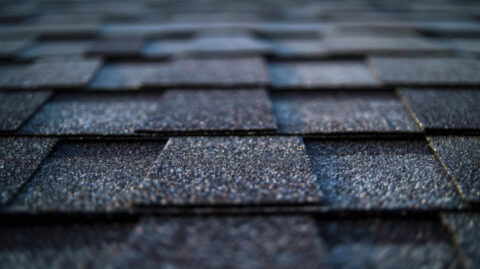
If your home has an asphalt shingle roof, the cycle of freezing and thawing can leave behind hidden wear. When this wear goes unnoticed, it can weaken your shingles and may even lead to problems that call for full asphalt shingle roof replacement later on. Taking time to spot signs now, before the first spring rains show up, could save you trouble and expense down the road.

What Cold Snaps Do to Asphalt Shingles

Winter storms often hit hard, but it’s the temperature swings that really stress your roof. When temperatures suddenly drop overnight, roofing materials shrink fast, especially asphalt. These quick changes can cause shingles to crack, warp, or pull away from the decking just enough for water to sneak under.

Then the sun comes out, melting snow and ice during the day. That moisture runs into tiny gaps, only to refreeze at night. When water freezes, it expands. This puts pressure on shingles and forces some to lift or shift out of position. Over time, repeated freezing and thawing weakens both the shingles and the materials underneath.

And snow? It may look soft, but a few days of heavy buildup can press down with serious weight. Ice dams, which form when melting snow refreezes along your roof’s edge, add to the problem. These dams trap moisture against the surface, slowing drainage and giving water more time to seep under the shingles. Once that happens, small cracks can turn into deeper weak spots you won’t see until the damage is done.

Subtle Signs Something’s Not Right

Most roof damage after a cold snap doesn’t put on a show. It starts quietly. That’s why it helps to take a close look for signs that something’s changed, even if the roof looks okay from the yard. Keep an eye out for things like:

• Granules from shingles showing up in your gutters or at the end of your downspouts

• Wavy or uneven rows of shingles where the surface used to be flat

• Damp insulation or discoloration inside the attic, these may point to leaks starting under the surface

• Water stains around skylights, chimney areas, or bathroom vents

Gutters and flashing around vents or dormers can also give clues. If water has been backing up under them, you might notice rust patches or dark staining. These are signs that moisture hasn’t been draining the way it should. The earlier you spot these problems, the more options you’ll have to fix them before they grow.

Damage That’s Easy to Miss Unless You Know Where to Look

Some warning signs are so small that they’re easy to ignore, until they lead to a leak inside. Nail pops, where roofing nails start pushing up through the shingles, may not seem like much at first. But each raised nail opens a tiny space where water can settle and start to creep in.

Shingle edges that curl slightly or lift are another red flag. If shingles no longer sit flush, they’re more likely to get ripped or torn in spring winds. Flashing, the metal that seals areas around chimneys and valleys, may shift with ice movement and pull away from those seams. This leaves more gaps and lets melting snow find its way inside.

Soft spots or uneven areas on the roof surface could signal damage underneath the shingles. If parts of the roof feel springy or show slight sagging, trapped ice and moisture may have soaked the wood below. In colder corners or near roof edges, ice dams may have formed, melted, and refroze over and over. These hidden cycles often leave behind the most damage.

Why Visual Inspections After Winter Matter

Once the snow clears from your roof, even if just for a few days, it’s a good time to check on things. Waiting too long could give water more time to find a way inside. Even when everything appears fine from the ground, real trouble might be hiding in places you never thought to look.

That’s where inspections come in. A full visual check, both outside and inside the attic, gives a better picture of how the roof handled the winter. Small warning signs like edge curling, flashing gaps, or nail pops should be looked at together. On their own, they may not mean much, but together, they might point to bigger structural wear. As a GAF Master Elite contractor, we install asphalt shingle roofing systems that can include a 25-year workmanship warranty and a 50-year materials warranty backed directly by GAF, so identifying winter damage early helps protect those long-term benefits.

If you’re already seeing damage now, it’s worth thinking about next steps. Waiting too long to make minor repairs could bump you into needing full asphalt shingle roof replacement later, especially if roof layers underneath are affected. Getting ahead of it can make a real difference before spring weather adds more moisture into the mix.

Moving Into Spring with Confidence

The tail end of winter is the best time to check your roof. Snow starts to melt, the freeze-thaw cycles slow down, and you still have time before spring rains arrive. When you catch hidden damage now, you get a chance to fix problems before they spread.

Most homeowners want peace of mind going into the new season. Nobody wants to be caught off guard by stains on the ceiling or a leak during the first big storm. A solid roof is a quiet roof, one you don’t have to worry about every time the weather changes. Taking a close look now helps protect what’s underneath and helps you feel more ready for the season ahead.

Worn roofs after a cold snap can quickly turn minor issues into major repairs. Winter weather in New Hampshire and Southern Maine often causes loose flashing, curling edges, and water stains in the attic that may hint at the need for an asphalt shingle roof replacement. At J. Carnes & Son Roofing, we know how seasonal stress impacts your roof, so give us a call and let us inspect your home and guide you on the next steps.

What Causes Metal Roofs to Make Creaking Sounds in the Winter

Metal Roof

If you’ve ever been woken up by strange creaking sounds from your roof during a cold night, you’re not alone. Many homeowners across New Hampshire and Southern Maine notice random popping or cracking noises coming from their metal roofs when winter sets in. The cold can really stir up unusual noises that weren’t there before.

As a New Hampshire roofer, we often get asked if these winter roof sounds are a problem. The short answer is sometimes. Metal roofs act differently than other types when the temperature drops, and those sounds are usually harmless. But noisy shifts can sometimes signal an issue that needs checking. Here’s a look at why metal roofs creak in winter, when it’s normal, and when it might be something more.

Why Metal Roofs React to Cold

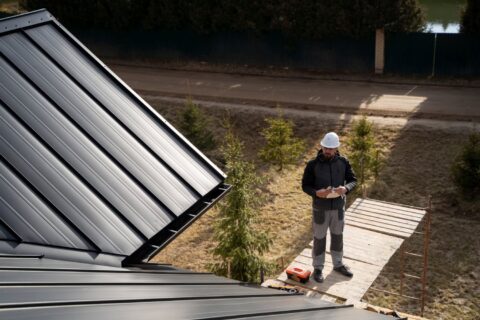
Metal roof panels expand and contract with changes in temperature. When things heat up during the day, the metal expands. At night, as the temperature drops, it contracts. That back-and-forth movement can start pulling or rubbing against fasteners, brackets, or the wood underneath, and that’s where the noise comes from. The standing seam metal roofs we install use double lock seams and panels we custom fabricate on site, built to handle harsh New Hampshire winters while still allowing that natural movement.

Most of us in New England are used to quick temperature changes, especially in late December. It can be 40 degrees during the day and drop below 10 by nightfall. That sudden shift makes metal roofs contract fast, and that’s when creaking noises tend to get louder or more frequent.

There’s nothing wrong with metal contracting, we expect it to. But when your home’s roof hits these temperature swings regularly, the noise might become something you notice more often. In most cases, it settles after a few cold nights as the roof materials adjust to their tighter winter fit.

The way your metal roof responds to these cold snaps depends on a few other things, too. The type of metal used, the thickness of the panels, and even the color of your roof can influence how much expansion and contraction happens. For example, darker colors tend to absorb more heat during sunny winter days, causing a bit more expansion before the evening chill makes them contract suddenly again. Light-colored roofs may not warm up as much, so their movement is slightly less but still present.

How Roof Design and Installation Play a Role

Temperature is the main piece, and how the roof was built matters too. The size of the panels, the spacing of fasteners, the slope, all these choices shape how your roof behaves when it gets cold.

Here are a few things that can increase creaking:

• Very long metal sheets with fewer breaks between panels

• Fasteners that are over-tightened or loosely installed

• Gaps between the metal and the roof deck beneath

• Low-pitched roofs that trap more cold air or snow buildup

If the panels don’t have enough room to move slightly, or if they’re not attached properly, pressure builds. That pressure has to go somewhere, and it usually escapes as a loud pop in the middle of the night. Poor installation or shortcuts only make it worse. If the roof isn’t fixed to allow for thermal movement, the noise won’t go away with time. It may even lead to long-term wear in the wrong spots.

Different installation styles can also make a big difference. Roofs that use exposed fasteners, for instance, can experience more shifting in the cold because the fasteners are taking all the brunt of expansion and contraction. On the other hand, hidden fasteners, when installed with the proper spacing and flexibility, help minimize excess noise and movement. Attention to detail during installation is key for a quieter winter roof.

When Creaking May Signal a Bigger Problem

Most winter roof creaks are normal and pass quickly. But there are a few cases where the sounds point to something more serious happening beneath the surface.

Watch and listen for these signs that could mean there’s a bigger concern:

• Creaking sounds happen daily and keep getting louder over time

• You notice water inside after a snowstorm or freezing rain

• Panels appear to lift, shift, or move more than they should

• You can see screws starting to back out or move

Regular winter noise may not be exciting, but when these warning signs appear, it’s worth asking someone to take a closer look. Loose fasteners, gaps, or trapped moisture under moving parts can all lead to leaks down the line. Left alone, that can damage insulation, wood planks, or even ceilings inside your home.

If the creaking feels new this year or sounds sharper, chances are something underneath has changed. Age, wind, or long-term snow weight can loosen parts of the roof that used to sit quietly.

Sometimes an older roof that hasn’t made many sounds in the past can suddenly begin to protest once it has weathered enough cycles of freeze, thaw, and wind. Over time, screws and fasteners can loosen ever so slightly, letting tiny gaps form. These gaps can trap moisture or ice, which may start to work its way down through the layers of your roof without being obvious at first glance. If you notice a creak that is paired with other small changes, like shingles shifting or bits of insulation in your attic getting damp, don’t wait to act.

Winter Conditions Unique to New Hampshire and Southern Maine

Living in Northern New England brings a specific kind of winter. Our region doesn’t just get snow, it gets ice, freezing rain, coastal storms, and wild temperature swings that punish roofs differently.

Here’s how winter around New Hampshire and Southern Maine impacts metal roofs:

• Inland towns can see deep freezes at night, sometimes below zero. That really shrinks the metal quickly.

• Along the coast, daytime temperatures might thaw just enough to trick the roof into expanding before it shrinks again overnight. These freeze-thaw cycles are tough on fasteners and joints.

• Heavy snow piling on top for days can weigh down the panels, pushing metal tighter into fasteners. Once that weight melts or shifts, the release can make loud pops.

Whether you’re in the hills of western New Hampshire or closer to the ocean breeze in Southern Maine, these local shifts in weather are what make winter roof sounds feel unpredictable.

Wind-driven snow and sleet along the coast can pile unevenly against metal roofs, causing weight distribution to change from day to day. In ski country or mountainous areas, the deep nighttime cold is persistent and makes for regular cycles of contraction. Local salt in the air can even speed up minor corrosion, especially in seaside communities, leading to more pronounced creaks over time.

Every roof, depending on location and exposure, has its own way of reacting. Even houses on the same street can experience different sounds due to orientation, shade from nearby trees, or whether snow tends to drift across the ridge. That means what is perfectly normal for one home may sound like a warning sign for another, so it’s always helpful to be aware of changes from year to year.

What a Quieter Roof Could Mean for Long-Term Peace of Mind

Roof sounds in winter don’t always mean something’s broken, but they shouldn’t be ignored either. Getting familiar with what’s normal for your home helps spot when something starts to change.

A few smart steps can make a big difference:

• Roof design that allows metal to expand and contract without pressure

• Fasteners that are installed correctly and hold firmly throughout cold months

• Regular check-ups to catch shifting parts before they cause a problem

When your roof moves quietly and doesn’t surprise you with sudden sounds, you can worry less and enjoy your winter more. The better the design and upkeep, the better your roof handles the season.

That peace of mind doesn’t come from silence alone. It comes from knowing your roof is doing what it’s supposed to, adjusting with the weather but holding firm where it counts.

Being proactive about your roof’s condition after those cold snaps helps keep your home safe, cozy, and dry through many winters to come. Living with a metal roof in New Hampshire or Southern Maine can mean a few odd nighttime noises, but with the right installation and care, you can trust that every sound is just your roof doing its job through the cold and snow.

A noisy metal roof this winter could be a sign that it needs a closer look. Cold weather across New Hampshire and Southern Maine can push roofing materials to their limits, especially when fasteners or panels aren’t performing as they should. As a trusted New Hampshire roofer, we understand how local winters affect your roof and when unusual sounds suggest more than normal metal contraction. Let’s work together to keep your roof secure during the toughest months. Contact J. Carnes & Son Roofing when you’re ready to talk.

Winter Roof Collapse Warning Signs in Dover

Winter Roof

Winters in Dover don’t mess around. Between the steady snowfall, frigid temps, and heavy ice storms, your roof has a lot to withstand. One major concern during this time of year is a roof collapse. It’s not something most folks think about until it happens, but the risk is real and preventable when you know the signs. Whether you’re dealing with an older roof or just a severe winter season, keeping an eye out for warning clues could save you from serious structural damage and a much bigger headache later on.

The good news is, your roof usually gives you some clear signs before it reaches the point of failure. From odd sounds at night to changes in your ceiling, there are red flags you can spot if you know what to look for. This article covers those warning signs so homeowners in Dover can stay ahead of the problem and act quickly if something seems off.

Heavy Snow Accumulation

One of the most common triggers for winter roof collapse is heavy snow buildup. Snow may look light and fluffy when it first falls, but once it piles up and hardens, especially after a freeze-thaw cycle, it can weigh hundreds of pounds. That much pressure sitting too long on shingles or structural supports can push a roof to its breaking point.

Here’s how to tell when there might be too much snow sitting on your roof:

– Doors inside your home suddenly start sticking or won’t close smoothly

– You hear strange creaking, popping, or shifting noises from above

– The roof starts to look uneven or bowed when viewed from the ground

– Water starts leaking from unexpected places

If you’ve noticed any of these, it’s time to act. Safely clearing excess snow is a smart move, but it has to be done the right way. Avoid climbing up there with a shovel unless you’ve got proper safety gear and training. Using a roof rake from the ground is a safer approach for most homeowners. Rake evenly from the edges up toward the ridge to avoid creating unbalanced load areas. Never chip away at ice dams with sharp objects. The damage that can cause usually ends up making things worse.

Although it’s tempting to wait it out and hope the snow melts, the longer it sits, the more water it holds, and that just ups the weight. If the snow layer starts turning icy or time is running out before the next storm, call a professional to prevent further strain and reduce high-risk buildup.

Interior Warning Signs

Sometimes, your roof doesn’t show signs of trouble from the outside, at least not right away. That’s why it helps to know what symptoms can crop up indoors if the roof is under serious stress. These issues often feel random at first, but they’re worth connecting to the bigger picture when winter weather is involved.

Watch for these changes inside your home:

– Sagging ceilings or visible dips in drywall panels

– Cracks forming along corners, walls, or above doors

– Light fixtures becoming loose or tilting unexpectedly

– New drafts or cold spots in upstairs rooms or attics

– Stains or damp spots that grow larger after snow or rain

One Dover resident recently noticed a hairline ceiling crack that seemed minor, but within a few days, that line turned into a gap with water marks forming around it. Turns out, the roof had bowed slightly under the pressure of packed snow and was letting in meltwater.

These kinds of warning signs should never be ignored. If your ceiling starts bowing or cracking, get it checked right away as it could mean the load is straining the roof deck or rafters underneath. Catching the problem early keeps repair costs more manageable and stops things from spiraling into a full-blown collapse.

Exterior Red Flags

Even if everything inside your home seems fine, taking a close look outside could reveal problems your roof is hiding. The weight of packed snow, poor drainage, and long periods of freezing temperatures can take a toll on the structure without much warning. What you spot from your driveway or yard can give you a good idea of whether the roof is holding up or getting pushed past its limits.

Here are some outdoor warnings you don’t want to overlook:

– Large icicles hanging from gutters that weren’t there before

– Thick ice dams building up along the roof’s edge

– Sagging rooflines or dips that weren’t noticeable in the fall

– Shingles that appear curled, loose, or broken

– Water stains on exterior walls or near vents

If giant icicles are forming, it likely means heat is escaping through your attic and melting the bottom layer of snow. That water then refreezes near the edge of the roof, triggering ice dams. These frozen barriers block proper drainage and trap heavy water behind them, increasing the risk of leaks and damage to the roof deck.

Dips or waves across the roof surface are another warning sign, especially when they show up after a storm. If the snow doesn’t seem to be melting evenly or always clumps in the same spot, there’s a chance that area is lower than it should be due to stress or sagging. Your roof should look relatively flat from the ground. Uneven spots, even if they seem slight, are worth checking out. It doesn’t take much for a weakened area to become a failure point.

Take any outdoor change seriously, even if it seems small. Catching exterior red flags early helps prevent much larger repairs or collapse emergencies later.

Emergency Response Steps If Collapse Seems Imminent

If you think your roof may be on the verge of collapsing, staying calm and taking the right steps quickly matters. Panic won’t help, but quick action might minimize danger and make the response more manageable.

Follow this order of steps if things seem off:

1. Safely get everyone, including pets, out of the area beneath the most stressed part of the roof. Bedrooms, living rooms with vaulted ceilings, and attics should be cleared.

2. Don’t attempt to remove snow or ice yourself when you’re already seeing warning signs. Avoid adding weight or shifting loads that could speed up a collapse.

3. Turn off electricity in the affected areas to reduce the risk of electrical hazards in case water starts leaking behind walls or through light fixtures.

4. Take quick photos of any visible warning signs, like sagging drywall, soaked insulation, or warped rooflines. It helps professionals understand the issue faster.

5. Call a licensed roofing contractor in the Dover area for an urgent roof assessment. Let them know upfront if you’ve already cleared the home or if conditions are unsafe.

Avoid walking on the roof or climbing ladders to see for yourself. If the roof is barely holding on, footsteps or pressure could cause it to give way. Instead, focus on getting help from someone who has the tools and experience to deal with the situation safely.

How to Stay Ahead of Winter Roof Trouble

Winter can be unforgiving in Dover. If you’re seeing shifts in your ceiling or watching ice pile up along the eaves, don’t ignore it. Roof damage builds gradually, but collapse can happen fast when it finally gives way.

By staying alert to heavy snow buildup, checking for early stress indoors or out, and knowing when to call in help, you can give your roof the best shot at getting through the season safe and sound. A few minutes of checking things now can help you avoid days or weeks of dealing with major repairs, cleanup, and cold nights in a damaged home.

Weather moves fast, and so do problems when they’re left alone. Keeping tabs and acting when something doesn’t feel right helps protect not just your roof, but everything and everyone underneath it.

Don’t wait until winter weather wreaks havoc on your home. If you’ve spotted any warning signs of roof trouble, trust the experts who understand the local climate challenges. Let the skilled team at J. Carnes & Son Roofing provide peace of mind with their trusted roofers in Dover, NH. We are committed to ensuring your roof stays strong and your home safe throughout the season.