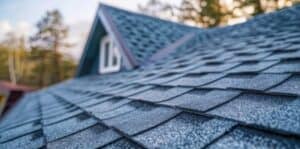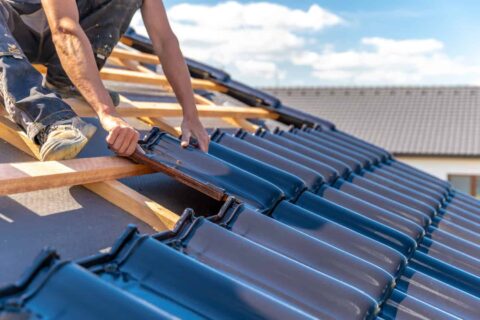
A New Hampshire roof takes a beating. Long freezes, heavy snow, nor’easters, spring wind, and coastal salt air all test every detail of your roof. When a roofer does not understand our local weather, small shortcuts can turn into big problems a few winters later. As a New England roofing crew that works in these conditions every season, we look at your home differently, plan the work differently, and install a roof system built for years of rough weather.
Here is what you should expect from a roofer in New Hampshire, from the first phone call to the final cleanup, so you can spot red flags before you sign anything.
A local, weather-smart evaluation of your roof
It starts with the first contact. A professional roofer should respond quickly, set a firm time to visit, and show up when they say they will. That first visit should be more than a quick look from the driveway. We treat it as a full roof and exterior evaluation.
On a typical visit, we check:
- Shingles or other roofing surface
- Flashing around chimneys, vents, and walls
- Skylights and roof windows
- Gutters, downspouts, and roof edges
- Areas where roof, siding, and trim meet
In New Hampshire, a basic “one-size-fits-all” inspection is not enough. A local, weather-smart roofer will also look at:
- Snow load history on your roof and framing
- Spots where ice dams like to form
- Wind exposure on ridges, eaves, and gables
- Coastal influences such as salt air and strong gusts
- Shade and tree coverage that affect moss, debris, and drying
After this visit, you should receive clear photos, a plain-language summary of your roof’s condition, and a list of issues in order of urgency. A professional roofer will give you options for next steps instead of insisting everything must be replaced without explanation. There should be no scare tactics, just honest guidance based on what we see on your roof.
If you are looking ahead to skylight work, this is also the right time to talk about options. We explain how products like the ones on the skylights page can be tied into a new or existing roof so they stay dry and bright.
Clear, written scope instead of vague promises
Once you agree on the general plan, you should receive a detailed written proposal. That document tells you a lot about the roofer you are dealing with. A solid proposal should spell out:
- Roofing materials, by manufacturer and product line
- Underlayments, including ice and water shield areas
- Type and metal of flashing and drip edge
- Ventilation parts such as ridge vents or other systems
- Any gutter, fascia, or siding work tied to the roof
Timelines matter in our climate. We have to plan around rain, humidity, heat, and fast-changing forecasts. You should be told:
- The expected start window and how weather may affect it
- How many days the job should take under normal conditions
- Usual daily start and stop times at your home
You should also know who your main contact is and how changes will be handled. When we find hidden problems, like rotten decking under old shingles, we:
- Take clear photos or videos of the damage
- Explain what is needed and why
- Get your approval before adding work to the project
That level of detail is part of what homeowners should expect from professional roofing services in NH, because a clear scope, documented change process, and real communication are what keep a roofing project on track from the first inspection through final cleanup
Craftsmanship tailored to New England conditions
On the job site, a good New Hampshire roofer is easy to spot if you know what to look for. The crew should set up protection before they start tearing off, not after damage happens. Good on-site practices include:
- Covering landscaping and shrubs with tarps
- Using plywood paths over delicate surfaces and driveways
- Keeping tools, materials, and debris organized
- Tearing off and cleaning as they go, not leaving a mess overnight
Installation details are where local experience really shows. In this region, it is not enough to put shingles on straight. A professional New Hampshire roofer pays close attention to:
- Starter courses and nail patterns that resist high winds
- Ice and water shield in valleys, at eaves, and other key spots
- Step flashing where roof meets sidewalls or dormers
- Proper chimney flashing and counterflashing
- Drip edge that works with gutters to move water away from your home
Gutters and roof edges are often tied together, so if your project involves new gutters or leaf protection, that work should be planned with the roof from the start. We explain how systems like those on the gutters and leaf guards page tie into the shingle and flashing details to keep water moving where it should.
Crew professionalism matters as much as craft. You should expect professional roofing services to include fall protection in use, safe ladder placement, and respect for your property. On multi-day projects, expect daily cleanup, magnet sweeps for nails, and a site that looks tidy at the end of each workday.
Long-term protection, warranties, and follow-through
When the last shingle is nailed and the last vent is in, the job is not quite done. A professional roofer will do a final walkthrough with you, often with the foreman or project lead. Together, you should check:
- Roof surfaces and visible flashing
- Skylight seals and trim, if any were installed
- Attic vents, if they are accessible and safe to view
- Ground-level cleanup and any protected areas
If there are small punch-list items, such as touch-up work or missed debris, they should be noted and taken care of promptly.
You should also get a clear explanation of warranties. Most roofs have two sides to protection:
- Manufacturer warranty on roofing products
- Workmanship guarantee from the installer
Your roofer should explain what each covers, how to keep the warranty in good standing, and what to do if you ever think there is a problem, and it helps to review roofing estimate, warranty, and financing resources so you know exactly what questions to ask before and after installation.
A dependable New Hampshire roofer does not disappear once the truck pulls away. We stay prepared to:
- Answer questions after storms or heavy snow years
- Add future items like new skylights or small roof tie-ins
- Check on trouble spots if conditions change, such as new tree shade or more coastal exposure
When your roofer stands behind the work and understands how our weather keeps changing, your roof is more likely to stay tight, dry, and ready for the next storm that rolls through.
Get Started With Your Project Today
If your roof needs attention, we are ready to evaluate its condition and recommend the best options for your home. At J. Carnes & Son Roofing, we provide trusted professional roofing services in NH tailored to your budget, timeline, and long-term goals. Share a few details about your project and we will respond with clear next steps, not a high-pressure sales pitch. To get a free quote or call us, please contact us.