The Roof Replacement Timeline: How Long It Actually Takes

How long does a new roof take

If you’re a homeowner, you know the importance of maintaining your property. One of the most crucial aspects of your home is the roof, which protects you and your family from the elements. However, roofs do not last forever and will eventually need to be replaced. If you’re wondering how long it takes to replace a roof, the answer is it depends on several factors. 

In this informative article, we’ll explore the timeline for a roof replacement, the factors that affect the timeline, and what you can expect during the process. Keep reading below. 

Step 1: Inspection and Assessment

Before any work can begin, a thorough inspection and assessment of your roof must be completed. This includes identifying any damage, leaks, or other issues. The evaluation will also determine if a full replacement is necessary or if repairs can be made.

The inspection and assessment process can take anywhere from a couple of hours to a full day, depending on the size and complexity of your roof. This step is crucial to ensure that the replacement process goes smoothly and that all issues are identified upfront.

Step 2: Material Selection and Ordering

Once it has been established that a full roof replacement is necessary, the next step is to select the materials to be used. This includes choosing the type of shingles, underlayment, and other components.

The selection process can take a few days as you consider the various options and pricing. Once the materials are selected, they will need to be ordered and delivered to your property. The delivery timeline can vary depending on the supplier and location.

Step 3: Removal of Old Roofing

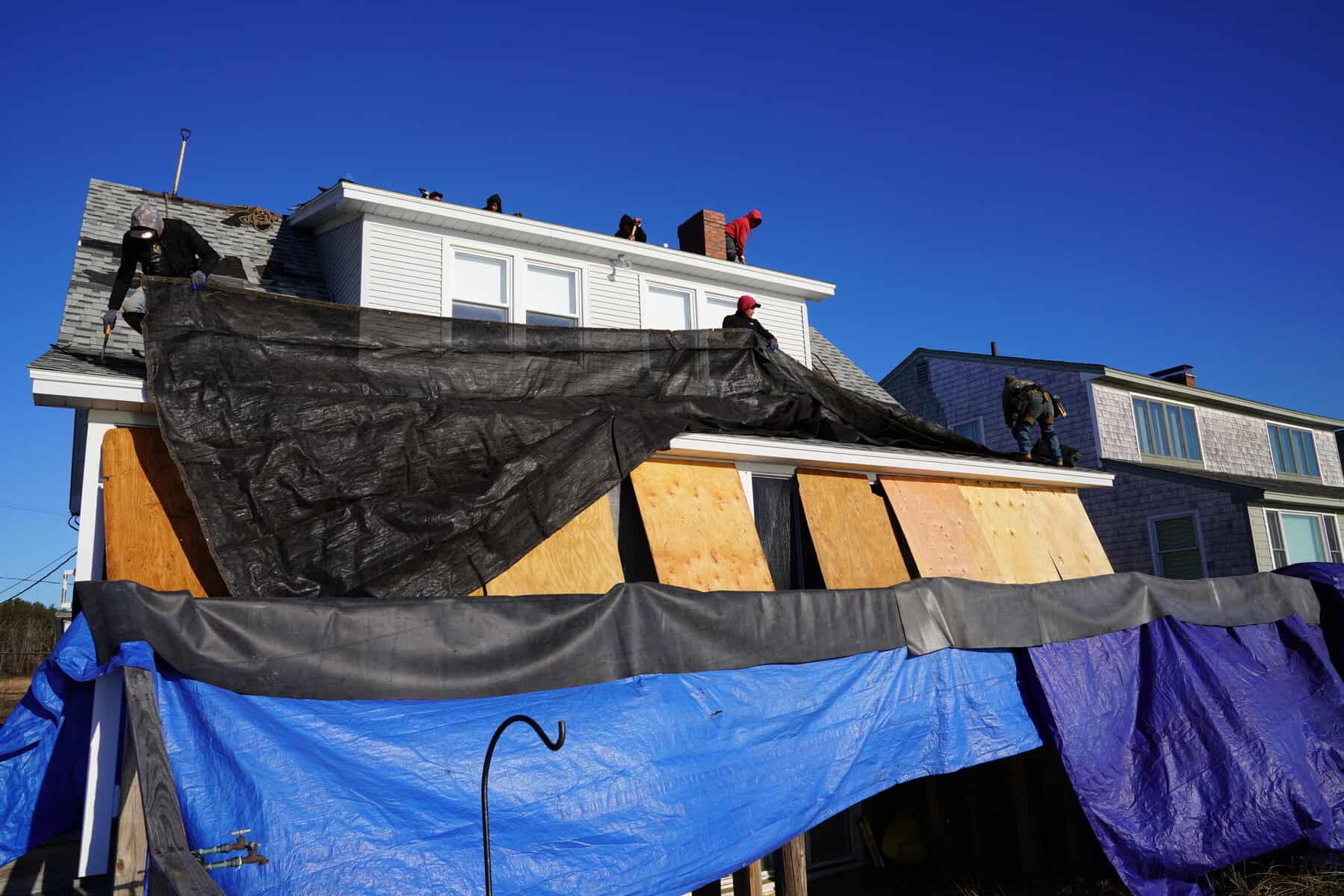
The next step in the roof replacement process is the removal of the old roofing materials. This is a labor-intensive process that can take anywhere from a few hours to a few days, depending on the size of your roof and the complexity of the removal process.

During this step, the roofing crew will remove all of the old shingles, underlayment, and other materials. They will also inspect the roof deck to ensure that it is in good condition and make any necessary repairs.

Step 4: Installation of New Roofing

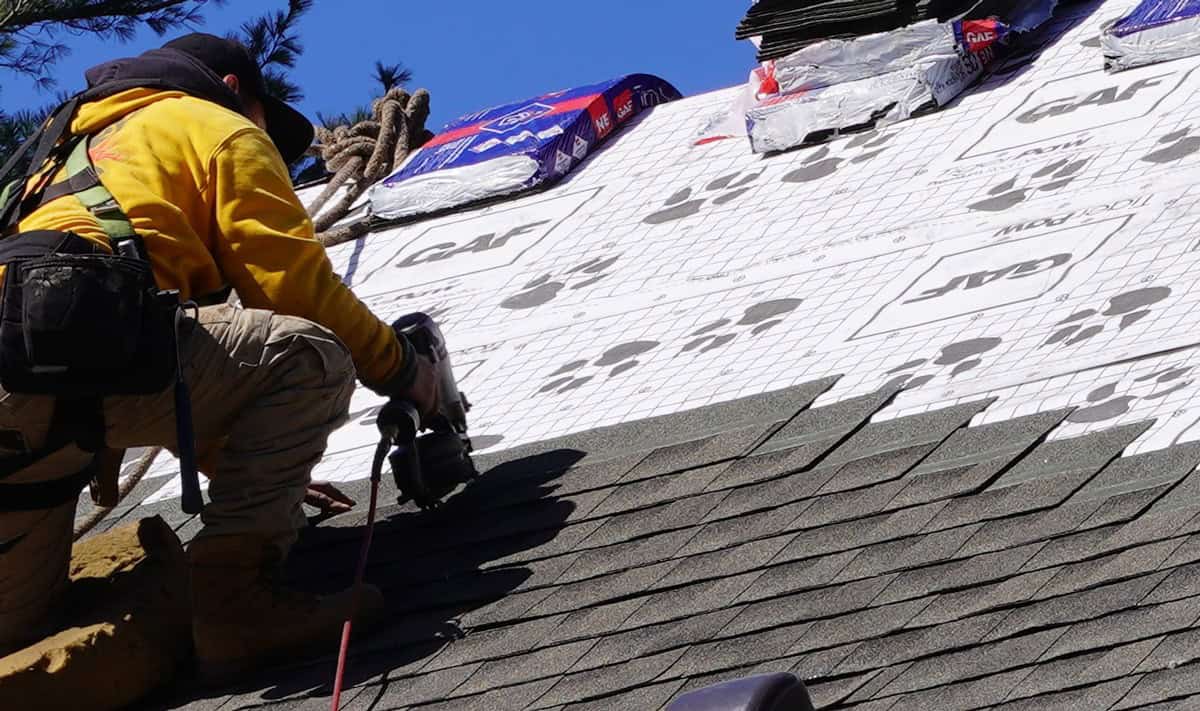
Once the old roofing materials have been removed, the installation of the new roofing can begin. This includes installing the underlayment, shingles, flashing, and any other necessary components.

The installation process can take anywhere from a few days to a week or more, depending on the size of your roof and the complexity of the installation. The roofing crew will work carefully to ensure that all components are installed correctly and that the roof is watertight.

Step 5: Clean Up and Final Inspection

Once the new roofing has been installed, the final step is to clean up the work site and conduct a final inspection. This includes removing all debris, inspecting the roof to ensure that all components are installed correctly, and addressing any issues that may have arisen during the installation process.

This step usually takes a day or two, depending on the size of the work area and the complexity of the installation. Once the final inspection is complete, you can rest assured that your new roof is ready to protect your home and family for years to come.

Factors That Affect the Timeline

Several factors can affect the timeline for a roof replacement. These include:

– Size and complexity of the roof

– Weather conditions

– Availability of materials and labor

– Permitting and inspection requirements

– Accessibility of the work area

It’s essential to work with a professional roofing contractor who can provide you with an accurate timeline based on these factors.

Conclusion

The timeline for a roof replacement can vary depending on several factors. However, on average, the entire process can take anywhere from a few days to a couple of weeks. The most important thing is to work with a reputable roofing contractor who can guide you through the process and ensure that your new roof is installed correctly and efficiently. Remember, a new roof is a significant investment in your home’s future, so take the time to do it right.

If you need a roof replacement, rely on J. Carnes & Son Roofing. Our mission is to serve the community with qualified, uncompromising workmanship and unparalleled service. We work with dedication and integrity and strive to be a leader in our trade. Building on a foundation of respect and trust, it is our goal to offer all property owners premium roof systems using the finest products paired with proven installation techniques. Get a quote now!
Upgrade Your Home’s Look and Safety: Roof Replacements

PG Upgrade Your Home’s Look and Safety

Your home’s roof protects you and your loved ones from harsh weather conditions. However, even the sturdiest roofs will require replacement at some point. 

When contemplating a new roof, it’s important to take into account various aspects to guarantee a worthwhile and enduring investment. 

In this article, we’ll explore the key factors to consider when upgrading your roof, including the choice of materials, warranties, and financing alternatives for roof replacement.

1. Roofing Material Selection

Selecting the appropriate material for your new roof is crucial for its effectiveness, longevity, and aesthetics. Numerous roofing materials exist, including asphalt shingles, metal, wood, and tile. Each material has pros and cons, and the ideal choice for your house will be influenced by factors like your financial plan, local weather conditions, and personal tastes.

In the US, most roofs feature asphalt shingles due to their cost-effectiveness and simple installation process. These shingles are available in a wide range of designs and shades, making it easy to find one that matches the appearance of your home. 

Even with asphalt shingles, more suitable options for homes in regions with strong winds or extreme weather conditions may be available.

The popularity of metal roofing is on the rise because of its long-lasting nature, energy-saving properties, and minimal upkeep needs. Although they can last around 50 years, metal roofs might be costlier than other alternatives.

Roofing materials made of wood and tile provide a distinct and appealing look; however, their installation can be more difficult, and they might need extra structural reinforcement. Additionally, these materials usually cost more than asphalt shingles.

2. Roof Ventilation and Insulation

Proper ventilation and insulation are critical for maintaining a comfortable and energy-efficient home. When replacing your roof, it’s essential to ensure that your attic has adequate ventilation to prevent heat buildup and moisture problems. Insufficient ventilation can lead to increased energy costs, mold growth, and damage to your home’s structure.

Similarly, proper insulation is crucial for maintaining comfortable indoor temperatures and reducing energy costs. When installing a new roof, it’s a good opportunity to assess your home’s insulation and make any necessary upgrades.

3. Roofing Warranties

When you decide to invest in a new roof, knowing the different warranties available for materials and labor is crucial. Manufacturers usually provide material warranties, lasting anywhere from 20 to 50 years, depending on the material used. 

On the other hand, roofing contractors offer workmanship warranties that generally cover the installation process for a specified duration.

Before choosing a roofing contractor, it is crucial to discuss the warranties they provide and carefully go through the details to comprehend what is included and any possible exclusions. A reliable roofing contractor will take pride in their work and offer an extensive warranty to guarantee your satisfaction and peace of mind.

4. Financing Roof Replacement

The cost of replacing a roof can be quite substantial, so it is crucial to have a strategy to manage the expenses. A popular choice among homeowners is to finance their roof replacement, enabling them to distribute the cost over a period. Various financing alternatives are accessible, such as home equity loans, personal loans, and credit cards.

Prior to settling on a financing choice, it’s crucial to investigate and evaluate interest rates, conditions, and charges to guarantee you’re making the most suitable decision for your financial circumstances. Additionally, some roofing professionals provide financing alternatives, so remember to inquire about any accessible programs while choosing a contractor.

5. Timing and Weather Considerations

Finally, when planning a roof replacement, it’s crucial to consider the timing and weather conditions. Replacing a roof is a significant undertaking, and ensuring that the project is completed as efficiently and effectively as possible is essential. 

Roofing contractors generally recommend scheduling a roof replacement during the spring or fall, as these seasons typically offer more mild and stable weather conditions.

Conclusion

Replacing a roof is a significant home improvement project that requires careful consideration and planning. 

By assessing your roof’s condition, choosing the right materials, finding a qualified contractor, and exploring financing options, you can ensure a successful and long-lasting roof replacement. 

Remember, a well-maintained roof protects your home and family and can enhance your home’s value and curb appeal.

If you’re looking for the best and most reliable contractors for roofing, we’re here to help. J. Carnes & Son Roofing is the leading and most trusted residential roofing contractor in New Hampshire and Southern Maine. Our goal is to meet your roofing needs and provide various financing options. Contact us and get a quote today!

Raindrops Fallin’…and Leaking from My Gutters: What to Do

Gutter installation on a New Hampshire home by J. Carnes & Son Roofing

Gutters play a crucial role in protecting your home from water damage by channeling rainwater away from the roof and foundation. However, when gutters start leaking, they become ineffective and can cause significant damage to your home. If you notice water dripping from your gutters or pooling around the foundation of your home, it’s time to address the issue. In this article, we will explore the common causes of gutter leaks and how to fix them.

1. Improper Installation

One of the most common causes of gutter leaks is improper installation. If your gutters were not installed correctly, they may not be properly aligned or pitched. This can cause water to pool in certain areas of the gutter, leading to leaks. In addition, if the gutters are not securely attached to the roof or fascia, they may pull away from the house and cause leaks.

Solution: To fix an improperly installed gutter, you may need to hire a professional to re-install it. They will ensure that the gutters are correctly pitched, aligned, and securely attached to the roof or fascia.

2. Clogged Gutters

Clogged gutters are another common cause of leaks. When leaves, twigs, and other debris accumulate in the gutters, they can block the flow of water and cause it to overflow. This can lead to water damage to your roof and foundation.

Solution: To fix clogged gutters, you need to remove the debris regularly. You can do this yourself by using a ladder and a scoop or hire a professional to clean them for you.

3. Damaged Gutters

Gutters can become damaged due to age, weather, or other factors. If your gutters are cracked, split, or have holes, they will leak water.

Solution: If your gutters are damaged, you may need to replace them. Hire a professional to assess the damage and recommend the best course of action.

4. Rusty Gutters

Over time, gutters can become rusty, especially if they are made of metal. Rust can corrode the gutters and cause them to leak.

Solution: To fix rusty gutters, you need to remove the rust and apply a rust-resistant coating. You can do this yourself or hire a professional.

5. Loose or Missing Seams

If the seams of your gutters are loose or missing, they can allow water to escape.

Solution: To fix loose or missing seams, you need to seal them with caulking or replace the damaged section of the gutter.

6. Ice Dams

In colder climates, ice dams can form on the roof and gutters. When snow and ice melt and refreeze, they can create a barrier that prevents water from flowing through the gutters.

Solution: To prevent ice dams, you need to ensure proper ventilation and insulation in your attic. You can also install heating cables on the roof and gutters to melt the ice.

7. Wrong Gutter Size

If your gutters are too small for your roof, they may not be able to handle the volume of water during heavy rain. This can cause water to overflow and leak.

Solution: To fix the issue of wrong gutter size, you need to replace them with larger gutters that can handle the volume of water.

Conclusion

Gutter leaks can cause significant damage to your home if not addressed promptly. By understanding the common causes of gutter leaks, you can take preventive measures to avoid them. Regular maintenance and cleaning of gutters can help prevent clogs and damage. If you notice any leaks or damage to your gutters, seek professional help to fix them. By keeping your gutters in good condition, you can ensure that they effectively protect your home from water damage.

Don’t settle for mediocre roofing services, trust the leading residential roofing contractor in New Hampshire and Southern Maine. Contact J. Carnes & Son Roofing today and experience top-notch quality and outstanding customer service that sets them apart from other roofing companies in New Hampshire. Get your free estimate and let the experts handle all your roofing needs.

Identifying How Often You Must Do a Roof Deck Replacement

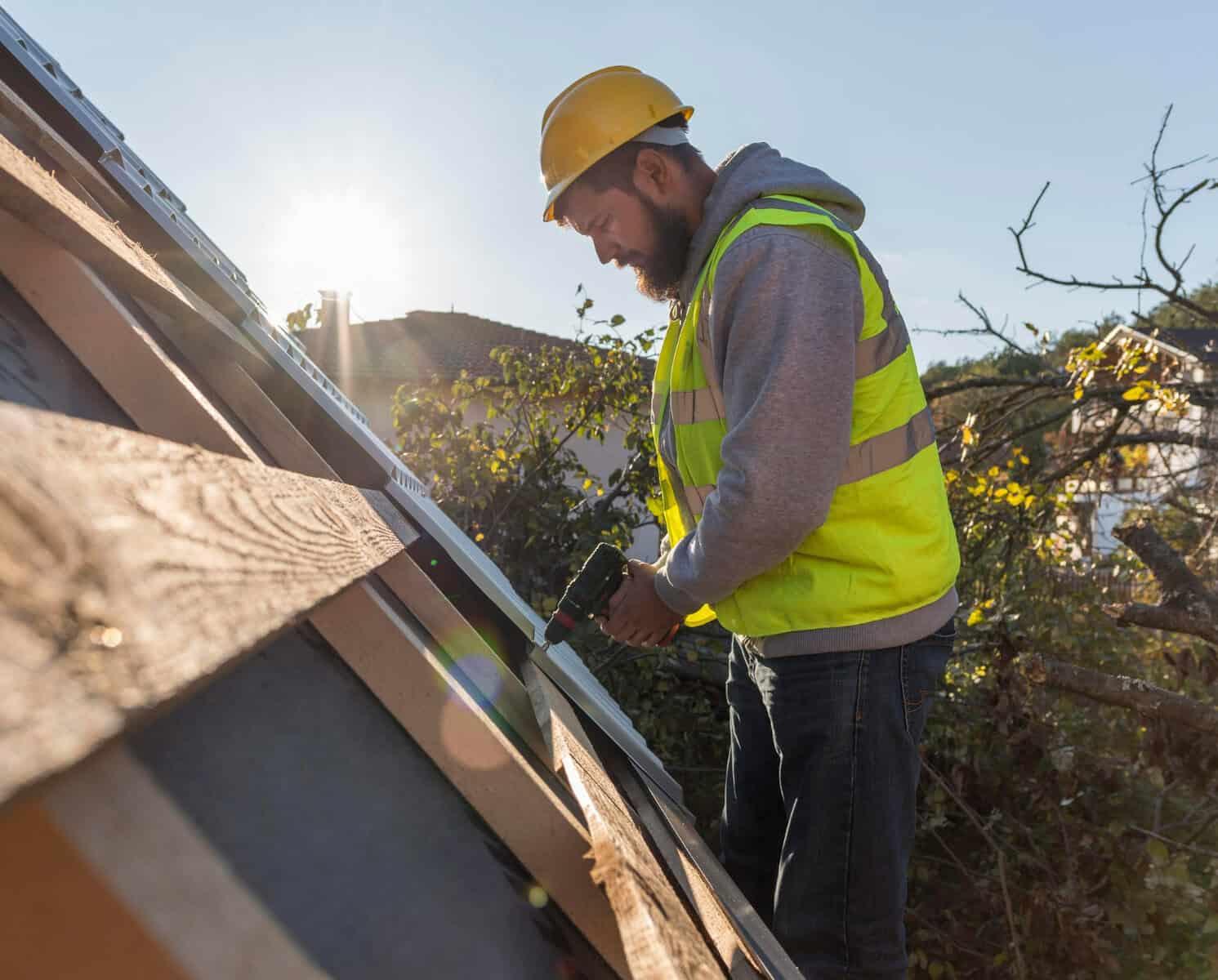
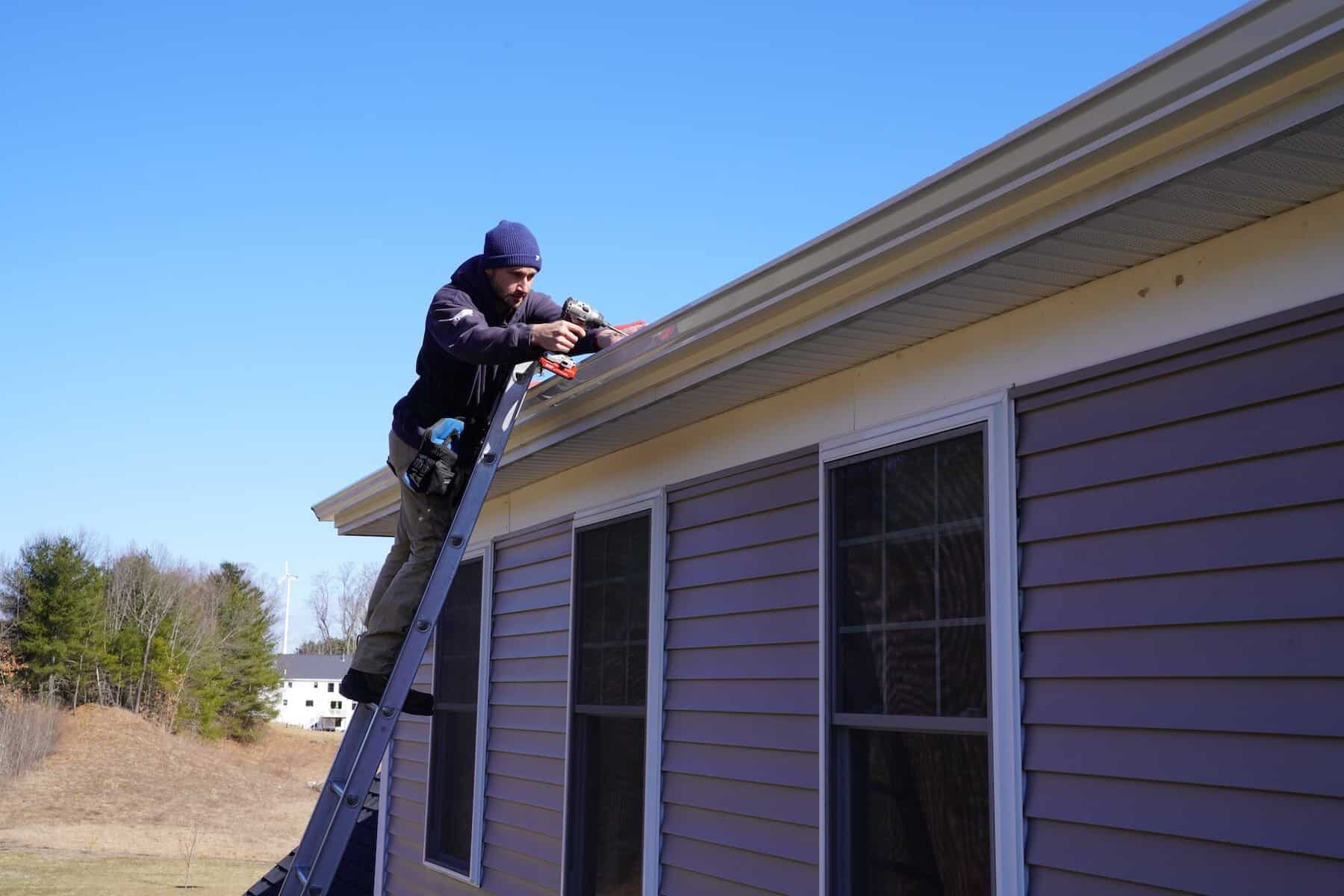
man working roof with drill

A roof deck is an essential part of a building’s structure, supporting the roofing material and ensuring that your home remains secured from the elements. Over time, roof decks can deteriorate due to various factors such as weather, water damage, and pests. As a responsible homeowner, it’s crucial to understand when to consider replacing your roof deck to prevent significant injuries and costly repairs. 

This blog post will discuss how often you must do a roof deck replacement, the factors contributing to its deterioration, and the signs indicating it’s time for a replacement.

How Often Should You Replace Your Roof Deck?

The frequency of roof deck replacement varies depending on several factor. On average, a well-maintained roof deck should last between 20 to 30 years. However, it’s essential to remember that the lifespan of your roof deck may be shorter or longer depending on the specific circumstances of your home.

Factors That Contribute to Roof Deck Deterioration

1. Roofing Material Lifespan

Different roofing materials have different lifespans, which can affect the longevity of the roof deck. For example, asphalt shingles typically last 20 to 30 years, while metal roofing can last up to 50 years or more. If your roofing material is nearing the end of its lifespan, it may be time to inspect the roof deck for hints of damage.

2. Climate

The local climate can significantly impact the durability of your roof deck. Extreme temperatures, heavy snowfall, and high humidity levels can cause the roof deck to expand and contract, leading to cracks and other damages over time. Additionally, areas with frequent storms and high winds can also cause damage to the roof deck through water leaks and debris impact.

3. Maintenance

Proper roof and gutter system maintenance is crucial for preventing roof deck damage. Regular roofers inspections, cleaning, and quality roofers repairs can extend the life of your roof deck by preventing water damage, mold growth, and other roofing issues that can weaken the structure.

4. Installation Quality

The initial installation’s quality can significantly impact your roof deck’s lifespan. An improperly installed roof deck may fail prematurely due to poor ventilation, insufficient support, or other structural issues. Hiring professional, experienced roofing contractors is essential to ensure a high-quality installation and a long-lasting roof deck.

Signs It’s Time for a Roof Deck Replacement

1. Sagging or Pitched Roof

A sagging or uneven roof may indicate that the roof deck has been compromised, either by water damage, rot, or other structural issues. Suppose you notice that your roof is uneven or sagging in certain areas. In that case, it’s essential to have a professional inspect the roof deck to determine if replacement is necessary.

2. Water Damage and Leaks

Water leaks can cause significant damage to your roof deck over time, leading to rot and mold growth. If you recognize water stains on your ceiling or walls or if you’ve had recurring leaks, it may be a sign that your roof deck has been compromised and needs replacement.

3. Mold and Mildew Growth

Mold and mildew growth can weaken the roof deck’s structure and pose a health risk to your family. If you encounter a musty smell in your attic or see visible mold growth, it’s essential to have a professional inspect the roof deck and address any underlying issues.

4. Pest Infestations

Pests such as termites, carpenter ants, and rodents can cause significant damage to your roof deck by chewing through the wood and creating tunnels. Suppose you notice signs of a pest infestation, such as sawdust or droppings. In that case, it’s essential to have a professional inspect the roof deck to determine the extent of the damage and whether replacement is necessary.

Conclusion

Regular roof deck inspections and maintenance are crucial for ensuring your home’s longevity and structural integrity. Understanding the factors contributing to roof deck deterioration and knowing when to replace it can prevent costly repairs and potential damage to your home. If you suspect any issues with your roof deck, consult professional roofing contractors to evaluate the situation and provide the necessary recommendations for repair or replacement. 

J. Carnes & Son Roofing has established itself as one of the preeminent residential roofing contractors in Merrimack, NH. With a commitment to utilizing top-quality materials and staying current with the latest roofing trends and innovations, we ensure that our customers receive only the highest quality roofing services. If you need roofing services, do not hesitate to contact us to experience the difference our expertise and dedication can make in your home improvement project.

5 Ways Proper Attic Venting Can Help You Save Money

Roof and attic ventilation work in New Hampshire by J. Carnes & Son Roofing

With energy costs continually on the rise, homeowners are constantly searching for ways to save money on their utility bills. One area of the home that is often overlooked regarding energy efficiency is the attic. 

Proper attic ventilation is critical for a comfortable living environment and can help you save money in the long run. In this article, we will discuss five ways that proper attic venting can help you save money.

1. Reducing Energy Costs

A well-ventilated attic allows for better air circulation, which can significantly reduce your home’s energy costs. In the summer, a properly ventilated attic will help keep your home cooler by letting hot air escape. This means that your air conditioning system will not have to work as hard to maintain a comfortable temperature inside your home, resulting in lower energy bills.

In the winter, proper attic ventilation will help hinder warm air from becoming trapped in the attic, which can lead to heat loss through the roof. By allowing warm air to escape, your heating system will not have to work as hard to keep your home warm, which can help to lower your heating costs.

2. Preventing Moisture Problems

A poorly ventilated attic can lead to various moisture-related problems, such as mold, mildew, and wood rot. These issues can be costly and negatively impact your home’s air quality. Ensuring that your attic is adequately ventilated can help prevent moisture from becoming trapped in the space, reducing the risk of these problems.

In addition to preventing moisture problems, proper attic ventilation can help reduce the risk of ice dams solidifying on your roof during winter. Ice dams can cause sizable damage to your roof and gutters, and repairing this damage can be expensive. 

By allowing cold air to circulate through your attic, you can help to prevent warm air from becoming trapped and causing ice dams to form.

3. Extending the Life of Your Roof

Proper attic ventilation can also help to extend the life of your roof. When hot air becomes trapped in your attic during the summer months, it can cause the temperature of your roof to rise significantly. 

This can lead to premature aging of your roofing materials and warping and cracking. By allowing hot air to escape from your attic, you can help to keep your roof cooler and extend its lifespan.

4. Improving Indoor Air Quality

A well-ventilated attic can also help to improve your home’s indoor air quality. As mentioned earlier, proper attic ventilation can help to prevent mold and mildew growth by reducing moisture levels in the space. Mold and mildew can unleash spores into the air, negatively impacting your home’s air quality and potentially causing health issues for you and your family.

In addition to mold and mildew, a poorly ventilated attic can lead to a buildup of allergens, such as dust and pollen. Ensuring your attic is properly ventilated can help improve your home’s indoor air quality and maintain an optimal living environment for you and your family.

5. Increasing Your Home’s Resale Value

Finally, proper attic ventilation can help to increase your home’s resale value. A well-ventilated attic is an attractive feature to potential buyers, as it shows that the home has been well-maintained and is less likely to have moisture-related problems. Additionally, a properly ventilated attic can help improve a home’s energy efficiency, another appealing factor to potential buyers.

Conclusion

Proper attic ventilation is essential to maintaining a comfortable and energy-efficient home. By ensuring that your attic is well-ventilated, you can save money on your energy bills, prevent costly moisture-related problems, extend the life of your roof, improve your home’s indoor air quality, and potentially increase your home’s resale value. Proper attic ventilation is smart for any homeowner looking to save money and protect their investment.

Don’t wait any longer to improve your home’s attic ventilation! Contact J. Carnes & Son Roofing today to discuss your attic venting needs with our expert team. With years of experience and a commitment to quality, we’ll ensure your attic is properly ventilated, providing you with all the benefits discussed above. Contact us today for a free consultation. 

Understanding Why Gutters Pull Away and What Follows After

Storm-damaged gutter repair in New Hampshire by J. Carnes & Son Roofing

A home’s exterior is not complete without its gutters. These are responsible for directing rainwater away from the foundation and preventing water damage. However, gutters can pull away from the house over time, leaving gaps between the gutter and the roofline. This may seem minor, but it can lead to significant issues if left untreated.

Reasons for Gutters Pulling Away

  • Poor Installation: If gutters are not installed correctly, they are more likely to pull away from the roofline. This is because the fasteners that secure the gutter to the house are not strong enough or are not located in the proper position.
  • Clogged Gutters: When gutters are clogged, water accumulates, causing the gutters to become heavy and pull away from the house.
  • Weather Conditions: Harsh weather conditions, such as strong winds, heavy rain, or snow, can put pressure on the gutters, causing them to separate from the house.
  • Age: Over time, gutters can weaken and deteriorate, making them more susceptible to pulling away from the house.

What Happens When They Pull Away?

  • Water Damage: When gutters are not functioning correctly, rainwater can accumulate around your home’s foundation, causing water damage. This may result in expensive repairs and compromise the structural integrity of your home.
  • Pest Infestation: Water pooling around your home’s foundation can attract pests, such as mosquitoes, ants, and termites. These pests can damage your home and be a health hazard to your loved ones.
  • Landscape Erosion: Water pouring out of clogged or damaged gutters can erode the soil around your home, causing damage to your landscape and potentially leading to drainage issues.
  • Structural Damage: When water accumulates around your home’s foundation, the soil will inevitably shift, leading to structural damage. This can include cracked walls, uneven floors, and doors and windows that no longer close correctly.

How to Prevent Gutters from Pulling Away

  • Regular Maintenance: This includes removing debris that may clog the gutters, checking for leaks or damage, and ensuring the gutters are properly attached.
  • Professional Installation: Make sure your gutters are installed correctly, with the correct number of hangers to support the gutters’ weight and the water they collect. Additionally, ensure the gutters are sloped correctly to ensure proper water flow.
  • Upgrading Gutters: If your gutters are old and deteriorated, upgrading to a more durable and robust system is necessary. For instance, seamless gutters are less likely to pull away since they are built to custom-fit your house and have fewer joints that can weaken over time.
  • Repairing Damage:  Any sign of damage, such as cracks or holes, requires repair at the soonest. Neglecting these issues may lead to further damage and potentially costly repairs in the future.

The Bottomline

Gutters are vital in protecting your home and keeping it safe from water damage. However, when gutters pull away from your house, they can lead to significant problems. Whether it’s professional installation, upgrading to a more durable system, or repairing damage, you must address any issues immediately. In short, don’t ignore your gutters at all costs!

If your home’s gutters are pulling away, hire one of the gutter installers at J. Carnes & Son Roofing for a professional assessment and replacement. With our expertise and experience in house gutters, we can make sure they are properly installed and functioning correctly to protect your home from water damage.

Call us at 603-686-7763 to request a free estimate!

Serious Issues That Can Stem from Leaking Roofs: A Guide

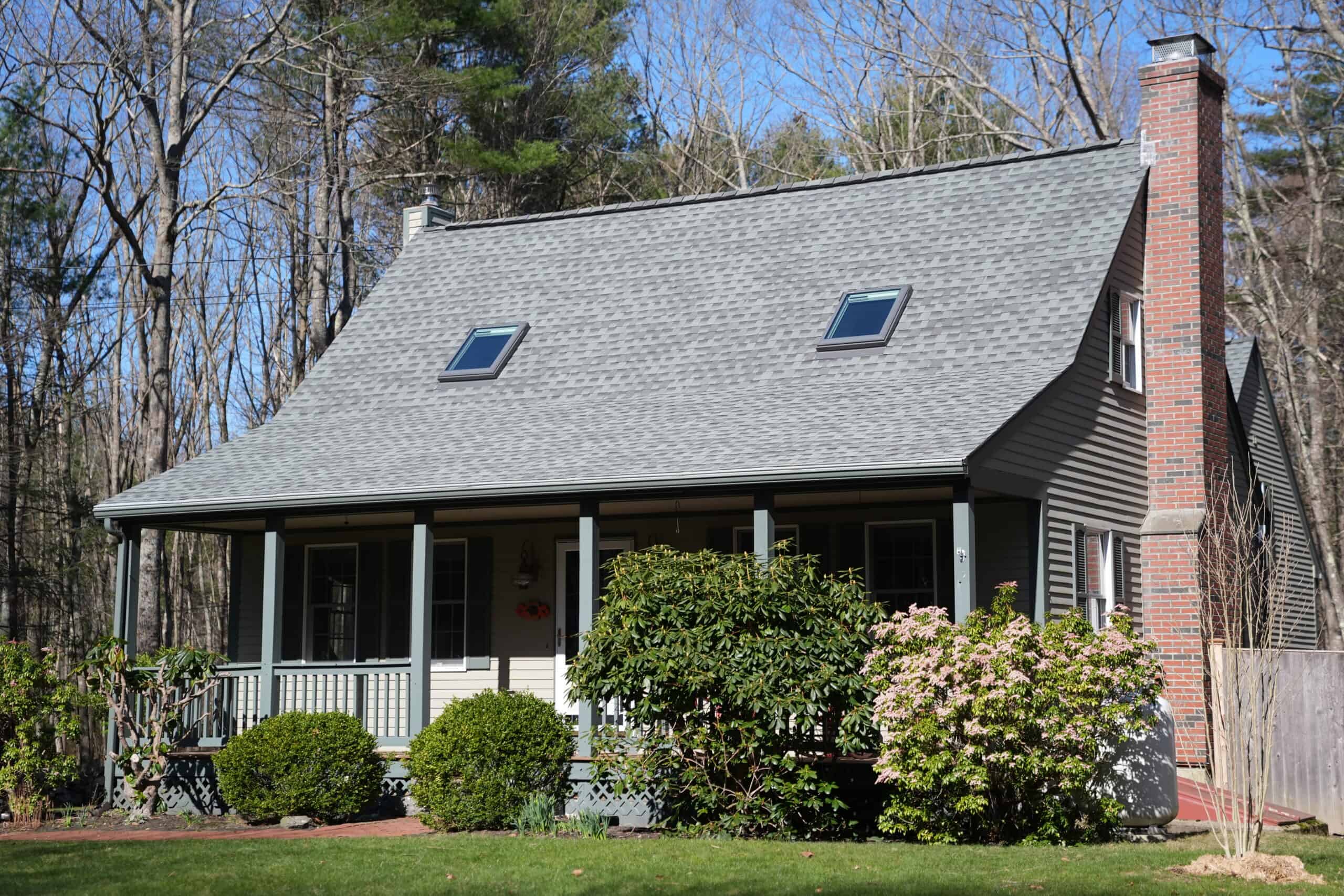
Classic New Hampshire Cape with a new architectural shingle roof by J. Carnes & Son Roofing

A leaking roof can cause a multitude of issues for homeowners, ranging from minor annoyances to major structural damage. In this article, we will explore 10 common issues that can arise from a leaking roof. These issues include water damage to ceilings and walls, mold growth, decreased energy efficiency, compromised structural integrity, decreased property value, increased risk of electrical hazards, and potential health risks. By understanding these issues, homeowners can take proactive measures to prevent or address leaking roofs before they become a more significant problem.

1. Attic, Ceiling, and Paint Damage

One of the most obvious and visible effects of a leaking roof is damage to the attic, ceiling, and paint. Water seeping through the roof can cause stains, discoloration, and peeling paint on the ceiling and walls. Over time, the water can weaken the ceiling’s structure, causing it to sag or even collapse.

2. Mold Growth

A leaking roof can create a moist environment that is ideal for mold growth. Mold can quickly spread and cause respiratory problems, allergies, and other health issues. If you notice a musty smell or see black spots on your ceilings or walls, you may have mold growth.

3. Decreased Energy Efficiency

A leaking roof can reduce the insulation’s effectiveness, leading to increased energy bills. The insulation can become wet and compressed, making it less effective in regulating the temperature inside the house.

4. Compromised Structural Integrity

Water can damage the roof’s structural components, including the trusses, rafters, and decking. Over time, this can compromise the roof’s strength and stability, making it more susceptible to collapse during heavy rain or snow.

5. Decreased Property Value

A leaking roof can significantly decrease a property’s value. Potential buyers may see a leaking roof as a sign of neglect and expect to pay less for the property.

6. Increased Risk of Electrical Hazards

A leaking roof can create an electrical hazard if water seeps into the electrical system. Water can cause short circuits, which can cause fires or shock hazards.

7. Potential Health Risks

Mold growth caused by a leaking roof can create health risks for homeowners. Mold spores can cause respiratory problems, allergies, and other health issues, particularly in children, the elderly, and people with weakened immune systems.

8. Pest Infestations

A leaking roof can create an ideal environment for pests such as rodents, termites, and other insects. These pests can cause damage to the roof’s structure and create health risks for homeowners.

9. Decreased Comfort

A leaking roof can make the home less comfortable. Water can seep into the insulation, making it less effective in regulating the temperature inside the house. This can lead to drafts and temperature fluctuations that make the home less comfortable.

10. Higher Maintenance Costs

A leaking roof can lead to higher maintenance costs, as homeowners may need to replace damaged insulation, repair water damage to ceilings and walls, and address other issues caused by the leak.

Conclusion

In a nutshell, a leaking roof can cause a multitude of problems for homeowners, ranging from minor annoyances to major structural damage. By understanding these issues, homeowners can take proactive measures to prevent or address leaking roofs before they become a more significant problem. Regular roof inspections, timely repairs, and proper maintenance can help prevent many of these issues and ensure a safe and comfortable home.

If you need help from a contractor for roofing, contact J. Carnes & Son Roofing. We are considered the leading and most trusted residential roofing contractor in New Hampshire and Southern Maine. Contact us and let us know what you need for your roof today!

The Devastating Consequences of Not Cleaning Your Gutters

New architectural shingle roof and white seamless gutters installed on a New Hampshire home by J. Carnes & Son Roofing

As a homeowner, it’s easy to overlook the maintenance of your gutters. After all, they’re not the most glamorous feature of your home, and they’re often out of sight and out of mind.

However, neglecting your gutters can have severe consequences for your home and your wallet. In this article, we’ll explore what happens if you don’t clean your gutters and why keeping them in good condition is so important.

What Are Gutters and Why Do You Need Them?

First, let’s define gutters and why they’re essential for your home’s health. Gutters are narrow channels that are attached to the edge of your roof. They aim to collect rainwater and direct it away from your home’s foundation. Without gutters, rainwater would run off your roof and pool around your house, causing erosion, water damage, and flooding.

Gutters also protect your home’s exterior from water damage. When rainwater collects on your roof, it can seep into your home’s walls and cause mold, rot, and other types of water damage. Gutters divert this water from your home, keeping it safe and dry.

What Happens When You Don’t Clean Your Gutters?

1. Water Damage

When your gutters are clogged with leaves, twigs, and other debris, rainwater can’t flow freely through them. Instead, it backs up onto your roof, causing water damage. Over time, this can lead to leaks, mold, and rot, which can be expensive to repair.

2. Pest Infestations

Gutters that have missed a few gutter cleaning sessions can also be a breeding ground for pests like mosquitoes, rodents, and birds. These pests are attracted to stagnant water and can use your gutters as nesting sites. Once they’ve taken up residence, they can cause damage to your home and be difficult to remove.

3. Foundation Damage

Remember how gutters are designed to direct water away from your home’s foundation? When your gutters are clogged, water can’t flow away from your home properly. Instead, it pools around your foundation, causing erosion and potentially leading to foundation damage. This can be a costly repair, and in extreme cases, it can even cause your home to become unstable.

4. Roof Damage

Clogged gutters can also cause damage to your roof. When water backs up onto your roof, it can seep under the shingles and cause them to lift or even fall off. This can leave your roof vulnerable to further water damage, making it more likely to leak.

5. Ice Dams

In colder climates, clogged gutters can cause ice dams to form on your roof. When water can’t flow through your gutters, it freezes and creates a barrier on your roof. As more water backs up behind the ice dam, it can seep under your shingles and cause water damage.

How Often Should You Clean Your Gutters?

Now that you know the consequences of neglecting your gutters, you probably wonder how often you should clean them. The answer depends on a few factors, including:

  • The climate in your area
  • The number of trees around your home
  • The type of gutters you have

Generally, it’s a good idea to hire gutter cleaning services at least twice a year – once in the spring and once in the fall. If you live in an area with a lot of trees, you may need to clean your gutters more frequently. It’s also a good idea to inspect your gutters after a big storm or heavy rainfall to ensure they’re in good condition.

Conclusion

Neglecting your gutters can have severe consequences for your home’s health and your wallet. Water damage, pest infestations, foundation damage, roof damage, and ice dams are just a few of the risks of clogged gutters. To keep your home safe and dry, it’s essential to clean your gutters regularly and inspect them for damage. By taking care of your gutters, you’ll be protecting your home for years to come.

Choose J. Carnes & Son Roofing for professional gutter cleaning services. We also offer gutter guards to protect your gutters and ensure they’re in good working condition. Contact us today to schedule your gutter cleaning appointment and give your home the protection it deserves.

3 Ways Clogged Gutters Can Lead to Basement Flooding

Gutter installation on a New Hampshire home by J. Carnes & Son Roofing

Clogged gutters are an often-overlooked problem that can have serious consequences for homeowners. One of the most significant risks of clogged gutters is basement flooding. To help you combat this, we thought it would be useful to put together a brief discussion on how clogged gutters can cause flooding. If this is something that you’re interested in learning more about, here are three ways clogged gutters can lead to basement flooding.

1. Water Overflow

The primary function of gutters is to direct rainwater away from your home’s foundation. However, when gutters become clogged with leaves, twigs, and other debris, they can no longer perform this essential task. Instead, water will overflow from the gutters and cascade down the side of your home, saturating the soil around your foundation. Over time, this can lead to soil erosion, which can cause your foundation to shift or crack, creating gaps that allow water to seep into your basement.

To prevent this from happening, homeowners should make sure to clean their gutters regularly. Ideally, gutters should be cleaned at least twice a year, in the spring and fall, to remove built-up debris. If you live in an area with many trees, you may need to clean your gutters more frequently.

2. Ice Dams

During the winter months, clogged gutters can also lead to basement flooding through the formation of ice dams. Ice dams occur when snow melts on your roof and then refreezes at the edge of your gutters, creating a barrier that prevents water from draining properly. As water continues to melt and accumulate behind the ice dam, it can seep under your shingles and into your attic, eventually making its way down to your basement.

To prevent ice dams from forming, homeowners should make sure their gutters are clear of debris before the first snowfall. Additionally, they should ensure that their attic is properly insulated and ventilated to prevent heat from escaping and melting snow on the roof.

3. Downspout Disconnection

Another way that clogged gutters can lead to basement flooding is through downspout disconnection. Downspouts are the vertical pipes that carry water from your gutters down to the ground and away from your home’s foundation. If downspouts become clogged or disconnected from the gutters, water can accumulate around your foundation, increasing the risk of basement flooding.

To prevent downspout disconnection, homeowners should make sure that their downspouts are securely attached to their gutters and that there are no obstructions preventing water from flowing freely. Additionally, they should ensure that their downspouts are directed away from their home’s foundation and towards a drainage area, such as a dry well or a storm drain.

Conclusion

Clogged gutters can pose a significant risk to your home’s foundation and increase the likelihood of basement flooding. Homeowners should take steps to prevent clogged gutters by cleaning them regularly, installing gutter guards, and trimming trees near their homes. Additionally, they should ensure that their downspouts are properly attached and directed away from their home’s foundation. By taking these steps, homeowners can protect their homes from water damage and avoid the costly repairs associated with basement flooding.

Choose J. Carnes & Son Roofing for professional gutter cleaning services. We also offer gutter guards to protect your gutters and ensure they’re in good working condition. Contact us today to schedule your gutter cleaning appointment and give your home the protection it deserves.

Why Hire Professional Contractors for a Chimney Flashing

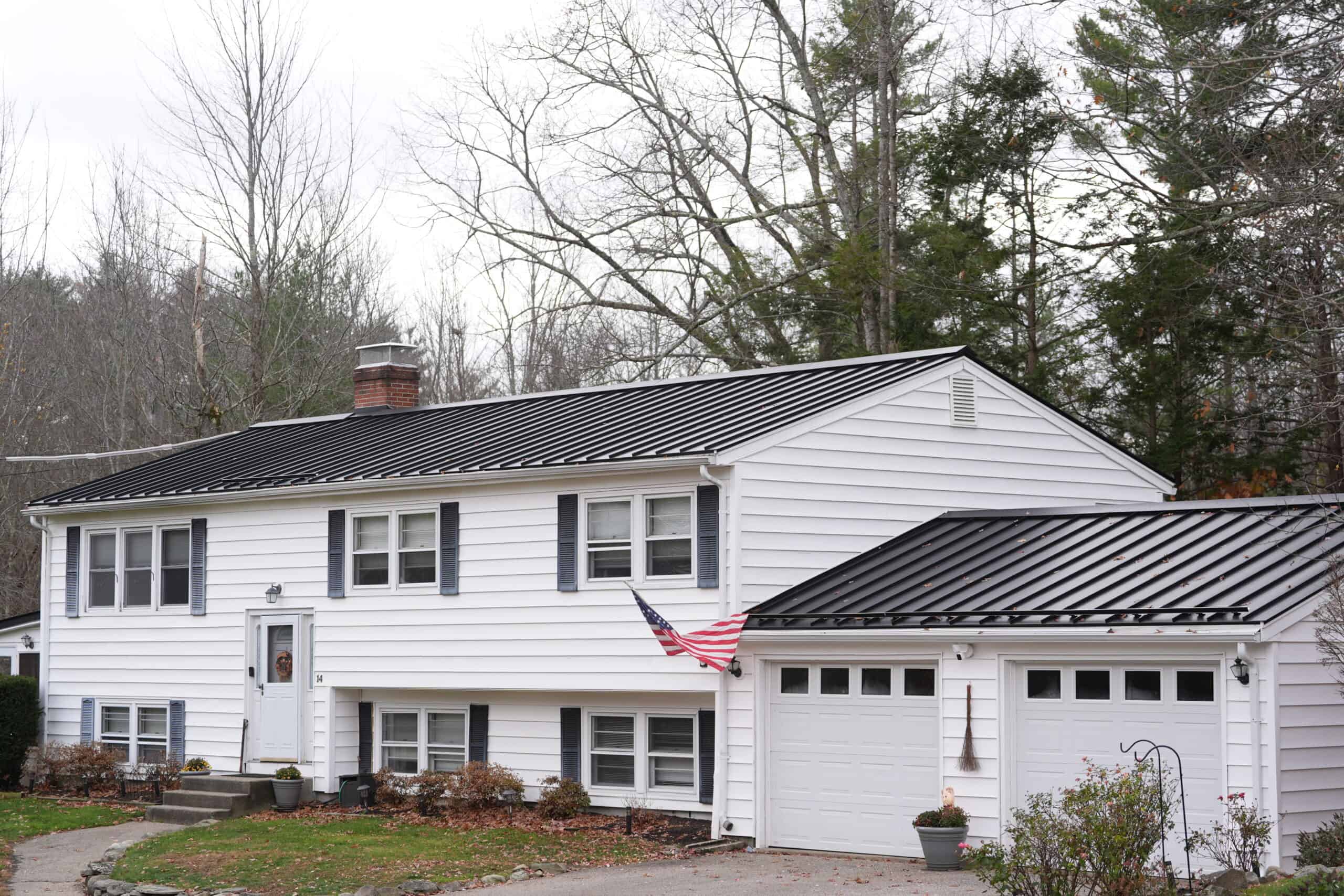
Black standing seam metal roof installed by J. Carnes & Son Roofing on a white split-level home in New Hampshire

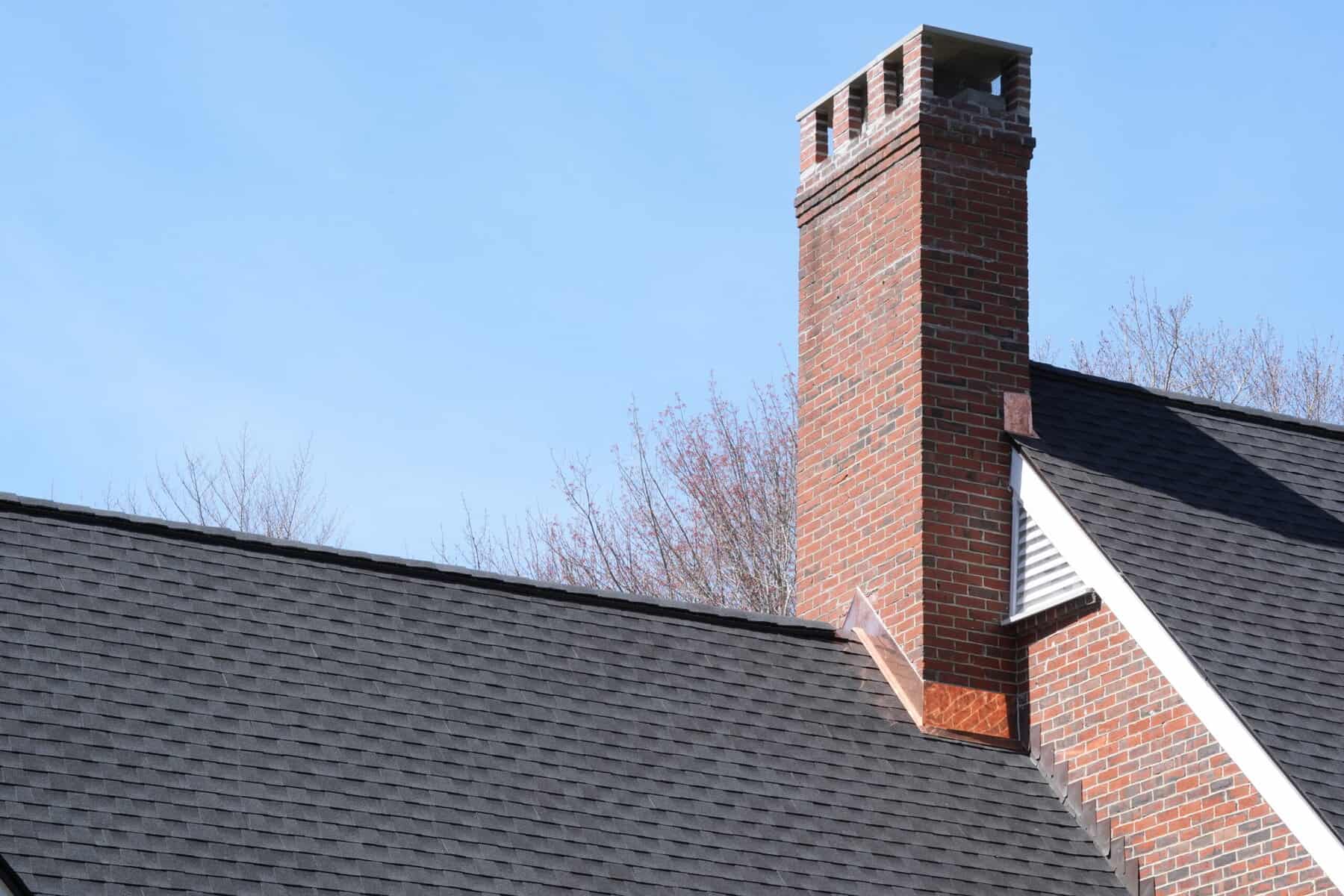
Chimney flashing is a critical component of your roofing system that ensures your home is protected from water damage. It is a thin sheet of metal installed around the base of your chimney where it meets the roof, creating a watertight seal that prevents water from seeping in and causing damage to your home’s structure. 

While some homeowners may be tempted to take on chimney flashing installation or repairs themselves, it is crucial to hire professional contractors for this essential task. In this blog, we will explore why hiring a professional contractor for chimney flashing is the best decision for your home and safety.

1. Safety

Chimney flashing installation and repair involves working at significant heights and requires specialized knowledge and skills to ensure the job is done safely.

Professional contractors have the necessary training, experience, and equipment to perform the work safely and efficiently, minimizing the risk of accidents or injuries. By hiring a professional, you can have peace of mind knowing that your chimney flashing will be installed or repaired safely and securely.

2. Attention to Detail

Chimney flashing requires meticulous attention to detail to ensure a watertight seal and proper fit. Professional contractors have the expertise to identify any potential issues with your chimney and flashing, such as damaged or missing pieces.

They can recommend the best course of action for repair or replacement. They will also ensure the flashing is correctly installed and sealed, preventing future leaks and water damage.

3. Better Material Expenses

Professional contractors can access high-quality materials at better prices than homeowners typically find. They have established relationships with suppliers, allowing them to source the best materials for your chimney flashing at competitive prices.

By hiring a professional, you can ensure that your chimney flashing is made from top-quality materials that will stand the test of time and protect your home for years to come.

4. Roofing Warranty

Many roofing manufacturers require that chimney flashing be installed or repaired by a certified professional to maintain the warranty on your roof. Hiring a professional contractor ensures that your chimney flashing is installed according to the manufacturer’s specifications, protecting your investment in your roofing system.

If any issues arise with your flashing or roof, having a professional contractor perform the work may also make it easier to work with your insurance company to address any claims or repairs.

Final Thoughts

Chimney flashing is a crucial aspect of your home’s roofing system, and it is essential to ensure it is installed and maintained correctly. Hiring a professional contractor for chimney flashing offers numerous benefits, including increased safety, attention to detail, access to better materials, and protection for your roofing warranty.

By investing in a professional contractor for your chimney flashing needs, you can rest easy knowing that your home is protected from water damage and you are safeguarding your investment in your roofing system.

Don’t take chances with DIY repairs or inexperienced contractors — trust the professionals to get the job done right. Work with us at J. Carnes & Son Roofing, lead chimney flashing experts from Elmhurst, IL. Give us a call today for more information.