
As temperatures rise in early summer, many homeowners across New Hampshire and Southern Maine start to feel the difference inside their homes. One of the biggest problem areas tends to be the attic. A poorly ventilated attic can turn into a heat trap, especially once the long summer days settle in. That warm air doesn’t just stay upstairs. It can flow down into the living spaces, making rooms stuffy and harder to cool. How your attic handles that heat comes down to good airflow and the condition of your roof. When we talk about roofing in New Hampshire, ventilation always plays a big part in how well a home deals with seasonal heat.
Why Heat Builds Up So Quickly in Attics
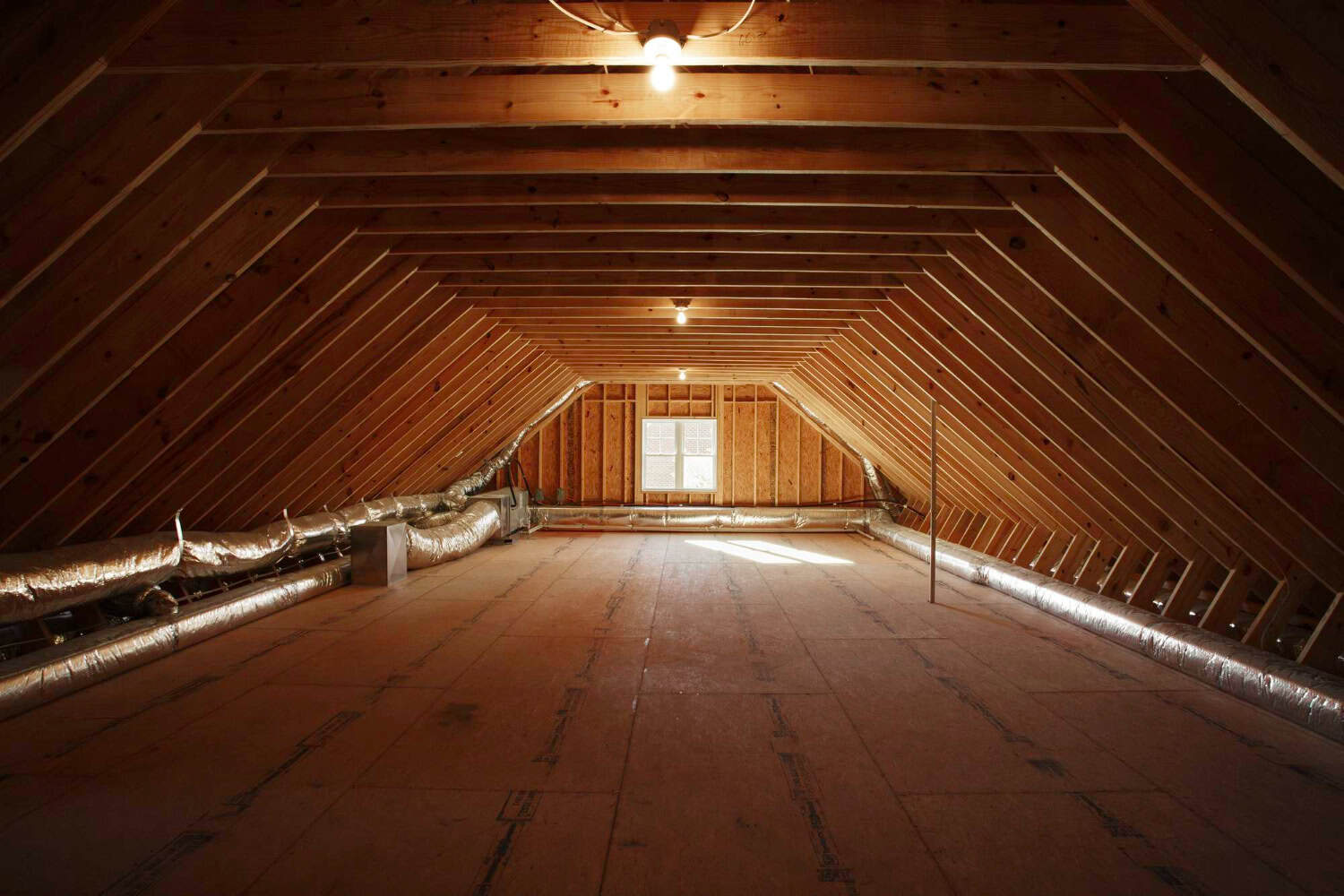
Attics hold onto heat more than most spaces in the home. It’s part of how air naturally moves. Warm air rises, so even on mild days, heat from the lower floors ends up in the attic.
The main problem with this is what happens next. In homes without strong ventilation, the hot air just stays there. It can’t escape. That trapped air builds up and starts to raise the overall temperature inside the attic. Then, it starts warming the insulation, the ceilings below, and even certain areas inside the rooms underneath.
The problem gets worse when the roof is exposed to long hours of sunlight. Heat from the sun warms up the roof, and if there’s no place for that added warmth to go, it passes right into the attic. With little movement of air, your attic becomes one of the hottest places in your house before noon.
How Roof Design and Age Affect Airflow
The shape and condition of your roof do more than protect your home from rain and snow. They also play a bigger part in how air moves through the attic. If the design is off or aging parts are failing, airflow slows down. Once that happens, heat builds faster.
Here’s what affects attic airflow the most:
- Steep or oddly shaped rooflines can block air from passing evenly through attic vents
- Older roofs may have damaged soffits, missing shingles near vents, or vents that are too small
- Roofs installed decades ago might not include proper ridge or gable ventilation, which helps air flow out of the attic
Materials can play a role too. If repairs were made over the years using mismatched parts or the roof was layered instead of removed and replaced, air paths may get blocked or narrowed. That disruption can be enough to let heat pool where it shouldn’t.
Signs That Your Ventilation Isn’t Working Right
It’s not always easy to know if the attic has a ventilation problem just by looking at the outside of the roof. The signs tend to show up in how the upstairs part of your home feels during the day.
These are some common things to watch for:
- The second floor or attic feels hotter than anywhere else, even with the air conditioning on
- The upstairs has a stuffy or sticky feel, with little airflow or no breeze, even with fans running
- You notice odd smells coming from the ceiling or attic hatch during warm afternoons
- Wood or insulation near the attic appears damp or warped (this is common when trapped heat mixes with indoor moisture)
Once these signs show up, the attic probably isn’t releasing heat the way it should. And once moisture mixes in, things can quickly shift from uncomfortable to damaging.
Why Timing Matters Before Peak Heat Hits
In early June, summer hasn’t fully arrived in New Hampshire, but the sun is strong and the days run long. That makes now the right time to catch attic heat issues before the real heat sets in. Waiting until July means working in an already overbuilt problem.
Here’s what can happen when attic ventilation isn’t sorted early in the season:
- Cooling systems work harder to keep rooms comfortable, running longer and more often
- The roof gets exposed to more strain from rising interior heat and sun-heated surfaces
- Your insulation struggles to keep up, losing its ability to hold a stable indoor temperature
If your attic and roof need attention, early summer is the easier time to address it before the worst heat shows up. Once temperatures start hitting their peaks, attic work becomes more urgent and less pleasant for everyone involved.
The Role of Professional Roofing Support
Checking attic ventilation isn’t always simple. That’s where experience with different roof types helps, especially when it’s local. When we deal with roofing in New Hampshire, we look closely at attic vents, soffit systems, ridge structure, and how each part works together based on the home’s layout.
An attic inspection usually focuses on these areas:
- Condition and location of vents, both intake and exhaust
- Roof materials, age, and repair history
- Airflow patterns throughout the attic space
The goal is to catch hidden blockages or air gaps before they cause lasting changes to the inside of the home. Local roofs experience full-season weather cycles too, which gives us more signs to look for beyond just temperature swings. That kind of detail helps us spot problems faster.
Staying Comfortable from Top to Bottom
The attic has an effect on the whole house, even if you never set foot inside it. If heat gets trapped up there, it doesn’t just make the attic hot. That pressure spreads downward, straining systems and raising room temps when all you want is cool air.
When the air can move freely, your home stays more balanced. The AC doesn’t have to work as hard. Insulation holds its strength a little longer. And you notice fewer swings between morning and evening comfort.
Catching the problem early in June gives you a better shot at staying ahead of the full summer heat. By the time July rolls in, homes that already had good attic airflow in place tend to stay quieter, cooler, and far more comfortable.
Experiencing a warm attic too early in the season may indicate that your roof’s airflow is compromised. Ventilation problems often arise when summer heat builds, especially in homes across New Hampshire and Southern Maine. We inspect every part of your system, from ridge vents to attic layout, to make sure everything works together. To learn more about roofing in New Hampshire or discuss potential changes, reach out to J. Carnes & Son Roofing and let us know how we can help.