When a roof starts to age, it’s not always the shingles or siding that show signs of wear first. The seams in the gutters can quietly break down over time, setting up bigger problems if they aren’t caught early. Spring is when many homeowners in New Hampshire and Southern Maine start noticing water dripping in spots it shouldn’t. After several months of snow, ice, and freeze-thaw weather, your roof and gutter installation may not be holding up the way it used to.
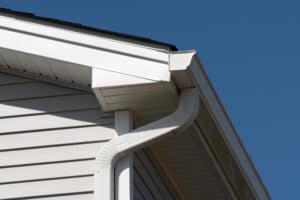
Gutter seams are where two sections of the gutter meet. These joints are often weaker than the rest of the system and can open up as the materials age or shift. A small leak in one of these seams might go unnoticed at first, but as snow melts and early spring rain starts falling, that small gap could let water spill down your siding, pool around your foundation, or creep into the roof itself.
Why Gutter Seams Fail As Roofs Age
As roofs and gutters age, a few natural factors begin to work against them. One of the biggest threats is the freeze-thaw cycle we see so often through New Hampshire and Southern Maine winters. Melted snow flows into the cold seams of your gutter system and freezes again overnight. That constant expansion and contraction puts pressure on the seals and joints, pulling them apart over time.
We also see aging materials lose their hold. The sealants used to bond gutter sections can get brittle or shrink, especially when baked under the summer sun and then frozen solid five months later. After a few years of this cycle, the seams weaken, and small openings appear.
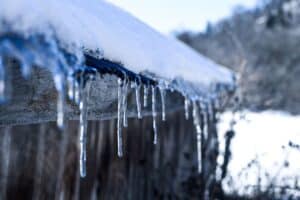
Metal gutters can bend with the weight of heavy snow, especially if icicles form along the edges. That sagging puts more strain on the joint areas. Combine that with older shingles weakening along the roofline, and it’s only a matter of time before the seams can’t keep up.
Signs Your Gutter Seams May Be Failing
The trouble with gutter seams is that they often fail slowly. You might not notice the first few drips unless you’re looking for them. But once you know what to look out for, the signs stand out a bit more clearly. Here are a few that usually show up first:
- Water dripping consistently from the same spot, especially during light rain
- Small weeds or moss growing near gutter corners or joints, fed by the constant moisture
- Dark stains or streaks on the siding beneath a seam
- A minor ledge or bend in the gutter that gathers more debris than other parts
When these signs show up and are ignored, the problem tends to spread. Water can run behind the gutter instead of through it, soaking the fascia or even getting into the edges of the roof. Over time, that moisture seeps into the attic space or causes wood under the siding to soften and rot. Small leaks invite bigger damage if they aren’t caught early.
Why Seam Leaks Tend to Happen Around Roof Edges
Edges and corners of the roof are often where water volume is highest, especially when melting snow rolls down the slopes quickly in early spring. This runoff hits the same seam points again and again, making those weaker areas more likely to leak.
A roof that’s been in place for over a decade may also have shifted slightly. Flashing materials used years ago may not deflect water the same way newer roof and gutter installation setups do. With the pitch changing slightly or sagging in places, water can take a different path than it was meant to.
Older homes are more likely to have gutter sections that were bolted or joined by hand, using materials that might not be used today. These seams can loosen over time, especially when snow melts one day and refreezes the next. All of this movement creates gaps where there used to be tight connections.
How Seasonal Shifts Make the Problem Worse
Once early spring settles in across New Hampshire and Southern Maine, weather often swings between freezing mornings and warm afternoons. This temperature swing is hard on rooftops and gutters. Ice that built up during the winter begins to melt quickly, adding pressure on already strained seams.
Then come the spring rains. A light drizzle may not cause a problem on its own, but days of steady rain combined with melting snow will push worn gutter seams past their limit. If there’s debris clogging the downspouts or low spots in the gutters, water will back up and push against the joints even more.
That’s why this time of year is important for checking on problem spots. Catching seam issues before late spring storms roll in gives you time to prevent water from leaking into walls or collecting at the base of your home. Left alone, those leaks don’t stay small for long.
A Stronger Roof Starts with the Small Stuff
Gutter seams may only make up a small part of your entire roofing system, but when they start to fail, the effects can spread quickly. Water that slips past those gaps doesn’t always show up where you’d expect. It can soak wood behind the gutter, rot fascia boards, or reach your roofline before anyone notices.
Fixing worn gutter seams helps your roof keep water moving the way it’s meant to. When these joints stay firm, you’re less likely to deal with overflow, sagging sections, or moisture creeping inside from the edges. That’s why checking for seam trouble early in the season matters.
Small leaks that start in the joints can grow into larger problems, especially when the roof is older and the drainage system is already under strain. Spotting those weak spots early helps protect not just your gutters, but the whole structure they’re supposed to support. A few minutes checking for gaps now may save a lot of repair work down the road.
Early spring is the perfect time to examine your gutters before heavier rains arrive. Roofs that have aged can put extra stress on seams and joints, which may lead to leaks and water damage. A proper inspection helps stop small issues from growing into bigger problems after winter’s freeze-thaw cycles. If you notice early signs of wear near gutter joints, we at J. Carnes & Son Roofing can guide you through the right approach to a stronger, longer-lasting roof and gutter installation. Contact us to schedule your check today.