

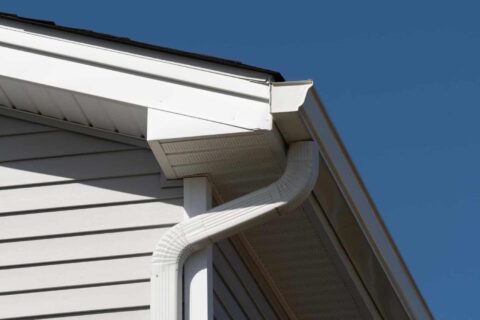
When storm season rolls into New Hampshire and Southern Maine, homes can take a real beating. Wind, rain, and clogged drainage systems often lead to problems that show up long after the skies clear. One spot many people overlook is the way the roof and gutters are supposed to work together. If either one falls short, the whole system gets thrown off balance.
When we talk about a proper roof and gutter installation, we mean more than just putting pieces in place. These two features need to work hand in hand to carry water away before it can collect or leak into places it should not. If they are not set up correctly, or if damage goes unnoticed, even a short summer downpour can cause real trouble. Let’s take a closer look at how this system works and why it matters so much this time of year.
How Roofs Handle Heavy Rain
Roofs do more than just keep the house dry from above. Their shape, slope, and surface all play a role in controlling how water moves once the rain starts falling. Without proper drainage, that water sits and soaks. Over time, it can work its way under shingles or puddle along seams.
Different roof shapes drain differently. A steep, well-lined roof can shed water quickly, which helps protect the surface below. A flat or low-slope roof may need extra drainage points to avoid water pooling in the middle. Either way, it is all designed to push water off as fast as possible when a storm hits.
The surface materials that cover your roof matter, too. Shingles are designed to help direct water downward in layers. Underneath those shingles is the underlayment, which adds backup protection if any moisture gets through. If those layers are not working together, rainwater can sneak past and cause hidden damage, especially around seams, skylights, or chimneys. Any effective roof plan should always include a water flow strategy, not just surface coverage.
What Gutters Are Supposed to Do
Gutters are often taken for granted, but during a storm, they carry out some of the hardest work around the house. Their main job is simple: catch the water coming off the roof and move it away. That keeps your siding, windows, doors, and foundation from getting soaked or worn down as time goes on.
When gutters stop working the right way, everything slows down. Water might pour over the sides instead of moving through the downspouts. If the angle is off or there is a clog, rain builds up quickly and spills wherever it finds a path. After a single heavy rain, that might not seem like a big deal. But after several storms, soaked spots begin to decay or wear down your siding or foundation.
There are a few signs that your gutters are not doing their job as they should:
- Overflowing water during normal rainfall
- Sagging or separated gutter panels
- Pools of water or patches of dirt splashed back near your siding
- Peeling paint or soft wood around fascia boards
When these signs show up, preventive work is usually needed.
Problems That Happen When Roofs and Gutters Do Not Match Up
Roof and gutter issues do not just happen independently. If they are not lined up to work together, they can cause each other to fail. Water slipping behind the siding near the eaves can happen if the gutters do not sit flush with the roof edge. That connection is where the roof sends water to the gutters. If this transition is not done well, water finds other places to go, usually into the wood behind or beneath the edges.
Water damage often appears first around the fascia, which is the board running along the roof’s edge. If that floods or rots from behind, it loses strength and may no longer support gutters. When that damage starts, the issues often spread further. Moisture can bring mold, mildew, and insects into the attic or ceiling spaces.
In coastal and inland homes across New Hampshire and Southern Maine, winter storms often leave behind hidden damage. Ice, snow, and wind loosen parts without fully breaking them. When hot summer rainstorms arrive a few months later, those weak spots become problems fast. This is why older winter damage, even if it looked minor, needs to be checked before storm season starts.
How Roof and Gutter Installation Should Work Together
Proper installation is not just about placing a roof here and a gutter there. To work well, these features must be planned and installed as one system. That planning makes sure that all drainage paths, water capacity, and slopes are compatible.
Here is what a matched system looks like:
- Gutter size and shape fit the size and slope of the roof above
- Downspouts match the amount of water expected on each side of the house
- Drip edges and flashing are installed to guide runoff into the gutter, not behind it
- Roof edges include strong anchor zones to support gutter weight during downpours
When everything is installed with care, water gets a smooth path off the roof and down through the gutter system. With effective planning during roof and gutter installation, there is much less chance of damage from summer storms.
Keeping It Working During Storm Season
By mid-June, summer rain can arrive quickly. Noticing early issues can make a big difference. Even without getting on a ladder, there are a few common signs to look for that can point to drainage problems.
Keep an eye out for:
- Water spilling straight over or behind the gutters when it rains
- Dark streaks or patches under the eaves
- Gutter joints pulling away from the house
- Twigs, leaves, or asphalt granules collecting inside or below gutters
Storm systems can build quickly in this area. Some roll in from the coast, others drop in from the mountains. In early summer, weather can go from calm to intense quickly. Larger storms are not the only test. Sometimes just two fast showers in one day will put extra strain on a half-full gutter.
May and early June are the best times to review the roof and gutter setup. Anything you find at this point is almost always easier to fix than something discovered after a storm does damage. When everything is ready, those first storms become a test your system is more likely to pass.
Small Fixes Now, Fewer Problems Later
A roof and gutter system that works together helps protect more than just the outside of your home. It keeps the inside dry, protects the foundation, and lowers the chance of future repairs. A good drainage system also supports your home’s insulation and structure by keeping water where it should be, outside.
In places like New Hampshire and Southern Maine where the weather changes fast, especially moving into midsummer, being prepared is far better than tackling problems after they happen. When your roof and gutters match well, that is one less thing to worry about, and your home stays in better shape through every season.
Controlling water takes more than just having a solid roof or clean gutters; it takes coordination between the two. When either fails, it adds pressure on the other, especially during heavy summer storms in New Hampshire and Southern Maine. That is why we pay attention to every detail during a proper roof and gutter installation. It is the right way to protect your home from water damage and costly repairs down the road. Notice any signs of trouble or just want to be confident everything is working as it should? Give J. Carnes & Son Roofing a call.