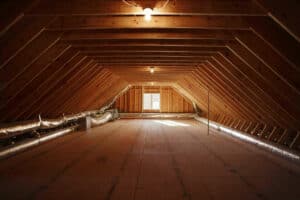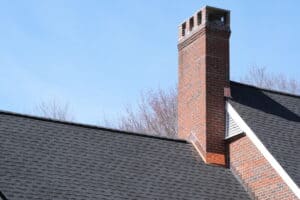
Cold and damp attics are something we hear a lot about in New Hampshire and Southern Maine. Right around late March, homeowners start to notice dripping rafters, musty smells, and wet insulation. At first, it’s easy to think melting snow is leaking through the roof. But often, the real problem is poor attic ventilation. As sunlight hits the roof, it warms the surface and melts snow from the top down, while the attic underneath traps moisture from warm indoor air rising up.
This is when poor airflow inside the attic starts causing trouble. Snowmelt and freeze-thaw swings put extra stress on the roof. If air can’t move properly from the bottom of the roof to the vents near the top, that moisture gets trapped. Homes dealing with roofing New Hampshire issues this time of year often don’t realize that the attic can almost act like a sponge when things aren’t venting the way they should. Spring is a smart time to start thinking about how well that upstairs air is flowing.
How Roof Ventilation Works Through the Winter and Spring
A healthy roofing system usually includes intake vents near the base (often at the soffits) and exhaust vents along the ridge. This setup lets cooler, drier air flow in at the bottom and push warmer, moist air out through the top. In ideal conditions, this air exchange helps keep the attic dry and balanced through every season.
But in the colder months, things get more complicated. Snow covers the roof and ice can block ridge vents. Sometimes insulation clogs up airflow at the soffits as people try to keep heat inside their homes. Wildlife such as squirrels and birds often build in vents that aren’t properly screened.
As winter fades to spring, all of these small issues become bigger. Meltwater has nowhere to go if ventilation is blocked or badly designed. Trapped moisture lingers in attic insulation, along wood framing, or near ceilings and eaves. That’s when it’s time to take a closer look to see what might be blocking the system from doing its job.
Signs Your Attic is Holding Too Much Moisture
It doesn’t always take water dripping down walls to spot a problem. There are several ways we can tell if an attic is holding more moisture than it should. Right after snowmelt is often when these signs appear. Look for things like:
- A damp or “old basement” smell coming from upstairs
- Dark spots, water lines, or mold on roof rafters
- Frost or ice buildup on the nails or roof sheathing inside the attic
- Water marks around ceiling corners or the tops of walls
- Clumped or soggy attic insulation that stays damp long after the snow melts
One small leak or even regular bathroom steam escaping into the attic can cause this. If vents are clogged or missing, that warm air just rises and settles, especially when outside temperatures drop overnight. Over time, untreated areas could lead to deeper issues beneath the roof deck.
How Poor Ventilation Can Damage Your Roof Over Time
Moisture that lingers too long in an attic doesn’t just affect the indoor air. It slowly starts affecting the roof itself. Wet wood gets soft. Fasteners rust or pull free. When parts of the roof don’t dry out fully, they age faster than the rest.
Here’s what can happen if airflow doesn’t improve:
- Plywood roof boards can weaken and separate, especially near edges or valleys
- Shingles may loosen or curl because of warm air pushing up from below
- Soffit and fascia trim can rot or discolor from repeated dampness
- Ice dams form when temperature differences across the roof cause melting, then quick refreezing
These problems may not show up right away, which is what makes spring so tricky. The damage develops over weeks, just as the last ice disappears and the roof starts seeing rain instead of snow.
What Makes Homes in New Hampshire and Southern Maine More Susceptible
Homes in this region experience winter differently than in other places. For one, we tend to get heavy snowfall that sits on the roof for weeks. That weight keeps vents packed, even if the design was good upfront.
Older houses also bring unique challenges. Many colonial-style buildings around New Hampshire and Southern Maine have large roof spans and attic layouts that were built before modern airflow practices. Add in aging insulation or older roofing materials, and airflow can become uneven or completely blocked.
Some homes may have ridge vents that work during warmer months but freeze over when ice dams start building in February and March. Others have bulky attic insulation that softly creeps over the soffits and shuts off intake without anyone realizing. All of these factors can make spring moisture problems worse if no one checks on them.
Clearing the Air: Why Early Spring Is the Right
Attic ventilation matters more than most people think. It keeps heat and moisture from settling where they do not belong. In New Hampshire and Southern Maine, where houses see months of snow followed by fast spring melts, this airflow is especially important.
Paying attention now helps us prevent what could develop into peeling wood, sagging roofs, or indoor leaks later. When the attic stays dry, the roof lasts longer, and so does everything beneath it. Making a few checks as spring begins helps protect your whole home for the months ahead.
Noticing dampness or trapped air in your attic after a snowy winter means it’s time to inspect your roof’s overall condition. Letting small ventilation issues linger can affect how long your shingles, soffits, and framing last once spring rains begin. We help homeowners across New Hampshire and Southern Maine stay ahead of these seasonal concerns. Learn more about how we handle roofing New Hampshire homes depend on, and give us a call if your roof could use a second look. J. Carnes & Son Roofing is ready when you are.