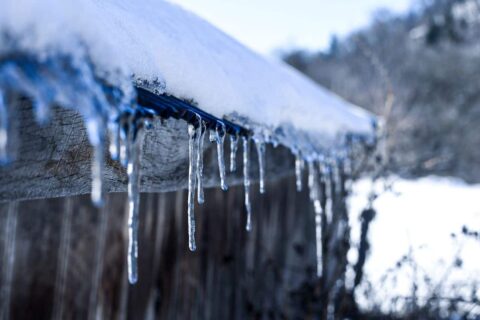
March brings shifting weather to New Hampshire and Southern Maine. That means snowmelt, freeze-thaw cycles, and a lot of leftover mess in your gutters. Months of winter conditions can clog gutters with ice, fallen branches, and gritty runoff from the shingles. That buildup doesn’t just make your home look messy. It can quietly cause water to back up into your roof and walls. Letting debris sit after winter also puts stress on your roof and gutter installation, driving up the chance of long-term damage. If you’ve got gutters, this is the time to take a good look before spring storms roll in. There’s a short window to clean things out before it becomes a bigger, and more expensive, problem.
When to Start Cleaning Out Winter Buildup
March often brings warmer daytime temperatures that melt snow by noon, then freezing nights that lock things back up. That daily cycle doesn’t give gutter debris much time to dry out, which is why early action makes a real difference. The beginning of the month is a smart time to check gutters, especially if your home sits near trees or you’ve had multiple snowfall events over the winter.
Keep an eye out for clear signs that gutters are backed up. Common clues include:
- Icy patches forming on the ground below gutters
- Icicles hanging directly from the gutters themselves
- Water dripping behind or over the gutters rather than flowing down the downspouts
If you have a south- or east-facing roof, you might notice thawing happens faster there. Water will start to move through those gutters first, which can give you a few early signs of how backed up things really are.
What Kind of Debris Builds Up After Winter
Winter doesn’t show much mercy when it comes to what ends up in your gutters. Gusts from cold fronts, nor’easters, and snow squalls knock all sorts of things off trees and shingles. Over time, that mix of materials creates dense blockages that stop runoff from moving properly.
Common types of winter debris include:
- Small to medium branches broken off by wind or snow weight
- Layers of frozen leaves pressed into the gutter’s base
- Grit and sand from your roof’s shingles that build up after months of freeze-thaw cycles
- Packed chunks of snow or ice stuck in the elbows or joints of downspouts
What starts as a frozen plug in a corner or gutter end can eventually thaw just enough to become a stagnant pool right up against your roofline. That’s where long-term problems begin.
Why Gutter Blockages Aren’t Just a Spring Problem
It’s easy to think of gutter problems as something to deal with once the flowers bloom. But the damage often starts before spring even hits full stride. In fact, winter debris that doesn’t get cleared out quickly can cause trouble this month, especially after a few warm, rainy days hit.
When gutters can’t drain melted snow, water spills over the edges or leaks back into places it’s not supposed to go. That water can collect right next to your home’s foundation or seep behind siding. Over the weeks that follow, it may cause damage that isn’t visible until water spots show up inside the house.
Here’s what gutter blockages can lead to:
- Water pooling next to the foundation, which can lead to basement dampness
- Rotting or staining of soffits and fascia boards
- Moisture getting under roof shingles, which weakens the whole roof system
Ignoring all that debris puts more wear and tear on gutters, rooftops, and exterior trim, not to mention the extra strain on the next round of heavy rain.
Why Handling Gutters Without Help Can Do More Harm
We understand the urge to grab a ladder and clear it all out before someone else gets to it. But early March ground is often soft and slippery. That makes ladder footing tricky, especially near the edge of a house where gravel, mud, and meltwater tend to pool.
Beyond footing, the cold temperatures make plastics and sealants in your gutter system more brittle than they were back in fall. Pulling or shaking debris in the wrong way can pop seams loose or crack part of the edge. And most people can’t tell if the roof and gutter installation has shifted or sagged slightly until it’s too late.
Here’s why calling in help keeps you safer and your home intact:
- Professionals understand how to check for damage that isn’t visible from ground level
- We can safely move through icier areas without harming the existing gutter hardware
- Specialized tools break down dense blockages without damaging seams or joints
Doing it the right way keeps your system solid through spring’s wetter weather and well beyond.
Gutter Checks Now Keep Trouble Away Later
Taking the time to clear your gutters now means fewer headaches this spring. When water can flow freely, it’s less likely to cause wood rot, mold, or leaks inside walls or ceilings during April storms. It also lets your roof and gutter installation carry out their jobs without added stress.
Regular seasonal checks don’t just prevent disasters. They help those systems last longer and work better all year. That means fewer repairs and replacements down the road, and more peace of mind in every season.
Gutter backups can quietly place water where it doesn’t belong and stress your home’s structure when winter leaves behind a mess. It might be time to check how your system is holding up, especially with weather swings in New Hampshire and Southern Maine. We know a strong, reliable setup starts with the right materials and seasonal care. Learn how a proper roof and gutter installation can keep problems away all year. Call J. Carnes & Son Roofing to schedule a check before rain season kicks in.