Steps to Remove Winter Debris Buildup in New Hampshire Gutters

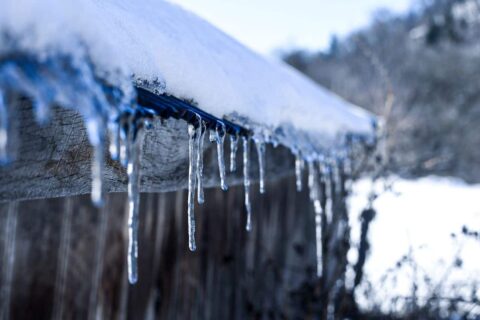
icy roof

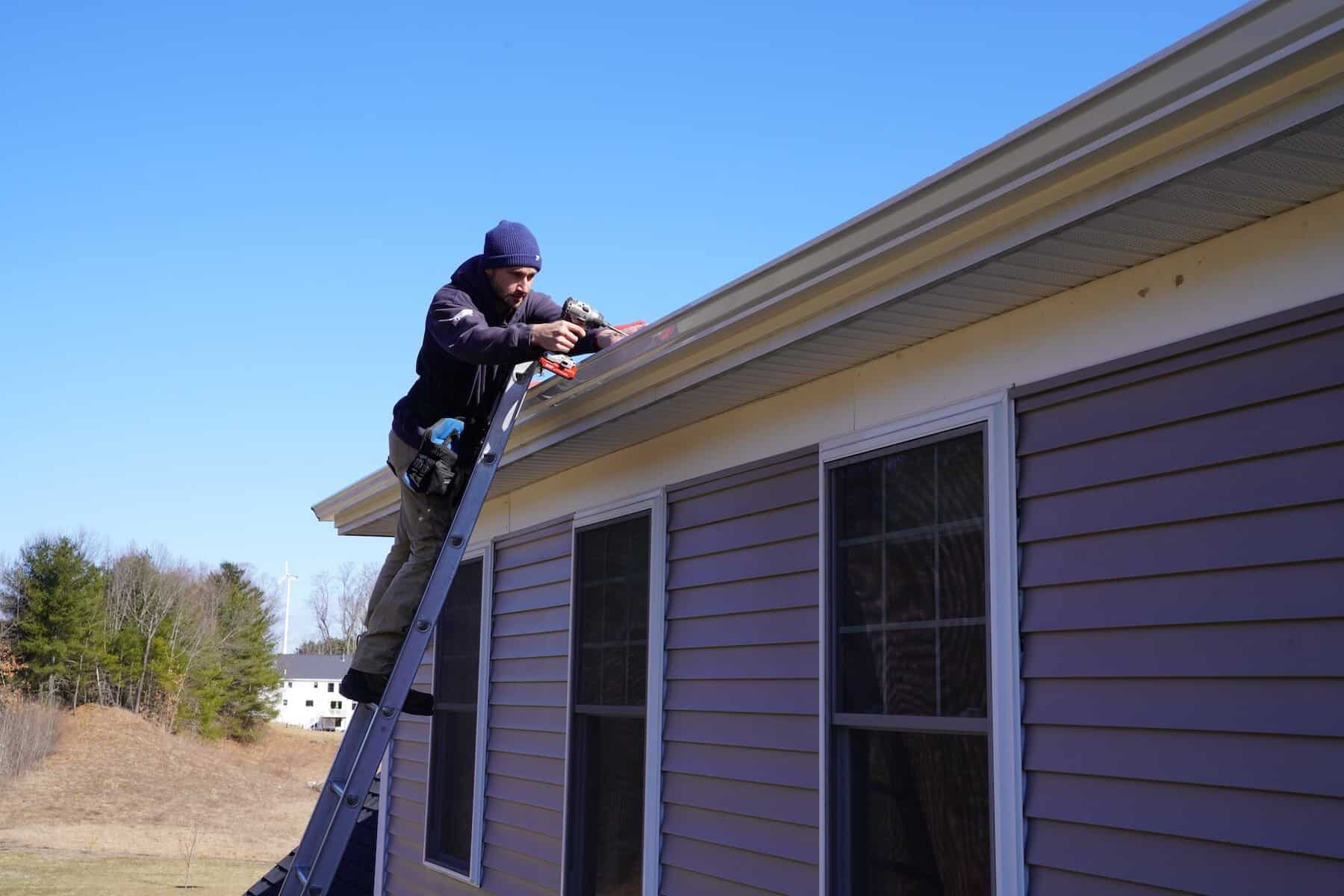
March brings shifting weather to New Hampshire and Southern Maine. That means snowmelt, freeze-thaw cycles, and a lot of leftover mess in your gutters. Months of winter conditions can clog gutters with ice, fallen branches, and gritty runoff from the shingles. That buildup doesn’t just make your home look messy. It can quietly cause water to back up into your roof and walls. Letting debris sit after winter also puts stress on your roof and gutter installation, driving up the chance of long-term damage. If you’ve got gutters, this is the time to take a good look before spring storms roll in. There’s a short window to clean things out before it becomes a bigger, and more expensive, problem.

When to Start Cleaning Out Winter Buildup

March often brings warmer daytime temperatures that melt snow by noon, then freezing nights that lock things back up. That daily cycle doesn’t give gutter debris much time to dry out, which is why early action makes a real difference. The beginning of the month is a smart time to check gutters, especially if your home sits near trees or you’ve had multiple snowfall events over the winter.

Keep an eye out for clear signs that gutters are backed up. Common clues include:

  • Icy patches forming on the ground below gutters
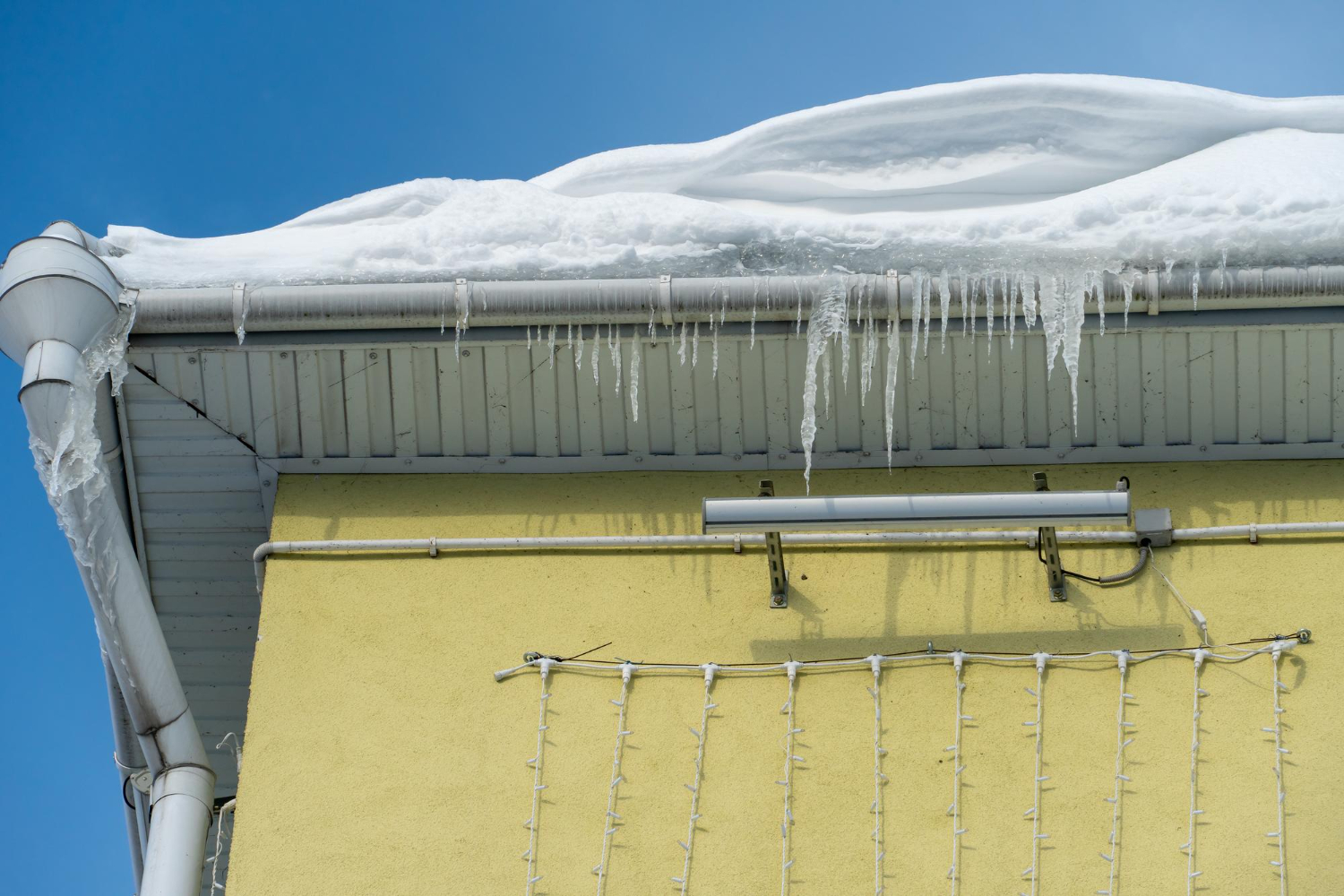
  • Icicles hanging directly from the gutters themselves
  • Water dripping behind or over the gutters rather than flowing down the downspouts

If you have a south- or east-facing roof, you might notice thawing happens faster there. Water will start to move through those gutters first, which can give you a few early signs of how backed up things really are.

What Kind of Debris Builds Up After Winter

Winter doesn’t show much mercy when it comes to what ends up in your gutters. Gusts from cold fronts, nor’easters, and snow squalls knock all sorts of things off trees and shingles. Over time, that mix of materials creates dense blockages that stop runoff from moving properly.

Common types of winter debris include:

  • Small to medium branches broken off by wind or snow weight
  • Layers of frozen leaves pressed into the gutter’s base
  • Grit and sand from your roof’s shingles that build up after months of freeze-thaw cycles
  • Packed chunks of snow or ice stuck in the elbows or joints of downspouts

What starts as a frozen plug in a corner or gutter end can eventually thaw just enough to become a stagnant pool right up against your roofline. That’s where long-term problems begin.

Why Gutter Blockages Aren’t Just a Spring Problem

It’s easy to think of gutter problems as something to deal with once the flowers bloom. But the damage often starts before spring even hits full stride. In fact, winter debris that doesn’t get cleared out quickly can cause trouble this month, especially after a few warm, rainy days hit.

When gutters can’t drain melted snow, water spills over the edges or leaks back into places it’s not supposed to go. That water can collect right next to your home’s foundation or seep behind siding. Over the weeks that follow, it may cause damage that isn’t visible until water spots show up inside the house.

Here’s what gutter blockages can lead to:

  • Water pooling next to the foundation, which can lead to basement dampness
  • Rotting or staining of soffits and fascia boards
  • Moisture getting under roof shingles, which weakens the whole roof system

Ignoring all that debris puts more wear and tear on gutters, rooftops, and exterior trim, not to mention the extra strain on the next round of heavy rain.

Why Handling Gutters Without Help Can Do More Harm

We understand the urge to grab a ladder and clear it all out before someone else gets to it. But early March ground is often soft and slippery. That makes ladder footing tricky, especially near the edge of a house where gravel, mud, and meltwater tend to pool.

Beyond footing, the cold temperatures make plastics and sealants in your gutter system more brittle than they were back in fall. Pulling or shaking debris in the wrong way can pop seams loose or crack part of the edge. And most people can’t tell if the roof and gutter installation has shifted or sagged slightly until it’s too late.

Here’s why calling in help keeps you safer and your home intact:

  • Professionals understand how to check for damage that isn’t visible from ground level
  • We can safely move through icier areas without harming the existing gutter hardware
  • Specialized tools break down dense blockages without damaging seams or joints

Doing it the right way keeps your system solid through spring’s wetter weather and well beyond.

Gutter Checks Now Keep Trouble Away Later

Taking the time to clear your gutters now means fewer headaches this spring. When water can flow freely, it’s less likely to cause wood rot, mold, or leaks inside walls or ceilings during April storms. It also lets your roof and gutter installation carry out their jobs without added stress.

Regular seasonal checks don’t just prevent disasters. They help those systems last longer and work better all year. That means fewer repairs and replacements down the road, and more peace of mind in every season.

Gutter backups can quietly place water where it doesn’t belong and stress your home’s structure when winter leaves behind a mess. It might be time to check how your system is holding up, especially with weather swings in New Hampshire and Southern Maine. We know a strong, reliable setup starts with the right materials and seasonal care. Learn how a proper roof and gutter installation can keep problems away all year. Call J. Carnes & Son Roofing to schedule a check before rain season kicks in.
When to Schedule Spring Roof Inspections for Southern Maine Homes

roofing

March brings a fresh shift in weather across Southern Maine, and with it, an early chance to take a good look at how your roof handled winter. Snow, ice, and overnight freezes stick around for months here. By the time spring starts showing up, roofing materials have gone through just about all they can take. Homeowners across Southern Maine, especially in places like Epping, tend to spot minor damage around now, curling shingles here, a stained ceiling tile there. These smaller signs often show up before bigger problems form. That is why we see spring as the right time to plan ahead. A quick roof inspection now can keep you from sliding into bigger repairs later. It is a smart move if you are already thinking about roof repairs in Epping.

Why Spring Matters for Roof Checks

Winter weather takes a quiet toll on most roofs. It does not always show right away, but freezing and thawing every day can cause cracks, gaps, and shifting materials. Mix in a few ice dams or high winds, and you might have damage without even knowing it.

Spring gives us a safe time to really check how things are holding up. The snow is melting but the heavier rains have not fully started yet. That window is perfect for walking a roof safely, taking close looks at high-risk areas, and spotting signs of worn-out shingles or damaged flashing.

Moisture finds its way into cracks and soft spots faster than most people realize. If spring rains arrive before you have had time to check for damage, leaks could sneak into your home before you notice anything is wrong. That is why scheduling early in the season helps keep roof repairs manageable, instead of scrambling to catch up mid-rainstorm.

Signs It’s Time to Get Your Roof Checked

Some roof problems stare you right in the face. Others need a trained eye and a sturdy ladder. Even from the ground, though, there are plenty of signals that tell us it is time for a spring inspection.

Watch out for these:

  • Shingles that look like they are lifting or curling at the edges
  • Buckling spots that hint something shifted during the freeze
  • Discoloration under your roofline that was not there last fall
  • Water spots showing up on your ceiling or top floors
  • Ice that kept forming in the same areas over winter

Wet insulation, peeled back flashing, and loose nails often start small. Spring is your best shot at catching them before warm weather, or a heavy storm, makes things worse.

Finding the Right Time to Schedule

Timing makes all the difference when it comes to spring roof work. Get started too early and you might still be battling snow cover. Wait too long and the consistent March and April rains make roof checks riskier and much harder to fit in.

In most Southern Maine towns, mid-to-late March is a good stretch to aim for. There is usually enough snow melt to see roofing surfaces clearly, but not yet enough rain to make things slippery or scramble the schedule. Scheduling during this window often means more availability for inspectors as well. This early period allows for safer conditions with less moisture on shingles, so inspections can be more thorough and repairs can start if needed.

If you are noticing signs of wear or just want peace of mind, do not hesitate to set up a roof assessment before the full shift to rainy weather. The right timing can help identify any serious issues that developed during the last months of winter and let you fix smaller concerns before they grow.

What to Expect During a Professional Roof Inspection

A full inspection covers more than just a quick glance at the shingles. We walk the entire roof and check all the places that most people do not see from the ground.

Here is what usually gets covered:

  • Condition of the shingles, including missing or cracked ones
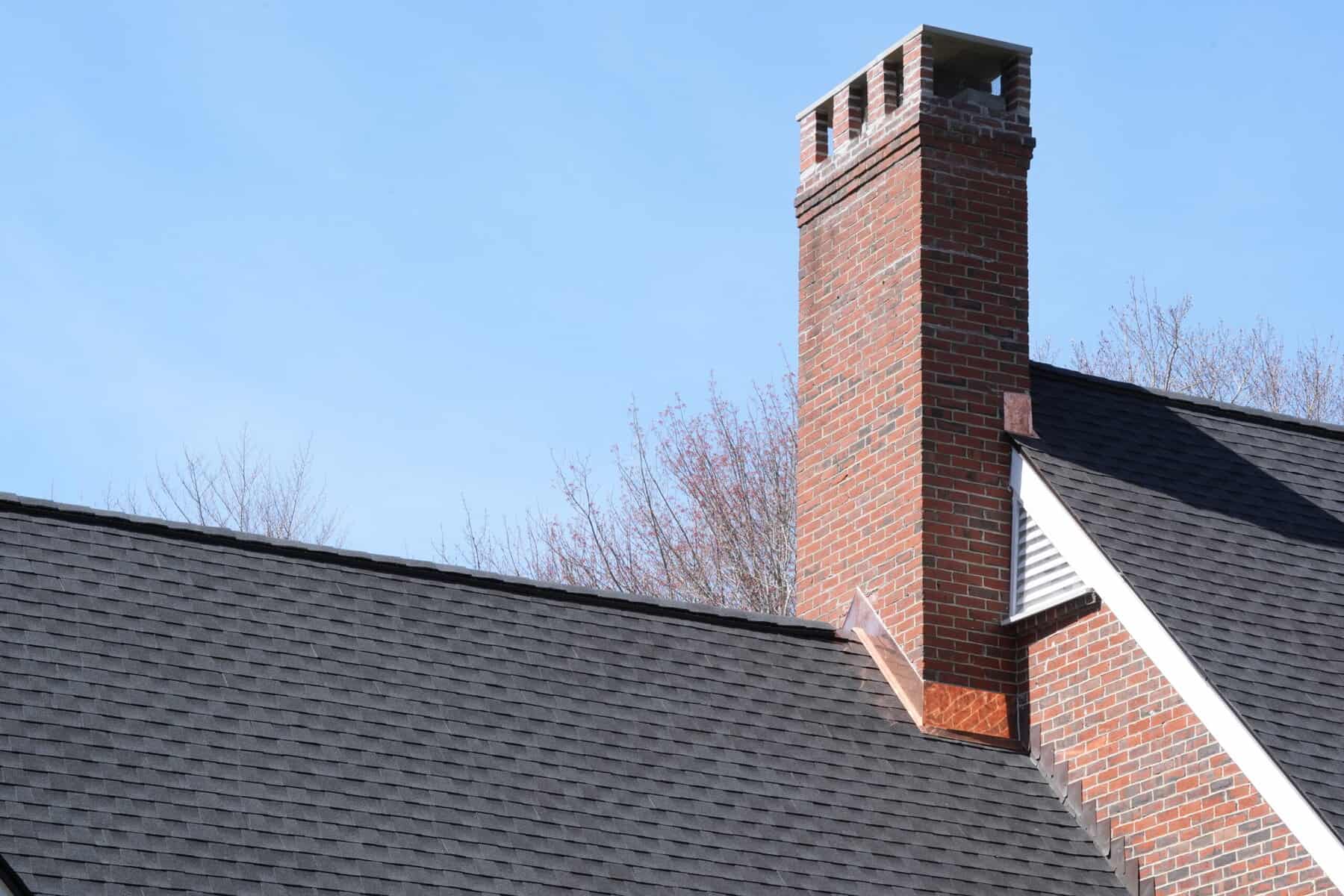
  • Flashing around chimneys, vents, and skylights
  • Nail placement and whether any have started to back out
  • Soft spots or signs of early sagging
  • The seal at the ridge and edges where water often sneaks in

An inspection can also include looking over gutters and the secure placement of downspouts since these areas see lots of stress during weather swings. Checking all these points one by one means you have a full picture of your roof’s health before storms roll in. Having professionals handle this process helps ensure nothing is missed, especially in places that gather debris, water, or melting snow runoff.

How Spring Inspections Help with Roof Repairs in Epping

Roofs in places like Epping, New Hampshire get hit with long stretches of cold followed by sudden thaws and spring moisture. That mix causes wear that is easy to miss until water shows up where it does not belong.

Spring inspections go a long way in keeping roof repairs in Epping short and manageable. It gives us a look at how well the roof held up after months of tough weather. If something small shifted, torn, or loosened, we are more likely to find it now before rain makes the problem worse.

Often, a spring check will uncover issues like popped nails or flashing that pulled back due to freeze-and-thaw cycles. Once these are spotted, targeted repairs can be made before water intrusion leads to bigger damage. Minor roof problems resolved now can prevent future leaks and keep interior ceilings and attics dry and safe during the spring and summer. A regular inspection routine also helps extend the lifespan of your roof and gives you less worry as the year goes on.

Get Ahead of Trouble Before the Rain Hits

A quick check this spring can save a lot of time and money down the line. March in Southern Maine still carries a mix of chilly days and patches of snow, but those first warmer days are the perfect chance to get your roof checked. Whether the winter weather left behind visible damage or just raised a few questions, it is better to find out now.

Once April hits and those spring rains start rolling through regularly, the chance to spot small damage starts slipping away. Staying ahead helps you avoid surprises when the weather turns fast. Letting winter’s effects sit too long could make the difference between a simple fix and a costly repair. We are keeping an eye on it so you do not have to.

Living in or near Epping, New Hampshire means your roof faces the challenges of seasonal wear and tear that can quickly escalate minor issues into major repairs. Spring offers the perfect opportunity to address these problems before they grow, and we make sure to carefully inspect each vulnerable area to safeguard your home. Learn more about our approach to roof repairs in Epping and what to expect during the process. Contact J. Carnes & Son Roofing today to schedule your spring roof inspection.

How Asphalt Shingle Roofs Handle Repeated Deep Freezes

shingles

Cold weather often sneaks up on parts of the home that can get overlooked. Most people focus on roofs during winter, but gutters are affected too. We have observed this during February inspections as a Hampton roofing company. Gutters can begin pulling away after a long period of freezing nights and barely-thawed days. It is not just from heavy snow, though that contributes, but primarily the repeated process of freezing and thawing.

As winter ends in New Hampshire and Southern Maine, signs of damage become more visible. Warmer days melt snow, and problems that developed quietly over the past couple of months start to show. Spotting these early signs now can help prevent spring storms from making things worse.

What Freeze and Thaw Really Do to Gutters

Ice in the gutter does not just melt and go away; there is more involved. When water remains inside after a snowstorm and temperatures drop, it turns to ice. Ice occupies more space than water, which puts pressure on the sides of the gutter. This happens inside downspouts or in tight bends. After several cycles, the entire system begins to strain against its fasteners.

Each day brings a new challenge. Temperatures often warm just enough to melt a top layer of snow or ice, then refreeze overnight. This movement impacts more than just the surface. It stresses fasteners, shifts gutter brackets, and weakens attachment points on the fascia. Winters in this region last long enough for the cycle to repeat many times, allowing small stress points to become a more serious separation. In some cases, this repeated pressure can slowly compromise even new gutter systems if left unchecked or if mounting is less than ideal.

Signs Your Gutters Are Starting to Shift

Gutters do not detach in a single day. Clues emerge gradually and can be easy to miss. Once you know what to watch for, the damage becomes more apparent. Keep an eye out for things like:

  • Gaps between the edge of your roof and the gutter
  • Water spilling over the side during a melt instead of going through the downspout
  • Changes in how straight or level the gutter appears from the ground
  • Sections that dip, angle outward, or pull away after a snowstorm

These early signs may not seem urgent, but they indicate that something beneath the surface has changed. Noticing them as soon as possible helps to address potential issues early.

Why Proper Mounting and Spacing Matters

Gutters stay in place with the correct type and number of fasteners to support the weight of snow and ice. If fasteners are spaced too far apart or attached to soft or old wood, winter stress may cause them to loosen quickly. Even high-quality materials face stress when twisted or pulled repeatedly by fluctuating temperatures. Our gutter crews custom-fabricate 5- and 6-inch seamless systems on-site using premium Englert metals, so the brackets and hangers are built to handle tough New England weather.

Brackets often loosen gradually over the season. You might not hear or see this happening. As they shift, water begins leaking through weak spots, which can lead to long-term issues with siding or drip edges. If the gutter does not hang level, water can pool and freeze in unexpected places instead of draining. This accelerates ice buildup and creates a repeating cycle. Over time, these issues can go unnoticed while making the overall structure of your drainage system weaker with each freeze.

Correct spacing and mounting also ensure that gutters distribute weight more evenly. When fasteners are well positioned and the underlying material is strong, it helps the entire system withstand challenging winter conditions. Incorrect installation, on the other hand, means the gutters will face extra tension every time the temperature swings. Over multiple winters, small errors in spacing can become more obvious as sections pull away or sag under the strain.

What Happens If Gutters Pull Away and Stay That Way

When gutters start to separate and the problem goes unaddressed, the damage continues. Water will find any available pathway, often ending up where it is least wanted. Runoff cannot flow properly and ends up pouring behind the gutter or along the siding. This kind of continual drip can decay wooden trim and shift the soil near the foundation.

Additional issues occur higher up. Pulled gutters can change how snow melts along the roof’s edge. If water backs up under the shingles, it might get under the roof deck or reach the attic. Depending on what is below, this can cause problems indoors. In the worst cases, long-term water exposure can lead to mold growth or affect insulation.

Leaving gutters pulled away for even a short period accelerates the development of soft spots and rot near the roofline. During heavy rainfall or fast spring melts, missing or misaligned gutters often mean runoff will concentrate in one area, risking basement seepage or washed-out landscaping. These problems, once started, usually grow worse with each season unless repairs are made promptly.

When to Call in Roof and Gutter Professionals

Not all gutter problems are easily seen from the ground, and many go beyond what is visible. It is a good idea to let professionals assess the situation, especially if the problem follows rough weather. As a Hampton roofing company, we are familiar with freeze-thaw stress and know what to examine beyond the hangers or seams.

This assessment includes checking if drains are open, if brackets have separated from the fascia, and if any other nearby roofing components have shifted. Frequently, the roof’s edges and gutters function together. If one has issues, the other is often affected as well. Since most winter weather stress does not become fully apparent until late winter, this is the ideal time to inspect before spring rain arrives.

A professional can also spot issues emerging below the surface that homeowners may not notice. Having an early assessment means small repairs can often be completed more quickly, minimizing disruption ahead of the rainy season. By checking more than just visible mounting points and making sure that drainage is effective at the edges of the roof, a specialist provides a more complete picture of the system’s health.

Getting Ahead of Gutter Problems Before Spring Rains

Late February offers a small window to address issues before the next round of storms. Snow is melting more quickly now, but if your gutters have been under stress or have shifted all winter, they may not be prepared for spring. Addressing gutter pull-away protects the building materials at the edge of your home. Our seamless gutter and leaf guard systems are designed to move water away from the roofline efficiently and help prevent the overflows that often show up when spring rain follows a long winter.

Experience in New Hampshire and Southern Maine has shown that challenges left unattended in March often require larger repairs by April. Gutter cracks expand, mounts fail, and meltwater can find new ways down the exterior. It is better to act now, before wet spring weather creates additional stress along the roofline. Small problems such as minor separations or a single leaking seam quickly become much larger when combined with heavy spring precipitation. Repairing them in winter or early spring costs less and can prevent additional interior or exterior repairs later in the year.

If you notice your gutter system pulling away or see signs of winter stress along the roofline, now is the right time for an inspection before the next storm brings heavier rains. Ice, snow, and temperature changes can cause significant roof edge damage by turning small concerns into major repairs. As a local provider who understands New Hampshire and Southern Maine weather, we know proper drainage protects your home. When you need a trusted Hampton roofing company to inspect your gutters, call J. Carnes & Son Roofing today.

Understanding Gutter Pull-Away From Freeze and Thaw Stress

Gutter installation on a New Hampshire home by J. Carnes & Son Roofing

Cold weather often sneaks up on parts of the home that can get overlooked. Most people focus on roofs during winter, but gutters are affected too. We have observed this during February inspections as a Hampton roofing company. Gutters can begin pulling away after a long period of freezing nights and barely-thawed days. It is not just from heavy snow, though that contributes, but primarily the repeated process of freezing and thawing.

As winter ends in New Hampshire and Southern Maine, signs of damage become more visible. Warmer days melt snow, and problems that developed quietly over the past couple of months start to show. Spotting these early signs now can help prevent spring storms from making things worse.

What Freeze and Thaw Really Do to Gutters

Ice in the gutter does not just melt and go away; there is more involved. When water remains inside after a snowstorm and temperatures drop, it turns to ice. Ice occupies more space than water, which puts pressure on the sides of the gutter. This happens inside downspouts or in tight bends. After several cycles, the entire system begins to strain against its fasteners.

Each day brings a new challenge. Temperatures often warm just enough to melt a top layer of snow or ice, then refreeze overnight. This movement impacts more than just the surface. It stresses fasteners, shifts gutter brackets, and weakens attachment points on the fascia. Winters in this region last long enough for the cycle to repeat many times, allowing small stress points to become a more serious separation.

Signs Your Gutters Are Starting to Shift

Gutters do not detach in a single day. Clues emerge gradually and can be easy to miss. Once you know what to watch for, the damage becomes more apparent. Keep an eye out for things like:

• Gaps between the edge of your roof and the gutter

• Water spilling over the side during a melt instead of going through the downspout

• Changes in how straight or level the gutter appears from the ground

• Sections that dip, angle outward, or pull away after a snowstorm

These early signs may not seem urgent, but they indicate that something beneath the surface has changed.

Why Proper Mounting and Spacing Matters

Gutters stay in place with the correct type and number of fasteners to support the weight of snow and ice. If fasteners are spaced too far apart or attached to soft or old wood, winter stress may cause them to loosen quickly. Even high-quality materials face stress when twisted or pulled repeatedly by fluctuating temperatures. Our gutter crews custom-fabricate 5- and 6-inch seamless systems on-site using premium Englert metals, so the brackets and hangers are built to handle tough New England weather.

Brackets often loosen gradually over the season. You might not hear or see this happening. As they shift, water begins leaking through weak spots, which can lead to long-term issues with siding or drip edges. If the gutter does not hang level, water can pool and freeze in unexpected places instead of draining. This accelerates ice buildup and creates a repeating cycle.

What Happens If Gutters Pull Away and Stay That Way

When gutters start to separate and the problem goes unaddressed, the damage continues. Water will find any available pathway, often ending up where it is least wanted. Runoff cannot flow properly and ends up pouring behind the gutter or along the siding. This kind of continual drip can decay wooden trim and shift the soil near the foundation.

Additional issues occur higher up. Pulled gutters can change how snow melts along the roof’s edge. If water backs up under the shingles, it might get under the roof deck or reach the attic. Depending on what is below, this can cause problems indoors.

When to Call in Roof and Gutter Professionals

Not all gutter problems are easily seen from the ground, and many go beyond what is visible. It is a good idea to let professionals assess the situation, especially if the problem follows rough weather. As a Hampton roofing company, we are familiar with freeze-thaw stress and know what to examine beyond the hangers or seams.

This assessment includes checking if drains are open, if brackets have separated from the fascia, and if any other nearby roofing components have shifted. Frequently, the roof’s edges and gutters function together. If one has issues, the other is often affected as well. Since most winter weather stress does not become fully apparent until late winter, this is the ideal time to inspect before spring rain arrives.

Getting Ahead of Gutter Problems Before Spring Rains

Late February offers a small window to address issues before the next round of storms. Snow is melting more quickly now, but if your gutters have been under stress or have shifted all winter, they may not be prepared for spring. Addressing gutter pull-away protects the building materials at the edge of your home. Our seamless gutter and leaf guard systems are designed to move water away from the roofline efficiently and help prevent the overflows that often show up when spring rain follows a long winter.

Experience in New Hampshire and Southern Maine has shown that challenges left unattended in March often require larger repairs by April. Gutter cracks expand, mounts fail, and meltwater can find new ways down the exterior. It is better to act now, before wet spring weather creates additional stress along the roofline.

Noticing your gutter system pulling away or seeing signs of winter stress along the roofline means it is time for an inspection before the next storm. Ice, snow, and temperature changes can cause significant roof edge damage by turning small concerns into major repairs. As a local provider who understands New Hampshire and Southern Maine weather, we know proper drainage protects your home. When you need a trusted Hampton roofing company to inspect your gutters, call J. Carnes & Son Roofing today.

Why Snow Accumulation Around Skylights Can Go Unnoticed in Winter

Skylights

Skylights can seem like a bright spot in the middle of a long winter. They let in sunlight during cold months and give rooms a more open feel, even when the snow piles up outside. But just because a skylight appears clear from below doesn’t mean it’s free of winter problems. That snow sitting around it may be slowly causing issues that can go unnoticed for weeks.

Often, snow piles naturally on rooftops and around skylights, blending into the rest of the winter scenery. Since skylights usually keep letting in light, many homeowners don’t think twice about them during the season. Trouble is, that snow doesn’t always melt evenly. And if it sticks around too long or refreezes in the same spot night after night, it can damage the seal or framing. As the leading and most trusted residential roofing contractor in New Hampshire and Southern Maine, we see how often these small skylight issues begin with snow that never really goes away between storms. Learning how to spot sneaky winter buildup and use smart solutions for skylights helps avoid hidden damage in the months to come.

Why Skylights Can Be Overlooked After Snowstorms

After a storm, the roof might look like a smooth white layer from the driveway. Skylights blend right in. Unless something is visibly cracked or leaking, most people won’t think to investigate further. That’s part of the problem during the later part of winter in colder places like New Hampshire and Southern Maine.

Here’s what often keeps snow-related skylight issues from being noticed early:

• Snow flattens evenly across shingles and skylight edges, hiding buildup from ground level

• Light still shines through the skylight even when the edges are sealed off by packed snow

• Cold temperatures, wind, or icy walkways keep homeowners from climbing up and checking things out firsthand

These factors mean snow can stick around unnoticed near the frame, making things worse over time. By the time a stain or leak shows up inside, it’s likely already done more work on the roof than you’d expect.

Hidden Effects of Snow Accumulation Around Skylights

The real damage usually happens out of view. When snow collects along the edges of skylights, it traps moisture where it shouldn’t be, especially when roof temperatures shift throughout the day. Sunlight starts to melt snow on warm afternoons, but once the sun fades and temperatures drop, everything freezes again.

These repeated freeze and thaw movements can mess with the materials around the skylight. Water can squeeze into tiny spaces. Then it expands as it turns to ice, putting strain on seals and joints. Over a few weeks, that constant stress can wear those parts down.

Some of the common problems we see from hidden buildup include:

• Moisture trapped against the flashing or frame causes slow breakdown

• Ice creeping under shingles near the skylight edge lifts or cracks the materials

• Gaps that didn’t exist before start allowing slow leaks through the roof deck

Since these are usually slow and quiet problems, they may not show up until a month or more after the last storm. By that point, ceiling stains or wall dampness might be the only clues. That slow process is what makes these skylight issues so tricky come late winter.

How Coastal Snowfall Patterns Affect Skylight Areas in New Hampshire and Southern Maine

Winter on the coast looks a bit different than it does inland. In towns cradled along New Hampshire and Southern Maine, snow tends to fall wetter and heavier. The ocean puts more moisture into the air, and when it mixes with cold temperatures, it creates a thick, clingy snow that sticks to roof surfaces. Skylights don’t always shed that snow easily.

Here are a few things specific to the local weather that make skylight snow buildup worse along the coast:

• Snow near the ocean holds more water, so it’s heavier and slower to melt

• Mixes of freezing rain and snow build icy layers that trap snow around roof features

• South-facing skylights warm up faster on sunny mornings and melt unevenly, leaving cold spots that refreeze at night

Because of these patterns, some parts of a skylight can thaw and refreeze multiple times a day. That gets tough on the seal over time. This pattern is especially common during the last few weeks of winter, when days start to warm slightly, but nights remain sharp and cold.

Smart Ways to Prevent and Respond to Skylight Snow Issues

Snow will always be part of winter in this region, but there are some simple ways to stay in front of the problems it causes around skylights. You don’t have to wait for a drip on your ceiling to know something’s wrong. Paying attention to winter melt patterns and keeping things in check with regular upkeep can protect your skylights for the long haul. At J. Carnes & Son Roofing, we install premium Velux skylights and roof windows that are built for New England weather and backed by a 10-year No-Leak Warranty to help guard against these kinds of issues.

Here are some areas where smart solutions for skylights can make a big difference:

• Book seasonal roof inspections from trusted local pros who know what to look for during thaw cycles

• Keep attic air flowing evenly and hold temperatures steady to limit uneven melting

• Ask about skylight models that are designed with better seals or hardware made for colder climates

Skylights should be a benefit to your home, not a stress. Making a couple of informed changes in how your roof and attic work together in cold weather can cut down on these hidden winter problems. That’s especially true in places where heavy snow and freeze-thaw cycles are just part of life for a few months every year.

Clearer Skies Ahead: Why It Pays to Notice the Small Stuff

Snow sitting around a skylight doesn’t always cause problems right away. It’s the smaller, repeated stresses that slowly build trouble into the roof system over time. By the time signs like stains or drips show up, there’s usually been a quiet breakdown at work for weeks or longer.

Keeping an eye out now saves a lot of extra effort down the road. The end of winter is a good time to walk through the attic, glance at the ceilings, and check for signs that snow might be overstaying its welcome. Getting familiar with warning signs and tackling skylight risks early means you’re better prepared to transition into spring without bringing water issues along with it.

Winter weather can take a quiet toll on the parts of your roof you don’t always see, especially around skylights. If you’re starting to notice stains or damp spots, it could be time to look into possible leaks from hidden snow damage. One smart way to stay ahead of bigger roof issues is to connect with pros who understand roof repair in New Hampshire and how local winters affect every part of your home. Give J. Carnes & Son Roofing a call if your skylight area has started showing signs of trouble.

What Makes Hampton Roofs Especially Vulnerable to Winter Thaw Cycles

Roof

Cold weather tends to stick around in Hampton, New Hampshire, long after the holidays have passed. By February, most roofs have already taken a beating from heavy snow, freezing rain, and wind. But it’s not always the biggest storms that cause the most damage. What many homeowners don’t realize is how much wear and tear starts once daytime temperatures rise, sunlight warms the roof surface, and then temperatures drop back down at night. That daily swing between melting and freezing creates what’s called a thaw cycle, and it’s a common reason we get calls as a roofer in Hampton.

These freeze-thaw cycles can sneak up on you. At first, the snow melts just a bit. Then it refreezes overnight. That pattern repeats, sometimes for weeks, and in that time it can quietly work its way into weak points across the roof. Let’s look at why Hampton roofs, especially, need extra attention this time of year.

How Winter Thaw Cycles Work

A thaw cycle begins when the sun warms the surface of your roof during the day, causing snow to melt even if the air is still cold. Water from snowmelt runs down toward the edge of the roof or into seams and crevices. By nightfall, temperatures drop again, and all that water freezes back into ice.

That expansion and contraction from daily melting and freezing makes roofing materials shift. Shingles might curl slightly. Flashing can lift up by a fraction of an inch. Sealants can crack. No part of the roof is immune once that meltwater finds a path to freeze inside.

What makes this worse is how the cycles repeat. After a few sunny days followed by cold nights, those tiny stresses multiply. The materials take a hit each time. After a few weeks, small cracks turn into real problems like leaks or loose shingles. And in late winter, those cycles tend to move faster and hit harder after months of snow buildup.

What Freeze-Thaw Does to Roofing Materials

After enough back-and-forth between freezing and melting, even a sturdy roof will start to show signs of wear if small issues are left unchecked. The most affected areas are usually the outer surfaces, where weather exposure is the greatest.

Here’s what often happens:

• Ice can creep beneath shingles, prying them upward and breaking their bond to the layer below

• Water works its way into small gaps along flashing or vent edges, then refreezes and widens the gap

• Sealants, which were once flexible, can stiffen in the cold and start cracking when pulled in opposite directions by temperature swings

Once there’s a pathway, moisture will find it again. Roof valleys, where two sections of the roof meet at an angle, are frequent trouble spots. So are the vents, pipe boots, and ridge lines. These spots spend more time in both sun and shadow throughout the day, so they cycle through temperature changes quickly and unevenly.

Why Hampton’s Coastal Weather Makes It Worse

Hampton’s coastal climate adds an extra layer of stress to homes in the area during thaw cycles. While inland towns freeze and stay frozen through winter, the seacoast tends to thaw more often, which means more frequent cycles.

The ocean brings extra moisture into the air. That moisture settles on roof surfaces, along with the usual snow. Salt from the sea air sticks to building materials, which can speed up decay on metal flashing and shorten the life of common roofing components.

All this means that roofs facing the ocean or exposed to sea wind and strong sun tend to melt faster in some spots than others. You end up with patchy thawing. Parts of the roof heat up while others are still frozen. That uneven change causes stress in the materials and starts a cycle that can pick apart even a well-built roof if it’s not looked after during the late winter season.

Signs Your Roof Might Be Struggling

It doesn’t take long for late-winter thaw cycles to start showing signs that something’s off. A few small leaks may not seem like a big deal right away, but they can be early clues that the ice has pushed its way through the roof’s defense layers.

Here are a few warning signs to watch as you head into the last stretch of winter:

• Damp spots in attic insulation or a musty smell, usually from hidden water

• Frost on attic boards or nails, showing that warm air is meeting cold air where it shouldn’t

• Soft spots you can feel when walking in the attic or along the roof deck edges

• Water stains across upstairs ceilings or drip marks near chimneys and vent pipes

If any of these things show up, there’s a good chance ice is working its way into the same places again and again. A roofer in Hampton who’s used to handling late-winter jobs will usually look at these trouble zones first when checking for damage after a steep freeze-thaw cycle.

Last Stretch of Winter: Why Timing Matters

The last stretch of winter is often the hardest on local roofs. That’s when the weather flips between snowstorms and dry, sunny days. All that solar warmth starts breaking up the packed snow, and meltwater begins pooling near the edges of the roof or around valleys.

During this time, the snow gets heavier and wetter, pushing weight into the corners of the roof. On warmer days, that moisture slides into the weakest seams it can find. At night, it expands again as it freezes. This creates a repeated pounding effect on the roof system.

These end-of-season changes aren’t just annoying, they’re quiet indicators that something could be wrong upstairs. Checking before heavier melt or spring rain lets you spot weak points in time to prevent a bigger mess.

Keeping Roof Problems from Getting Worse

Understanding how thaw cycles affect roofing in Hampton helps keep damage in check. It’s not always the big snowstorms that do the most harm. More often, it’s the repeated stress of melting and refreezing that slowly tears things apart.

Now is the time we watch for early signs. Even a small patch that stays wet longer than the rest, or a slow-forming leak in a closet ceiling, can be a red flag that something urgent is going on under the shingles. Catching those problems before snow gives way to heavy spring rains is one of the smartest steps to protect the home and save on more serious fixes. Staying aware toward the end of winter gives the best shot at holding onto peace of mind before spring storms show up.

Late winter on the coast can be tough on older roofs, and once damage sets in, it rarely stands still. If you’ve noticed leaks, staining, or signs of moisture in your attic, now’s the time to get ahead of it. As a trusted roofer in Hampton, we understand how quickly freeze-thaw cycles can turn small roof issues into big ones. J. Carnes & Son Roofing is here to help protect your home before spring rain makes things worse. Give us a call and we’ll take a closer look.

Tips for Reducing Heat Loss Through Roof Vents in February

Roof and attic ventilation work in New Hampshire by J. Carnes & Son Roofing

February weather in New Hampshire and Southern Maine usually means long nights, icy winds, and heating systems working around the clock. That kind of cold puts a lot of pressure on how homes hold in warmth. One area that does not get much attention but can make a big difference is the roof venting. Roof vents are meant to help with airflow, but when they are not working right, they can pull warm air out when you need it most.

It is a common issue many homeowners overlook, especially after storms or when snow starts lingering on the roof. Around this time of year, roofing contractors in Exeter start to see signs that vents are not sealed like they once were. The good news is there are simple things to look for now to help stop heat from leaking out so families can stay more comfortable and avoid wasting energy. At J. Carnes & Son Roofing, we work with homeowners in Exeter, NH, and nearby Seacoast towns every winter to diagnose vent issues before they turn into bigger heating problems.

Why Roof Vents Matter During Cold Weather

Even in winter, roof vents are doing their job. They help keep good airflow in the attic, which matters for things like moisture control and overall roof health. But when the vents leak warm air out or let too much cold air in, they can hurt more than they help.

When roofing is not sealed tight or the venting is not balanced, warm air from inside the house rises and gets sucked into the attic. That heat escapes from there, pressing against vents or cracks in the roofline. The constant loss can make heating systems work harder than they should.

Another problem is with drafts that slip through roof vent covers. Over time, the plastic or metal on vent pieces can shift or bend from wind and weather. If those seals open even a little, they act like a small open window letting warm air out all winter long. That is where comfort levels drop and utility bills climb.

Signs That Heat Is Escaping Through Roof Vents

There are a few early signs that give away vent problems before they turn into bigger repairs. One of the most common is noticing that upstairs rooms feel cooler than the rest of the house, even when doors and windows are shut. Heat loves to rise, and when it is disappearing, the top floor feels it first.

Here are a few other hints to watch for:

• Cold rooms or drafts upstairs, especially around ceiling vents or fans

• Heating bills that jump suddenly with no big weather change

• Frost or damp marks inside the attic or on rafters

Sometimes the problem hides in the attic itself. If frost shows up on nails, boards, or items stored up there, it could mean that warm, moist air is meeting cold surfaces and freezing. That means heat is getting loose through every crack it finds. If you see damp insulation or wood that looks like it is sweating, heat loss might already be hitting your home harder than you thought.

Winter Factors That Worsen Heat Loss

Even a well-built roof can struggle if winter storms drag on for weeks. The season brings more than cold weather. It brings wind packed with snow and sleet, and that kind of pressure can make old vent seals give way.

Here are a few common issues that pop up in February:

• Strong winds find weak spots and push cold air into places it does not belong

• Snow and ice may shift or damage plastic vent covers

• Aging vent systems lose their tight fit and start to leak over time

When the temperature swings above and below freezing within a few days, things expand and tighten repeatedly. Roof vents that have been fine for years might suddenly develop small gaps. It often goes unnoticed until you feel the chill creeping back into upstairs rooms.

Simple Checks Before Calling a Roofing Contractor

There is nothing wrong with a quick walkthrough, especially when the snow clears enough to safely move around outside. You do not have to get on your roof to know something is off. Our process always begins with a free inspection and clear evaluation, so you understand what is happening in your attic and on your roof before any repairs are made.

Try checking these things after a cold snap:

• Feel for colder air blowing near ceiling lights or attic doors

• Step into the attic and check for drafts, frost, or a musty smell

• After snowfall, walk around the house and look at your roof vents (if visible) for any obvious gaps or shifted covers

We have helped plenty of homeowners with inspections in these colder months. Roofing contractors in Exeter understand that February snow often hides issues on the roof or around vent edges. If walking the roof is not safe or dry areas feel colder than they should, it is a sign to bring in experienced eyes sooner rather than later.

Keeping Heat Inside as February Winds Down

Late winter is one of the hardest times for roofing systems. It is not quite spring yet, and sudden storms or freeze-thaw patterns can still tear at vents and seals. What feels like a small draft now may be laying the groundwork for bigger water damage issues down the line.

Taking note of how your attic feels, inspecting vent areas for gaps, or checking for frost after storms can help you keep your home warmer and your heating bills under control. Fixing small vent gaps now saves headaches later, once the snow melts and spring rain starts to show where the weaknesses really are.

Treating your roof and attic like part of your heating system, especially in late winter, can keep more warmth where it belongs. A steady check during the coldest stretch of the year is one way to stay a step ahead of hidden problems overhead.

Worried that cold air is sneaking into your upstairs rooms or spotting damp spots in your attic can signal bigger problems as the weather shifts. Small vent gaps or loose covers might seem minor now, yet many homeowners are surprised by how much heat escapes when these issues go unchecked. Trust our experienced roofing contractors in Exeter and J. Carnes & Son Roofing to inspect your home and help secure it before issues escalate. Contact us today to schedule your inspection.

How Does Heavy Snow Impact Rubber Roof Durability Over Time?

Commercial roof coating in New Hampshire by J. Carnes & Son Roofing

In New Hampshire and Southern Maine, snow isn’t just something we shovel from the driveway. It sticks around. It piles up. And over time, it can give our roofs a serious workout. Rubber roofing tends to hold up well under pressure, but it reacts differently to winter storms than other materials. When snow builds up or melts in the wrong way, it can weaken areas that once looked fine. That’s especially true if the roof was installed using a certified process like rubber roofing certified Carlisle, which depends on precise layers and seals.

A durable rubber roof can take on a lot, but it’s not invincible. Cold weather, snow weight, and long periods of freezing and thawing all leave behind signs of wear. Understanding how this kind of roofing handles heavy snow can help homeowners spot changes early, before bigger problems start.

How Heavy Snow Acts on Rubber Roofs

Rubber roofs are flexible and built to stretch a little, which is helpful. But when snow sits for a long time, that weight adds constant pressure across the surface. A few inches isn’t usually a problem by itself, but steady storms or icy weather can push things over the edge.

It’s not just weight that’s tough on rubber. Freeze-thaw cycles come into play, too. When snow melts during the day and refreezes overnight, the materials in the roof expand and contract. That movement, again and again, might seem minor but can loosen seams or create gaps near flashing. Over the winter months, this slow pull and shift wears the roofing down.

Another problem comes from meltwater. As the snow thaws unevenly, water looks for spots to go. If drainage is slow or blocked by ice, it may back up toward seams or vents. A small hidden gap under the snow can become a leak point fast. Over time, these issues do not just affect the surface, they can start to reach what’s underneath.

Common Signs of Snow-Related Rubber Roof Wear

As winter moves on, certain signs can show up without warning. Snow-related damage might not be immediate, but it often reveals itself in small ways that grow bigger with time. Watch for early clues that your rubber roof is wearing down:

• Raised bubbles or blistering along the roof surface

• Edges that look like they’re peeling or curling up

• Visible seams starting to lift or lose grip

One other sign that gets overlooked is pooling water. If snowmelt can’t drain off easily, it starts pooling instead. Flat rubber roofs are most at risk for sag or low spots, but even gentle slopes can collect water if something below shifts. These spots can become paths inside the home once the surface weakens enough. A stain on the ceiling weeks later often traces back to snow that didn’t brush off back in January.

Long-Term Effects in Cold Climates

We get more than one heavy snowfall a year here. The kind of cold we face in New Hampshire and Southern Maine doesn’t let up easy, which means rubber roofs deal with a steady cycle of pressure and water exposure. That’s where long-term wear really comes into play.

The snow we see isn’t just one-time pressure. Over multiple winters, it’s a repetitive push and pull. A roof might hold up through one rough season, but the damage stacks up. Water can slowly break down adhesives, and cold weather can make rubber stiffer. Eventually, things like ice dams or sudden drops in temperature can lead to cracks or deeper problems in the layers beneath.

When snow sits over the same area each year, it shortens the roof’s natural lifespan. Some spots fail early, not because of one big storm, but because small amounts of stress added up quietly over time. That’s why it’s helpful to remember that colder climates ask more from any rubber roofing system.

What to Do When You Notice Snow Damage

If something doesn’t look or feel right after snow starts melting off your roof, don’t ignore it. Water where it shouldn’t be, peeling seams, or strange drips indoors are all signs that the roof might already need attention. And the longer they’re left alone, the more damage they can cause.

Start by getting a good look from the ground or a second-story window. Check if you can spot spots that look stretched, sagged, or darker than the rest. If you have access to your attic or top floor, keep an eye out for wet patches or cold drafts that weren’t there before.

It takes a careful eye to understand what’s going on beneath the surface. That’s where certified options like rubber roofing certified Carlisle become important. They’re built for durability, but still depend on proper care. If you suspect something has shifted or worn down, catching it early makes a big difference.

Helping Rubber Roofs Stick Around Longer

You don’t have to do much to help your rubber roof hold up. Small habits go a long way during the winter months. After a snowstorm or long week of icy weather, walk around the house and take a good look. Check low spots and overhangs where snow might gather more than usual.

Here are a few things that help extend the life of rubber roofs through snowy seasons:

• Clear off small buildups using safe, ground-level tools when possible

• Keep gutters open and draining before a storm moves in

• Look at drainage paths to make sure water isn’t freezing at the edge

Once the snow starts to melt, it’s a good time to schedule an inspection. Whether winter went easy on your roof or pushed it harder than ever, having a professional eye on it helps find problems early. Quick repairs in February can save you from bigger fixes in April.

Keeping Your Roof Strong Through New England Winters

Heavy snowfall isn’t new here, and it’s not going away either. Our rubber roofs are built to take a lot, but when snow stacks up and sits for weeks, weak points will start to show. Watching for changes like bubbling, pooling, or shrinking seams helps us respond before water makes its way inside.

Keeping things solid up top means paying attention down below. A little effort after each storm helps protect the whole house, not just the roof. With careful checks and responsive care, rubber roofs in cold climates like New Hampshire and Southern Maine can stay tough, year after year. Winter gives them a challenge, but with the right attention, they’re ready for it.

Heavy snow and freezing temperatures can put serious strain on your flat roof, especially if signs of damage go unnoticed. If you’re seeing bubbling, pooling, or lifting seams, it’s time to take action before it turns into a bigger issue. J. Carnes & Son Roofing is here to help protect your property with expert commercial roofing in New Hampshire. Don’t wait until the thaw reveals a costly surprise. Book an inspection today and keep your roof winter-ready.

Steps to Prevent Gutter Line Freeze-Ups During January Cold

Storm-damaged gutter repair in New Hampshire by J. Carnes & Son Roofing

January in New Hampshire and Southern Maine doesn’t play around. Cold snaps, snow storms, and icy mornings hit roofs and gutters hard. If the water around your home can’t flow through your gutter system, it freezes up fast. Once that happens, water backs up, ice builds, and problems begin to spread.

Gutters aren’t just about rain, they matter just as much in snow season. If you’ve invested in quality roof and gutter installation, you’ll want to make sure that system can stand up to the freeze-thaw cycles we see every year. When that flow stops, winter damage can begin above your head without much warning. Understanding how freeze-ups happen and what you can do to avoid them makes all the difference. At J. Carnes & Son Roofing, our services include a dedicated gutter installation team that works with our roofing crews to build systems ready for New Hampshire and Southern Maine winters.

Why Gutters Freeze So Easily in January

It doesn’t take much for a working gutter to turn into a frozen mess. In January, temperatures bounce around. During the day, snow melts down the roofline. Then at night, it all freezes again. That daily cycle repeats, and every time, any water that doesn’t drain out has another chance to turn to ice.

Freeze-ups are especially common on the roof’s shaded sides. These areas don’t get sunlight, so they stay colder longer. That lingering cold means more frozen buildup that hangs around well after the sun comes out.

The design of the system matters too. Some older roof and gutter installation setups don’t give water a clear path to move. If the pitch isn’t steep enough or if the gutters sit too flat, water pools and gets stuck. Once cold air moves in, what should have drained starts to freeze in place. That’s when problems grow fast.

What Happens When Gutter Lines Freeze

Frozen gutters are more than a winter hassle. They can change the flow of water in ways that lead to real damage.

Here’s what often happens when those lines freeze:

• Ice dams form near the edge of the roof, stopping water from draining off

• Extra weight pulls the gutters away from the edges, loosening screws or bending material

• Water pools high enough to push under the roof shingles, soaking the wood beneath

From the outside, it’s easy to miss all this. But inside, you might spot yellow ceiling spots, see water dripping from light fixtures, or notice drafts near attic ceilings. Once water gets past the outside, it finds its way into places it doesn’t belong, and that’s when you start seeing signs of water damage inside the house.

Steps You Can Take Right Now to Avoid Freeze-Ups

Late December and early January are the right times to work ahead of the next storm. It only takes a few simple checks to cut down the chances of a freeze.

Start with basic cleanup. If there’s anything in your gutters that doesn’t belong, leaves, sand, pine needles, get rid of it. Even a small amount of debris can trap snowmelt or stop drainage. That water has to go somewhere, and during cold nights, it’ll freeze right in place.

Next, check how the gutters are sitting. Are there any gaps forming between the brackets and the roofline? Is the slope level, or do parts of the gutter tilt in strange ways? Misalignment can cause water to stay right where it shouldn’t.

Then inspect the bottom of the system. Downspouts and underground drain lines can back up too. If buried pipes are clogged or frozen, even a wide-open gutter can still overflow.

Here are a few simple things to scan for after each snowfall:

• Clear away visible roof debris

• Look for icicles forming in the same place over and over again

• Watch how water moves during a thaw, pooling is a warning sign

Not every issue needs fixing right away, but winter will stress weak spots more than any other season.

Why Roof and Gutter Design Affects Winter Performance

How a gutter system works in winter isn’t just about keeping it clean. The way your roof and gutter design works together affects how well it handles cold weather.

Some homes hold heat near the roofline. Without enough insulation in the attic, that warm air rises and melts snow at the edge of the roof. As it flows down, it hits the overhang, an area that’s no longer warm from the inside. That’s usually where the snowmelt freezes. With nowhere to go, the water turns solid, forms dams, and backs up right into the shingles.

Gutter shape and attachment types play a role too. Metal gutters bolted tight against cold roof edges freeze quickly, sometimes before they’ve drained. Systems that include protective barriers or standoff brackets stay warmer and drain better through the night.

The slope of the roof, from its angle to its length, changes how fast snow moves off. In a well-planned roof and gutter installation, each piece works to help water leave faster than it can re-freeze. When something breaks that pattern, water lingers longer and freezing gets more likely.

The Best Way to Keep Water Flowing All Winter

When temperatures stay low for weeks, small problems can become major ones. Staying a step ahead matters. Waiting for a full freeze before checking your gutter system puts the house at real risk. Every heavy snow adds weight, moisture, and the possibility of a backup at the edges.

It’s not just about preventing ice either, it’s about protecting the structure itself. Frozen water finds weak points, enters soft wood, and warps material. By clearing the system early and keeping track of thaws, you can stay ahead during the coldest stretch of winter.

We always tell homeowners not to rely on luck. If something looks off or water is lingering longer than usual, that’s all the warning you should need. Frozen gutters aren’t just messy, they lead to roof damage, leaks, and expensive cleanup. Getting ahead now keeps the flow moving and protects everything beneath it.

Seeing signs of ice buildup or drainage issues during winter signals it’s time to examine the system as a whole. Even small problems with alignment or slope can have a bigger impact in freezing conditions. Our experience with homes across New Hampshire and Southern Maine has shown how important a dependable setup is when snow and ice take over. We follow a clear, professional process from the first inspection through the final cleanup, so you always know what is happening with your roof and gutters. We always recommend starting with a close look at your current roof and gutter installation before the next deep freeze hits. Give J. Carnes & Son Roofing a call if you’re ready to stay ahead of winter weather.

Why Flat Roofs Are More Prone to Winter Leaks in New Hampshire

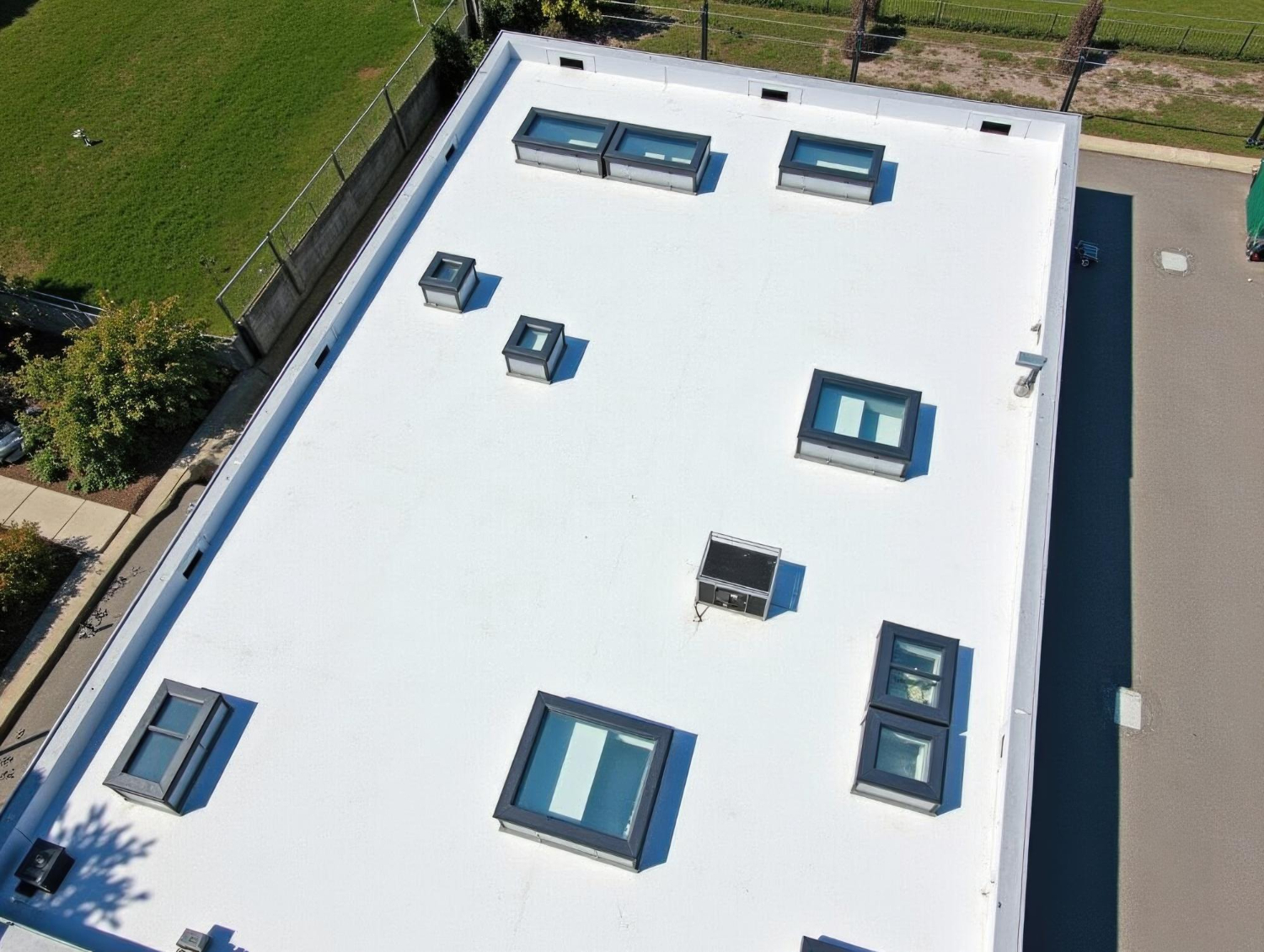
Flat Roof

Winter in New Hampshire is tough on every part of a home, but flat roofs get hit the hardest. Cold air, heavy snow, and freezing rain take a toll over time. Unlike pitched roofs that help snow slide off, flat roofs hold it in place. That extra weight and moisture can lead to more leaks, especially during deep freezes. As temperatures rise during the day and drop quickly at night, that melt-refreeze cycle creates some serious stress on the roofing surface.

We see this every year across homes in New Hampshire and Southern Maine. Flat roofs often need extra attention in winter, with water having nowhere to go and problems building up faster. Our commercial roofing crews specialize in flat and low-slope roofing for businesses across New Hampshire, so we see the impact of harsh winters on these systems every day. Knowing why these roofs leak and how to handle it early helps avoid some of the worst water damage. For anyone searching for flat roof repair in New Hampshire, understanding the common causes is the best place to start.

How Snow and Ice Build Up on Flat Roofs

Flat roofs have a different relationship with snow than pitched ones. When snow lands on a sloped roof, gravity does some of the work. It slowly moves the snow off the edge or into gutters. On a flat roof, snow has nowhere to go. It just sits and piles up. More snow means more moisture and more weight.

Over time, snow compresses and turns to ice at the lower layers. When the day warms up, a little of it melts. But that water doesn’t drain well on flat surfaces. If the drains are blocked or underperforming, water lingers and seeps into weak points. When temperatures drop again, that trapped water freezes, expands, and pushes on seams or corners.

This slow build-up creates pressure in places meant to stay sealed. Once those seams open even slightly, they become new paths for water every time snow melts again.

Weak Spots That Tend to Leak First

Not every part of the roof is equally strong. Some areas are more prone to leaks when snow sticks around. These trouble spots often let in moisture first:

• Flashing around vents, skylights, or roof edges

• Sealing around rooftop equipment or chimneys

• Roof corners where seams overlap

These areas expand and contract a little each day. When water sneaks in and freezes overnight, it pushes things apart. After a few cycles like this, those small gaps get bigger.

Then there’s the weight of the snow itself. It doesn’t take much to put stress on a flat roof. Older roofs or ones with soft materials may not handle the pressure well. You might notice signs like:

• Damp-looking patches on ceilings

• Peeling paint or bubbling walls near the roofline

• Water dripping from light fixtures or joints

These are good signs that something’s off above. Catching them early can slow down damage before repairs become larger.

How Freeze-Thaw Cycles Make the Damage Worse

One of the hardest winter challenges is the daily freeze-thaw pattern. In places like New Hampshire, it’s not rare to have above-freezing afternoons followed by deep cold overnight. That kind of change is trouble for a flat roof.

Melting snow in the afternoon turns into puddles, especially around areas that get sun. With low temperatures in the evening, all that standing water freezes again. Ice expands as it forms, and when it does, it pushes into any gaps it can find. That includes tiny cracks and weak seams that weren’t problems before.

Each day, this cycle repeats. Over time, those cracks get deeper and longer. The water starts to reach places it was never meant to be. The roof’s surface may look mostly fine from above, but the damage spreads underneath. Water can work into insulation, puddle under layers, or leak along walls.

Why Quick Action Matters During Cold Months

Once a leak starts in winter, it rarely stops on its own. It only grows. Cold weather traps moisture inside a building, which means the damage can spread into insulation or down through ceilings.

Every part of a roof is connected. A failed edge can lead water into plywood, then into insulation, framing, and more. What starts as a small drip can become softer drywall, soggy beams, or even electrical problems. That’s why winter is a tough time to wait and see.

Being alert helps. If we see signs of water stains or dripping inside, we treat it with urgency. Flat roof repair in New Hampshire is never something to hold off until spring. By then, freeze-thaw patterns will have multiplied any problem that was there in January.

Preventing Future Leaks With Proper Winter Care

Most winter roof leaks come from small problems that were already there. Snow and freezing temperatures just make them worse. Fixes and checks ahead of time make a big difference. We offer free roof consultations that include assessing drainage, seams, and low-slope areas on flat roofs before winter weather sets in.

We always recommend getting ahead of the season when possible, but if snow’s already arrived, care during storms still helps. Focus on areas that often trap water or fail under ice. These include seams, flashing, and low areas with pooling water.

Give attention to roof drains too. When they clog with ice or leaves, water stays much longer than it should. Here are a few things we keep an eye on after storms:

• Making sure drainage paths are clear

• Checking flashing edges for lifting or cracks

• Looking for uneven spots where water tends to sit

Even one quick glance after heavy snow can point out issues before they spread.

Cold Weather Doesn’t Wait: Keep Your Roof Protected

Flat roofs deal with a different kind of winter wear. The pressure from snow and the damage from daily temperature swings add up fast. Once leaks start, they spread quickly and don’t go away in the cold.

Watching for early signs of trouble helps prevent heavy repairs later. Regular checks, especially after big snowstorms, can catch weak areas before a freeze makes them worse. By staying just a little ahead of the season, we can help a roof last longer and work better through the winter. Keeping it dry now means fewer problems once the snow starts to melt.

Even small roof leaks can cause big problems when the weather won’t give you a break. Noticing early signs like ceiling stains or water staying too long after a storm means it’s time to act before winter damage spreads. We have helped many homeowners with reliable solutions for long-lasting protection by keeping moisture out of flat roof systems. When you see water buildup or cold-weather damage, we can help with flat roof repair in New Hampshire. Contact J. Carnes & Son Roofing to schedule a thorough roof check before things get worse.