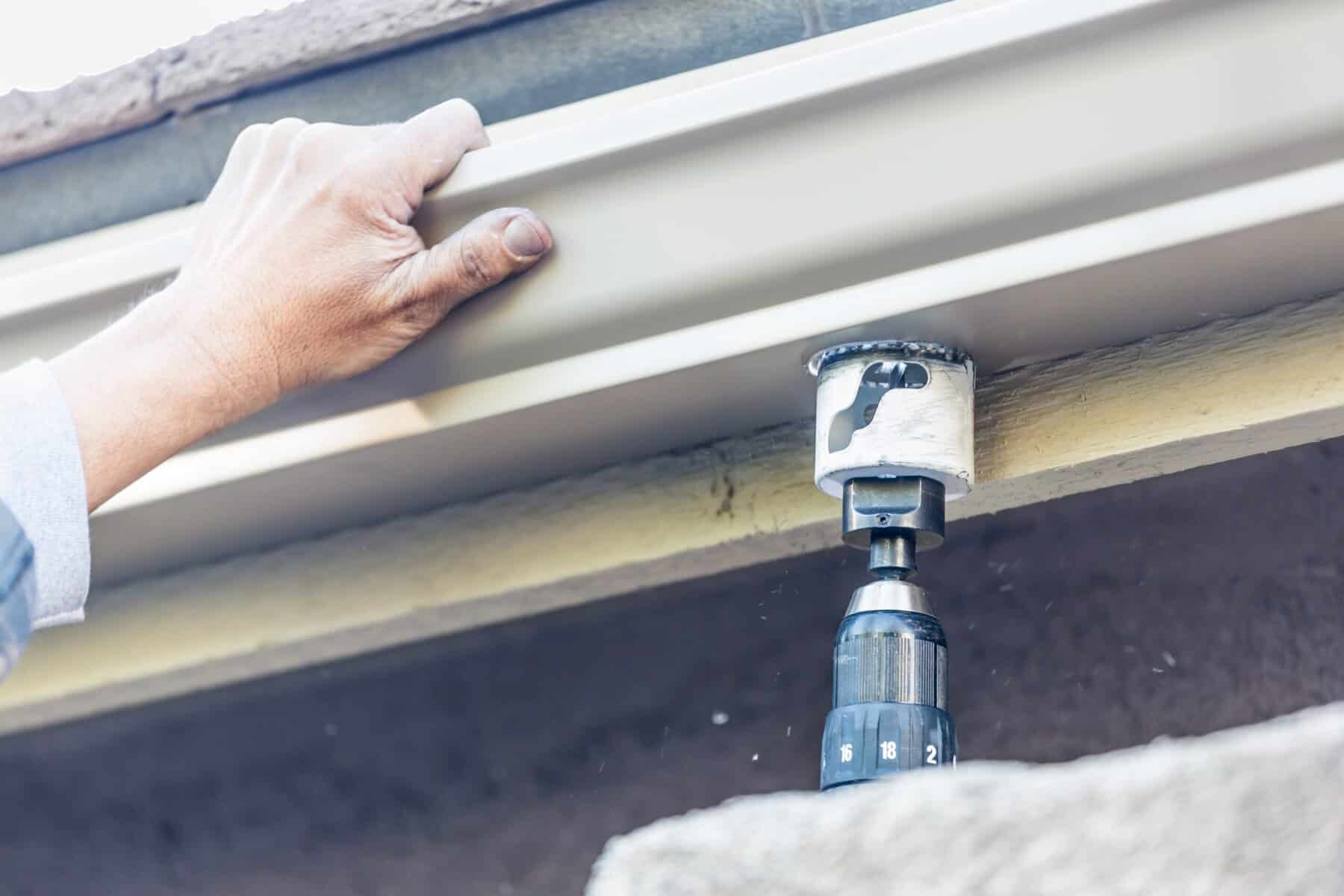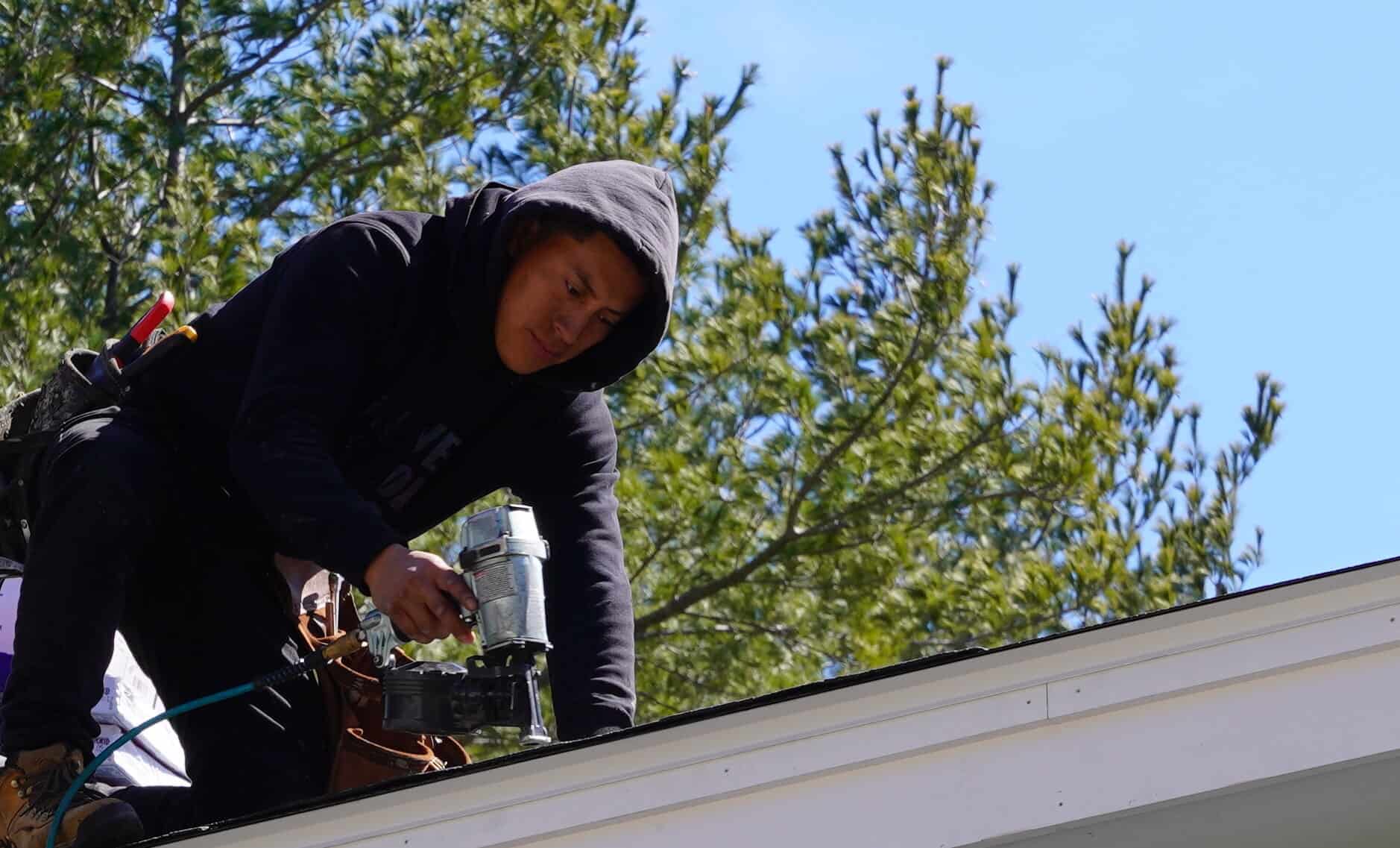
How K-Style Rain Gutters Protect Your Home from Water Damage

K style Pain Gutters

Keeping your home safe from water damage is crucial. One effective way to do this is by installing K-Style rain gutters. These gutters have a unique shape and come with multiple benefits, like durability and a sleek appearance, that make them ideal for your home.

Rainwater can cause a lot of problems if not managed properly. It can damage your roof, walls, and even the foundation of your house. K-Style rain gutters help manage the flow of rainwater, preventing these issues. They direct the water away from your home, reducing the risk of water damage significantly.

Maintaining your K-Style rain gutters is also important. Simple tasks like regular inspections and cleaning can keep them in top condition for years. Knowing what to look out for, like clogs or leaks, can save you time and money on repairs.

Understanding K-Style Rain Gutters: Key Features and Benefits

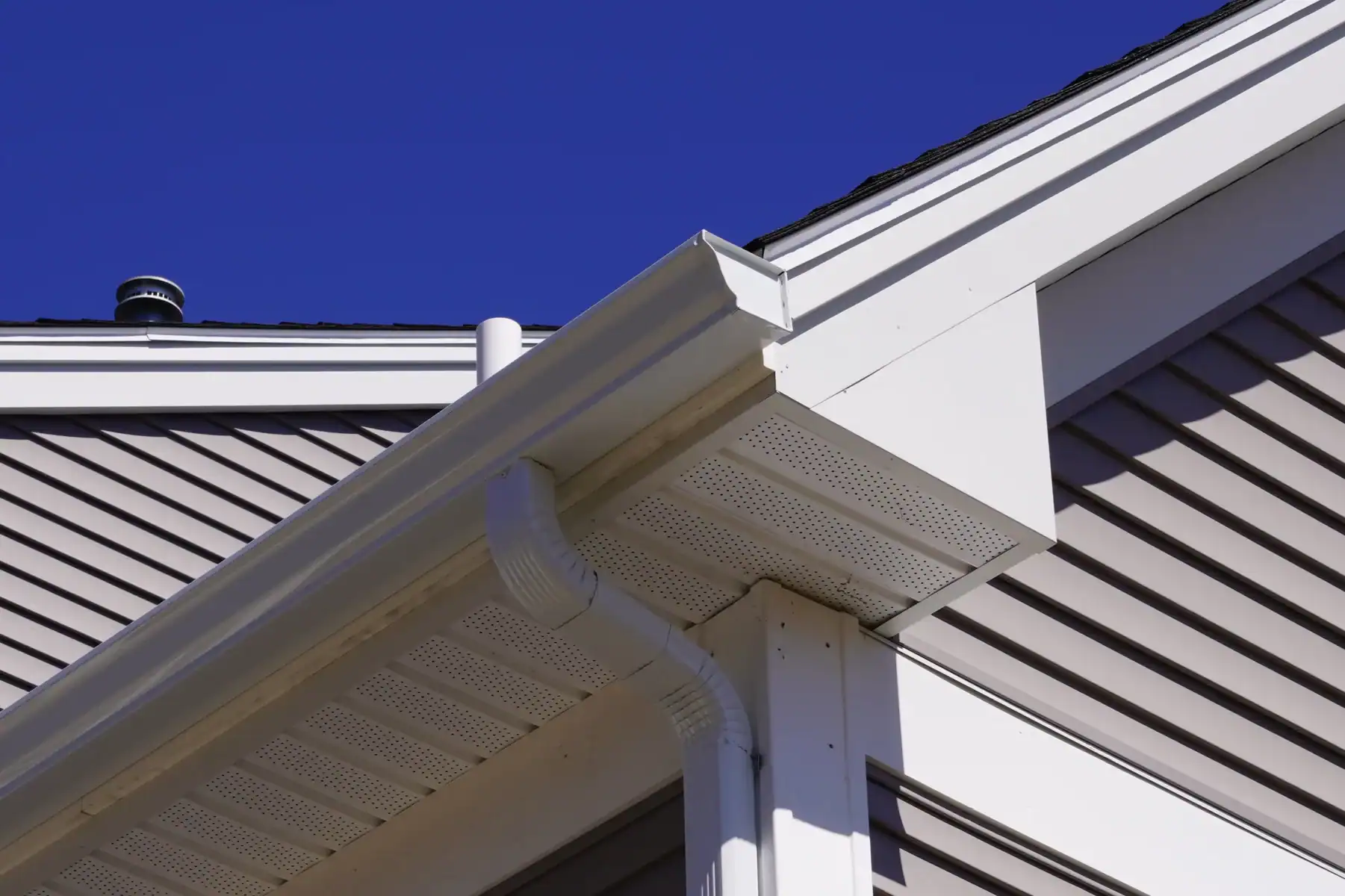
K-Style rain gutters have a distinct shape that looks like the letter “K” when viewed from the side. This shape is not just for looks; it helps these gutters do their job better. They have a flat back that attaches to your home and a curved front that can handle large volumes of water. Many homes today use K-Style gutters because they combine function and style.

One reason K-Style rain gutters are preferred in residential settings is their durability. They are made from strong materials like aluminum, steel, and copper. These materials can withstand harsh weather conditions, from heavy rain to snow. Another reason is their appearance. K-Style gutters have a sleek, modern look that matches well with various home designs. They don’t stand out too much, but they add a finished look to your roofline.

Besides being durable and appealing, K-Style rain gutters are also efficient. They can handle more water than traditional round gutters. This is important during heavy rainfall, as it helps prevent overflow that could harm your home. With the right installation and maintenance, K-Style gutters can protect your home for many years.

The Role of K-Style Rain Gutters in Preventing Water Damage

K-Style rain gutters play a crucial role in managing rainwater flow. When it rains, water runs off your roof and needs to be directed away from your home. K-Style rain gutters catch this water and channel it through downspouts, directing it safely away. This helps keep water from pooling around your home’s foundation.

By managing rainwater flow, K-Style gutters protect multiple parts of your home. They safeguard your roof by preventing water from seeping under shingles, which can lead to roof damage. They protect walls by stopping water from running down the sides of your house, where it could cause staining or rot. Additionally, by directing water away from your foundation, these gutters help prevent cracks and flooding in your basement or crawl space.

Understanding the science behind water damage can highlight why proper water management is essential. Water that pools around your home can cause the soil to expand and contract. This movement can lead to cracks in your foundation over time. Water that seeps into walls or under roofing materials can lead to mold growth and structural damage. By efficiently managing rainwater, K-Style rain gutters provide a critical line of defense against these issues.

Essential Maintenance Tips for K-Style Rain Gutters

Maintaining your K-Style rain gutters is vital to ensure they continue to function properly. Here are some basic maintenance tasks:

1. Regular Cleaning: Clean your gutters at least twice a year, especially in the spring and fall. Remove leaves, twigs, and any other debris that could cause clogs.

2. Inspect for Damage: Check for any signs of damage, such as dents, cracks, or rust. If you notice any issues, address them immediately to prevent further deterioration.

3. Check for Clogs: Ensure downspouts are clear of blockages, as these can cause water to back up and overflow the gutters.

4. Secure Gutters: Make sure the gutters are securely attached to your home. Loose gutters can lead to water damage. Tighten any loose screws or brackets.

5. Flush with Water: Use a hose to flush out any remaining dirt or small debris. This also helps you see if the water flows correctly through the downspouts.

Frequency of Inspections and Cleanings

Inspecting and cleaning your K-Style rain gutters regularly will keep them performing well. Aim for twice a year maintenance, but if you live in an area with heavy rainfall or lots of trees, you might need to check them more often. Regular maintenance helps catch small issues before they become big problems.

Common Issues and Tips for Resolution

Watch for common issues like clogs, leaks, or detached gutters. If you notice water spilling over the sides, check for clogs and clean them out. Leaks can often be sealed with caulk. If a section of the gutter becomes detached, reattach it using appropriate fasteners. Routine checks can prevent most of these issues from escalating.

Choosing the Right K-Style Rain Gutters for Your Home

Choosing the best K-Style rain gutters for your home depends on several factors, including the materials they are made from. Here are some options:

– Aluminum: Lightweight and resistant to rust, making it a popular choice. Easy to install and available in various colors.

– Steel: Very strong and can handle harsh weather conditions. However, they may rust over time if not properly maintained.

– Copper: Offers a classic, elegant look. Very durable but more expensive than other materials.

Factors to Consider

Consider the climate in your area when selecting materials. Aluminum is great for areas with mild weather, while steel may be better for regions with heavy snowfall or storms. Your home’s architecture also plays a role. Choose a material that complements your home’s style. Finally, consider your budget, as some materials are more expensive than others.

The Importance of Professional Installation

Professional installation ensures your K-Style rain gutters are correctly fitted and aligned. Improper installation can lead to issues such as leaks or detachment, which could cost more in repairs. Professional installers have the expertise needed to ensure your gutters perform their best.

Conclusion

K-Style rain gutters are a valuable addition to any home, providing essential protection against water damage. They manage rainwater efficiently, help maintain your home’s structure, and offer aesthetic appeal. Regular maintenance is key to keeping them in top shape, from bi-annual cleanings to inspections for potential issues.

Selecting the right material for your K-Style rain gutters can greatly impact their performance and longevity. Aluminum, steel, and copper each have their benefits, depending on your climate, home architecture, and budget. Ensuring professional installation can save you time and money in the long run.

For the best results in keeping your home safe from water damage, consider professional installation and maintenance. Contact J. Carnes & Son Roofing today to explore your options and get expert help with your K-Style rain gutters. Protect your home with the best roof and gutter installation solutions available.
Top Benefits of Installing K-Style Gutters this Year

K-Style Gutter

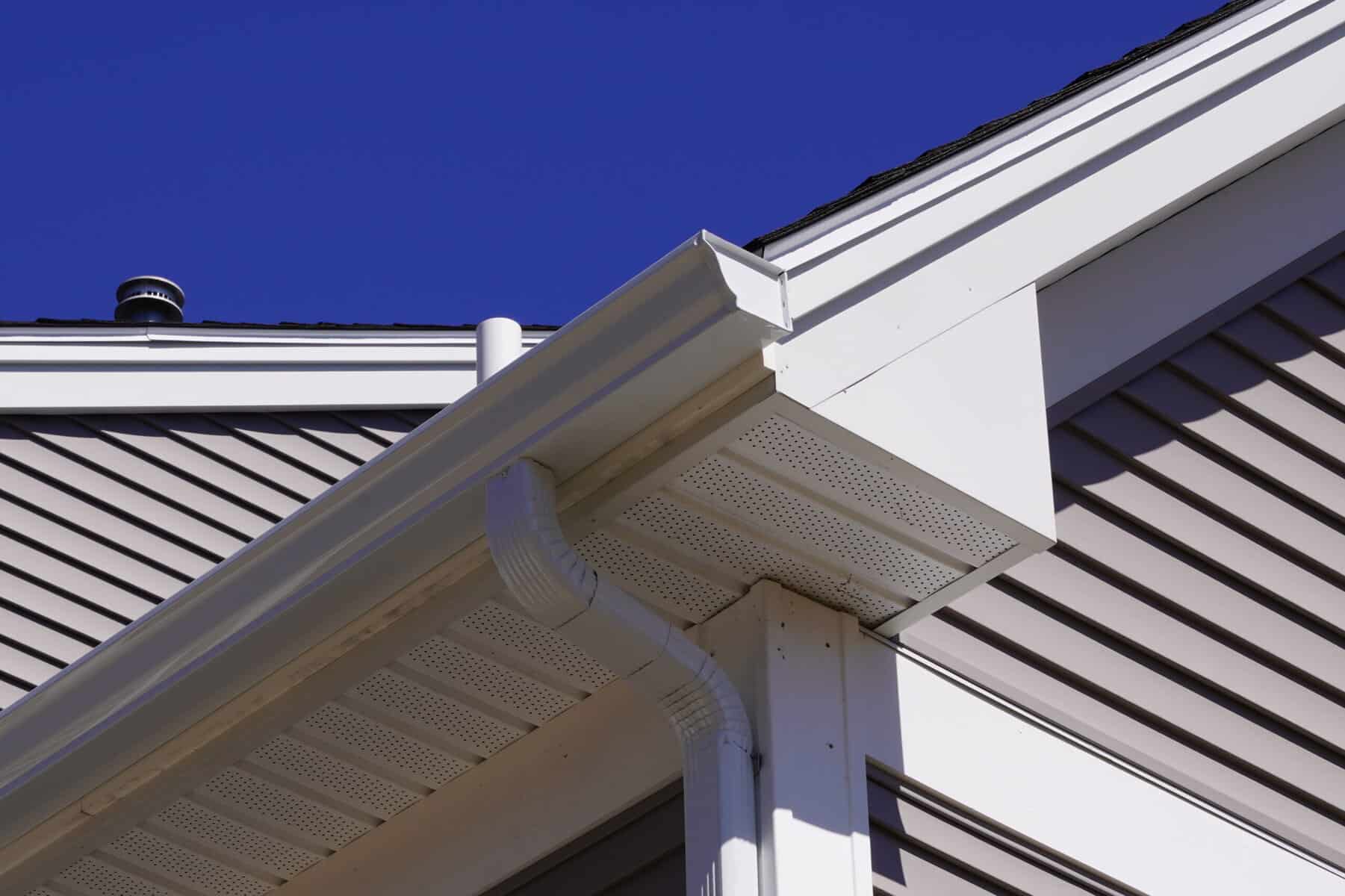
Installing K-style gutters is an excellent way to improve various aspects of your home. These gutters, named for their K-shaped profile, are not only functional but also add a touch of elegance to your house. If you want to upgrade your gutter system, learning about K-style gutters and their benefits can help you make an informed decision.

K-style gutters are known for their efficiency in channeling water away from your home. This superior water flow helps prevent issues like soil erosion, basement flooding, and damage to your home’s foundation. Proper water drainage is crucial for maintaining the structural integrity of your house, especially during heavy rainstorms. K-style gutters provide a reliable solution that ensures water is effectively managed.

Besides their practical benefits, K-style gutters also offer aesthetic advantages. Their unique shape and design can enhance your home’s curb appeal, making it look more attractive from the outside. With a variety of materials and colors available, these gutters can be customized to match your home’s exterior, adding both charm and value. By choosing K-style gutters, you can enjoy a blend of functionality and beauty that positively impacts your home.

Enhanced Aesthetics and Curb Appeal

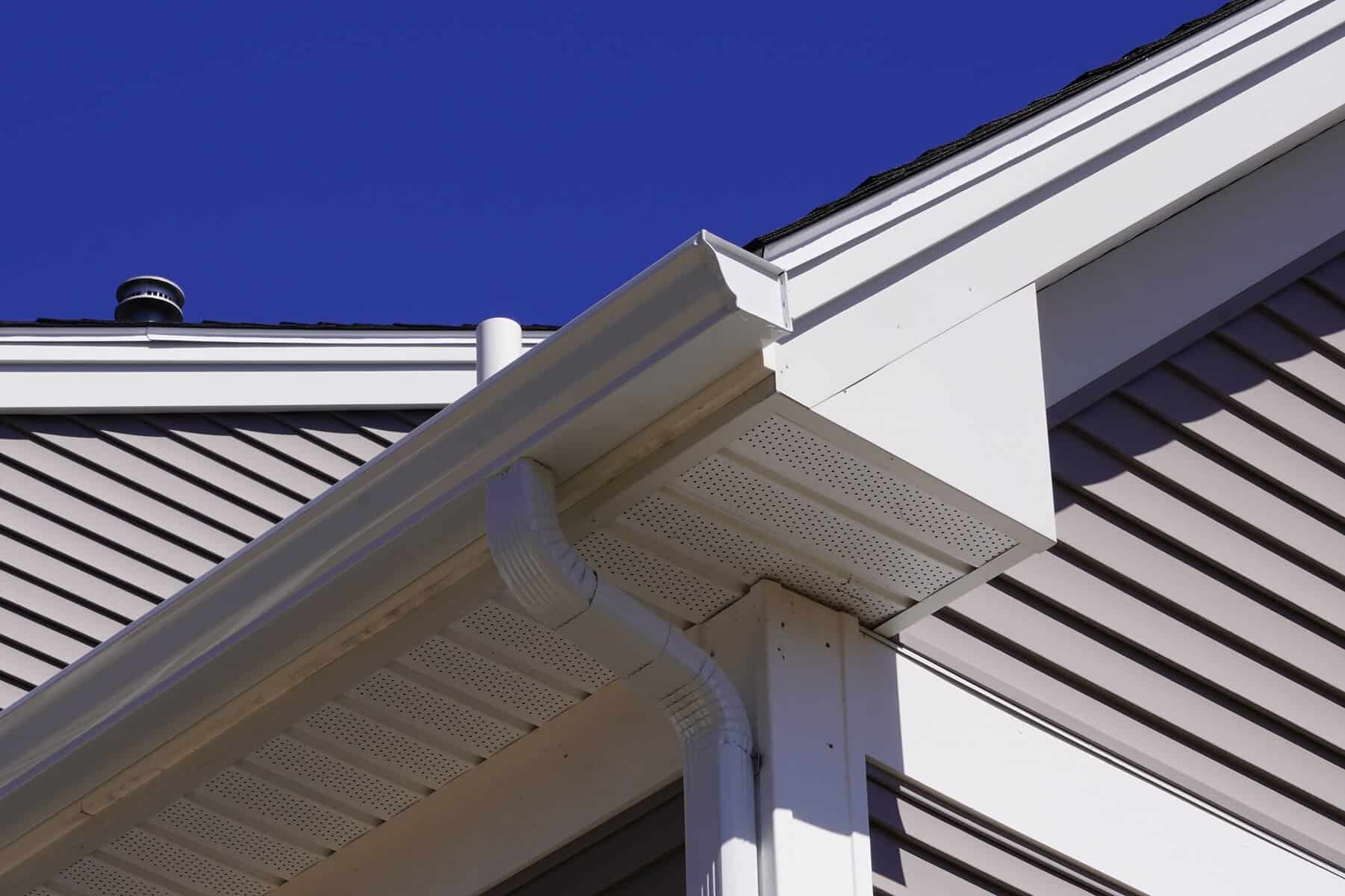
K-style gutters are a popular choice among homeowners who want to enhance their home’s exterior appearance. Unlike traditional rounded gutters, K-style gutters have a sleek, angular design that resembles the crown molding found inside many homes. This makes them an attractive addition that can complement a wide range of architectural styles.

The design options available with K-style gutters allow for significant customization. You can choose from various materials, including aluminum, vinyl, and copper, each offering its own aesthetic and functional benefits. The wide array of colors also ensures that your gutters can perfectly match or complement your home’s exterior paint and trim. This customization makes it easy to achieve a cohesive and polished look for your home.

The added curb appeal from K-style gutters isn’t just about looks. A well-maintained and aesthetically pleasing gutter system can make your house more attractive to potential buyers should you decide to sell. First impressions matter, and a stylish gutter system can set your home apart, making it stand out in the neighborhood and increasing its overall value.

Superior Water Flow and Drainage Efficiency

One of the most significant benefits of installing K-style gutters is their superior water flow and drainage efficiency. These gutters are designed with a flat back and bottom, which allows them to hold more water than traditional rounded gutters. This increased capacity helps manage heavy rainfall more effectively, preventing overflow that could lead to water damage.

K-style gutters excel at channeling water away from your home efficiently. Their unique shape and larger size make them less likely to clog, allowing water to flow freely through the system and into the downspouts. This effective drainage helps protect your home’s foundation, landscaping, and basement from water damage and flooding.

Furthermore, the superior design of K-style gutters reduces the risk of leaks and other issues that can arise from poorly draining gutters. By ensuring that water is carried away from your home swiftly and efficiently, K-style gutters contribute significantly to the overall health and longevity of your property. Investing in these gutters means peace of mind during heavy rainstorms and reliable protection for your home year-round.

Low Maintenance and Durability

K-style gutters are known for their low maintenance requirements and exceptional durability. Compared to other types of gutters, their flat bottoms and straight backs make them easier to clean. The design reduces the number of places where debris can accumulate, which means you spend less time on gutter maintenance.

The materials used in K-style gutters also contribute to their durability. Aluminum is a common choice due to its resistance to rust and corrosion. This makes it ideal for areas with high humidity or frequent rainfall. Vinyl is another popular option, known for its lightweight nature and resistance to dents and cracks. These durable materials ensure that K-style gutters can withstand various weather conditions without needing frequent repairs or replacements.

Moreover, adding leaf guards to K-style gutters further reduces maintenance efforts. Leaf guards prevent leaves, twigs, and other debris from entering the gutter system, keeping it clear and functioning smoothly. This not only prolongs the life of your gutters but also enhances their effectiveness in diverting water away from your home, ensuring long-term protection and savings on maintenance costs.

Increased Home Value and Protection

Investing in K-style gutters can significantly increase your home’s value and level of protection. Potential homebuyers are often attracted to properties with high-quality, low-maintenance features. The appealing design and sturdy construction of K-style gutters make them a desirable addition that can raise your property’s market value.

K-style gutters also offer enhanced protection against water-related damage. Properly functioning gutters are essential for directing rainwater away from your home’s foundation, walls, and basement. This prevents structural damage, mold growth, and other costly issues associated with poor water drainage. The efficiency of K-style gutters in handling large volumes of water makes them particularly effective in safeguarding your property.

Improved attic ventilation can also work hand-in-hand with K-style gutters to protect your home. By combining efficient water drainage with proper attic ventilation, you can prevent issues like ice dams in colder climates. This comprehensive approach provides a higher level of protection for your entire home, ensuring it remains in good condition and retains its value over time.

Final Thoughts

Incorporating K-style gutters into your home’s gutter system offers numerous benefits that enhance both functionality and aesthetics. From their sleek design and customization options to their superior water drainage capabilities, these gutters are an excellent choice for homeowners looking to improve their property. Whether you aim to boost curb appeal or safeguard your home from water damage, K-style gutters provide a reliable and attractive solution.

Additionally, the low maintenance and durability of K-style gutters mean fewer headaches and reduced upkeep costs over time. The increased home value and protection these gutters offer are further incentives for making the switch. By investing in high-quality K-style gutters, you can enjoy peace of mind knowing that your home is well-protected from the elements.

Ready to upgrade your gutter system and enjoy these benefits? Contact J. Carnes & Son Roofing today to find out how we can help you install the best K-style gutters for your home. Don’t wait—enhance your home’s protection and appeal now!

Installing K-Style Rain Gutters: Benefits and Best Practices

K-Style Rain Gutters

Choosing the right rain gutters for your home involves understanding the various benefits they provide, not just in terms of functionality but also in aesthetic appeal and durability. As the leading residential roofing contractor in New Hampshire and Southern Maine, we often recommend K-Style rain gutters to our clients, and for good reasons. Known for their attractive curved shape that mimics crown molding, K-Style gutters not only enhance the visual appeal of your home but also offer improved performance over more traditional styles.

K-Style rain gutters are designed to handle more water than rounded, traditional types, making them particularly effective in areas that experience heavy rainfall. This capability ensures that water is efficiently channeled away from your home, protecting your foundation, exterior, and landscaping from water damage. Additionally, the unique shape of these gutters is less prone to corrosion and clogging, providing a durable solution that requires less maintenance.

In the following sections, we will explore the primary benefits of installing K-Style rain gutters and provide some best practices for their installation and maintenance. Our goal is to help you understand why these gutters are a top choice for homeowners and how they can contribute to the longevity and aesthetic of your roofing system. By ensuring proper installation and care, we help ensure that your home remains beautiful and well-protected against the elements for years to come.

Why K-Style Rain Gutters Are a Top Choice for Homeowners

K-style rain gutters are a popular choice among homeowners due to their effective design and aesthetic appeal that complements a wide variety of home styles. Unlike the more traditional half-round gutters, K-style gutters have a flat back and a decorative front, often resembling crown molding. This not only enhances the exterior appearance of a home but also provides practical benefits. The design of K-style gutters allows for a more seamless integration with the edge of the roof, helping to channel water more efficiently away from the home’s foundation.

Additionally, the angular design of these gutters offers greater strength and resilience compared to rounded styles. This makes K-style gutters more durable under the stress of heavy rainfall, ice, or accumulated debris. We often recommend K-style gutters to our clients not just for their functionality but because they increase the overall curb appeal of the property, which can be a significant advantage if the home ever goes on the market.

Key Benefits of Installing K-Style Rain Gutters

When considering updates or installations for home drainage systems, it’s essential to recognize the specific advantages that K-style rain gutters offer:

1. Increased Water Capacity: Compared to half-round gutters, K-style gutters can handle a larger volume of water due to their shape. This makes them especially suitable for regions with heavy rainfall.

2. Reduced Clogging: The unique shape of these gutters tends to encourage leaves and debris to flow along with the water, reducing the likelihood of clogs. This is a substantial advantage for maintenance, particularly in autumn when leaves are a persistent issue.

3. Stronger and More Durable: The flat bottom and sides of K-style gutters provide added strength, allowing them to withstand harsh weather conditions better than other styles of gutters. Their durability makes them a wise investment for the long term.

4. Aesthetic Versatility: These gutters are available in various materials and colors, offering flexibility in design to complement almost any architectural style, from modern to traditional.

5. Ease of Installation: K-style gutters are relatively easy to install because they are often made seamless in a process that involves custom-cutting the gutter on the installation site, which enables a perfect fit to the home.

By choosing K-style rain gutters, homeowners enjoy not only enhanced home protection from water damage but also an upgrade in their home’s exterior aesthetics and long-term functionality. Each benefit contributes to why we see more homeowners opting for this style when considering gutter installation or replacement.

Best Practices for K-Style Rain Gutter Installation

Proper installation of K-style rain gutters is crucial for ensuring they function effectively and last for many years. We always emphasize thorough preparation and careful handling during the installation process. Firstly, it’s important to measure the roof’s edges accurately to determine the exact length of gutters required. This accuracy prevents unnecessary seams, which can become potential points for leaks. We configure the gutters to have a slight slope towards the downspouts, ensuring water flows naturally and doesn’t pool anywhere along the system.

Another key step is the secure attachment of the gutters to the fascia of the house. We use sturdy hangers that are spaced appropriately to hold the gutters firmly against the weight of rainwater and any debris they carry. Sealing all connections with high-quality, waterproof sealant is another critical step, which guards against leaks. These best practices ensure the installation is solid, reducing the risk of future problems and extending the lifespan of the gutters.

Maintaining Your K-Style Rain Gutters for Longevity

Regular maintenance is just as important as proper installation to maximize the lifespan and functionality of your K-style rain gutters. Routine cleaning at least twice a year is recommended to remove leaves, twigs, and other debris that can clog the system. This is particularly critical after autumn and spring, when tree debris is most prevalent. During cleaning, it’s also vital to inspect the gutters for any signs of damage, such as cracks, rust, and separation from the house.

In addition to cleaning, ensuring that the gutter system remains properly aligned without any sagging sections is crucial. A quick check and tightening of the hardware and hangers during regular cleanings will help prevent issues related to water overflow and pooling. These simple steps can greatly extend the life of your gutters, reduce repair costs, and maintain the beauty and integrity of your home.

Conclusion

Choosing K-Style rain gutters is not only a smart decision for your home’s functionality and appearance but also an investment in its long-term protection. With proper installation and regular maintenance, these gutters will efficiently manage water runoff and protect your home from related water damage for years to come. At J. Carnes & Son Roofing, we are dedicated to providing top-notch services, including expert roof and gutter installation and care. Contact us today to schedule a consultation or to learn more about enhancing your home with our reliable roofing solutions.

Maximize Natural Light and Energy Efficiency with Velux Skylights

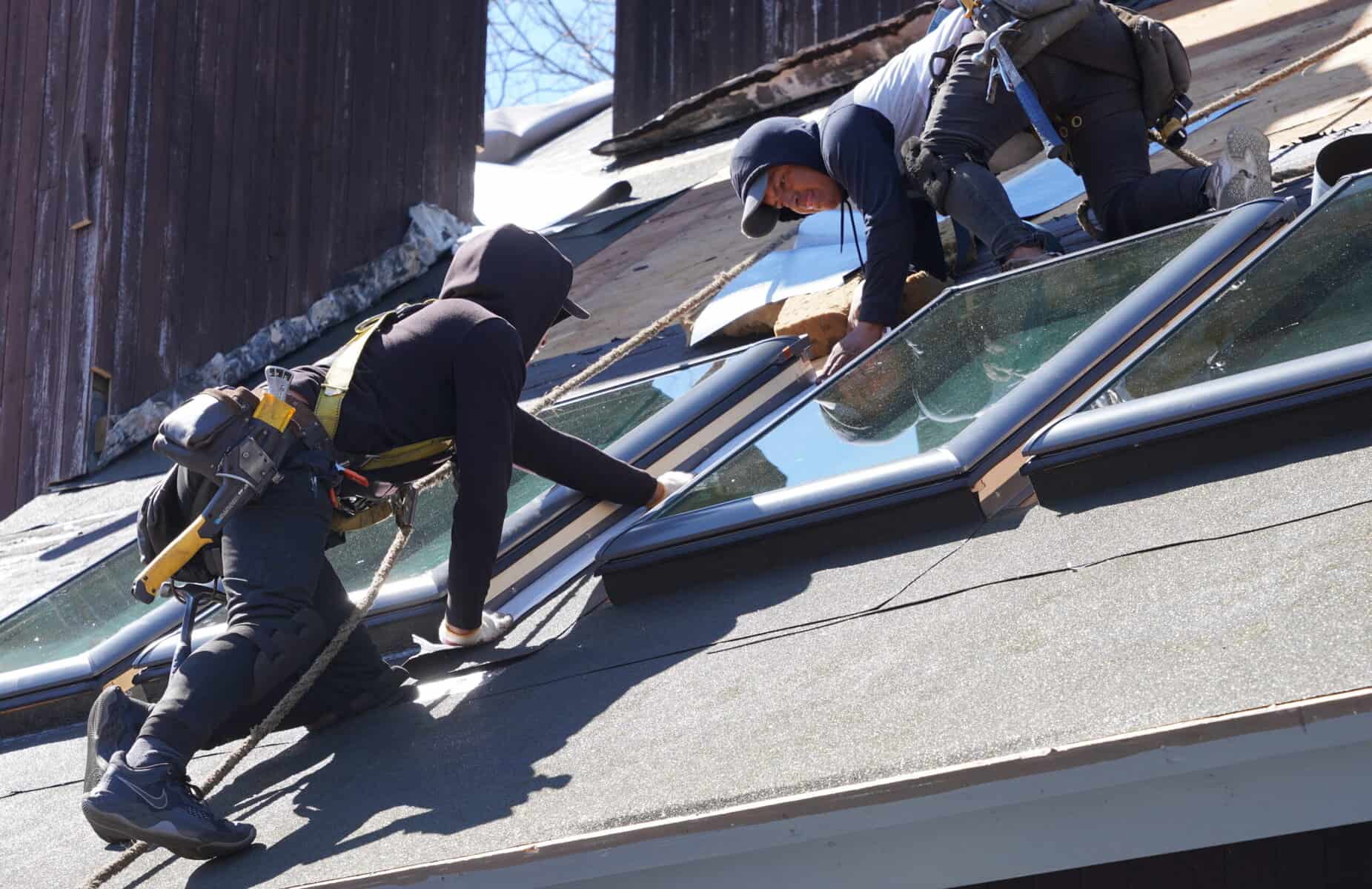
VELUX skylights installed by J. Carnes & Son Roofing

Homeowners seeking ways to improve their living spaces often overlook the potential of enhancing natural lighting and energy efficiency by installing skylights. Velux skylights, a globally recognized brand associated with quality and innovation, have helped transform homes by bringing daylight and fresh air indoors while improving the overall energy profile. As the leading residential roofing contractor in New Hampshire and Southern Maine, J. Carnes & Son Roofing is dedicated to assisting homeowners in understanding the benefits of adding Velux skylights to their properties and ensuring seamless, professional installation and maintenance.

Velux skylights not only elevate the aesthetics of your home but also offer an array of practical advantages, making them a worthwhile investment. By brightening interiors with abundant natural light, these skylights help create a sense of openness and enhance the overall living environment. Furthermore, Velux skylights feature cutting-edge materials and technologies that ensure optimal energy efficiency, potentially lowering energy costs and reducing environmental impact.

In this comprehensive blog post, we will explore the various benefits of installing Velux skylights in your home, such as improved aesthetics, enhanced natural lighting, and energy efficiency. Additionally, we will discuss how to choose the right type of skylight for your needs, as well as the importance of proper installation and maintenance to keep your skylights functioning optimally for years to come. Trust J. Carnes & Son Roofing to guide you through the process of selecting, installing, and maintaining Velux skylights, ensuring that your home captures these valuable benefits.

The Magic of Velux Skylights: Benefits for Your Home

Homeowners seeking to enhance their homes with Velux skylights can enjoy several potential benefits:

1. Natural Light: Velux skylights brighten up interiors and maximize natural light, creating a welcoming and spacious environment that can improve mood and overall well-being.

2. Energy Efficiency: Cutting-edge materials and technologies in Velux skylights improve insulation and decrease heat transfer, reducing energy consumption and costs.

3. Ventilation: Some Velux skylight models offer built-in ventilation, helping to maintain optimal indoor air quality by improving air circulation and reducing excess humidity.

4. Aesthetics: The sleek, modern design of Velux skylights can elevate the appearance of your home’s interior and exterior, adding a touch of sophistication to your living spaces.

Selecting the Right Velux Skylight Type for Your Home

Velux offers a wide range of skylight types to suit your unique needs and preferences. Consider the following options:

1. Fixed Skylights: Ideal for areas where ventilation isn’t required, fixed skylights provide ample natural light without the capability to open or close.

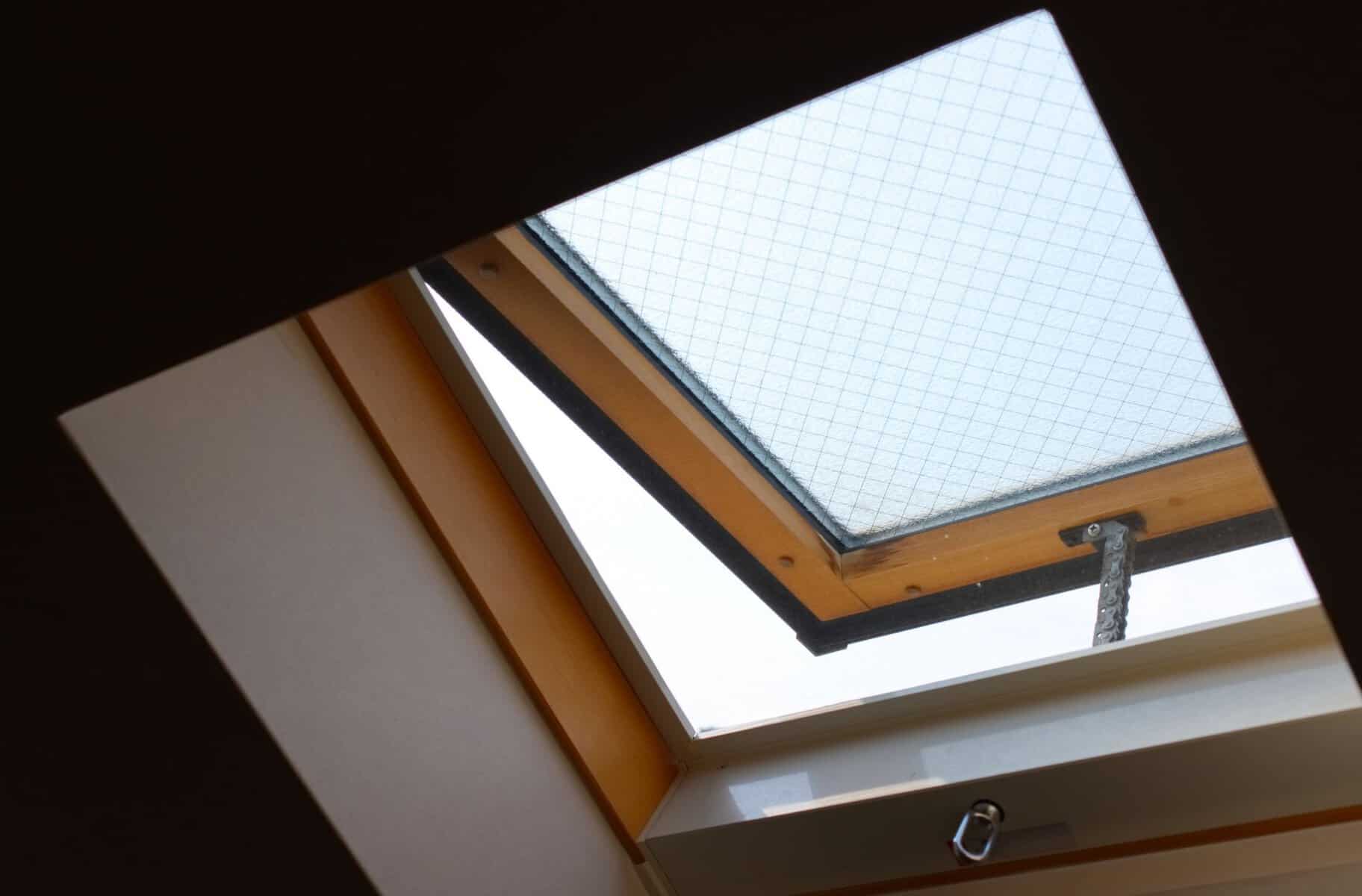
2. Venting Skylights: These skylights can be opened manually or with a remote control to provide fresh air and improved air circulation throughout your home.

3. Solar-Powered Skylights: Harnessing solar energy to operate, these innovative skylights require no electrical wiring, offer built-in rain sensors, and are eligible for a federal tax credit.

4. Roof Windows: More than just a skylight, roof windows are designed to be accessible and can function as a point of egress in case of emergencies. They require a low, easily reachable installation point, making them perfect for attic or loft conversions.

Consider factors such as your home’s layout, local climate, and desired functionality when selecting the best Velux skylight type for your property.

Proper Installation: The Key to Lasting Performance

The effectiveness and longevity of your Velux skylights depend on professional installation. Partnering with a reputable roofing contractor like J. Carnes & Son Roofing guarantees seamless integration of your new skylights into your home. Keep in mind these critical factors for successful installation:

1. Correct Sizing: Your contractor will need to carefully measure your roof and desired skylight location to ensure a perfect fit, minimizing any risk of leaks or structural issues.

2. Weatherproofing: Properly installing flashing and sealants around your skylight edge is crucial to preventing water infiltration and damage.

3. Insulation: Correct insulation techniques around the skylight help minimize heat transfer, contributing to the overall energy efficiency of your home.

4. Safety Compliance: Adhering to local building codes, safety guidelines, and Velux’s installation specifications is essential for a secure and compliant installation.

Caring for Your Velux Skylights: Maintenance Tips

With proper care and maintenance, your Velux skylights can provide years of reliable performance. Follow these maintenance tips to protect your investment:

1. Regular Cleaning: Keep your skylights clean by wiping their interior and exterior surfaces with a soft cloth and soapy water or non-abrasive glass cleaner. For hard-to-reach locations, consider using a telescopic window cleaner.

2. Inspection: Periodically inspect your skylights for damage to glass, frames, seals, or flashing. Address any issues promptly to prevent potential damage and maintain optimal performance.

3. Weather-Related Checks: Following extreme weather events, like heavy rain or snow, check your skylights for signs of water leaks, drafts, or debris buildup.

4. Professional Maintenance: Schedule regular inspections and maintenance with an experienced roofing contractor like J. Carnes & Son Roofing to ensure your Velux skylights remain in peak condition.

Conclusion

Velux skylights offer a transformative solution for homeowners seeking to elevate their living spaces with abundant natural light, improved energy efficiency, and enhanced aesthetics. By choosing the right type of Velux skylight for your home and ensuring professional installation and maintenance, you can enjoy years of reliable performance and reap the numerous benefits that skylights provide.

At J. Carnes & Son Roofing, the leading residential roofing contractor in New Hampshire and Southern Maine, our team is ready to assist you in selecting, installing, and maintaining Velux skylights that best meet your needs. Contact us today to discuss your Velux skylight project and experience the difference that comes with trusting the professionals at J. Carnes & Son Roofing.

Improving Attic Ventilation for Better Home Comfort

Roof and attic ventilation work in New Hampshire by J. Carnes & Son Roofing

Proper attic ventilation is crucial for maintaining a healthy and comfortable home environment. It helps regulate temperature and moisture levels in your attic, which can have a significant impact on your entire house. Without effective ventilation, your attic could become a hotspot for issues like mold and mildew, which can damage your home and adversely affect indoor air quality.

We often overlook the attic when thinking about home maintenance, but it’s a vital part of the house that plays a key role in overall efficiency. Ventilation in the attic helps to remove excess heat during the summer and moisture during the winter. This not only makes your home more comfortable year-round but also extends the life of your roofing materials by preventing damage caused by excessive heat and moisture buildup.

By focusing on improving attic ventilation, you can enjoy multiple benefits such as enhanced home comfort, energy efficiency, and even potential cost savings on repairs and energy bills. We’ll explore the importance of attic ventilation, how to identify if your attic needs better ventilation, and some effective methods to improve it. Proper attic ventilation truly makes a difference in the longevity and health of your home.

Why Attic Ventilation Matters for Your Home

Proper attic ventilation plays a crucial role in maintaining a comfortable and healthy home environment. Without sufficient ventilation, heat and moisture can accumulate in the attic, leading to various issues. In the summer, a poorly ventilated attic can become extremely hot, which can cause your air conditioning system to work harder, leading to higher energy bills. In the winter, trapped moisture can condense and lead to problems like mold growth and wood rot, which can compromise the structural integrity of your home.

An effectively ventilated attic also helps extend the lifespan of your roofing materials. Excessive heat can shorten the life of asphalt shingles, causing them to crack and deteriorate faster. By ensuring good air circulation in the attic, you can help keep your shingles and other roofing components in better condition for a longer period. Ultimately, proper attic ventilation protects your investment in your home by preventing costly damage and reducing energy consumption.

Signs Your Attic Needs Better Ventilation

Recognizing the signs of poor attic ventilation is essential for timely intervention. One common sign is a noticeable increase in your home’s energy bills. If you find that your heating and cooling systems are working overtime, your attic might be trapping excess heat or cold air. Another indicator is the presence of ice dams on your roof edges during winter. Ice dams form when heat from a poorly ventilated attic melts snow on the roof, causing water to refreeze at the eaves and create ice blockages.

Additionally, moisture-related issues can signal inadequate ventilation. Look for signs of mold or mildew, particularly on wood beams and insulation. You might also notice a musty smell, which is a clear indicator of trapped moisture. Finally, inspect your roofing materials for signs of wear and damage. Curling or cracking shingles can be a sign that your attic is not ventilated properly, causing them to overheat. If you observe any of these signs, it’s crucial to take steps to improve your attic’s ventilation to maintain the health and efficiency of your home.

Effective Methods to Improve Attic Ventilation

Improving attic ventilation is essential for maintaining a healthy and efficient home. One popular method is installing soffit vents along the eaves of the house. These vents allow fresh air to enter the attic, promoting better airflow. Pairing soffit vents with ridge vents, which are placed along the peak of the roof, creates a passive ventilation system. This system relies on natural air movement to expel hot air and moisture from the attic.

Another effective method is adding gable vents. These vents are installed on the gable ends of the attic and can be used in conjunction with other vent types. Electric attic fans are also an option for homes in need of more robust ventilation. These fans are designed to actively pull hot air out of the attic, making them particularly useful during hot summer months. Wind turbines, which use wind power to ventilate the attic, are another viable option.

Benefits of Proper Attic Ventilation for Home Comfort

Proper attic ventilation offers numerous benefits for home comfort and energy efficiency. One significant advantage is temperature regulation. By allowing hot air to escape and cool air to enter, ventilation helps maintain a consistent and comfortable indoor temperature. This reduces the strain on your HVAC system, resulting in lower energy bills. Proper ventilation can extend the lifespan of your roofing materials. Excess heat and moisture can cause shingles to deteriorate prematurely, but good airflow helps preserve them.

Another benefit is moisture control. Adequate ventilation prevents moisture buildup that can lead to mold and mildew growth, which can compromise indoor air quality and pose health risks. It also protects the structural integrity of your home by preventing wood rot. Additionally, proper ventilation can reduce the likelihood of ice dams forming during the winter. Ice dams occur when warm air from the attic melts snow on the roof, which then refreezes at the eaves, causing potential damage. Good ventilation ensures that the roof remains at a consistent temperature, reducing this risk.

Conclusion

Maintaining proper attic ventilation is crucial for ensuring the comfort, efficiency, and safety of your home. From reducing energy costs to preventing moisture-related issues, effective ventilation systems offer a multitude of benefits. Whether you’re installing new vents, upgrading your current system, or considering ventilation during a roof replacement, it’s essential to understand the impact of good airflow in your attic.

If you’re looking to improve your home’s ventilation or need expert advice on the best solutions, J. Carnes & Son Roofing is here to help. Our team specializes in creating healthy and efficient home environments through quality roofing and ventilation systems. Contact our Hampton roofing company today to learn how we can enhance your home’s comfort and extend the life of your roof!

Roof Ventilation Explained: How Proper Airflow Can Extend the Life of Your Roof

Roof ventilation detail on a New Hampshire home by J. Carnes & Son Roofing

Proper roof ventilation is a critical component of your home’s overall comfort, energy efficiency, and roof longevity. A well-ventilated roof ensures adequate airflow, reducing the likelihood of problems like mold, mildew, and roof damage due to extreme temperature fluctuations. As a leading and trusted residential roofing contractor in New Hampshire and Southern Maine, J. Carnes & Son Roofing is committed to helping homeowners understand the importance of roof ventilation and providing expert services to achieve optimal results.

In this informative article, we will explore the basics of roof ventilation, its benefits, and the various ventilation options available to homeowners. Additionally, we will discuss how to recognize signs of inadequate ventilation and the steps to take when upgrading or improving your home’s roof ventilation system. By sharing our knowledge and expertise, the team at J. Carnes & Son Roofing aims to assist homeowners in making informed decisions that will ultimately contribute to the longevity and performance of their roofing system.

Roof Ventilation Explained: How Proper Airflow Can Extend the Life of Your Roof

Proper roof ventilation is a critical component of your home’s overall comfort, energy efficiency, and roof longevity. A well-ventilated roof ensures adequate airflow, reducing the likelihood of problems like mold, mildew, and roof damage due to extreme temperature fluctuations. As a leading and trusted residential roofing contractor in New Hampshire and Southern Maine, J. Carnes & Son Roofing is committed to helping homeowners understand the importance of roof ventilation and providing expert services to achieve optimal results.

The Basics of Roof Ventilation

Roof ventilation is the system that allows the continuous flow of air through your attic space, maintaining a balanced temperature between the interior and exterior environments. The primary goal of a properly ventilated roof is to prevent the buildup of excess heat and moisture, both of which can lead to a host of problems. Key components of roof ventilation include intake vents, which allow fresh outside air to enter the attic, and exhaust vents, which permit warm, humid air to escape.

Benefits of Adequate Roof Ventilation

There are several benefits to ensuring your roof is properly ventilated, including:

1. Energy Efficiency: A well-ventilated roof reduces the strain on your HVAC system and leads to lower energy consumption by maintaining a consistent indoor temperature. This can result in substantial energy savings and reduced utility costs.

2. Extended Roof Life: Proper ventilation helps prevent damage caused by excessive heat and moisture, such as wood rot, roof buckling, and mold growth. By mitigating these issues, adequate ventilation can prolong the life of your roof.

3. Improved Indoor Air Quality: Adequate airflow in your attic helps prevent the growth of mold and mildew, which can negatively impact the air quality of your entire home. Proper roof ventilation maintains a healthy living environment for you and your family.

Roof Ventilation Options

There are several roof ventilation options available to homeowners. It’s essential to work with a professional roofing contractor like J. Carnes & Son Roofing to determine the best solution for your home’s unique needs. Some common ventilation systems include:

1. Ridge Vents: These low-profile vents run along the peak of the roof, allowing hot air to escape while blending seamlessly with your home’s exterior.

2. Soffit Vents: These intake vents are installed along the underside of the eaves, allowing fresh air to enter the attic space and promote continuous airflow.

3. Gable Vents: Typically installed near the roof’s peak on gable-end walls, these exhaust vents enable hot, humid air to escape from the attic.

4. Box Vents: These exhaust vents are installed directly on the roof surface, allowing hot air to rise and escape through the vent.

5. Powered Attic Fans: These motorized exhaust fans actively draw hot air out of the attic, providing enhanced ventilation in comparison to passive vents.

Recognizing Signs of Inadequate Ventilation

Monitoring your attic’s temperature and looking for signs of moisture buildup can help you recognize potential ventilation issues. Some common indicators of inadequate roof ventilation include:

1. Excessive Heat: A poorly ventilated attic can reach extremely high temperatures during the summer months, causing damage to your roofing materials and increasing your home’s cooling costs.

2. Condensation and Mold Growth: Moisture accumulating in your attic due to poor ventilation can lead to condensation on surfaces and promote the growth of mold and mildew.

3. Ice Dams: In the winter months, poor ventilation may cause warm air to become trapped in your attic, leading to the formation of ice dams, which can result in roof leaks and damage.

4. Warped Roof Decking: Excessive heat and moisture can cause the roof decking to warp and buckle, potentially compromising the structural integrity of your roof.

Steps to Improve Your Home’s Roof Ventilation

If you’re experiencing signs of inadequate roof ventilation, it’s essential to consult with a professional roofing contractor like J. Carnes & Son Roofing to develop a customized ventilation strategy for your home. Some steps to improve your home’s roof ventilation include:

1. Inspect and clean existing vents to ensure they are functioning properly.

2. Consult with a professional to determine the appropriate ventilation system for your home based on factors such as roof size, shape, and climate.

3. Ensure proper insulation in your attic, which can help maintain a consistent temperature and reduce heat transfer between your living space and the attic.

4. Regularly monitor your attic’s temperature and humidity levels to stay ahead of potential ventilation issues.

Conclusion

Ensuring proper roof ventilation is a critical aspect of maintaining a healthy living environment, extending the life of your roof, and improving your home’s energy efficiency. By understanding the importance of roof ventilation and working with a trusted roofing contractor like J. Carnes & Son Roofing, you can protect your investment and maintain the structural integrity of your home.

Looking for Kingston residential roofing services? Contact the experts at J. Carnes & Son Roofing today for a comprehensive attic inspection and personalized ventilation solutions. Together, we can ensure your roofing system’s long-term health and performance.

Enhance Your Home with Velux Skylights: Benefits, Styles, and Installation Tips

Velux Skylight

Velux skylights offer homeowners a solution to transform their living spaces by allowing the ingress of natural light and creating a brighter, more inviting atmosphere. As one of the most trusted residential roofing contractor in New Hampshire and Southern Maine, we have years of experience installing and maintaining top-quality Velux skylights. In this comprehensive guide, we’ll explore the key benefits of these high-quality skylights, the various styles available, and essential tips on proper installation and maintenance.

Velux skylights are known for their innovative designs, energy efficiency, and exceptional craftsmanship. They can significantly enhance the visual appeal and overall ambiance of your home, making it stand out from the rest. Installing a Velux skylight not only increases the amount of natural light entering your home but can also provide energy-saving benefits through improved insulation and passive solar heating. Additionally, these premium skylights can increase ventilation, freshness, and overall indoor air quality, making your living spaces healthier and more enjoyable.

Available in a wide range of styles, sizes, and configurations, Velux skylights cater to various architectural designs and homeowner preferences. Whether you’re considering a fixed skylight for a visually stunning light well or a vented option for enhanced airflow, there’s a Velux skylight tailored to your needs. Furthermore, Velux offers additional features, such as built-in blinds and remote-controlled operation, to customize your skylight experience further.

Key Benefits of Velux Skylights

Velux skylights provide numerous advantages for homeowners, from aesthetics to energy efficiency. Here are some of the top reasons to consider installing one in your home:

1. Natural Light: Velux skylights increase the amount of natural light entering your home, resulting in a brighter, more welcoming atmosphere.

2. Energy Efficiency: With improved insulation and passive solar heating capabilities, Velux skylights can help lower your energy bills and reduce your home’s carbon footprint.

3. Ventilation: Certain Velux skylight designs allow for increased airflow, creating a fresher and healthier living environment.

4. Enhanced Visual Appeal: Skylights can add a stunning architectural feature to your home, increasing its overall aesthetic appeal.

5. Increased Property Value: A well-designed and professionally installed Velux skylight can boost your home’s resale value.

Styles and Options Available

There are a variety of Velux skylight styles available to cater to different architectural designs and preferences. Some of the most popular options include:

1. Fixed Skylights: These non-opening skylights are designed for maximum light transmission, creating an impressive visual impact without requiring additional ventilation.

2. Vented Skylights: Also known as “roof windows,” these skylights can be opened to provide increased airflow and ventilation in your home. They can be manually operated, electrically powered, or solar-powered, depending on your preference and budget.

3. Sun Tunnel Skylights: A unique, tubular design that allows natural light to reach areas of your home that traditional skylights cannot. Ideal for hallways, closets, and other smaller spaces.

4. Balcony Roof Windows: A versatile option that transforms from a rooftop window into a balcony within seconds, providing extra outdoor living space in addition to bringing in natural light.

5. Custom Skylights: Velux also offers custom-designed skylights to suit unique architectural features and design requirements.

Proper Installation Tips

Follow these essential tips to ensure the successful installation of your Velux skylight:

1. Choose the Right Location: Select an optimal location for your skylight that provides maximum sunlight exposure while avoiding potential obstacles such as trees, power lines, or other structures.

2. Hire a Professional: Work with a reputable and experienced contractor to ensure expert installation in accordance with Velux guidelines and local building codes.

3. Proper Flashing: Ensure watertight installation by using Velux-approved flashing kits that are specifically designed for your skylight and roof type.

4. Insulation: Adequate insulation around the skylight minimizes heat loss and ensures energy efficiency.

5. Test for Leaks: After installation, perform a thorough inspection to identify and address any potential leaks before they become a problem.

Maintenance Best Practices

Following a regular maintenance routine helps to ensure your Velux skylight remains in optimal condition:

1. Glass Cleaning: Clean the exterior and interior glass surfaces of your skylight using mild soap and water, or a specialized glass cleaner.

2. Inspect the Seal: Perform regular checks on the skylight seal to ensure it remains in good condition and effectively prevents water intrusion.

3. Monitor Ventilation Components: Inspect and lubricate the ventilation components of vented skylights to maintain smooth operation.

4. Replace Damaged Components: Be vigilant about repairing or replacing any damaged or deteriorated components as soon as possible to prevent further issues.

Conclusion

Velux skylights offer an exceptional addition to your living spaces, providing natural light, energy efficiency, ventilation, and architectural appeal. By selecting the right style, ensuring proper installation, and following maintenance best practices, you can enjoy the numerous benefits these premium skylights deliver for years to come.

As the leading residential roofing contractor in New Hampshire and Southern Maine, our team of experienced professionals can guide you through every step of the Velux skylight process, from selection and installation to ongoing maintenance. Get in touch with our roofing contractors in New Hampshire today to discuss how we can help you enhance your home with a top-quality Velux skylight solution tailored to your needs.

Preventive Measures: How Regular Gutter Maintenance Protects Your Foundation

Gutter Maintenance

Safeguarding the structural integrity of your home involves more than just attending to visible elements like walls and roofs. Often, the unseen, yet vital components of the house demand equal, if not more, attention. One such component is the humble gutter system, a silent sentinel that plays an integral role in preserving your home’s foundation and roof. So, this guide is designed to enlighten homeowners about the significance of regular gutter maintenance and repair, a frequently overlooked aspect of home care. 

The role of gutters in protecting your home’s foundation and roof cannot be overstated. They serve as channels, funneling rainwater and melting snow away from your home’s foundation and other vulnerable areas. A fully functional gutter system is your first line of defense against water damage, which can lead to costly repairs if not addressed promptly. 

However, maintaining and repairing gutters can be a challenging task. It demands an understanding of different types of gutters, their installation methods, common issues, and efficient solutions. We aim to simplify this process, providing you with practical knowledge that can help you avoid potential disasters and save valuable resources in the long run.

The Importance of Gutters

Gutters serve a vital function in maintaining the structural integrity of your home by effectively directing rainwater away from the foundation and preventing issues, such as:

1. Foundation Damage: Over time, accumulated water around your home’s foundation can cause it to weaken and erode, potentially leading to expensive repairs or even structural failure.

2. Roof Damage: Clogged gutters can cause water to overflow and seep under the roof’s edges, damaging shingles, or causing wood rot.

3. Landscape Erosion: Improperly directed rainwater can cause soil erosion around your home, damaging your landscape and potentially impacting the stability of your home’s foundation.

Common Gutter Issues

Several common gutter issues can compromise the system’s effectiveness, so it’s crucial to be aware of these potential problems and address them promptly.

1. Clogged Gutters: Debris, such as leaves, sticks, and dirt, can accumulate in gutters, causing them to become clogged and unable to drain water efficiently. Regular gutter cleaning is essential to prevent this issue.

2. Sagging Gutters: Over time, gutters can start to sag or pull away from the house due to the weight of accumulated debris or water, or due to damaged hangers. This can lead to an ineffective gutter system and potential water damage.

3. Leaks and Holes: Gutters can develop leaks or holes over time, usually from rust or corrosion. Small holes can often be patched, but larger leaks may require section replacement.

4. Incorrect Pitch: Gutters need to be slightly sloped to direct water toward the downspouts effectively. An improper pitch can lead to standing water and an increased risk of clogs and leaks.

Gutter Maintenance and Repair Tips

By adhering to a proper maintenance routine and addressing repairs promptly, homeowners can keep their gutter systems in optimal condition.

1. Regular Inspections: Inspect your gutters at least twice a year, paying particular attention to the condition of the seams and joints. Check for any signs of wear, rust, or corrosion, and ensure gutters are firmly attached to the house.

2. Clean Gutters: Clean your gutters at least twice a year, or more often if you live in a heavily wooded area. Remove debris and check for signs of clogs in the downspouts. Consider installing gutter guards to reduce the risk of clogs.

3. Repair Leaks and Holes: Address leaks and holes as soon as they are discovered to minimize potential damage and extend the life of your gutters. Small holes can be patched with roofing cement, while larger leaks may require a professional repair or replacement.

4. Adjust Gutter Pitch: If you notice standing water or excessive debris buildup in your gutters, check the pitch and adjust accordingly. Ensure rainwater is flowing smoothly toward the downspouts.

When to Call a Professional

While some minor gutter repairs can be performed by homeowners, it is essential to recognize when to call a professional roofing contractor like J. Carnes & Son Roofing.

1. Advanced Repair or Replacement: If your gutters are beyond patching or require extensive repairs, reaching out to a professional is the best course of action.

2. Gutter Installation: Installing new gutters or replacing a damaged section requires specialized skills and tools to ensure proper installation and alignment.

3. Proper Maintenance: If you are uncomfortable or unable to perform routine gutter maintenance, consider enlisting the services of a professional to keep your gutters in tip-top shape.

Understanding The Importance of Regular Gutter Cleaning for Roof and Foundation Safety

Remember, your home’s gutters are more than just an architectural detail on the edge of your roof. They are integral components that protect your home from water damage, foundation issues, and roof problems.

Don’t wait for unseen damage to wreak havoc on your home—contact the experts at J. Carnes & Son Roofing today for a gutter inspection and service consultation in New Hampshire, and maintain your home’s structural integrity and safety.

Improve Your Home’s Energy Efficiency with Attic Ventilation Systems

Roof ventilation detail on a New Hampshire home by J. Carnes & Son Roofing

One of the most overlooked aspects of maintaining a healthy roofing system is attic ventilation. A well-designed and efficient attic ventilation system plays a vital role in regulating your home’s temperature by allowing hot air and moisture to escape while drawing cooler air in, ultimately extending the lifespan of your roof and improving overall energy efficiency. Ignoring attic ventilation can lead to costly roofing issues such as mold growth, wood rot, or shortened roof life due to excessive heat and trapped moisture.

As the leading residential roofing contractor in New Hampshire and Southern Maine, J. Carnes & Son Roofing is committed to helping homeowners understand the importance of attic ventilation and providing practical solutions to optimize their home’s temperature regulation and extend the life of their roofing system. Our team of experienced professionals will assess your home’s ventilation needs and recommend the most appropriate combination of vents, soffits, and ridge vents to create an effective attic ventilation system.

In this detailed blog post, we will examine the fundamental role attic ventilation plays in maintaining your roof’s performance, the key signs that your home may require additional ventilation, and the various types of attic vents and their benefits. By partnering with J. Carnes & Son Roofing for your attic ventilation needs, you can rest assured knowing that your roofing system will be better equipped to handle New Hampshire and Southern Maine’s varied weather conditions, contributing to a healthier, more energy-efficient home.

The Crucial Role of Attic Ventilation in Roof Health and Energy Efficiency

A properly functioning attic ventilation system is essential for maintaining the overall health and performance of your roof. Some critical benefits of effective attic ventilation include:

1. Heat Regulation: Attic ventilation helps remove excess heat during the summer months, reducing the strain on your cooling system, lowering energy costs, and prolonging the life of your roof by preventing shingles from deteriorating due to extreme heat.

2. Moisture Control: By allowing damp, warm air to escape, attic ventilation helps prevent condensation problems, mold growth, and potential structural damage caused by rotting wood.

3. Ice Dam Prevention: During winter months, adequate attic ventilation helps maintain an even roof temperature, reducing the likelihood of ice dams forming due to snow melting and refreezing at the roof’s edges.

Signs Your Home May Require Additional Attic Ventilation

To determine if your home could benefit from an upgraded attic ventilation system, watch for these signs:

1. Overheating in Summer: If your home becomes uncomfortably warm during the summer months despite a functioning air conditioning system, your attic may not be properly ventilated.

2. Ice Dams in Winter: Persistent ice dams forming along your roof’s edges indicate that heat is not being efficiently vented from the attic, leading to uneven roof temperatures.

3. Mold or Mildew Growth: The presence of mold or mildew in your attic or on your ceilings can be a sign of poor ventilation, trapping moisture within the space.

4. Sagging or Warped Roof Decking: When trapped moisture begins to affect the structural components of your roof, it could indicate a lack of proper attic ventilation.

Types of Attic Vents and Their Benefits

There are several types of attic vents available to help regulate attic temperature and moisture levels. These include:

1. Soffit Vents: Installed under the eaves, soffit vents allow cooler air to enter the attic, facilitating constant airflow and temperature regulation.

2. Ridge Vents: Running along the roof’s ridge, these low-profile vents work in conjunction with soffit vents to create a balanced ventilation system, allowing warm air to escape the attic while maintaining a seamless, visually appealing roofline.

3. Gable Vents: Mounted on the gable ends of your home, gable vents are a passive ventilation method that relies on wind to draw warm air from the attic.

4. Roof Vents: Installed directly on the roof, typically near the peak, these vents help release hot air from the attic through natural convection or by utilizing wind turbines to draw out the air.

Creating an Effective Attic Ventilation System

Designing and installing an efficient attic ventilation system involves carefully considering the size, layout, and specific needs of your home. Here are some essential factors to keep in mind:

1. Balanced Ventilation: Combine soffit vents for intake and ridge vents for exhaust to create a balanced system, ensuring optimal air circulation throughout the attic.

2. Proper Ventilation Area: Follow the general rule of one square foot of ventilation for every 300 square feet of attic space to provide adequate airflow. Adjust this ratio depending on external factors like your roof’s pitch and local climate.

3. Seal Air Leaks: Attic airflow can be compromised if there are air leaks coming from the living spaces below. Seal these gaps with appropriate materials like caulk or spray foam to maintain the effectiveness of your ventilation system.

4. Insulation: Install the correct amount and type of insulation in your attic to maintain a consistent barrier between living spaces and the attic, preserving your home’s energy efficiency.

Conclusion

Ensuring proper attic ventilation is crucial for maintaining the health and longevity of your roof, as well as improving your home’s overall energy efficiency. By addressing key signs of inadequate ventilation and working with J. Carnes & Son Roofing, the leading residential roofing contractor in New Hampshire and Southern Maine, you can optimize your attic ventilation system to better regulate temperature and moisture levels.

Our team of experts is ready to assist you in assessing your home’s ventilation needs and recommend the most suitable combination of vents, soffits, and ridge vents to create an effective and aesthetically pleasing attic ventilation system. Trust J. Carnes & Son Roofing to provide professional guidance and top-quality service that will help you achieve a healthier, more energy-efficient home. Contact us today to discuss your attic ventilation needs, and let’s work together to transform your space for the better.

Essential Roof Maintenance Tips for Protecting Your Home and Prolonging Roof Lifespan

Roof Maintenance

A well-maintained roof is essential for preserving the structural integrity of your home and ensuring the comfort and safety of your family. Regular roof maintenance can extend the lifespan of your roof, prevent costly damage, and improve your home’s overall appearance. In regions with distinct weather patterns and seasons, such as New Hampshire and Southern Maine, the need for proper roof maintenance becomes even more critical. In this informative guide, we will discuss essential roof maintenance tasks that every homeowner should be aware of and how a trusted residential roofing contractor like J. Carnes & Son Roofing can help protect your home.

Proper roof maintenance involves a combination of regular inspections, timely repairs, and preventative measures to ensure the long-term performance and durability of your roofing system. Regular inspections enable you to identify potential issues before they escalate into more severe problems, while timely repairs and maintenance can mitigate the risk of damage to both your roof and the rest of your home. Additionally, preventive measures such as gutter cleaning and proper attic ventilation can help maintain optimal conditions for your roof.

Some of the key maintenance tasks that homeowners should be mindful of include: inspecting for damaged or missing shingles, checking for leaks and water damage, assessing the condition of flashing, cleaning gutters and downspouts, and evaluating attic ventilation. Although many roof maintenance tasks can be carried out by homeowners themselves, others require professional intervention and expertise.

At J. Carnes & Son Roofing, we understand the importance of a well-maintained roofing system and offer a range of services designed to keep your roof in prime condition. From thorough inspections to expert repairs and consultations on effective ventilation, our experienced team can help you protect your home and extend the life of your roof.

In the following sections, we will delve into each of the previously mentioned maintenance tasks, providing valuable tips and insights on how best to approach them. Armed with this knowledge, homeowners can take a proactive approach to roof maintenance, ensuring the long-term protection of their home and investment.

Inspecting for Damaged or Missing Shingles

One of the most crucial aspects of roof maintenance is to regularly inspect for damaged or missing shingles. Damaged shingles can allow water to seep into your home’s structure, leading to costly damage and potential mold growth. When inspecting your roof, look for cracked, curled, or missing shingles, which are common signs of wear and tear.

Tips for inspecting shingles:

1. Perform inspections at least twice a year, preferably in spring and fall.

2. Use binoculars to inspect the roof from the ground or safely climb onto your roof using a sturdy ladder.

3. Examine your roof after severe weather events like heavy rain, hail, or strong winds.

Checking for Leaks and Water Damage

Undetected leaks can lead to severe water damage, mold growth, and structural issues within your home. Regularly checking for signs of leaks can prevent extensive damage and save you money on costly repairs.

Tips for detecting leaks:

1. Inspect your attic for signs of moisture, mold, or water stains on the underside of the roof sheathing.

2. Look for water stains or discoloration on your ceilings and walls, which can indicate a leak.

3. Pay special attention to areas around vents, chimneys, and skylights, where leaks are more commonly found.

Assessing the Condition of Flashing

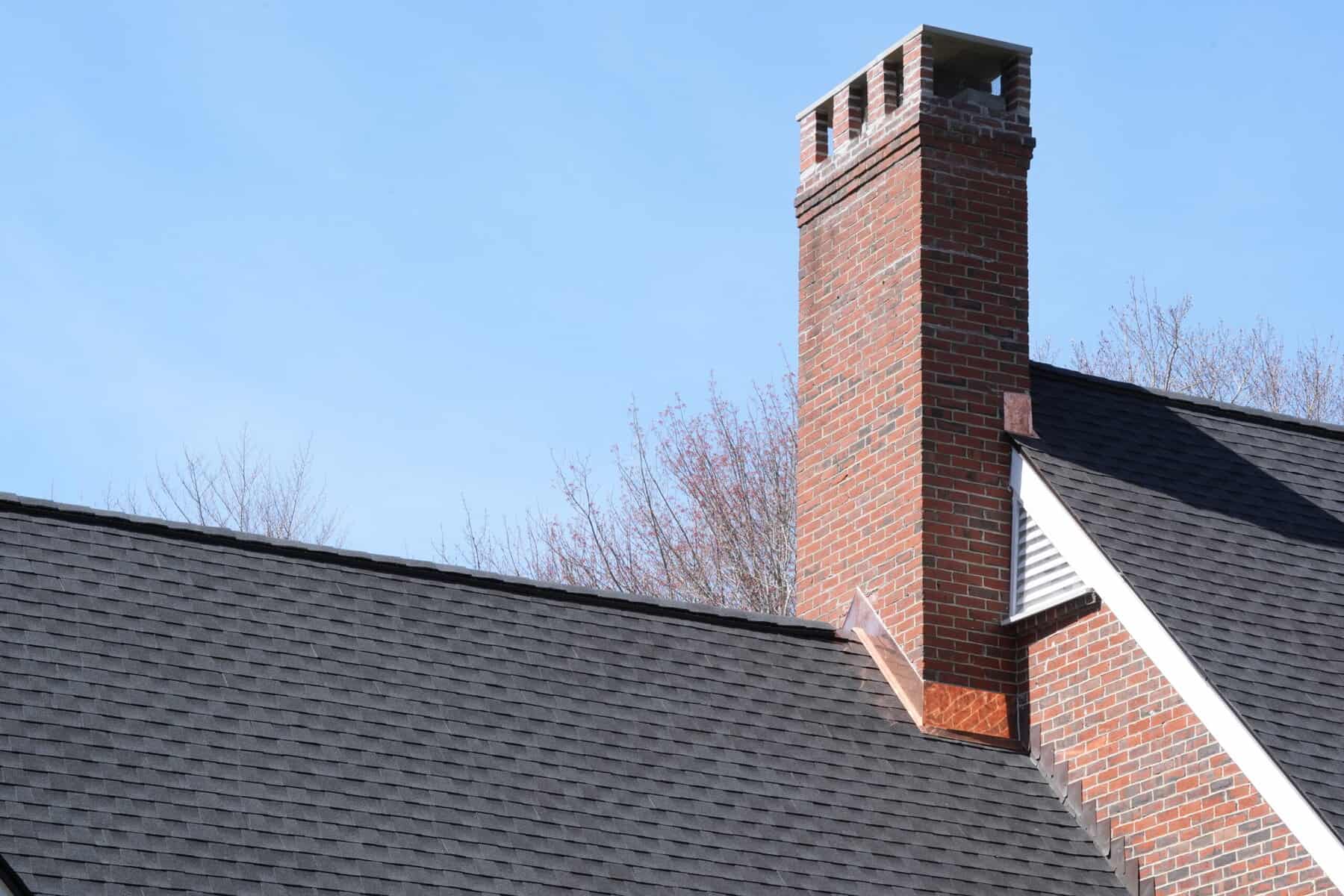
Flashing is the metal material used to seal and protect joints, valleys, and edges on your roof. Damaged or improperly installed flashing can cause leaks and compromise the integrity of your roofing system.

Tips for inspecting flashing:

1. Examine the flashing around chimneys, vents, and other roof penetrations for signs of rust or damage.

2. Check the valleys where two roof slopes meet for any bent, loose, or missing flashing.

3. Look for any visible gaps or cracks in the sealant around the flashing.

Cleaning Gutters and Downspouts

Clogged gutters and downspouts can cause water to back up onto your roof, leading to water damage and potential ice dams in colder climates. Regularly cleaning your gutters and downspouts can help prevent these issues and protect your roof.

Tips for gutter maintenance:

1. Clean your gutters and downspouts at least twice a year, typically in spring and fall.

2. Remove all leaves, twigs, and debris from your gutters to ensure proper water flow.

3. Check for loose or sagging gutters and tighten or replace any damaged hardware.

Evaluating Attic Ventilation

Proper attic ventilation is critical for maintaining a healthy roof and preventing heat and moisture buildup, which can lead to deck warping and premature shingle deterioration. Inspect your attic to determine if adequate ventilation is in place and consult a professional roofing contractor if improvements are needed.

Tips for attic ventilation evaluation:

1. Examine your attic for signs of poor ventilation, such as mold growth, damp insulation, or condensation on the underside of the roof deck.

2. Assess the amount and placement of attic vents to ensure proper airflow.

3. Monitor your home’s energy efficiency and indoor temperature, which can be affected by insufficient attic ventilation.

Partnering with a Trusted Roofing Contractor

While many roof maintenance tasks can be performed by homeowners, partnering with a trusted roofing contractor like J. Carnes & Son Roofing ensures you receive expert advice, thorough inspections, and professional repairs. Our experienced team will help you identify potential issues, recommend proactive maintenance measures, and ensure the long-term health of your roofing system.

Conclusion

Proactive residential roof maintenance is essential for protecting your home and prolonging the lifespan of your roof. By incorporating these essential maintenance tasks into your regular home care routine, you can keep your roof in prime condition and avoid costly repairs. Trust the experts at J. Carnes & Son Roofing to guide you through the maintenance process and provide professional services for all your residential roofing needs.