Fixing Humidity Issues in Your Attic

Roof and attic ventilation work in New Hampshire by J. Carnes & Son Roofing

Humid attics can create more problems than one might expect. For those living in places like New Hampshire and Southern Maine, with their cold, snowy winters and wet springs, managing moisture in the attic becomes particularly crucial. Too much humidity can lead to more than discomfort; it results in mold growth, structural damage, and even pest infestations. Understanding how to deal with humidity in the attic can prevent a host of problems and keep your home in top shape.

Picture this: You’ve just fetched a forgotten box of winter clothes from the attic, and a damp, musty smell hits you as you open the door. This smell is one of the first signs that your attic might be holding too much moisture. Ignoring this early warning can lead to bigger headaches, such as mildew or even wood rot. Most homeowners in New Hampshire and Southern Maine can benefit from learning to spot the signs early and knowing what to do next.

Identifying Humidity Issues in Your Attic

Knowing the signs of excess humidity early can save you a lot of trouble down the road. Here are some common indicators that your attic might have a humidity issue:

– Musty odors: A persistent, damp smell is a clear signal of high humidity.

– Water stains: Dark spots on wood surfaces or ceilings hint at moisture problems.

– Mold or mildew: These thrive in moist conditions, leading to health concerns.

– Peeling paint: Excess moisture causes paint to blister and peel.

– Condensation: Constantly foggy windows or damp insulation show high humidity levels.

High humidity doesn’t just affect the attic. It can seep down into living areas, increasing indoor humidity and impacting air quality. This can make your home feel stuffy and uncomfortable, even affecting your health if left unresolved. With these signs in mind, taking action can help maintain a healthier home environment.

Causes of Attic Humidity

Several factors contribute to attic humidity, making it important to identify these root causes for effective solutions:

1. Poor Ventilation: Without proper airflow, trapped air becomes humid and fosters moisture buildup. Inadequate ventilation hinders the attic’s ability to “breathe,” trapping humidity inside the space.

2. Leaking Roofs or Pipes: Leaks in your roof or pipes introduce unwanted water into the attic, fueling humidity. They may go unnoticed for a while, gradually raising moisture levels and causing damage.

3. Inadequate Insulation: If your attic’s insulation is not up to par, it’s more susceptible to temperature fluctuations. Poor insulation allows warm, moist air to rise and accumulate, causing humidity to increase.

Understanding these causes is the first step toward finding the right solutions. When these factors are ignored, they can lead to more extensive and costly repairs. By knowing what causes humidity in the attic, you can choose the most effective methods to combat these challenges and create a healthier home environment.

Solutions for Reducing Humidity in the Attic

Now that we’ve covered what humidity does to your attic, it’s time to find some effective ways to tackle it. Addressing the causes we identified earlier can significantly help reduce moisture levels in your attic and prevent future problems.

First up is improving attic ventilation. Ensuring your attic has enough airflow can make a big difference. You can do this by installing vents at key points like eaves and ridges. This setup helps stale, humid air to escape easily and allows fresh air to circulate. If you’re unsure about vent placement, considering a professional assessment can save you some headaches.

Another practical step is sealing leaks and cracks. Inspect your roof and any pipes for signs of leaks. Water seeping in through undetected holes often simply makes the humidity problem worse. Using weatherproof sealants around potential leakage points can help keep moisture at bay and prevent it from becoming a bigger problem.

Finally, installing proper insulation is a smart move. Good insulation acts like a barrier, helping stable temperatures and reducing moisture build-up. If current insulation looks old or ineffective, consider upgrading to a more efficient type. This not only helps manage humidity but can also make your home more comfortable and energy-efficient.

Long-Term Benefits of Managing Attic Humidity

Dealing with attic humidity isn’t just about immediate comfort. Managing it pays off in the long run with benefits that enhance your home and lifestyle. Investing in these preventative measures now can lead to big advantages over time.

First, protecting your home’s structure is a major win. Moisture can weaken wood and other building materials, so keeping the attic dry prolongs the life of these essential components. An attic free from dampness means your roof and support beams stay strong, reducing the need for costly repairs.

Next, there’s a boost to energy efficiency. A well-insulated attic without leaks maintains better temperature control. It means your HVAC system doesn’t have to work as hard to keep your living spaces comfortable, and that can help lower those pesky energy bills.

Lastly, keeping humidity levels in check improves indoor air quality. Less moisture means less chance for mold and mildew, which leads to healthier air circulation and a more pleasant home environment. For families, this contributes to better health and comfort.

Safeguard Your Attic Today

To wrap it up, understanding and fixing humidity issues in the attic is a smart decision for every homeowner. By enhancing ventilation, sealing leaks, and upgrading insulation, you can manage attic humidity more effectively. Not only will this protect your home and enhance energy efficiency, but it also provides healthier living conditions.

If managing these issues feels like a challenge, professional help is just a call away. Experts can offer the necessary guidance and solutions to ensure your home remains a safe and comfortable sanctuary no matter the season. Getting ahead of humidity issues gives you peace of mind, knowing your home is well protected.

Maintaining the right balance of moisture in your attic can bring numerous benefits, from preserving your home’s structure to enhancing overall comfort. If you’re dealing with humidity issues, consider exploring professional roofing services that can address these challenges effectively. J. Carnes & Son Roofing offers expertise and solutions tailored to your needs. Discover how they can assist with humidity in the attic and keep your home in top condition for years to come.

Benefits of Residential Metal Roofing in New Hampshire

metal roofing

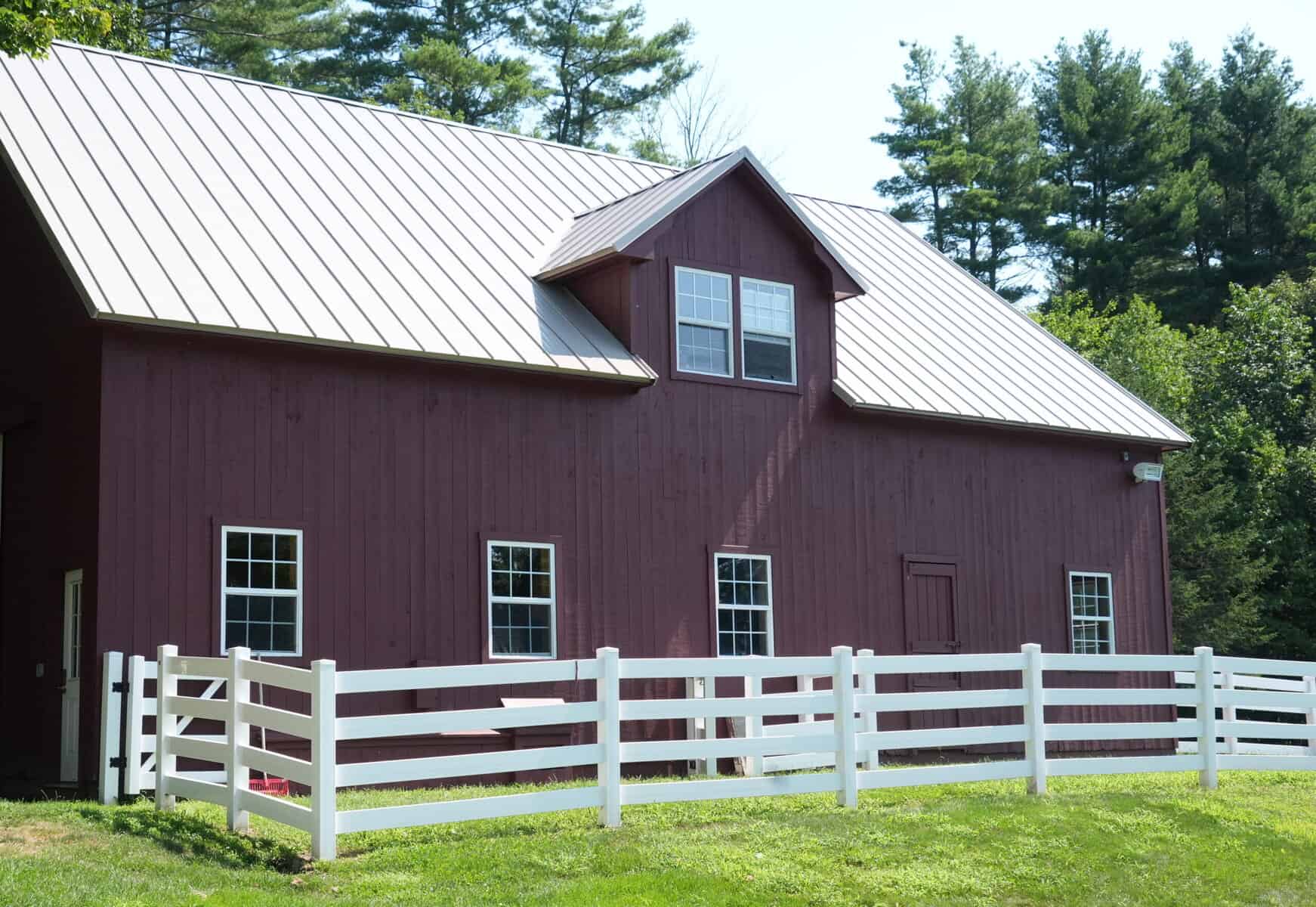
When thinking about upgrading your home’s roof, it’s worthwhile to consider residential metal roofing, especially if you live in New Hampshire. With its picturesque yet unpredictable climate, New Hampshire calls for roofs that are not just beautiful but also practical. Metal roofing shines in this regard, offering a solution that combines durability, efficiency, and style.

As you look over options for roofing materials, metal roofing quickly stands out. Known for its strength and resilience, it promises reliable protection through harsh New England winters and hot summers. That resilience is coupled with an effortlessly sleek look, bringing both function and elegance to any home. Let’s explore how metal roofing can be a good choice for your residence.

Benefits of Residential Metal Roofing

Durability and Longevity

Metal roofs are known for their incredible lifespan, making them a wise investment. Unlike other materials, metal can handle the tough weather conditions common in New Hampshire, such as heavy snow and high winds. This means fewer worries about damage and repairs over time. Since they can last many decades, often more than 50 years, they outshine the longevity of traditional roofing materials.

If you’re deciding between metal and other types, like asphalt shingles, remember that metal roofs often sustain less wear and tear. This resilience allows them to stay intact and look new much longer.

Energy Efficiency

Choosing a metal roof also brings energy-saving benefits. Metal roofs reflect a good portion of the sun’s heat, which means your home stays cooler during warm months. This reflective quality reduces the need for air conditioning, cutting down on energy bills and making the indoors more comfortable in the summer heat.

Consider how pleasant it feels to use less energy while also enjoying a cool home environment. The efficiency of metal roofing isn’t just cost-effective, it’s also a step toward a more sustainable lifestyle.

Low Maintenance

Metal roofs require little maintenance compared to other materials, which makes life easier for homeowners. With minimal cleaning and maintenance, you can keep your home’s roof looking fresh and in top condition. Here’s what maintaining a metal roof typically involves:

– Regularly removing debris, especially after storms or heavy winds.

– Checking for loose fasteners, which should be tightened every few years.

– Inspecting for dents or damage to catch small issues before they become big problems.

Unlike roofs made from other materials, there’s no cracking, shrinking, or warping with metal. This reduces long-term maintenance needs and expenses, allowing you to focus on enjoying your home without hassle.

Opting for metal roofing in New Hampshire means elevating your home’s resilience, efficiency, and ease of upkeep. This approach ensures you’re prepared for anything the changing New England weather throws your way, while also enjoying a modern and stylish look.

Environmental Benefits

Metal roofing is an eco-friendly choice, contributing significantly to a greener environment. One of the standout features is its recyclability. When a metal roof reaches the end of its long lifespan, it can be fully recycled instead of ending up in a landfill. This is not as common with other roofing materials, which often contribute to earth’s growing waste problem. By choosing metal, you’re making a sustainable choice that helps protect the planet.

Additionally, metal roofs reflect a portion of the sun’s energy, reducing the urban heat island effect that tends to make cities warmer than their rural surroundings. This reflection helps in lowering ambient temperatures, providing a more balanced climate in urban areas. By opting for a metal roof, homeowners do their part to promote a healthier environment.

Aesthetic Appeal

When it comes to looks, metal roofing does not disappoint. Homeowners can choose from a variety of styles and colors, ensuring the roof complements their home’s architecture. Whether your home is contemporary or classical, there’s a metal roof design to match. The textured and sleek finishes provide an elegant upgrade, adding curb appeal that catches the eye.

A metal roof doesn’t just look good; it can increase your property’s value too. Home buyers often prioritize homes with durable, low-maintenance features. A metal roof checks both of those boxes, making your home more attractive should you decide to sell. The appeal doesn’t wear off, which means your home retains its enhanced value for years to come.

Weather Resistance

With New Hampshire’s varied weather, your roof faces challenges from snow, ice, and heavy wind. Metal roofing excels in these conditions, offering robust protection against the elements. It’s resistant to cracks from ice or damage from strong winds, maintaining its integrity and safeguarding your home.

Metal roofing greatly reduces the risk of leaks and ice dams, common issues in colder climates. Its smooth surface allows snow to slide off easily, while its sturdy installation keeps moisture out. Enjoy peace of mind, knowing that your roof stands strong against whatever weather comes your way.

Choosing the Right Contractor for Metal Roofing

While metal roofing offers many benefits, the quality of installation plays a crucial role in its performance. Opting for professional installation ensures the roof is safely and correctly fitted, maximizing all the advantages metal roofing has to offer. DIY approaches can lead to costly mistakes, so it’s smart to seek experienced contractors.

When looking for the right contractor, consider their experience, customer reviews, and credentials. A reputable contractor will guide you through the entire process, from choosing the correct style to executing a flawless installation. Prepare a list of questions to ask potential contractors, like how long the installation will take and what kind of warranties they offer. Getting these details squared away in advance can make your roofing project go smoothly.

Choosing residential metal roofing for your home in New Hampshire is a decision filled with foresight and practicality. With its appeal, durability, and minimal maintenance, you’ll find it a worthy addition that not only enhances your home’s look but also its performance against nature’s tests. Explore your options and invest in a future-proof solution that stands the test of time.

Enhance the resilience and aesthetic of your New Hampshire home with residential metal roofing solutions from J. Carnes & Son Roofing. Our expert team is dedicated to providing top-notch advice and installation services that ensure your home is protected against the region’s challenging weather. Choose a roofing solution that’s not only durable and low-maintenance but also contributes to energy efficiency and sustainability. Contact us to learn how a metal roof can transform your home into a strong, stylish, and secure haven.

Choosing the Best K-Style Rain Gutters for Your Home

Storm-damaged gutter repair in New Hampshire by J. Carnes & Son Roofing

Choosing the right rain gutters for your home might not always top the list when it comes to home improvements, but it’s a decision that can have a big impact on your home’s protection and appearance. In the regions of New Hampshire and Southern Maine, where the weather can be quite unpredictable, selecting the appropriate gutter style is crucial for managing water effectively. With so many options available, K-style gutters have gained popularity for their functionality and visual appeal. Considering how they can address common weather challenges while complementing your home’s design is important.

K-style gutters provide an ideal blend of form and function. They not only play a key role in maintaining the structural integrity of your house by directing water away from the foundation, but they also add a touch of elegance with their decorative profile. This combination makes them a favored choice among homeowners who want to ensure their home not only stays safe through the seasons but also looks great in the process. We’ll explore the specifics of K-style gutters and why they might be the right fit for your home.

What are K-Style Rain Gutters?

K-style rain gutters are known for their distinctive design that resembles the letter “K.” This design is not only aesthetic but functional, as it mimics crown molding seen on homes, providing a sleek, custom look. Unlike round gutters, K-style gutters typically have a flat back so they can be nailed directly to the fascia board without brackets. The front side often features decorative curves or ogee shapes which give it a more polished and finished look.

These gutters come in various sizes and materials to suit different needs and budgets. From aluminum and vinyl to copper, each material offers unique benefits:

– Aluminum: Lightweight, resistant to rust, and available in numerous color options.

– Vinyl: Cost-effective and easy to cut, though potentially less durable in extreme temperatures.

– Copper: Offers a distinctive look and durability but comes with a higher price tag.

K-style gutters are particularly valued for their ability to handle more water than traditional round gutters. This feature makes them suitable for regions experiencing heavy rainfall, such as New Hampshire and Southern Maine. Their unique shape helps to channel water more effectively, minimizing the risk of overflow and subsequent water damage.

Benefits of K-Style Rain Gutters

Opting for K-style gutters presents several benefits that go beyond aesthetics. Their water management efficiency translates to robust home protection. Here’s why they stand out:

1. Efficient Water Drainage: The angular shape of K-style gutters allows them to handle larger volumes of rainwater, directing it away from your home’s foundation and preventing potential water damage.

2. Durability: Made from sturdy materials, these gutters can withstand harsh weather conditions typical in New Hampshire and Southern Maine, reducing the need for frequent replacements or repairs.

3. Material Versatility: With options ranging from cost-effective aluminum and vinyl to premium copper, homeowners can choose gutters that fit their specific needs and budget preferences. Each material type has its own set of advantages, catering to a wide array of aesthetic tastes and functional requirements.

These attributes make K-style gutters a reliable choice for those seeking a long-term solution to gutter installation in NH, seamlessly blending durability with style. Their ability to protect your home while enhancing its look truly sets them apart, especially in areas prone to unpredictable weather conditions.

Factors to Consider When Choosing K-Style Gutters

When deciding on your K-style gutters, several aspects should influence your choice to ensure they meet your home’s needs. First, consider the size and capacity of the gutters. Homes in regions like New Hampshire frequently deal with substantial amounts of rainfall. This means larger gutters might be necessary to effectively manage this volume without overflow.

Material is another key factor. Each type offers distinct advantages:

– Aluminum: Lightweight and rust-resistant, ideal for most homes, and easy to customize in color.

– Vinyl: Cost-effective and lightweight, although it might not withstand extreme weather as well as other materials.

– Copper: Rare and stylish, requiring less maintenance but involves a higher upfront investment.

Finally, professional installation is recommended over a DIY approach. Proper installation can ensure that the gutters perform optimally and last longer. Professional installers have the expertise to spot potential problems and can make sure the gutters are fitted perfectly to your home’s structure.

How K-Style Gutters Increase Your Home’s Value

Investing in K-style gutters can also boost your home’s value. Their stylish appearance can immediately uplift your home’s curb appeal, making it more attractive to potential buyers or just enhancing your satisfaction as a homeowner. These gutters offer long-term financial benefits by minimizing the risk of water damage, reducing maintenance costs, and increasing the lifespan of your siding and foundation.

Additionally, the efficiency of their water management abilities means fewer repairs and replacements over time. This makes them a sound investment, especially in areas that experience adverse weather. All of these elements contribute to a home that looks great and requires less upkeep, which is appealing to anyone considering buying a property.

Making the Transition: Steps for Gutter Installation in NH

Ready to install K-style gutters? Here’s a simple guide to help you through the process:

1. Inspection: Begin with an inspection of your current gutter system to identify any specific needs or problems such as spacing or water flow demands.

2. Consultation: Engage a professional to evaluate your house and help choose the right size and material for the gutters based on local rainfall patterns and your home’s architecture.

3. Preparation: Prepare the installation area by cleaning out old gutters and ensuring the fascia boards are in good condition.

4. Installation: Allow the professionals to perform the installation. They will ensure the gutters are fitted properly to facilitate effective water drainage.

5. Follow-Up: Once installed, discuss maintenance schedules with your installer to maximize the longevity and performance of your new gutters.

Keep Your Home Protected with K-Style Gutters

In summary, K-style gutters are a smart choice for homeowners in regions like New Hampshire and Southern Maine. Their blend of functionality, durability, and aesthetics make them stand out. By investing in these gutters, you ensure that your home remains protected from potential water damage while enhancing its visual appeal.

As you consider this important addition to your home, remember that professional guidance and installation can make all the difference in performance and longevity. Exploring the options available and understanding the specifics of what your home needs will lead you to a decision that’s both practical and pleasing.

As you’re ready to enhance your home’s functionality with K-style gutters, consider professional help for a seamless gutter installation in NH. J. Carnes & Son Roofing offers expert services to ensure your gutters are perfectly fitted and perform optimally throughout all seasons.

Understanding the Importance of NH Roof Ventilation

roof ventilation

Roof ventilation might not be the first thing on a homeowner’s mind, but it’s crucial for keeping a house comfortable and long-lasting. In areas like New Hampshire and Southern Maine, where the weather can be quite unpredictable, having a sound ventilation system is essential to avoiding common home problems. Without proper ventilation, moisture buildup and temperature fluctuations could frequently occur, affecting the overall environment inside the home.

Poor roof ventilation often leads to issues homeowners end up battling with. Without good airflow, moisture can easily gather in the attic, creating condensation which may seep into walls or ceilings, causing damage over time. Also, when summer arrives, poorly ventilated roofs can become hotspots, making it harder to keep the house cool. Understanding the workings and benefits of roof ventilation can significantly improve a home’s energy efficiency and extend the lifespan of roofing materials.

How Roof Ventilation Works

The basics of roof ventilation revolve around air flow management. It’s about letting fresh air in and pushing stale air out, which is essential in maintaining an optimal indoor climate. Think of it like opening windows on a breezy day, but it’s your roof doing the work. With proper ventilation, the air cycles through the attic, keeping things balanced. This process helps prevent moisture from lingering and keeps the attic from overheating.

A good ventilation system usually involves a mix of intake and exhaust vents. These components let air move unhindered, drawing in fresh air while expelling warm, humid air. In short, they work together to regulate temperature and moisture levels. When set up correctly, this system functions like a natural air conditioner for the attic, providing a seamless flow that keeps everything in check.

To visualize it practically:

– Intake Vents: Usually placed at the roof’s eaves or soffits, they bring in cool air from outside.

– Exhaust Vents: Located near the roof’s peak, they let out warm air that rises naturally.

With these elements working together, homeowners can notice significant improvements in indoor comfort and reduced energy usage. The proper movement of air limits heat and moisture buildup, safeguarding your home against potential damage, especially during harsh weather conditions common in New Hampshire and Southern Maine.

Benefits of Proper Roof Ventilation

Understanding the benefits of proper roof ventilation can pay off in the long run. One major advantage is the extended life of your roofing materials. By maintaining balanced airflow, roof components stay in better condition, reducing the likelihood of wear and tear from trapped heat and moisture. This maintains the structural integrity of your home and saves on costly repairs.

Another significant benefit is potential energy cost reduction. Good ventilation ensures consistent indoor temperatures year-round. During hot summer months, it prevents your attic from becoming an oven, which can otherwise lead to increased air conditioning use. During winter, it keeps the roof’s surface cool, avoiding ice dam formation that can cause leaks and damage. Keeping the attic at a stable temperature means your HVAC system won’t work overtime, translating to lower utility bills.

Preventing ice dams is crucial for homeowners in areas like New Hampshire and Southern Maine. Ice dams form when warm attic air melts snow on the roof, which then refreezes at the eaves. This cycle can damage shingles and lead to leaks inside the house. Proper ventilation helps evenly distribute warm air, reducing the chances of ice damage and keeping your roof safer throughout winter.

Common Signs of Poor Roof Ventilation

Spotting roof ventilation issues early can help avoid bigger problems down the line. Some indicators might not always be obvious, but watching for them can save time and trouble.

– Condensation in the Attic: Water droplets or dampness in the attic indicate moisture isn’t being properly vented.

– Hotspots During Summer: If parts of your home become unbearably warm, inadequate ventilation may be trapping heat in the attic.

– Unexplained Energy Bills: Sudden spikes in heating or cooling costs might mean your HVAC system is compensating for temperature imbalances caused by poor ventilation.

These signs can guide you during routine home inspections. When walking through your attic, look for any moisture, unusual heat, or mold smells—all indicators that your ventilation might need attention.

Steps to Improve Roof Ventilation

If your home could benefit from improved ventilation, there are practical steps to consider. Start by inspecting existing vents for blockages. Leaves, dirt, or even small animals can obstruct vents, reducing their efficiency.

If your home doesn’t have intake or exhaust vents yet, installing them might be necessary. Consulting with a professional who can assess your specific needs and install the right type and number of vents is ideal. Consider the type of roof you have, as some designs lend themselves to specific ventilation solutions.

Regular maintenance checks make a difference as well. Schedule periodic inspections to ensure everything is working correctly and to detect small problems before they turn costly. A well-ventilated roof means a more comfortable home and peace of mind knowing your roof is built to withstand elements year-round.

Keep Your Roof in Top Shape for Every Season

Maintaining proper roof ventilation throughout the year is important. Ensuring adequate airflow not only protects your home but enhances comfort and energy efficiency. Having a professional like J. Carnes & Son Roofing assist with your ventilation needs can make all the difference, providing expertise and peace of mind for homeowners in New Hampshire and Southern Maine.

Ensure your home remains energy-efficient and protected against New England’s seasonal challenges by addressing moisture in attic issues with J. Carnes & Son Roofing. Our professional team understands the unique needs of New Hampshire homes and offers comprehensive solutions to improve your roof ventilation system. With our expertise, you can enhance your home’s comfort and prevent costly repairs, safeguarding your investment for years to come. Contact us today to optimize your attic’s airflow and experience the difference proper ventilation makes.

Velux Skylights: Maximize Natural Light in Your Attic

Velux Skylights

Natural light has a magical way of transforming spaces, making them feel more inviting and open. However, attics often miss out on this gift, becoming dark and underutilized. Adding skylights to your attic can dramatically change this.

Velux skylights are a great solution for brightening up attics. They flood the space with daylight, making it a pleasant retreat rather than a hidden corner of your home. This increase in natural light helps reduce dependence on artificial lighting, which can lower energy bills and be kinder to the environment.

Beyond utility, natural light from skylights can improve your mood and well-being. It turns the attic into a perfect spot for activities like reading, painting, or even just relaxing. With proper installation and maintenance, Velux skylights seamlessly blend into your roof while providing all these benefits. Whether you have an asphalt shingle or metal roof, Velux options can be suited to meet your home’s needs.

Understanding the Benefits of Velux Skylights

Velux skylights are a fantastic way to transform a dark attic into a bright, usable space. They bring in natural light, which can make the attic feel larger and more welcoming. Natural light helps in creating an airy and vibrant atmosphere, making the attic an enjoyable space for various activities like reading, crafting, or just relaxing.

One of the biggest advantages of installing Velux skylights is the positive impact on energy efficiency. With more daylight streaming into your home, there’s less need to rely on electrical lighting during the day. This means you can save on your energy bills and reduce your carbon footprint. The natural light provided by skylights also helps regulate indoor temperatures, reducing the need for heating in the winter and cooling in the summer.

Natural light has benefits beyond energy savings. Studies show that exposure to daylight can improve mood, enhance productivity, and even boost health. By installing skylights in your attic, you can create a space that not only looks better but also promotes well-being. The attic becomes a sanctuary of sunlight, helping to lift spirits and increase happiness.

Types of Velux Skylights for Attics

When it comes to choosing Velux skylights for your attic, you have several options. Understanding the different models and styles can help you pick the perfect fit for your space.

1. Fixed Skylights: These do not open but are great for letting in light without the need for ventilation. They’re ideal for locations that are hard to reach.

2. Venting Skylights: These can open manually or via electric controls to allow fresh air to circulate. Venting skylights can be a great way to improve attic ventilation and reduce humidity.

3. Solar Skylights: These models use solar power to open and close, which can be an energy-efficient choice. They also often come with remote controls and rain sensors for added convenience.

Velux skylights offer a variety of features to suit different needs:

– Manual Operation: A cost-effective choice where you can easily reach the skylight to open or close it by hand.

– Electric Operation: Perfect for hard-to-reach places, operated by remote, and providing excellent convenience by integrating with smart home systems.

– Durable Materials: Velux uses high-quality materials like laminated glass and aluminum frames for strength and long-lasting performance.

Selecting the right type of skylight depends on your specific needs, the attic layout, and your desired level of convenience. Each type provides unique benefits that can enhance the comfort and functionality of your attic space.

Installation Considerations for Optimal Skylight Performance

Proper installation of Velux skylights is crucial to ensure you get the most out of them. Here are some helpful tips to achieve optimal skylight performance:

1. Placement: For the best natural light, position skylights where they can capture maximum sunlight. East-facing skylights work well for morning light, while those facing west get more afternoon sun. To minimize heat loss during colder months, consider the pitch and angle of the skylight. Proper placement also helps spread light evenly throughout the space.

2. Professional Installation: Hiring a professional to install your skylight is wise. Experienced installers guarantee that the skylight is sealed correctly to prevent leaks and ensure proper insulation. This minimizes the risk of future repairs and maximizes energy efficiency.

3. Integration with Roofing Materials: Velux skylights are compatible with a variety of roofs, including asphalt shingles and metal roofing. Proper integration is key to maintaining the integrity of the roof. Professionals make sure your skylight blends seamlessly, preserving the beauty and functionality of your roof.

By considering these factors, you can enhance the performance of your Velux skylights, ensuring they provide maximum natural light without increasing energy costs or maintenance headaches.

Maintenance Tips to Keep Velux Skylights in Top Condition

To enjoy the benefits of Velux skylights for a long time, regular maintenance is essential. Here’s a simple checklist to help keep your skylights in great shape:

– Regular Cleaning: Clean the skylight glass periodically to keep it clear of debris and dirt, allowing maximum light to pass through. Use a gentle cleaner to avoid scratching the glass surfaces.

– Inspect Seals: Check the seals around your skylights annually to ensure they are intact and not letting in air or water. Replace any worn-out seals promptly.

– Gutter Check: Clear any leaves or debris from the gutters around your skylights. This prevents water from pooling, which could lead to leaks over time.

– Visual Inspection: Look for signs of damage like cracks or warping. Quick fixes can prevent bigger problems.

For repairs that go beyond basic cleaning and inspection, such as fixing cracked glass or addressing water leaks, it’s best to seek professional help. Regular attention keeps Velux skylights functioning effectively and extends their lifespan.

Conclusion

Velux skylights prove to be a wonderful addition to any attic, offering natural light that enhances the space’s utility and appeal. With a variety of types to choose from and proper installation, these skylights can transform any attic into a bright, inviting area. Maintenance plays a key role in ensuring they continue to perform well over time. Whether you’re looking to cut energy costs or improve the ambiance of your home, Velux skylights provide an excellent solution.

Turn your attic into a luminous retreat with help from J. Carnes & Son Roofing. Our team of skylight installers is ready to guide you through selecting and installing the perfect Velux skylights for your home. Let natural light brighten your space and boost your home’s energy efficiency. Contact J. Carnes & Son Roofing today to begin your skylight transformation!

How to Prevent Gutter Clogs with Leaf Guards

leaf guards

Rain gutters are essential parts of any home, channeling water away from the roof and foundation. Without them, rain can cause serious damage, including basement flooding and weakened walls. However, gutters can become clogged with leaves and debris, leading to water overflow and damage.

This is where leaf guards come into play. Leaf guards are innovative tools that prevent debris from entering gutters, keeping them clear and functional. By blocking leaves and allowing water to flow freely, leaf guards minimize maintenance and protect your home year-round. Knowing how leaf guards work and choosing the right one can make all the difference in safeguarding your property.

Understanding the Importance of Gutter Maintenance

Gutters play a crucial role in safeguarding your home from water damage. They direct rainwater away from the roof and house foundation, preventing issues like erosion, basement flooding, and mold growth. Without properly functioning gutters, water can pool around the base of your home, causing structural damage over time.

Clogged gutters are a common problem that arises when leaves, twigs, and other debris accumulate and block water flow. This blockage can cause gutters to overflow, leading to water damage on roofing, siding, and even interior walls. If left unattended, clogged gutters can also become heavy and pull away, damaging the fascia and reducing the gutter’s effectiveness.

Regular gutter maintenance helps mitigate these problems. By cleaning and inspecting gutters several times a year, you ensure water flows correctly and away from your home. This routine care can prevent costly repairs and prolong the life of your gutters. Regular maintenance not only protects your home’s structure but can enhance its curb appeal too, by keeping the exterior looking neat and clean.

How Leaf Guards Work: A Closer Look

Leaf guards are an efficient solution for minimizing gutter blockages. They function by covering the gutter opening, allowing water to enter while keeping debris out. This simple yet effective mechanism ensures your gutters function smoothly even during heavy rainfalls.

There are several types of leaf guards available, each with varying levels of effectiveness:

– Screen Guards: These are metal or plastic meshes that block large debris but allow smaller particles and water through.

– Reverse Curve Guards: Designed to direct water into the gutter while debris slides off, these are highly effective but may require more maintenance.

– Micro-Mesh Guards: Offering the highest level of filtration, micro-mesh guards keep out even the smallest debris while allowing water through.

– Brush Guards: These have a bristled texture to trap debris while letting water pass, perfect for areas with heavy leaf fall.

Leaf guards are typically made from materials like aluminum, steel, plastic, or foam. Each material has its pros and cons. For instance, aluminum is lightweight and rust-resistant, while steel provides strength and longevity. The choice of material matters based on your local climate and the amount of debris your home typically encounters.

Understanding how leaf guards function and choosing the right type and material for your home can greatly reduce gutter maintenance efforts and protect your property effectively.

Choosing the Right Leaf Guard for Your Home

Selecting the best leaf guard for your home involves considering key factors that align with your specific needs and environment. Use this checklist to help guide your decision:

1. Roof Type: Identify the style and slope of your roof. Some leaf guards work better with particular roof types, especially those with steep pitches or unique architectural designs.

2. Environment: Consider the amount of debris your property faces annually. If your house is surrounded by many trees, opt for a micro-mesh guard for maximum protection.

3. Material Preference: Decide on the material—aluminum, plastic, or steel—based on local weather conditions and durability requirements.

4. Sizing and Fit: Ensure the leaf guards fit your gutters properly. Standard K-style rain gutters often require different guards than other types, so verify compatibility.

5. Installation Requirements: Determine if you prefer a DIY installation or professional help. Some leaf guards are easy to install, while others might need expert handling.

6. Affordability: Compare costs while considering long-term savings from reduced maintenance and extended gutter lifespan.

Seeking advice from professionals is beneficial. They can offer insights and recommendations tailored to your home, ensuring effective and long-lasting leaf guard solutions.

Installation Tips and Best Practices

Proper installation of leaf guards is key to their effectiveness. Follow these steps and tips for successful installation:

1. Gather Tools and Materials: Ensure you have the necessary tools such as a ladder, gloves, screwdriver, and measuring tape. Have the leaf guard system ready before beginning.

2. Safety First: Always follow safety protocols. Secure the ladder on stable ground and use safety goggles if required.

3. Clean the Gutters: Before installing, clean your gutters thoroughly to remove existing debris and make installation smoother.

4. Position and Attach Leaf Guards: Start from one end and work systematically to the other. Follow manufacturer instructions for attaching the guards securely to avoid any gaps that could let debris through.

5. Check for Secure Fitting: Ensure the guards are snugly fitted so they won’t come loose during storms or heavy winds.

Common mistakes to avoid include skimping on safety, not cleaning the gutters beforehand, and misfitting the guards. Post-installation, check the system periodically, especially after heavy weather, to ensure they remain in place and functioning.

Maintenance tips include regular checks for any debris buildup and cleaning any possible obstructions promptly. While leaf guards significantly reduce gutter cleanings, they still need occasional maintenance to maintain peak efficiency.

Conclusion

Leaf guards provide an efficient solution to the common problem of clogged gutters. By selecting the right type and material, you significantly reduce maintenance needs and extend the health of your gutters. Whether you’re looking for DIY options or considering professional installation, understanding the principles and best practices ensures you get the most out of your investment.

J. Carnes & Son Roofing is ready to assist you in finding the perfect leaf guard solution that matches your home’s needs. By partnering with us, you can ensure proper installation and continued support to keep your gutter system working flawlessly. Contact us today to learn how we can protect your home with the best roofing and gutter solutions available.

Improve Energy Efficiency with Velux Skylights for Residential Homes

velux skylight

Finding ways to make your home more energy-efficient can save you money and improve your family’s comfort. One effective solution is the installation of Velux skylights. These skylights are designed to bring more natural light into your home, helping to reduce the need for artificial lighting. Besides lighting, Velux skylights offer several other benefits that can make your home more energy-efficient.

Velux skylights don’t just let light in; they also provide natural ventilation. By opening up your skylight, you can let fresh air circulate, reducing the need for fans and air conditioners. The design of these skylights helps maintain indoor air quality and comfort throughout the year.

In this article, we will explore the workings of Velux skylights, their energy-saving benefits, the different types you can choose from, and how to maintain them for long-term use.

What Are Velux Skylights and How Do They Work?

Velux skylights are specialized windows installed on the roof of a home to allow natural light to enter interior spaces. They’re designed not just to bring in light but also to offer additional benefits like ventilation and improved air quality. Velux skylights come in various designs, enabling them to fit different types of roofs and architectural styles comfortably.

The way Velux skylights work is quite intuitive. These skylights are typically made with high-quality glass that is double or triple-glazed. This glazing helps minimize heat loss during the winter and heat gain during the summer. The transparent material allows sunlight to penetrate deeply into the house, illuminating spaces that might otherwise require artificial lighting.

Some Velux skylights have operable features, allowing them to open for ventilation. They can be manually operated or controlled remotely. This ventilation option is valuable for airing out rooms, reducing humidity, and maintaining a fresh airflow. Other models include built-in blinds or shades that can be adjusted to control the amount of light entering the home, providing both functionality and aesthetic appeal.

Key Benefits of Velux Skylights for Energy Efficiency

Natural Light and Reduced Electricity Use

One of the main benefits of Velux skylights is the abundance of natural light they bring into a home. Increased natural light means that during daytime hours, you can switch off electric lights, reducing your electricity consumption. This not only saves money on energy bills but also positively impacts the environment by reducing your carbon footprint.

Enhanced Ventilation and Indoor Air Quality

Velux skylights offer the added benefit of ventilation. Models that can be opened provide a way to let fresh air circulate throughout your home. This is particularly useful in rooms prone to moisture build-up, like bathrooms and kitchens. Improved ventilation helps reduce the need for air conditioning and fans, further cutting down on energy use. It also enhances indoor air quality, making the living environment healthier.

Insulation and Temperature Regulation

Another significant advantage is the insulation properties of Velux skylights. Double or triple glazing helps maintain indoor temperatures by preventing heat escape in the winter and blocking excessive heat in the summer. This temperature regulation means your heating and cooling systems do not have to work as hard, which can result in lower energy bills and a more comfortable living space year-round.

Solar Integration Options

For homeowners interested in maximizing energy efficiency, Velux offers solar-powered skylight options. These models harness solar energy to operate, eliminating the need for additional electrical resources. Some solar skylights come with integrated panels that charge during the day and use that energy to open and close the skylight or shades. This green technology provides a sustainable way to improve home energy efficiency while enjoying the benefits of enhanced natural light and ventilation.

Types of Velux Skylights Suitable for Various Home Designs

Fixed Skylights

Fixed skylights are a popular choice for homeowners looking to add natural light without additional ventilation. These skylights are permanently sealed and do not open. They work well in spaces that need extra illumination, such as hallways, stairwells, or rooms with limited wall space for windows. The simplicity of fixed skylights makes them an affordable option, while their presence can make rooms feel more open and bright.

Ventilated Skylights

Ventilated skylights, also known as venting skylights, can be opened to allow fresh air to enter your home. These skylights offer the dual benefits of natural lighting and improved ventilation. Ventilated skylights are ideal for rooms that experience high levels of humidity, like kitchens and bathrooms. They can be operated manually or with a remote control. Some models even come with rain sensors that automatically close the skylight when bad weather approaches.

Maintenance and Care Tips for Velux Skylights

Routine Cleaning

Keeping your Velux skylights clean is essential for maintaining their effectiveness and longevity. Regular cleaning prevents the buildup of dirt, dust, and debris that can block sunlight. Use a soft cloth and mild soap to gently clean the glass surface. Avoid using abrasive materials or harsh chemicals, as these can damage the glass and frame.

Regular Inspections

Conduct regular inspections of your skylights to catch any potential issues early. Look for signs of leaks, cracks, or other damage. Ensure the seals around the skylights are intact and in good condition. Regular inspections help you identify and address problems before they become more significant and costly to repair.

Professional Servicing

While regular cleaning and inspections are tasks you can do yourself, some maintenance should be performed by professionals. Schedule professional servicing to ensure all components of your skylights are in good working order. Experts can check the integrity of the installation, address any complex issues, and provide recommendations for extending the lifespan of your skylights.

Conclusion

Adding Velux skylights to your home is a practical and effective way to improve energy efficiency. These skylights allow natural light to flood your living spaces, reducing the need for artificial lighting. They also offer enhanced ventilation, better indoor air quality, and improved insulation, helping to maintain comfortable temperatures throughout the year. With various types of skylights available, such as fixed, ventilated, and sun tunnel options, you can find the perfect fit for your home’s design and needs.

For professional installation and maintenance of Velux skylights, get in touch with J. Carnes & Son Roofing. Our team of skylight installers is ready to help you enhance your home’s energy efficiency with high-quality skylight solutions. Call us today to get started!

Pros and Cons of Metal Roofing for Homes and Businesses

metal roofing

When it comes to roofing options, metal roofing has gained popularity among homeowners and businesses alike. Its durability, longevity, and sleek appearance make it a favorable choice. But like any roofing material, metal roofing comes with its own set of advantages and disadvantages that you should consider before making a decision.

Understanding the pros and cons of metal roofing will help you make an informed choice for your home or business. We’ll explore these aspects in detail to give you a comprehensive view of what to expect with metal roofing.

Advantages of Metal Roofing for Homes

Metal roofing offers several advantages for homeowners looking to upgrade or replace their roof. One of the primary benefits is its durability. Metal roofs can withstand severe weather conditions like heavy snow, strong winds, and even hail. This makes them an excellent choice for areas prone to extreme weather.

Another significant advantage is the longevity of metal roofs. Unlike traditional asphalt shingles, which may need replacing every 20 years, metal roofs can last 40 to 70 years with proper maintenance. This longevity makes metal roofing a cost-effective solution in the long run, as you won’t have to replace the roof as frequently.

Energy efficiency is another key benefit of metal roofing. Metal roofs reflect solar radiant heat, which can lower cooling costs by 10-25%. This can make a noticeable difference in your energy bills, especially during the hot summer months. Additionally, metal roofing materials are often made from recycled content and are fully recyclable at the end of their life cycle, making them an environmentally friendly option.

Disadvantages of Metal Roofing for Homes

Despite its many advantages, metal roofing also has some drawbacks. One of the primary disadvantages is the initial cost. Metal roofs are generally more expensive to install compared to other roofing materials like asphalt shingles. The higher upfront cost can be a significant barrier for some homeowners, especially those on a tight budget.

Noise is another issue to consider. Metal roofs can be noisier than other types of roofing, especially during heavy rain or hailstorms. While this can be mitigated with proper insulation, it is something to be aware of if you’re sensitive to noise.

Additionally, metal roofs can be prone to denting. While they are robust, heavy objects like large tree branches or severe hail can cause dents. These dents may not always affect the roof’s functionality, but they can be unsightly. Some homeowners also find that metal roofs expand and contract with temperature changes, which can lead to a noisy, creaking sound. Proper installation can minimize this, but it’s essential to consider when choosing metal roofing.

Benefits of Metal Roofing for Businesses

Metal roofing offers numerous benefits for businesses, making it a popular choice for commercial buildings. One of the main advantages is its durability and long lifespan. Commercial metal roofs can last 40 to 70 years, which means fewer replacements and less downtime for your business operations. This longevity translates into cost savings over time.

Another benefit is the low maintenance required for metal roofs. Unlike other roofing materials that may need frequent inspections and repairs, metal roofs are relatively low-maintenance. This allows business owners to focus on running their operations without worrying about constant roof upkeep. Furthermore, metal roofs are resistant to mildew, rot, and pests, which adds to their durability and appeal.

Energy efficiency is also a key benefit. Metal roofs reflect solar heat, reducing cooling costs, especially for large commercial spaces. This can result in substantial savings on energy bills. Additionally, many metal roofing options are made from recycled materials and can be recycled at the end of their life cycle, making them an environmentally responsible choice for businesses looking to reduce their carbon footprint.

Drawbacks of Metal Roofing for Businesses

While metal roofing has many benefits, it also comes with some drawbacks that businesses should consider. One of the primary disadvantages is the high initial cost. Metal roofs are more expensive to install compared to other roofing materials. This can be a significant investment for businesses, especially for large commercial buildings.

Another downside is the potential for noise. Metal roofs can be louder during heavy rain or hail compared to other roofing types. While proper insulation can mitigate this issue, it can still be a concern for businesses where noise levels might affect operations. This is especially relevant for buildings where a quiet environment is essential, such as offices or educational facilities.

Additionally, metal roofs can expand and contract with temperature changes. This can lead to issues like oil canning, where the panels appear wavy or distorted. While this does not usually affect the roof’s functionality, it can be aesthetically unpleasing. Proper installation can help minimize this effect, but it’s something to consider when opting for metal roofing.

Conclusion

Investing in a metal roof can offer long-term value and protection for your property. Its longevity and resistance to harsh weather conditions make it a reliable option. Whether you’re a homeowner looking to safeguard your house or a business owner seeking to minimize operational disruptions, metal roofing provides a solid choice worth considering.

If you’re thinking about upgrading to a metal roof, look no further than J. Carnes & Son Roofing. Our team of experts can help you decide if metal roofing in Salem is right for you and provide professional installation services. Reach out to us today to ensure your home or business is protected for years to come.

Why Leaf Guards Are Essential for Gutters

leaf guards

Gutters play a vital role in protecting your home from water damage by directing rainwater away from your roof and foundation. However, they can easily become clogged with leaves, twigs, and other debris, causing them to overflow and fail at their job. This can lead to a host of problems, including water damage to your home’s exterior and foundation, mold growth, and pest infestations. Cleaning gutters regularly can be a daunting and hazardous task, which is why leaf guards have become an essential addition for many homeowners.

Leaf guards are designed to keep debris out of your gutters while allowing rainwater to flow through freely. By preventing clogs, they ensure that your gutters function effectively year-round. Installing leaf guards can save you time and effort on maintenance, reduce the risk of water damage, and increase the overall lifespan of your gutter system. They are a small investment that can make a big difference in the upkeep and protection of your home.

In this article, we will explore the importance of leaf guards for your home’s gutters. We’ll discuss how they prevent clogs and water damage, reduce maintenance efforts, enhance home safety, and improve water flow to protect your landscaping. By understanding these benefits, you can make an informed decision about whether leaf guards are the right solution for your home.

Preventing Gutter Clogs and Water Damage

One of the primary benefits of leaf guards is their ability to prevent gutter clogs. When gutters get clogged with leaves, twigs, and other debris, they can’t effectively channel water away from your home. This can lead to water overflow, which may damage your roof, fascia, and foundation. Over time, this unmanaged water can cause significant structural issues, including wood rot and foundation cracks.

Leaf guards work by creating a barrier over your gutters that allows water to flow through while keeping debris out. This simple yet effective solution ensures that water is properly directed away from your home, reducing the risk of water damage. Without leaf guards, you may find yourself constantly dealing with clogged gutters, which can lead to costly repairs and even compromise the safety of your home.

By installing leaf guards, you create a more efficient gutter system. The guards prevent debris from entering the gutters in the first place, meaning you won’t have to worry about overflow or the associated water damage. This protective measure is a proactive way to safeguard your home from the potential consequences of clogged gutters.

Reducing Maintenance and Increasing Gutter Longevity

Maintaining gutters can be a tedious and sometimes dangerous task. Climbing ladders to clean out leaves and debris puts you at risk of falls and injuries. Leaf guards reduce the need for frequent gutter cleanings, saving you time and effort. With leaf guards in place, you’ll spend less time on a ladder and more time enjoying the safety and comfort of your home.

The reduced maintenance required with leaf guards also helps increase the longevity of your gutters. Constantly cleaning and dealing with clogged gutters can wear out the system faster. Leaves, twigs, and other debris accumulating in the gutters can cause them to corrode and weaken over time. By keeping debris out, leaf guards lessen this wear and tear, extending the life of your gutters.

Additionally, gutters filled with debris can become heavy, causing them to sag and pull away from the house. This can lead to more significant gutter and fascia repairs. Leaf guards help maintain the structural integrity of your gutter system by preventing this extra weight and ensuring they stay securely in place. This translates to fewer repairs and replacements, providing long-term cost savings for homeowners.

Enhancing Home Safety and Preventing Pest Infestations

Leaf guards also play a significant role in enhancing home safety by preventing pest infestations. Gutters clogged with leaves, twigs, and standing water can become breeding grounds for pests like mosquitoes, rodents, and birds. These pests can create nests in the debris, leading to infestations that can spread to other parts of your home.

By keeping gutters clean and free of debris, leaf guards remove the inviting environment that pests seek out. This helps reduce the risk of infestations, keeping your home safer and more hygienic. Moreover, pests can carry diseases that pose a threat to your family’s health. Preventing them from nesting in your gutters is a proactive step in maintaining a healthy living environment.

Additionally, leaf guards prevent water from pooling in the gutters. Standing water is an ideal breeding ground for insects like mosquitoes, which can spread diseases. By ensuring proper water flow and preventing stagnation, leaf guards minimize these risks and contribute to a safer, pest-free home.

Improving Water Flow and Protecting Landscaping

Effective water management is crucial to maintaining the integrity of your home’s foundation and landscaping. Leaf guards ensure that rainwater flows smoothly through the gutters and downspouts, directing it away from your home. This prevents water from spilling over the sides of the gutters and eroding the soil around your foundation.

When gutters are clogged, water can overflow and damage your landscaping, washing away mulch, soil, and plants. Properly functioning gutters with leaf guards help protect your garden and lawn from the destructive effects of uncontrolled water flow. This keeps your yard looking beautiful and prevents the need for costly landscaping repairs.

Leaf guards also optimize the efficiency of rainwater collection systems. If you use rain barrels to collect water for gardening, clean gutters ensure that the water you collect is free of debris and contaminants. This benefits your plants and makes your garden maintenance more sustainable and efficient.

Conclusion

Installing leaf guards on your gutters is a smart investment that offers numerous benefits for your home. From preventing clogs and reducing maintenance to enhancing safety and protecting your landscaping, leaf guards make gutter systems more efficient and reliable. They help maintain the structural integrity of your home, reduce risks associated with pests and water damage, and improve the overall aesthetic of your property.

Keeping gutters clean and functioning effectively shouldn’t be a hassle. Leaf guards are a practical solution that can save you time, effort, and money in the long run. By choosing to install leaf guards, you take a proactive step towards preserving the safety, health, and beauty of your home.

For expert advice and professional installation of leaf guards, contact J. Carnes & Son Roofing. We are dedicated to helping you protect your home and ensuring your gutter system works flawlessly. Reach out to us today to learn more about how we can help you safeguard your home and roofing in Hampton, NH with high-quality leaf guards.

Why K-Style Gutters are Perfect for Your Home

K-style gutter

K-Style gutters are one of the most popular choices for homeowners looking to upgrade their gutter system. Known for their unique shape and efficiency, these gutters can greatly enhance the look and functionality of your home. Unlike other types of gutters, K-Style gutters feature a flat back and an ogee, or more decorative front, resembling crown molding. This design not only adds curb appeal but also improves water flow and debris management.

Choosing the right gutter system is crucial for protecting your home from water damage. K-Style gutters are designed to handle a higher capacity of water than many other gutter types, making them ideal for areas with heavy rainfall. They are also more resistant to bending and warping compared to conventional rounded gutters. This durability means fewer repairs and replacements over the years, saving you time and money.

In addition to their practical benefits, K-Style gutters are available in various materials, such as aluminum, vinyl, and copper. This variety allows you to choose a material that best fits your home’s aesthetic and budget. Whether you’re looking for a cost-effective solution or a long-lasting investment, K-Style gutters offer an option that meets your needs.

In this article, we will delve into what K-Style gutters are, their benefits, how they compare to other gutter types, and some handy tips for installation and maintenance. Understanding these aspects will help you make an informed decision and keep your home protected for years to come.

What Are K-Style Gutters and How Do They Work?

K-Style gutters, also known as ogee gutters, are named for their distinct shape, which resembles the letter “K” when viewed from the side. This shape is more than just decorative; it helps the gutters perform their job more efficiently.

1. Design and Structure: K-Style gutters feature a flat back that attaches directly to the fascia of the roof, and a front that has a curved, decorative profile. This curved front not only adds aesthetic value but also helps in increasing the gutter’s capacity to hold water.

2. Functionality: The unique design of K-Style gutters allows for better water flow compared to traditional rounded gutters. The flat bottom and sides channel water efficiently toward the downspouts, which helps in preventing overflow during heavy rain. This design also makes it easier for the gutters to capture rainwater and direct it away from your home’s foundation.

3. Material Options: K-Style gutters are available in a variety of materials, such as aluminum, vinyl, steel, and copper. Aluminum is often preferred due to its resistance to rust and lightweight nature. Each material comes with its own set of benefits, allowing homeowners to choose based on budget and aesthetic preferences.

Understanding how K-Style gutters work and their design benefits can help you appreciate why they are a popular choice for many homes.

Benefits of Choosing K-Style Gutters for Your Home

K-Style gutters offer several advantages that make them an excellent choice for homeowners. Here are some key benefits:

1. Improved Water Management: Due to their design, K-Style gutters can manage a larger volume of water. This is especially useful in areas prone to heavy rainfall. By efficiently directing water away from your house, these gutters help protect your foundation and landscaping from water damage.

2. Aesthetic Appeal: The decorative front of K-Style gutters mimics the look of crown molding, which can enhance the overall appearance of your home. The wide range of available colors and materials means you can find an option that complements your home’s exterior.

3. Durability: K-Style gutters tend to be more durable than traditional rounded gutters. Their shape makes them less likely to bend or bow under the weight of water and debris. This durability translates to fewer repairs and a longer lifespan.

4. Ease of Installation: These gutters can usually be installed easily along the fascia boards of your roofline. The flat back makes it simple to secure them in place, which can reduce installation time and labor costs.

5. Cost-Effective: Particularly when made from materials like aluminum or vinyl, K-Style gutters offer a cost-effective solution. They provide excellent functionality and durability without involving high upfront costs.

Choosing K-Style gutters for your home can result in improved water management, enhanced curb appeal, and long-term savings. Understanding these benefits can help you make an informed decision when upgrading your gutter system.

Comparing K-Style Gutters to Other Gutter Types

When considering installing or upgrading your gutter system, it’s helpful to compare K-Style gutters to other common types. Here’s a look at how K-Style gutters stack up against two other popular options: half-round gutters and box gutters.

1. Half-Round Gutters: These have a semicircular shape and are often used in historic or traditional homes. While they add a classic look, they don’t handle water as efficiently as K-Style gutters. Half-round gutters have a lower water capacity and less effective water flow. They are also more prone to clogging because they lack a flat surface to encourage debris to slide out.

2. Box Gutters: Box gutters are built into the edge of the roof or the roof overhang and are typically used in commercial buildings. While they offer a hidden look, they can be more complex and expensive to install. Maintenance can also be trickier, as access is more difficult. K-Style gutters, by comparison, are easier to access and maintain.

3. Material and Design Options: K-Style gutters come in a variety of materials like aluminum, copper, and vinyl, giving homeowners flexibility in terms of budget and style. Half-round gutters and box gutters may offer fewer material options and can be limited in design. K-Style’s wide range of options makes it easier to match your home’s aesthetic.

Understanding the differences between these gutter types helps make a clear case for the efficiency, cost-effectiveness, and practicality of choosing K-Style gutters for your home.

Installation and Maintenance Tips for K-Style Gutters

Proper installation and maintenance are crucial for getting the most out of your K-Style gutters. Here are some tips to ensure they perform effectively and last for years.

1. Professional Installation: While some homeowners might be tempted to install gutters themselves, it’s often best to hire a professional. Professional installation ensures that gutters are properly aligned and securely attached. This reduces the risk of leaks and water damage.

2. Regular Cleaning: To keep K-Style gutters functioning well, they should be cleaned regularly. Remove leaves, twigs, and other debris that could cause blockages. This is especially important in the fall when trees shed their leaves.

3. Inspections: Regular inspections help catch any issues early. Check for signs of sagging, rust spots, or any areas where water isn’t draining properly. Addressing these problems before they worsen can save you money on repairs.

4. Leaf Guards: Consider installing leaf guards to minimize debris buildup. These guards fit over the gutter and allow water to enter while keeping leaves and other debris out. Leaf guards can reduce the frequency of gutter cleaning and help maintain water flow.

5. Sealing Joints and Seams: Apply a quality sealant to all joints and seams to prevent leaks. This should be done during installation and checked periodically as part of maintenance.

By following these installation and maintenance tips, you can ensure your K-Style gutters remain in excellent condition, providing reliable protection for your home.

Conclusion

K-Style gutters offer a blend of functionality, durability, and aesthetic appeal, making them a perfect choice for many homeowners. Their unique design provides better water management, and they come in a variety of materials to suit different budgets and styles. Compared to other gutter types like half-round and box gutters, K-Style gutters stand out for their efficiency and versatility.

Proper installation and regular maintenance are key to maximizing the benefits of your K-Style gutters. Hiring professionals, cleaning regularly, and performing routine inspections can significantly extend the lifespan of your gutter system. Investing in leaf guards and ensuring all joints are well-sealed can further enhance performance.

Protecting your home from water damage is crucial, and an effective gutter system is a vital part of that protection. K-Style gutters not only enhance your home’s curb appeal but also provide practical solutions for water management.

If you’re considering upgrading your gutter system, K-Style gutter installation in NH is a smart investment. For expert advice and professional installation, contact J. Carnes & Son Roofing. Let us help you choose the best gutter system for your home and ensure it’s installed to perfection. Reach out today to get started!