

Loose Flashing Problems Around Chimneys in Epping

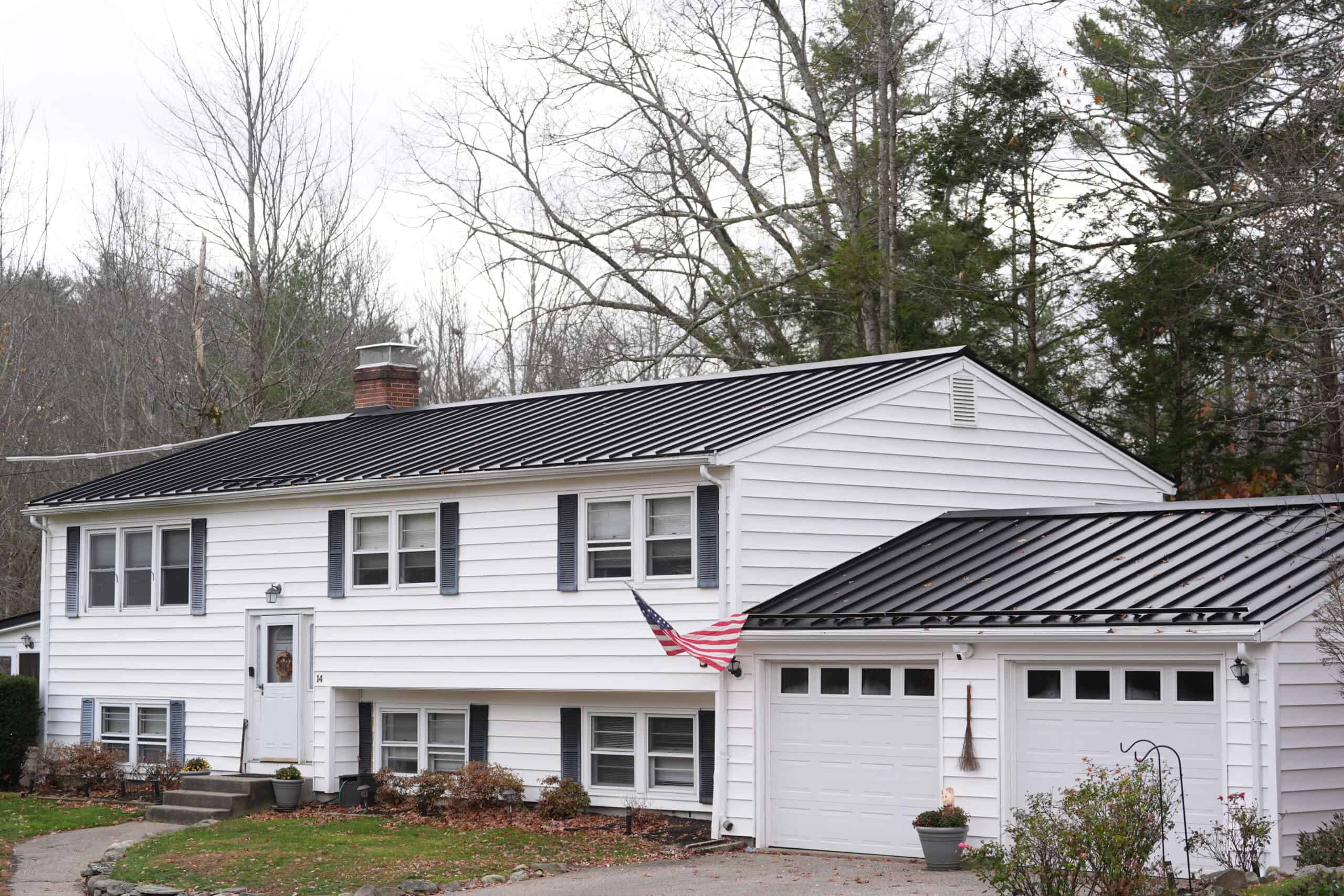
Black standing seam metal roof installed by J. Carnes & Son Roofing on a white split-level home in New Hampshire

Roof issues are never fun to deal with, but some sneak up on homeowners more quietly than others. One of the most common and easy-to-miss problems is loose flashing, especially around chimneys. Flashing is supposed to keep water out of places where the roof surface changes, such as where the chimney connects to the roof. When it stops doing its job, water can start creeping in, causing trouble that isn’t always obvious at first.

In a place like Epping, where the weather can be tough on roofs throughout the year, loose flashing can go from a small issue to a major problem fast. Whether it’s summer storms or winter’s freeze-thaw cycles, the shifts in climate wear down parts of your roof over time. That’s why it’s important to know the signs and understand how this one section of your roof can lead to unexpected leaks and damage.

Understanding Loose Flashing

Flashing is thin material, usually metal, installed to direct water away from areas where the roof surface meets a vertical surface like a wall or chimney. Chimneys, in particular, need solid flashing all around their base because of how easily water can sneak into those seams. When installed correctly, the flashing keeps water from dripping down into the roof deck or the home’s structure.

Over time, flashing can shift or crack, especially if the roof has gone through strong wind, heavy rain, or ice build-up. In some cases, the flashing may have been poorly installed or was never sealed the right way to begin with. In others, the metal loosens as the roof structure expands and contracts during seasonal changes. Animals looking for shelter might even pull it up, creating entry points for water that can go unnoticed for weeks.

In Epping, where older chimneys are common and the seasons are unpredictable, it doesn’t take long for flashing to loosen. If your home has a brick chimney, the mortar can also deteriorate, giving water another way in. A small shift in the flashing can quickly lead to moisture slipping beneath shingles and soaking into the wooden layers below.

Signs Of Loose Flashing

Even if you don’t regularly check your roof, there are a few warning signs that point to problems with chimney flashing. Loose or damaged flashing often shows up in more ways than just a visible gap outside. In many cases, the signs come from inside the house, so it helps to know what to look for.

Watch out for:

  • Water stains or spots on ceilings near the chimney
  • Discolored patches or bubbling paint on walls in the same area
  • A musty smell in the attic, chimney area, or along nearby walls
  • Pieces of flashing found on the ground after a storm
  • Dark streaks on the chimney bricks just below the roofline

You might also notice shingles lifting near the chimney or drooping where flashing has failed to do its job. If it rains and you hear dripping sounds coming from inside the walls or ceiling, loose flashing could be the culprit. These signs often mean water has already worked its way under the roofing materials and is finding its way inside.

Catching these issues early makes all the difference. It’s easy to patch a spot or reseal flashing before deeper damage takes hold. Ignoring it, even for a few weeks, can turn a small job into something that takes longer to fix and costs more too.

Risks Of Ignoring Loose Flashing

When flashing around your chimney comes loose and you ignore it, things can start to go downhill fast. Moisture will usually find the weakest point on your roof, and once it gets through the outer layers, it doesn’t stop. What might begin as a small leak can turn into rotted decking, damaged insulation, or stains across the ceiling inside your home. The longer water seeps in, the more it spreads into wood, drywall, and insulation.

Wet areas trapped inside walls or under roofing materials also raise the risk for mold and mildew. These can grow without being seen and stick around long after the original leak is sealed. That’s especially true in Epping, where high humidity in the summer and snowmelt in the winter feed moisture into the roof structure.

Loose flashing might also result in:

  • The chimney structure weakening due to trapped water and rot
  • Interior paint and drywall bubbling and peeling
  • Increased wear on neighboring shingles as water runs where it shouldn’t
  • Gutter overflow problems if water isn’t properly redirected

Even newer homes in Epping aren’t safe from this. Flashing problems can show up early if they weren’t addressed properly during installation. Weather here keeps your roof working hard year-round, which means these small breakdowns happen more frequently than you might expect.

Solutions For Loose Flashing Problems

When chimney flashing starts to pull loose, it’s best to call a roofing expert in Epping for a close inspection. A pro can see where the flashing has failed and whether it needs to be reattached, resealed, or replaced. Often, it’s not just about replacing the metal. You need someone who will check underneath and around the area to be sure there’s no hidden water damage already in motion.

Handled early, flashing problems don’t take long to fix. Waiting, though, can lead to more than a repair. Water can reach your attic, insulation, or even the electrical system buried in your ceiling. That’s why hiring someone with experience is key. They’ll know what to look for and will make sure the problem isn’t bigger than it looks from the outside.

Other reasons to stay proactive with chimney flashing include:

  • Fewer surprises during roofing inspections or home sales
  • Better control over moisture inside the attic
  • Longer roof lifespan by stopping water from weakening the structure
  • Peace of mind every time it storms in Epping

Late summer is a good time to take care of flashing troubles. The weather is usually dry, and sealants can set properly. Taking care of issues now helps you get ahead of fall rains and the snowy months that follow.

Your Epping Roof Deserves Attention Before It Gets Worse

Loose chimney flashing might seem like a small issue, but around here, small roofing problems can grow fast. With Epping’s changing temperatures and harsh storms, you don’t want any openings in your roof’s protection lingering too long. A single broken strip of flashing can be all it takes for water to get in and cause damage that spreads further than you’d expect.

If your home shows signs of leaks or your chimney flashing looks off, now’s the time to deal with it. Getting it checked brings peace of mind and helps avoid bigger headaches before winter shows up again. Don’t let one overlooked area turn into the reason you’re chasing water stains through your home. Give your roof the care it needs while there’s still time to fix things without a rush.

If you’re noticing signs of damage near your chimney, don’t wait for it to turn into a larger issue. For dependable help with roof repairs in Epping, reach out to J. Carnes & Son Roofing. We’ll make sure your home stays dry, secure, and ready for whatever the weather brings.

Why Hire Professional Contractors for a Chimney Flashing

Black standing seam metal roof installed by J. Carnes & Son Roofing on a white split-level home in New Hampshire

Chimney flashing is a critical component of your roofing system that ensures your home is protected from water damage. It is a thin sheet of metal installed around the base of your chimney where it meets the roof, creating a watertight seal that prevents water from seeping in and causing damage to your home’s structure. 

While some homeowners may be tempted to take on chimney flashing installation or repairs themselves, it is crucial to hire professional contractors for this essential task. In this blog, we will explore why hiring a professional contractor for chimney flashing is the best decision for your home and safety.

1. Safety

Chimney flashing installation and repair involves working at significant heights and requires specialized knowledge and skills to ensure the job is done safely.

Professional contractors have the necessary training, experience, and equipment to perform the work safely and efficiently, minimizing the risk of accidents or injuries. By hiring a professional, you can have peace of mind knowing that your chimney flashing will be installed or repaired safely and securely.

2. Attention to Detail

Chimney flashing requires meticulous attention to detail to ensure a watertight seal and proper fit. Professional contractors have the expertise to identify any potential issues with your chimney and flashing, such as damaged or missing pieces.

They can recommend the best course of action for repair or replacement. They will also ensure the flashing is correctly installed and sealed, preventing future leaks and water damage.

3. Better Material Expenses

Professional contractors can access high-quality materials at better prices than homeowners typically find. They have established relationships with suppliers, allowing them to source the best materials for your chimney flashing at competitive prices.

By hiring a professional, you can ensure that your chimney flashing is made from top-quality materials that will stand the test of time and protect your home for years to come.

4. Roofing Warranty

Many roofing manufacturers require that chimney flashing be installed or repaired by a certified professional to maintain the warranty on your roof. Hiring a professional contractor ensures that your chimney flashing is installed according to the manufacturer’s specifications, protecting your investment in your roofing system.

If any issues arise with your flashing or roof, having a professional contractor perform the work may also make it easier to work with your insurance company to address any claims or repairs.

Final Thoughts

Chimney flashing is a crucial aspect of your home’s roofing system, and it is essential to ensure it is installed and maintained correctly. Hiring a professional contractor for chimney flashing offers numerous benefits, including increased safety, attention to detail, access to better materials, and protection for your roofing warranty.

By investing in a professional contractor for your chimney flashing needs, you can rest easy knowing that your home is protected from water damage and you are safeguarding your investment in your roofing system.

Don’t take chances with DIY repairs or inexperienced contractors, trust the professionals to get the job done right. Work with us at J. Carnes & Son Roofing, lead chimney flashing experts from Elmhurst, IL. Give us a call today for more information.

Watertight Homes: The Importance of Roof & Chimney Flashing

Black standing seam metal roof installed by J. Carnes & Son Roofing on a white split-level home in New Hampshire

Roof and chimney flashing are essential components of a watertight home. They serve as protective barriers that prevent water from seeping into your home, causing damage to the structure and interior. In this article, we will delve into the importance of roof and chimney flashing, the role they play in maintaining a watertight home, and why you should invest in high-quality materials and professional installation to ensure the longevity and effectiveness of these vital components.

The Role of Flashing in Your Roofing System

Roof flashing is a thin sheet of metal or other waterproof material that is installed at the intersections of different roofing surfaces and around roof penetrations, such as vents, chimneys, and skylights. Its primary purpose is to direct water away from these vulnerable areas, ensuring that it does not seep into your home and cause damage.

Chimney flashing, in particular, is crucial in preventing water from entering the home through the gaps between the chimney and the roof. The intersection between the roof and chimney is especially susceptible to water intrusion due to the angle at which water runs down the roof, which can cause it to pool around the base of the chimney.

The Importance of Roof & Chimney Flashing

1. Protection against Water Damage

The primary function of roof and chimney flashing is to protect your home from water damage. Flashing is typically installed in vulnerable areas where roofs intersect with walls, valleys, and around roof penetrations such as vents, skylights, and chimneys. These areas are prone to water infiltration, and without proper flashing, water can easily seep into your home, causing damage to the structure, walls, ceilings, and insulation.

2. Preventing Mold and Mildew Growth

When water infiltrates your home, it creates a damp environment conducive to the growth of mold and mildew. These fungi can cause respiratory issues, trigger allergies, and endanger the structural integrity of your home. Properly installed flashing helps prevent water infiltration, diminishing the risk of mold and mildew growth and ensuring a healthier living environment for you and your family.

3. Energy Efficiency

Water infiltration can lead to damaged insulation, which in turn reduces your home’s energy efficiency. Properly installed flashing helps maintain the effectiveness of your insulation, ensuring that your home stays warm in the winter and cool in the summer. This not only improves your comfort but also helps reduce your energy bills.

4. Preserving Your Home’s Aesthetics

Water damage can cause unsightly stains and discoloration on your home’s walls, ceilings, and exterior surfaces. By preventing water infiltration, roof and chimney flashing helps maintain your home’s aesthetics and curb appeal.

5. Protecting Your Investment

A well-maintained home with properly installed flashing will have a higher resale value than one with water damage or signs of poor maintenance. Investing in high-quality materials and professional installation of roof and chimney flashing protects your investment and ensures that your home remains in good condition for years to come.

Types of Roof and Chimney Flashing

There are several types of flashing materials available, each with its own advantages and disadvantages. Some popular materials include:

1. Aluminum: Lightweight, durable, and rust-resistant, aluminum flashing is an affordable option for many homeowners. However, aluminum can corrode when it comes into contact with some types of roofing materials, so it’s essential to consult with a professional to determine if it’s the right choice for your home.

2. Copper: Known for its longevity and durability, copper flashing is an excellent option for homeowners who want a long-lasting solution. Plus, it is highly resistant to corrosion than aluminum and can last for decades with proper maintenance.

3. Galvanized Steel: This type of flashing is made from steel coated with a layer of zinc, which makes it resistant to rust and corrosion. It’s a durable and affordable option, but it may not last as long as copper or some other materials.

4. Lead: Lead flashing is highly malleable, making it easy to work with and install. It’s also highly resistant to corrosion and can last for a long time. However, lead is a toxic material, and its use has been restricted in some areas due to environmental concerns.

Professional Installation & Maintenance

To ensure the effectiveness and longevity of your roof and chimney flashing, it’s essential to invest in professional installation and regular maintenance. A qualified roofing contractor will assess your home’s unique needs and recommend the best materials and installation techniques to ensure a watertight seal.

Regular maintenance, including periodic inspections and repairs as needed, will help extend the life of your flashing and protect your home from water damage. Professional installation and maintenance of your roof and chimney flashing can also save you money in the long run by preventing costly repairs or replacements.

Conclusion

Proper roof and chimney flashing is essential for maintaining a watertight home. Without it, water can seep into the gaps and cracks in the roof and chimney, causing damage to the structure of the home. By using the right type of flashing material and ensuring that it is installed properly, you can help protect your home from water damage and keep it safe and secure for years to come.

Looking for top-notch roof and chimney flashing services? You’ve come to the right place! At J. Carnes & Son Roofing, we pride ourselves on being the most reliable and trustworthy residential roofing contractor in New Hampshire and Southern Maine. Whether you need a new roof installation, roof repair, or chimney flashing installation and repair, our experienced team has got you covered! Don’t settle for less when it comes to protecting your home, trust our experts for all your roofing needs. Ready to schedule your roof and chimney flashing services? Contact us today and our friendly team will be happy to assist you every step of the way!