
The Role of Leaf Guards in Preventing Gutter Clogs

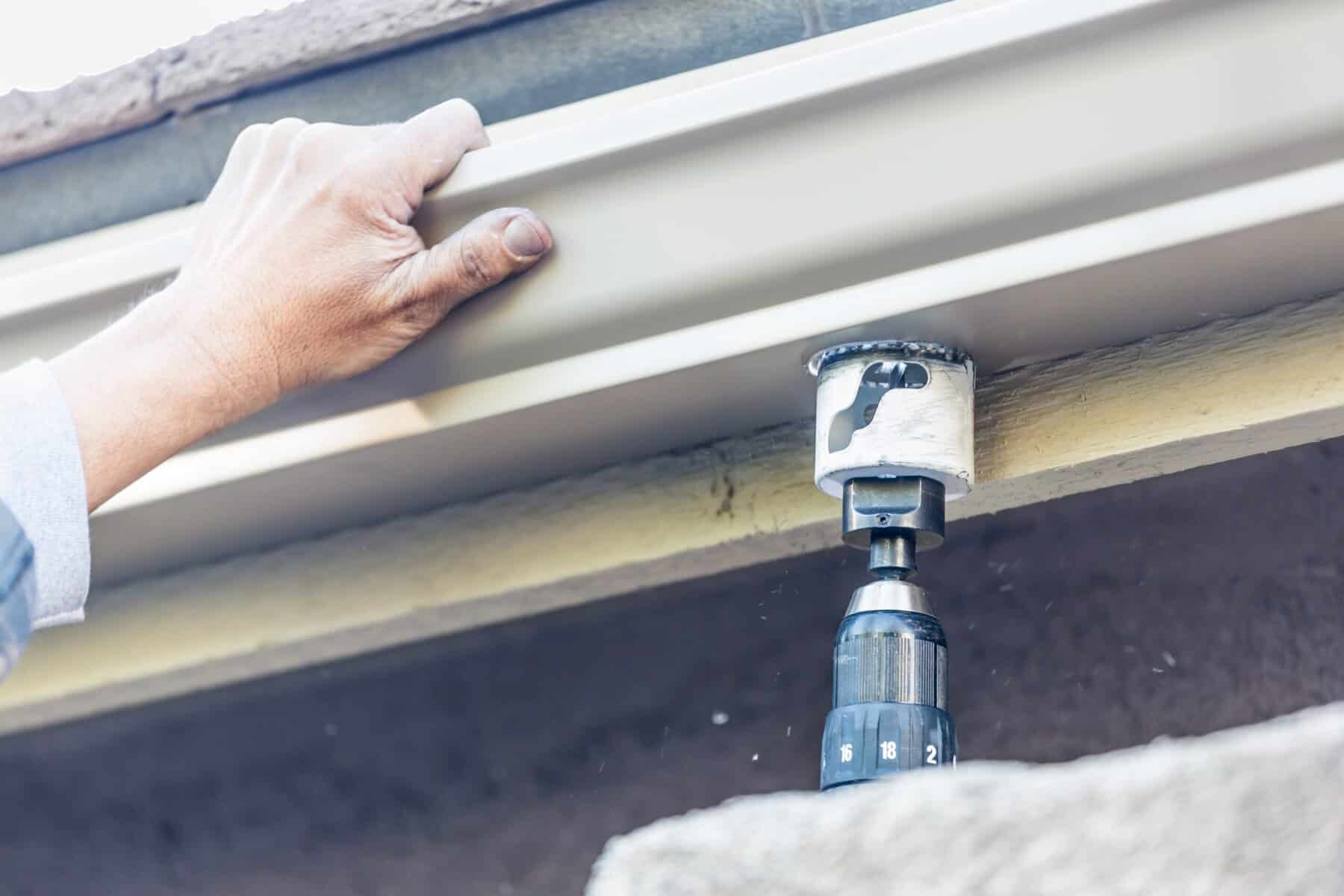
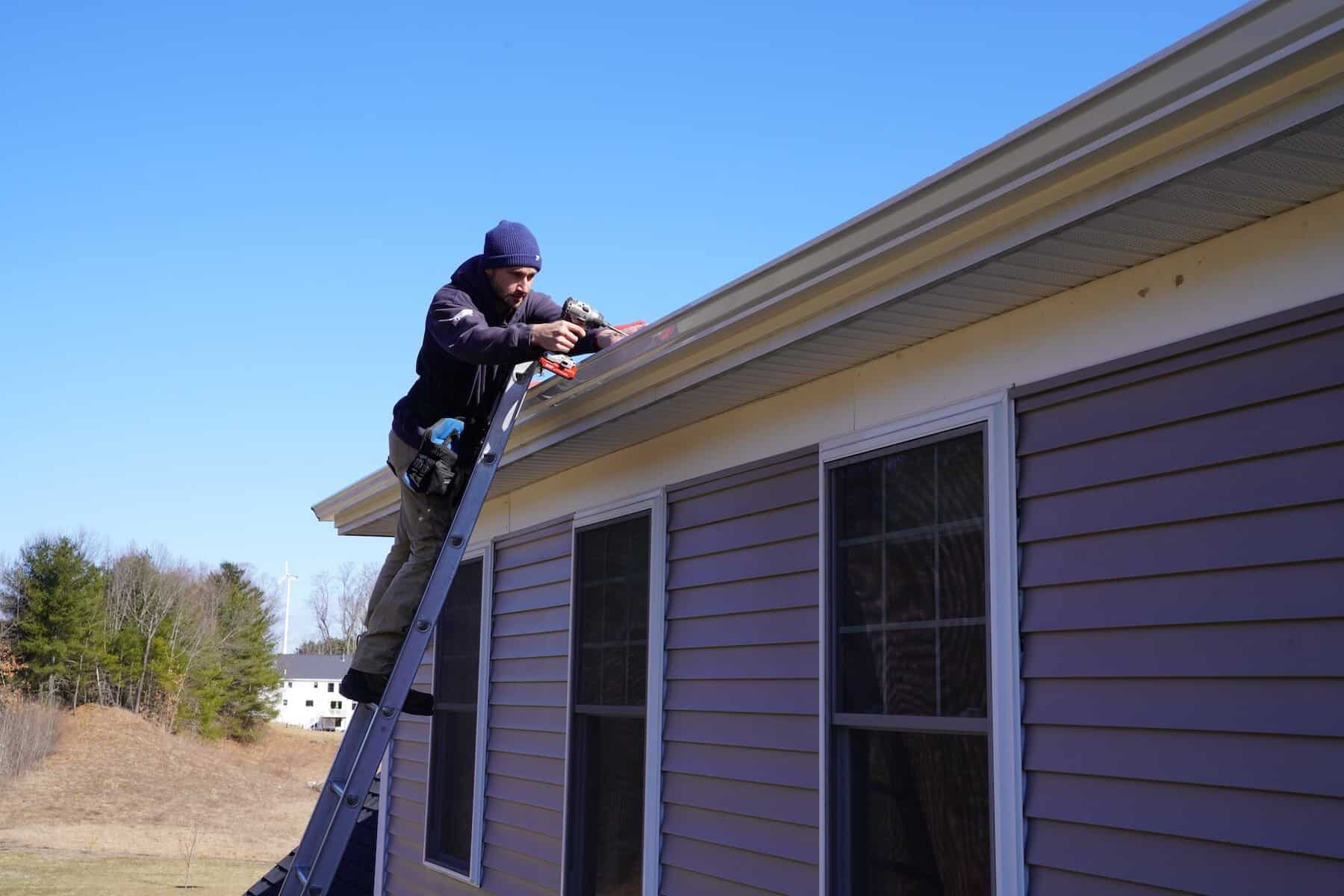
Gutter installation on a New Hampshire home by J. Carnes & Son Roofing

Gutter clogs can be a pesky problem, especially in places with lots of trees like New Hampshire and Southern Maine. Leaves, twigs, and other debris find their way into gutters, creating blockages that prevent water from flowing properly. When gutters get clogged, water overflows, causing damage to a home’s foundation and siding, and it can even flood basements. Understanding these issues helps homeowners realize the importance of keeping gutters clean and functioning well.

This is where leaf guards come into play. These handy tools act like sieves, allowing rainwater to pass through while keeping out leaves and debris. By maintaining clean gutters, leaf guards not only prevent clogs but also protect your home from significant water damage. They stand as a first line of defense in ensuring your gutter system works smoothly throughout the year.

Understanding Gutter Clogs

Gutter clogs happen when things like leaves, twigs, or dirt get stuck and pile up in your gutters. Rainwater should flow freely through gutters and downspouts, but these blockages force water to spill over the sides. This overflow can lead to a host of problems. Here’s why keeping gutters clear is so important:

– Water Damage: Instead of being directed away, water can cause damage to walls, foundations, and even get inside attics or basements.

– Landscape Issues: Water pooling near the foundation can erode soil and damage plants near your home.

– Roof Damage: Pooling water in clogged gutters can lead to issues with the roof, including leaks or shingle damage.

Leaves might be the usual suspects in causing clogs, but it’s important to note that other debris can also be to blame. Pine needles, dirt, and even small branches can add up to bigger problems over time. Regular maintenance is key to avoiding these headaches and ensuring your home is well protected from the elements.

How Leaf Guards Work

Leaf guards come to the rescue by acting as a protective covering over your gutters. They allow water to enter while blocking leaves and other debris. Depending on the design, they can be made from various materials like aluminum, steel, or mesh. Here’s how they generally work:

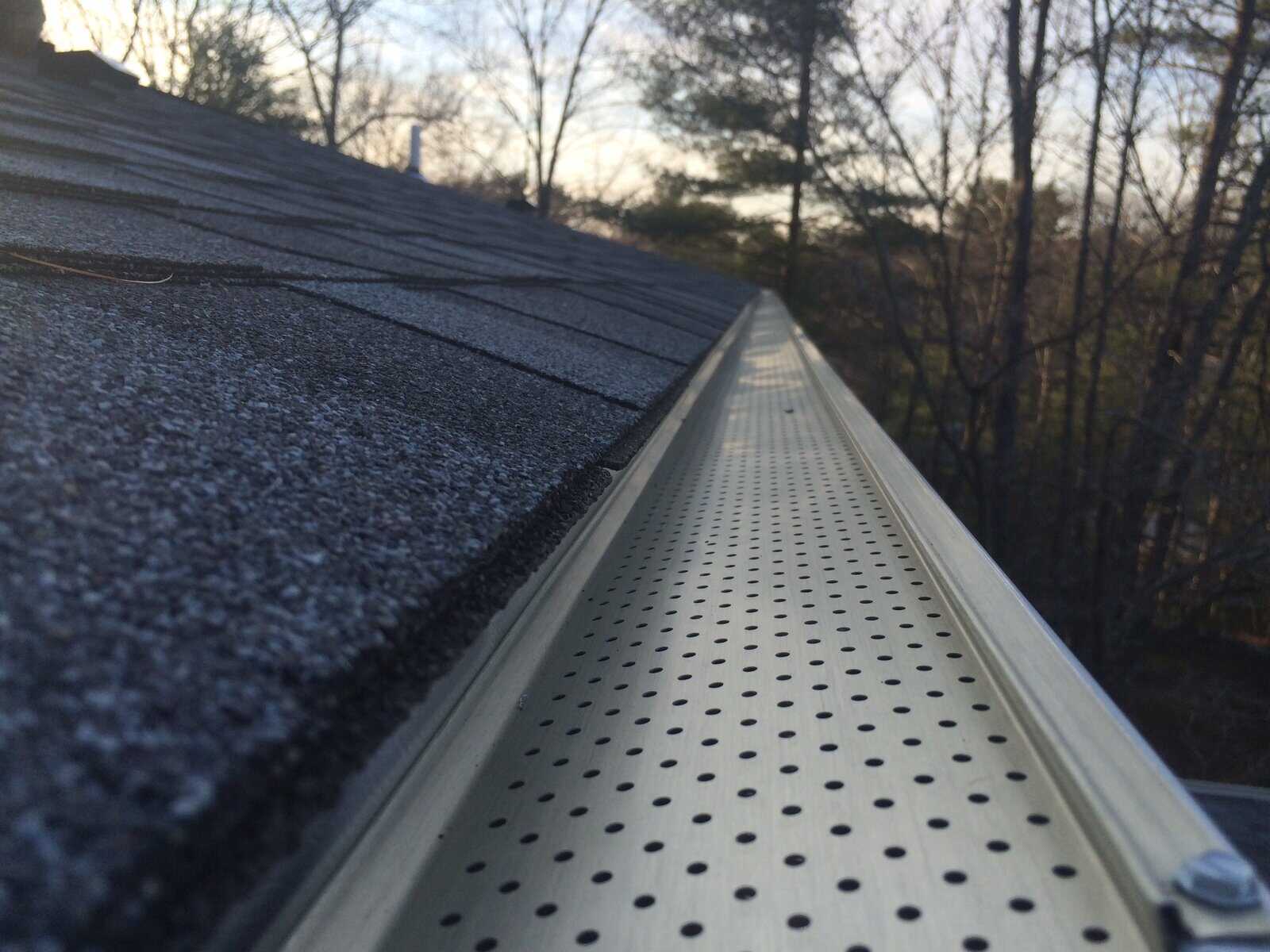
– Screen Leaf Guards: These have large mesh screens that sit on top of the gutters, preventing debris from entering while letting rainwater pass.

– Reverse Curve Guards: These are designed to let rainwater flow over the guard while pushing leaves to the ground.

– Foam Guards: These fit directly inside the gutter, blocking debris while allowing water to seep through the foam.

Choosing the right type depends on your home’s specific needs and the kind of debris common in your area. Once installed, leaf guards allow for hassle-free maintenance, letting occupants enjoy more time doing things they love rather than climbing ladders to clear gutter blockages.

Benefits of Installing Leaf Guards

Adding leaf guards to your gutter system can bring a variety of perks to homeowners, especially in areas like New Hampshire and Southern Maine, where foliage is abundant. One of the key advantages is preventing water damage. When gutters remain clear of clogs, water is efficiently guided away from your home, safeguarding the foundation and preventing structural issues. This simple step can save you from costly repairs down the line.

Another notable benefit is reduced maintenance. Without a leaf guard, gutters can quickly fill up with debris, requiring frequent cleaning to maintain proper function. Leaf guards minimize the debris that enters your gutters, cutting down the time and effort you need to spend on regular upkeep. This means safer homes with fewer risky trips up the ladder.

Additionally, leaf guards extend the life of your gutters. By reducing the strain of accumulated debris, they help preserve the gutters’ structural integrity. This means less wear and tear, translating to longer-lasting systems and greater peace of mind. It’s a proactive way to keep your home protected and looking its best.

Choosing the Right Leaf Guards for Your Home

Selecting the best leaf guard for your home involves some important considerations. First, take into account the material. Most leaf guards are made from strong metals like aluminum or stainless steel, but different materials can offer distinct advantages such as longevity or ease of maintenance.

Next, consider the design that best suits your gutter system and the types of debris common around your home. Screen guards work well for homes surrounded by larger leaves, while mesh or foam designs may better suit environments dealing with smaller particles like pine needles.

Compatibility with your existing gutters is another crucial factor. Not all leaf guards fit every type of gutter, so check dimensions to ensure a snug fit that will perform effectively. Lastly, while DIY options exist, professional installation remains the safest choice. Experienced professionals ensure the leaf guards are installed properly, providing you with a more reliable system.

Protecting Your Home Efficiently

In wrapping up the discussion about leaf guards, it’s clear they serve as a valuable addition to home maintenance systems. They help prevent clogs that could lead to costly repairs and preserve the integrity of your home. Whether it’s reducing time spent on ladder duty or extending the life of your gutters, leaf guards offer an efficient solution for homeowners.

If you’re considering enhancing your home’s gutter system with leaf guards, it’s wise to seek advice from trusted experts familiar with the environmental challenges in your area. They can provide personalized solutions tailored to meet the unique needs of homes in New Hampshire and Southern Maine.

Protect your home efficiently from gutter clogs and water damage with gutter installation in NH from J. Carnes & Son Roofing. Our expert team specializes in installing high-quality leaf guards that suit the unique needs of homes in New Hampshire and Southern Maine. With our professional guidance and installation expertise, you can ensure your gutters stay clear and your home remains safe from water-related issues year-round. Contact us today to learn how you can secure your home with our tailored solutions.
How to Prevent Gutter Clogs with Leaf Guards

leaf guards

Rain gutters are essential parts of any home, channeling water away from the roof and foundation. Without them, rain can cause serious damage, including basement flooding and weakened walls. However, gutters can become clogged with leaves and debris, leading to water overflow and damage.

This is where leaf guards come into play. Leaf guards are innovative tools that prevent debris from entering gutters, keeping them clear and functional. By blocking leaves and allowing water to flow freely, leaf guards minimize maintenance and protect your home year-round. Knowing how leaf guards work and choosing the right one can make all the difference in safeguarding your property.

Understanding the Importance of Gutter Maintenance

Gutters play a crucial role in safeguarding your home from water damage. They direct rainwater away from the roof and house foundation, preventing issues like erosion, basement flooding, and mold growth. Without properly functioning gutters, water can pool around the base of your home, causing structural damage over time.

Clogged gutters are a common problem that arises when leaves, twigs, and other debris accumulate and block water flow. This blockage can cause gutters to overflow, leading to water damage on roofing, siding, and even interior walls. If left unattended, clogged gutters can also become heavy and pull away, damaging the fascia and reducing the gutter’s effectiveness.

Regular gutter maintenance helps mitigate these problems. By cleaning and inspecting gutters several times a year, you ensure water flows correctly and away from your home. This routine care can prevent costly repairs and prolong the life of your gutters. Regular maintenance not only protects your home’s structure but can enhance its curb appeal too, by keeping the exterior looking neat and clean.

How Leaf Guards Work: A Closer Look

Leaf guards are an efficient solution for minimizing gutter blockages. They function by covering the gutter opening, allowing water to enter while keeping debris out. This simple yet effective mechanism ensures your gutters function smoothly even during heavy rainfalls.

There are several types of leaf guards available, each with varying levels of effectiveness:

– Screen Guards: These are metal or plastic meshes that block large debris but allow smaller particles and water through.

– Reverse Curve Guards: Designed to direct water into the gutter while debris slides off, these are highly effective but may require more maintenance.

– Micro-Mesh Guards: Offering the highest level of filtration, micro-mesh guards keep out even the smallest debris while allowing water through.

– Brush Guards: These have a bristled texture to trap debris while letting water pass, perfect for areas with heavy leaf fall.

Leaf guards are typically made from materials like aluminum, steel, plastic, or foam. Each material has its pros and cons. For instance, aluminum is lightweight and rust-resistant, while steel provides strength and longevity. The choice of material matters based on your local climate and the amount of debris your home typically encounters.

Understanding how leaf guards function and choosing the right type and material for your home can greatly reduce gutter maintenance efforts and protect your property effectively.

Choosing the Right Leaf Guard for Your Home

Selecting the best leaf guard for your home involves considering key factors that align with your specific needs and environment. Use this checklist to help guide your decision:

1. Roof Type: Identify the style and slope of your roof. Some leaf guards work better with particular roof types, especially those with steep pitches or unique architectural designs.

2. Environment: Consider the amount of debris your property faces annually. If your house is surrounded by many trees, opt for a micro-mesh guard for maximum protection.

3. Material Preference: Decide on the material—aluminum, plastic, or steel—based on local weather conditions and durability requirements.

4. Sizing and Fit: Ensure the leaf guards fit your gutters properly. Standard K-style rain gutters often require different guards than other types, so verify compatibility.

5. Installation Requirements: Determine if you prefer a DIY installation or professional help. Some leaf guards are easy to install, while others might need expert handling.

6. Affordability: Compare costs while considering long-term savings from reduced maintenance and extended gutter lifespan.

Seeking advice from professionals is beneficial. They can offer insights and recommendations tailored to your home, ensuring effective and long-lasting leaf guard solutions.

Installation Tips and Best Practices

Proper installation of leaf guards is key to their effectiveness. Follow these steps and tips for successful installation:

1. Gather Tools and Materials: Ensure you have the necessary tools such as a ladder, gloves, screwdriver, and measuring tape. Have the leaf guard system ready before beginning.

2. Safety First: Always follow safety protocols. Secure the ladder on stable ground and use safety goggles if required.

3. Clean the Gutters: Before installing, clean your gutters thoroughly to remove existing debris and make installation smoother.

4. Position and Attach Leaf Guards: Start from one end and work systematically to the other. Follow manufacturer instructions for attaching the guards securely to avoid any gaps that could let debris through.

5. Check for Secure Fitting: Ensure the guards are snugly fitted so they won’t come loose during storms or heavy winds.

Common mistakes to avoid include skimping on safety, not cleaning the gutters beforehand, and misfitting the guards. Post-installation, check the system periodically, especially after heavy weather, to ensure they remain in place and functioning.

Maintenance tips include regular checks for any debris buildup and cleaning any possible obstructions promptly. While leaf guards significantly reduce gutter cleanings, they still need occasional maintenance to maintain peak efficiency.

Conclusion

Leaf guards provide an efficient solution to the common problem of clogged gutters. By selecting the right type and material, you significantly reduce maintenance needs and extend the health of your gutters. Whether you’re looking for DIY options or considering professional installation, understanding the principles and best practices ensures you get the most out of your investment.

J. Carnes & Son Roofing is ready to assist you in finding the perfect leaf guard solution that matches your home’s needs. By partnering with us, you can ensure proper installation and continued support to keep your gutter system working flawlessly. Contact us today to learn how we can protect your home with the best roofing and gutter solutions available.

Why Leaf Guards Are Essential for Gutters

leaf guards

Gutters play a vital role in protecting your home from water damage by directing rainwater away from your roof and foundation. However, they can easily become clogged with leaves, twigs, and other debris, causing them to overflow and fail at their job. This can lead to a host of problems, including water damage to your home’s exterior and foundation, mold growth, and pest infestations. Cleaning gutters regularly can be a daunting and hazardous task, which is why leaf guards have become an essential addition for many homeowners.

Leaf guards are designed to keep debris out of your gutters while allowing rainwater to flow through freely. By preventing clogs, they ensure that your gutters function effectively year-round. Installing leaf guards can save you time and effort on maintenance, reduce the risk of water damage, and increase the overall lifespan of your gutter system. They are a small investment that can make a big difference in the upkeep and protection of your home.

In this article, we will explore the importance of leaf guards for your home’s gutters. We’ll discuss how they prevent clogs and water damage, reduce maintenance efforts, enhance home safety, and improve water flow to protect your landscaping. By understanding these benefits, you can make an informed decision about whether leaf guards are the right solution for your home.

Preventing Gutter Clogs and Water Damage

One of the primary benefits of leaf guards is their ability to prevent gutter clogs. When gutters get clogged with leaves, twigs, and other debris, they can’t effectively channel water away from your home. This can lead to water overflow, which may damage your roof, fascia, and foundation. Over time, this unmanaged water can cause significant structural issues, including wood rot and foundation cracks.

Leaf guards work by creating a barrier over your gutters that allows water to flow through while keeping debris out. This simple yet effective solution ensures that water is properly directed away from your home, reducing the risk of water damage. Without leaf guards, you may find yourself constantly dealing with clogged gutters, which can lead to costly repairs and even compromise the safety of your home.

By installing leaf guards, you create a more efficient gutter system. The guards prevent debris from entering the gutters in the first place, meaning you won’t have to worry about overflow or the associated water damage. This protective measure is a proactive way to safeguard your home from the potential consequences of clogged gutters.

Reducing Maintenance and Increasing Gutter Longevity

Maintaining gutters can be a tedious and sometimes dangerous task. Climbing ladders to clean out leaves and debris puts you at risk of falls and injuries. Leaf guards reduce the need for frequent gutter cleanings, saving you time and effort. With leaf guards in place, you’ll spend less time on a ladder and more time enjoying the safety and comfort of your home.

The reduced maintenance required with leaf guards also helps increase the longevity of your gutters. Constantly cleaning and dealing with clogged gutters can wear out the system faster. Leaves, twigs, and other debris accumulating in the gutters can cause them to corrode and weaken over time. By keeping debris out, leaf guards lessen this wear and tear, extending the life of your gutters.

Additionally, gutters filled with debris can become heavy, causing them to sag and pull away from the house. This can lead to more significant gutter and fascia repairs. Leaf guards help maintain the structural integrity of your gutter system by preventing this extra weight and ensuring they stay securely in place. This translates to fewer repairs and replacements, providing long-term cost savings for homeowners.

Enhancing Home Safety and Preventing Pest Infestations

Leaf guards also play a significant role in enhancing home safety by preventing pest infestations. Gutters clogged with leaves, twigs, and standing water can become breeding grounds for pests like mosquitoes, rodents, and birds. These pests can create nests in the debris, leading to infestations that can spread to other parts of your home.

By keeping gutters clean and free of debris, leaf guards remove the inviting environment that pests seek out. This helps reduce the risk of infestations, keeping your home safer and more hygienic. Moreover, pests can carry diseases that pose a threat to your family’s health. Preventing them from nesting in your gutters is a proactive step in maintaining a healthy living environment.

Additionally, leaf guards prevent water from pooling in the gutters. Standing water is an ideal breeding ground for insects like mosquitoes, which can spread diseases. By ensuring proper water flow and preventing stagnation, leaf guards minimize these risks and contribute to a safer, pest-free home.

Improving Water Flow and Protecting Landscaping

Effective water management is crucial to maintaining the integrity of your home’s foundation and landscaping. Leaf guards ensure that rainwater flows smoothly through the gutters and downspouts, directing it away from your home. This prevents water from spilling over the sides of the gutters and eroding the soil around your foundation.

When gutters are clogged, water can overflow and damage your landscaping, washing away mulch, soil, and plants. Properly functioning gutters with leaf guards help protect your garden and lawn from the destructive effects of uncontrolled water flow. This keeps your yard looking beautiful and prevents the need for costly landscaping repairs.

Leaf guards also optimize the efficiency of rainwater collection systems. If you use rain barrels to collect water for gardening, clean gutters ensure that the water you collect is free of debris and contaminants. This benefits your plants and makes your garden maintenance more sustainable and efficient.

Conclusion

Installing leaf guards on your gutters is a smart investment that offers numerous benefits for your home. From preventing clogs and reducing maintenance to enhancing safety and protecting your landscaping, leaf guards make gutter systems more efficient and reliable. They help maintain the structural integrity of your home, reduce risks associated with pests and water damage, and improve the overall aesthetic of your property.

Keeping gutters clean and functioning effectively shouldn’t be a hassle. Leaf guards are a practical solution that can save you time, effort, and money in the long run. By choosing to install leaf guards, you take a proactive step towards preserving the safety, health, and beauty of your home.

For expert advice and professional installation of leaf guards, contact J. Carnes & Son Roofing. We are dedicated to helping you protect your home and ensuring your gutter system works flawlessly. Reach out to us today to learn more about how we can help you safeguard your home and roofing in Hampton, NH with high-quality leaf guards.

Why K-Style Gutters are Perfect for Your Home

K-style gutter

K-Style gutters are one of the most popular choices for homeowners looking to upgrade their gutter system. Known for their unique shape and efficiency, these gutters can greatly enhance the look and functionality of your home. Unlike other types of gutters, K-Style gutters feature a flat back and an ogee, or more decorative front, resembling crown molding. This design not only adds curb appeal but also improves water flow and debris management.

Choosing the right gutter system is crucial for protecting your home from water damage. K-Style gutters are designed to handle a higher capacity of water than many other gutter types, making them ideal for areas with heavy rainfall. They are also more resistant to bending and warping compared to conventional rounded gutters. This durability means fewer repairs and replacements over the years, saving you time and money.

In addition to their practical benefits, K-Style gutters are available in various materials, such as aluminum, vinyl, and copper. This variety allows you to choose a material that best fits your home’s aesthetic and budget. Whether you’re looking for a cost-effective solution or a long-lasting investment, K-Style gutters offer an option that meets your needs.

In this article, we will delve into what K-Style gutters are, their benefits, how they compare to other gutter types, and some handy tips for installation and maintenance. Understanding these aspects will help you make an informed decision and keep your home protected for years to come.

What Are K-Style Gutters and How Do They Work?

K-Style gutters, also known as ogee gutters, are named for their distinct shape, which resembles the letter “K” when viewed from the side. This shape is more than just decorative; it helps the gutters perform their job more efficiently.

1. Design and Structure: K-Style gutters feature a flat back that attaches directly to the fascia of the roof, and a front that has a curved, decorative profile. This curved front not only adds aesthetic value but also helps in increasing the gutter’s capacity to hold water.

2. Functionality: The unique design of K-Style gutters allows for better water flow compared to traditional rounded gutters. The flat bottom and sides channel water efficiently toward the downspouts, which helps in preventing overflow during heavy rain. This design also makes it easier for the gutters to capture rainwater and direct it away from your home’s foundation.

3. Material Options: K-Style gutters are available in a variety of materials, such as aluminum, vinyl, steel, and copper. Aluminum is often preferred due to its resistance to rust and lightweight nature. Each material comes with its own set of benefits, allowing homeowners to choose based on budget and aesthetic preferences.

Understanding how K-Style gutters work and their design benefits can help you appreciate why they are a popular choice for many homes.

Benefits of Choosing K-Style Gutters for Your Home

K-Style gutters offer several advantages that make them an excellent choice for homeowners. Here are some key benefits:

1. Improved Water Management: Due to their design, K-Style gutters can manage a larger volume of water. This is especially useful in areas prone to heavy rainfall. By efficiently directing water away from your house, these gutters help protect your foundation and landscaping from water damage.

2. Aesthetic Appeal: The decorative front of K-Style gutters mimics the look of crown molding, which can enhance the overall appearance of your home. The wide range of available colors and materials means you can find an option that complements your home’s exterior.

3. Durability: K-Style gutters tend to be more durable than traditional rounded gutters. Their shape makes them less likely to bend or bow under the weight of water and debris. This durability translates to fewer repairs and a longer lifespan.

4. Ease of Installation: These gutters can usually be installed easily along the fascia boards of your roofline. The flat back makes it simple to secure them in place, which can reduce installation time and labor costs.

5. Cost-Effective: Particularly when made from materials like aluminum or vinyl, K-Style gutters offer a cost-effective solution. They provide excellent functionality and durability without involving high upfront costs.

Choosing K-Style gutters for your home can result in improved water management, enhanced curb appeal, and long-term savings. Understanding these benefits can help you make an informed decision when upgrading your gutter system.

Comparing K-Style Gutters to Other Gutter Types

When considering installing or upgrading your gutter system, it’s helpful to compare K-Style gutters to other common types. Here’s a look at how K-Style gutters stack up against two other popular options: half-round gutters and box gutters.

1. Half-Round Gutters: These have a semicircular shape and are often used in historic or traditional homes. While they add a classic look, they don’t handle water as efficiently as K-Style gutters. Half-round gutters have a lower water capacity and less effective water flow. They are also more prone to clogging because they lack a flat surface to encourage debris to slide out.

2. Box Gutters: Box gutters are built into the edge of the roof or the roof overhang and are typically used in commercial buildings. While they offer a hidden look, they can be more complex and expensive to install. Maintenance can also be trickier, as access is more difficult. K-Style gutters, by comparison, are easier to access and maintain.

3. Material and Design Options: K-Style gutters come in a variety of materials like aluminum, copper, and vinyl, giving homeowners flexibility in terms of budget and style. Half-round gutters and box gutters may offer fewer material options and can be limited in design. K-Style’s wide range of options makes it easier to match your home’s aesthetic.

Understanding the differences between these gutter types helps make a clear case for the efficiency, cost-effectiveness, and practicality of choosing K-Style gutters for your home.

Installation and Maintenance Tips for K-Style Gutters

Proper installation and maintenance are crucial for getting the most out of your K-Style gutters. Here are some tips to ensure they perform effectively and last for years.

1. Professional Installation: While some homeowners might be tempted to install gutters themselves, it’s often best to hire a professional. Professional installation ensures that gutters are properly aligned and securely attached. This reduces the risk of leaks and water damage.

2. Regular Cleaning: To keep K-Style gutters functioning well, they should be cleaned regularly. Remove leaves, twigs, and other debris that could cause blockages. This is especially important in the fall when trees shed their leaves.

3. Inspections: Regular inspections help catch any issues early. Check for signs of sagging, rust spots, or any areas where water isn’t draining properly. Addressing these problems before they worsen can save you money on repairs.

4. Leaf Guards: Consider installing leaf guards to minimize debris buildup. These guards fit over the gutter and allow water to enter while keeping leaves and other debris out. Leaf guards can reduce the frequency of gutter cleaning and help maintain water flow.

5. Sealing Joints and Seams: Apply a quality sealant to all joints and seams to prevent leaks. This should be done during installation and checked periodically as part of maintenance.

By following these installation and maintenance tips, you can ensure your K-Style gutters remain in excellent condition, providing reliable protection for your home.

Conclusion

K-Style gutters offer a blend of functionality, durability, and aesthetic appeal, making them a perfect choice for many homeowners. Their unique design provides better water management, and they come in a variety of materials to suit different budgets and styles. Compared to other gutter types like half-round and box gutters, K-Style gutters stand out for their efficiency and versatility.

Proper installation and regular maintenance are key to maximizing the benefits of your K-Style gutters. Hiring professionals, cleaning regularly, and performing routine inspections can significantly extend the lifespan of your gutter system. Investing in leaf guards and ensuring all joints are well-sealed can further enhance performance.

Protecting your home from water damage is crucial, and an effective gutter system is a vital part of that protection. K-Style gutters not only enhance your home’s curb appeal but also provide practical solutions for water management.

If you’re considering upgrading your gutter system, K-Style gutter installation in NH is a smart investment. For expert advice and professional installation, contact J. Carnes & Son Roofing. Let us help you choose the best gutter system for your home and ensure it’s installed to perfection. Reach out today to get started!

Planning the job yourself, or just want to see what a proper install involves? Our walkthrough on installing K-style rain gutters covers the pitch, hanger spacing and downspout placement that decide whether a gutter system lasts twenty years or sags in five.

K-style gutter questions homeowners ask

What is a K-style gutter?

A K-style gutter has a flat back that fastens straight to the fascia and a decorative front shaped like crown molding. That profile is called an ogee. The flat back is why it mounts more securely than a round gutter, and the shape carries more water for the same nominal width.

Are K-style gutters better than round gutters?

For most New Hampshire and southern Maine homes, yes. A K-style gutter holds more water than a half round of the same width, and its flat back resists bending and pulling away from the fascia. Half round still suits historic homes where the profile matters more than capacity.

Box gutters vs K-style: which should I choose?

Box gutters are built into the roof structure and move very large volumes, which suits commercial roofs and some older homes. K-style hangs off the fascia and is far simpler to install, repair and replace, so it is the practical choice on nearly every residential roof we work on.

What size K-style gutter do I need?

Five inch K-style handles most homes. Six inch is the right call on large roof areas, steep pitches that shed water fast, or long runs served by few downspouts. We size it from your roof area and pitch rather than defaulting to one number.

Installing K-Style Rain Gutters: Benefits and Best Practices

K-Style Rain Gutters

Choosing the right rain gutters for your home involves understanding the various benefits they provide, not just in terms of functionality but also in aesthetic appeal and durability. As the leading residential roofing contractor in New Hampshire and Southern Maine, we often recommend K-Style rain gutters to our clients, and for good reasons. Known for their attractive curved shape that mimics crown molding, K-Style gutters not only enhance the visual appeal of your home but also offer improved performance over more traditional styles.

K-Style rain gutters are designed to handle more water than rounded, traditional types, making them particularly effective in areas that experience heavy rainfall. This capability ensures that water is efficiently channeled away from your home, protecting your foundation, exterior, and landscaping from water damage. Additionally, the unique shape of these gutters is less prone to corrosion and clogging, providing a durable solution that requires less maintenance.

In the following sections, we will explore the primary benefits of installing K-Style rain gutters and provide some best practices for their installation and maintenance. Our goal is to help you understand why these gutters are a top choice for homeowners and how they can contribute to the longevity and aesthetic of your roofing system. By ensuring proper installation and care, we help ensure that your home remains beautiful and well-protected against the elements for years to come.

Why K-Style Rain Gutters Are a Top Choice for Homeowners

K-style rain gutters are a popular choice among homeowners due to their effective design and aesthetic appeal that complements a wide variety of home styles. Unlike the more traditional half-round gutters, K-style gutters have a flat back and a decorative front, often resembling crown molding. This not only enhances the exterior appearance of a home but also provides practical benefits. The design of K-style gutters allows for a more seamless integration with the edge of the roof, helping to channel water more efficiently away from the home’s foundation.

Additionally, the angular design of these gutters offers greater strength and resilience compared to rounded styles. This makes K-style gutters more durable under the stress of heavy rainfall, ice, or accumulated debris. We often recommend K-style gutters to our clients not just for their functionality but because they increase the overall curb appeal of the property, which can be a significant advantage if the home ever goes on the market.

Key Benefits of Installing K-Style Rain Gutters

When considering updates or installations for home drainage systems, it’s essential to recognize the specific advantages that K-style rain gutters offer:

1. Increased Water Capacity: Compared to half-round gutters, K-style gutters can handle a larger volume of water due to their shape. This makes them especially suitable for regions with heavy rainfall.

2. Reduced Clogging: The unique shape of these gutters tends to encourage leaves and debris to flow along with the water, reducing the likelihood of clogs. This is a substantial advantage for maintenance, particularly in autumn when leaves are a persistent issue.

3. Stronger and More Durable: The flat bottom and sides of K-style gutters provide added strength, allowing them to withstand harsh weather conditions better than other styles of gutters. Their durability makes them a wise investment for the long term.

4. Aesthetic Versatility: These gutters are available in various materials and colors, offering flexibility in design to complement almost any architectural style, from modern to traditional.

5. Ease of Installation: K-style gutters are relatively easy to install because they are often made seamless in a process that involves custom-cutting the gutter on the installation site, which enables a perfect fit to the home.

By choosing K-style rain gutters, homeowners enjoy not only enhanced home protection from water damage but also an upgrade in their home’s exterior aesthetics and long-term functionality. Each benefit contributes to why we see more homeowners opting for this style when considering gutter installation or replacement.

Best Practices for K-Style Rain Gutter Installation

Proper installation of K-style rain gutters is crucial for ensuring they function effectively and last for many years. We always emphasize thorough preparation and careful handling during the installation process. Firstly, it’s important to measure the roof’s edges accurately to determine the exact length of gutters required. This accuracy prevents unnecessary seams, which can become potential points for leaks. We configure the gutters to have a slight slope towards the downspouts, ensuring water flows naturally and doesn’t pool anywhere along the system.

Another key step is the secure attachment of the gutters to the fascia of the house. We use sturdy hangers that are spaced appropriately to hold the gutters firmly against the weight of rainwater and any debris they carry. Sealing all connections with high-quality, waterproof sealant is another critical step, which guards against leaks. These best practices ensure the installation is solid, reducing the risk of future problems and extending the lifespan of the gutters.

Maintaining Your K-Style Rain Gutters for Longevity

Regular maintenance is just as important as proper installation to maximize the lifespan and functionality of your K-style rain gutters. Routine cleaning at least twice a year is recommended to remove leaves, twigs, and other debris that can clog the system. This is particularly critical after autumn and spring, when tree debris is most prevalent. During cleaning, it’s also vital to inspect the gutters for any signs of damage, such as cracks, rust, and separation from the house.

In addition to cleaning, ensuring that the gutter system remains properly aligned without any sagging sections is crucial. A quick check and tightening of the hardware and hangers during regular cleanings will help prevent issues related to water overflow and pooling. These simple steps can greatly extend the life of your gutters, reduce repair costs, and maintain the beauty and integrity of your home.

Conclusion

Choosing K-Style rain gutters is not only a smart decision for your home’s functionality and appearance but also an investment in its long-term protection. With proper installation and regular maintenance, these gutters will efficiently manage water runoff and protect your home from related water damage for years to come. At J. Carnes & Son Roofing, we are dedicated to providing top-notch services, including expert roof and gutter installation and care. Contact us today to schedule a consultation or to learn more about enhancing your home with our reliable roofing solutions.

Still deciding whether K-style is the right profile for your roofline? Our guide to what K-style gutters are and how they compare covers the ogee shape, how capacity stacks up against round gutters, and the cases where a box gutter still makes more sense.

Preventive Measures: How Regular Gutter Maintenance Protects Your Foundation

Gutter Maintenance

Safeguarding the structural integrity of your home involves more than just attending to visible elements like walls and roofs. Often, the unseen, yet vital components of the house demand equal, if not more, attention. One such component is the humble gutter system, a silent sentinel that plays an integral role in preserving your home’s foundation and roof. So, this guide is designed to enlighten homeowners about the significance of regular gutter maintenance and repair, a frequently overlooked aspect of home care. 

The role of gutters in protecting your home’s foundation and roof cannot be overstated. They serve as channels, funneling rainwater and melting snow away from your home’s foundation and other vulnerable areas. A fully functional gutter system is your first line of defense against water damage, which can lead to costly repairs if not addressed promptly. 

However, maintaining and repairing gutters can be a challenging task. It demands an understanding of different types of gutters, their installation methods, common issues, and efficient solutions. We aim to simplify this process, providing you with practical knowledge that can help you avoid potential disasters and save valuable resources in the long run.

The Importance of Gutters

Gutters serve a vital function in maintaining the structural integrity of your home by effectively directing rainwater away from the foundation and preventing issues, such as:

1. Foundation Damage: Over time, accumulated water around your home’s foundation can cause it to weaken and erode, potentially leading to expensive repairs or even structural failure.

2. Roof Damage: Clogged gutters can cause water to overflow and seep under the roof’s edges, damaging shingles, or causing wood rot.

3. Landscape Erosion: Improperly directed rainwater can cause soil erosion around your home, damaging your landscape and potentially impacting the stability of your home’s foundation.

Common Gutter Issues

Several common gutter issues can compromise the system’s effectiveness, so it’s crucial to be aware of these potential problems and address them promptly.

1. Clogged Gutters: Debris, such as leaves, sticks, and dirt, can accumulate in gutters, causing them to become clogged and unable to drain water efficiently. Regular gutter cleaning is essential to prevent this issue.

2. Sagging Gutters: Over time, gutters can start to sag or pull away from the house due to the weight of accumulated debris or water, or due to damaged hangers. This can lead to an ineffective gutter system and potential water damage.

3. Leaks and Holes: Gutters can develop leaks or holes over time, usually from rust or corrosion. Small holes can often be patched, but larger leaks may require section replacement.

4. Incorrect Pitch: Gutters need to be slightly sloped to direct water toward the downspouts effectively. An improper pitch can lead to standing water and an increased risk of clogs and leaks.

Gutter Maintenance and Repair Tips

By adhering to a proper maintenance routine and addressing repairs promptly, homeowners can keep their gutter systems in optimal condition.

1. Regular Inspections: Inspect your gutters at least twice a year, paying particular attention to the condition of the seams and joints. Check for any signs of wear, rust, or corrosion, and ensure gutters are firmly attached to the house.

2. Clean Gutters: Clean your gutters at least twice a year, or more often if you live in a heavily wooded area. Remove debris and check for signs of clogs in the downspouts. Consider installing gutter guards to reduce the risk of clogs.

3. Repair Leaks and Holes: Address leaks and holes as soon as they are discovered to minimize potential damage and extend the life of your gutters. Small holes can be patched with roofing cement, while larger leaks may require a professional repair or replacement.

4. Adjust Gutter Pitch: If you notice standing water or excessive debris buildup in your gutters, check the pitch and adjust accordingly. Ensure rainwater is flowing smoothly toward the downspouts.

When to Call a Professional

While some minor gutter repairs can be performed by homeowners, it is essential to recognize when to call a professional roofing contractor like J. Carnes & Son Roofing.

1. Advanced Repair or Replacement: If your gutters are beyond patching or require extensive repairs, reaching out to a professional is the best course of action.

2. Gutter Installation: Installing new gutters or replacing a damaged section requires specialized skills and tools to ensure proper installation and alignment.

3. Proper Maintenance: If you are uncomfortable or unable to perform routine gutter maintenance, consider enlisting the services of a professional to keep your gutters in tip-top shape.

Understanding The Importance of Regular Gutter Cleaning for Roof and Foundation Safety

Remember, your home’s gutters are more than just an architectural detail on the edge of your roof. They are integral components that protect your home from water damage, foundation issues, and roof problems.

Don’t wait for unseen damage to wreak havoc on your home—contact the experts at J. Carnes & Son Roofing today for a gutter inspection and service consultation in New Hampshire, and maintain your home’s structural integrity and safety.

Raindrops Fallin’…and Leaking from My Gutters: What to Do

Gutter installation on a New Hampshire home by J. Carnes & Son Roofing

Gutters play a crucial role in protecting your home from water damage by channeling rainwater away from the roof and foundation. However, when gutters start leaking, they become ineffective and can cause significant damage to your home. If you notice water dripping from your gutters or pooling around the foundation of your home, it’s time to address the issue. In this article, we will explore the common causes of gutter leaks and how to fix them.

1. Improper Installation

One of the most common causes of gutter leaks is improper installation. If your gutters were not installed correctly, they may not be properly aligned or pitched. This can cause water to pool in certain areas of the gutter, leading to leaks. In addition, if the gutters are not securely attached to the roof or fascia, they may pull away from the house and cause leaks.

Solution: To fix an improperly installed gutter, you may need to hire a professional to re-install it. They will ensure that the gutters are correctly pitched, aligned, and securely attached to the roof or fascia.

2. Clogged Gutters

Clogged gutters are another common cause of leaks. When leaves, twigs, and other debris accumulate in the gutters, they can block the flow of water and cause it to overflow. This can lead to water damage to your roof and foundation.

Solution: To fix clogged gutters, you need to remove the debris regularly. You can do this yourself by using a ladder and a scoop or hire a professional to clean them for you.

3. Damaged Gutters

Gutters can become damaged due to age, weather, or other factors. If your gutters are cracked, split, or have holes, they will leak water.

Solution: If your gutters are damaged, you may need to replace them. Hire a professional to assess the damage and recommend the best course of action.

4. Rusty Gutters

Over time, gutters can become rusty, especially if they are made of metal. Rust can corrode the gutters and cause them to leak.

Solution: To fix rusty gutters, you need to remove the rust and apply a rust-resistant coating. You can do this yourself or hire a professional.

5. Loose or Missing Seams

If the seams of your gutters are loose or missing, they can allow water to escape.

Solution: To fix loose or missing seams, you need to seal them with caulking or replace the damaged section of the gutter.

6. Ice Dams

In colder climates, ice dams can form on the roof and gutters. When snow and ice melt and refreeze, they can create a barrier that prevents water from flowing through the gutters.

Solution: To prevent ice dams, you need to ensure proper ventilation and insulation in your attic. You can also install heating cables on the roof and gutters to melt the ice.

7. Wrong Gutter Size

If your gutters are too small for your roof, they may not be able to handle the volume of water during heavy rain. This can cause water to overflow and leak.

Solution: To fix the issue of wrong gutter size, you need to replace them with larger gutters that can handle the volume of water.

Conclusion

Gutter leaks can cause significant damage to your home if not addressed promptly. By understanding the common causes of gutter leaks, you can take preventive measures to avoid them. Regular maintenance and cleaning of gutters can help prevent clogs and damage. If you notice any leaks or damage to your gutters, seek professional help to fix them. By keeping your gutters in good condition, you can ensure that they effectively protect your home from water damage.

Don’t settle for mediocre roofing services, trust the leading residential roofing contractor in New Hampshire and Southern Maine. Contact J. Carnes & Son Roofing today and experience top-notch quality and outstanding customer service that sets them apart from other roofing companies in New Hampshire. Get your free estimate and let the experts handle all your roofing needs.