
Preventing Snow Load Problems in Portsmouth

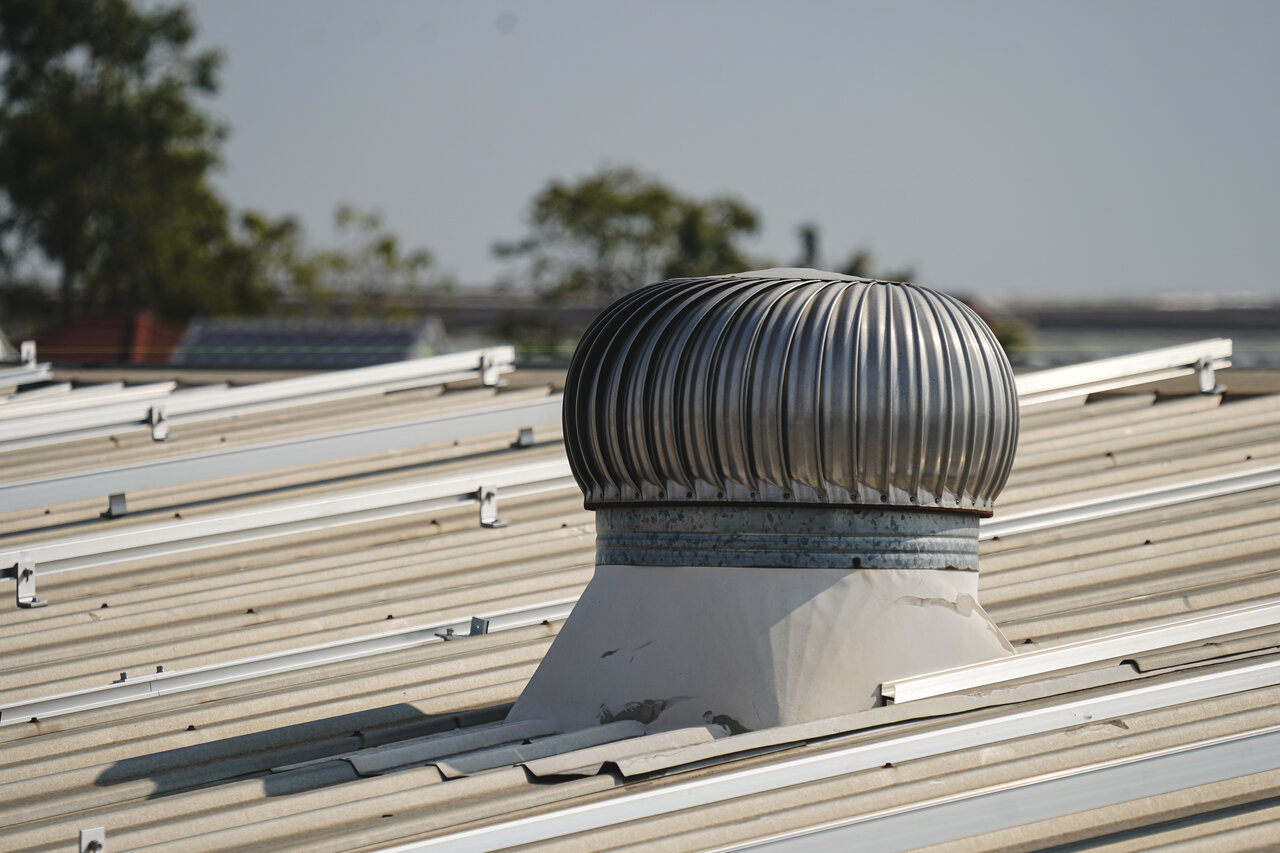
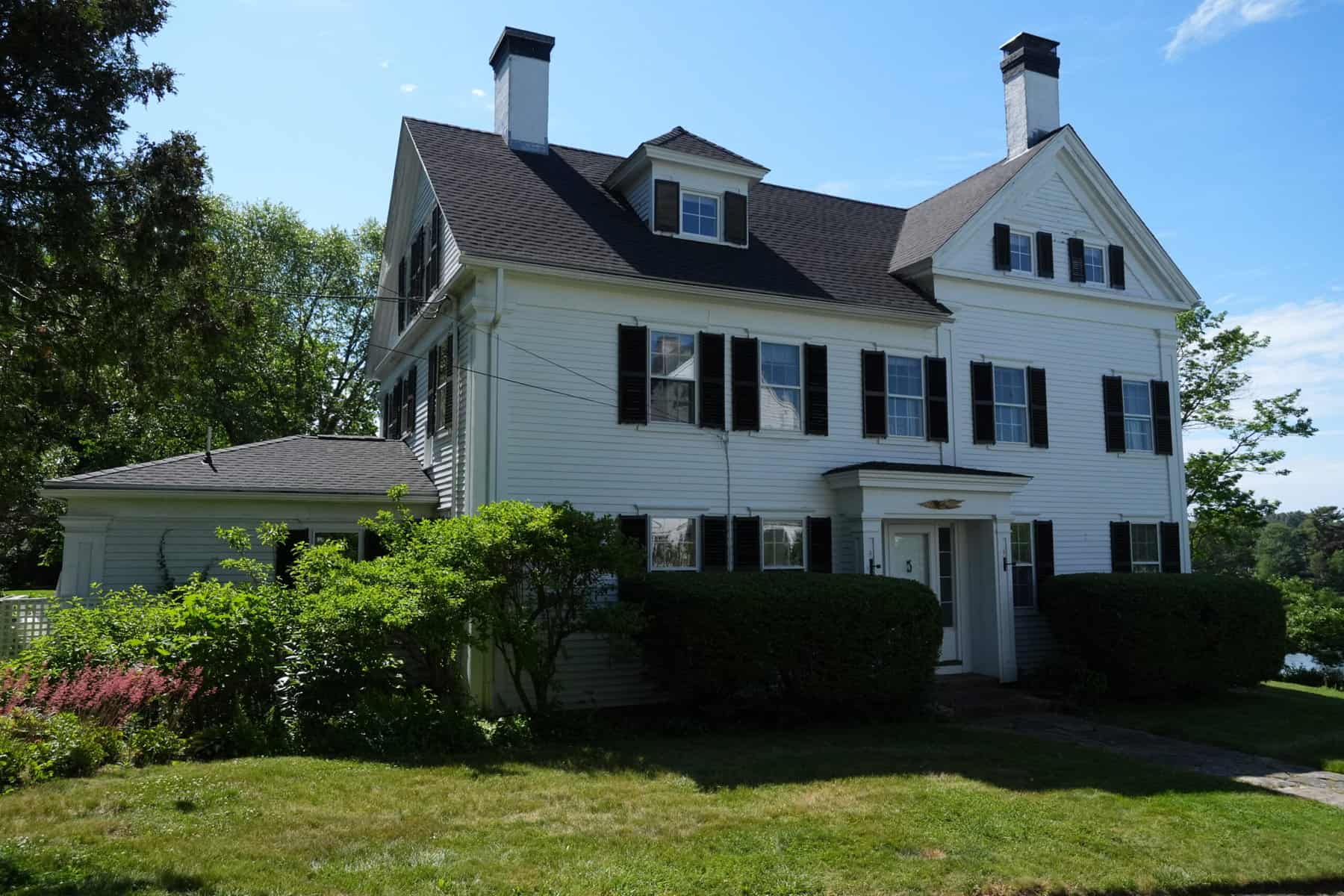
Roof ventilation detail on a New Hampshire home by J. Carnes & Son Roofing

Winter in Portsmouth can be intense. When the snow starts to pile up, the focus usually shifts to roads, sidewalks, and driveways. But the weight resting quietly on your roof shouldn’t be overlooked. Snow accumulation might seem harmless on the surface, but it can actually cause serious problems if not kept in check. What starts off as a harmless winter blanket can quickly turn into a mounting risk to your home.

Any home in New Hampshire, especially one in a coastal town like Portsmouth, needs to be ready to bear the brunt of long, snowy winters. One of the biggest threats during this time is snow load, a term that refers to the weight of snow and ice sitting on your roof. It’s not just about how much falls, but how long it stays and how it’s distributed. Keeping that under control is key to protecting the structure of your house and your peace of mind.

Understanding Snow Load And Its Impact On Roofing In Portsmouth

Snow load happens when snow and ice build up on your roof to the point where the structure starts feeling the strain. Flat or low-pitched roofs tend to struggle more because there’s less slope to move snow off naturally. Add in freezing temperatures that keep snow from melting, and the weight just keeps building. This can lead to sagging roofs, damaged shingles, leaks, or even worst-case scenarios like structural failure.

Portsmouth sees coastal storms that often bring heavy, wet snow. This type of snow weighs more than the light, fluffy kind folks might see inland. When storms hit back to back, snow doesn’t always have time to melt between events. And as more weight presses down, your roof has to do all the work. If a roof isn’t built or maintained to handle that kind of pressure, it can start to show signs of stress quickly.

Some homes, especially older ones, may not have been built with heavy snowfall in mind. Even newer homes can run into issues if insulation, ventilation, or drainage systems aren’t working correctly. So while snow falling from the sky may not seem like a big deal in the moment, what accumulates overhead matters more than you might think.

Signs Your Roof May Be Under Too Much Snow Load

Being alert to trouble signs early can help limit long-term damage. Here’s what homeowners in Portsmouth should keep an eye out for:

– Interior cracks or door misalignment: Doors or windows suddenly sticking could suggest that shifting weight is pressing on the structure.

Ceiling leaks or stains: Melting snow that backs up under shingles can sneak into the attic or walls, showing up as stains or drips.

– Roof sagging: Any unusual dip along the slope or roofline should be looked at right away. Roofs should be stable and even.

– Creaking or popping sounds: These noises might mean the structure is under stress, especially during freeze-thaw cycles.

– Ice dams forming at the edges: Ice collecting along the eaves can signal poor ventilation or insulation, which adds weight and risk.

If any of these signs show up during the winter, it’s smart to get a professional opinion. Letting things go unchecked can lead to larger problems down the road, often with a bigger price tag.

Steps To Prevent Snow Load Problems

Staying ahead of snow load issues calls for a mix of planning and good timing. Once the snow and ice have settled in, things can get trickier. But a few preventive steps early on can help avoid major damage later.

1. Regular Roof Inspections

Before snow season really hits, getting a roof inspection can catch trouble spots like missing shingles or clogged vents. A professional will spot areas where snow might build up or slip inside. It helps to keep inspections going throughout the winter, especially after heavy snowfall or nor’easters.

2. Improve Insulation and Ventilation

Attic insulation keeps heated air from traveling up through the roof. That helps the roof stay cold, which slows down snow melt. If the roof warms unevenly, snow can melt and refreeze at the edges, creating ice dams. Ventilation also plays a key role by moving cold air through the attic and evening out roof temperatures.

3. Safe Snow Removal

If snow starts piling more than several inches, it might be time to clear it off. But doing it wrong can damage the roof or worse, lead to an injury. Avoid standing up on the roof yourself. Using sharp or heavy tools from the ground can tear up shingles. Roof rakes with long handles are safer when used with caution. Still, this job is best left to trained roofers who know how to remove snow without damage.

Sometimes people figure no leaks equals no problem. But snow load damage isn’t always visible right away. Managing conditions above your head could mean fewer repair costs and more peace of mind as winter rolls on.

Choosing The Right Roofing For Portsmouth

Not every roof fits the demands of snowy New Hampshire weather. In Portsmouth, homeowners benefit from roofing that handles moisture and weight with ease and lasts through long winters.

Steeply pitched roofs are better at shedding snow naturally. As snow builds up, gravity helps move it along so it doesn’t stay in one place too long. Roofing materials also matter. Look for products that hold up well against freeze-thaw cycles and don’t crack easily. Durable shingles designed to handle snow are one solid option.

Here are some elements that affect how well your roof manages snow load:

– Seam layout: Fewer seams reduce the chance of water getting under the surface when snow starts to melt and refreeze.

– Underlayment: A high-quality barrier under the roofing material can offer more protection, especially when ice dams start to form.

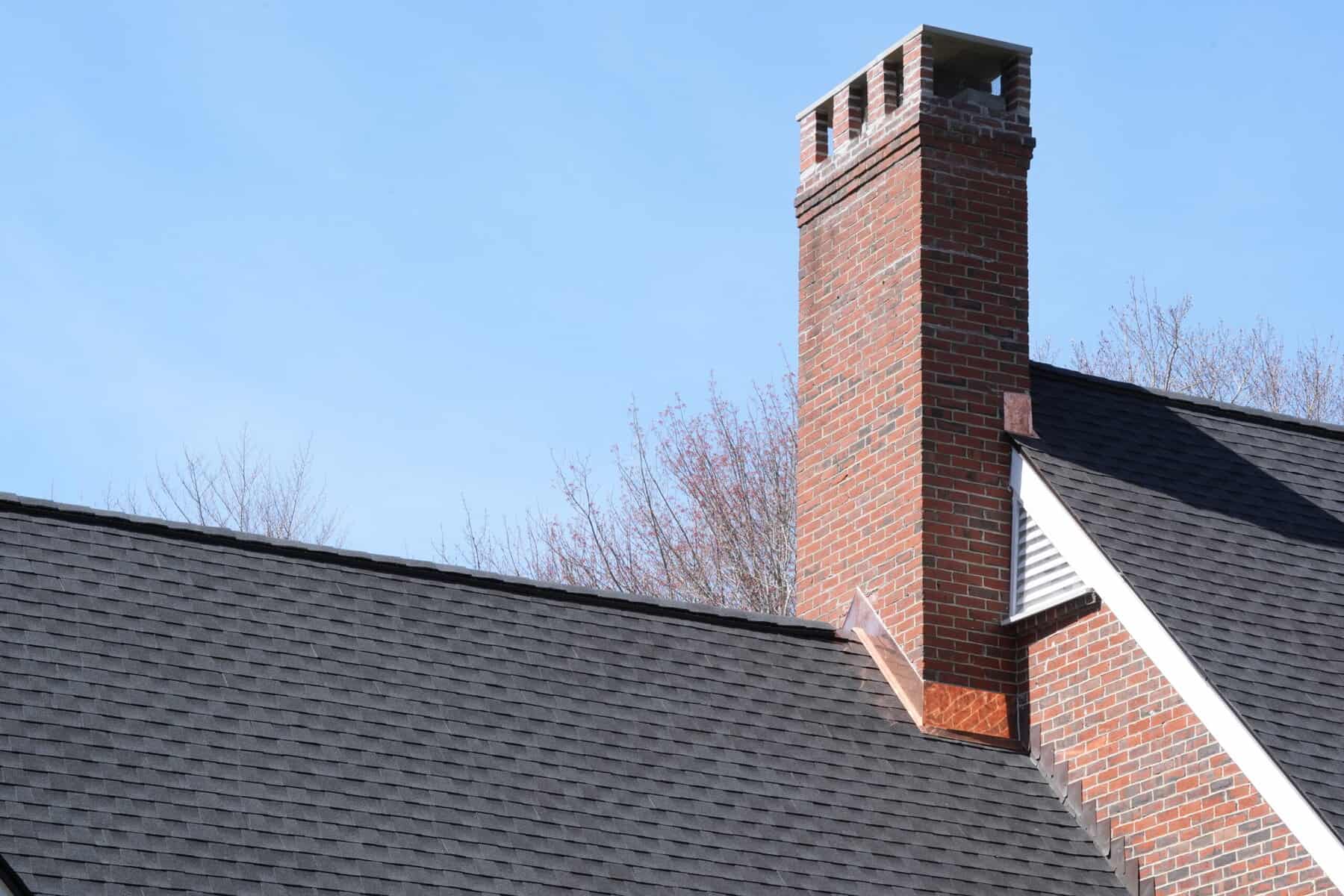
– Flashing: Check areas like the base of chimneys and along vents. Good flashing keeps melting snow from getting where it shouldn’t.

If your current roof has needed patch jobs year after year, or if it simply wasn’t built with snow in mind, a new roof may do more than just solve surface problems. Investing in a better system designed for winter weather can save time, stress, and money in the future.

How To Stay Ahead Of Winter Roof Trouble

Snowstorms aren’t something you can stop, but how your home handles them is something you can control. A roof that holds up to snow load gives you breathing room during Portsmouth’s longest season.

If you’re dealing with older roofing, moisture issues, or structural warnings like interior cracks or ceiling stains, now’s the time to act. Don’t wait for a leak or worse—to show your roof might not be doing its job. Steps like inspecting your roof, upgrading attic insulation, and dealing with snow the right way all go a long way this season.

Choosing the best roofing materials and making a few smart upgrades can make winter far less stressful. A strong roof isn’t just about what you see on top. It’s your home’s first shield against winter’s weight and wet. If your roof needs an update or you want a professional opinion, help is just a call away.

As winter approaches, ensuring your roof can handle the snow load in Portsmouth is crucial to safeguarding your home. Whether you need inspections, maintenance, or advice on the best roofing options, J. Carnes & Son Roofing is here to help. Our expertise in roofing in Portsmouth, NH means we understand local weather challenges and can provide tailored solutions to keep your home protected all season long. Don’t wait for problems to pile up—contact us today for peace of mind this winter.

What Professional Roof Inspectors Look For

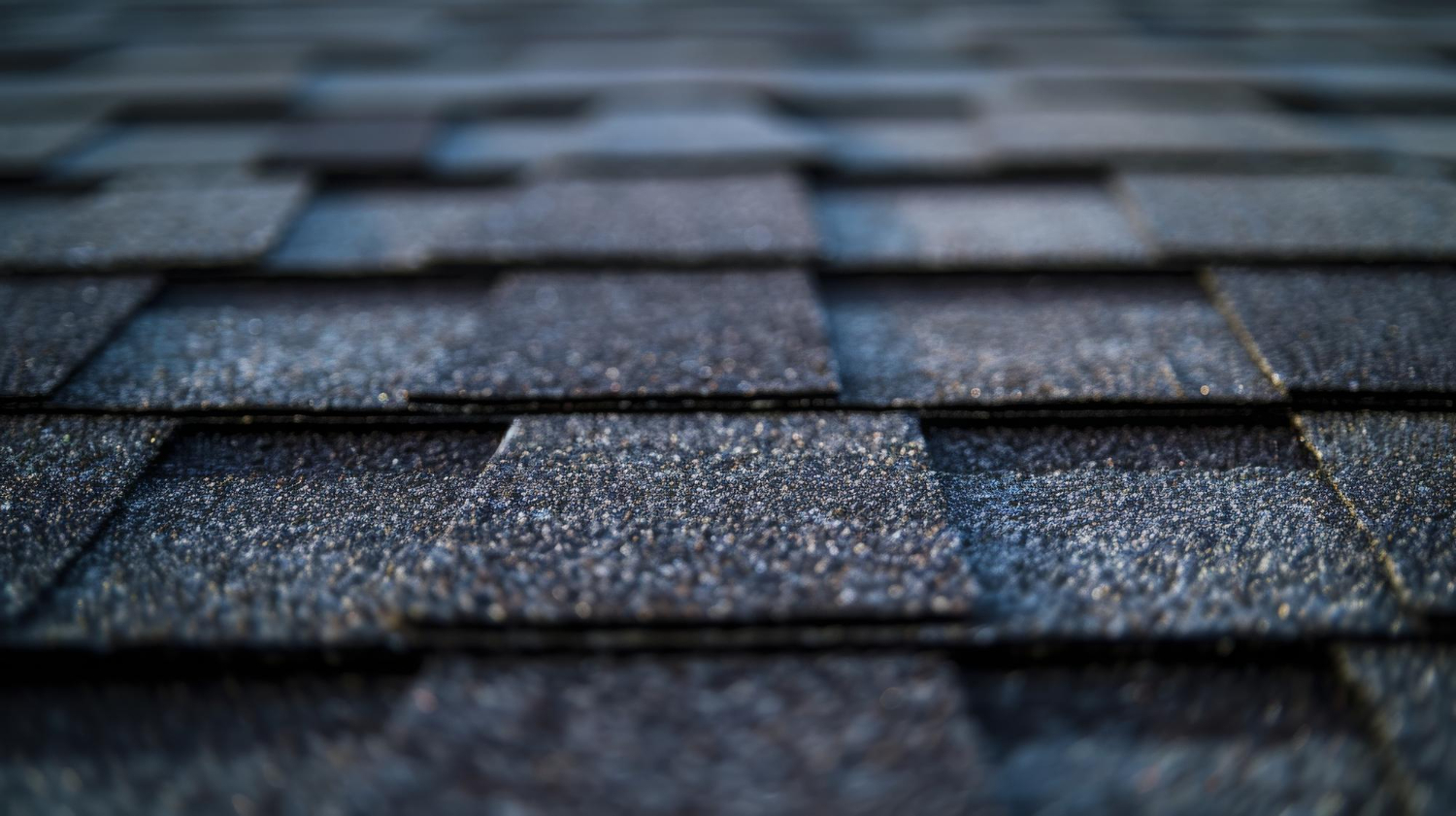
Asphalt shingles on a New Hampshire home by J. Carnes & Son Roofing

A strong roof plays a big part in keeping homes safe through all of New Hampshire’s seasons. From heavy fall rains to snowy winter storms, there’s a lot your roof protects you from. But the only way to stay ahead of damage is by catching issues before they become expensive problems. That’s where a good roof inspection comes in. Knowing what professional inspectors are looking for can help you better understand the condition of your own roof and why checkups shouldn’t be skipped.

When a professional shows up to do a roof inspection, they’re not just glancing at shingles from the street. They’re trained to catch things most people wouldn’t even think to look for. The inspection covers every part of the system, from what’s above the roofline to what’s hiding under it. Let’s break down the areas they focus on and why each one matters for your home’s long-term protection.

Exterior Surface Inspection

The first thing most inspectors look at is the surface of your roof. It’s the part people notice most, but surface wear can be harder to spot than you’d expect. Especially if the damage is small or tucked behind a vent or pipe boot. The goal here is to catch the early signs of wear that could lead to leaks or larger damage down the road.

Here’s what pros typically check during this part of the inspection:

– Shingles: They look for cracked, curled, missing, or loose shingles. These are signs the roof is aging or has been damaged by wind, rain, or fallen debris.

– Moss or algae: These might look harmless at first, but growth traps moisture and can break down roofing materials over time.

– Flashing: These are the strips of metal you see around chimneys, skylights, or wall intersections. If there are gaps, cracks, or rust, water can start sneaking in.

– Seals around features: Vents, satellite dishes, and any roof piercing need tight seals. If they begin to pull away or dry out, they open the door to leaks.

A good example of what inspectors catch: in one case, a homeowner thought their roof was in great shape since it didn’t have any visible damage from the ground. But an inspector found a patch where shingles had started to lift, likely from strong wind gusts. Left alone, that spot could’ve turned into a leak once snow started to melt and pool on the roof.

By tackling these small issues early, inspectors help homeowners avoid bigger repairs. Even the best roofs are constantly battling the elements, so staying aware of how it’s holding up can make all the difference by the time late fall hits in New Hampshire.

Structural Assessment

After checking the roof’s outer surface, the next step is to assess the structure. This part goes a little deeper because not everything that threatens your roof is visible from above. The structural check helps uncover hidden flaws that could impact the overall shape and safety of the roof.

Inspectors usually focus on:

– Sagging: Any part of the roof that looks uneven or dipped could mean there’s trouble with the framing inside. This could come from too much weight over time or water weakening the materials.

– Decking condition: That’s the wooden base your shingles rest on. If it’s soft or shows signs of rot, repairs might be needed to keep everything sturdy and secure.

– Support system: Inspectors will look in the attic to make sure the supports and beams that hold up the roof are solid. Cracks, splits, or signs of movement could mean the roof isn’t as stable as it should be.

– Signs of leaks below the surface: Water damage in the attic can signal there’s a slow, hidden leak from above that hasn’t been spotted yet.

These types of problems are harder for a homeowner to notice without experience. That’s why a professional inspection is often the first time a sagging section or soft decking is even detected. Catching them early keeps repairs more manageable and prevents structural problems from spreading. For homes in NH, where snow buildup and freeze-thaw cycles are common, checking these areas before winter hits is especially important.

Gutter And Drainage System Check

Once the structure itself is reviewed, inspectors often move on to the roof’s drainage. Gutters don’t usually grab a homeowner’s attention until water is spilling over the edge. But this part of the system does a lot of behind-the-scenes work to keep your roof and home free from water damage. If rain and melting snow can’t flow away properly, it won’t take much to wind up with soaked siding or foundation problems.

During the inspection, drainage and gutter concerns may include:

– Clogs: Leaves, twigs, and even small animal nests can block up downspouts and gutters fast. These clogs force water to pool or spill in the wrong places.

– Leaks and holes: Inspectors watch for small cracks, rust spots, or loose seams that let water drip onto your siding or near the foundation.

– Granule buildup: If your gutters are lined with gritty, sand-like particles, your shingles might be wearing down faster than they should be. This can be an early warning sign it’s time for repairs or replacement.

– Tilt and pitch issues: When gutters aren’t sloped properly, water ends up sitting instead of draining. That can cause them to sag or pull away from the house.

– Downspout extensions: Inspectors also check where downspouts direct water. If it’s too close to your home, it raises the risk for water-related damage around your basement or crawl space.

In some homes we’ve seen in New Hampshire, fall leaves can pile up quickly in open gutters. If left unchecked, this mess becomes frozen slush when the temperature drops, making it harder for runoff to escape. The weight of that ice can even pull the system loose. A quick fix today during a professional inspection beats a full replacement later.

Attic And Interior Examination

Just because the roof is above your head doesn’t mean the working parts end there. What’s happening below, especially inside your attic, can tell a fuller story. Roof inspectors look for signs that water, air, or heat are moving through where they shouldn’t be.

This part of the inspection often covers:

– Moisture marks: Stains on attic joists, insulation, or walls could point to older leaks or ones still active. These damp areas create a perfect space for mold and mildew to grow.

– Ventilation: A poorly ventilated attic traps warm, moist air inside during cool seasons. This affects energy use and sets up conditions that speed up roof wear.

– Insulation: Missing or compacted insulation makes temperature control harder and invites ice dams during the colder months.

– Daylight peeking through: If sunlight can sneak into the attic, so can water, bugs, or cold air. These gaps are signs roof work might be needed.

Professionals also keep an eye out for bad smells, rodent droppings, or signs of past damage covered by paint or plywood panels. These clues give you a better idea of how your roof’s condition adds up overall. For New Hampshire homes, where moisture buildup during the fall and winter can be a big issue, checking the attic is just as important as checking the outside of the roof.

Keep Your Roof In Working Shape

Scheduling a roof inspection once a year, especially around late fall, isn’t just busywork. It’s a smart step that helps protect your home and wallet long term. Roof problems have a way of starting small and growing fast. A lifted shingle or clogged downspout might not seem like much now, but by the time snow begins to melt, it could lead to water making its way into your attic or walls.

A qualified inspector will look at how the shingles are aging, whether there’s damage forming under the surface, and how every part of your roof system is holding up. That includes gutters, chimneys, vents, flashing, and what’s happening on the inside too.

The bigger picture is peace of mind. Living in New Hampshire means prepping homes to handle snowy months, heavy rain, and temperature drops. Roofs that get regular, professional attention tend to last longer and perform better through the seasons. Whether you’re noticing an issue or just staying ahead of problems, a good inspection gives you the roadmap to make smart choices for your home’s care.

With the changing seasons in New Hampshire, ensure your roof stays in top condition by trusting professionals for an inspection. If you’re considering professional roofing services in NH to maintain your roof’s health and prolong its life, explore what J. Carnes & Son Roofing can do for you. Whether it’s routine checks or addressing specific issues, our team is here to keep your home safe and sound.

Storm Damage Warning Signs in Windham Homes

Windham homes

As fall winds down in Windham and the first snowflakes inch closer, your roof may be one of the last things on your mind. But that can be a risky move. Storms, especially in late fall, can sneak in fast and leave behind silent damage that grows worse over time. You might not notice the roof issues right away, but they could easily lead to long-term problems if left unchecked. That’s why it’s smart for homeowners to spot warning signs early and understand what storm damage looks like before winter sets in.

Storms can be sneaky. Sometimes they hit hard and the damage is obvious. Other times, they leave behind clues that are easy to miss unless you know what to look for. In Windham, roofing takes a beating from wind, heavy rain, and falling branches. Knowing the condition of your shingles and watching for issues inside your home can help you catch problems while they’re still manageable.

Common Warning Signs To Look For

You don’t have to be a roofing expert to spot signs of storm damage. Some of the most noticeable red flags actually start outside your home. Visual roof checks, especially after a bad weather day, can go a long way in catching damage early. Here are a few things to keep an eye on:

– Missing or broken shingles: Wind can lift or tear away shingles completely, especially if they were already loose or aging.

– Curled or flipped shingles: Even if not fully detached, disturbed shingles can leave parts of your roof exposed to water.

– Piles of shingle granules in gutters: Asphalt shingles shed granules when they age or after being hit by hail or heavy rain. It’s a sign the shingles may be losing their protective layer.

– Water spots or stains on ceilings and walls: If you see these indoors, it could mean that water is making its way past the roof and into your home.

– Loose flashing or dented gutters: Damaged flashing around chimneys or vents can create an open path for water to enter the roof system.

For example, after a rough rainstorm last October, one homeowner in Windham found some damp spots on their living room ceiling. They assumed it was condensation or a plumbing issue, but after checking the attic, they saw light coming through cracked shingles. A quick call to a local roofer saved them a lot of future damage and stress.

Even if things look fine from the ground, it’s still worth doing a close inspection or having someone take a look when the weather clears. Some problems aren’t flashy, but they can lead to much bigger issues if ignored. Catching these clues before snow sets in could make a big difference in how your home handles winter storms.

Subtle Indicators Of Roof Damage

Not all storm damage is easy to spot from the driveway. Some problems stay hidden until they start affecting the inside of your home. These quieter signs are just as important to catch before winter hits Windham in full force.

Start with how your roof behaves during a heavy rain. If you notice leaks that come and go depending on the weather, don’t dismiss them. Even a small drip could mean water is making its way through a weakened section of the roof. These leaks tend to get worse over time and do more damage than you’d expect.

Pay attention to changes in your energy usage too. If your heating bill is suddenly higher, it could be due to poor insulation caused by roof damage. Storms can loosen the structure, shift shingles, or damage flashing around vents, all of which let warm air escape. You might not hear wind whistling through the attic, but your HVAC system will be working harder to keep things warm.

Another issue to watch for is mold or mildew in your attic or upper rooms. Even if you haven’t had a noticeable leak, moisture from roof damage can collect slowly in hidden corners. If you spot black spots on ceilings or a musty smell in the attic, there’s probably a moisture problem that needs to be addressed sooner rather than later. Mold doesn’t go away on its own and spreads fast once it takes root.

Keeping your eyes open for these smaller red flags can help you stay ahead of bigger headaches. Sure, they’re not as obvious as shingles laying in the yard, but they’re often the signs that do the most harm when ignored.

What To Do If You Spot Storm Damage

Uncovering storm damage can be frustrating, especially when there’s more bad weather ahead. But trying to fix major roofing issues on your own isn’t the answer. The safest and smartest move is to call in a qualified roofing pro. They’ll be able to check the full surface of your roof, including areas that aren’t visible from the ground.

In the meantime, there are a couple things you can do to prevent further damage:

– If water is leaking inside, place buckets under the drip and move furniture away to avoid damage.

– Avoid climbing up on the roof yourself. Slippery or unstable surfaces can lead to serious injury.

– If you’re able to confirm visible damage, like an open hole or missing patch of shingles, a professional tarp can temporarily limit water entry until repairs are scheduled.

Even if the damage seems small, don’t wait it out. The next rain or snowstorm could push things further, leading to ceiling damage, rotting wood, or soaked insulation. Quickly responding to issues helps protect not just your roof, but everything under it.

How A Professional Inspection Makes A Difference

Some of the most expensive roof repairs happen when warning signs go undetected. A detailed inspection by a trained eye can make a big difference. Roofers know how to look beyond the obvious. They evaluate materials and focus on trouble spots that may not be easy to see.

Professional inspections provide a picture of your roof’s overall condition, from edge to ridge. They’ll check flashing, valleys, and vents—places where leaks are more likely to start. If damage is hidden under shingles or the underlayment is starting to wear down, they’re more likely to catch it before the next storm rolls through.

It’s not just about identifying problems. You’ll also get a clear repair plan, complete with a timeline and cost expectations. That clears up uncertainty—something every homeowner appreciates, especially when faced with freezing temperatures, snow, or ice. In Windham, feeling sure your roof is winter-ready gives you peace of mind as the cold weather sets in.

Keep Your Home Safe Through Every Storm

Storm damage doesn’t always show up as a tree through the roof. It can be smaller and quieter, showing up as a tiny drip or missing granules in your gutter. That’s why spotting issues early really matters. The earlier you catch problems, the easier and more affordable they are to fix.

By staying on the lookout for both the obvious and subtle signs of roof problems, you can avoid bigger headaches before winter hits hard. Taking quick action helps protect your home and everything in it. When something seems off—even something small—it’s better not to wait.

Reach out to our team to schedule a roof inspection or repair, especially if you’ve had a major storm in Windham. A roof in good shape can handle tough weather. One with hidden problems? Not so much. Don’t leave it to chance. Take action before your roof needs more than just a simple fix.

After recognizing the signs of storm damage, take prompt action to secure your home. If you need professional assistance and peace of mind, consider expert roof repair in Windham. J. Carnes & Son Roofing is here to help identify and address any roofing concerns effectively. For more information on how we can keep your roof in top shape, explore our comprehensive roofing services today.

Why Shingles Curl and Buckle in Exeter Weather

Asphalt shingle roof in New Hampshire by J. Carnes & Son Roofing

If you’ve noticed your shingles starting to curl up at the edges or buckle in strange places, you’re not alone. These roofing issues are common in Exeter, where the weather can shift quickly from freezing cold to warm and damp. When shingles don’t sit flat, they lose the ability to protect your home from moisture and wind. That can lead to leaks, water damage, and much bigger problems down the line.

Understanding what causes this sort of damage can help you stay ahead of it. Shingles might look tough, but they’re still vulnerable to specific conditions that are pretty common in New Hampshire during the fall. Heading into winter with a compromised roof is the last thing any homeowner wants, so it’s worth taking a closer look now to spot any warning signs and figure out what might be causing them.

Common Causes Of Shingle Curling And Buckling

Shingle curling and buckling don’t always have one clear source. In many cases, it’s a mix of issues that slowly wear the roof over time. Exeter weather tends to create several of these problems naturally.

One of the biggest culprits is moisture. When moisture collects in your attic or underneath the shingles because of poor ventilation, it can cause the materials to expand, contract, and move around. That repeated movement weakens the shingles and causes them to curl or buckle. Once that happens, rain or snow can easily get underneath.

Temperature swings are another big issue. Exeter shifts from hot summers to cold winters—sometimes both within a few weeks. Those ups and downs make roofing materials expand and shrink quickly, more than they’re meant to. Over time, this causes shingles to lose their shape and reliability.

Improper installation is another factor. If shingles weren’t nailed down correctly or the layers weren’t aligned right, they won’t stay flat for very long. It might not be obvious right after installation, but the signs become clearer over time. Low-quality shingles also tend to break down faster, especially during damp fall weeks followed by an unexpected cold snap.

Here’s a breakdown of common causes:

1. Poor attic ventilation that traps heat and moisture

2. Repeated freeze-thaw cycles beginning in mid to late fall

3. Shingles installed with incorrect overlap or missed nail placement

4. Low-grade asphalt shingles that wear down fast in cold weather

5. A roof deck that doesn’t support the shingles evenly

Knowing what to look for early on can help you avoid loose shingles, moisture problems, or even full roof failure.

Identifying The Signs Of Shingle Damage

Some roofing problems creep in slowly, but shingles usually show clear signs before the damage grows worse. The key is paying attention to what’s happening on your roof throughout the season.

Curled shingles often look like their corners are lifting away from the roof. Buckled ones form ripples or raised lines. Both can be spotted from the ground if your roofline is visible. After heavy wind or rain, take a few minutes to look from your driveway or backyard. You don’t need to climb up—just scan the shingles for wavy, uneven, or loose edges.

Watch for these warning signs as well:

– Dark patches or water spots on walls or ceilings inside the house

– Asphalt granules gathering along gutters or downspouts

– Shingles that appear smooth and shiny, a sign of worn-out surface protection

– Flashing near chimneys or vents that’s separating or rusting

Ignoring these signs can lead to more than just leaks. Water can ruin insulation, allow mold to grow in the attic, and even weaken the structure below the roof. That’s why it’s smart to do at least one good check-up every fall before the snow piles on. Just a couple of curled shingles can let in melting snow, especially once the freeze sets in. Repairs are always quicker and cheaper early on than dealing with soaked insulation or indoor water damage later.

Preventative Measures To Protect Your Roof

Once curling or buckling starts, the damage is usually set. But there are several ways to lower the risk, especially in places like Exeter. The main goal is to keep moisture and heat out of your roofing layers and make sure the system is built to handle the local climate’s swings.

Basic roof care goes a long way. Clean gutters stop water from backing up and sitting where it can seep under shingles. It’s also smart to have a professional inspect your roof every year, ideally in the fall or spring. These inspections help catch things like cracked flashing, backed-up moisture, or patchy shingles before they turn into bigger problems.

Using high-quality roofing materials can add years of life. Not every shingle type performs well in Northern climates. Some are made to flex through wild temperature swings or resist buildup from snow and ice. When you reroof, focus more on strength and cold-weather durability than just appearance or cost.

Ventilation is another piece of the puzzle. If your attic doesn’t breathe well, warm air from inside the home gets trapped. That warm, moist air collects along the underside of the roof deck, speeding up wear and tear during freeze cycles. A well-ventilated attic allows that trapped air to escape, keeping things balanced and dry under your roof.

Here are some helpful steps to follow:

1. Schedule an expert roof inspection in early fall or late spring

2. Keep gutters and drains clear to stop water buildup

3. Upgrade bad insulation and check attic ventilation regularly

4. Use high-performance shingles meant for cold or wet climates

5. Act quickly on small leaks, flashing issues, or sagging spots

Each of these habits helps your roof stay strong through New Hampshire’s heavier fall months and snowy winters.

When To Call In The Experts

There comes a point when an issue is too far along or uncertain and should be looked at professionally. If your roof is sagging, curling, or showing signs of water damage, making that call now could save you a full replacement down the line.

Some homeowners put it off, thinking the curled shingles or dark stains aren’t serious yet. But even small lift patterns in a few shingles can let water in where it slowly spreads and weakens the layers below. By the time it’s bad enough to notice indoors, the fix is usually bigger.

Reach out to a roofing contractor in Exeter if you notice any of these:

– Several shingles come off or lift during windstorms

– Interior water stains suddenly appear without clear cause

– Flashing is bent, loose, or has visible rust

– A storm recently brought hail or knocked limbs onto the roof

Professionals familiar with Exeter’s weather know which issues typically show up in fall and which ones can wait. They’ve seen how quick temperature drops, moisture build-up, and early snow affect roofing systems. Their trained eye can spot problems you might not notice until it’s too late. Getting help early can keep your repair short and your roof solid through the cold seasons.

A Few Smart Moves Make a Big Difference

Life in Exeter brings a lot of changes in the weather, sometimes in a single week. Your roof takes the hit every time temperatures jump from one extreme to the next. The curling and buckling of shingles isn’t just ugly—it’s a sign your roof’s defense is slipping.

Luckily, keeping your roof in good shape doesn’t take a major overhaul. A little attention through the year, smart upgrades when needed, and knowing what warning signs to look for will help stretch the life of your roof. Catching curled shingles early means smaller, faster fixes. And when in doubt, an expert roofer can save you a lot of stress and money down the line.

With the right plan, your roof stays ready to handle whatever Exeter brings next—rain, snow, or sudden cold. Don’t wait until winter locks in to take action. A roof that holds up well through fall sets the tone for a safe, dry home all season long.

If your shingles are showing signs of wear or curling from the changing New Hampshire seasons, it might be time to get expert support. Trust J. Carnes & Son Roofing for reliable solutions tailored to the demands of roofing in Exeter and keep your home protected through every season.

Solving Wind Damage Problems in New Castle

Metal roof on a New Hampshire home by J. Carnes & Son Roofing

Living in New Castle, windstorms are just part of the deal. Strong gusts can sweep in without much warning, and when they do, your roof takes the first hit. These storms can tear off shingles, loosen metal flashing, or toss debris hard enough to cause damage. The problem is, even small damage can grow into something much worse if it’s not handled quickly. Knowing how winds affect your roof and spotting the early signs can stop you from facing more serious and expensive repairs later on.

New Castle homeowners often deal with weather shifts heading into fall. October is when you really start to feel the chill build in the air, and those winds coming up the coast get stronger. That’s why this is the right time to make sure your roof is still holding steady after the summer storms. Wind damage isn’t always obvious, and it’s easy to miss early warning signs when you’re not sure what to look for. That’s where a focused plan comes in, starting with learning how to spot the damage early.

Identifying Wind Damage

After a storm, especially one with strong wind gusts, it’s smart to take a good look around your property. If the roof took a hit, there are usually some signs left behind even if they’re easy to miss at first. A few clues might show up on the driveway or lawn, while others are more visible only from the roofline or just below the gutters.

Here are some of the more common signs of wind damage on roofs:

– Shingles that are completely missing or appear to be curling or flapping when the wind blows

– Cracks along the edge of the roof or sagging sections, especially on older homes

– Displaced flashing around chimneys, vents, or skylights. Bent or missing pieces could leave gaps for water to sneak in

– Granules scattered in your gutters or on concrete surfaces below. Roof granules look like black or gray sand and usually shake loose from shingle wear

One easy way to spot flashing problems is if water starts dripping along indoor ceiling corners after a storm. That may mean flashing has pulled away just enough to let moisture slip inside.

If you’re walking around the yard and see tree branches on the roof or broken shingles on the ground, it’s likely there’s impact damage. A big limb can easily lift shingles or dent structural layers below. And remember, even one missing shingle can begin a chain reaction of problems when the next rain rolls in.

Immediate Steps To Take After Wind Damage

Catching wind damage is important. Acting quickly after spotting it is even more important. Once you see signs of trouble, there are a few key things you should do right away to help prevent further damage and speed up repairs.

1. Keep away from dangerous spots. If there are loose materials hanging from the roof, broken tree limbs, or anything else that looks unstable, it’s safer to stay on the ground and step back.

2. Snap clear photos. Take pictures of damaged shingles, bent flashing, fallen branches, or anything else out of place. Try to get a few close-up shots and a wider view to show where the problem fits in with the rest of the roof.

3. Don’t try to fix it yourself. Wind damage can leave weak areas or hidden leaks you won’t notice right away. Climbing up can make things worse or even put you at risk.

4. Call a roofing contractor to handle the inspection. A professional can safely climb up, check all the damage, and figure out what needs to be fixed or replaced.

5. Start the insurance claim process. Once you have documentation and you know there’s a clear issue, contact your homeowner’s insurance agent. Provide them with the photos and an outline of what happened and when.

Addressing issues quickly can make all the difference. Even small tears in the underlayment or slight shifts in flashing can lead to leaks once cold weather sets in. Fall storms build momentum this time of year, and being proactive keeps a small issue from becoming a big one down the road.

Long-Term Solutions For Wind Damage

Short-term fixes might stop immediate leaks, but lasting protection comes from using the right materials and keeping your roof in solid shape year-round. In places like New Castle, where strong fall winds and coastal storms are always waiting in the wings, a long-term plan really matters. If you’re only reacting to damage after every storm, your roof won’t last as long as it could.

One thing that makes a big difference is using high-quality materials. Some shingles are built to hold stronger in wind-prone areas. Others are more flexible, less likely to crack or lift. The way your roof is installed also plays into how well it holds up when the wind gets moving. A tightly sealed ridge cap and properly anchored flashing are just as key as the shingles themselves.

But even good materials wear down under constant stress. That’s why regular check-ups are so important. Think of it like going to the eye doctor. Maybe you don’t feel like you need it, but keeping it up helps catch small issues before they become bigger problems. A trained roofing contractor can look for weak points that the average person would miss. For example, we had a job in a coastal neighborhood where a homeowner thought only two shingles were missing, but a full inspection revealed several areas where the underlayment had peeled up due to past winds. They had no idea.

The goal is to give your roof the best shot at lasting through season after season. Installing wind-resistant roofing components and keeping up with every little repair adds up. It’s a steady plan that helps avoid costly damage later and keeps your household protected through all the rough stretches of New Castle weather.

Hiring A Roofing Contractor In New Castle

When your roof is dealing with wind damage, fixing it the right way depends on choosing a roofing contractor you can trust. Not every contractor has experience with coastal homes or storm-damaged properties, so it helps to go local and find someone who knows how New Castle weather works.

Here’s what to look for when you’re hiring someone to handle roof repairs after a storm:

– Make sure they specialize in residential roofing and have experience with wind damage

– Ask if inspections include photos and written reports, not just a quick walk-through

– See if they’ll help you understand the extent of the damage before talking about replacements

– Look for someone based nearby, with knowledge of weather patterns in the New Castle area

– Check that they’re fully licensed and insured to work on your home

During your inspection, a good roofing contractor will do more than just glance at the problem spot. They’ll check the flashing, vents, ridge caps, and look under the first layer of shingles to catch damage hiding underneath. If the roof deck has softened or moisture has built up below, they’ll know the right steps to take.

You want someone who’s straightforward, who can tell you if a repair is enough or whether it’s time to think bigger. The right contractor won’t scare you into a full replacement unless that’s really the best option. They’ll outline what’s needed, walk you through the repair plan, and keep you informed each step of the way.

Protect Your Home from Wind Damage

Wind damage isn’t always loud and obvious. Sometimes it’s just one cracked piece of flashing or a spot where the shingles don’t line up quite right. But those small issues are where the biggest problems start. Catching them early is the best way to avoid emergency repairs during a heavy rain or unexpected cold snap.

Routine inspections and picking the right contractor to handle repairs can make all the difference in keeping your home safe. Wind might always be part of life in New Castle, but roof damage doesn’t have to be. A steady plan, a careful eye, and regular upkeep are all it takes to stay ahead and avoid bigger headaches.

If you’re looking to protect your home from unpredictable coastal weather, you can count on a trusted roofing contractor in New Castle to get the job done right. At J. Carnes & Son Roofing, we’re here to help you keep your roof secure, damage-free, and ready for whatever the next storm brings. Reach out to get started on a plan that works for your home and your peace of mind.

Stopping Water Seepage Through Roof Valleys

Water Leak

Roof valleys play a bigger role in keeping your home dry than most people realize. These are the areas where two roof slopes meet, creating a channel that directs rainwater and snowmelt off the roof. Because they collect so much water, roof valleys are more prone to leaks than other parts of the roofing system. If water seeps through here, it can lead to rotted wood, stained ceilings, and even mold inside the home.

As we head into the fall season in Epping, it’s a smart idea to take a closer look at areas that can cause future trouble, especially your roof valleys. Spotting problems early and learning how to prevent them can save you from big, expensive repairs down the line. Let’s look at what causes water seepage in these high-risk areas, along with how to recognize the warning signs.

Understanding Roof Valleys and Water Seepage

A roof valley is where two slopes of a roof meet, forming a V-shaped channel. It’s designed to funnel water and debris into the gutters, helping the rest of the roof stay dry and clean. Because so much water naturally flows through this spot, it needs to be protected with special materials like flashing and underlayment. If these aren’t installed the right way or get damaged over time, water can start leaking into the home.

Several things can go wrong in a roof valley that lead to seepage:

– Poor installation, such as overlapping materials in the wrong direction or failing to direct water properly

– Cracked flashing or deteriorated sealant, which can let moisture slip into the layers underneath

– Debris buildup like leaves and twigs that block water flow, causing it to pool or back up under the shingles

– Ice dams during the winter, where melting snow refreezes and forces water under the roofing material

– Age-related wear and tear causing general deterioration, especially in roofs over a couple of decades old

Even something simple like a nail popping out in the wrong spot can open the door for water to sneak in. One example we’ve seen in Epping is a homeowner who replaced a few shingles near their valley after a windstorm, not realizing the protective layering had shifted. Within a few weeks, stains started appearing on their ceiling because water had found a path inside.

Signs of Water Seepage in Roof Valleys

Leaks aren’t always noticeable right away. Some signs of trouble will appear only after the damage is already done, which is why early detection matters. You’ll want to look for both visible and hidden issues.

Here are some early red flags to watch for:

– Dark water stains on ceilings and upper walls

– Musty smells or visible mold near attic spaces

– Damp insulation or warped wood in the attic

– Peeling paint or bubbling drywall along the upper floors

You might also notice:

– A sudden increase in indoor humidity

– Higher-than-normal water bills (if the leak causes structural rot and increased HVAC use)

– Discoloration or rust on fasteners within your roofing structure

Not every leak means there’s a big problem, but if you see two or more of these signs, it’s worth taking a closer look. The earlier you address it, the better your roof (and home) will hold up. In fall especially, with rainy days and dropping temperatures, letting problems sit just isn’t worth the risk.

Preventative Measures for Water Seepage

The best way to handle roof valley leaks is to prevent them before they start. With proper planning and upkeep, you can keep water moving the way it should and avoid long-term damage.

Start by looking at how your roof valley was installed. Valleys need solid craftsmanship. That means underlayment tucked and layered properly, metal flashing laid where water flows the most, and shingles placed in a way that avoids creating water traps. If a valley isn’t done the right way from the start, it becomes one of the first places water finds a weak spot.

Next, keep an eye on seasonal maintenance. Roofs in Epping face a serious mix of conditions, especially as fall rolls toward winter. Leaves and pine needles tend to pile up right in valleys where they slow or block water flow. Even a small clog can push water under shingles. Clearing that out can go a long way.

Materials matter too. Cheap or poor-quality sealants and flashing tend to break down faster under heavy rain and freezing temperatures. It’s worth checking to make sure your roof valley holds up to New England weather.

Here are three habits that help keep seepage away:

– Inspect the valley at least twice a year, especially after rough storms

– Keep it clear of branches, leaves, and snow buildup

– Watch for aging materials, missing shingles, or worn-down edges

Most of the time, staying ahead means knowing what to look for and knowing when it’s time to call someone who handles roof repairs in Epping regularly. It’s much easier to make a small fix during fall than deal with indoor repairs after a winter leak.

Repair Solutions for Water Seepage

Even with good care, problems can still slip through, especially over time. When that happens, acting fast is key. Small leaks get bigger if left alone and they rarely stay in one place.

If a valley is leaking, the area around it usually needs to be checked too. Water can travel along wood and insulation before it shows up inside. That’s one reason homeowners are sometimes surprised when a ceiling leak isn’t right under the source of the problem.

Minor repair jobs may involve replacing damaged shingles or redoing the metal flashing that lines the valley itself. For deeper issues, old underlayment might have to be removed and replaced along the affected section.

Here’s what typically happens when a roofing crew fixes or replaces a compromised valley:

1. Remove shingles around the valley area

2. Take out the old flashing and underlayment

3. Check the base decking for rot or mold

4. Replace any damaged materials

5. Install new flashing and seal all seams

6. Layer new shingles correctly so water flows smoothly again

If you’re in doubt about what’s causing that stain or drip, it’s a good idea to reach out for expert help. Roof repairs in Epping demand a local approach. Contractors familiar with the region know how to build roofs that stand up to coastal rain, snow weight, and temperature swings.

Make sure the roofer you hire is licensed, insured, and experienced with the type of material your roof is made from. Ask if they’ve worked in your neighborhood before. It helps when the contractor knows what the homes around you deal with year over year.

Why Addressing Water Seepage is Crucial

Leaving water seepage alone almost always leads to bigger problems. A small leak can lead to sagging drywall, peeling paint, soaked insulation, and mold that spreads through walls and ceilings. On the outside, water damage might weaken your roof’s wood framing and create the perfect space for pests.

Damage like that doesn’t stay contained. It spreads into connected systems like attic wiring, HVAC ducts, and vent pipes creating bigger complications that cost more to fix. Once insulation becomes soggy, you lose comfort indoors and likely see energy bills climb.

The sooner you catch the signs and act on them, the more you’ll protect your home’s structure, resale value, and peace of mind.

Keep Water Out and Comfort In

Living in Epping means your roof gets tested in every season. Whether it’s heavy rains in fall, ice dams in winter, or springtime thaw, having a reliable drainage path for your roof is a must. Keeping your valley clean and inspecting it regularly are simple steps that help prevent surprise repairs and water damage.

You won’t need to worry every time it rains if your roof valley is solid. That’s the kind of peace of mind every homeowner wants. With extra attention and help from trained pros when needed, your roof can handle the harshest seasons and still keep everything inside dry and safe.

To make sure your roof stays in top shape throughout the year, it’s important to address any issues promptly. If you’re dealing with roof repairs in Epping and want to ensure your home remains protected from water damage, consider reaching out to experienced professionals like J. Carnes & Son Roofing. They have the skills and local knowledge to help maintain the integrity of your roof and keep your home safe no matter the season.

What to Do When Your Roof Starts Making Noises

Asphalt shingle roof on a New Hampshire home by J. Carnes & Son Roofing

Hearing strange sounds coming from your roof is never something you want to ignore. Unexpected noises like pops, creaks, or thuds can make any homeowner uneasy, especially when they happen during the night or during a windstorm. While some roof sounds might be harmless due to natural expansion or seasonal shifts, others can point to real problems hiding just beneath the surface. Knowing the difference can help you stay ahead of trouble before it becomes an expensive repair.

Homeowners in New Hampshire often deal with shifting temperatures and varied weather patterns throughout the year. That kind of change puts pressure on roofing materials, which can lead to sudden noises. Some of these sounds may be standard for your type of home, but if they start happening more often or louder than usual, your roof might be trying to tell you something. It’s worth understanding the possible causes so you can take the right steps quickly and keep your roof secure and long-lasting.

Identifying Roof Noises

The first step is paying attention to the kinds of sounds you’re hearing. Roof noises can come in different forms, and each could hint at a different underlying issue. Some of the more recognizable sounds include:

– Creaking: A common result of wood framing adjusting to temperature swings.

– Popping or cracking: Often caused by metal parts on the roof reacting to heat or cold.

– Thumping or banging: Could suggest loose shingles or something external, like branches or debris.

These noises aren’t always a sign of damage. For example, houses with wood framing will creak more during rapid temperature changes as the wood expands or contracts. Similarly, popping noises may happen on metal roofing systems after the sun hits them in the morning.

That said, it’s important to know when these noises cross the line into problem territory. If the sounds become louder, more frequent, or are paired with other signs like leaks or visible damage, then your roof might need attention. Rattling or loud bangs during windy days can mean loose shingles or flashing. Constant popping sounds that weren’t there before may mean your roof is under stress or materials are warping.

One homeowner in New Hampshire reported hearing loud banging every time the wind picked up. It turned out a piece of loose flashing was slapping against the side of the house, which eventually led to water seeping inside during a rainstorm. Picking up on noise changes like this can save a lot of time and money.

If you’re unsure whether the sounds are harmless or a warning sign, it’s safer to not ignore them. Keep notes on when the noises happen and what conditions are present, like cold mornings or windy afternoons. This will help when the time comes to speak with a roofing professional.

Possible Causes Of Roof Noises

Now that we’ve covered what those sounds might mean, let’s look at what actually causes them. Your roof is made up of lots of materials working together, and each reacts differently based on conditions outside.

Here are a few common reasons your roof might be making noise:

1. Temperature Swings

Most roofs will make some kind of sound when temperatures change quickly. This is especially true in fall, when cold nights follow warmer afternoons. Wood rafters, metal fasteners, and decking materials all expand or contract at different speeds, which can lead to creaks or pops.

2. Weather and Wind Impact

New Hampshire sees plenty of strong winds, and that can move loose shingles, flashing, or vents. These parts may hit the surface underneath or shift in place, creating thudding or banging sounds. If not fixed, this kind of movement can wear down your roofing faster.

3. Loose or Failing Components

Over time, nails can back out or materials can shift from their original position. When pieces like gutters, flashing, or shingles aren’t tightly attached, they can rattle in the wind or shift when walked on. That rattling can cause serious water damage if left untreated.

4. Structural Issues

Older homes may be more prone to noises from structural shifting. If your roof deck is sagging or there’s spacing between rafters, you might hear creaks or groans more often. This could mean moisture has already caused damage or that your home’s framing is adjusting over time.

Understanding the source of the noise can go a long way in preventing bigger issues down the road. While some scratching or tapping might just be a tree branch, steady thuds or deep creaks likely deserve a closer look. The next step is knowing how to respond before a small issue turns into a major repair.

Steps To Take When Your Roof Makes Noises

Once you’ve figured out that something doesn’t sound right up there, the next step is stopping a minor mystery from turning into a bigger problem. Roofs don’t scream for help, but the noises they make can be warning signs worth your attention. You don’t need special tools to begin, just a bit of observation and some basic caution.

Start with a visual check from the ground. Do a slow walk around your home and look at your roof from every angle you can safely access. You’re looking for shifted shingles, sagging areas, loose flashing, or anything that seems out of place. Avoid climbing onto the roof yourself. It’s a lot more dangerous than people realize, especially with unpredictable weather in New Hampshire.

Here are a few steps to guide you:

1. Watch the timing – When do you hear the noise? Early morning, windy afternoons, or cooler evenings? Noting the time and weather conditions helps with narrowing down what’s going on.

2. Listen from inside – Check different rooms. That can pinpoint the area of the roof that’s causing the sound.

3. Look for visible changes – Cracks in ceiling drywall, damp patches, or nails popping out of shingles are signs the noise could be tied to damage.

4. Keep pets indoors – If your dog or cat suddenly refuses to enter a particular room, that might be a good reason to listen more closely to what’s going on above it.

5. Reach out for help – If the noises don’t go away or keep getting worse, it’s time to call in a professional for emergency roof repair in New Hampshire.

Trying to figure it out on your own can make the issue worse or delay something that needs immediate fixing. That’s especially true if water is involved. Noise might be the first sign of a leak that hasn’t shown up on your ceiling yet.

Preventative Maintenance To Avoid Roof Noises

Most noisy roof problems don’t show up overnight. They tend to build over time. With good maintenance habits, you can avoid a noisy roof and the damage that usually comes with it.

Fall is a great season in New Hampshire to prepare your home for colder months. Since the September 11 publishing date falls right at the edge of peak roofing season, it’s a good time to focus on simple habits that can help keep things quiet above your head.

Here’s what you can do:

– Schedule regular roof inspections at least once a year. Early fall is a smart time to do this before winter hits.

– Check your attic for proper ventilation. A well-ventilated attic helps balance moisture and air flow, which reduces layout stress that can cause sounds.

– Reinforce problem areas like chimneys, vents, and skylights. These spots are more prone to letting in wind and moisture, which can both lead to noise and water damage.

– Remove any debris that’s landed on the roof. Sticks, branches, or leaves can create constant tapping when the wind picks up.

Catching small shifts early, like a curling shingle or loose caulking, can make the difference between a quick fix and a costly emergency. A roof that’s maintained each year stays quieter, lasts longer, and gives you fewer surprises after every storm.

When Your Roof Is Trying to Tell You Something

A noisy roof can feel like an odd annoyance at first, but underneath that strange creak or rattle might be something worth a closer look. The sooner you figure out the cause, the better the odds of avoiding major damage. Living in New Hampshire means your roof deals with a little bit of everything: snow, ice, wind, and changing temps. Over time, all that can take a toll.

Whether the sound is a quick pop in the morning or something louder when storms roll through, don’t ignore the signs. Most roofing problems that begin with strange noises can be caught early and fixed before they turn into leaks, sagging, or bigger repairs. A little attention now can save headaches down the line, especially during harsh weather when access to roof repairs may be harder.

Being proactive adds protection to your home and peace of mind to your routine. When something doesn’t sound right, it’s probably the right time to act.

When your roof demands attention, acting quickly can prevent small annoyances from turning into costly repairs. Don’t let unusual sounds or visible signs of damage become bigger issues over time. If you need emergency roof repair in New Hampshire, trust J. Carnes & Son Roofing to provide the reliable, expert service you deserve.

What Those Black Streaks on Your Kingston Roof Mean

Asphalt shingle roof on a New Hampshire home by J. Carnes & Son Roofing

If you’ve noticed black streaks running down your roof in Kingston, you’re definitely not the only one. These dark stains can seem like nothing more than cosmetic issues at first, but they might be a sign of something more serious. While they’re easy to overlook, especially from ground level, they often suggest growing problems that can shorten the life of your roof if not handled early.

The good news is they’re not a mystery. These streaks have specific causes and patterns, and the more you understand about them, the better equipped you’ll be to protect your home. From what creates them to the harm they can cause and how to safely get rid of them, learning what these black marks really mean can help you stay ahead of roof damage.

What Causes Black Streaks on Roofs?

Black streaks usually come from a type of blue-green algae known as Gloeocapsa Magma. It thrives in humid environments, slowly spreading across shingles and growing darker over time. When the algae takes root, it holds onto moisture which can weaken the integrity of your roofing materials.

Kingston’s summer atmosphere adds more moisture to roof surfaces, especially where sun and shade interact. Roofs shaded by trees or north-facing slopes don’t dry as quickly, creating prime conditions for algae growth. You may also notice it forming after a stretch of wet weather, particularly after humid July and early August days leading into the later summer.

Besides algae, black streaks sometimes come from other sources like:

– Leaves and pine needles piling up over certain areas

– Soot or environmental pollutants settling on the roof

– Runoff from metal flashing that oxidizes and stains nearby shingles

– Wear and tear breaking down roof materials, showing signs through streaking patterns

Whatever the cause, the streaks tend to keep spreading if left alone. One homeowner we worked with saw streaks start above a window awning and eventually stretch halfway across their roof simply because that section didn’t get direct sunlight. Small signs can become bigger problems unless they’re dealt with early.

Potential Damage from Black Streaks

Even though roof streaks start as an eyesore, they can also set the stage for real damage. It’s not just a matter of curb appeal. Those dark patches can signal that your shingles are holding moisture, which is never good. When moisture sits for too long, it gradually wears down the surface of your roofing and eats into its lifespan.

In some cases, these streaks may hide deeper problems like poor ventilation or trapped humidity within the attic. If your roof doesn’t breathe properly, slimy black algae can survive longer than usual because dryers, bathroom vents, and seasonally warm air from inside the house can add to the dampness. This combo makes it much easier for algae to stick around year after year.

Having black streaks can:

– Fade shingle color and dull your home’s appearance

– Invite further algae or moss growth, especially under rainy conditions

– Lead to granule loss on asphalt shingles, which makes them age faster

– Signal drainage issues that might result in bigger water-related problems

When you catch the streaks early, you’re helping your roof last longer. Letting them stick around year after year does more than create a stain. It can turn into real structural roof damage and even begin affecting indoor comfort if moisture starts leaking into the attic surfaces.

Preventing and Treating Black Streaks

The best way to handle black streaks is to stop them before they spread. Once algae and moisture take over one area of the roof, it’s easier for the problem to move across other parts. Prevention combines smart upkeep habits and regular roof checks, especially during late summer when conditions in Kingston are still warm and humid. This is the stretch of the year when algae can thrive if left unchecked.

Here are a few ways to help prevent black streaks from building up:

– Trim back tree limbs that hang over your roof. This allows more sunlight to dry the roof and keeps falling leaves or pine needles from sitting there.

– Keep gutters and downspouts cleared out. Clogged gutters can overflow and introduce extra moisture to your roof edge.

– Remove debris from your roof after heavy storms or windy weather that may knock down branches or trash.

– Have a roofing expert inspect your attic ventilation. Poor airflow can create excess humidity and encourage streak-causing algae.

When streaks have already appeared, the safest route is professional cleaning. Not every roof is safe to stand on, and using the wrong cleaner or pressure level might actually damage the shingles. A pro knows how to treat the algae and remove the stains with roof-friendly products that won’t cause more harm than good. Plus, they can check for any hidden moisture problems while they’re up there.

Trying to scrub the stains off yourself isn’t a great idea. Harsh pressure or chemicals can strip away the surface of asphalt shingles and leave your roof less protected. The job goes deeper than just making the roof look clean. You want to remove the source of the streaks without weakening the roof in the process.

When to Call a Roofing Professional in Kingston

It’s usually time to get help when streaks don’t go away or new ones keep popping up after cleaning. A good rule of thumb is to watch for patterns. If you clean part of your roof and the stains come right back every summer, something in the environment or roofing structure may be making the problem worse.

You’ll also want to call a pro if you notice:

– Soft or spongy sections of roofing near the black streaks

– A musty smell in the attic or upstairs rooms that could signal trapped moisture

– Moss or lichen growing near the same areas

– Black streaking that begins near roof valleys or gutters, where water might be sitting too long

A trusted roofing contractor will not only remove the dark streaks but also look at your roof setup as a whole. That includes ventilation, attic insulation, roof pitch, and even how your gutters are flowing. Once they find where the conditions are right for algae to spread, they can help fix it at the source.

Ignoring the signs or just treating the streaks as a cosmetic issue won’t keep things from coming back. By recognizing there’s more to it, you’ll help your roof stay stronger and last longer without unexpected problems sneaking up in the background.

Keeping Your Kingston Roof Clean and Healthy

Black streaks shouldn’t be ignored, especially in places like Kingston, where warmth and moisture create the perfect environment for roof algae to take hold during late summer. They may look like minor surface stains at first, but they often signal the kind of long-term wear that leads to damage if left alone. Whether it’s algae growth, standing moisture, or something going wrong with your ventilation, there’s usually more going on beneath the surface.

The good news is that these issues can be handled early. When your roof is regularly inspected and cleaned before anything serious develops, those dark patches don’t have the chance to become bigger repairs later. Taking a proactive step can end up saving time, money, and frustration over the life of your roof.

To keep your roof looking its best and free from pesky black streaks, regular inspection and maintenance are key. Discover how J. Carnes & Son Roofing can help with your roofing in Kingston needs, offering reliable services and expert care to keep your home protected through every season.

Metal Roof Expansion Problems in Summer Heat

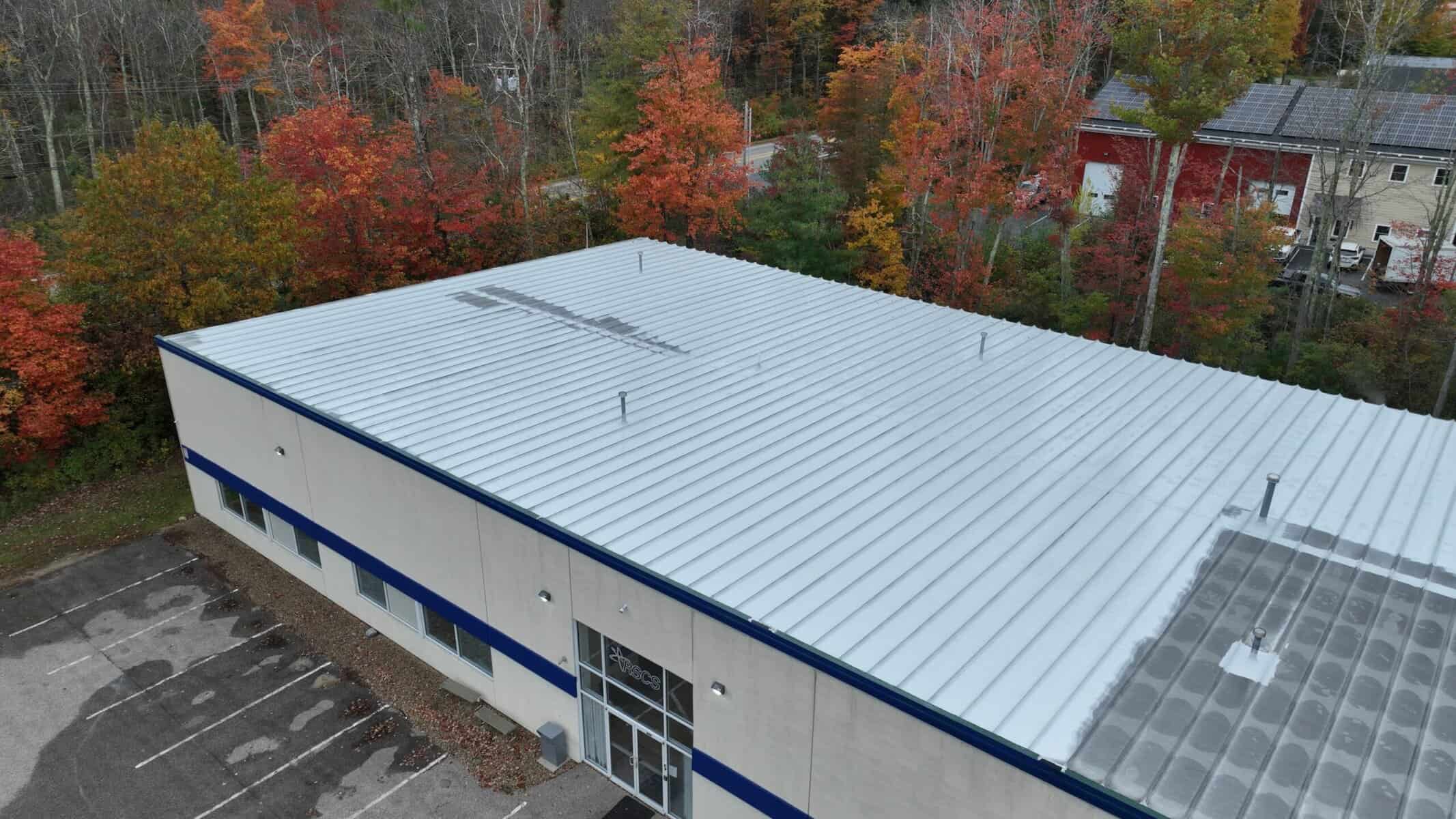
Metal roof on a New Hampshire home by J. Carnes & Son Roofing

Metal roofs are a popular choice for many homes across New Hampshire. They last a long time, hold up well in bad weather, and give houses a sharp, modern look. Homeowners often choose them because they don’t require much upkeep compared to other materials. That said, one thing metal roofs do that can catch people off guard is expand and contract when the temperature changes. This natural movement becomes more noticeable when the summer heat is in full swing.

As July rolls on, temperatures across New Hampshire can climb to uncomfortable levels. Metal naturally reacts to that heat by expanding. And while it might not seem like a big deal at first, over time, it can lead to real roofing problems if it’s not managed properly. That’s why understanding how metal expansion works, what the signs look like, and what to do about it can help you keep your roof in working shape all season long.

Why Metal Roofs Expand In Heat

Metal expands when it gets hot and contracts when it cools down. That’s called thermal expansion, and it’s something most materials do, just at different rates. Since metal is a great heat conductor, it reacts quickly to outdoor temperatures. When a metal roof soaks up direct sunlight for several hours a day, the panels grow just a bit in size. At night, when the air cools down, they shrink back. That cycle repeats every day throughout the summer.

With summer heat bearing down during July, metal panels stretch more than they would in other seasons. The panels aren’t moving inches at a time but enough to create stress where they’re connected to the structure of your home. Fasteners, seams, and joints all feel that pressure. If those parts of the roof weren’t installed with expansion in mind, problems can show up fast. For example, we’ve seen homes where gaps opened up between metal panels after long sunny weeks, or where fasteners started popping out as the metal pulled away.

Some types of metal can handle the heat shifts better than others, but they all react in one way or another. Once movement starts causing visible damage, it means the material has been reacting this way for a while. And since summer gets hotter each year, especially in places like New Hampshire where humidity adds to the strain, it’s something homeowners should think about ahead of time.

Common Signs Of Metal Roof Expansion

If your roof is having a hard time with the heat, chances are you’ll spot a few clues. Keeping an eye out for early signs can help you avoid bigger repairs down the road. Some of the most common signs of roof expansion include:

– Buckling or ripples in the panels: When metal doesn’t have enough space to move, it can start to press against itself, creating waves

– Warped or lifted edges: Look at the edges of your roof. If they’re not lying flat or appear raised, expansion may be the cause

– Gaps at seams or joints: Small separations between metal panels or flashing can leave your roof exposed

– Loose fasteners or popped screws: When panels shift too much, screws can back out, leaving holes behind

– Unusual sounds: Creaks and pops during the hottest part of the day often come from expanding metal fighting with its fasteners

Any one of these signs might not spell disaster, but they’re all worth checking out. If multiple issues show up at once, it’s a good idea to have someone take a closer look before things get worse. Small gaps can invite moisture, which brings its own list of roofing headaches like mold, insulation damage, and leaks. The sooner the cause is addressed, the less likely the damage will spread.

Preventative Measures And Solutions

The good news is that metal roof expansion isn’t something you just need to live with. There are proven ways to reduce the impact of summer heat on your roof. When it’s installed correctly with the right parts and techniques, a metal roof can continue to handle seasonal swings without much trouble.

Here are a few key ways roofing experts approach this issue:

– Proper spacing between panels: Leaving just enough room between panels gives them space to move during hot days without forcing one into another or pulling up fasteners

– Floating clips or slide systems: This hardware allows panels to shift slightly with temperature changes instead of being locked in place, which can lead to strain or tearing

– Use of thermal expansion joints: These are specifically designed to absorb movement from thermal changes. They act like a buffer zone for the roof to expand and contract without affecting its shape or structure

– Thicker gauge metal: In some cases, using a slightly thicker metal panel can add stiffness and help reduce how much the material warps or buckles

– High-temp underlayment: This layer goes under the panels and offers protection from moisture and heat. It also helps reduce wear caused by expansion

Beyond the original install, it’s smart to have regular checkups on your roof. A roofing pro can catch early signs of expansion trouble before anything leaks or comes loose. Small maintenance tasks, like tightening fasteners, sealing flashing, or replacing worn sealant, can go a long way. It’s easier and cheaper to adjust things early than to fix significant complications down the line.

Benefits Of Getting Expert Help

Dealing with metal roof expansion sounds simple on paper, but a quick fix rarely solves the problem. Because this issue deals with shifting materials, fasteners, sealants, and structure all at once, it takes knowledge and hands-on experience to address it the right way.

A trained roofing team knows how to inspect each part and identify what needs to be done. That includes checking the type of metal used, evaluating the amount of movement, and figuring out whether it’s a design issue or a maintenance one. In New Hampshire, where temperatures shift drastically between summer and winter, their insight matters.

Another advantage to working with the pros is that they’re familiar with area-specific concerns. Roofing materials have to stand up to humid summers and freezing winters. A contractor who works all year on homes across New Hampshire will know how to build something that handles both parts of the calendar. Whether it’s adjusting the pitch of the roof, selecting the right kind of fasteners, or installing venting that helps with airflow, those local details make a difference.

Trying to solve metal expansion yourself can lead to missed problems or even more damage. Hiring someone who’s trained means having peace of mind that the situation’s handled the first time. It’s a way to protect your time, your home, and your budget long term.

Keeping Your Metal Roof Resilient During Summer

By understanding how heat affects metal roofing, homeowners can take real steps to stay ahead of expansion problems. The mix of high temperatures and humidity during New Hampshire summers creates just the right recipe for metal panels to shift. That motion doesn’t always lead to trouble right away, but over time it can loosen parts, introduce gaps, and affect how your roof handles rain, wind, or insulation.

The best thing you can do is stay aware. If you spot buckling, gaps, or other signs we covered earlier, don’t wait. It’s always easier to handle these types of issues early than after a storm rolls through. With the right materials, thoughtful installation choices, and a little help from roofing pros who understand the weather patterns here, your metal roof can perform well for years, even through the hottest days of the year.

To make sure your metal roof handles the summer heat without trouble, consider professional solutions for residential roofing in New Hampshire. The team at J. Carnes & Son Roofing is here to help you protect your home with expert care, durable materials, and repairs that last through every season.

Why Your Rubber Roof Is Bubbling and What to Do About It

Rubber Roof Bubbles and Seam

Rubber roofing, especially EPDM, has grown in popularity for homes and low-slope structures. It handles New Hampshire’s changing seasons well, holds up against UV exposure, and offers solid durability. Rubber roofs are also lightweight and require less maintenance than many other materials. But despite how dependable they usually are, they can still run into problems when something goes wrong beneath the surface.

One of the more common issues homeowners report is bubbling. It might start as a small soft bump but can quickly grow beyond that if ignored. Some people notice bubbles forming during summer, especially after a series of hot days. Left unaddressed, these raised spots can allow water to pool or seep underneath, which gradually breaks down the roof’s surface and eventually leads to leaks or more serious damage. Understanding why rubber roofing bubbles in the first place is an important step toward catching it early and stopping it from spreading.

Common Causes Of Roof Bubbling

Bubbling might look harmless at first, but it typically signals a deeper issue with the roof’s underlying layers or how it was installed. Most bubbles form when air or moisture becomes trapped beneath the membrane, which then expands when heated. This problem often points to flaws in the way the roof was built or maintained.

Here are a few of the most common reasons rubber roofing starts to bubble:

– Poor installation: If the adhesive wasn’t applied evenly or the membrane wasn’t properly pressed down, bubbles may form over time. A rushed job or skipped steps during the install can come back to haunt you when summer heat kicks in.

– Trapped moisture: Any moisture left behind under the membrane during installation can eventually turn into vapor as temperatures warm up. This vapor can’t escape and instead pushes upward, creating soft bubbles on the roof’s surface.

– Inadequate ventilation: Homes and buildings need good airflow through the attic or crawl space to reduce heat buildup. Without it, pressure can rise under the roof and cause the material to lift or bubble over time.

An example we’ve run into in New Hampshire often occurs after an early spring warm-up. Snow might melt and leak into small openings or exposed areas along the structure. If this moisture gets underneath a poorly sealed rubber membrane, it may stay hidden until a hot July day causes it to heat up and form a visible bubble. Seasonal timing really does matter, especially when you’re dealing with roofs that have to handle snow, rain, heat, and long periods of direct sun.

If you’re seeing bubbles or lifted areas, it’s a sign something’s wrong with how the roof is sealed or vented.

How To Identify Bubbling In Your Rubber Roof

Some roof issues require climbing up and taking a close look, but bubbling is usually something you can spot from the ground or a second-story window, especially on wide, flat surfaces. Still, a clearer inspection will help you know how bad the problem is and whether it’s spreading to other parts of the roof.

Here’s what to look for:

– Round, raised portions of your roof that feel soft or spongey when lightly pressed

– Discoloration around bubbled spots indicating trapped moisture

– Areas that look or feel uneven compared to surrounding roofing

– Pools of standing water that tend to gather near these bubbles

If you’re unsure whether what you’re looking at is bubbling or something else, a roofing pro can use testing tools or a moisture scanner to confirm it. It also helps to check the same areas a few times a year. Bubbles can change shape or grow much faster than expected depending on temperature swings. Regular inspections, especially right before and after the heavy rain season, help catch these errors early and prevent more costly problems later.

Steps To Address And Prevent Roof Bubbling

If you spot bubbling on your rubber roof, it’s best to get it checked out soon. While it may not seem urgent at first, roof damage tends to get worse over time. If moisture finds a path into your home or slowly breaks down the adhesive, you’ll have a larger, more expensive repair on your hands.

Here’s how to deal with roof bubbling the right way:

1. Don’t ignore it

Light bubbling might look minor, but it can spread or hide other roof problems underneath. Even a smaller bubble can indicate trapped air or water, which means the membrane isn’t fully sealed anymore.

2. Get a professional inspection

Roofing professionals will know how to safely walk on a membrane roof and check for weak spots, damage, or signs of water intrusion. They can also confirm if your bubbling issue is surface-level or if repairs to the insulation layer are needed too.

3. Repair or re-seal the affected zones

Once the area is assessed, the repair could involve cutting out the bubble, removing any moisture, and patching it up with fresh rubber material and adhesive. If the bubbling is widespread, a larger portion of the roof may need to be re-sealed.

4. Keep up with regular maintenance

Annual checks, especially before and after heavy snow or rainy seasons, can catch problem areas early. Removing debris, inspecting flashing, and checking roof edges makes sure water can’t sneak underneath the membrane.

5. Make sure the roof has proper ventilation

Adequate airflow helps prevent heat buildup and reduces the chances of vapor forming beneath the surface. Rooms directly under flat or low-slope rubber roofs benefit from having good attic or ceiling-level venting, especially during hot New Hampshire summers.

Whatever the repair approach, bubbling on rubber roofing is a sign to act. Leaving it for later isn’t worth the risk.

Why Professional Roofing Services In NH Make A Difference

Rubber roofs have their specific quirks. They don’t behave the same way asphalt shingles or metal roofing systems do, especially when it comes to how they expand, contract, and breathe with temperature shifts. That’s why working with roofing professionals who truly understand these systems makes all the difference.

In New Hampshire, the weather can flip between heavy snowfall in winter and high humidity by mid-summer. That kind of range puts stress on low-slope roofing, which is where rubber roofing is most commonly installed. When professionals handle the project from the start, they factor in the insulation needs, drainage layout, and even sun exposure. These details keep the roof functioning at its best for years.

Roofing teams also bring the tools and materials needed to repair or replace affected sections correctly. They follow safety protocols, check the structure carefully, and know how to install layers properly so that bubbling doesn’t reappear. Local pros also understand building codes and how moisture moves in regional homes, which might look different from practices in other states.

Choosing a roofing service based in New Hampshire gives you peace of mind, knowing the team is used to working in the same seasonal cycles you’re dealing with. They’ll be able to spot red flags you might overlook and help protect homes from some of the unique conditions rubber roofing in this area can face.

How to Keep Your Roof Performing Year After Year

Rubber roofs are a great option for homes in New Hampshire thanks to their flexibility and long lifespan, but they’re not something you can just forget about entirely. Spotting bubbling before it turns into something bigger can protect your home from leaks, mold, or even full roof replacements down the line. Watching for changes in how your roof looks and feels is one of the easiest ways to keep things in check.

Taking care of a rubber roof doesn’t require constant attention, but it does need the right kind of attention. Whether that’s scheduling regular inspections or working with someone who knows what to look for, staying on top of issues like bubbling can stretch the number of years your roof performs at its full potential. For homeowners in New Hampshire, where heat and cold both test the durability of materials, it’s all about keeping your roof ready for what’s coming next.

Rubber roofing needs smart care to handle the shifts in New Hampshire weather all year long. If you’ve seen bubbling or areas that look uneven, it’s a good time to have it looked at by someone who knows what they’re doing. Getting help from professional roofing services in NH can make all the difference when it comes to lasting performance and peace of mind. Let J. Carnes & Son Roofing help you keep your roof strong and ready for whatever the seasons bring.