
Preventive Roof Maintenance: Protect Your Home and Prolong Roof Lifespan

roof maintenance

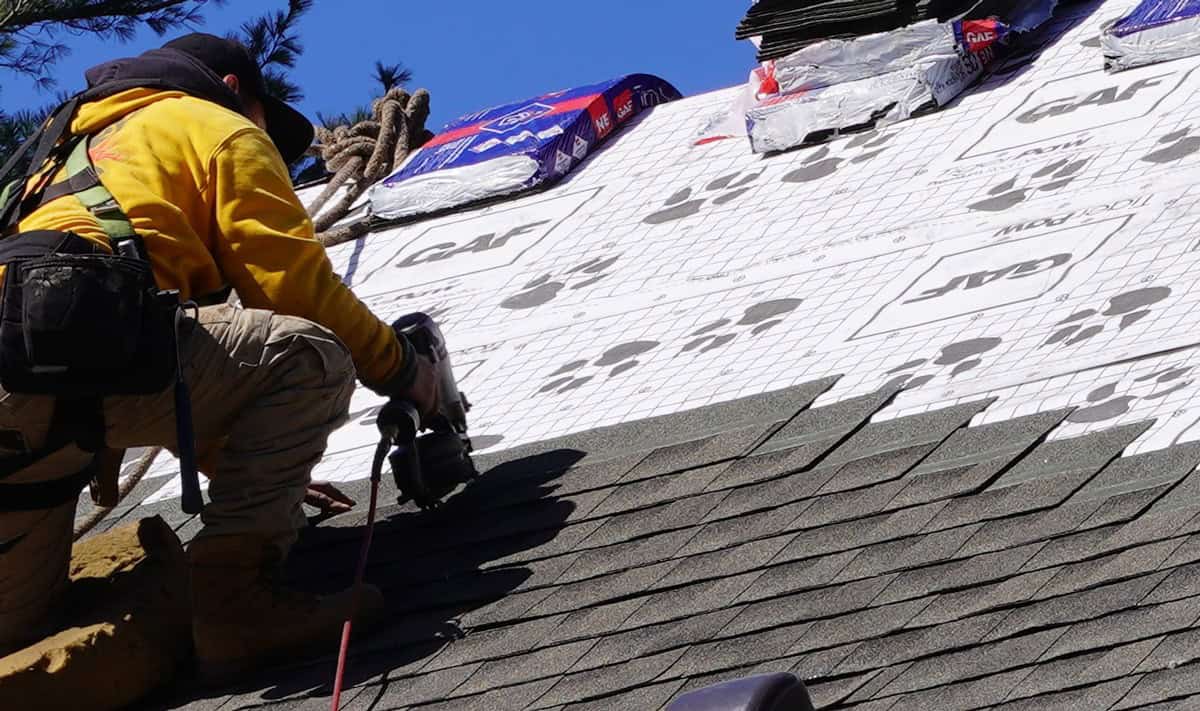
Regular preventive roof maintenance is vital not only for extending your roof’s lifespan but also for safeguarding your home from potential costly damages related to water infiltration and structural deterioration.

As the leading and most trusted residential roofing contractor in New Hampshire and Southern Maine, J. Carnes & Son Roofing is dedicated to helping homeowners ensure their roofs remain in optimal condition through professional inspections, maintenance, and repairs.

In this blog post, we will discuss the importance of preventive roof maintenance, share essential tips for maintaining your residential roof, and outline how partnering with a reliable and experienced contractor like J. Carnes & Son Roofing can be highly beneficial for preserving your roof’s longevity and overall performance.

Preventive roof maintenance is an investment that pays dividends in terms of protecting your home’s structural integrity, prolonging your roof’s lifespan, and avoiding unnecessary costly repairs or premature roof replacements.

In the coming sections, we will explore crucial aspects of roof maintenance, such as annual inspections, cleaning and debris removal, and addressing minor repairs proactively. Additionally, we will discuss the benefits of engaging a reputable roofing contractor like J. Carnes & Son Roofing for expert guidance in maintaining your roof and ensuring the long-term safety and protection of your home.

The Importance of Preventive Roof Maintenance

Regular preventive maintenance is critical in ensuring the longevity and performance of your roof, ultimately protecting your home from potential costly damages. Key benefits of preventive roof maintenance include:

  • Prolonged Roof Lifespan: Regular maintenance can significantly extend your roof’s life, delaying the need for a costly replacement and maximizing the value of your investment.
  • Early Detection and Prevention of Problems: Professional inspections and maintenance can help identify minor issues before they escalate into major problems, saving you time and money on extensive repairs.
  • Enhanced Energy Efficiency: A well-maintained roof can contribute to improved insulation, reducing energy consumption and lowering utility bills.
  • Protection of Property Value: A properly maintained roof safeguards your home’s structural integrity and maintains its curb appeal, thereby preserving property value.

Essential Tips for Preventive Roof Maintenance

To keep your roof in top-notch condition, consider these essential maintenance tips:

1. Schedule Annual Inspections

Schedule professional roof inspections annually, ideally in the spring when any potential winter-related damage can be detected. A qualified roofing contractor like J. Carnes & Son Roofing can help identify and address minor issues before they become significant problems.

2. Clean Gutters and Downspouts

Ensure gutters and downspouts are clear of leaves, debris, and any potential blockages, allowing for proper water flow and preventing water damage to your home’s foundation, siding, and roof.

3. Remove Debris from the Roof

Regularly inspect your roof for debris, such as leaves, branches, or trash, and remove it promptly. Accumulated debris can retain moisture and lead to water damage, mold, and algae growth.

4. Check for Damaged, Missing or Loose Shingles

Regularly inspect your roof for damaged, missing, or loose shingles that can compromise your roof’s integrity and lead to leaks if not addressed promptly.

5. Inspect Flashing and Sealants

Examine flashing and sealants around chimneys, vents, skylights, or other roof penetrations for signs of wear, cracks, or leaks. Repair or replace damaged materials as necessary.

6. Trim Overhanging Tree Branches

Trim any overhanging tree branches that could potentially damage your roof during severe weather or due to natural growth, preventing debris accumulation and reducing the risk of impact damage.

7. Monitor Interior Spaces

Keep an eye on interior spaces, such as attics and ceilings, for signs of water damage, rot, or mold. Prompt actions can help prevent further deterioration and costly repairs.

Partnering with a Professional Roofing Contractor for Your Maintenance Needs

Collaborating with a trusted and experienced roofing contractor like J. Carnes & Son Roofing for your roof maintenance needs is exceptionally beneficial in ensuring the long-term safety and protection of your home. Here’s why:

  • Expertise and Experience: Professional roofing contractors have the knowledge and experience needed to accurately assess your roof’s condition, identify any potential issues, and recommend the most appropriate maintenance solutions.
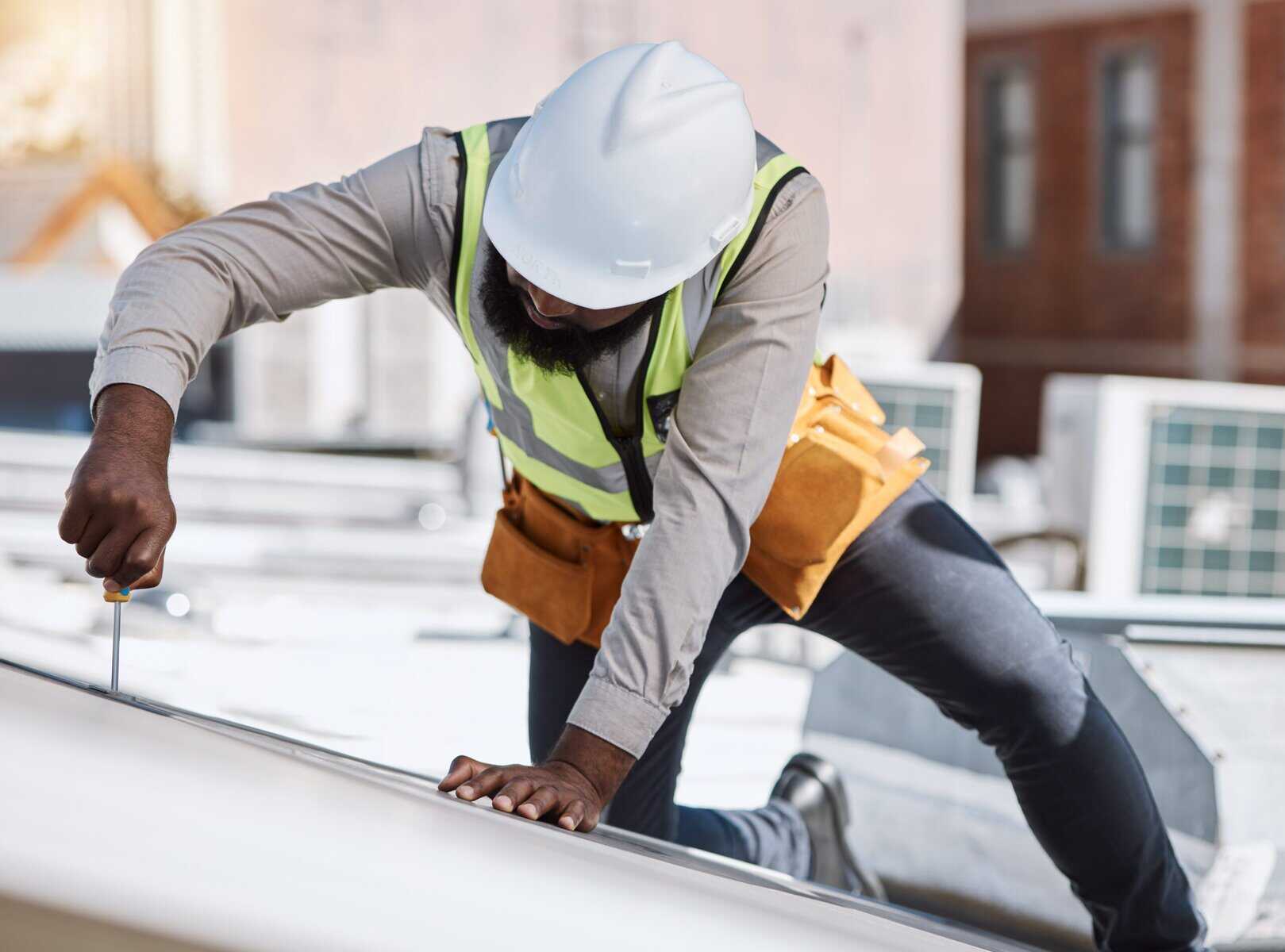
  • Safety: Roof maintenance tasks can be dangerous for inexperienced individuals. Roofing professionals have the necessary tools, safety equipment, and training to perform maintenance tasks effectively and safely.
  • Warranty Compliance: Many roofing warranties require regular inspections and maintenance by a licensed contractor to remain valid. Partnering with a professional ensures that your roof’s warranty remains intact.
  • Cost-Effectiveness: Proactive and preventive maintenance performed by a professional helps extend your roof’s lifespan and protect your investment, saving you money in the long run on avoidable repairs or premature roof replacements.

Conclusion

Regular preventive roof maintenance is essential for prolonging your roof’s lifespan, preserving your home’s structural integrity and value, and avoiding costly repairs or replacements. By partnering with a reliable and experienced contractor like J. Carnes & Son Roofing, you gain access to expert guidance, professional inspections, and high-quality maintenance services, ensuring your roof remains in optimal condition for years to come.

Don’t wait until it’s too late to protect your home’s roof! Contact J. Carnes & Son Roofing, your trusted roofing contractor in NH, today to learn more about our comprehensive roofing maintenance services. Our skilled team can help extend your roof’s lifespan through exceptional preventive care. Trust us to provide you with the best roofing services possible. Contact J. Carnes & Son Roofing today to schedule your roofing maintenance services!
Common Roof Shingle Color Errors That You Should Avoid

IMG 0120 4

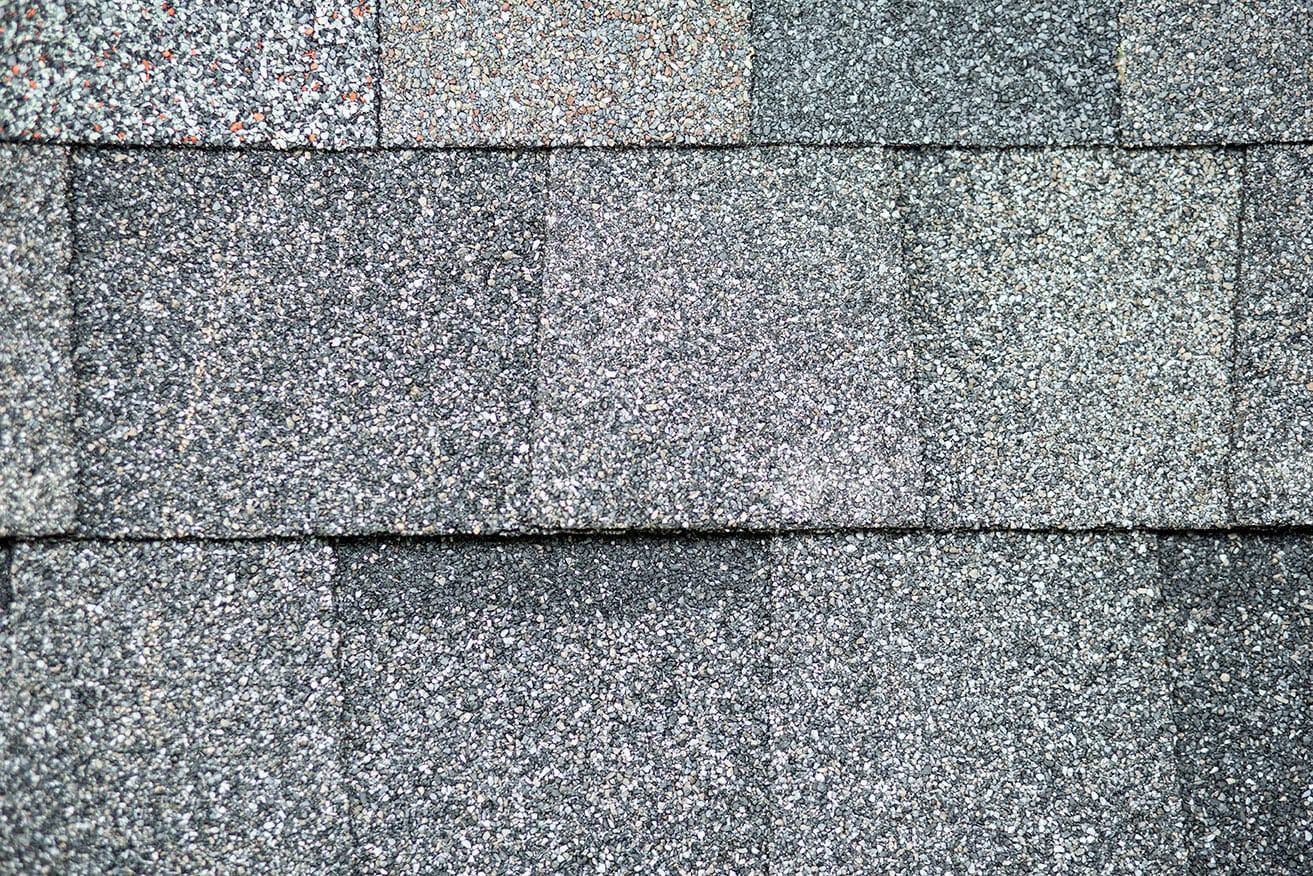
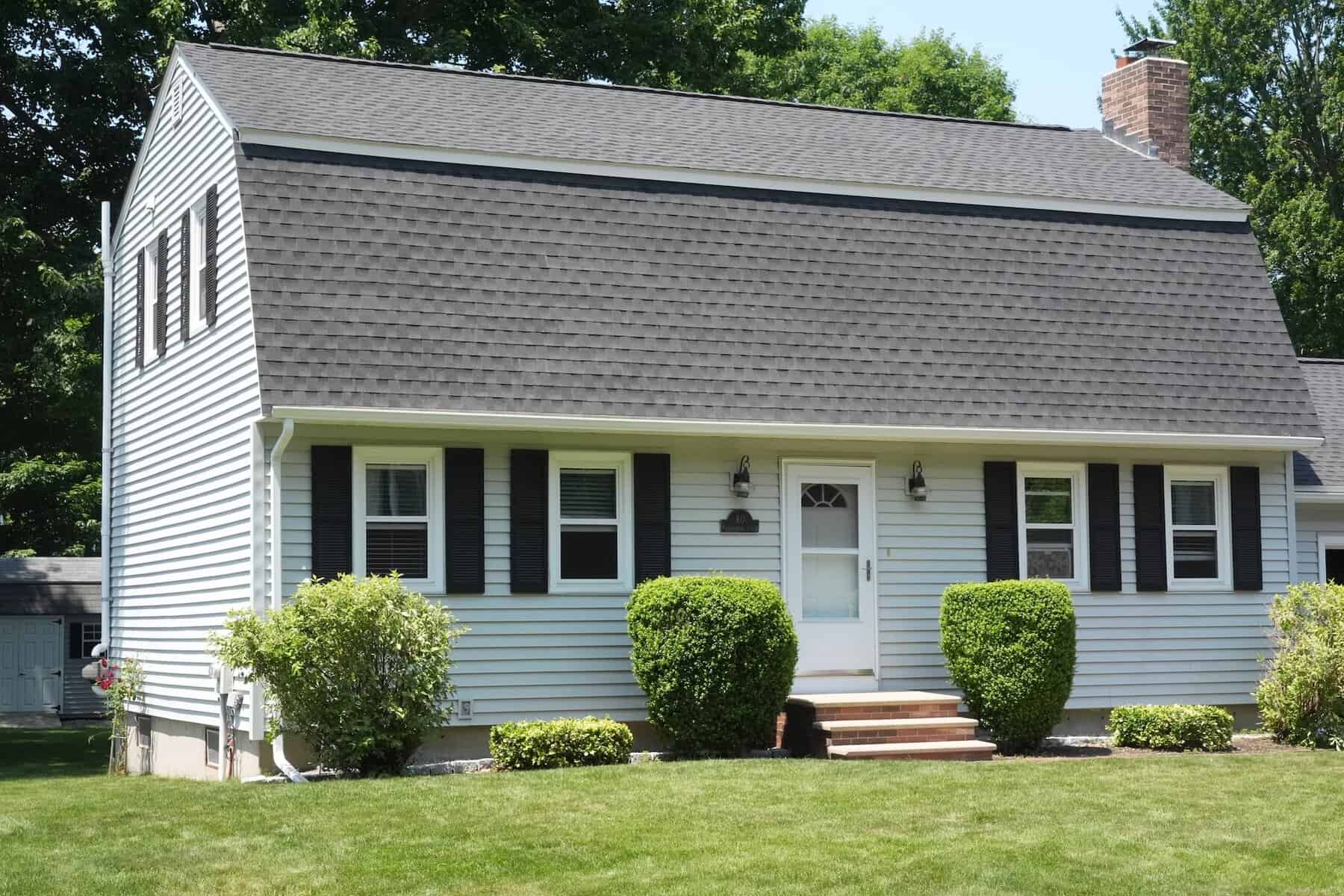
Choosing the right color of roof shingles can be a daunting task. A roof is a significant investment, and you want to make sure that it compliments your home’s design and style. However, many homeowners make the mistake of selecting the wrong color, which can result in a less-than-ideal look. Here are some common roof shingle color errors that you should avoid.

1. Choosing Colors That Don’t Compliment Your Home’s Exterior

One of the most common mistakes homeowners make when selecting the color of their roof shingles is not considering the color of their home’s exterior. While you may love the look of a particular color, it may not match the color of your home’s siding or brick. It is crucial to choose a color that complements your home’s exterior rather than clashes with it.

2. Not Considering the Climate

Another mistake that homeowners make is not considering the climate in their area. In areas with hot climates, lighter-colored shingles can help to reflect the sun’s rays, keeping your home cooler. In contrast, darker shingles can absorb heat, making your home hotter. In colder climates, darker shingles can help to absorb the sun’s rays, keeping your home warmer. It is essential to choose a color that will help regulate the temperature of your home and save on energy costs.

3. Choosing a Color That Fades Quickly

Roof shingles are exposed to the sun’s UV rays, which can cause them to fade over time. Choosing a color that fades quickly can result in a roof that looks dull and worn out. It is essential to choose a color that will maintain its vibrancy over time. Some manufacturers offer shingles with built-in UV protection, which can help to prolong the life of your roof’s color.

4. Ignoring the Neighborhood Aesthetics

When selecting the color of your roof shingles, it is also important to consider the aesthetics of your neighborhood. If your home is in an area with strict HOA guidelines, you may be limited in your color options. However, even if there are no specific guidelines, it is still important to choose a color that fits in with the overall aesthetic of the neighborhood. Choosing a color that is too bold or out of place can make your home stand out for the wrong reasons.

5. Not Considering Your Home’s Architectural Style

Your home’s architectural style should also be considered when selecting the color of your roof shingles. A modern home may look great with a bold, contrasting color, while a traditional home may look better with a more subdued color. It is essential to choose a color that complements your home’s architectural style.

6. Choosing a Color Based on Trends

Finally, many homeowners make the mistake of choosing a color based on current trends. While it may be tempting to choose a color that is currently popular, it may not be a timeless choice. Trends come and go, and you want your roof to look great for years to come. It is essential to choose a color that you love, and that will stand the test of time.

Conclusion

Selecting the color of your roof shingles is an important decision that should not be taken lightly. By avoiding these common color errors, you can ensure that your roof looks great and enhances the overall look of your home. Consider the color of your home’s exterior, the climate in your area, the neighborhood aesthetics, and your home’s architectural style, and choose a color that you love. With these tips in mind, you can make the right choice and enjoy a beautiful roof for years to come.

If you are looking for a reliable company that deals with roof shingles in New Hampshire, look no further than our services here at J. Carnes & Son Roofing. We are the leading and most trusted residential roofing contractor in New Hampshire and Southern Maine, and we are here to help you maintain and repair your problematic roof. Call us today and let us tend to your shingles in no time!

The Lifespan of a Roof: How Often Should You Replace Yours

Shingle roofing in New Hampshire by J. Carnes & Son Roofing

The roof is an essential component of a house. It protects the house from external elements such as rain, snow, hail, and the sun. A well-maintained roof will last for years, but eventually, it will need to be replaced. However, the question is, how often should a roof be replaced? This article will explore the factors that determine a roof’s lifespan, signs that indicate it’s time to replace the roof and the benefits of replacing a roof.

Signs that Indicate it’s Time to Replace the Roof

1. Age of the Roof

The age of your roof is one of the most crucial factors to consider when deciding if it’s time to replace it. Most roofs have a lifespan of 20-25 years, and after that, they start to deteriorate, making them less effective in protecting your home. If your roof is approaching or has exceeded its expected lifespan, it’s time to start planning for a replacement.

2. Missing or Damaged Shingles

Shingles are an essential part of any roof. They protect the surface from external elements and provide insulation. However, shingles can become damaged or start to fall off over time. If you notice missing or damaged shingles, it’s a sign that your roof is starting to deteriorate. Replacing shingles may be a temporary solution, but it’s not a long-term fix. It’s best to replace the entire roof to protect your home.

3. Leaks in the Attic

Leaks in your attic are a clear sign that your roof is starting to fail. If you notice water stains or moisture in your attic, it’s a sign that water is penetrating your roof. This can lead to mold growth, rotting wood, and other significant problems. If the damage is extensive, you may need to replace the entire roof.

4. Sagging Roof

A sagging roof clearly indicates something is wrong with your roof’s structure. This can be caused by rotting wood, water damage, or a weak foundation. A sagging roof is a safety hazard and should be addressed immediately. If you notice your roof is sagging, it’s time to replace it.

5. High Energy Bills

If your energy bills are higher than usual, it could be a sign that your roof is no longer providing adequate insulation. As your roof ages, it becomes less effective in keeping your home warm in the winter and cool in the summer. If you notice a sudden increase in your energy bills, it’s time to inspect your roof to determine if it needs replacing.

Understanding When to Replace Your Roof

A roof is an essential component of a house, and knowing when to replace it is essential. Factors that determine a roof’s lifespan include the material used, the quality of installation, and the climate. Signs that indicate it’s time to replace a roof include curling or missing shingles, leaks, and water stains. Benefits of replacing a roof include increased energy efficiency, improved safety, and increased home value. The cost of replacing a roof varies, and maintenance can help extend a roof’s lifespan.

J. Carnes & Son Roofing is a reliable and reputable residential roofing contractor serving New Hampshire and Southern Maine. If you need a roof replacement, contact our team of experts today for top-quality service. We guarantee a durable and long-lasting new roof that will provide optimal protection for your home. Get a quote today!

The Roof Replacement Timeline: How Long It Actually Takes

How long does a new roof take

If you’re a homeowner, you know the importance of maintaining your property. One of the most crucial aspects of your home is the roof, which protects you and your family from the elements. However, roofs do not last forever and will eventually need to be replaced. If you’re wondering how long it takes to replace a roof, the answer is it depends on several factors. 

In this informative article, we’ll explore the timeline for a roof replacement, the factors that affect the timeline, and what you can expect during the process. Keep reading below. 

Step 1: Inspection and Assessment

Before any work can begin, a thorough inspection and assessment of your roof must be completed. This includes identifying any damage, leaks, or other issues. The evaluation will also determine if a full replacement is necessary or if repairs can be made.

The inspection and assessment process can take anywhere from a couple of hours to a full day, depending on the size and complexity of your roof. This step is crucial to ensure that the replacement process goes smoothly and that all issues are identified upfront.

Step 2: Material Selection and Ordering

Once it has been established that a full roof replacement is necessary, the next step is to select the materials to be used. This includes choosing the type of shingles, underlayment, and other components.

The selection process can take a few days as you consider the various options and pricing. Once the materials are selected, they will need to be ordered and delivered to your property. The delivery timeline can vary depending on the supplier and location.

Step 3: Removal of Old Roofing

The next step in the roof replacement process is the removal of the old roofing materials. This is a labor-intensive process that can take anywhere from a few hours to a few days, depending on the size of your roof and the complexity of the removal process.

During this step, the roofing crew will remove all of the old shingles, underlayment, and other materials. They will also inspect the roof deck to ensure that it is in good condition and make any necessary repairs.

Step 4: Installation of New Roofing

Once the old roofing materials have been removed, the installation of the new roofing can begin. This includes installing the underlayment, shingles, flashing, and any other necessary components.

The installation process can take anywhere from a few days to a week or more, depending on the size of your roof and the complexity of the installation. The roofing crew will work carefully to ensure that all components are installed correctly and that the roof is watertight.

Step 5: Clean Up and Final Inspection

Once the new roofing has been installed, the final step is to clean up the work site and conduct a final inspection. This includes removing all debris, inspecting the roof to ensure that all components are installed correctly, and addressing any issues that may have arisen during the installation process.

This step usually takes a day or two, depending on the size of the work area and the complexity of the installation. Once the final inspection is complete, you can rest assured that your new roof is ready to protect your home and family for years to come.

Factors That Affect the Timeline

Several factors can affect the timeline for a roof replacement. These include:

– Size and complexity of the roof

– Weather conditions

– Availability of materials and labor

– Permitting and inspection requirements

– Accessibility of the work area

It’s essential to work with a professional roofing contractor who can provide you with an accurate timeline based on these factors.

Conclusion

The timeline for a roof replacement can vary depending on several factors. However, on average, the entire process can take anywhere from a few days to a couple of weeks. The most important thing is to work with a reputable roofing contractor who can guide you through the process and ensure that your new roof is installed correctly and efficiently. Remember, a new roof is a significant investment in your home’s future, so take the time to do it right.

If you need a roof replacement, rely on J. Carnes & Son Roofing. Our mission is to serve the community with qualified, uncompromising workmanship and unparalleled service. We work with dedication and integrity and strive to be a leader in our trade. Building on a foundation of respect and trust, it is our goal to offer all property owners premium roof systems using the finest products paired with proven installation techniques. Get a quote now!

Upgrade Your Home’s Look and Safety: Roof Replacements

PG Upgrade Your Home’s Look and Safety

Your home’s roof protects you and your loved ones from harsh weather conditions. However, even the sturdiest roofs will require replacement at some point. 

When contemplating a new roof, it’s important to take into account various aspects to guarantee a worthwhile and enduring investment. 

In this article, we’ll explore the key factors to consider when upgrading your roof, including the choice of materials, warranties, and financing alternatives for roof replacement.

1. Roofing Material Selection

Selecting the appropriate material for your new roof is crucial for its effectiveness, longevity, and aesthetics. Numerous roofing materials exist, including asphalt shingles, metal, wood, and tile. Each material has pros and cons, and the ideal choice for your house will be influenced by factors like your financial plan, local weather conditions, and personal tastes.

In the US, most roofs feature asphalt shingles due to their cost-effectiveness and simple installation process. These shingles are available in a wide range of designs and shades, making it easy to find one that matches the appearance of your home. 

Even with asphalt shingles, more suitable options for homes in regions with strong winds or extreme weather conditions may be available.

The popularity of metal roofing is on the rise because of its long-lasting nature, energy-saving properties, and minimal upkeep needs. Although they can last around 50 years, metal roofs might be costlier than other alternatives.

Roofing materials made of wood and tile provide a distinct and appealing look; however, their installation can be more difficult, and they might need extra structural reinforcement. Additionally, these materials usually cost more than asphalt shingles.

2. Roof Ventilation and Insulation

Proper ventilation and insulation are critical for maintaining a comfortable and energy-efficient home. When replacing your roof, it’s essential to ensure that your attic has adequate ventilation to prevent heat buildup and moisture problems. Insufficient ventilation can lead to increased energy costs, mold growth, and damage to your home’s structure.

Similarly, proper insulation is crucial for maintaining comfortable indoor temperatures and reducing energy costs. When installing a new roof, it’s a good opportunity to assess your home’s insulation and make any necessary upgrades.

3. Roofing Warranties

When you decide to invest in a new roof, knowing the different warranties available for materials and labor is crucial. Manufacturers usually provide material warranties, lasting anywhere from 20 to 50 years, depending on the material used. 

On the other hand, roofing contractors offer workmanship warranties that generally cover the installation process for a specified duration.

Before choosing a roofing contractor, it is crucial to discuss the warranties they provide and carefully go through the details to comprehend what is included and any possible exclusions. A reliable roofing contractor will take pride in their work and offer an extensive warranty to guarantee your satisfaction and peace of mind.

4. Financing Roof Replacement

The cost of replacing a roof can be quite substantial, so it is crucial to have a strategy to manage the expenses. A popular choice among homeowners is to finance their roof replacement, enabling them to distribute the cost over a period. Various financing alternatives are accessible, such as home equity loans, personal loans, and credit cards.

Prior to settling on a financing choice, it’s crucial to investigate and evaluate interest rates, conditions, and charges to guarantee you’re making the most suitable decision for your financial circumstances. Additionally, some roofing professionals provide financing alternatives, so remember to inquire about any accessible programs while choosing a contractor.

5. Timing and Weather Considerations

Finally, when planning a roof replacement, it’s crucial to consider the timing and weather conditions. Replacing a roof is a significant undertaking, and ensuring that the project is completed as efficiently and effectively as possible is essential. 

Roofing contractors generally recommend scheduling a roof replacement during the spring or fall, as these seasons typically offer more mild and stable weather conditions.

Conclusion

Replacing a roof is a significant home improvement project that requires careful consideration and planning. 

By assessing your roof’s condition, choosing the right materials, finding a qualified contractor, and exploring financing options, you can ensure a successful and long-lasting roof replacement. 

Remember, a well-maintained roof protects your home and family and can enhance your home’s value and curb appeal.

If you’re looking for the best and most reliable contractors for roofing, we’re here to help. J. Carnes & Son Roofing is the leading and most trusted residential roofing contractor in New Hampshire and Southern Maine. Our goal is to meet your roofing needs and provide various financing options. Contact us and get a quote today!