Essential Roof Maintenance Tips for Protecting Your Home and Prolonging Roof Lifespan

Roof Maintenance

A well-maintained roof is essential for preserving the structural integrity of your home and ensuring the comfort and safety of your family. Regular roof maintenance can extend the lifespan of your roof, prevent costly damage, and improve your home’s overall appearance. In regions with distinct weather patterns and seasons, such as New Hampshire and Southern Maine, the need for proper roof maintenance becomes even more critical. In this informative guide, we will discuss essential roof maintenance tasks that every homeowner should be aware of and how a trusted residential roofing contractor like J. Carnes & Son Roofing can help protect your home.

Proper roof maintenance involves a combination of regular inspections, timely repairs, and preventative measures to ensure the long-term performance and durability of your roofing system. Regular inspections enable you to identify potential issues before they escalate into more severe problems, while timely repairs and maintenance can mitigate the risk of damage to both your roof and the rest of your home. Additionally, preventive measures such as gutter cleaning and proper attic ventilation can help maintain optimal conditions for your roof.

Some of the key maintenance tasks that homeowners should be mindful of include: inspecting for damaged or missing shingles, checking for leaks and water damage, assessing the condition of flashing, cleaning gutters and downspouts, and evaluating attic ventilation. Although many roof maintenance tasks can be carried out by homeowners themselves, others require professional intervention and expertise.

At J. Carnes & Son Roofing, we understand the importance of a well-maintained roofing system and offer a range of services designed to keep your roof in prime condition. From thorough inspections to expert repairs and consultations on effective ventilation, our experienced team can help you protect your home and extend the life of your roof.

In the following sections, we will delve into each of the previously mentioned maintenance tasks, providing valuable tips and insights on how best to approach them. Armed with this knowledge, homeowners can take a proactive approach to roof maintenance, ensuring the long-term protection of their home and investment.

Inspecting for Damaged or Missing Shingles

One of the most crucial aspects of roof maintenance is to regularly inspect for damaged or missing shingles. Damaged shingles can allow water to seep into your home’s structure, leading to costly damage and potential mold growth. When inspecting your roof, look for cracked, curled, or missing shingles, which are common signs of wear and tear.

Tips for inspecting shingles:

1. Perform inspections at least twice a year, preferably in spring and fall.

2. Use binoculars to inspect the roof from the ground or safely climb onto your roof using a sturdy ladder.

3. Examine your roof after severe weather events like heavy rain, hail, or strong winds.

Checking for Leaks and Water Damage

Undetected leaks can lead to severe water damage, mold growth, and structural issues within your home. Regularly checking for signs of leaks can prevent extensive damage and save you money on costly repairs.

Tips for detecting leaks:

1. Inspect your attic for signs of moisture, mold, or water stains on the underside of the roof sheathing.

2. Look for water stains or discoloration on your ceilings and walls, which can indicate a leak.

3. Pay special attention to areas around vents, chimneys, and skylights, where leaks are more commonly found.

Assessing the Condition of Flashing

Flashing is the metal material used to seal and protect joints, valleys, and edges on your roof. Damaged or improperly installed flashing can cause leaks and compromise the integrity of your roofing system.

Tips for inspecting flashing:

1. Examine the flashing around chimneys, vents, and other roof penetrations for signs of rust or damage.

2. Check the valleys where two roof slopes meet for any bent, loose, or missing flashing.

3. Look for any visible gaps or cracks in the sealant around the flashing.

Cleaning Gutters and Downspouts

Clogged gutters and downspouts can cause water to back up onto your roof, leading to water damage and potential ice dams in colder climates. Regularly cleaning your gutters and downspouts can help prevent these issues and protect your roof.

Tips for gutter maintenance:

1. Clean your gutters and downspouts at least twice a year, typically in spring and fall.

2. Remove all leaves, twigs, and debris from your gutters to ensure proper water flow.

3. Check for loose or sagging gutters and tighten or replace any damaged hardware.

Evaluating Attic Ventilation

Proper attic ventilation is critical for maintaining a healthy roof and preventing heat and moisture buildup, which can lead to deck warping and premature shingle deterioration. Inspect your attic to determine if adequate ventilation is in place and consult a professional roofing contractor if improvements are needed.

Tips for attic ventilation evaluation:

1. Examine your attic for signs of poor ventilation, such as mold growth, damp insulation, or condensation on the underside of the roof deck.

2. Assess the amount and placement of attic vents to ensure proper airflow.

3. Monitor your home’s energy efficiency and indoor temperature, which can be affected by insufficient attic ventilation.

Partnering with a Trusted Roofing Contractor

While many roof maintenance tasks can be performed by homeowners, partnering with a trusted roofing contractor like J. Carnes & Son Roofing ensures you receive expert advice, thorough inspections, and professional repairs. Our experienced team will help you identify potential issues, recommend proactive maintenance measures, and ensure the long-term health of your roofing system.

Conclusion

Proactive residential roof maintenance is essential for protecting your home and prolonging the lifespan of your roof. By incorporating these essential maintenance tasks into your regular home care routine, you can keep your roof in prime condition and avoid costly repairs. Trust the experts at J. Carnes & Son Roofing to guide you through the maintenance process and provide professional services for all your residential roofing needs.

The Importance of Roof Insulation: Enhancing Energy Efficiency and Comfort in Your Home

attic insulation

A well-constructed and insulated roof can greatly contribute to the overall energy efficiency and comfort of your home. Insulation plays a vital role in regulating your home’s temperature, keeping it cool during the summer months and warm in the winter. In regions with changing seasonal weather, such as New Hampshire and Southern Maine, proper insulation is particularly crucial in optimizing the performance of your home’s roofing system and ensuring your family’s comfort. In this informative guide, we will discuss the importance of roof insulation, its benefits for your home, and how a trusted residential roofing contractor can help improve your home’s overall energy efficiency.

Roof insulation creates a thermal barrier between your home and the outside environment. This barrier helps to keep the warm air inside during colder months and prevents heat from penetrating your home during hotter periods. Insulation materials such as fiberglass, cellulose, mineral wool, or foam board can be used to insulate different parts of your roof, including the attic, rafters, or roof deck. By investing in proper insulation, homeowners can enjoy numerous benefits, including reduced energy costs, improved comfort, and prolonged roof life.

Some of the primary advantages of an adequately insulated roof include:

1. Enhanced energy efficiency: With a well-insulated roof, your home’s heating and cooling system will have to work less to maintain a comfortable temperature, resulting in reduced energy consumption and lower utility bills.

2. Increased comfort: Proper roof insulation ensures that your home remains comfortable throughout the year, regardless of weather conditions. Insulation creates a more consistent indoor temperature by preventing drafts and heat fluctuations.

3. Extended roof life: Insulation also plays a critical role in preserving the longevity of your roof by reducing the potential for moisture buildup, which can lead to roof damage, rot, and mold growth.

Understanding Different Insulation Materials

There are various insulation materials available in the market, each with its unique properties and benefits. Understanding the differences between these materials can help homeowners make informed decisions when choosing the best insulation option for their home.

1. Fiberglass: Fiberglass is the most common type of insulation material, available in either batts or loose fill. It is lightweight, easy to install, and provides excellent thermal resistance. However, fiberglass insulation can be susceptible to moisture damage and may lose its insulating capabilities when wet.

2. Cellulose: Cellulose insulation is made from recycled paper products and has a higher thermal resistance than fiberglass. It is typically blown into the attic or walls and can be an eco-friendly choice for homeowners looking to minimize their environmental impact.

3. Mineral wool: Also known as rock wool or slag wool, mineral wool insulation is made from molten rock or industrial waste materials. It has excellent fire-resistant properties and a high thermal resistance, making it a preferred option for homeowners seeking superior insulation performance.

4. Foam board: Foam board insulation, typically made from polystyrene or polyurethane, is a rigid panel that can be installed in roofs, walls, or foundations. It provides excellent thermal resistance and energy efficiency, as well as added structural support.

Insulating Different Areas of the Roof

Proper roof insulation involves insulating different parts of the roof, such as the attic, rafters, and roof deck. Each of these areas plays a crucial role in ensuring a comfortable and energy-efficient home.

1. Attic insulation: Insulating the attic is one of the most effective ways to improve your home’s energy efficiency. Attic insulation helps maintain a consistent temperature within your home by preventing heat exchange between the living space and the attic. Proper attic insulation can also reduce the risk of ice dams, which can lead to costly roof damage.

2. Rafter insulation: Installing insulation between the rafters adds another layer of thermal protection to your roof. This is particularly useful in preventing heat loss during the winter months and minimizing heat gain during the summer, ultimately resulting in lower energy bills.

3. Roof deck insulation: Insulating the roof deck provides an additional barrier against external temperature fluctuations. This type of insulation is typically applied during a roof replacement or new roof construction and can be an excellent option for homeowners looking to boost their home’s overall energy efficiency.

Factors to Consider When Choosing Insulation

To determine the best insulation option for your home, consider the following factors:

1. R-value: The R-value is a measure of a material’s thermal resistance. The higher the R-value, the more effective the insulation. Choose an insulation material with an appropriate R-value for your climate to maximize energy efficiency.

2. Moisture resistance: In areas prone to moisture accumulation or high humidity, it is crucial to choose insulation materials that can resist moisture damage and maintain their insulating capabilities when exposed to dampness.

3. Cost: Insulation materials can vary greatly in price, depending on factors such as R-value, type, and installation complexity. Consider your budget when choosing the most suitable insulation option for your home.

4. Environmental impact: Some insulation materials, such as cellulose, have a lower environmental impact than others. If sustainability is essential for you, consider insulation materials that have a minimal carbon footprint.

Partnering with a Professional Roofing Contractor

To ensure your roof insulation is effective at enhancing your home’s energy efficiency and comfort, it is crucial to partner with an experienced and professional roofing contractor. Our experts can help you assess the current state of your roof insulation, recommend appropriate improvements, and assist in the installation process to guarantee the best results.

Conclusion

Investing in proper roof insulation is essential for maintaining a comfortable home, reducing energy consumption, and protecting your roof’s longevity. By understanding the various insulation materials available and seeking expert advice from a trusted roofing contractor like J. Carnes & Son Roofing, homeowners can maximize both their home’s energy efficiency and the performance of their roofing system. Contact our roofing contractors in New Hampshire today to learn more about how improved roof insulation can benefit your home.

Enhancing Your Home’s Roof with Proper Insulation Solutions

roof insulation

A well-insulated roof is a crucial component of any energy-efficient and comfortable home. Proper roof insulation not only contributes to maintaining a consistent indoor temperature but also plays a vital role in extending the life of your roof and reducing overall energy consumption. As the leading and most trusted residential roofing contractor in New Hampshire and Southern Maine, J. Carnes & Son Roofing is committed to providing homeowners with expert advice and tailored roof insulation solutions designed to enhance their home’s thermal performance and comfort. In this insightful blog post, we will discuss the significance of roof insulation, its benefits for homeowners, and how our team at J. Carnes & Son Roofing can help ensure your home’s roofing system is adequately insulated for maximum energy efficiency and longevity.

In the following sections, we will explore the various types of roof insulation, their benefits in terms of temperature regulation and energy savings, and the importance of working with a reputable contractor like J. Carnes & Son Roofing to ensure high-quality insulation installation. By understanding the critical role that proper roof insulation plays in your home’s energy efficiency and partnering with a trusted contractor, you can optimize your residential roofing system and enjoy a more comfortable, energy-efficient living environment for years to come.

Understanding the Types of Roof Insulation

Various roof insulation materials and techniques are available for homeowners to choose from, depending on their specific needs and budget. Some of the most common roof insulation options include the following:

1. Blanket Insulation: Typically made from fiberglass, mineral wool, or natural fibers, blanket insulation comes in batts or rolls and can be installed in your attic’s floor, ceiling, or between roof rafters.

2. Rigid Foam Insulation: Available in boards or panels, rigid foam insulation adds thermal resistance and can be installed on the roof’s exterior, between rafters, or on attic floors.

3. Loose-fill Insulation: Comprising cellulose, fiberglass, or mineral wool, loose-fill insulation can be blown into hard-to-reach areas and is ideal for filling irregular spaces or gaps in your attic.

4. Spray Foam Insulation: Spray foam insulation expands upon application, forming an airtight barrier in your attic’s nooks and crannies. This type of insulation offers a high R-value per inch, providing excellent thermal resistance.

The Benefits of Proper Roof Insulation

Investing in adequate roof insulation offers a wide range of benefits for homeowners:

1. Temperature Regulation: Insulation helps keep your home at a consistent, comfortable temperature by reducing heat transfer through the roof. In winter, insulation prevents warm indoor air from escaping, while in summer, it keeps out the hot outdoor air.

2. Energy Savings: Proper roof insulation can significantly reduce energy bills by minimizing the need for heating and cooling systems to maintain your desired indoor temperature.

3. Roof Longevity: Insulation can prolong your roof’s lifespan by preventing moisture buildup and reducing the risk of ice dams, which can cause leaks and damage to your roof’s shingles and underlayment.

4. Enhanced Indoor Comfort: By maintaining a consistent indoor temperature, roof insulation allows homeowners to enjoy a more comfortable living environment throughout the year.

The Importance of Working with a Reputable Contractor

To ensure the best results from your roof insulation project, it’s crucial to partner with a reliable and experienced contractor like J. Carnes & Son Roofing. A reputable contractor will do the following:

1. Evaluate your home’s current insulation levels and energy efficiency to determine the ideal insulation solution for your specific needs.

2. Recommend and install high-quality insulation materials suited to your home’s design, climate, and local building codes.

3. Effectively prepare and install the insulation, ensuring proper ventilation and sealing gaps or cracks to prevent air leaks.

4. Work within your budget and timeframe, providing expert craftsmanship and long-term peace of mind regarding your home’s energy efficiency and roof performance.

How J. Carnes & Son Roofing Can Optimize Your Roof Insulation

At J. Carnes & Son Roofing, our team of professional and skilled technicians is dedicated to providing top-quality roof insulation services, helping homeowners across New Hampshire and Southern Maine enhance their home’s comfort and energy efficiency. By working with us, you can expect:

1. Personalized Assessments: We’ll evaluate your home’s existing insulation, energy efficiency, and roof structure to identify the most suitable insulation solution for your needs.

2. Expert Installation: Our experienced technicians will install your chosen insulation material using best practices, ensuring optimal energy efficiency and roof performance.

3. Post-installation Support: We stand behind our work and are available to assist you with any questions or concerns related to your roof insulation project.

4. Comprehensive Roofing Services: In addition to roof insulation, J. Carnes & Son Roofing offers a wide range of roofing services, including maintenance, repair, and replacement, making us a one-stop shop for all your residential roofing needs.

Conclusion

Proper roof insulation is essential for maximizing your home’s energy efficiency, comfort, and longevity. By understanding the various insulation options available and partnering with a reputable contractor, you can ensure your roof insulation project is expertly executed, resulting in long-lasting energy savings and enhanced indoor comfort for you and your family. 

If you’re looking for expert insulation solutions to optimize your residential roofing system, get in touch with J. Carnes & Son Roofing today to schedule a consultation. Our team of professionals can help improve the energy efficiency and durability of your roof. Don’t hesitate to contact us for a free estimate and to enhance the protection of your home with our top-notch Kingston residential roofing services.

Gutter Maintenance Essentials: Protecting Your Home’s Roof and Foundation

Gutter Maintenance

Gutters play a critical role in protecting your home against water damage, making regular gutter maintenance an essential aspect of responsible homeownership. A properly functioning gutter system channels water away from your home’s foundation, siding, and roof, preventing excess moisture that could cause costly damage. 

As the leading and most trusted residential roofing contractor in New Hampshire and Southern Maine, J. Carnes & Son Roofing is committed to providing homeowners with exceptional gutter services, including cleaning, repair, and installation. This informative blog post will explore the importance of gutter maintenance, potential signs of gutter issues, and how our experienced team at J. Carnes & Son Roofing can help ensure your gutter system is functioning optimally to protect your home’s integrity.

In the upcoming sections, we will discuss the significance of routine gutter maintenance and the common issues homeowners may face due to clogged or damaged gutters. Additionally, we will explain the benefits of a properly maintained gutter system, and how J. Carnes & Son Roofing can assist with expert gutter cleaning, repair, and installation services. By understanding the essential role gutters play in safeguarding your home and partnering with a reputable contractor like J. Carnes & Son Roofing, you can ensure your home remains protected and well-maintained throughout the seasons.

The Importance of Routine Gutter Maintenance

Regular gutter maintenance is vital for ensuring the longevity of your home’s roof, foundation, and overall structural integrity. By performing periodic gutter checkups and cleanings, homeowners can:

1. Minimize the Risk of Water Damage: Clear and functioning gutters effectively channel water away from your home, preventing excess moisture from seeping into your home’s foundation, siding, or attic.

2. Prolong the Lifespan of Your Roof: Clogged or damaged gutters can lead to water pooling on your roof, resulting in leaks, rot, and mold growth. Proper maintenance helps prevent these issues, prolonging your roof’s life.

3. Maintain an Appealing Aesthetic: Overflowing or clogged gutters can cause staining or damage to your home’s siding and landscaping. By keeping your gutters in good condition, you can preserve your home’s curb appeal.

Common Gutter Issues Homeowners May Face

A variety of problems can arise from inadequately maintained gutters, including:

1. Clogs: Leaves, twigs, and debris can accumulate in your gutters, leading to clogs. Blocked gutters prevent proper drainage, which can lead to water damage, mold growth, or even foundation issues.

2. Sagging Gutters: The weight of accumulated debris or standing water can cause gutters to sag, pulling away from the house and reducing their effectiveness.

3. Leaks: Cracks, holes, or weakened joints in your gutters can result in leaks, allowing water to damage your home’s exterior, landscaping, or foundation.

4. Pest Infestations: Clogged or standing water in gutters can attract pests, such as mosquitos, rodents, or birds, leading to infestations and potential health hazards.

Benefits of Proper Gutter Maintenance

By maintaining your gutter system regularly, you can enjoy numerous benefits, including:

1. Improved Functionality: Regular maintenance ensures that your gutters effectively channel water away from your home, minimizing the risk of water damage.

2. Extended Lifespan: Properly maintained gutters can last for decades, ensuring that your home remains well-protected throughout the years.

3. Enhanced Home Aesthetics: Keeping your gutters clean and in good repair can help preserve your home’s curb appeal, as well as maintain the health of your landscaping.

4. Cost Savings: Preventing water damage, roof repairs, or pest infestations can result in significant cost savings for homeowners in the long run.

How J. Carnes & Son Roofing Can Help with Your Gutter Maintenance

The skilled professionals at J. Carnes & Son Roofing can provide comprehensive gutter maintenance services to ensure your home remains protected and well-maintained. Our services include:

1. Gutter Cleaning: Our team will remove leaves, twigs, and other debris from your gutters, ensuring that water flows freely and minimizing the risk of clogs or damage.

2. Inspection and Repair: We will conduct a thorough inspection of your gutter system, identifying any potential issues, such as leaks, sagging, or damage. Our team can then perform any necessary repairs to restore your gutter system’s functionality.

3. Gutter Replacement and Installation: If deemed necessary, our experienced technicians can replace damaged or ineffective gutters with high-quality, durable gutter systems that provide optimal performance and longevity.

4. Seamless Gutter Solutions: J. Carnes & Son Roofing also offers seamless gutter installation, which can help reduce the risk of leaks and provide a streamlined, aesthetically pleasing appearance for your home.

Conclusion

Understanding the importance of regular gutter maintenance is essential to preserving the integrity of your home’s foundation, roof, and overall structural health. By partnering with the experienced professionals at J. Carnes & Son Roofing, homeowners in New Hampshire and Southern Maine can ensure that their gutter systems are expertly maintained, minimizing the risk of costly water damage or other complications. 

Contact us today to learn more about our comprehensive gutter cleaning, repair, and installation services, and discover how we can help protect your home through every season.

Preventive Roof Maintenance: Protect Your Home and Prolong Roof Lifespan

roof maintenance

Regular preventive roof maintenance is vital not only for extending your roof’s lifespan but also for safeguarding your home from potential costly damages related to water infiltration and structural deterioration.

As the leading and most trusted residential roofing contractor in New Hampshire and Southern Maine, J. Carnes & Son Roofing is dedicated to helping homeowners ensure their roofs remain in optimal condition through professional inspections, maintenance, and repairs.

In this blog post, we will discuss the importance of preventive roof maintenance, share essential tips for maintaining your residential roof, and outline how partnering with a reliable and experienced contractor like J. Carnes & Son Roofing can be highly beneficial for preserving your roof’s longevity and overall performance.

Preventive roof maintenance is an investment that pays dividends in terms of protecting your home’s structural integrity, prolonging your roof’s lifespan, and avoiding unnecessary costly repairs or premature roof replacements.

In the coming sections, we will explore crucial aspects of roof maintenance, such as annual inspections, cleaning and debris removal, and addressing minor repairs proactively. Additionally, we will discuss the benefits of engaging a reputable roofing contractor like J. Carnes & Son Roofing for expert guidance in maintaining your roof and ensuring the long-term safety and protection of your home.

The Importance of Preventive Roof Maintenance

Regular preventive maintenance is critical in ensuring the longevity and performance of your roof, ultimately protecting your home from potential costly damages. Key benefits of preventive roof maintenance include:

  • Prolonged Roof Lifespan: Regular maintenance can significantly extend your roof’s life, delaying the need for a costly replacement and maximizing the value of your investment.
  • Early Detection and Prevention of Problems: Professional inspections and maintenance can help identify minor issues before they escalate into major problems, saving you time and money on extensive repairs.
  • Enhanced Energy Efficiency: A well-maintained roof can contribute to improved insulation, reducing energy consumption and lowering utility bills.
  • Protection of Property Value: A properly maintained roof safeguards your home’s structural integrity and maintains its curb appeal, thereby preserving property value.

Essential Tips for Preventive Roof Maintenance

To keep your roof in top-notch condition, consider these essential maintenance tips:

1. Schedule Annual Inspections

Schedule professional roof inspections annually, ideally in the spring when any potential winter-related damage can be detected. A qualified roofing contractor like J. Carnes & Son Roofing can help identify and address minor issues before they become significant problems.

2. Clean Gutters and Downspouts

Ensure gutters and downspouts are clear of leaves, debris, and any potential blockages, allowing for proper water flow and preventing water damage to your home’s foundation, siding, and roof.

3. Remove Debris from the Roof

Regularly inspect your roof for debris, such as leaves, branches, or trash, and remove it promptly. Accumulated debris can retain moisture and lead to water damage, mold, and algae growth.

4. Check for Damaged, Missing or Loose Shingles

Regularly inspect your roof for damaged, missing, or loose shingles that can compromise your roof’s integrity and lead to leaks if not addressed promptly.

5. Inspect Flashing and Sealants

Examine flashing and sealants around chimneys, vents, skylights, or other roof penetrations for signs of wear, cracks, or leaks. Repair or replace damaged materials as necessary.

6. Trim Overhanging Tree Branches

Trim any overhanging tree branches that could potentially damage your roof during severe weather or due to natural growth, preventing debris accumulation and reducing the risk of impact damage.

7. Monitor Interior Spaces

Keep an eye on interior spaces, such as attics and ceilings, for signs of water damage, rot, or mold. Prompt actions can help prevent further deterioration and costly repairs.

Partnering with a Professional Roofing Contractor for Your Maintenance Needs

Collaborating with a trusted and experienced roofing contractor like J. Carnes & Son Roofing for your roof maintenance needs is exceptionally beneficial in ensuring the long-term safety and protection of your home. Here’s why:

  • Expertise and Experience: Professional roofing contractors have the knowledge and experience needed to accurately assess your roof’s condition, identify any potential issues, and recommend the most appropriate maintenance solutions.
  • Safety: Roof maintenance tasks can be dangerous for inexperienced individuals. Roofing professionals have the necessary tools, safety equipment, and training to perform maintenance tasks effectively and safely.
  • Warranty Compliance: Many roofing warranties require regular inspections and maintenance by a licensed contractor to remain valid. Partnering with a professional ensures that your roof’s warranty remains intact.
  • Cost-Effectiveness: Proactive and preventive maintenance performed by a professional helps extend your roof’s lifespan and protect your investment, saving you money in the long run on avoidable repairs or premature roof replacements.

Conclusion

Regular preventive roof maintenance is essential for prolonging your roof’s lifespan, preserving your home’s structural integrity and value, and avoiding costly repairs or replacements. By partnering with a reliable and experienced contractor like J. Carnes & Son Roofing, you gain access to expert guidance, professional inspections, and high-quality maintenance services, ensuring your roof remains in optimal condition for years to come.

Don’t wait until it’s too late to protect your home’s roof! Contact J. Carnes & Son Roofing, your trusted roofing contractor in NH, today to learn more about our comprehensive roofing maintenance services. Our skilled team can help extend your roof’s lifespan through exceptional preventive care. Trust us to provide you with the best roofing services possible. Contact J. Carnes & Son Roofing today to schedule your roofing maintenance services!

Common Roof Shingle Color Errors That You Should Avoid

IMG 0120 4

Choosing the right color of roof shingles can be a daunting task. A roof is a significant investment, and you want to make sure that it compliments your home’s design and style. However, many homeowners make the mistake of selecting the wrong color, which can result in a less-than-ideal look. Here are some common roof shingle color errors that you should avoid.

1. Choosing Colors That Don’t Compliment Your Home’s Exterior

One of the most common mistakes homeowners make when selecting the color of their roof shingles is not considering the color of their home’s exterior. While you may love the look of a particular color, it may not match the color of your home’s siding or brick. It is crucial to choose a color that complements your home’s exterior rather than clashes with it.

2. Not Considering the Climate

Another mistake that homeowners make is not considering the climate in their area. In areas with hot climates, lighter-colored shingles can help to reflect the sun’s rays, keeping your home cooler. In contrast, darker shingles can absorb heat, making your home hotter. In colder climates, darker shingles can help to absorb the sun’s rays, keeping your home warmer. It is essential to choose a color that will help regulate the temperature of your home and save on energy costs.

3. Choosing a Color That Fades Quickly

Roof shingles are exposed to the sun’s UV rays, which can cause them to fade over time. Choosing a color that fades quickly can result in a roof that looks dull and worn out. It is essential to choose a color that will maintain its vibrancy over time. Some manufacturers offer shingles with built-in UV protection, which can help to prolong the life of your roof’s color.

4. Ignoring the Neighborhood Aesthetics

When selecting the color of your roof shingles, it is also important to consider the aesthetics of your neighborhood. If your home is in an area with strict HOA guidelines, you may be limited in your color options. However, even if there are no specific guidelines, it is still important to choose a color that fits in with the overall aesthetic of the neighborhood. Choosing a color that is too bold or out of place can make your home stand out for the wrong reasons.

5. Not Considering Your Home’s Architectural Style

Your home’s architectural style should also be considered when selecting the color of your roof shingles. A modern home may look great with a bold, contrasting color, while a traditional home may look better with a more subdued color. It is essential to choose a color that complements your home’s architectural style.

6. Choosing a Color Based on Trends

Finally, many homeowners make the mistake of choosing a color based on current trends. While it may be tempting to choose a color that is currently popular, it may not be a timeless choice. Trends come and go, and you want your roof to look great for years to come. It is essential to choose a color that you love, and that will stand the test of time.

Conclusion

Selecting the color of your roof shingles is an important decision that should not be taken lightly. By avoiding these common color errors, you can ensure that your roof looks great and enhances the overall look of your home. Consider the color of your home’s exterior, the climate in your area, the neighborhood aesthetics, and your home’s architectural style, and choose a color that you love. With these tips in mind, you can make the right choice and enjoy a beautiful roof for years to come.

If you are looking for a reliable company that deals with roof shingles in New Hampshire, look no further than our services here at J. Carnes & Son Roofing. We are the leading and most trusted residential roofing contractor in New Hampshire and Southern Maine, and we are here to help you maintain and repair your problematic roof. Call us today and let us tend to your shingles in no time!

The Lifespan of a Roof: How Often Should You Replace Yours

Shingle roofing in New Hampshire by J. Carnes & Son Roofing

The roof is an essential component of a house. It protects the house from external elements such as rain, snow, hail, and the sun. A well-maintained roof will last for years, but eventually, it will need to be replaced. However, the question is, how often should a roof be replaced? This article will explore the factors that determine a roof’s lifespan, signs that indicate it’s time to replace the roof and the benefits of replacing a roof.

Signs that Indicate it’s Time to Replace the Roof

1. Age of the Roof

The age of your roof is one of the most crucial factors to consider when deciding if it’s time to replace it. Most roofs have a lifespan of 20-25 years, and after that, they start to deteriorate, making them less effective in protecting your home. If your roof is approaching or has exceeded its expected lifespan, it’s time to start planning for a replacement.

2. Missing or Damaged Shingles

Shingles are an essential part of any roof. They protect the surface from external elements and provide insulation. However, shingles can become damaged or start to fall off over time. If you notice missing or damaged shingles, it’s a sign that your roof is starting to deteriorate. Replacing shingles may be a temporary solution, but it’s not a long-term fix. It’s best to replace the entire roof to protect your home.

3. Leaks in the Attic

Leaks in your attic are a clear sign that your roof is starting to fail. If you notice water stains or moisture in your attic, it’s a sign that water is penetrating your roof. This can lead to mold growth, rotting wood, and other significant problems. If the damage is extensive, you may need to replace the entire roof.

4. Sagging Roof

A sagging roof clearly indicates something is wrong with your roof’s structure. This can be caused by rotting wood, water damage, or a weak foundation. A sagging roof is a safety hazard and should be addressed immediately. If you notice your roof is sagging, it’s time to replace it.

5. High Energy Bills

If your energy bills are higher than usual, it could be a sign that your roof is no longer providing adequate insulation. As your roof ages, it becomes less effective in keeping your home warm in the winter and cool in the summer. If you notice a sudden increase in your energy bills, it’s time to inspect your roof to determine if it needs replacing.

Understanding When to Replace Your Roof

A roof is an essential component of a house, and knowing when to replace it is essential. Factors that determine a roof’s lifespan include the material used, the quality of installation, and the climate. Signs that indicate it’s time to replace a roof include curling or missing shingles, leaks, and water stains. Benefits of replacing a roof include increased energy efficiency, improved safety, and increased home value. The cost of replacing a roof varies, and maintenance can help extend a roof’s lifespan.

J. Carnes & Son Roofing is a reliable and reputable residential roofing contractor serving New Hampshire and Southern Maine. If you need a roof replacement, contact our team of experts today for top-quality service. We guarantee a durable and long-lasting new roof that will provide optimal protection for your home. Get a quote today!

The Roof Replacement Timeline: How Long It Actually Takes

How long does a new roof take

If you’re a homeowner, you know the importance of maintaining your property. One of the most crucial aspects of your home is the roof, which protects you and your family from the elements. However, roofs do not last forever and will eventually need to be replaced. If you’re wondering how long it takes to replace a roof, the answer is it depends on several factors. 

In this informative article, we’ll explore the timeline for a roof replacement, the factors that affect the timeline, and what you can expect during the process. Keep reading below. 

Step 1: Inspection and Assessment

Before any work can begin, a thorough inspection and assessment of your roof must be completed. This includes identifying any damage, leaks, or other issues. The evaluation will also determine if a full replacement is necessary or if repairs can be made.

The inspection and assessment process can take anywhere from a couple of hours to a full day, depending on the size and complexity of your roof. This step is crucial to ensure that the replacement process goes smoothly and that all issues are identified upfront.

Step 2: Material Selection and Ordering

Once it has been established that a full roof replacement is necessary, the next step is to select the materials to be used. This includes choosing the type of shingles, underlayment, and other components.

The selection process can take a few days as you consider the various options and pricing. Once the materials are selected, they will need to be ordered and delivered to your property. The delivery timeline can vary depending on the supplier and location.

Step 3: Removal of Old Roofing

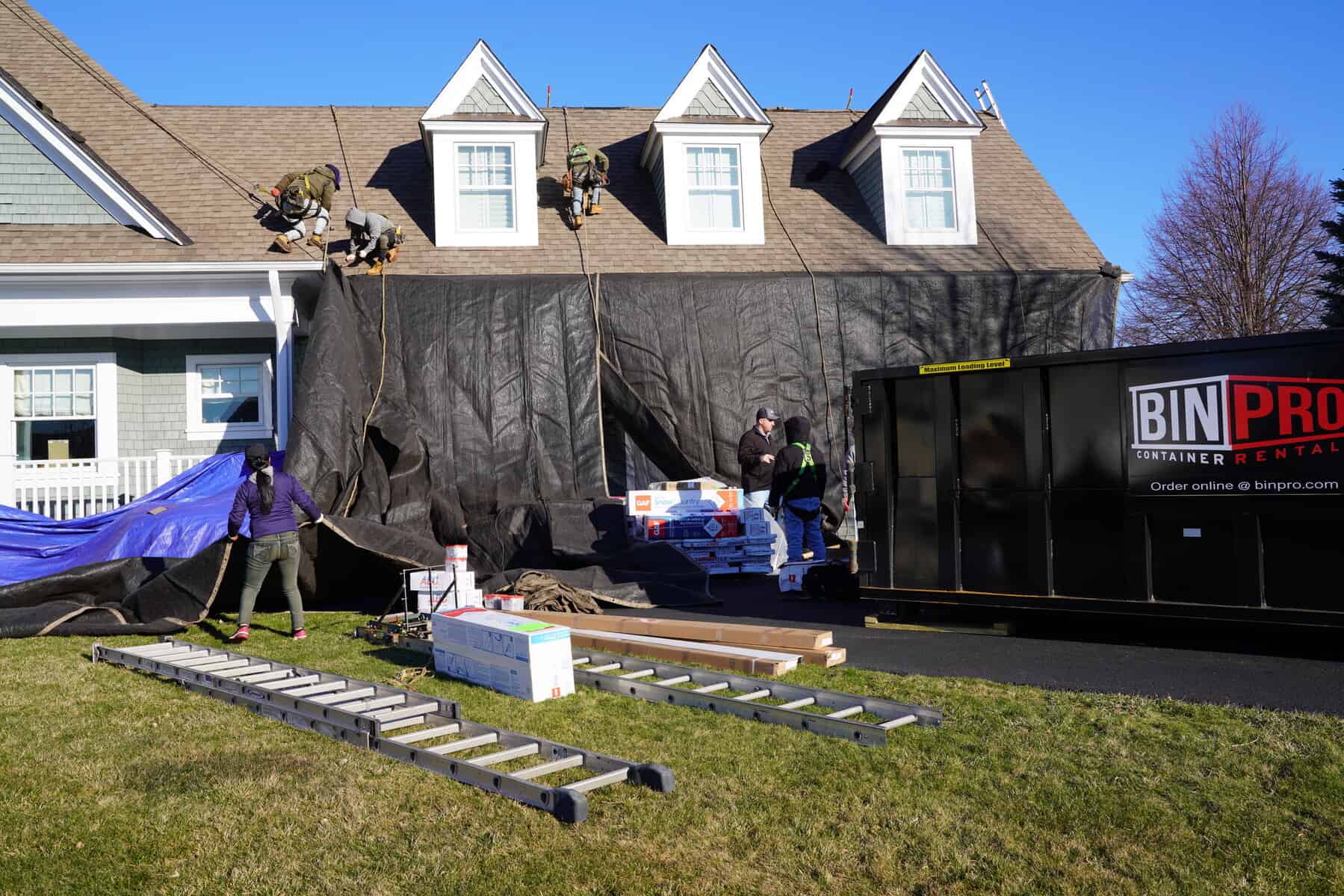
The next step in the roof replacement process is the removal of the old roofing materials. This is a labor-intensive process that can take anywhere from a few hours to a few days, depending on the size of your roof and the complexity of the removal process.

During this step, the roofing crew will remove all of the old shingles, underlayment, and other materials. They will also inspect the roof deck to ensure that it is in good condition and make any necessary repairs.

Step 4: Installation of New Roofing

Once the old roofing materials have been removed, the installation of the new roofing can begin. This includes installing the underlayment, shingles, flashing, and any other necessary components.

The installation process can take anywhere from a few days to a week or more, depending on the size of your roof and the complexity of the installation. The roofing crew will work carefully to ensure that all components are installed correctly and that the roof is watertight.

Step 5: Clean Up and Final Inspection

Once the new roofing has been installed, the final step is to clean up the work site and conduct a final inspection. This includes removing all debris, inspecting the roof to ensure that all components are installed correctly, and addressing any issues that may have arisen during the installation process.

This step usually takes a day or two, depending on the size of the work area and the complexity of the installation. Once the final inspection is complete, you can rest assured that your new roof is ready to protect your home and family for years to come.

Factors That Affect the Timeline

Several factors can affect the timeline for a roof replacement. These include:

– Size and complexity of the roof

– Weather conditions

– Availability of materials and labor

– Permitting and inspection requirements

– Accessibility of the work area

It’s essential to work with a professional roofing contractor who can provide you with an accurate timeline based on these factors.

Conclusion

The timeline for a roof replacement can vary depending on several factors. However, on average, the entire process can take anywhere from a few days to a couple of weeks. The most important thing is to work with a reputable roofing contractor who can guide you through the process and ensure that your new roof is installed correctly and efficiently. Remember, a new roof is a significant investment in your home’s future, so take the time to do it right.

If you need a roof replacement, rely on J. Carnes & Son Roofing. Our mission is to serve the community with qualified, uncompromising workmanship and unparalleled service. We work with dedication and integrity and strive to be a leader in our trade. Building on a foundation of respect and trust, it is our goal to offer all property owners premium roof systems using the finest products paired with proven installation techniques. Get a quote now!

Upgrade Your Home’s Look and Safety: Roof Replacements

PG Upgrade Your Home’s Look and Safety

Your home’s roof protects you and your loved ones from harsh weather conditions. However, even the sturdiest roofs will require replacement at some point. 

When contemplating a new roof, it’s important to take into account various aspects to guarantee a worthwhile and enduring investment. 

In this article, we’ll explore the key factors to consider when upgrading your roof, including the choice of materials, warranties, and financing alternatives for roof replacement.

1. Roofing Material Selection

Selecting the appropriate material for your new roof is crucial for its effectiveness, longevity, and aesthetics. Numerous roofing materials exist, including asphalt shingles, metal, wood, and tile. Each material has pros and cons, and the ideal choice for your house will be influenced by factors like your financial plan, local weather conditions, and personal tastes.

In the US, most roofs feature asphalt shingles due to their cost-effectiveness and simple installation process. These shingles are available in a wide range of designs and shades, making it easy to find one that matches the appearance of your home. 

Even with asphalt shingles, more suitable options for homes in regions with strong winds or extreme weather conditions may be available.

The popularity of metal roofing is on the rise because of its long-lasting nature, energy-saving properties, and minimal upkeep needs. Although they can last around 50 years, metal roofs might be costlier than other alternatives.

Roofing materials made of wood and tile provide a distinct and appealing look; however, their installation can be more difficult, and they might need extra structural reinforcement. Additionally, these materials usually cost more than asphalt shingles.

2. Roof Ventilation and Insulation

Proper ventilation and insulation are critical for maintaining a comfortable and energy-efficient home. When replacing your roof, it’s essential to ensure that your attic has adequate ventilation to prevent heat buildup and moisture problems. Insufficient ventilation can lead to increased energy costs, mold growth, and damage to your home’s structure.

Similarly, proper insulation is crucial for maintaining comfortable indoor temperatures and reducing energy costs. When installing a new roof, it’s a good opportunity to assess your home’s insulation and make any necessary upgrades.

3. Roofing Warranties

When you decide to invest in a new roof, knowing the different warranties available for materials and labor is crucial. Manufacturers usually provide material warranties, lasting anywhere from 20 to 50 years, depending on the material used. 

On the other hand, roofing contractors offer workmanship warranties that generally cover the installation process for a specified duration.

Before choosing a roofing contractor, it is crucial to discuss the warranties they provide and carefully go through the details to comprehend what is included and any possible exclusions. A reliable roofing contractor will take pride in their work and offer an extensive warranty to guarantee your satisfaction and peace of mind.

4. Financing Roof Replacement

The cost of replacing a roof can be quite substantial, so it is crucial to have a strategy to manage the expenses. A popular choice among homeowners is to finance their roof replacement, enabling them to distribute the cost over a period. Various financing alternatives are accessible, such as home equity loans, personal loans, and credit cards.

Prior to settling on a financing choice, it’s crucial to investigate and evaluate interest rates, conditions, and charges to guarantee you’re making the most suitable decision for your financial circumstances. Additionally, some roofing professionals provide financing alternatives, so remember to inquire about any accessible programs while choosing a contractor.

5. Timing and Weather Considerations

Finally, when planning a roof replacement, it’s crucial to consider the timing and weather conditions. Replacing a roof is a significant undertaking, and ensuring that the project is completed as efficiently and effectively as possible is essential. 

Roofing contractors generally recommend scheduling a roof replacement during the spring or fall, as these seasons typically offer more mild and stable weather conditions.

Conclusion

Replacing a roof is a significant home improvement project that requires careful consideration and planning. 

By assessing your roof’s condition, choosing the right materials, finding a qualified contractor, and exploring financing options, you can ensure a successful and long-lasting roof replacement. 

Remember, a well-maintained roof protects your home and family and can enhance your home’s value and curb appeal.

If you’re looking for the best and most reliable contractors for roofing, we’re here to help. J. Carnes & Son Roofing is the leading and most trusted residential roofing contractor in New Hampshire and Southern Maine. Our goal is to meet your roofing needs and provide various financing options. Contact us and get a quote today!