How Skylight UV Exposure Affects Attic Comfort Over Time

Skylight UV Exposure

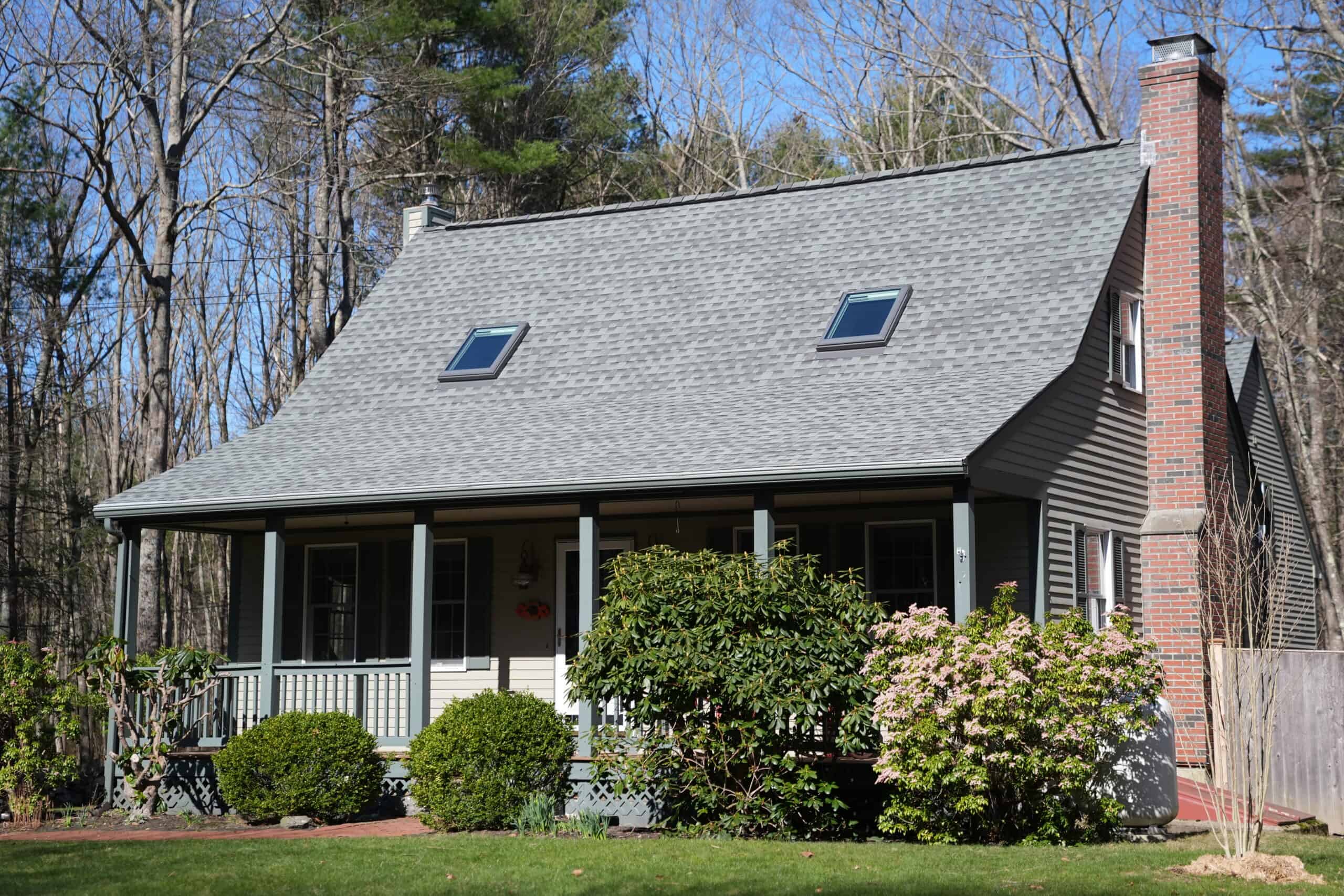
Skylights are a great way to bring natural light into your home, especially in upper levels or attics where windows are limited. They can make the space feel bigger, more open, and more welcoming. But when it comes to long-term comfort, there’s a side to skylights that many homeowners don’t think about. UV exposure from sunlight can slowly change the way your attic feels from one season to the next.

Over time, that sun shining through your skylight can start to impact attic temperature, insulation strength, and even the condition of stored items. As roofing contractors New Hampshire homeowners often call for attic or roof work, we’ve seen how much sunlight can affect the comfort of a home when a skylight isn’t handling UV rays properly.

How Skylights Let in More Than Just Light

We all enjoy the brightness that a skylight adds to a room, especially after long winters or cloudy spring stretches. But with that light comes heat, and not just the kind you feel through the glass. UV rays pass through skylights during warmer months, especially late spring into summer, and that consistent exposure changes things.

When sunlight pours through the skylight day after day, it begins to warm the attic. While light can help with general brightness and cheer, direct exposure causes imbalances. If the room gets too hot during the day and cools off too fast at night, insulation or temperature control in that space may start to suffer. Over time, the strain from UV exposure can shift internal temperatures and make the attic hotter than it needs to be, even in early summer.

Once this pattern begins, the attic may lose its ability to manage heat and airflow efficiently. Comfort inside the rest of the home might be affected too, especially in rooms just below the attic.

Signs Your Attic is Being Affected by UV Through the Skylight

Many homeowners don’t think of UV damage until signs start to show. These signs can be subtle at first, but over the years, they tell a pretty clear story. If your skylight has been letting in direct sun for a while, here are a few issues you might start to notice:

  • The upper floors of your home feel hotter or harder to cool, even when the air conditioning is running.
  • Paint or flooring near the skylight starts to fade or discolor.
  • Items stored in attic spaces, such as cardboard boxes, fabrics, or old furniture, start looking faded or warped.

If your attic feels stuffy or imbalanced when walking through it during the day, UV heat buildup may be the reason. Rooms directly under the attic might show changes in how long they stay cool or warm as well.

How Roof Materials and Skylight Design Work Together

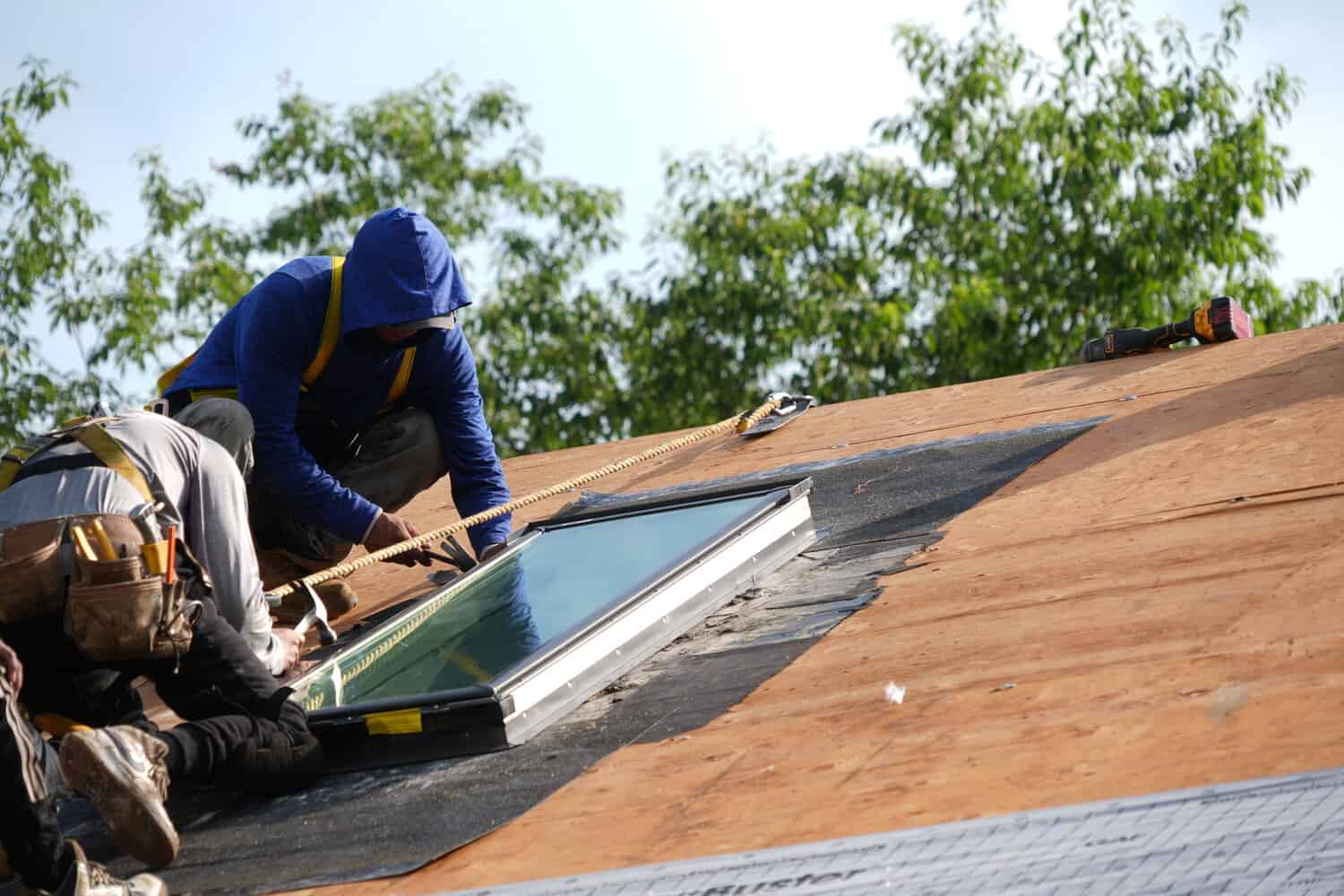
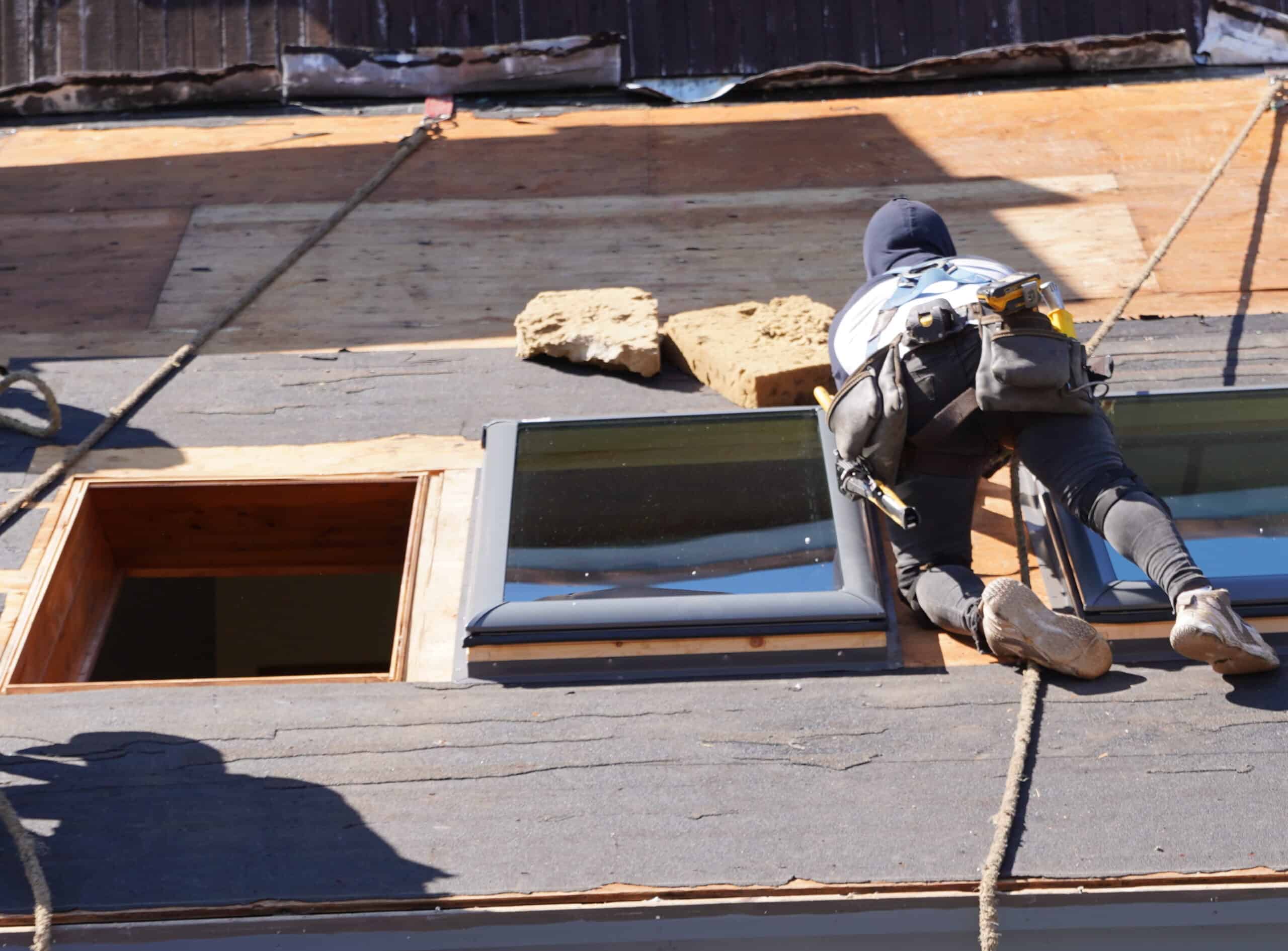
Not all skylights are built the same. Some use double-pane glass or UV-blocking coatings, but older models usually don’t have those features. If your skylight is more than a few years old, it may already be showing signs of wear. Thin seals, small cracks in the frame, or fading surfaces inside the glass are a few early signs of UV trouble.

A skylight isn’t just a window in the roof. It works with a specific layout. In New Hampshire, steep rooflines and long daylight hours in summer can deeply impact how much sunlight pours into your attic. Roofing contractors in New Hampshire often adjust skylight position, flashing, and slope materials depending on roof shape and direction. The shape of the roof controls how the sun hits the skylight, which then affects how much heat builds up inside.

The color of your roofing material also plays a role since darker roof surfaces tend to collect and hold more heat. When combined with an unprotected skylight, that heat gets trapped faster and has fewer ways to escape.

Seasonal Shifts That Make UV Impact Worse

As we head into early June, daylight hours get much longer across New Hampshire and Southern Maine. Attics start warming up earlier in the day and stay warmer into the evening. Even on days that don’t feel especially hot outside, the sun pouring in through the skylight can raise the temperature inside much faster than expected.

When airflow in the attic isn’t great, heat from the skylight lingers. That’s especially common in older homes that were built before attic ventilation was a bigger focus. Summer air tends to feel thick, and when combined with strong daylight, that pressure can carry heat down into other parts of the home.

Humidity doesn’t help, either. A closed-off attic with a skylight and no airflow might trap moisture, which then interacts with sunlight and creates an unpleasant combination of heat and dampness. This can make wood surfaces feel sticky or soft over time and contribute to attic discomfort during the summer stretch.

Better Comfort Begins with Early Checks

As summer starts, we always recommend checking up on skylights before things heat up too much. Many skylight problems don’t show obvious symptoms at first. But by the time there’s major fading, heat loss, or water signs around the frame, UV exposure may have already done some damage.

The best time to catch it is early. That includes:

  • Looking for cracking around the skylight edges or along the roofline
  • Checking for signs of foggy glass or fading sealant
  • Watching for warping around insulation or skylight framing on the inside of the attic

We’ve found that regular attention to attic spaces, especially around the skylight area, helps keep comfort levels stable. Roofing contractors New Hampshire homeowners rely on often look for the quiet signals first, the small shifts that show something isn’t working quite right before it turns into a larger issue.

Keep Your Skylight Working With, Not Against, Your Attic

Skylights don’t need to be a problem. When they’re configured well and regularly inspected, they can make an attic more pleasant rather than less. But they do ask for a bit of attention, especially at the start of summer.

Watching how sunlight shifts and collecting early signs of wear can help. It keeps your attic cooler, your utility bills steadier, and your comfort levels more predictable across every floor of the house. Just a quick seasonal review can mean fewer surprises during warmer weeks ahead. For homes across New Hampshire and Southern Maine, a skylight should brighten a space, not overheat it. Quiet fixes made early can help keep balance in your attic all summer long.

A warmer attic may signal that your skylight is letting in more than just sunlight, so taking a close look now can help catch small issues before they turn into bigger problems. We have helped many homeowners work through skylight-related heating concerns, especially those caused by long summers and older rooflines, and for dependable roofing contractors New Hampshire homeowners rely on, J. Carnes & Son Roofing is ready to take a look and help you stay ahead of the heat. Give us a call to schedule a review.

Guide to Summer Readiness Checks for Metal Roofs in Southern Maine

Metal Roofs

Summer brings more sun, longer daylight, and plenty of changes to rooftops across Southern Maine. After months of heavy snow and seasonal wind, metal roofs need a good once-over before the hotter months settle in. Some of the damage might be easy to spot, but a lot tends to hide under surface layers or around seams.

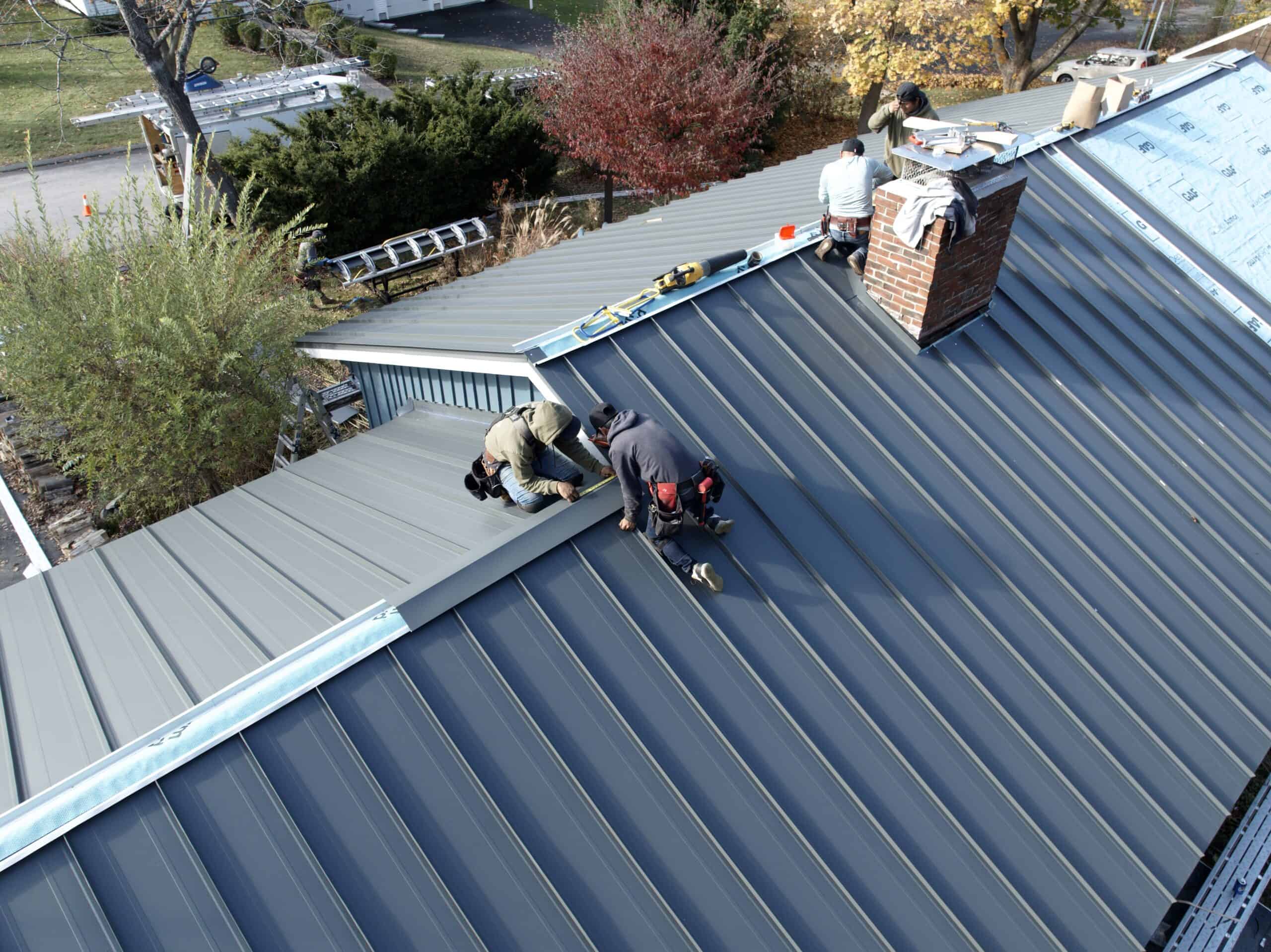
This time of year, we always encourage homeowners to inspect their metal roofs closely. That includes looking for any signs of shifting panels or loose parts caused by winter weather. New Hampshire roofers often find that small problems in late spring can quickly grow into larger repairs in the middle of summer. Many of the metal roofs we install are standing seam systems with concealed fasteners, designed to stand up to wind and hail, but they still benefit from regular checks. Getting ahead of those issues now can save time and money down the line.

Check for Winter Wear and Tear

Snow, ice, and strong winter winds can take a toll on metal roofs. Even if the surface looks clean from below, a closer inspection can help reveal hidden problems. Here are the most common trouble spots we look at once the snow clears:

  • Seams and fasteners often shift from repeated snow weight or freeze-thaw cycles. Look for signs of movement or early rust forming.
  • Panels might show bends or lift at the edges, especially where ice built up and pushed against the metal.
  • Ripples in the panel coating or uneven sections can be early signs of warping or bubbling. These should not be ignored.

Catching these issues now helps limit how much direct sun reaches underneath panels, which can speed up wear in the summer.

Clean Off Spring Debris

Once spring breezes slow, tree debris and leftovers from earlier storms can build up on the roof. While it may not seem like a big deal, this extra layer traps moisture and keeps some parts of the roof from drying out. Before the stretch of hot, dry weather rolls in, it is a good time to clear it all off. Focus on these tasks:

  • Get rid of pine needles, twigs, and old leaves that often collect around chimneys and roof valleys.
  • Clear out any material clogging up flat sections or tucked corners that tend to hold on to debris longer.
  • Look closely near shaded areas and ridge caps, these spots sometimes show early algae growth or dark patches that signal trapped moisture.

This check keeps airflow moving across the roof and lowers the risk of long-term surface damage.

Watch for Water Flow Issues

Rain in late spring can uncover problems with how well your roof sheds water. A little pooling in the wrong spot or a slow-draining gutter might be a signal that something needs fixing. These signs often show up in less obvious places:

  • Gutters and downspouts should be clear and draining fast. If water backs up here, it can easily lead to roof damage.
  • Any sign of puddling near rooftop vents, skylights, or the chimney can lead to bigger leaks once summer storms hit.
  • Flashing that separates from the roof surface around these areas is something to fix right away.

Water does not always travel in a straight line, so any small blockage or gap can turn into a leak later when nobody is expecting it.

Prepare for Summer Storms

Southern Maine can get hit with surprise summer storms, especially later in the season. Straight-line winds, short bursts of rain, and constant humidity can make a weak roof issue much worse. Here are a few checks that help metal roofs hold up better heading into these months:

  • Make sure nothing attached to the roof is loose. This includes satellite dishes, antenna brackets, or old cables that no longer serve a purpose.
  • Look along the eaves and ridge caps for signs of loosening. These are often places where wind starts to lift roofing materials.
  • After early season storms, call in a qualified person if something seems off but you cannot safely check it yourself.

Quick fixes now can make a big difference when the weather turns quickly.

Small Fixes Now Save Bigger Problems Later

Warm days can turn small roof issues into bigger ones fast. When sunlight heats old coatings or loose seams, the damage spreads more easily. That is why a detailed check before summer heat ramps up can help keep repair costs lower and stress levels down. We have learned this approach through years of working with metal roofing in this area. Standing seam metal roofs are built with a heavier-gauge metal and, when properly maintained, can provide 50 years or more of service, so early inspections help protect that investment.

Here is what we often catch in our early summer inspections:

  • Hairline cracks in coatings that widen with heat.
  • Sealed seams that have just started to separate.
  • Minor leaks that have not made it to the ceiling but are shrinking your roof’s life.

New Hampshire roofers who work in our climate know how fast these types of issues can get worse. Fixing a spot now is always easier than replacing a section mid-July.

Keep Your Metal Roof in Top Shape All Season

Every roof handles the weather a little differently, but metal roofs in Southern Maine hold up best when they are given a proper check at the right time of year. Early summer offers the right mix of warm days and clear skies to walk the roof safely and spot early damage. With just a short list of checks, most problems can be caught before they grow.

Whether you are planning on staying home this summer or heading off for part of it, it helps to know your roof is set. No leaks, no loose edges, no surprises during the next big storm. A quick early look gives peace of mind while taking care of a roof that is likely working harder than most people think.

Small issues can quickly turn into big headaches after a long winter. Now is the time to have professionals examine your roof before summer storms roll in. We work with homeowners across New Hampshire and Southern Maine to keep their metal roofs performing at their best throughout the warmest months. When you are ready to get started, our team of New Hampshire roofers is here to help. Give J. Carnes & Son Roofing a call to schedule your inspection.”

Why Moss Grows Between Shingles in Coastal New Hampshire Areas

Shingles

By late May, roof surfaces across coastal New Hampshire start shifting back to their bare, warmer state. With the snow gone and spring rain soaking everything from above, many homeowners spot something unexpected creeping along the edges of their roofs. Green specks, fuzzy streaks, and damp patches between the shingles start showing up after a long wet season.

Moss does not wait long to take hold once the spring sun warms up the surface just enough. We often hear from homeowners who think their roof looks fine until they notice uneven patches of growth between shingle layers. That is typically when it becomes clear that something is going on beneath the surface. As a New Hampshire roofing contractor, we have dealt with this exact issue more times than we can count. With over 30 years of roofing experience in New Hampshire and the Seacoast region, we see firsthand how quickly coastal roofs can start to show moss growth when moisture hangs around. Moss might look harmless at first, but it tends to hide bigger underlying problems if it is left too long.

Why Moss Is Common in Coastal Areas

Moss thrives in damp, shaded places, which is why the coast plays a big part in how quickly it starts to grow. Along the New Hampshire and Southern Maine shoreline, we get more humidity, more overnight dew, and more fog than homes farther inland. That extra moisture in the air means roof surfaces rarely dry out fully during spring. Wet roofing makes a perfect place for moss to set in.

The environment makes it tougher on homes already shaded by trees. When a home is under heavy canopy, the sun cannot reach those spots fully, especially after a rainy day. The surface stays wet longer, which gives moss more time to root.

When you add in the slow drying caused by nearby woods or a cooler breeze from the seacoast, it is easy to understand why roofs hang onto moisture here. Once that happens, moss does not need much more to get started.

How Moss Finds Its Way Between Shingles

Moss starts small, carried in by wind or washed down with the rain. The spores can land anywhere, but they really like surfaces that stay damp. Once they settle between shingles, there is enough coverage to keep them out of the sun and just enough moisture to help them spread.

Other things make it worse. Pine needles, leaves, or other organic material build up along the roof and gutters during winter and early spring. These small piles give moss all the protection it needs. They act like sponges, holding water in place well after rain has stopped.

Once that space between the shingles stays wet for long stretches, moss has everything it needs to spread. Its shallow roots work their way between small shingle gaps and cling to the layers underneath. That is when it begins to multiply.

What Moss Can Do to Your Roof Over Time

The biggest issue with moss is that it never just stays on the surface. It slowly lifts shingles over time as it grows underneath. Once shingles begin to shift or lose their seal, water can sneak below and cause damage in places you cannot see right away.

Here is what comes next when moss settles in deeply:

  • Shingles start lifting at the corners, creating larger openings where water seeps in
  • The roofing material underneath stays wet too long, shortening the lifespan of the shingles
  • Over time, water can rot the decking, clog gutters, and lead to sagging spots on the roof

By the time serious leaks appear inside the house, moss has already been doing damage for a while. The water does not always rush in, it lingers, settles, and slowly weakens whatever it touches.

Signs Moss Is Becoming a Problem

Not every green patch is a sign of failure, but moss rarely stays in just one area. Small spots can grow faster than many people expect, especially during warm spring stretches. These signs pop up early and often if you know what to look for:

  • Discoloration or green streaks between shingle lines
  • Raised or uneven edges that were not visible in colder months
  • Slippery or soft-looking roof zones, especially near valleys or under tree-covered spots

If one area of the roof is starting to show unevenness, there is a good chance moisture is already doing some damage. As a New Hampshire roofing contractor, we always look beneath visible spots to find where the roof might already be at risk.

Many homeowners call once they have spotted a few questionable areas. By that point, things can often still be addressed before repairs get more involved.

Keeping Moss Off Your Roof Moving Forward

Keeping roofs in coastal areas clear does not require big changes. Mostly, it comes down to paying closer attention during spring and making sure debris does not collect for too long. A few seasonal habits can go a long way in keeping moss away:

  • Clear leaves and pine needles off your roof before and after stormy weather
  • Trim back branches hanging too close to the roofline to let in more light
  • Have someone check roof areas that hold moisture longer, like between dormers or around vents

We have also seen damage happen faster when homeowners try too hard to remove moss without the right touch. Heavy scrubbing, harsh cleaners, or walking on wet shingles tends to loosen things worse. Keeping moss away is better done through prevention than reaction.

When Prevention Is Not Enough, Know What to Expect

Moss growth is normal in coastal New Hampshire and does not necessarily mean your roof has failed. But when green streaks grow thick between shingles, it is often a sign your roof is not shedding water the way it should. That is when trouble starts growing quietly underneath.

Checking on moss now, before the full heat of summer sets in, lets you stop roof problems while they are still above the surface. Small cleanups and routine checks mean fewer headaches later, especially once summer storms start pushing more water across already-weakened spots. Keeping your roof dry, clear, and clean right after spring helps everything last longer.

Green buildup on your roof this spring means it is time to take a closer look before problems worsen. Moss problems can sneak up quickly, especially along the damp coastlines of New Hampshire and Southern Maine. As a trusted New Hampshire roofing contractor, we have seen how early signs of roof moss often point to deeper moisture issues beneath the surface, and catching them now can help avoid costly repairs once the summer rains arrive. Give J. Carnes & Son Roofing a call so we can take a look and help you stay ahead of it.

Tips for Spotting Loose Roof Fasteners After Spring Storms

Roof Fasteners

After spring storms hit hard across New Hampshire and Southern Maine, your roof may be hiding signs of wear. Strong winds and heavy rain can shake things loose, even when everything looks fine from the ground. One common trouble spot that does not always show up right away is the roof fasteners. These small but important parts hold your roofing system together. If even a few come loose, water can start working its way into your home.

We have seen this happen in homes that looked fine after a storm. Without checking for signs early, what starts as one loose nail or screw can turn into lifted shingles, weakened decking, or interior water damage. As a GAF Master Elite and Owens Corning Platinum Preferred Contractor, we are trained to look closely at fastening patterns and hardware so hidden issues do not get overlooked during an inspection. Homeowners working with roofing contractors in Newton know that it only takes one rough storm to create problems that show up weeks down the line. That is why learning how to spot those early warning signs after spring weather hits is a smart move. It lets you catch problems before summer brings more heat and heavier seasonal weather.

Check for Raised or Missing Shingles

Shingles are your first clue. When fasteners loosen, shingles will not lie flat anymore. They will start to curl or lift, especially along the edges or corners. Sometimes they even slide out of place a bit. You may not notice this unless you are looking closely, but once you get a few raised shingles, others can follow.

After a spring storm, take a good look at the roof from your lawn or driveway. Walk around the house and check each slope. Watch for these early signs of loose fasteners:

  • Shingles that appear raised at the edges or moving separate from the rows
  • Bare patches where shingles are missing entirely
  • Bumps or uneven spots in the roof surface

If you see one lifted shingle, there could be several more nearby. Rain and wind find those weak points, increasing the chances of leaks through the layers below.

Inspect Areas Around Roof Penetrations

Some of the most common spots for fasteners to work loose are around chimneys, skylights, and exhaust vents. These openings in the roof have extra flashing and trim to keep them sealed, and that material is usually held in place by fasteners. When wind whips around these high points or rain builds up in low spots, those fasteners can shift or pull out.

It helps to check these features from inside and out. Look for these signs that fasteners may be coming loose:

  • Gaps between flashing and the nearby roofing surface
  • Flashing that seems bent, uneven, or pulling away
  • Water stains showing up on ceilings or walls inside the house near these roof features

Sometimes the flashing still looks okay at first glance, but it only takes a small gap to let water in. Fasteners are the anchor points that help hold all that water protection in place. When they back out or rust through, flashing cannot do its job.

Spotting Rust or Nail Heads Exposed

Not every fastener failure shows up with movement. Sometimes you will spot the signs in the material itself. Nails or screws should be hidden under your shingles or flashing. When they are not, something is off. You may see nail heads sitting out in the open or rust bleeding down nearby materials.

Take time during a walk-around or professional inspection to check for fastener wear like this:

  • Visible nail or screw heads, especially near the edges or valleys of your roof
  • Rust forming around fasteners, showing they have been exposed to too much moisture
  • Cracked or split shingles around nails

Rust is an early sign that the fastener is weakening. Once a fastener rusts out or a nail works free, it stops holding the roofing material correctly. Over time, rain gets in, cold temperatures expand the gaps, and now that small fastener issue is underneath a section of soaked wood.

Soft Spots or Spongy Roof Sections

When you walk on the roof or have someone check it out, another warning sign is how the roof feels underfoot. If there is a sinking or soft feeling in one area, it may mean the decking underneath is starting to give. This is often linked to water that got in past a raised shingle or loose fastener. Over time, the wood loses its strength, especially when fasteners no longer hold it tight.

Here is what to watch for during a physical roof inspection:

  • Mushy or spongy areas when you walk gently across the surface
  • Spots that seem lower or sagging slightly compared to others
  • Fasteners sticking out where they used to be sealed in place

Roofing contractors in Newton often find fasteners have rusted and pulled through the wood in these soft zones. Once that happens, the material above starts to shift too. If you spot this kind of roof movement early, repairs are much simpler.

Why Spring Storm Damage Should Not Wait

Late spring rains can be harsh, but they are the setup for summer. Loose fasteners that seem minor now can become bigger issues as we get into peak roofing season. Water often works its way deeper into layers of roofing over time, not right away. That makes it easy to ignore problems until there is water staining a ceiling or a new draft by the attic stairs.

Handling fastener problems early makes everything easier. Some reasons not to put it off:

  • Loose fasteners create open paths for water, bugs, and even small animals
  • Damage usually spreads wider during stretches of dry weather when the roof expands and contracts
  • Summer storms bring heavier wind that will test weak fasteners all over again

You may not be able to see loose nails from the ground, but signs like lifting shingles and soft spots underfoot usually show up now, right after the heaviest spring weather. That is the time to act.

Keep Your Roof in Shape Before Summer Hits

By late May, roofs across New Hampshire and Southern Maine have taken a beating from snow melt and spring rains. Fasteners that went through cold snaps can shift under warmer conditions. When you know what to look for, it is easier to get ahead of repairs.

We walk every roof as if it were our own, and our crews are factory trained to install and inspect major roofing systems according to manufacturer standards. Raised shingles, small rust marks, and even uneven rooflines can all help you spot weak fasteners early. In most homes, problems are not happening everywhere. It only takes a few spots going bad for leaks to begin.

Getting these small issues checked now makes the whole summer season simpler. That way your roof does what it should during every thunderstorm or passing shower without giving you something else to worry about.

Noticing lifted shingles, soft spots, or signs of fastener wear after spring storms means it is time to inspect your roof before summer begins. Homes around Newton, New Hampshire, often face seasonal roof stress that can build quietly over time, so we help homeowners stay ahead of issues by identifying common warning signs and taking action before they lead to more damage. For reliable help from roofing contractors in Newton, reach out to J. Carnes & Son Roofing today.

Steps to Prep Skylights for New England’s Early Summer Sun

skylight installation

Skylights can make any home feel brighter, especially during the early weeks of summer in New England. But without some attention, that added sunlight can bring more headaches than comfort. Heat, moisture leaks, and trapped condensation often start with skylights that were never prepped for the season ahead.

For homeowners thinking about Kingston residential roofing updates, skylights deserve a spot on your spring checklist. Getting them ready for the warmer weather means inspecting the edges, checking seals, and making sure they are clean and clear. Early May is the right time for this kind of prep, before the full swing of summer heat settles in. A few simple steps now can save time and trouble over the next few months.

Check for Post-Winter Skylight Damage

New England winters are not gentle on roofs or skylights. Snow can pile up around framing, ice buildup can cause stress fractures, and freezing temperatures often shrink and pull apart materials. By spring, those small problems can grow into leaks or cracks that let hot air and humidity sneak into the home.

Here are a few ways to spot winter wear before it becomes something bigger:

  • Look for water stains around the skylight, either on the ceiling or trim. This can be a sign that melted snow got in over the winter.
  • Notice any cloudiness between the panes or fog inside the dome. That might mean the seal has failed.
  • Check for obvious warps in the frame, gaps in the flashing, or signs of rust or wear.

Even tiny cracks or loose materials can turn into serious summer problems when UV rays and warm air hit those weak spots. Getting a professional to inspect these areas in early May gives you time to fix potential leaks before summer storms roll through.

Many homeowners don’t realize how much stress their skylights and roofs experience during the long and variable New England winter. It’s not just snow and ice, but freezing wind and shifting temperatures that work against the structure. The expansion and contraction of materials during freeze-thaw cycles can lead to unexpected gaps, allowing water or outside air to find its way in at the edges. Even with careful installation, this seasonal punishment can leave weaknesses that only show as the weather warms. Scheduling an inspection as soon as conditions allow can help you get ahead of any growing problems. Roofing professionals are able to spot small signs of trouble and provide advice on whether you’re looking at a minor repair or a more involved fix.

Clean Inside and Outside Skylight Surfaces

After a long winter, skylights rarely look their best. The outside can be coated in pollen, roof grit, or leftover dirt from melting snow. Inside, condensation builds up as temperatures shift from cold to warm. That buildup stops sunshine from getting through and can even cause heat to collect underneath.

To keep skylights clear for the season, we focus on a full cleanup. That means:

  • Wiping down both sides of the glass using soft, non-abrasive tools
  • Removing any dust, pollen, or fine grit that can scratch over time
  • Checking for interior moisture or condensation that does not go away once the weather warms

If there is ongoing moisture or dampness, it could be tied to insulation issues in the attic or a hidden roofing problem. Cleaning is a good chance to spot any of these before summer sticks around for good.

When cleaning skylights, use a step ladder and have a second person support it, especially upstairs where the angles can be tricky. Avoid harsh chemicals that could fog plastic lenses or harm rubber seals. Inside the home, regular cleaning means less dust and pollen accumulates on the glass. You’ll also notice problems such as chalky buildup, streaks that won’t go away, or cloudy patches that remain even after a careful wipe. These issues could mean it’s time to assess the skylight for leaks or a seal problem. Beyond just aesthetics, keeping the surfaces clean maximizes the natural light coming into your rooms, letting you truly benefit from your skylight investment.

Test and Update Skylight Seals

Seals around a skylight do not last forever. Rubber gaskets dry out and crack. Caulking can pull away or shrink after several freeze-thaw cycles. When that happens, the skylight stops being airtight, and during the warmer months, that means heat starts to creep in and cool air slips out.

Here is what to check when inspecting skylight seals:

  • Stand underneath the skylight during cooler mornings and feel for drafts or air movement
  • Take a close look along the outside edge for dried or broken caulking
  • Look for compressed or brittle rubber that is not holding shape anymore

A lot of people ask if sealing can be a quick fix project. We do not recommend doing it yourself. Instead, this part of the work should be handled by someone who specializes in Kingston residential roofing. Done right, it stops leaks and energy loss before the summer sun puts extra pressure on the system.

Sometimes DIY fixes to seals may seem easy, but the risk is that improper products or application could trap moisture or create gaps, which may worsen leaks as temperatures climb. A professional has access to the right materials, can properly match caulking, and understands the subtle movement of roofing systems in warm and cold weather. When the correct products are used and installed with care, the difference can be felt in the comfort and efficiency of your home the whole season. Prioritizing this inspection in spring puts you well ahead of midsummer repairs or costly emergency fixes.

Double-Check Roof Ventilation Around the Skylight

Skylights do not just bring in light. They change how the attic or the space around them needs to breathe. After a cold season, it is easy for ventilation paths to get blocked by fallen insulation or unnoticed damage.

Here is how poor roof airflow can hurt skylight performance:

  • It causes rooms under the skylight to trap heat, especially during still, sunny afternoons
  • Moisture gets sealed in instead of being pulled through the roof vents
  • Over time, that trapped air can affect everything from ceiling paint to wooden trim

Take a slow walk through your attic or top floor and notice if certain areas feel stuffier than others. Sometimes the problem is nothing more than foam batts pushed up against a soffit. Other times, the fix needs a closer look up top. Either way, it helps to catch it before the temperature truly starts rising in late May and June.

Proper ventilation keeps skylights performing as they should. When airflow is blocked or restricted, you may notice a “greenhouse effect” under the glass, with higher temperatures and humidity building up quickly. Over time, that trapped heat does not just make rooms uncomfortable, it contributes to premature degradation of wood trim, paint, and even the sealant itself. In the worst cases, it may encourage the growth of mold in poorly ventilated spaces, adding health concerns to comfort problems. When checking attic airflow, see that insulation is not blocking vents, and that fans or other ventilation systems are operational. If you’re at all unsure, consult with a roofing or ventilation specialist. Small adjustments can have a meaningful impact on comfort for the whole summer.

Sun-Ready and Leak-Free for the Season Ahead

When summer is just about to hit its stride, skylights should do more than let in sunshine. They need to work with your roof system, not against it. Clear, sealed, and well-ventilated skylights help keep indoor temps steady and stop water from sneaking in during sudden rain.

Checking them now, just as the season shifts, gives you more control over comfort and energy use all summer long. Spending time prepping skylights brings in better light and helps protect the rest of the roof, too. That makes the effort worthwhile before a full season of sun settles in across New Hampshire and Southern Maine.

Noticing signs of wear around your skylights means it is time to inspect your entire roof system to prevent more extensive damage. Homes in New Hampshire and Southern Maine often need more than a quick fix after winter, especially when past storms lead to unseen issues. At J. Carnes & Son Roofing, we address moisture concerns, ventilation checks, and sunlight protection to keep your roof working as it should. For help with Kingston residential roofing, including skylight preparation and surrounding roof care, contact us today.