
Skylights can make any home feel brighter, especially during the early weeks of summer in New England. But without some attention, that added sunlight can bring more headaches than comfort. Heat, moisture leaks, and trapped condensation often start with skylights that were never prepped for the season ahead.
For homeowners thinking about Kingston residential roofing updates, skylights deserve a spot on your spring checklist. Getting them ready for the warmer weather means inspecting the edges, checking seals, and making sure they are clean and clear. Early May is the right time for this kind of prep, before the full swing of summer heat settles in. A few simple steps now can save time and trouble over the next few months.
Check for Post-Winter Skylight Damage
New England winters are not gentle on roofs or skylights. Snow can pile up around framing, ice buildup can cause stress fractures, and freezing temperatures often shrink and pull apart materials. By spring, those small problems can grow into leaks or cracks that let hot air and humidity sneak into the home.
Here are a few ways to spot winter wear before it becomes something bigger:
- Look for water stains around the skylight, either on the ceiling or trim. This can be a sign that melted snow got in over the winter.
- Notice any cloudiness between the panes or fog inside the dome. That might mean the seal has failed.
- Check for obvious warps in the frame, gaps in the flashing, or signs of rust or wear.
Even tiny cracks or loose materials can turn into serious summer problems when UV rays and warm air hit those weak spots. Getting a professional to inspect these areas in early May gives you time to fix potential leaks before summer storms roll through.
Many homeowners don’t realize how much stress their skylights and roofs experience during the long and variable New England winter. It’s not just snow and ice, but freezing wind and shifting temperatures that work against the structure. The expansion and contraction of materials during freeze-thaw cycles can lead to unexpected gaps, allowing water or outside air to find its way in at the edges. Even with careful installation, this seasonal punishment can leave weaknesses that only show as the weather warms. Scheduling an inspection as soon as conditions allow can help you get ahead of any growing problems. Roofing professionals are able to spot small signs of trouble and provide advice on whether you’re looking at a minor repair or a more involved fix.
Clean Inside and Outside Skylight Surfaces
After a long winter, skylights rarely look their best. The outside can be coated in pollen, roof grit, or leftover dirt from melting snow. Inside, condensation builds up as temperatures shift from cold to warm. That buildup stops sunshine from getting through and can even cause heat to collect underneath.
To keep skylights clear for the season, we focus on a full cleanup. That means:
- Wiping down both sides of the glass using soft, non-abrasive tools
- Removing any dust, pollen, or fine grit that can scratch over time
- Checking for interior moisture or condensation that does not go away once the weather warms
If there is ongoing moisture or dampness, it could be tied to insulation issues in the attic or a hidden roofing problem. Cleaning is a good chance to spot any of these before summer sticks around for good.
When cleaning skylights, use a step ladder and have a second person support it, especially upstairs where the angles can be tricky. Avoid harsh chemicals that could fog plastic lenses or harm rubber seals. Inside the home, regular cleaning means less dust and pollen accumulates on the glass. You’ll also notice problems such as chalky buildup, streaks that won’t go away, or cloudy patches that remain even after a careful wipe. These issues could mean it’s time to assess the skylight for leaks or a seal problem. Beyond just aesthetics, keeping the surfaces clean maximizes the natural light coming into your rooms, letting you truly benefit from your skylight investment.
Test and Update Skylight Seals
Seals around a skylight do not last forever. Rubber gaskets dry out and crack. Caulking can pull away or shrink after several freeze-thaw cycles. When that happens, the skylight stops being airtight, and during the warmer months, that means heat starts to creep in and cool air slips out.
Here is what to check when inspecting skylight seals:
- Stand underneath the skylight during cooler mornings and feel for drafts or air movement
- Take a close look along the outside edge for dried or broken caulking
- Look for compressed or brittle rubber that is not holding shape anymore
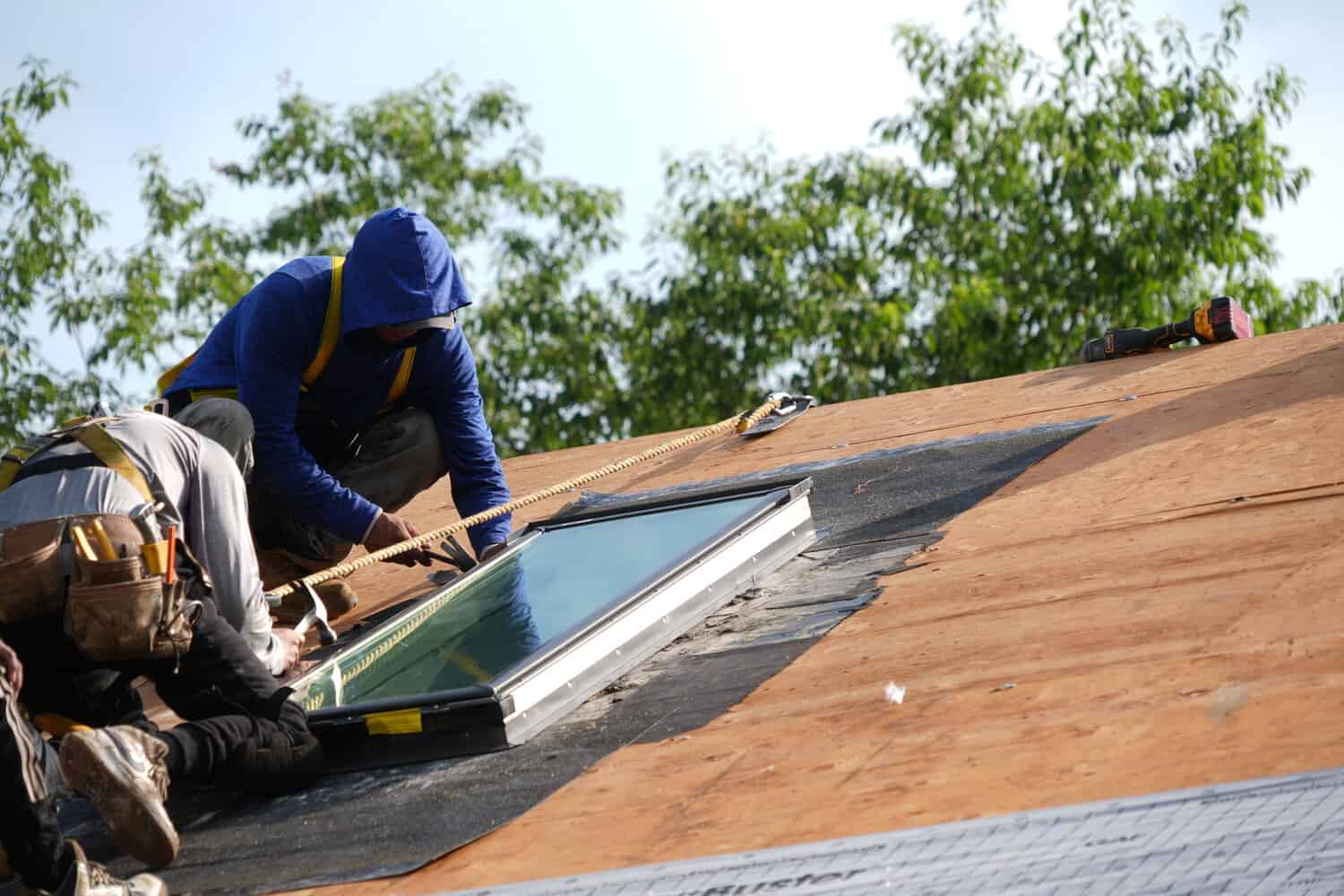
A lot of people ask if sealing can be a quick fix project. We do not recommend doing it yourself. Instead, this part of the work should be handled by someone who specializes in Kingston residential roofing. Done right, it stops leaks and energy loss before the summer sun puts extra pressure on the system.
Sometimes DIY fixes to seals may seem easy, but the risk is that improper products or application could trap moisture or create gaps, which may worsen leaks as temperatures climb. A professional has access to the right materials, can properly match caulking, and understands the subtle movement of roofing systems in warm and cold weather. When the correct products are used and installed with care, the difference can be felt in the comfort and efficiency of your home the whole season. Prioritizing this inspection in spring puts you well ahead of midsummer repairs or costly emergency fixes.
Double-Check Roof Ventilation Around the Skylight
Skylights do not just bring in light. They change how the attic or the space around them needs to breathe. After a cold season, it is easy for ventilation paths to get blocked by fallen insulation or unnoticed damage.
Here is how poor roof airflow can hurt skylight performance:
- It causes rooms under the skylight to trap heat, especially during still, sunny afternoons
- Moisture gets sealed in instead of being pulled through the roof vents
- Over time, that trapped air can affect everything from ceiling paint to wooden trim
Take a slow walk through your attic or top floor and notice if certain areas feel stuffier than others. Sometimes the problem is nothing more than foam batts pushed up against a soffit. Other times, the fix needs a closer look up top. Either way, it helps to catch it before the temperature truly starts rising in late May and June.
Proper ventilation keeps skylights performing as they should. When airflow is blocked or restricted, you may notice a “greenhouse effect” under the glass, with higher temperatures and humidity building up quickly. Over time, that trapped heat does not just make rooms uncomfortable, it contributes to premature degradation of wood trim, paint, and even the sealant itself. In the worst cases, it may encourage the growth of mold in poorly ventilated spaces, adding health concerns to comfort problems. When checking attic airflow, see that insulation is not blocking vents, and that fans or other ventilation systems are operational. If you’re at all unsure, consult with a roofing or ventilation specialist. Small adjustments can have a meaningful impact on comfort for the whole summer.
Sun-Ready and Leak-Free for the Season Ahead
When summer is just about to hit its stride, skylights should do more than let in sunshine. They need to work with your roof system, not against it. Clear, sealed, and well-ventilated skylights help keep indoor temps steady and stop water from sneaking in during sudden rain.
Checking them now, just as the season shifts, gives you more control over comfort and energy use all summer long. Spending time prepping skylights brings in better light and helps protect the rest of the roof, too. That makes the effort worthwhile before a full season of sun settles in across New Hampshire and Southern Maine.
Noticing signs of wear around your skylights means it is time to inspect your entire roof system to prevent more extensive damage. Homes in New Hampshire and Southern Maine often need more than a quick fix after winter, especially when past storms lead to unseen issues. At J. Carnes & Son Roofing, we address moisture concerns, ventilation checks, and sunlight protection to keep your roof working as it should. For help with Kingston residential roofing, including skylight preparation and surrounding roof care, contact us today.