
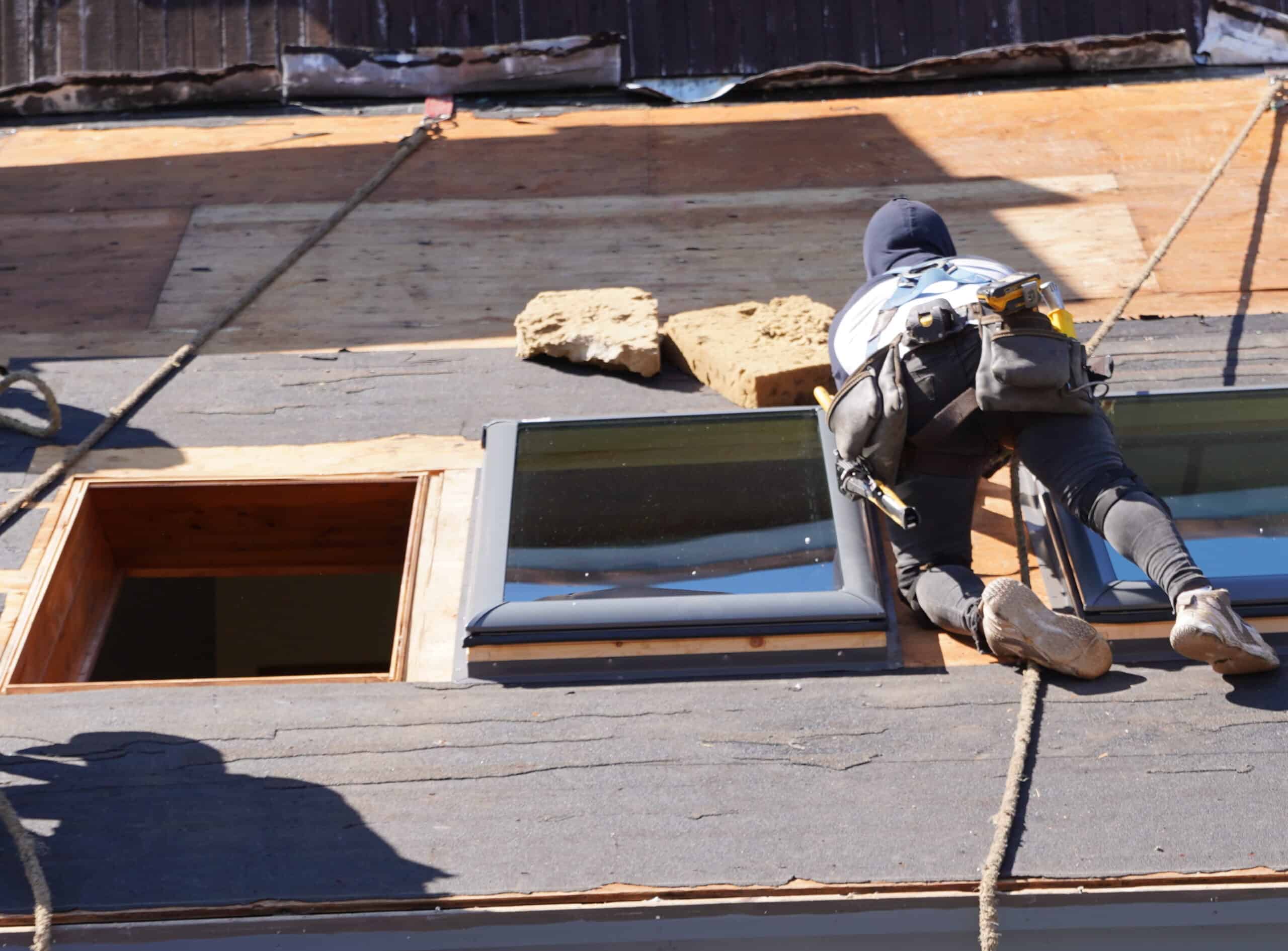
Skylights are a great way to bring natural light into your home, especially in upper levels or attics where windows are limited. They can make the space feel bigger, more open, and more welcoming. But when it comes to long-term comfort, there’s a side to skylights that many homeowners don’t think about. UV exposure from sunlight can slowly change the way your attic feels from one season to the next.
Over time, that sun shining through your skylight can start to impact attic temperature, insulation strength, and even the condition of stored items. As roofing contractors New Hampshire homeowners often call for attic or roof work, we’ve seen how much sunlight can affect the comfort of a home when a skylight isn’t handling UV rays properly.
How Skylights Let in More Than Just Light
We all enjoy the brightness that a skylight adds to a room, especially after long winters or cloudy spring stretches. But with that light comes heat, and not just the kind you feel through the glass. UV rays pass through skylights during warmer months, especially late spring into summer, and that consistent exposure changes things.
When sunlight pours through the skylight day after day, it begins to warm the attic. While light can help with general brightness and cheer, direct exposure causes imbalances. If the room gets too hot during the day and cools off too fast at night, insulation or temperature control in that space may start to suffer. Over time, the strain from UV exposure can shift internal temperatures and make the attic hotter than it needs to be, even in early summer.
Once this pattern begins, the attic may lose its ability to manage heat and airflow efficiently. Comfort inside the rest of the home might be affected too, especially in rooms just below the attic.
Signs Your Attic is Being Affected by UV Through the Skylight
Many homeowners don’t think of UV damage until signs start to show. These signs can be subtle at first, but over the years, they tell a pretty clear story. If your skylight has been letting in direct sun for a while, here are a few issues you might start to notice:
- The upper floors of your home feel hotter or harder to cool, even when the air conditioning is running.
- Paint or flooring near the skylight starts to fade or discolor.
- Items stored in attic spaces, such as cardboard boxes, fabrics, or old furniture, start looking faded or warped.
If your attic feels stuffy or imbalanced when walking through it during the day, UV heat buildup may be the reason. Rooms directly under the attic might show changes in how long they stay cool or warm as well.
How Roof Materials and Skylight Design Work Together
Not all skylights are built the same. Some use double-pane glass or UV-blocking coatings, but older models usually don’t have those features. If your skylight is more than a few years old, it may already be showing signs of wear. Thin seals, small cracks in the frame, or fading surfaces inside the glass are a few early signs of UV trouble.
A skylight isn’t just a window in the roof. It works with a specific layout. In New Hampshire, steep rooflines and long daylight hours in summer can deeply impact how much sunlight pours into your attic. Roofing contractors in New Hampshire often adjust skylight position, flashing, and slope materials depending on roof shape and direction. The shape of the roof controls how the sun hits the skylight, which then affects how much heat builds up inside.
The color of your roofing material also plays a role since darker roof surfaces tend to collect and hold more heat. When combined with an unprotected skylight, that heat gets trapped faster and has fewer ways to escape.
Seasonal Shifts That Make UV Impact Worse
As we head into early June, daylight hours get much longer across New Hampshire and Southern Maine. Attics start warming up earlier in the day and stay warmer into the evening. Even on days that don’t feel especially hot outside, the sun pouring in through the skylight can raise the temperature inside much faster than expected.
When airflow in the attic isn’t great, heat from the skylight lingers. That’s especially common in older homes that were built before attic ventilation was a bigger focus. Summer air tends to feel thick, and when combined with strong daylight, that pressure can carry heat down into other parts of the home.
Humidity doesn’t help, either. A closed-off attic with a skylight and no airflow might trap moisture, which then interacts with sunlight and creates an unpleasant combination of heat and dampness. This can make wood surfaces feel sticky or soft over time and contribute to attic discomfort during the summer stretch.
Better Comfort Begins with Early Checks
As summer starts, we always recommend checking up on skylights before things heat up too much. Many skylight problems don’t show obvious symptoms at first. But by the time there’s major fading, heat loss, or water signs around the frame, UV exposure may have already done some damage.
The best time to catch it is early. That includes:
- Looking for cracking around the skylight edges or along the roofline
- Checking for signs of foggy glass or fading sealant
- Watching for warping around insulation or skylight framing on the inside of the attic
We’ve found that regular attention to attic spaces, especially around the skylight area, helps keep comfort levels stable. Roofing contractors New Hampshire homeowners rely on often look for the quiet signals first, the small shifts that show something isn’t working quite right before it turns into a larger issue.
Keep Your Skylight Working With, Not Against, Your Attic
Skylights don’t need to be a problem. When they’re configured well and regularly inspected, they can make an attic more pleasant rather than less. But they do ask for a bit of attention, especially at the start of summer.
Watching how sunlight shifts and collecting early signs of wear can help. It keeps your attic cooler, your utility bills steadier, and your comfort levels more predictable across every floor of the house. Just a quick seasonal review can mean fewer surprises during warmer weeks ahead. For homes across New Hampshire and Southern Maine, a skylight should brighten a space, not overheat it. Quiet fixes made early can help keep balance in your attic all summer long.
A warmer attic may signal that your skylight is letting in more than just sunlight, so taking a close look now can help catch small issues before they turn into bigger problems. We have helped many homeowners work through skylight-related heating concerns, especially those caused by long summers and older rooflines, and for dependable roofing contractors New Hampshire homeowners rely on, J. Carnes & Son Roofing is ready to take a look and help you stay ahead of the heat. Give us a call to schedule a review.