Spring in New Hampshire is when many homeowners take a closer look at winter damage, especially the roof. Snow, ice, and wind can all leave behind problems, and missing shingles are one of the most common. Spotting a patch of bare roof or a few shingles in the yard might not seem like a big deal, but ignoring it can turn into something worse. Water has a way of finding every crack. Once it gets under the roof, it can cause wood to rot or insulation to soak through.
Missing shingles are often a sign that it’s time to act. Early spring is the smartest time for roof repair in NH because the weather is warming up, but the heavy rain of late spring hasn’t arrived yet. Taking care of damage now helps protect the home before the next round of storms appears.
Why Shingles Go Missing in the First Place
Shingles help keep water off your home, but they’re not immune to the kind of weather that hits New Hampshire throughout the year. We see strong wind storms, heavy snow, and ice buildup that bites the edges of the roof. These conditions work together to loosen shingles bit by bit.
A few things make shingles more likely to come off:
- Winter wind gusts can lift edges of shingles and tear them away, especially if the seal underneath has worn out
- Ice dams can trap melted water along the lower edge of the roof, allowing moisture to sneak underneath shingles and push them up
- Old shingles become brittle and break more easily, especially after years of freeze-thaw cycles
- Homes along the coast or in wide-open areas are more exposed to wind and salt, which can wear shingles down faster
Sometimes you won’t notice the damage until you see the water spots inside or feel a soft spot in the attic. By then, the damage has already started. The force of winter combined with the freeze and thaw cycles can age even a new roof faster than you might guess, especially when storms keep coming every few days. After repeated exposure, even shingles installed just a couple of years ago can show signs of loosening or curling, and some might eventually work free entirely.
What to Look for After Shingles Blow Off
After a rough winter, it’s a good idea to walk around your home and check for signs that shingles may have let go. Some signs will be easy to spot. Others can be more subtle but just as serious. Here’s what can hint at missing shingles or soon-to-be trouble:
- Bare roof patches where the shingle layers are gone
- Pieces of shingles found in the yard or found stuck in drains
- Grit or granules filling up gutters, showing that shingles are breaking down
- Water stains or a musty smell in the attic, caused by water slipping past where a shingle used to be
Spotting one or two of these signs doesn’t always mean there’s a big issue, but it should be a signal to take a closer look. The longer water has access to the wood layer below the shingles, the more likely that wood begins to soak, swell, and rot. Once moisture gets past the protective layer, it will travel downward following the path of least resistance, sometimes showing up as damp patches in rooms below. Inspecting after each heavy rainfall or windstorm can prevent overlooked damage from getting worse.
When to Replace vs. Repair
We often get asked if it makes sense to repair just the missing spots or if the whole roof should be replaced. The answer depends on more than how much is missing. Roofs that have only a few shingles torn off can often be patched well if the surrounding shingles are still strong.
But there are times when replacing makes more sense:
- Large areas of missing shingles or repeat problems in the same section
- Shingles that are cracked, curled, or breaking apart across the roof
- A roof that’s 15 to 20 years old and starting to fail in multiple places
If you’ve had to patch the roof several times already, piling on more repairs could just be a short-term fix. It’s better to look at how long the roof can realistically hold up before deciding. Long-term protection usually comes from replacing damaged sections fully instead of chasing small repairs year after year. Even if repairs seem cheaper at first, a patchwork roof often leads to more water slips and insulation trouble down the road. Looking at the overall age and condition is the best way to decide what’s really needed.
What to Expect During a Shingle Repair
Repairing missing shingles might seem like a simple process, but it has to be done with care. If the repair doesn’t seal right, water can return to the same weak spots again. A proper shingle repair uses matching materials, secures the seal below the new shingles, and fastens everything to stay in place through the next storm.
Because safety should always come first, we never recommend climbing to assess damage on your own. The process often includes:
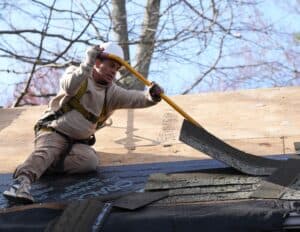
- Removing any loose or damaged shingles in the area
- Making sure the underlayment or decking below is dry and solid
- Aligning replacement shingles and securing them with roofing nails
- Applying sealant to bond the new shingles correctly with the originals
With spring weather in New Hampshire moving fast between warm and wet, timing matters. Milder temperatures early in the season make conditions more steady for a firm bond and a dry cut. The right method can bring back the tight seal, letting your roof work as it should by keeping water outside where it belongs. Never rush a repair on a cold or rainy day, since proper sealing relies on dry wood and the right temperature to hold.
Preventing Future Shingle Damage
Losing shingles happens more often when small warning signs are missed. But keeping a roof strong isn’t complicated. Routine inspections help catch issues while they’re small. Two good times to check the roof are at the end of each winter and around the start of fall.
Simple upkeep can go a long way:
- Clear out gutters so water doesn’t back up and get under shingles
- Watch for sagging or uneven rooflines from ground level
- Look for signs of aging in shingles like discoloration or curling edges
- Avoid letting nearby tree branches scrape or hang over the roof
By spotting problems early, we can prevent leaks before they reach the inside of the home. Regular checks help avoid surprises that show up after the next rainstorm. Even if things look fine after winter, small cracks and seams can open up as the temperature changes, so don’t skip looking things over a couple of times a year. When the roof stays in good shape, it can stand strong for many seasons and handle whatever weather comes its way.
A Safer Roof and Fewer Headaches This Spring
Getting ahead of shingle damage now can make the rest of spring and summer easier. Replacing missing shingles keeps water, pests, and wind from slipping into the roof after all the stress of a long winter. It’s a simple fix that can stop bigger problems later on.
We know storm season in New England isn’t far off. Staying on top of roof repair helps lower the risk of water damage inside the attic, walls, or ceiling. A solid roof brings peace of mind when the next set of spring showers rolls through.
After a harsh New Hampshire winter, your roof may need attention before spring storms arrive. Replacing a few missing shingles could solve the issue, but sometimes problems run deeper. Our team can assess your home and determine the best course of action. Learn what we do when it comes to roof repair in NH and let J. Carnes & Son Roofing help you stay ahead of the weather. Give us a call when you’re ready to take the next step.