Stopping Summer Storm Damage Before It Starts
Flat roofs in New Hampshire see a lot of punishment in summer. Hot, bright days are followed by quick thunderstorms, coastal squalls, and the occasional hail burst. If you own or manage a commercial building or multifamily property, your flat roof is on the front line.
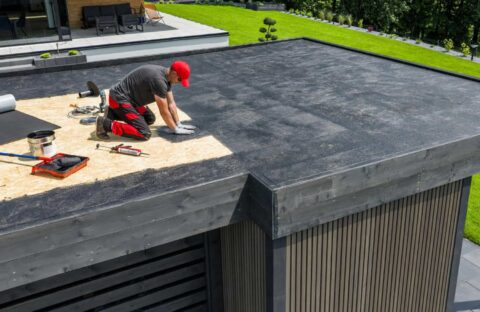
Flat roofs get hit harder because water tends to sit longer, drainage is slower, and the large open surface gives wind more to grab. UV rays also beat down on the membrane all day, then sudden cold rain shocks the material. Some of that damage you can prevent with good care and planning. Other problems need professional flat roof repair in New Hampshire before they spread into leaks and interior damage.
We’ve spent years on roofs across New Hampshire and Southern Maine, and every late summer we see the same patterns. The same weak spots fail, the same quick fixes peel up, and the same drainage issues show up when storm lines keep rolling through.
How New Hampshire Summer Storms Attack Flat Roofs
Summer storms here are short, sharp, and messy. A calm afternoon can flip to heavy rain and gusty wind in minutes. Your flat roof has to deal with:
- Intense cloudbursts that dump a lot of water in a short time
- Flash flooding that overwhelms drains and downspouts
- Hail that can bruise or puncture membranes
- High winds that lift edges and stress seams
- Fast temperature swings from hot roof surfaces to cool rain
Different roof systems handle that stress in different ways. On EPDM, TPO, and PVC membranes, we often see:
- Seam stress where sheets are welded or glued together
- Punctures from hail or flying debris
- Shrinkage that pulls at flashings and corners
- Surface wear where water and sun hit the same area over and over
On modified bitumen or built-up roofs, storms can open blisters, crack older surfaces, and wash away loose protective layers. Along the Seacoast, wind-driven rain can push water sideways under loose metal edges and up against parapet walls. In wooded towns, branches and leaves clog drains, then back-to-back storms turn your roof into a shallow pool.
Common Flat Roof Weak Points That Fail First
When we get called for flat roof repair in New Hampshire after a strong storm, we usually find the same problem areas. The roof rarely fails in the middle of a clean, open field of membrane. It fails at the details.
Drainage is a big one. Heavy rain finds every weakness in:
- Clogged drains that hold water on the roof
- Scuppers that are blocked by leaves and pine needles
- Gutters that are full of grit and debris
If water cannot leave the roof, it starts to find seams and cracks. Transitions are another weak spot. Areas around HVAC curbs, vents, skylights, parapet walls, and edge metal see a lot of movement and stress. Old sealant pulls away, flashing cracks, and water driven by wind slips underneath.
If you have older “band-aid” repairs, summer storms will test them. Dried-out caulking, peeling patches, and UV-brittle surfaces may look fine on a dry day, then fail fast when sun, heat, and pounding rain hit together. Features like poorly sealed skylights are also common leak sources, which is why many owners ask about better skylight solutions when they plan roof work.
Storm-Ready Flat Roof Maintenance Before Peak Season
You cannot control the weather, but you can control how ready your flat roof is when the big storms show up. A good plan starts in late spring or early summer, before storm frequency ramps up.
A professional inspection should include:
- Checking seams, flashings, and terminations for gaps or cracks
- Testing drains, scuppers, and downspouts for clear flow
- Looking for ponding areas that stay wet long after rain
- Inspecting around HVAC units and penetrations for loose or aged material
- Documenting current conditions with photos for future comparison
Building owners and facility teams still play an important role. Day-to-day tasks might include:
- Keeping roof drains, gutters, and scuppers free of leaves and trash
- Removing loose debris that can blow around during storms
- Watching known trouble spots on ceilings after each major storm
- Reporting new stains or drips right away instead of waiting
Preventative maintenance usually means fewer surprise leaks, less damage to ceilings and equipment, and a longer life for the entire roof system. It also reduces the need for sudden emergency flat roof repair in New Hampshire during the busiest part of storm season, especially when owners stay ahead of ponding water and drainage problems on commercial flat roofs.
When a Summer Storm Demands Immediate Roof Attention
Even a well-cared-for roof can be hit hard by a strong storm. Some signs tell you that you need urgent help:
- New interior leaks that start during or right after heavy rain
- Ceiling stains that spread quickly from one storm to the next
- Soft or spongy areas when someone carefully walks the roof
- Visible membrane blow-offs, open seams, or clear punctures
Safety comes first. If you suspect damage:
- Keep people away from any ceiling that is bulging or dripping
- Move equipment, inventory, or furniture away from wet areas
- Use buckets and plastic to control water where possible
- Avoid walking on the roof if you see pooling water, loose material, or damage
When you see those issues, bring in a local flat roof specialist who understands New England weather and commercial systems. We assess the damage, provide temporary weatherproofing to get you through the next round of storms, and lay out a plan for permanent repairs that match your roof type and building use, which is exactly what you should expect from commercial roofing solutions built for flat and low-slope roofs.
Upgrade Options That Help Flat Roofs Survive Summer
If your flat roof struggles every storm season, it may be time to think about upgrades that make the whole system tougher. Storm-focused improvements often include:
- Better drainage design, such as added drains or enlarged scuppers
- Stronger, better detailed edge metal where wind likes to lift
- Upgraded flashing details at penetrations and parapet walls
Other protective changes can include higher wind-rated assemblies, cover boards under the membrane, tighter fastener patterns, walk pads around service areas, and reflective coatings that reduce UV and heat stress. Good gutter and leaf guard setups also help by keeping water moving, which is why many owners pair roof work with improved gutter and leaf guard systems.
In New Hampshire, any solution has to work year-round. That means handling snow and ice in winter, strong sun and sudden storms in summer, and coastal exposure in some towns. Matching the roof system, details, and maintenance plan to those conditions is the best way to keep your flat roof ready for whatever the next storm throws at it.
If you’re seeing storm-related issues on your flat roof, or you want to get ahead of peak storm season, call our team or request a free flat roof evaluation and quote. We’ll put our New England jobsite experience to work keeping your building dry and protected.
Get Started With Your Project Today
If your commercial or residential flat roof is showing signs of trouble, we are ready to help you protect your building before small issues turn into major repairs. Learn more about how our team at J. Carnes & Son Roofing handles flat roof repair in New Hampshire with careful inspections, clear recommendations, and quality workmanship. To discuss your project or schedule an appointment, call us or get a free quote.