
Essential Tips for Kingston Residential Roofing Maintenance

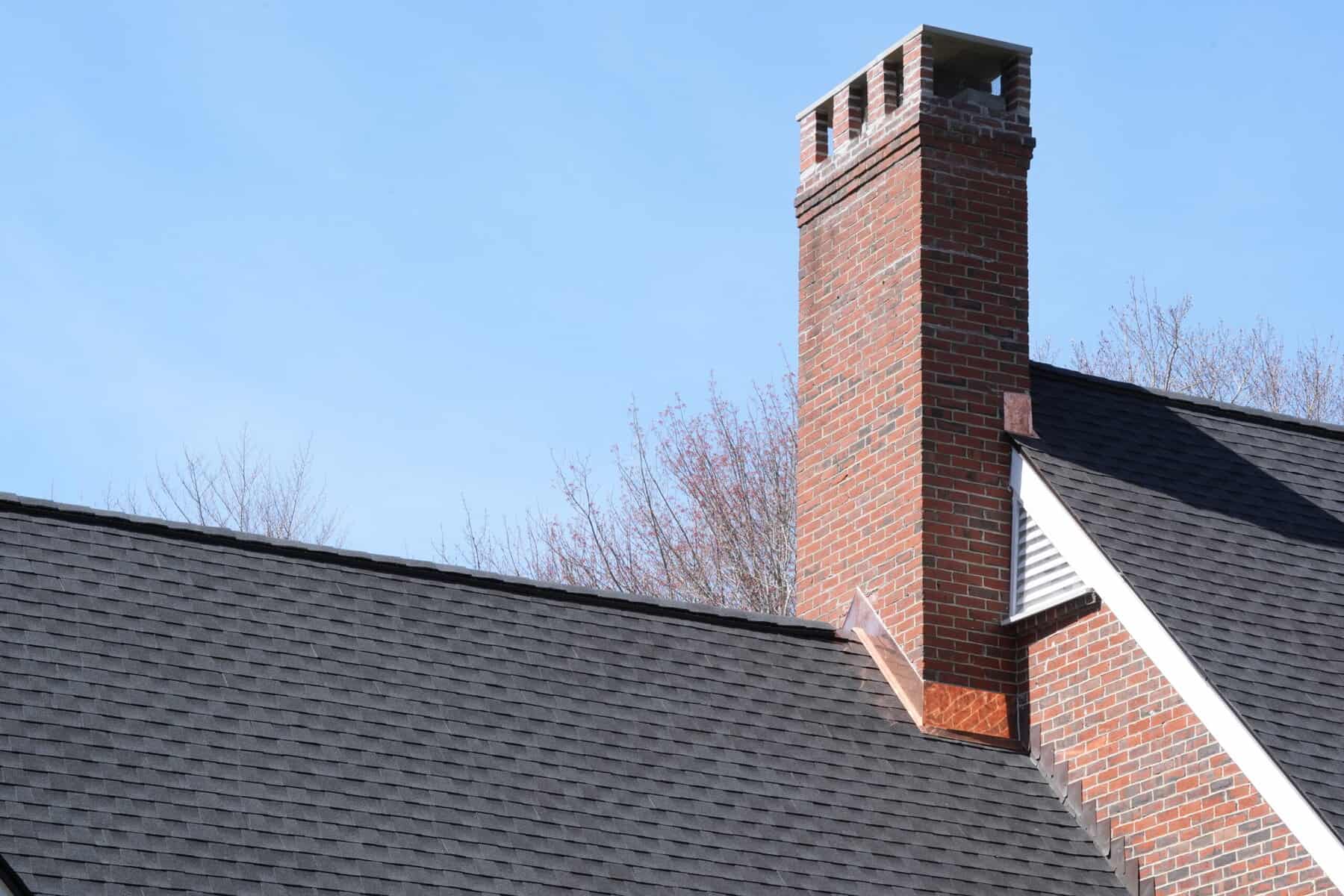
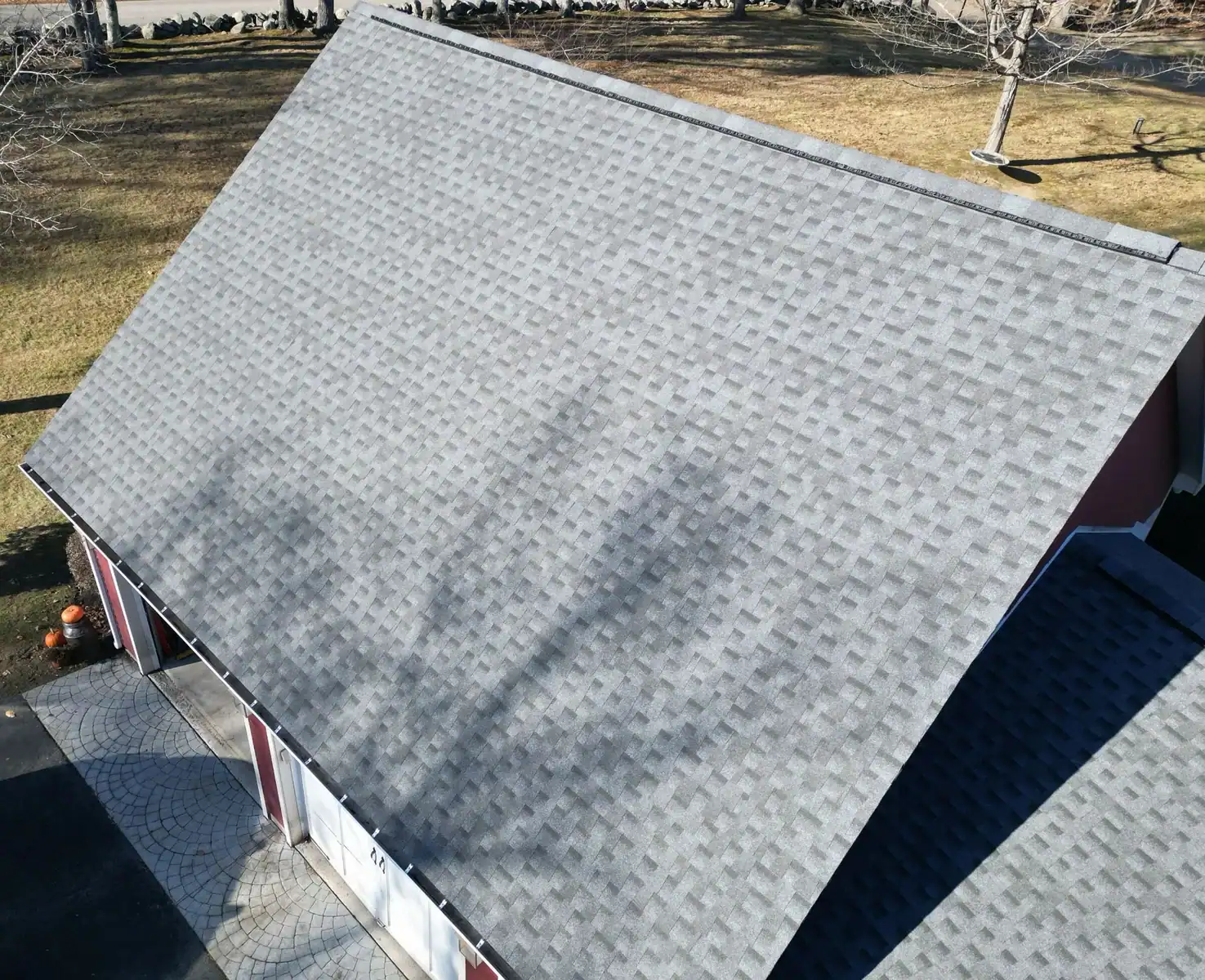
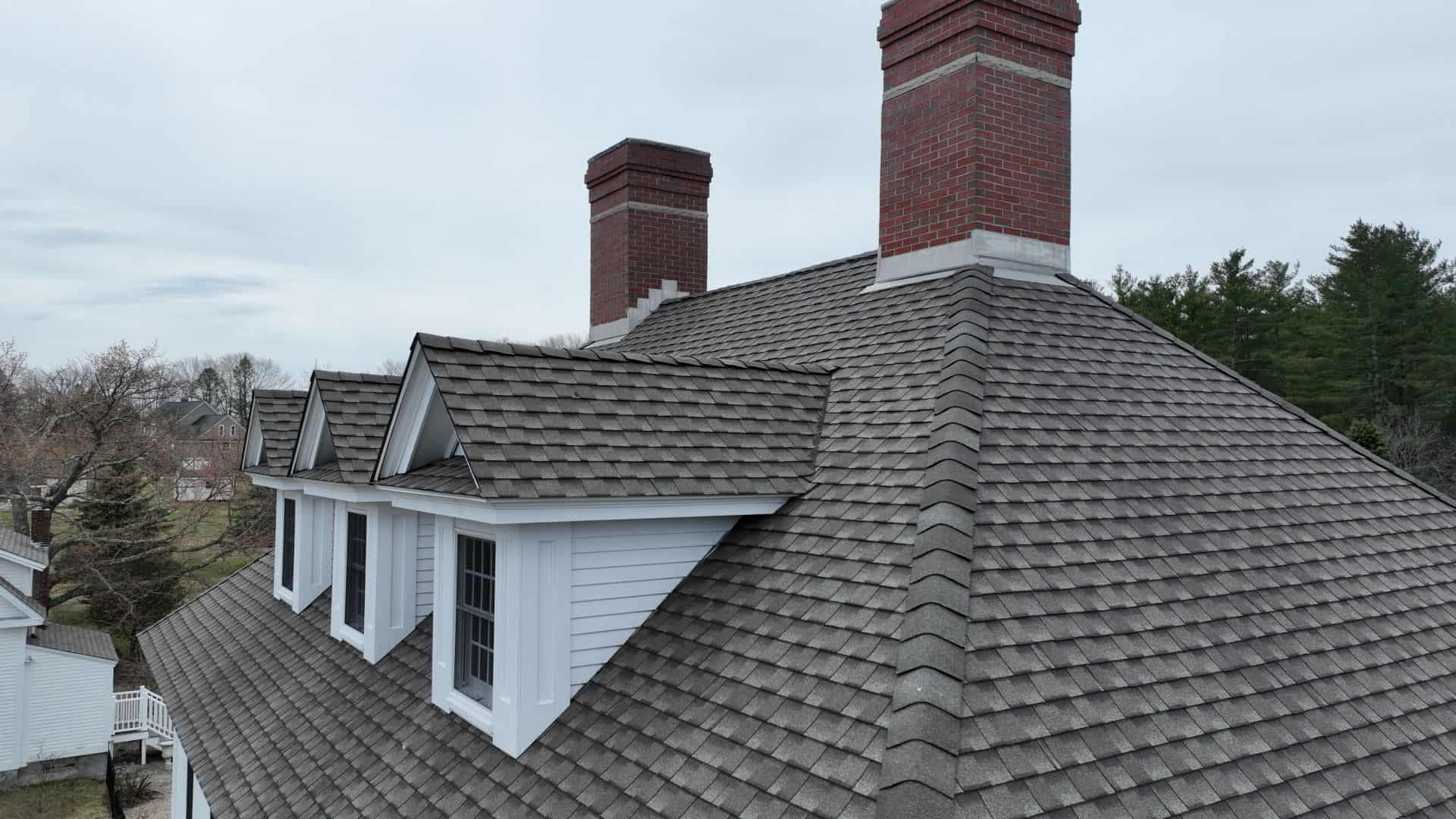
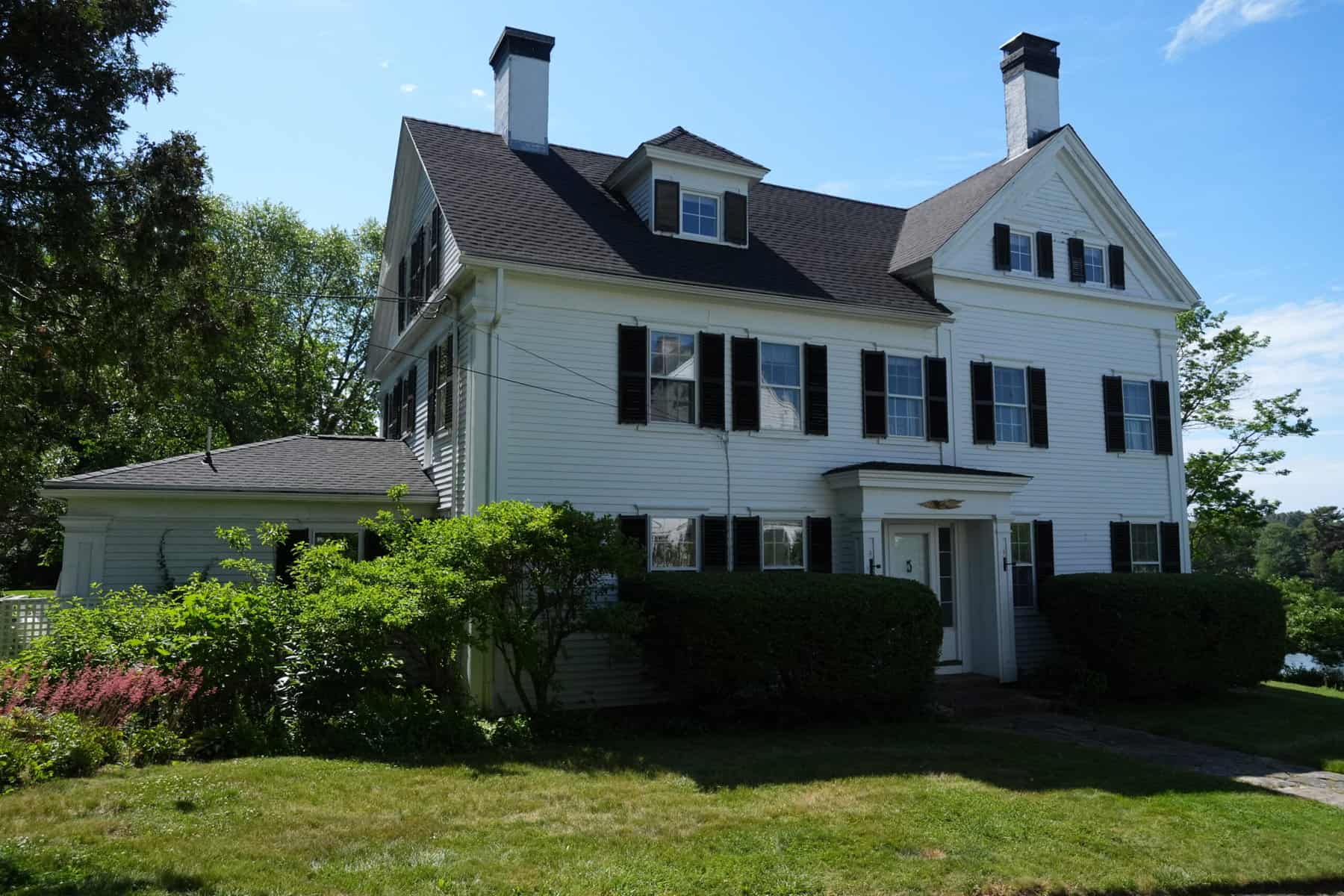
Architectural asphalt shingle roof with dormers and brick chimneys installed by J. Carnes & Son Roofing on a New England coastal home

Living in Kingston, your roof is much more than just the hat on your home; it’s a vital line of defense against rain, snow, and everything else nature throws your way. Keeping your roof in top shape doesn’t just protect your belongings but also helps maintain the comfort and safety of your home. Regular maintenance might seem like a hassle, but it goes a long way in preserving the lifespan of your roof, saving you money and worry in the long run.

Roofs in New England face unique challenges given the region’s ever-changing weather conditions. From heavy snowfall in winter to the occasional ice storm, these elements can cause wear and tear on shingles, gutters, and other rooftop components. By staying on top of routine checks and simple maintenance tasks, you can help your roof stand strong against the elements season after season. Let’s delve into some practical tips that will help you maintain a robust and reliable roof over your head.

Inspect Your Roof Regularly

Regular inspections are key to catching small problems before they turn into costly repairs. Taking the time to walk around your house and examine your roof as the seasons change can make a significant difference. When inspecting your roof, keep an eye out for:

– Missing or Damaged Shingles: These are often the first signs of trouble. High winds or storms can rip shingles away, leaving your roof vulnerable.

– Cracks or Peeling: Check for cracks or peeling on your roof’s surface. This could indicate aging materials in need of replacement.

– Debris Accumulation: Leaves, twigs, and other debris can gather in valleys or near chimneys, trapping moisture and potentially leading to rot.

Given Kingston’s unpredictable weather, aim to inspect your roof two to three times a year. This schedule helps ensure you’re not overlooking early signs of damage, especially after harsh winter seasons or stormy springs. You don’t have to become a roofing expert overnight, but knowing what to look for makes it easier to spot issues early. Your efforts can keep your roof in good condition, saving you the worry of unexpected repairs.

Keep Gutters And Downspouts Clean

Gutters and downspouts may not be glamorous, but they play a crucial role in maintaining the health of your roof. They direct rainwater away from your foundation, which can prevent a host of problems like leaks or erosion. Keep them clean to avoid clogs that might cause water to back up under your shingles. Here’s how to keep them working smoothly:

– Routine Cleaning: Make it a habit to check and clear gutters and downspouts of leaves and debris every few months.

– Install Gutter Guards: These simple devices can prevent leaves and large debris from entering your gutter system.

– Ensure Downspouts Are Secure: Make sure they direct water at least three feet from your foundation to prevent water damage.

Taking a few minutes each season to check your gutters helps safeguard your home from potential water damage. You’ll find that regular attention to these details not only preserves the integrity of your roof but also contributes to the overall well-being of your property. If you notice signs that your gutters need more than a quick clean-up, it might be time to bring in a professional to assess and fix any underlying issues.

Trim Overhanging Branches

Trees can be both a blessing and a curse when it comes to protecting your home. While they provide shade and beauty, their branches can pose a threat to your roof if they grow too close. Overhanging branches can brush up against shingles during windy days or drop leaves and other debris directly onto your roof. This leads to potential damage, including scratches on shingles and blocked gutters from fallen leaves.

To keep your roof safe, you should regularly trim any branches that hang over it. Here are some helpful tips:

– Safety First: Always use the proper tools and wear the necessary safety gear when trimming branches. If you’re unsure, it’s wise to hire a professional arborist to handle the job.

– Determine the Right Timing: Spring is usually a good time to trim branches before the full growth of summer foliage.

– Prevent Overgrowth: Regular trimming encourages healthy tree growth and minimizes the risk of larger limbs falling during storms.

By keeping your trees well-trimmed, you reduce the chances of accidental damage and help ensure the longevity of both your trees and your roof.

Address Roof Repairs Promptly

When you spot an issue with your roof, it’s important to fix it quickly. Ignoring small problems can lead to bigger, more expensive repairs down the line. Common issues that require fast attention are leaks, curling shingles, and cracked seals around vents or chimneys.

Handling repairs promptly is essential for:

– Avoiding Further Damage: A small leak can turn into significant water damage if left unaddressed.

– Maintaining Energy Efficiency: Repairs help prevent heat loss during winter, keeping your home cozier.

– Preserving Home Value: A well-kept roof is attractive to potential buyers, should you decide to sell.

Consider reaching out to a professional who has the tools and expertise to handle roof repairs efficiently. They can ensure the job gets done right the first time, saving you from future headaches.

Prepare Your Roof for Seasonal Changes

Each season brings its own challenges, so preparing your roof accordingly ensures it withstands the weather. As spring approaches, use this time to check for any damage winter storms may have caused. Here are some steps to follow:

– Inspect for Winter Damage: Look for signs of ice dam damage or heavy snow loads that may have stressed the structure.

– Ensure Proper Ventilation: Check that your attic ventilation is working well to help regulate temperatures and prevent moisture buildup.

– Reinforce Materials: Consider applying a fresh layer of protective coating if your roof design allows it, adding an extra layer of resilience against rainstorms.

Adapting your maintenance to the seasons means fewer surprises when the weather shifts. Being proactive about these changes not only protects your roof but also gives you peace of mind.

Ensuring Roof Longevity with Professional Help

Regular maintenance and timely repairs play a big role in keeping your roof in top shape. By staying vigilant and addressing issues as they arise, you extend the life of your roof and prevent costly repairs. Beyond your routine checks, consider professional roofing services for in-depth inspections and more complex repairs. Professionals have the knowledge and equipment to spot issues that might go unnoticed to the untrained eye.

By working with experts, you gain the confidence of knowing your roof is well taken care of. Don’t underestimate the value of professional help when it comes to such an important part of your home. Taking these steps can lead to years of reliable protection and add to your home’s overall value.

Don’t let your roof issues linger. For expert guidance and reliable solutions, trust J. Carnes & Son Roofing to keep your home protected year-round. Learn more about Kingston residential roofing and take the first step toward a stronger, longer-lasting roof today.
Key Indicators of Moisture Problems in Your Attic

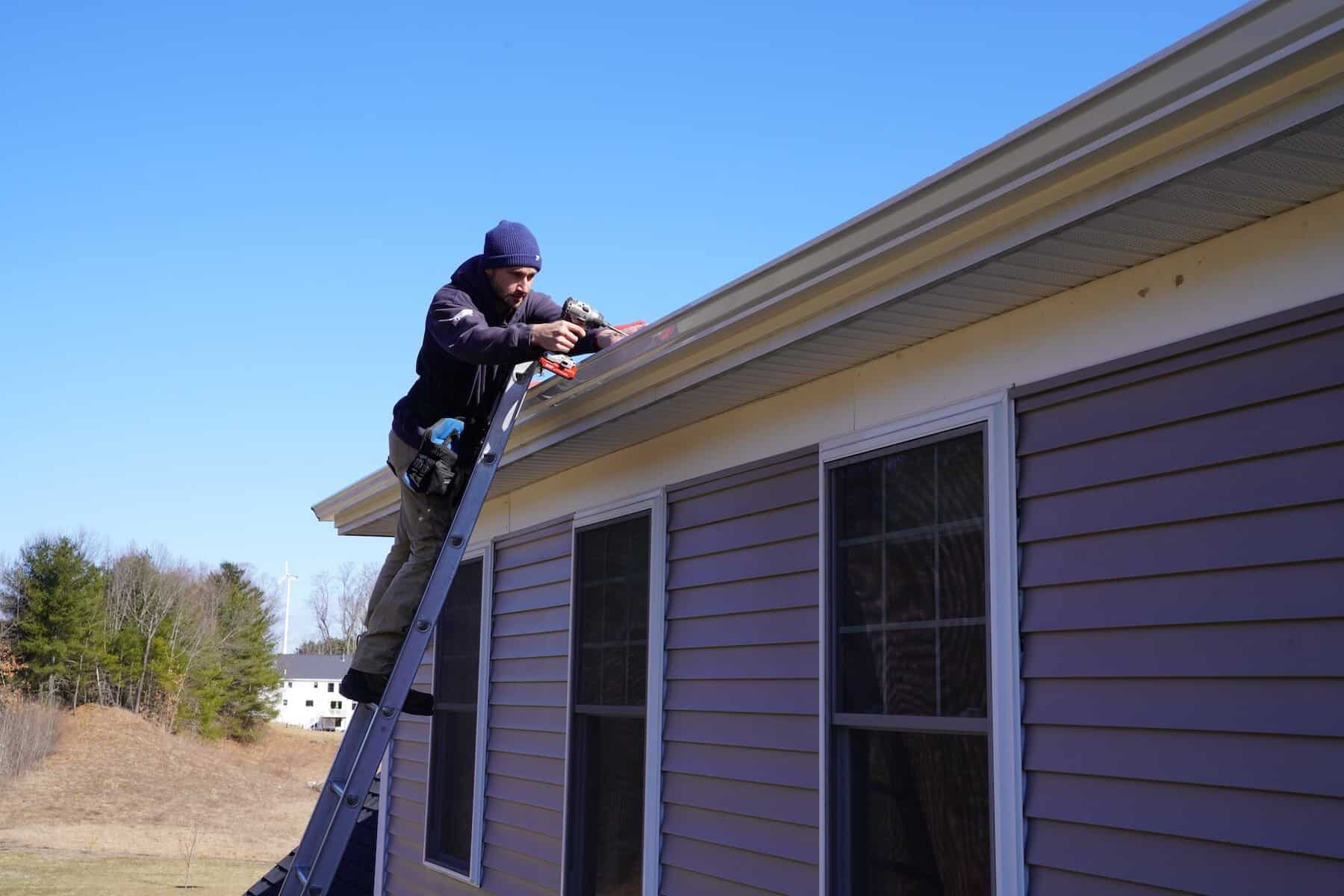
Roof ventilation detail on a New Hampshire home by J. Carnes & Son Roofing

When it comes to maintaining a healthy home, many people overlook the attic. Nestled out of sight, your attic might seem like a low-priority part of your living space. However, it plays a vital role in your home’s overall condition. One of the most common issues that can arise in an attic is moisture buildup. This might not seem like a big deal at first glance, but moisture can cause significant problems. Since New Hampshire and Southern Maine experience varied and often harsh weather conditions, keeping your attic dry and well-ventilated is even more important.

Why should homeowners in these areas be concerned about attic moisture? Moisture can lead to numerous complications, from structural damage to health hazards. When moisture makes its way into your attic, it doesn’t just stay put; it can seep into your home’s structure, causing wood rot, mold, and a range of other issues. Being aware of the signs of moisture troubles can help you address these problems before they escalate.

Common Signs of Moisture in the Attic

It’s important to catch moisture problems early before they can cause serious harm. Here are some common signs that you might have a moisture problem in your attic:

– Visible Mold or Mildew: One of the most obvious signs of moisture is the appearance of mold or mildew. If you spot any fuzzy or discolored patches on your attic’s surfaces, it’s likely a sign of excess moisture.

– Damp or Musty Smell: A certain stale or musty odor is a strong indicator that moisture is present. Trust your nose. If it doesn’t smell right, it probably isn’t.

– Water Stains on the Ceiling: If you notice dark spots or stains on the ceiling below your attic, water might be leaking from above. These marks can also suggest a roofing issue.

– Damp or Discolored Insulation: Check your attic’s insulation periodically. If it feels wet or looks discolored, moisture may have seeped in, affecting its ability to function properly.

Identifying these signs early can save you a lot of hassle and expense. Regular checks will help spot problems early, allowing for timely intervention.

Causes of Attic Moisture

Understanding what causes attic moisture can help prevent these issues. Here are some common culprits:

– Poor Ventilation: Without proper airflow, humidity builds up, creating the perfect environment for moisture-related problems. Ensure your attic has adequate ventilation to allow heat and moisture to escape.

– Roof Leaks: Roof damage can easily let water into your attic. Regular roof inspections can pinpoint weak spots or broken shingles that might need repair.

– Condensation from Appliances or Bathrooms: Appliances that emit heat or steam, like clothes dryers, should be properly vented to the outside. Bathrooms with inefficient ventilation can also contribute to attic moisture.

– Blocked Soffit Vents: These vents are crucial for allowing air to flow in and out of the attic. If they get blocked by debris or ice, air circulation becomes restricted, leading to moisture buildup.

Being aware of these causes will help you take proactive measures to safeguard your attic and home. By keeping an eye on potential problems, you can help your property remain in great shape, regardless of the weather outside.

Effects of Moisture in the Attic

Moisture in the attic doesn’t just stay confined to that area—it can have repercussions throughout your home. One major issue is structural damage. When water seeps into the wooden beams or framework, it can lead to wood rot. This compromises the integrity of your home and potentially costs a lot to fix. Another effect is on your energy bills. When insulation gets damp, it can’t do its job effectively, which often results in a chilly home in winter and a hot one in summer. This inefficiency makes heating or cooling your house more expensive than it needs to be.

Health risks are another significant concern when it comes to attic moisture. The growth of mold and mildew is more than just unsightly; it can also pose serious health risks, especially for those with allergies or asthma. The air quality in your home can be impacted, leading to respiratory issues for you and your family. That’s not all—moist conditions might attract unwanted visitors like insects or rodents, drawn to the warmth and dampness as much as the food stored up there. Once these pests get into your attic, they can be tricky to remove and may cause even more damage.

How to Prevent Moisture Issues

Thankfully, there are proactive steps you can take to keep your attic dry and your home safe. Prevention involves a few simple but effective strategies:

– Ensure Proper Ventilation: Make sure your attic has enough airflow to let moisture escape. This includes having well-placed vents that aren’t blocked and regular checks to ensure they’re clear.

– Regular Roof Inspections: Inspecting your roof periodically can help catch potential leaks before they begin. Fixing a few shingles early on is much easier than dealing with water damage later.

– Use Vapor Barriers: These barriers can be installed to block moisture from rising through the floors and walls of your home. They’re especially helpful in areas prone to high humidity.

– Check Bathroom and Kitchen Ventilation: Ensure kitchens and bathrooms have fans vented outside the house, preventing steam from rising into the attic.

By incorporating these steps, you can maintain a dry attic, ultimately saving yourself from headaches down the road.

Keeping Your Attic Moisture-Free Year-Round

Having a moisture-free attic all year round is not just about avoiding problems; it’s about ensuring your home remains a safe and comfortable haven. Keep an eye on the indicators of moisture and address them at the earliest sign. Set up a routine for checking ventilation and book regular roof inspections. These practices will go a long way in keeping your attic dry.

Addressing attic moisture not only protects your home’s value but also your health and comfort. A little attention can spare you significant trouble and expense. With the right approach and ongoing care, your home will be prepped for whatever weather New Hampshire and Southern Maine can throw at it.

Keeping your attic free of unwanted moisture is crucial for maintaining a comfortable and secure home environment. If you’re looking to successfully manage moisture in the attic, it’s wise to consider professional support. For seasoned expertise tailored to New Hampshire and Southern Maine homes, J. Carnes & Son Roofing offers dependable solutions. Explore their roofing services to discover more about how they can safeguard your attic and the rest of your home from potential moisture issues.

The Role of Leaf Guards in Preventing Gutter Clogs

Gutter installation on a New Hampshire home by J. Carnes & Son Roofing

Gutter clogs can be a pesky problem, especially in places with lots of trees like New Hampshire and Southern Maine. Leaves, twigs, and other debris find their way into gutters, creating blockages that prevent water from flowing properly. When gutters get clogged, water overflows, causing damage to a home’s foundation and siding, and it can even flood basements. Understanding these issues helps homeowners realize the importance of keeping gutters clean and functioning well.

This is where leaf guards come into play. These handy tools act like sieves, allowing rainwater to pass through while keeping out leaves and debris. By maintaining clean gutters, leaf guards not only prevent clogs but also protect your home from significant water damage. They stand as a first line of defense in ensuring your gutter system works smoothly throughout the year.

Understanding Gutter Clogs

Gutter clogs happen when things like leaves, twigs, or dirt get stuck and pile up in your gutters. Rainwater should flow freely through gutters and downspouts, but these blockages force water to spill over the sides. This overflow can lead to a host of problems. Here’s why keeping gutters clear is so important:

– Water Damage: Instead of being directed away, water can cause damage to walls, foundations, and even get inside attics or basements.

– Landscape Issues: Water pooling near the foundation can erode soil and damage plants near your home.

– Roof Damage: Pooling water in clogged gutters can lead to issues with the roof, including leaks or shingle damage.

Leaves might be the usual suspects in causing clogs, but it’s important to note that other debris can also be to blame. Pine needles, dirt, and even small branches can add up to bigger problems over time. Regular maintenance is key to avoiding these headaches and ensuring your home is well protected from the elements.

How Leaf Guards Work

Leaf guards come to the rescue by acting as a protective covering over your gutters. They allow water to enter while blocking leaves and other debris. Depending on the design, they can be made from various materials like aluminum, steel, or mesh. Here’s how they generally work:

– Screen Leaf Guards: These have large mesh screens that sit on top of the gutters, preventing debris from entering while letting rainwater pass.

– Reverse Curve Guards: These are designed to let rainwater flow over the guard while pushing leaves to the ground.

– Foam Guards: These fit directly inside the gutter, blocking debris while allowing water to seep through the foam.

Choosing the right type depends on your home’s specific needs and the kind of debris common in your area. Once installed, leaf guards allow for hassle-free maintenance, letting occupants enjoy more time doing things they love rather than climbing ladders to clear gutter blockages.

Benefits of Installing Leaf Guards

Adding leaf guards to your gutter system can bring a variety of perks to homeowners, especially in areas like New Hampshire and Southern Maine, where foliage is abundant. One of the key advantages is preventing water damage. When gutters remain clear of clogs, water is efficiently guided away from your home, safeguarding the foundation and preventing structural issues. This simple step can save you from costly repairs down the line.

Another notable benefit is reduced maintenance. Without a leaf guard, gutters can quickly fill up with debris, requiring frequent cleaning to maintain proper function. Leaf guards minimize the debris that enters your gutters, cutting down the time and effort you need to spend on regular upkeep. This means safer homes with fewer risky trips up the ladder.

Additionally, leaf guards extend the life of your gutters. By reducing the strain of accumulated debris, they help preserve the gutters’ structural integrity. This means less wear and tear, translating to longer-lasting systems and greater peace of mind. It’s a proactive way to keep your home protected and looking its best.

Choosing the Right Leaf Guards for Your Home

Selecting the best leaf guard for your home involves some important considerations. First, take into account the material. Most leaf guards are made from strong metals like aluminum or stainless steel, but different materials can offer distinct advantages such as longevity or ease of maintenance.

Next, consider the design that best suits your gutter system and the types of debris common around your home. Screen guards work well for homes surrounded by larger leaves, while mesh or foam designs may better suit environments dealing with smaller particles like pine needles.

Compatibility with your existing gutters is another crucial factor. Not all leaf guards fit every type of gutter, so check dimensions to ensure a snug fit that will perform effectively. Lastly, while DIY options exist, professional installation remains the safest choice. Experienced professionals ensure the leaf guards are installed properly, providing you with a more reliable system.

Protecting Your Home Efficiently

In wrapping up the discussion about leaf guards, it’s clear they serve as a valuable addition to home maintenance systems. They help prevent clogs that could lead to costly repairs and preserve the integrity of your home. Whether it’s reducing time spent on ladder duty or extending the life of your gutters, leaf guards offer an efficient solution for homeowners.

If you’re considering enhancing your home’s gutter system with leaf guards, it’s wise to seek advice from trusted experts familiar with the environmental challenges in your area. They can provide personalized solutions tailored to meet the unique needs of homes in New Hampshire and Southern Maine.

Protect your home efficiently from gutter clogs and water damage with gutter installation in NH from J. Carnes & Son Roofing. Our expert team specializes in installing high-quality leaf guards that suit the unique needs of homes in New Hampshire and Southern Maine. With our professional guidance and installation expertise, you can ensure your gutters stay clear and your home remains safe from water-related issues year-round. Contact us today to learn how you can secure your home with our tailored solutions.

Commercial Roofing Solutions for New Hampshire Businesses

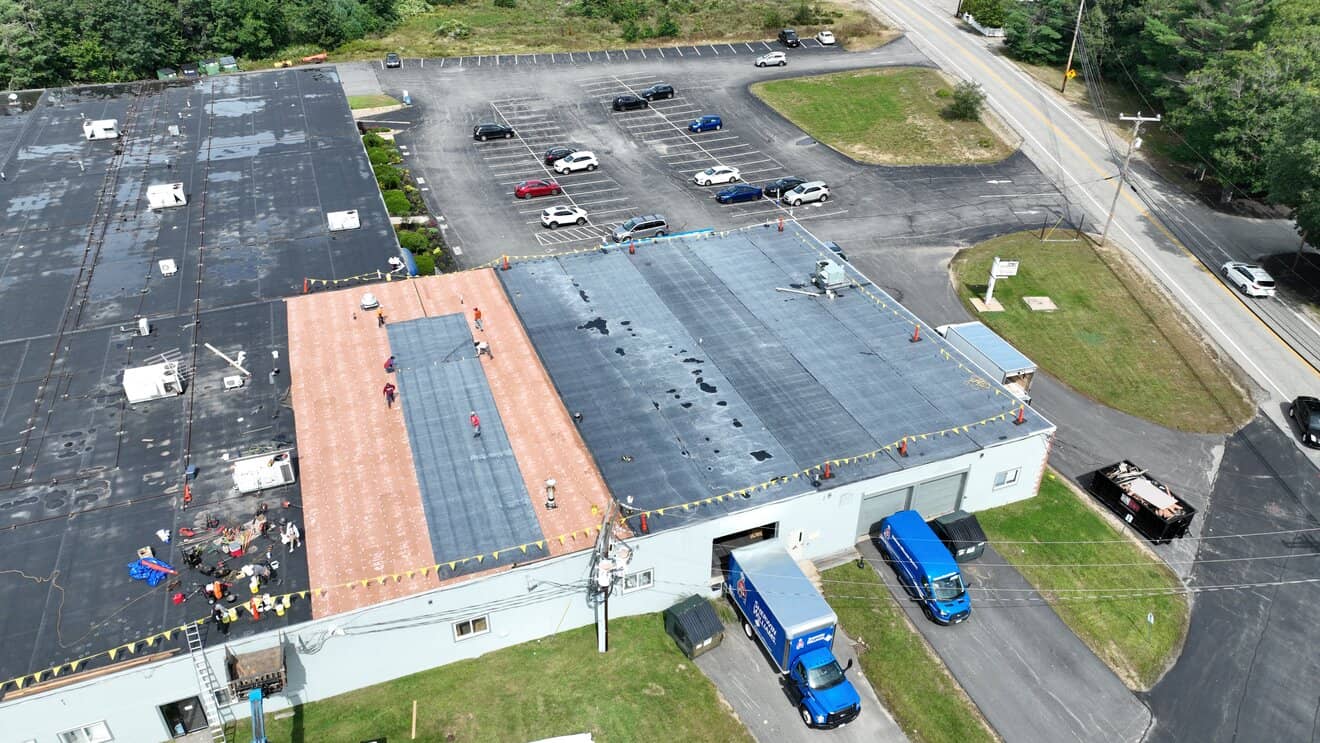
Aerial of a commercial flat-roof replacement in New Hampshire by J. Carnes & Son Roofing

In the diverse landscapes of New Hampshire and Southern Maine, businesses face unique challenges when it comes to safeguarding their commercial properties. The weather patterns here, with their unpredictable shifts, demand sturdy roofs that promise durability and protection. Commercial roofing plays a vital role in this equation, offering much-needed shelter and stability. Companies in this area must ensure their roofing solutions can withstand the elements and serve their business needs without interruption.

When we think about commercial roofing, we can’t overlook its impact on a business’s overall operation. Roofs not only shield against the weather but also help in reducing energy consumption and enhancing the visual appeal of a building. A good roofing system can reduce unexpected repairs and provide a safe environment for employees and customers alike. Thus, choosing the right roof is key for any business wanting to maintain strong operations and protect its investments.

Importance of Quality Commercial Roofing

Businesses must prioritize the quality of their roofing. A poorly constructed roof can lead to multiple issues, including leaks, energy inefficiencies, and a general lack of safety. Quality roofing ensures not just the physical protection of the building but also financial savings in the long term. Here are a few key reasons why a high-quality roof matters:

– Protection from Weather: In regions like New Hampshire, roofs face harsh conditions, from heavy snow in winter to rain and wind in other seasons. A strong roof can protect the inside of the building from these elements.

– Energy Efficiency: Having a well-insulated roof contributes significantly to maintaining consistent temperatures inside the building. This ultimately helps in lowering heating and cooling costs.

– Curb Appeal: The roof is one of the first things people notice about a building. A modern, well-maintained roof can enhance the brand image and attract more business.

The benefits of quality commercial roofing stretch far beyond protection and efficiency. They include adding to the building’s aesthetic value and potentially increasing its market value. When businesses invest in top-notch roofing, they’re not only safeguarding their assets but also boosting operational efficiency.

Common Commercial Roofing Materials

Knowing which materials to choose for a commercial roof is vital in ensuring it meets specific needs and challenges. Here are some common options:

1. TPO (Thermoplastic Polyolefin): This is a single-ply roofing membrane known for its energy efficiency and strong reflective properties. TPO resists ultraviolet, ozone, and chemical exposure, making it an excellent choice for businesses aiming to save on energy costs.

2. EPDM (Ethylene Propylene Diene Terpolymer): Often called a “rubber roof,” EPDM is great for its durability and ability to withstand extreme temperatures. It’s flexible and easy to install, making it a popular choice for many.

3. Metal Roofing: Known for its longevity, metal roofing can last for decades with little maintenance. It is highly resistant to weather conditions, making it suitable for the changing climates of New Hampshire and Southern Maine.

When choosing a roofing material, businesses should weigh the pros and cons of each option. TPO is great for energy efficiency, EPDM offers flexibility and strength, while metal roofing assures durability. By matching the roofing material to the building’s specific needs, businesses can ensure long-term satisfaction and minimal upkeep.

Choosing the Right Roofing Solution

Selecting the best roofing solution for a business can sometimes feel like a puzzle, with various pieces needing to fit perfectly. One important piece is the local climate, which heavily influences roofing decisions. In New Hampshire, for example, the choice of roofing material might differ from warmer regions due to the state’s chilling winters and rainy springs. Businesses should consider materials that offer weather resistance and insulation to manage these conditions effectively.

Another factor is the building structure itself. The type of business often dictates the kind of roof required. Consider a warehouse versus an office building; each might benefit from a different style or material based on its function. Budget is also a key factor in the decision. While it might be tempting to cut corners to save money, investing in quality upfront often translates to fewer repairs and better performance down the line.

To find the perfect fit, businesses should assess their specific needs. For example, a downtown boutique in Concord, New Hampshire, might select a roof that complements its historical architecture, enhancing its charm and attracting foot traffic. Conversely, a manufacturing plant might prioritize durability and cost-effectiveness.

Maintenance and Long-Term Care

Once the right commercial roof is in place, proper maintenance becomes crucial. Regular upkeep not only extends the life of the roof but also ensures safety and efficiency. Here are some tips to keep that roof in top condition:

– Schedule regular inspections, at least twice a year, to catch small issues before they escalate.

– Clean gutters and downspouts to prevent water buildup, which can lead to leaks or damage.

– Look out for signs of wear and tear, such as cracked seams or pooling water, and address these promptly.

The New England weather can be unpredictable, so having a seasonal maintenance plan can be beneficial. During winter, when snow accumulation can occur, businesses should have a strategy to remove snow safely to prevent roof collapse. In rainy seasons, ensuring proper drainage can help maintain the roof’s integrity.

Taking these steps helps ensure that the roof not only protects the building but also supports the business’s operations without unexpected interruptions.

Protect Your Business with Reliable Roofing

Investing in a robust commercial roofing solution is akin to laying the groundwork for a business’s future success. It shields your property, enhances its allure, and promotes operational efficiency. The right roof can be a solid partner, safeguarding your investments and providing peace of mind through New Hampshire’s every season.

Through careful selection and maintenance, businesses can ensure that their roofing is a wise and lasting investment. Proper care means fewer worries about leaks or damage, and more time to focus on what truly matters: growing and sustaining the business. As you plan your roofing strategy, remember that quality and care go hand in hand, providing a stable foundation for any thriving enterprise.

To explore how your business can benefit from a sturdy and reliable roof, discover the options for commercial roofing in New Hampshire offered by J. Carnes & Son Roofing. With expertise in selecting the right materials and providing top-notch installation, they can help protect your investment and ensure your operations continue smoothly throughout every season.

Fixing Humidity Issues in Your Attic

Roof and attic ventilation work in New Hampshire by J. Carnes & Son Roofing

Humid attics can create more problems than one might expect. For those living in places like New Hampshire and Southern Maine, with their cold, snowy winters and wet springs, managing moisture in the attic becomes particularly crucial. Too much humidity can lead to more than discomfort; it results in mold growth, structural damage, and even pest infestations. Understanding how to deal with humidity in the attic can prevent a host of problems and keep your home in top shape.

Picture this: You’ve just fetched a forgotten box of winter clothes from the attic, and a damp, musty smell hits you as you open the door. This smell is one of the first signs that your attic might be holding too much moisture. Ignoring this early warning can lead to bigger headaches, such as mildew or even wood rot. Most homeowners in New Hampshire and Southern Maine can benefit from learning to spot the signs early and knowing what to do next.

Identifying Humidity Issues in Your Attic

Knowing the signs of excess humidity early can save you a lot of trouble down the road. Here are some common indicators that your attic might have a humidity issue:

– Musty odors: A persistent, damp smell is a clear signal of high humidity.

– Water stains: Dark spots on wood surfaces or ceilings hint at moisture problems.

– Mold or mildew: These thrive in moist conditions, leading to health concerns.

– Peeling paint: Excess moisture causes paint to blister and peel.

– Condensation: Constantly foggy windows or damp insulation show high humidity levels.

High humidity doesn’t just affect the attic. It can seep down into living areas, increasing indoor humidity and impacting air quality. This can make your home feel stuffy and uncomfortable, even affecting your health if left unresolved. With these signs in mind, taking action can help maintain a healthier home environment.

Causes of Attic Humidity

Several factors contribute to attic humidity, making it important to identify these root causes for effective solutions:

1. Poor Ventilation: Without proper airflow, trapped air becomes humid and fosters moisture buildup. Inadequate ventilation hinders the attic’s ability to “breathe,” trapping humidity inside the space.

2. Leaking Roofs or Pipes: Leaks in your roof or pipes introduce unwanted water into the attic, fueling humidity. They may go unnoticed for a while, gradually raising moisture levels and causing damage.

3. Inadequate Insulation: If your attic’s insulation is not up to par, it’s more susceptible to temperature fluctuations. Poor insulation allows warm, moist air to rise and accumulate, causing humidity to increase.

Understanding these causes is the first step toward finding the right solutions. When these factors are ignored, they can lead to more extensive and costly repairs. By knowing what causes humidity in the attic, you can choose the most effective methods to combat these challenges and create a healthier home environment.

Solutions for Reducing Humidity in the Attic

Now that we’ve covered what humidity does to your attic, it’s time to find some effective ways to tackle it. Addressing the causes we identified earlier can significantly help reduce moisture levels in your attic and prevent future problems.

First up is improving attic ventilation. Ensuring your attic has enough airflow can make a big difference. You can do this by installing vents at key points like eaves and ridges. This setup helps stale, humid air to escape easily and allows fresh air to circulate. If you’re unsure about vent placement, considering a professional assessment can save you some headaches.

Another practical step is sealing leaks and cracks. Inspect your roof and any pipes for signs of leaks. Water seeping in through undetected holes often simply makes the humidity problem worse. Using weatherproof sealants around potential leakage points can help keep moisture at bay and prevent it from becoming a bigger problem.

Finally, installing proper insulation is a smart move. Good insulation acts like a barrier, helping stable temperatures and reducing moisture build-up. If current insulation looks old or ineffective, consider upgrading to a more efficient type. This not only helps manage humidity but can also make your home more comfortable and energy-efficient.

Long-Term Benefits of Managing Attic Humidity

Dealing with attic humidity isn’t just about immediate comfort. Managing it pays off in the long run with benefits that enhance your home and lifestyle. Investing in these preventative measures now can lead to big advantages over time.

First, protecting your home’s structure is a major win. Moisture can weaken wood and other building materials, so keeping the attic dry prolongs the life of these essential components. An attic free from dampness means your roof and support beams stay strong, reducing the need for costly repairs.

Next, there’s a boost to energy efficiency. A well-insulated attic without leaks maintains better temperature control. It means your HVAC system doesn’t have to work as hard to keep your living spaces comfortable, and that can help lower those pesky energy bills.

Lastly, keeping humidity levels in check improves indoor air quality. Less moisture means less chance for mold and mildew, which leads to healthier air circulation and a more pleasant home environment. For families, this contributes to better health and comfort.

Safeguard Your Attic Today

To wrap it up, understanding and fixing humidity issues in the attic is a smart decision for every homeowner. By enhancing ventilation, sealing leaks, and upgrading insulation, you can manage attic humidity more effectively. Not only will this protect your home and enhance energy efficiency, but it also provides healthier living conditions.

If managing these issues feels like a challenge, professional help is just a call away. Experts can offer the necessary guidance and solutions to ensure your home remains a safe and comfortable sanctuary no matter the season. Getting ahead of humidity issues gives you peace of mind, knowing your home is well protected.

Maintaining the right balance of moisture in your attic can bring numerous benefits, from preserving your home’s structure to enhancing overall comfort. If you’re dealing with humidity issues, consider exploring professional roofing services that can address these challenges effectively. J. Carnes & Son Roofing offers expertise and solutions tailored to your needs. Discover how they can assist with humidity in the attic and keep your home in top condition for years to come.

Benefits of Residential Metal Roofing in New Hampshire

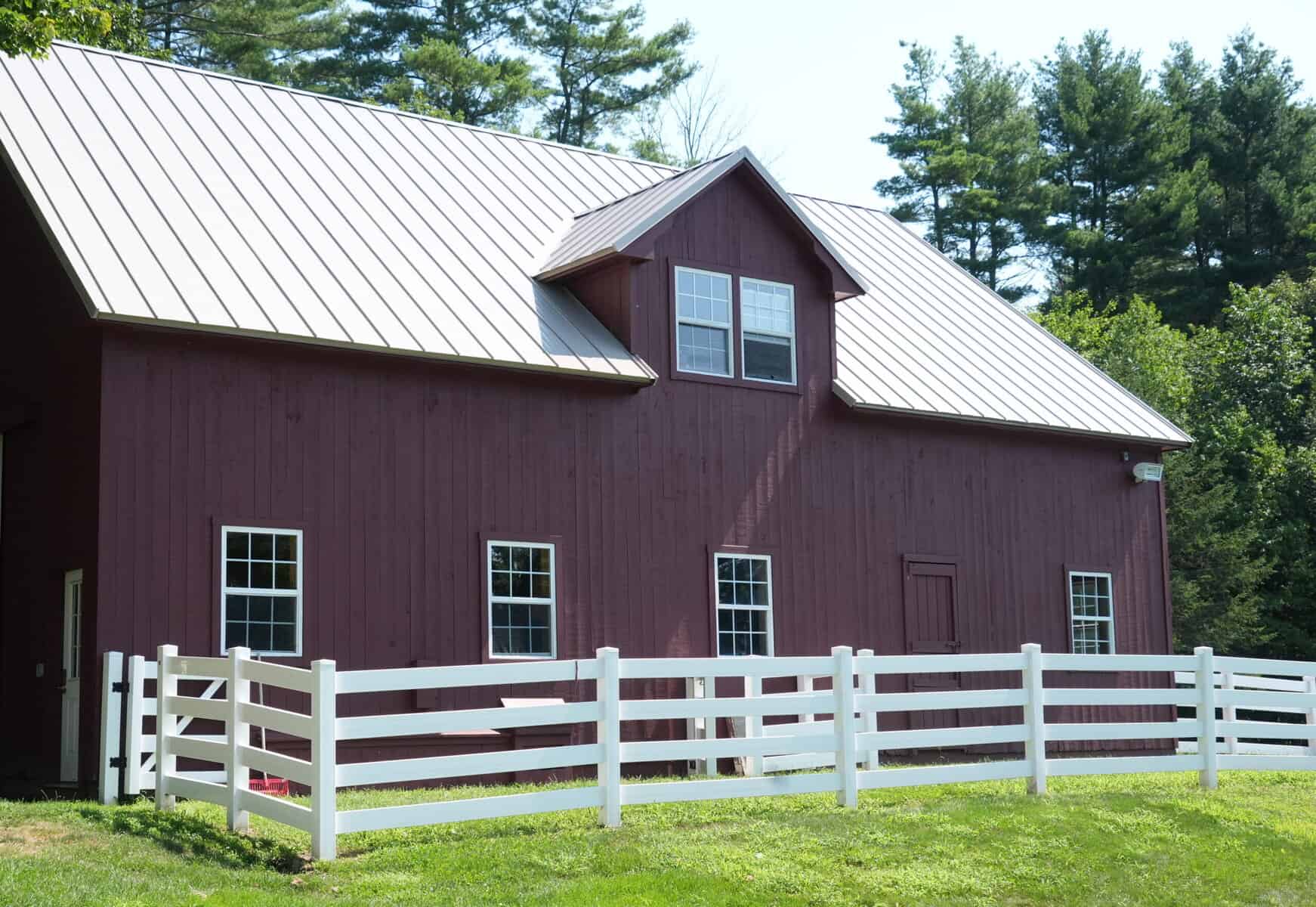
metal roofing

When thinking about upgrading your home’s roof, it’s worthwhile to consider residential metal roofing, especially if you live in New Hampshire. With its picturesque yet unpredictable climate, New Hampshire calls for roofs that are not just beautiful but also practical. Metal roofing shines in this regard, offering a solution that combines durability, efficiency, and style.

As you look over options for roofing materials, metal roofing quickly stands out. Known for its strength and resilience, it promises reliable protection through harsh New England winters and hot summers. That resilience is coupled with an effortlessly sleek look, bringing both function and elegance to any home. Let’s explore how metal roofing can be a good choice for your residence.

Benefits of Residential Metal Roofing

Durability and Longevity

Metal roofs are known for their incredible lifespan, making them a wise investment. Unlike other materials, metal can handle the tough weather conditions common in New Hampshire, such as heavy snow and high winds. This means fewer worries about damage and repairs over time. Since they can last many decades, often more than 50 years, they outshine the longevity of traditional roofing materials.

If you’re deciding between metal and other types, like asphalt shingles, remember that metal roofs often sustain less wear and tear. This resilience allows them to stay intact and look new much longer.

Energy Efficiency

Choosing a metal roof also brings energy-saving benefits. Metal roofs reflect a good portion of the sun’s heat, which means your home stays cooler during warm months. This reflective quality reduces the need for air conditioning, cutting down on energy bills and making the indoors more comfortable in the summer heat.

Consider how pleasant it feels to use less energy while also enjoying a cool home environment. The efficiency of metal roofing isn’t just cost-effective, it’s also a step toward a more sustainable lifestyle.

Low Maintenance

Metal roofs require little maintenance compared to other materials, which makes life easier for homeowners. With minimal cleaning and maintenance, you can keep your home’s roof looking fresh and in top condition. Here’s what maintaining a metal roof typically involves:

– Regularly removing debris, especially after storms or heavy winds.

– Checking for loose fasteners, which should be tightened every few years.

– Inspecting for dents or damage to catch small issues before they become big problems.

Unlike roofs made from other materials, there’s no cracking, shrinking, or warping with metal. This reduces long-term maintenance needs and expenses, allowing you to focus on enjoying your home without hassle.

Opting for metal roofing in New Hampshire means elevating your home’s resilience, efficiency, and ease of upkeep. This approach ensures you’re prepared for anything the changing New England weather throws your way, while also enjoying a modern and stylish look.

Environmental Benefits

Metal roofing is an eco-friendly choice, contributing significantly to a greener environment. One of the standout features is its recyclability. When a metal roof reaches the end of its long lifespan, it can be fully recycled instead of ending up in a landfill. This is not as common with other roofing materials, which often contribute to earth’s growing waste problem. By choosing metal, you’re making a sustainable choice that helps protect the planet.

Additionally, metal roofs reflect a portion of the sun’s energy, reducing the urban heat island effect that tends to make cities warmer than their rural surroundings. This reflection helps in lowering ambient temperatures, providing a more balanced climate in urban areas. By opting for a metal roof, homeowners do their part to promote a healthier environment.

Aesthetic Appeal

When it comes to looks, metal roofing does not disappoint. Homeowners can choose from a variety of styles and colors, ensuring the roof complements their home’s architecture. Whether your home is contemporary or classical, there’s a metal roof design to match. The textured and sleek finishes provide an elegant upgrade, adding curb appeal that catches the eye.

A metal roof doesn’t just look good; it can increase your property’s value too. Home buyers often prioritize homes with durable, low-maintenance features. A metal roof checks both of those boxes, making your home more attractive should you decide to sell. The appeal doesn’t wear off, which means your home retains its enhanced value for years to come.

Weather Resistance

With New Hampshire’s varied weather, your roof faces challenges from snow, ice, and heavy wind. Metal roofing excels in these conditions, offering robust protection against the elements. It’s resistant to cracks from ice or damage from strong winds, maintaining its integrity and safeguarding your home.

Metal roofing greatly reduces the risk of leaks and ice dams, common issues in colder climates. Its smooth surface allows snow to slide off easily, while its sturdy installation keeps moisture out. Enjoy peace of mind, knowing that your roof stands strong against whatever weather comes your way.

Choosing the Right Contractor for Metal Roofing

While metal roofing offers many benefits, the quality of installation plays a crucial role in its performance. Opting for professional installation ensures the roof is safely and correctly fitted, maximizing all the advantages metal roofing has to offer. DIY approaches can lead to costly mistakes, so it’s smart to seek experienced contractors.

When looking for the right contractor, consider their experience, customer reviews, and credentials. A reputable contractor will guide you through the entire process, from choosing the correct style to executing a flawless installation. Prepare a list of questions to ask potential contractors, like how long the installation will take and what kind of warranties they offer. Getting these details squared away in advance can make your roofing project go smoothly.

Choosing residential metal roofing for your home in New Hampshire is a decision filled with foresight and practicality. With its appeal, durability, and minimal maintenance, you’ll find it a worthy addition that not only enhances your home’s look but also its performance against nature’s tests. Explore your options and invest in a future-proof solution that stands the test of time.

Enhance the resilience and aesthetic of your New Hampshire home with residential metal roofing solutions from J. Carnes & Son Roofing. Our expert team is dedicated to providing top-notch advice and installation services that ensure your home is protected against the region’s challenging weather. Choose a roofing solution that’s not only durable and low-maintenance but also contributes to energy efficiency and sustainability. Contact us to learn how a metal roof can transform your home into a strong, stylish, and secure haven.

Understanding the Importance of NH Roof Ventilation

roof ventilation

Roof ventilation might not be the first thing on a homeowner’s mind, but it’s crucial for keeping a house comfortable and long-lasting. In areas like New Hampshire and Southern Maine, where the weather can be quite unpredictable, having a sound ventilation system is essential to avoiding common home problems. Without proper ventilation, moisture buildup and temperature fluctuations could frequently occur, affecting the overall environment inside the home.

Poor roof ventilation often leads to issues homeowners end up battling with. Without good airflow, moisture can easily gather in the attic, creating condensation which may seep into walls or ceilings, causing damage over time. Also, when summer arrives, poorly ventilated roofs can become hotspots, making it harder to keep the house cool. Understanding the workings and benefits of roof ventilation can significantly improve a home’s energy efficiency and extend the lifespan of roofing materials.

How Roof Ventilation Works

The basics of roof ventilation revolve around air flow management. It’s about letting fresh air in and pushing stale air out, which is essential in maintaining an optimal indoor climate. Think of it like opening windows on a breezy day, but it’s your roof doing the work. With proper ventilation, the air cycles through the attic, keeping things balanced. This process helps prevent moisture from lingering and keeps the attic from overheating.

A good ventilation system usually involves a mix of intake and exhaust vents. These components let air move unhindered, drawing in fresh air while expelling warm, humid air. In short, they work together to regulate temperature and moisture levels. When set up correctly, this system functions like a natural air conditioner for the attic, providing a seamless flow that keeps everything in check.

To visualize it practically:

– Intake Vents: Usually placed at the roof’s eaves or soffits, they bring in cool air from outside.

– Exhaust Vents: Located near the roof’s peak, they let out warm air that rises naturally.

With these elements working together, homeowners can notice significant improvements in indoor comfort and reduced energy usage. The proper movement of air limits heat and moisture buildup, safeguarding your home against potential damage, especially during harsh weather conditions common in New Hampshire and Southern Maine.

Benefits of Proper Roof Ventilation

Understanding the benefits of proper roof ventilation can pay off in the long run. One major advantage is the extended life of your roofing materials. By maintaining balanced airflow, roof components stay in better condition, reducing the likelihood of wear and tear from trapped heat and moisture. This maintains the structural integrity of your home and saves on costly repairs.

Another significant benefit is potential energy cost reduction. Good ventilation ensures consistent indoor temperatures year-round. During hot summer months, it prevents your attic from becoming an oven, which can otherwise lead to increased air conditioning use. During winter, it keeps the roof’s surface cool, avoiding ice dam formation that can cause leaks and damage. Keeping the attic at a stable temperature means your HVAC system won’t work overtime, translating to lower utility bills.

Preventing ice dams is crucial for homeowners in areas like New Hampshire and Southern Maine. Ice dams form when warm attic air melts snow on the roof, which then refreezes at the eaves. This cycle can damage shingles and lead to leaks inside the house. Proper ventilation helps evenly distribute warm air, reducing the chances of ice damage and keeping your roof safer throughout winter.

Common Signs of Poor Roof Ventilation

Spotting roof ventilation issues early can help avoid bigger problems down the line. Some indicators might not always be obvious, but watching for them can save time and trouble.

– Condensation in the Attic: Water droplets or dampness in the attic indicate moisture isn’t being properly vented.

– Hotspots During Summer: If parts of your home become unbearably warm, inadequate ventilation may be trapping heat in the attic.

– Unexplained Energy Bills: Sudden spikes in heating or cooling costs might mean your HVAC system is compensating for temperature imbalances caused by poor ventilation.

These signs can guide you during routine home inspections. When walking through your attic, look for any moisture, unusual heat, or mold smells—all indicators that your ventilation might need attention.

Steps to Improve Roof Ventilation

If your home could benefit from improved ventilation, there are practical steps to consider. Start by inspecting existing vents for blockages. Leaves, dirt, or even small animals can obstruct vents, reducing their efficiency.

If your home doesn’t have intake or exhaust vents yet, installing them might be necessary. Consulting with a professional who can assess your specific needs and install the right type and number of vents is ideal. Consider the type of roof you have, as some designs lend themselves to specific ventilation solutions.

Regular maintenance checks make a difference as well. Schedule periodic inspections to ensure everything is working correctly and to detect small problems before they turn costly. A well-ventilated roof means a more comfortable home and peace of mind knowing your roof is built to withstand elements year-round.

Keep Your Roof in Top Shape for Every Season

Maintaining proper roof ventilation throughout the year is important. Ensuring adequate airflow not only protects your home but enhances comfort and energy efficiency. Having a professional like J. Carnes & Son Roofing assist with your ventilation needs can make all the difference, providing expertise and peace of mind for homeowners in New Hampshire and Southern Maine.

Ensure your home remains energy-efficient and protected against New England’s seasonal challenges by addressing moisture in attic issues with J. Carnes & Son Roofing. Our professional team understands the unique needs of New Hampshire homes and offers comprehensive solutions to improve your roof ventilation system. With our expertise, you can enhance your home’s comfort and prevent costly repairs, safeguarding your investment for years to come. Contact us today to optimize your attic’s airflow and experience the difference proper ventilation makes.

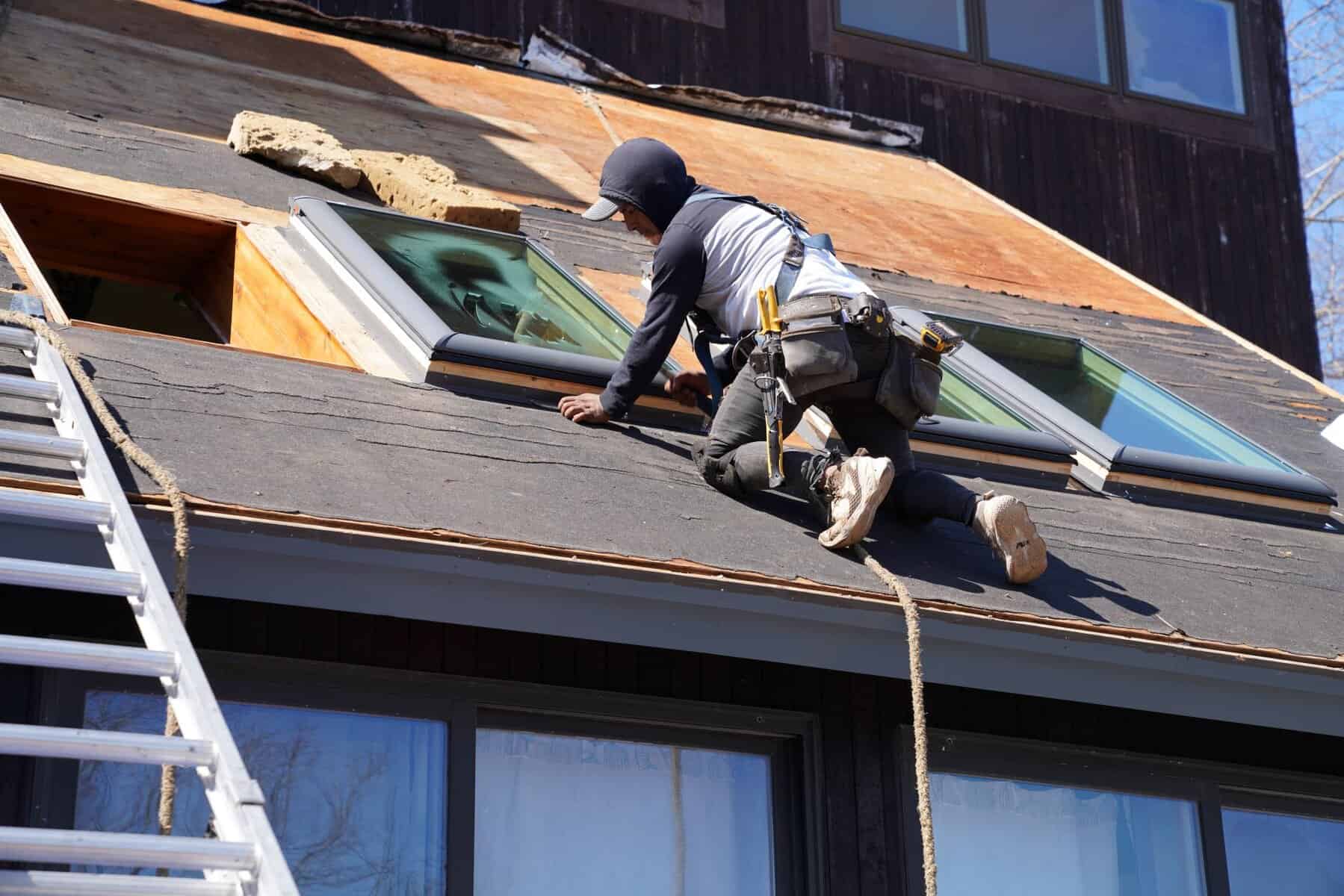
Velux Skylights: Maximize Natural Light in Your Attic

Velux Skylights

Natural light has a magical way of transforming spaces, making them feel more inviting and open. However, attics often miss out on this gift, becoming dark and underutilized. Adding skylights to your attic can dramatically change this.

Velux skylights are a great solution for brightening up attics. They flood the space with daylight, making it a pleasant retreat rather than a hidden corner of your home. This increase in natural light helps reduce dependence on artificial lighting, which can lower energy bills and be kinder to the environment.

Beyond utility, natural light from skylights can improve your mood and well-being. It turns the attic into a perfect spot for activities like reading, painting, or even just relaxing. With proper installation and maintenance, Velux skylights seamlessly blend into your roof while providing all these benefits. Whether you have an asphalt shingle or metal roof, Velux options can be suited to meet your home’s needs.

Understanding the Benefits of Velux Skylights

Velux skylights are a fantastic way to transform a dark attic into a bright, usable space. They bring in natural light, which can make the attic feel larger and more welcoming. Natural light helps in creating an airy and vibrant atmosphere, making the attic an enjoyable space for various activities like reading, crafting, or just relaxing.

One of the biggest advantages of installing Velux skylights is the positive impact on energy efficiency. With more daylight streaming into your home, there’s less need to rely on electrical lighting during the day. This means you can save on your energy bills and reduce your carbon footprint. The natural light provided by skylights also helps regulate indoor temperatures, reducing the need for heating in the winter and cooling in the summer.

Natural light has benefits beyond energy savings. Studies show that exposure to daylight can improve mood, enhance productivity, and even boost health. By installing skylights in your attic, you can create a space that not only looks better but also promotes well-being. The attic becomes a sanctuary of sunlight, helping to lift spirits and increase happiness.

Types of Velux Skylights for Attics

When it comes to choosing Velux skylights for your attic, you have several options. Understanding the different models and styles can help you pick the perfect fit for your space.

1. Fixed Skylights: These do not open but are great for letting in light without the need for ventilation. They’re ideal for locations that are hard to reach.

2. Venting Skylights: These can open manually or via electric controls to allow fresh air to circulate. Venting skylights can be a great way to improve attic ventilation and reduce humidity.

3. Solar Skylights: These models use solar power to open and close, which can be an energy-efficient choice. They also often come with remote controls and rain sensors for added convenience.

Velux skylights offer a variety of features to suit different needs:

– Manual Operation: A cost-effective choice where you can easily reach the skylight to open or close it by hand.

– Electric Operation: Perfect for hard-to-reach places, operated by remote, and providing excellent convenience by integrating with smart home systems.

– Durable Materials: Velux uses high-quality materials like laminated glass and aluminum frames for strength and long-lasting performance.

Selecting the right type of skylight depends on your specific needs, the attic layout, and your desired level of convenience. Each type provides unique benefits that can enhance the comfort and functionality of your attic space.

Installation Considerations for Optimal Skylight Performance

Proper installation of Velux skylights is crucial to ensure you get the most out of them. Here are some helpful tips to achieve optimal skylight performance:

1. Placement: For the best natural light, position skylights where they can capture maximum sunlight. East-facing skylights work well for morning light, while those facing west get more afternoon sun. To minimize heat loss during colder months, consider the pitch and angle of the skylight. Proper placement also helps spread light evenly throughout the space.

2. Professional Installation: Hiring a professional to install your skylight is wise. Experienced installers guarantee that the skylight is sealed correctly to prevent leaks and ensure proper insulation. This minimizes the risk of future repairs and maximizes energy efficiency.

3. Integration with Roofing Materials: Velux skylights are compatible with a variety of roofs, including asphalt shingles and metal roofing. Proper integration is key to maintaining the integrity of the roof. Professionals make sure your skylight blends seamlessly, preserving the beauty and functionality of your roof.

By considering these factors, you can enhance the performance of your Velux skylights, ensuring they provide maximum natural light without increasing energy costs or maintenance headaches.

Maintenance Tips to Keep Velux Skylights in Top Condition

To enjoy the benefits of Velux skylights for a long time, regular maintenance is essential. Here’s a simple checklist to help keep your skylights in great shape:

– Regular Cleaning: Clean the skylight glass periodically to keep it clear of debris and dirt, allowing maximum light to pass through. Use a gentle cleaner to avoid scratching the glass surfaces.

– Inspect Seals: Check the seals around your skylights annually to ensure they are intact and not letting in air or water. Replace any worn-out seals promptly.

– Gutter Check: Clear any leaves or debris from the gutters around your skylights. This prevents water from pooling, which could lead to leaks over time.

– Visual Inspection: Look for signs of damage like cracks or warping. Quick fixes can prevent bigger problems.

For repairs that go beyond basic cleaning and inspection, such as fixing cracked glass or addressing water leaks, it’s best to seek professional help. Regular attention keeps Velux skylights functioning effectively and extends their lifespan.

Conclusion

Velux skylights prove to be a wonderful addition to any attic, offering natural light that enhances the space’s utility and appeal. With a variety of types to choose from and proper installation, these skylights can transform any attic into a bright, inviting area. Maintenance plays a key role in ensuring they continue to perform well over time. Whether you’re looking to cut energy costs or improve the ambiance of your home, Velux skylights provide an excellent solution.

Turn your attic into a luminous retreat with help from J. Carnes & Son Roofing. Our team of skylight installers is ready to guide you through selecting and installing the perfect Velux skylights for your home. Let natural light brighten your space and boost your home’s energy efficiency. Contact J. Carnes & Son Roofing today to begin your skylight transformation!

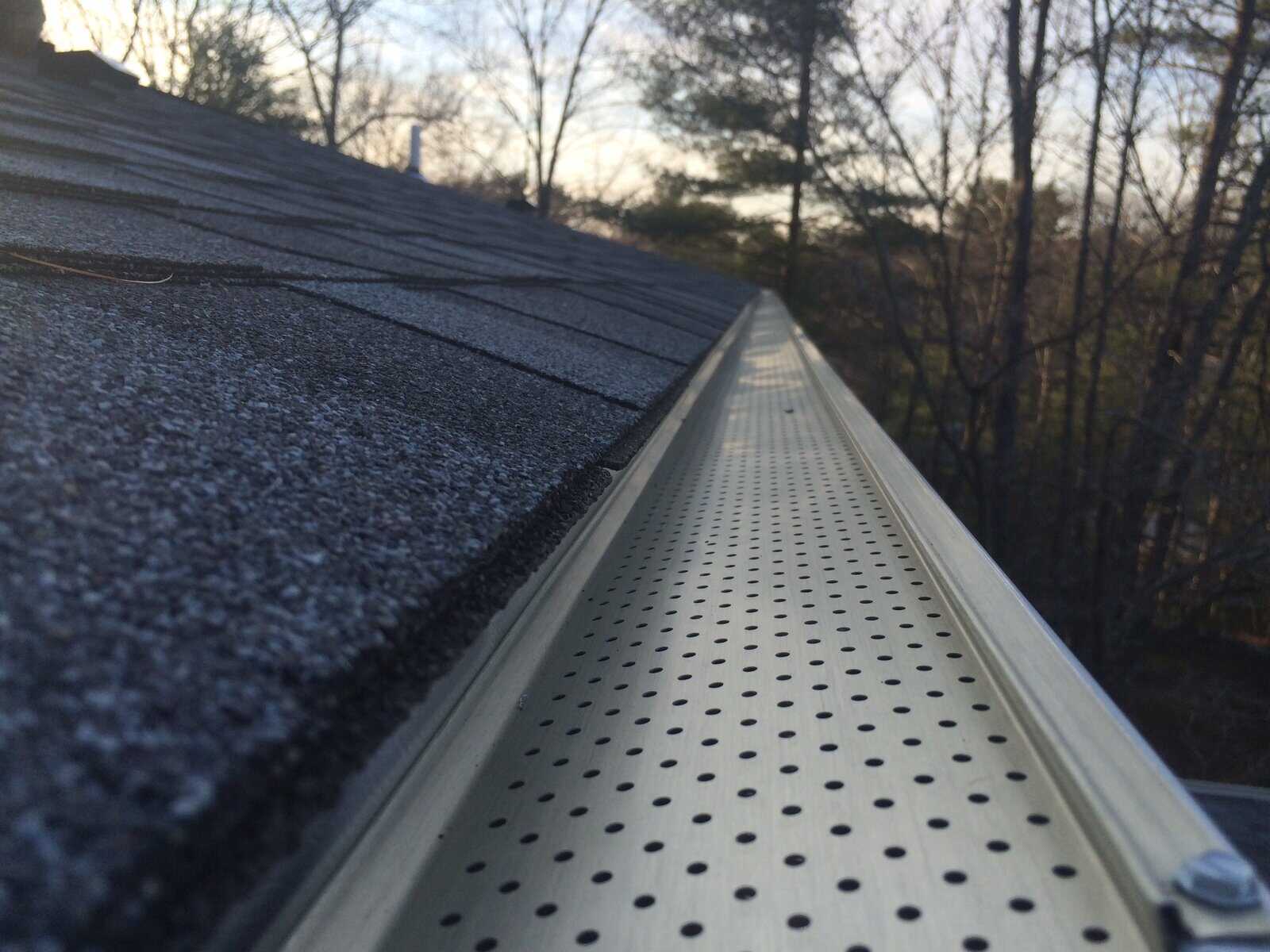
How to Prevent Gutter Clogs with Leaf Guards

leaf guards

Rain gutters are essential parts of any home, channeling water away from the roof and foundation. Without them, rain can cause serious damage, including basement flooding and weakened walls. However, gutters can become clogged with leaves and debris, leading to water overflow and damage.

This is where leaf guards come into play. Leaf guards are innovative tools that prevent debris from entering gutters, keeping them clear and functional. By blocking leaves and allowing water to flow freely, leaf guards minimize maintenance and protect your home year-round. Knowing how leaf guards work and choosing the right one can make all the difference in safeguarding your property.

Understanding the Importance of Gutter Maintenance

Gutters play a crucial role in safeguarding your home from water damage. They direct rainwater away from the roof and house foundation, preventing issues like erosion, basement flooding, and mold growth. Without properly functioning gutters, water can pool around the base of your home, causing structural damage over time.

Clogged gutters are a common problem that arises when leaves, twigs, and other debris accumulate and block water flow. This blockage can cause gutters to overflow, leading to water damage on roofing, siding, and even interior walls. If left unattended, clogged gutters can also become heavy and pull away, damaging the fascia and reducing the gutter’s effectiveness.

Regular gutter maintenance helps mitigate these problems. By cleaning and inspecting gutters several times a year, you ensure water flows correctly and away from your home. This routine care can prevent costly repairs and prolong the life of your gutters. Regular maintenance not only protects your home’s structure but can enhance its curb appeal too, by keeping the exterior looking neat and clean.

How Leaf Guards Work: A Closer Look

Leaf guards are an efficient solution for minimizing gutter blockages. They function by covering the gutter opening, allowing water to enter while keeping debris out. This simple yet effective mechanism ensures your gutters function smoothly even during heavy rainfalls.

There are several types of leaf guards available, each with varying levels of effectiveness:

– Screen Guards: These are metal or plastic meshes that block large debris but allow smaller particles and water through.

– Reverse Curve Guards: Designed to direct water into the gutter while debris slides off, these are highly effective but may require more maintenance.

– Micro-Mesh Guards: Offering the highest level of filtration, micro-mesh guards keep out even the smallest debris while allowing water through.

– Brush Guards: These have a bristled texture to trap debris while letting water pass, perfect for areas with heavy leaf fall.

Leaf guards are typically made from materials like aluminum, steel, plastic, or foam. Each material has its pros and cons. For instance, aluminum is lightweight and rust-resistant, while steel provides strength and longevity. The choice of material matters based on your local climate and the amount of debris your home typically encounters.

Understanding how leaf guards function and choosing the right type and material for your home can greatly reduce gutter maintenance efforts and protect your property effectively.

Choosing the Right Leaf Guard for Your Home

Selecting the best leaf guard for your home involves considering key factors that align with your specific needs and environment. Use this checklist to help guide your decision:

1. Roof Type: Identify the style and slope of your roof. Some leaf guards work better with particular roof types, especially those with steep pitches or unique architectural designs.

2. Environment: Consider the amount of debris your property faces annually. If your house is surrounded by many trees, opt for a micro-mesh guard for maximum protection.

3. Material Preference: Decide on the material—aluminum, plastic, or steel—based on local weather conditions and durability requirements.

4. Sizing and Fit: Ensure the leaf guards fit your gutters properly. Standard K-style rain gutters often require different guards than other types, so verify compatibility.

5. Installation Requirements: Determine if you prefer a DIY installation or professional help. Some leaf guards are easy to install, while others might need expert handling.

6. Affordability: Compare costs while considering long-term savings from reduced maintenance and extended gutter lifespan.

Seeking advice from professionals is beneficial. They can offer insights and recommendations tailored to your home, ensuring effective and long-lasting leaf guard solutions.

Installation Tips and Best Practices

Proper installation of leaf guards is key to their effectiveness. Follow these steps and tips for successful installation:

1. Gather Tools and Materials: Ensure you have the necessary tools such as a ladder, gloves, screwdriver, and measuring tape. Have the leaf guard system ready before beginning.

2. Safety First: Always follow safety protocols. Secure the ladder on stable ground and use safety goggles if required.

3. Clean the Gutters: Before installing, clean your gutters thoroughly to remove existing debris and make installation smoother.

4. Position and Attach Leaf Guards: Start from one end and work systematically to the other. Follow manufacturer instructions for attaching the guards securely to avoid any gaps that could let debris through.

5. Check for Secure Fitting: Ensure the guards are snugly fitted so they won’t come loose during storms or heavy winds.

Common mistakes to avoid include skimping on safety, not cleaning the gutters beforehand, and misfitting the guards. Post-installation, check the system periodically, especially after heavy weather, to ensure they remain in place and functioning.

Maintenance tips include regular checks for any debris buildup and cleaning any possible obstructions promptly. While leaf guards significantly reduce gutter cleanings, they still need occasional maintenance to maintain peak efficiency.

Conclusion

Leaf guards provide an efficient solution to the common problem of clogged gutters. By selecting the right type and material, you significantly reduce maintenance needs and extend the health of your gutters. Whether you’re looking for DIY options or considering professional installation, understanding the principles and best practices ensures you get the most out of your investment.

J. Carnes & Son Roofing is ready to assist you in finding the perfect leaf guard solution that matches your home’s needs. By partnering with us, you can ensure proper installation and continued support to keep your gutter system working flawlessly. Contact us today to learn how we can protect your home with the best roofing and gutter solutions available.

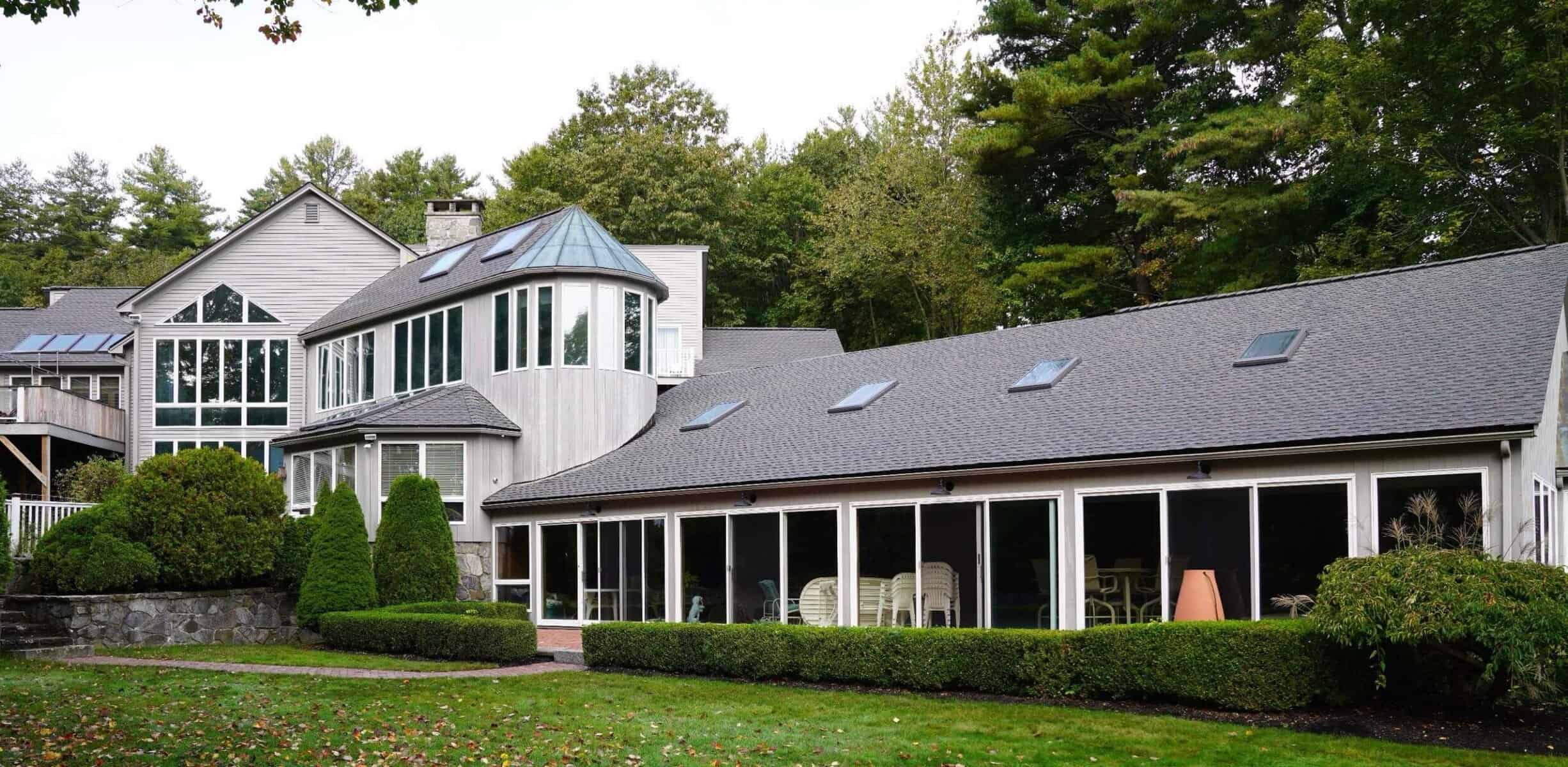
Improve Energy Efficiency with Velux Skylights for Residential Homes

velux skylight

Finding ways to make your home more energy-efficient can save you money and improve your family’s comfort. One effective solution is the installation of Velux skylights. These skylights are designed to bring more natural light into your home, helping to reduce the need for artificial lighting. Besides lighting, Velux skylights offer several other benefits that can make your home more energy-efficient.

Velux skylights don’t just let light in; they also provide natural ventilation. By opening up your skylight, you can let fresh air circulate, reducing the need for fans and air conditioners. The design of these skylights helps maintain indoor air quality and comfort throughout the year.

In this article, we will explore the workings of Velux skylights, their energy-saving benefits, the different types you can choose from, and how to maintain them for long-term use.

What Are Velux Skylights and How Do They Work?

Velux skylights are specialized windows installed on the roof of a home to allow natural light to enter interior spaces. They’re designed not just to bring in light but also to offer additional benefits like ventilation and improved air quality. Velux skylights come in various designs, enabling them to fit different types of roofs and architectural styles comfortably.

The way Velux skylights work is quite intuitive. These skylights are typically made with high-quality glass that is double or triple-glazed. This glazing helps minimize heat loss during the winter and heat gain during the summer. The transparent material allows sunlight to penetrate deeply into the house, illuminating spaces that might otherwise require artificial lighting.

Some Velux skylights have operable features, allowing them to open for ventilation. They can be manually operated or controlled remotely. This ventilation option is valuable for airing out rooms, reducing humidity, and maintaining a fresh airflow. Other models include built-in blinds or shades that can be adjusted to control the amount of light entering the home, providing both functionality and aesthetic appeal.

Key Benefits of Velux Skylights for Energy Efficiency

Natural Light and Reduced Electricity Use

One of the main benefits of Velux skylights is the abundance of natural light they bring into a home. Increased natural light means that during daytime hours, you can switch off electric lights, reducing your electricity consumption. This not only saves money on energy bills but also positively impacts the environment by reducing your carbon footprint.

Enhanced Ventilation and Indoor Air Quality

Velux skylights offer the added benefit of ventilation. Models that can be opened provide a way to let fresh air circulate throughout your home. This is particularly useful in rooms prone to moisture build-up, like bathrooms and kitchens. Improved ventilation helps reduce the need for air conditioning and fans, further cutting down on energy use. It also enhances indoor air quality, making the living environment healthier.

Insulation and Temperature Regulation

Another significant advantage is the insulation properties of Velux skylights. Double or triple glazing helps maintain indoor temperatures by preventing heat escape in the winter and blocking excessive heat in the summer. This temperature regulation means your heating and cooling systems do not have to work as hard, which can result in lower energy bills and a more comfortable living space year-round.

Solar Integration Options

For homeowners interested in maximizing energy efficiency, Velux offers solar-powered skylight options. These models harness solar energy to operate, eliminating the need for additional electrical resources. Some solar skylights come with integrated panels that charge during the day and use that energy to open and close the skylight or shades. This green technology provides a sustainable way to improve home energy efficiency while enjoying the benefits of enhanced natural light and ventilation.

Types of Velux Skylights Suitable for Various Home Designs

Fixed Skylights

Fixed skylights are a popular choice for homeowners looking to add natural light without additional ventilation. These skylights are permanently sealed and do not open. They work well in spaces that need extra illumination, such as hallways, stairwells, or rooms with limited wall space for windows. The simplicity of fixed skylights makes them an affordable option, while their presence can make rooms feel more open and bright.

Ventilated Skylights

Ventilated skylights, also known as venting skylights, can be opened to allow fresh air to enter your home. These skylights offer the dual benefits of natural lighting and improved ventilation. Ventilated skylights are ideal for rooms that experience high levels of humidity, like kitchens and bathrooms. They can be operated manually or with a remote control. Some models even come with rain sensors that automatically close the skylight when bad weather approaches.

Maintenance and Care Tips for Velux Skylights

Routine Cleaning

Keeping your Velux skylights clean is essential for maintaining their effectiveness and longevity. Regular cleaning prevents the buildup of dirt, dust, and debris that can block sunlight. Use a soft cloth and mild soap to gently clean the glass surface. Avoid using abrasive materials or harsh chemicals, as these can damage the glass and frame.

Regular Inspections

Conduct regular inspections of your skylights to catch any potential issues early. Look for signs of leaks, cracks, or other damage. Ensure the seals around the skylights are intact and in good condition. Regular inspections help you identify and address problems before they become more significant and costly to repair.

Professional Servicing

While regular cleaning and inspections are tasks you can do yourself, some maintenance should be performed by professionals. Schedule professional servicing to ensure all components of your skylights are in good working order. Experts can check the integrity of the installation, address any complex issues, and provide recommendations for extending the lifespan of your skylights.

Conclusion

Adding Velux skylights to your home is a practical and effective way to improve energy efficiency. These skylights allow natural light to flood your living spaces, reducing the need for artificial lighting. They also offer enhanced ventilation, better indoor air quality, and improved insulation, helping to maintain comfortable temperatures throughout the year. With various types of skylights available, such as fixed, ventilated, and sun tunnel options, you can find the perfect fit for your home’s design and needs.

For professional installation and maintenance of Velux skylights, get in touch with J. Carnes & Son Roofing. Our team of skylight installers is ready to help you enhance your home’s energy efficiency with high-quality skylight solutions. Call us today to get started!