Repairing Storm-Damaged Gutters in Newton Properties

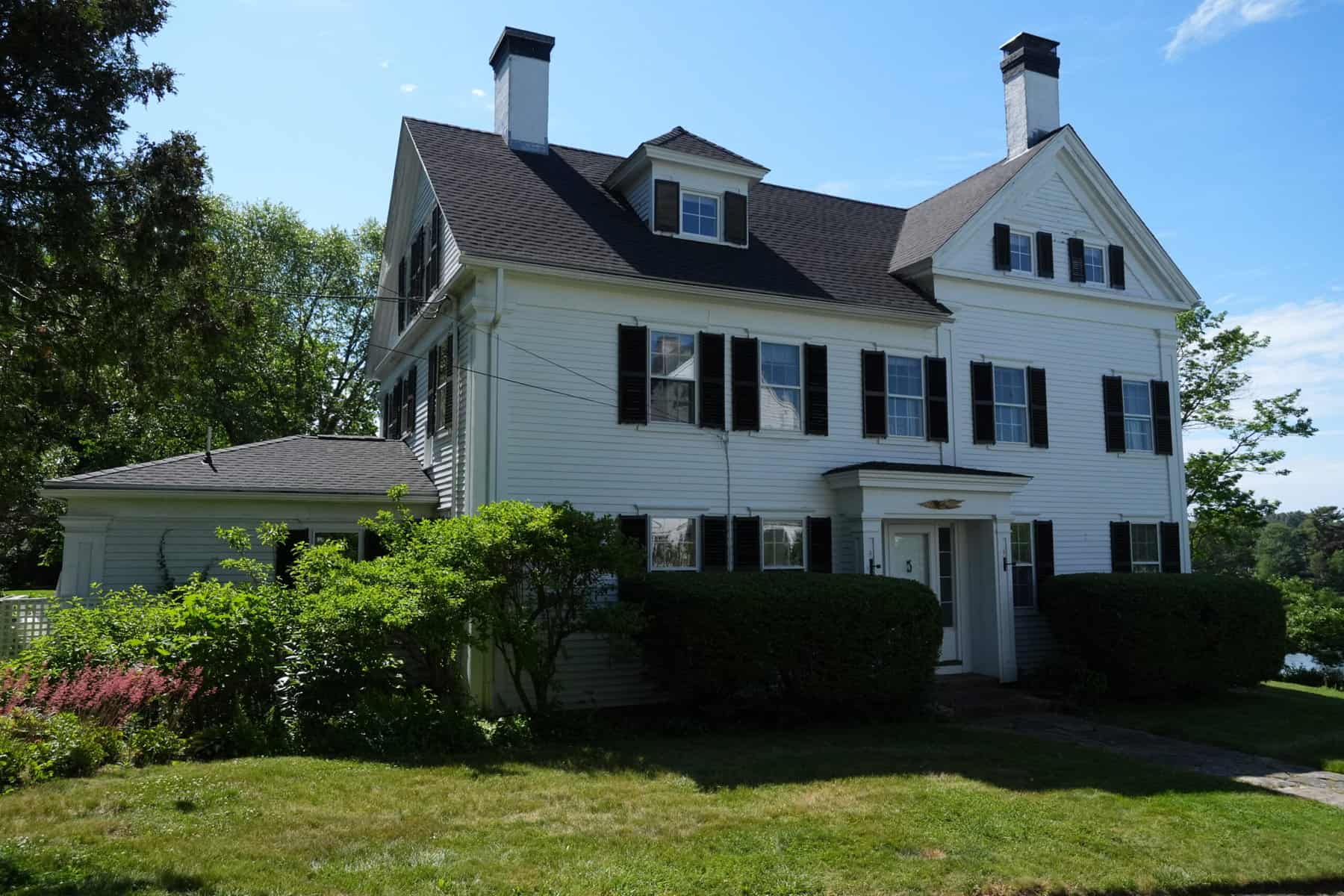
Storm-damaged gutter repair in New Hampshire by J. Carnes & Son Roofing

Summer storms can hit hard in towns like Newton, bringing wind, heavy rain, and unexpected damage. One of the first parts of a house to take a hit is the gutter system. Gutters are supposed to collect and move water away from your property, but when storms roll through, they can end up twisted, cracked, loosened, or completely torn away. Once that happens, they can’t do their job, and water starts causing problems where it shouldn’t.

Quick action after a storm can make all the difference. Even small damage can lead to water pooling near the foundation, affecting siding or causing leaks into your basement. If debris clogs the system or sections are knocked loose, you’re looking at issues that only get worse if ignored. Staying ahead of gutter problems is one of the easiest ways to protect your home, especially when storm season shows no signs of slowing down.

Identifying Gutter Damage After a Storm

After a storm rolls through, your first priority should be checking your gutters for damage, but safety comes first. Avoid climbing ladders unless the weather has cleared and you’re confident about the conditions underfoot. If you’re uneasy about assessing the damage yourself, it’s always worth waiting for a professional.

Here are common signs storm damage has taken a toll on your gutter system:

– Gutters are hanging off or look misaligned

– Visible dents, cracks, or splits in the metal

– Water spots or streaks on siding below the gutters

– Pooled water near the foundation or in garden beds

– Sections are pulling away from the roof or fascia

– Seams between gutter sections are leaking

– Downspouts are clogged or detached

Sometimes the damage isn’t easy to spot from the ground. If your gutters sag or overflow, especially where they didn’t before, it’s a sign something’s off. Don’t wait for water to find its way indoors. Even a slight bend in the system can cause a backup that spills over in the wrong places. One Newton homeowner thought their downspouts were just clogged, only to find out a whole back section had loosened after a storm and was draining against the siding, leading to major staining and rot.

When things seem even a little off, it’s best to move to the next step before the problems spread.

Temporary Fixes for Immediate Protection

You might be dealing with more rain in the forecast, so temporary fixes can keep the situation from getting worse until help arrives. Just remember, these are short-term solutions to buy time, not long-term repairs.

Here are a few ways to reduce damage right away:

– Use gutter sealant to patch small cracks or holes in a pinch

– Tie or screw hanging gutter sections back into place, using the original brackets if still intact

– Clear out leaves and debris to help water drain, especially in downspouts

– Position splash blocks or flexible drain extensions at the bottoms of downspouts to guide water farther from the house

– Place a tarp or waterproof sheet along suspect roof edges to slow trickling runoff, keeping it from pooling near the base

Never try to reattach large sections on your own in rough weather. If a piece has already come loose, it may be bent or weakened. Some homeowners try to hammer dented areas back into shape, but that can lead to more damage or injury. These steps are about keeping things manageable until trained roofers can fix the issue the right way. Temporary work doesn’t mean doing the actual repair. It’s just about minimizing the water exposure until the pros step in.

Professional Gutter Repair Services

Once you’ve done what you can to reduce the damage, it’s time to bring in local professionals who understand what roof and gutter systems go through during Newton summers. Gutter damage isn’t always visible from the ground, and even when it is, the actual root of the issue could lie further up the roofline or under the eaves. That’s why it pays off to have experienced roofers look everything over thoroughly.

Hiring pros who specialize in gutter repair means the work will be done properly. They know how to match materials, reseal joints, replace hanging or torn sections, and resecure systems to avoid future failure. They’ll also check for related damage, like areas where water may have backed up under roof shingles or pooled near the home’s foundation.

Here’s what homeowners can typically expect during a gutter repair visit:

– A full inspection of the gutter system and related roof sections

– Identification of damage to downspouts, brackets, and flashing

– Details on whether sections can be repaired or need replacing

– Resealing of joints and realignment of sections for proper slope

– Reinforcement of attachment points for better stability during future storms

The goal is always to have gutters working like they should, moving water out and away from your property without leaks, overflows, or clogs. A small repair today helps avoid major headaches when the next storm rolls through.

Preventative Measures for Future Storms

Once your gutters are fixed, it’s smart to think about how to stop the same problem from happening again. Even strong systems can weaken if they’re ignored through storm season after storm season. Keeping them clean and tuned up means they stand a better chance the next time high winds and heavy rain slam into Newton.

Simple preventive steps that can help include:

– Scheduling regular gutter cleanouts, especially during late spring and summer storm periods

– Having brackets and hangers checked for rust, movement, or gaps

– Making sure gutters and downspouts drain at least several feet away from your foundation

– Trimming back tree limbs that overhang rooftops and drop debris into gutters

– Adding mesh or gutter screens to reduce clogs from leaves and needles

Some homeowners even install stronger gutter materials or wider downspouts if the same sections keep giving them trouble. Whether it’s a light shower or a sudden downpour, clean and secure gutters can handle more water when they’re kept in good shape.

What Your Gutters Say About the Health of Your Home

Gutter problems left alone can lead to damage well beyond your siding or lawn. Water infiltration doesn’t take much, just a damaged seam or sagging section. By spotting the signs early, reacting fast, and fixing damage right the first time, Newton homeowners save themselves from bigger repairs in the future.

Summer storms roll in fast, and each one has the chance to cause damage if your home isn’t ready. If you’ve already weathered a storm and suspect your gutters didn’t come through untouched, don’t brush it off as nothing. The smallest issue now can grow over time into something that costs even more to fix. Give your gutters the care and attention they need, and they’ll keep protecting your home when it counts.

As you keep your home protected from the elements, having a reliable team ready to tackle gutter issues is key. If you’re looking for dependable roofers in Newton, J. Carnes & Son Roofing is here to help. Our experienced professionals ensure your gutters stay in peak condition, ready for whatever storms roll in next. Don’t wait for water damage to sneak up—reach out to keep your home safe and dry.
Addressing Sagging Roof Sections in Salem Homes

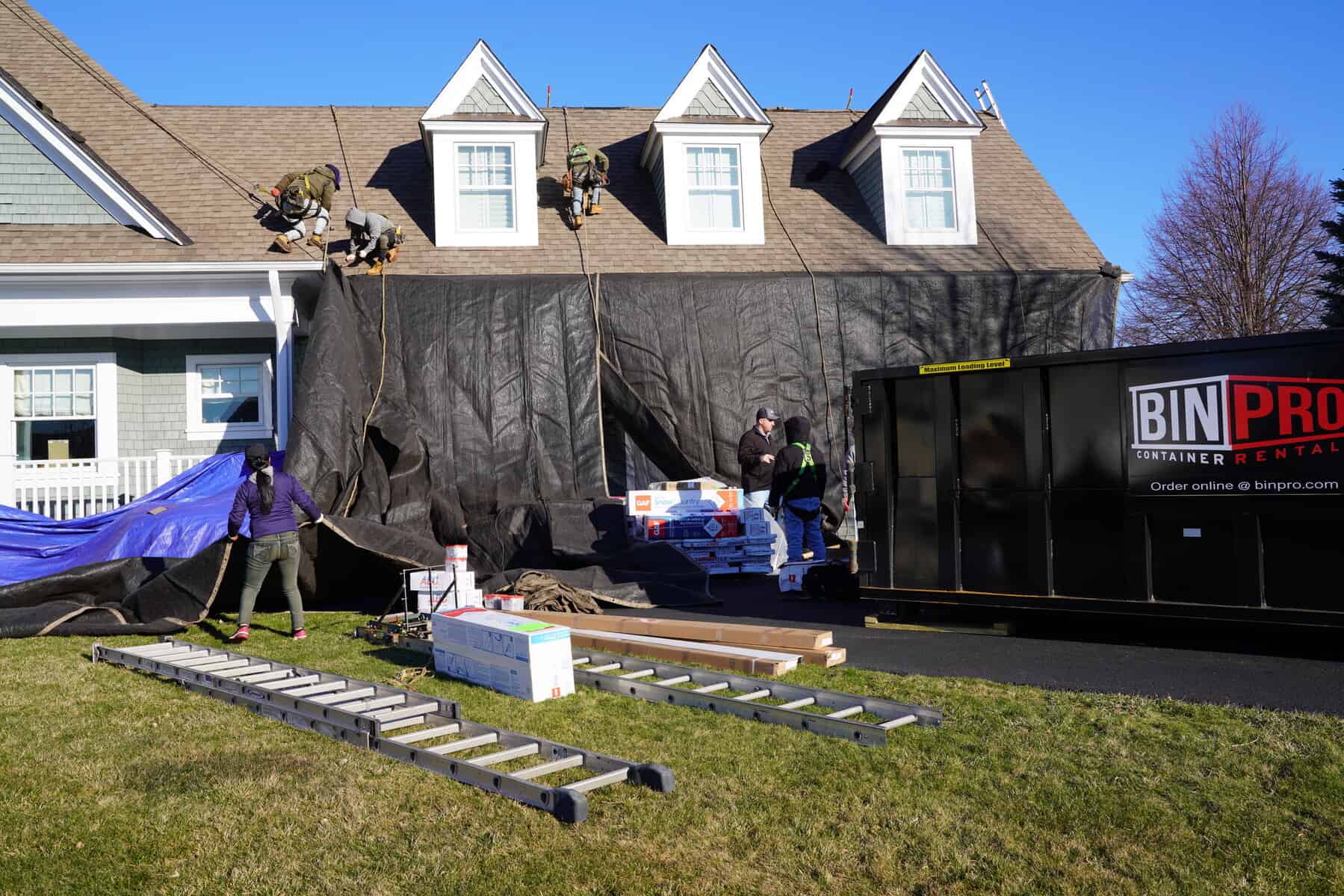
sagging roof

A sagging roof is one of those problems that sneaks up on homeowners and gets worse the longer it’s left alone. You might spot a dip along the ridge or notice that a section of your ceiling feels off-center. For homeowners in Salem, keeping an eye on these signs is part of making sure your house stands strong all year. Roofing in Salem carries its own set of seasonal challenges, and summer is a great time to address structural issues before things like heavy fall rain or winter snow add more pressure to an already weak area.

Ignoring roof sag won’t make it go away. In fact, it can lead to bigger headaches like water damage and expensive repairs. Whether your house is older or recently built, a sagging roof is a signal that something underneath isn’t working right. Knowing what causes the issue and how to spot it early puts you in a better position to act quickly and protect your home for the long run.

Common Causes of Sagging Roof Sections

In many Salem homes, sagging roof areas are the result of wear and tear combined with weather. Age plays a big part. Roofing materials break down over time, especially with the seasonal ups and downs that New England sees. Shingles may seem fine from the street, but the wood and supports underneath can weaken slowly until visible sagging appears.

Here are the most common reasons for sagging roof sections:

– Aging materials: As roofs age, materials lose their strength. Whether it’s wood beams weakening or the sheathing under shingles deteriorating, time has a direct impact on structural integrity.

– Water damage: Leaks might start small but can lead to rotted wood, mold, and compromised areas that no longer support even their own weight. Water also adds weight, especially if insulation soaks it up and holds it.

– Structural design flaws: Some roofs weren’t built for the kind of weather we see now. If the original framing was undersized or poorly arranged, it might have been hanging on until the last big snowstorm gave it that final push.

– Heavy snow and ice: Winters in Salem bring a lot of moisture. If ice dams form or snow stays on the roof too long, the added weight strains the structure. Over time, this can stress beams and slowly bend them out of shape.

– Poor attic ventilation: Heat and condensation problems can weaken materials faster. Humid attic conditions work like slow, steady pressure that speeds up rotting and forces the roof line to sink.

An example that stands out: One homeowner we spoke with didn’t know anything was wrong until their ceiling fan started wobbling. Inspection revealed a sag in the roofline that had gone unnoticed for months due to water-damaged lumber in the attic. Problems like that grow in silence.

Taking the time to understand what leads to this type of damage makes all the difference. Spotting it early is key.

Signs That Your Roof is Sagging

Sometimes the early warning signs of a sagging roof can be subtle. Other times, they’re right in front of you but go unchecked because they build up slowly or don’t seem serious at first. Knowing what to watch for can help you catch problems before they become major headaches.

Here’s what to keep an eye on:

– Dips or low spots: If the line along the top of your roof isn’t straight or looks uneven compared to neighboring homes, there may be sagging underneath.

– Cracks indoors: Take a look inside. Cracks along the tops of walls or corners where walls meet ceilings are possible signs of something off above.

– Sticky doors and windows: When parts of the structure shift, frames in the house can go with them. If doors or windows suddenly don’t open or close the way they used to, it’s worth checking the roof structure as a possible cause.

– Leaks or stains: Yellow or brown spots on ceilings and walls point to water intrusion, especially if they keep getting bigger.

– Wavy shingles: From outside, look for areas where shingles aren’t lying flat. If you see buckling, gaps, or lifted spots, there may be sagging underneath the surface that’s affecting their alignment.

These signs are clues that your roof may no longer be holding up the way it should. Summer is a sensible time to get ahead of repairs in Salem, before autumn weather puts more moisture into the structure.

Potential Risks of Ignoring a Sagging Roof

A sagging roof might seem like something that can wait until next season, but it rarely works out that way. Skipping repairs now usually means facing bigger problems later on. Structural issues don’t stay put. They spread. What starts as a small dip in one area could lead to widespread damage throughout your home.

The dangers go beyond just appearance. Here’s what can happen if a sagging roof is left alone:

– Water can start to pool in the sagging section, leading to leaks and rotting materials inside your attic or walls

– Mold and mildew thrive in dark, damp spaces. Once that moisture builds up, it can affect indoor air quality and personal health

– Sagging usually means a portion of your roof is losing strength. Over time, this can cause the frame to buckle or collapse under pressure

– Damage that could have been a simple fix turns expensive fast. That includes everything from insulation to drywall to electrical wiring

– Home resale value can drop. Buyers notice warped rooflines, and inspections will pick up on any related damage or moisture concerns

Think of it like ignoring an achy knee. If the pain gets worse, it affects the whole leg and starts to cause problems elsewhere. A sagging roof works the same way. It’s a sign that your home is asking for help.

How to Address Sagging Roof Sections

Fixing a sagging roof isn’t something to put off once the signs are clear. The earlier you respond, the easier it is to stop the damage in its tracks. The first step is to bring in someone who can inspect the entire roof structure, including what’s happening under the surface.

That inspection helps find out whether the problem is widespread or contained in one area. Once that’s clear, a few possible fixes may come into play:

– Short-term solutions like bracing can temporarily support the sagging section while long-term repairs are figured out

– If rot or water damage is found, affected materials will need to be taken out and replaced with new framing, sheathing, or support beams

– For older Salem homes, part of the roof might need reinforcement with stronger materials to bring everything back up to a safe standard

– In some situations, full roof replacement is the best choice, especially when the structural systems are beyond patchwork fixes

– Ongoing maintenance after the repair like better attic ventilation or improved drainage can help prevent similar issues in the future

The key to all of this is acting quickly. If addressed early, a sagging section doesn’t have to mean major disruption. Summer is a good time to handle roof work in Salem, since the dry weather gives plenty of space for structural repairs.

Why Taking Action Now Can Save You Trouble Later

A sagging roof doesn’t just risk your home. It affects your comfort, your safety, and your peace of mind. Ignoring the warning signs can set off a chain of events that touches more than your roof. It can impact your living space from the top down.

When you spot a dip, a leak, or something that feels off, it’s worth listening to that signal. Catching problems early makes them easier and less expensive to fix. Waiting too long just gives them time to grow.

In places like Salem, where the seasons put extra stress on homes, dealing with sagging roof sections now means less to worry about later. Whether it’s snow load or summer rain settling into already-weakened spots, a proactive repair today is a layer of protection that pays off for years. Getting ahead of the issue puts you back in control and helps keep your roof doing the job it’s meant to do—protecting your home and everyone inside it.

Make sure your home stays safe and secure by getting ahead of roof issues before they escalate. For expert guidance and lasting solutions, turn to J. Carnes & Son Roofing. Learn more about our dependable roofing in Salem services designed to handle the wear and weather of New England homes.

Installing Seamless Gutters: A Step-by-Step Guide

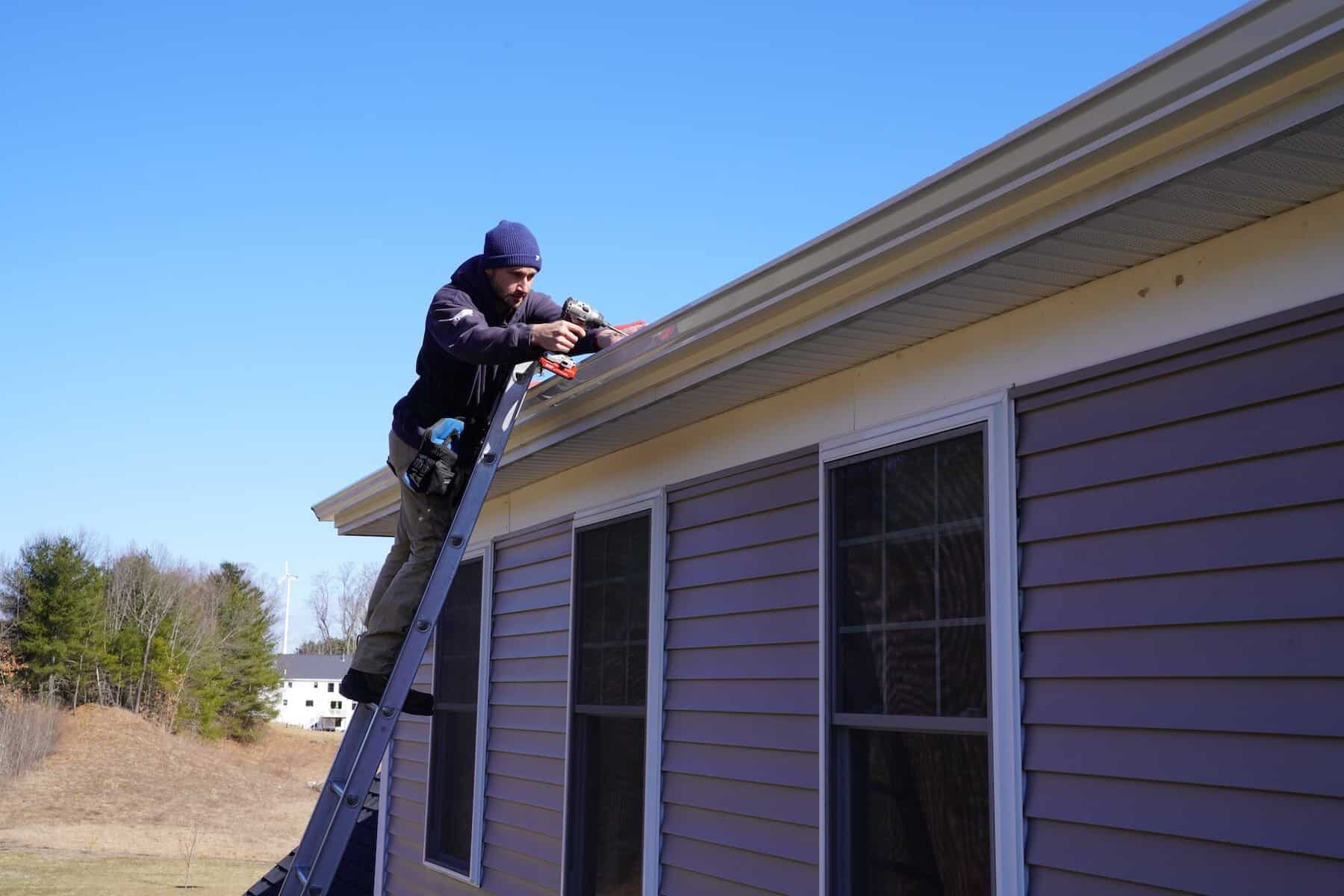
Gutter installation on a New Hampshire home by J. Carnes & Son Roofing

Seamless gutters might not be the first thing that comes to mind when thinking about home improvement, but they play a crucial role in protecting your home from water damage. In areas like New Hampshire and Southern Maine, where the weather can be unpredictable, having efficient gutters is a must. Unlike traditional sectional gutters, seamless gutters are custom-made in continuous lengths, reducing the potential for leaks. This guide aims to walk homeowners through the process of installing seamless gutters, making it easier to protect their homes while enhancing curb appeal.

Benefits of Seamless Gutters

Seamless gutters stand out for several reasons, which make them a preferred choice for many homeowners. Here are a few key benefits you’ll enjoy with seamless gutters:

– Reduced Leaks: Since there are no seams along the gutter’s length, the potential for leaks is significantly lower. This makes them more effective at directing water away from your home’s foundation.

– Improved Aesthetics: Seamless gutters are custom-fit to your home, providing a sleek and tidy appearance. Without the joints that can be eyesores, these gutters blend seamlessly with your home’s exterior.

– Lower Maintenance: With fewer seams, there’s less chance of debris clogging the gutters. This means less frequent cleaning and maintenance, saving you time and effort in the long run.

Beyond these benefits, seamless gutters offer practicality with style, enhancing not just the resilience but also the look of your home. For example, when springtime rains hit, you’ll appreciate how seamless gutters efficiently channel water away, helping prevent basement flooding and keeping your home dry.

Preparing for Installation

Before starting the installation process, it’s important to get the right tools and materials ready. Ensuring you have everything on hand will make the job smoother and safer. Here’s a handy checklist for seamless gutter installation:

– Tape measure and chalk line

– Ladder

– Hacksaw or power saw

– Screws, drill, and screwdriver

– Gutter hangers and downspouts

– Sealant and caulk gun

Safety is paramount, especially when working at heights. Make sure your ladder is stable and that you’re wearing appropriate safety gear like gloves and goggles. It’s wise to have a partner to assist; they can help stabilize the ladder and hand you tools as needed.

Next, preparing your installation plan goes a long way in ensuring an efficient setup. Measure the length of your roofline accurately with a tape measure and mark where the gutters and downspouts will be installed. Deciding on gutter hanger spacing is important too—usually, a gap of about 24 to 36 inches between hangers ensures stability. Proper planning will help prevent any hiccups during installation and ensure the gutters function smoothly once installed.

Step-by-Step Installation Process

When you’re ready to install seamless gutters, following a straightforward process will ensure the job is done efficiently and correctly. Here’s a step-by-step guide to help you through:

1. Measuring and Cutting the Gutters: Begin by measuring the length of your roofline to determine the gutter length needed. Once you have the measurements, cut your seamless gutters to size. It’s crucial to make precise cuts to avoid waste and ensure a good fit.

2. Installing Gutter Hangers: These are the backbone of your gutter system. Space the hangers 24 to 36 inches apart along the fascia board. Secure them firmly with screws, ensuring they’re level to facilitate proper water flow.

3. Attaching the Downspouts: Properly aligning and securing downspouts is key to directing water away from your home. Attach them at the predetermined locations and secure them with brackets. Ensure they’re angled correctly to carry water efficiently from the gutters to the ground.

4. Sealing Joints and Ensuring Alignment: Use quality sealant at all joints to prevent leaks. Carefully align each section of the gutter to ensure unobstructed water flow. Double-check levels with a spirit level to maintain the right gradient.

5. Finalizing and Testing the Installation: Once everything is fastened and sealed, test the gutters by running water through them. This will confirm the system’s effectiveness and reveal any leaks that need to be addressed.

Maintenance Tips for Seamless Gutters

Keeping seamless gutters in peak condition not only saves time but also protects your home. Here are simple yet effective maintenance tips:

– Regular Cleaning: Keep gutters free of leaves and debris to prevent blockages. Clearing out your gutters twice a year is typically sufficient, especially in areas with lots of trees.

– Inspect for Damage: Check for cracks, sagging, or areas where gutters have pulled away from the house. Address any issues promptly to ensure the gutter system functions properly.

– Sealant Checks: Over time, sealant can wear out. Inspect the joints and re-apply sealant where necessary to maintain durability.

– Watch the Weather: After heavy rain, inspect your gutters to make sure they are draining properly. Any pooling or overflow could indicate a blockage or other issue.

Keep Your Home Protected with Seamless Gutters

Installing seamless gutters is a smart investment in safeguarding your home from water damage. By understanding their benefits and how to install and maintain them effectively, you ensure your home remains dry and structurally sound. The sleek design of these gutters not only enhances your home’s exterior but also provides peace of mind for years to come, particularly in weather-prone regions like New Hampshire and Southern Maine.

Taking these steps to install and care for your gutters can make all the difference during rainy seasons. By ensuring your draining system works flawlessly, you’re not just investing in your home’s present but also securing its future. Embrace the simplicity and efficiency of seamless gutters and enjoy a hassle-free experience that protects your home year after year.

Ready to boost your home’s protection with top-quality gutter solutions? Consider the benefits of seamless gutters installation with help from J. Carnes & Son Roofing. Whether you want to avoid water damage or improve your home’s exterior look, our expert team is here for you. Learn more about the installation process and explore our comprehensive services to ensure a flawlessly functioning system. Reach out to us today for expert advice and assistance!

How to Address Roof Leaks in Windham NH

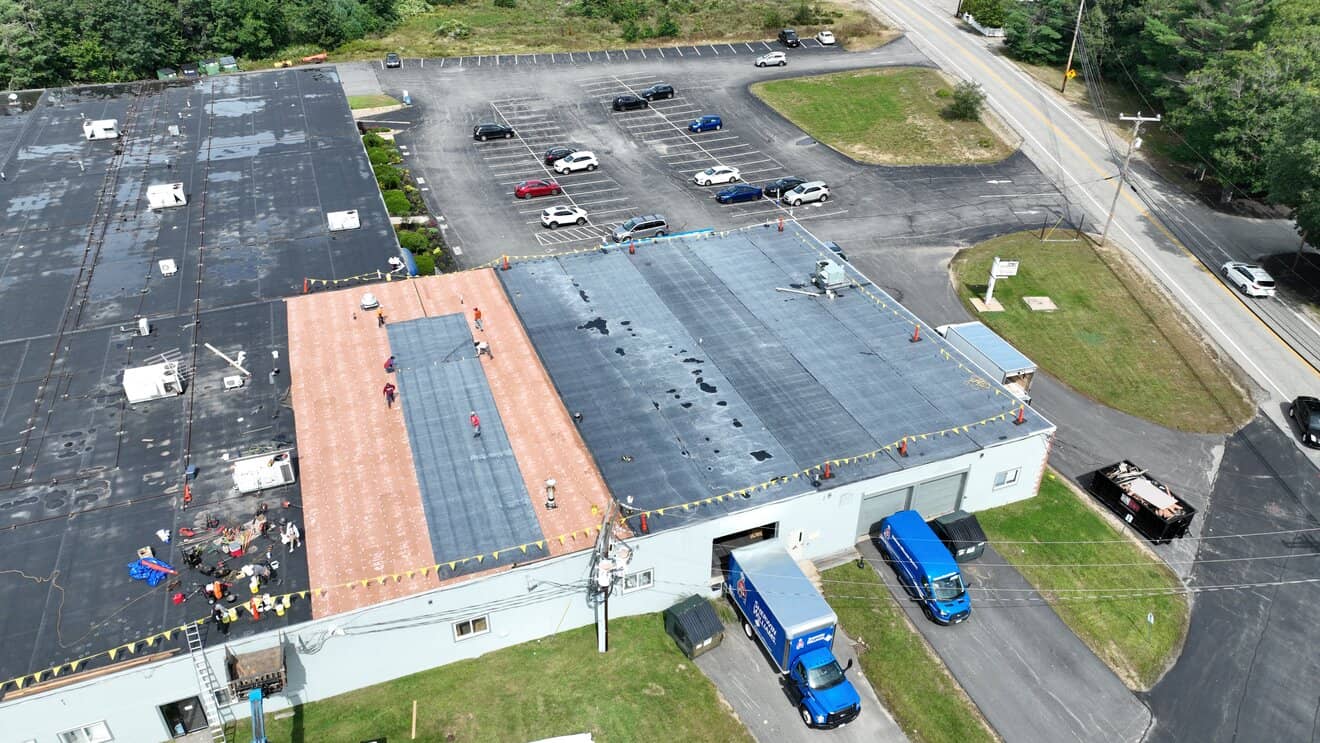
Roof Leaks

Roof leaks can be a real headache, especially if left unattended. They might start as a small inconvenience, but if ignored, they can lead to significant damage and costly repairs. In Windham, NH, with its ever-changing weather patterns, it’s not uncommon for homes to experience these pesky leaks. The trick is to catch them early and address them promptly to keep your home safe and dry.
Understanding how to spot roof leaks and what to do when you find them can save you a lot of trouble and money. It helps to know the signs and causes, so you can act immediately and prevent minor issues from turning into major problems. Here’s a guide on how to identify roof leaks in Windham and take the right steps to fix them.

Signs of Roof Leaks

Finding a roof leak is often about recognizing the telltale signs. Here’s what to look for:

– Water Stains: These are often the first signs you notice, typically seen as dark or discolored patches on your ceiling or walls.

– Mold or Mildew: The presence of mold can be a sign of ongoing moisture problems, which can be tied to a leak somewhere in the roof.

– Damp Spots: If you notice damp areas, especially after rain, it’s worth investigating further.

Performing a thorough visual inspection can help you spot these signs. Here’s how:

1. Inside Your Home:

– Check ceilings and walls in all rooms, especially in corners or near chimneys for any water stains or discolorations.

– Inspect attic spaces with a flashlight to spot any damp insulation or visible leaks.

2. Outside Your Home:

– From the ground, look for any shingles that are cracked, curled, or missing.

– Use binoculars to get a better view without climbing a ladder.

If any of these signs are present, it’s time to take action before the problem worsens. Keeping an eye on these indicators ensures you catch potential leaks early and fix them before they lead to major structural damage.

Causes of Roof Leaks in Windham, NH

In Windham, NH, various factors contribute to roof leaks. One of the primary culprits is the weather. The area experiences heavy rain and snow, which can be tough on roofing materials. During the winter months, the accumulation of snow and ice can cause ice dams, which are a frequent cause of leaks. These ice dams form when warm air from the house melts the snow on the roof, only for it to refreeze at the edges, creating a barrier that traps water.

Another common cause of leaks is aging shingles. Over time, shingles can crack, curl, or simply wear out, losing their ability to protect the roof effectively. When shingles degrade, they allow water to seep through and cause damage to the underlying wood and insulation. It’s also common for debris buildup such as leaves or branches to block gutters, leading to water backup and potential leaks. For example, if your gutters overflow during a rainstorm, the excess water might find its way under the shingles, leading to a pesky leak.

Local weather patterns play a significant role in the lifespan and durability of roofing materials. Constant freeze-thaw cycles can weaken roofing components and create gaps through which water seeps. High winds characteristic of storms can also lift shingles and expose the roof to rain. Homeowners should regularly inspect their roofs, especially after severe weather, to spot and repair any damage before it worsens.

Immediate Steps to Take When a Leak is Found

Discovering a leak can be alarming, but acting quickly can prevent further damage. Here’s a step-by-step guide on what you should do:

1. Minimize Water Damage: Move personal belongings out of harm’s way and place a bucket or container under the leak to catch dripping water.

2. Dry the Area: Mop up water and use towels to absorb moisture from affected areas. This helps prevent mold growth and further interior damage.

3. Identify the Source: If possible, locate the source of the leak. You might need to wait until the roof is dry to safely inspect it. Remember, climbing onto a wet roof can be dangerous, so exercise caution.

4. Create a Temporary Fix: Use a tarp or plastic sheeting to cover and seal the affected area until a professional can assess the situation. This temporary solution can help keep out rain and moisture for the time being.

While these steps can mitigate immediate damage, they are not substitutes for a permanent repair. It’s critical to contact a professional roofing contractor as soon as possible for a thorough inspection and repair service to ensure your home is adequately protected.

Professional Roof Repair in Windham

The advantages of hiring professionals for roof repairs are numerous. Experienced contractors offer the expertise needed to accurately diagnose the root cause of the leak and provide a reliable fix. Safety is a major consideration—handling roof repairs without proper equipment and training can result in accidents.

When you call in a professional, you can expect a comprehensive service. The repair process usually starts with a detailed inspection to assess the extent of the damage. This is followed by a transparent cost estimate, so homeowners know what to expect financially. During the repair, techniques such as sealing, replacing damaged shingles, or fixing structural issues may be used to restore the roof’s integrity.

Trusting experts ensures that repairs are done right the first time, preventing future problems and extending the lifespan of your roof. It’s an investment in keeping your home safe and dry, especially during the unpredictable weather in Windham.

Wrap-Up

Dealing with roof leaks can be a hassle, but understanding the signs and knowing what steps to take can make the process much easier. Addressing leaks promptly and enlisting professional help secures your home and gives you peace of mind.

Leaks might start small but have the potential to cause significant damage if not addressed swiftly. Keeping an eye out for telltale signs and acting quickly is the best approach to safeguard your home. Always remember, when it comes to roof repairs, leaving it to the experts is the safest and most reliable choice.

Don’t let roof leaks get the best of your home. When it’s time for professional help, trust J. Carnes & Son Roofing for reliable and efficient service. Explore how we can assist with your needs for roof repair in Windham, ensuring your home remains protected year-round. Reach out today to secure your roof and peace of mind.

Effective Strategies for Roof and Gutter Installation

New architectural shingle roof and white seamless gutters installed on a New Hampshire home by J. Carnes & Son Roofing

Getting a roof and gutter installation just right is more than a project; it’s about safeguarding your home. With the weather shifts in places like New Hampshire and Southern Maine, having a reliable and well-installed roofing and gutter system is essential to protecting your home from potential damage. Proper installation keeps the rain outside, reducing the risk of leaks and structural issues. It helps you maintain a cozy and trouble-free living environment all year round.

Think of your home like a fireplace. Without a chimney to vent the smoke, the fire would eventually suffocate itself. Similarly, without a proper roof and gutter system, water can cause a range of problems for your home. From safeguarding against water damage to ensuring efficient drainage, a well-executed installation is crucial to the long-term durability and functionality of your abode. By focusing on quality installation, you end up saving time and money while enhancing your home’s overall resilience.

Planning Your Roof Installation

Planning a successful roof installation begins with choosing the right materials suited for the climate in New Hampshire and Southern Maine. Here, winters can be tough, so opting for roofing materials that withstand harsh conditions makes a big difference. Asphalt shingles are popular due to their durability and cost-effectiveness. Metal roofing materials are another solid choice, offering longevity and excellent protection against severe weather.

Several key factors come into play when planning a roof installation:

– Material Selection: Selecting materials like asphalt shingles or metal that resist local weather conditions.

– Roof Pitch and Structure: Deciding on the slope of your roof is vital since a steeper pitch can help shed snow more efficiently.

– Timelines: Getting your roof installation done at the right time of year can help avoid delays.

– Local Regulations: Ensuring compliance with building codes and permits in your area to avoid legal setbacks.

Planning an installation isn’t a quick decision, but taking the time to consider these elements can lead to outcomes that align with both practical needs and design preferences. Consulting with roofing experts familiar with local conditions can also provide valuable insights into what works best for your home. After all, having a solid plan sets the stage for a smooth installation process, leaving you with a roof that stands up against the elements and complements your home’s aesthetic.

Installing Gutters: Key Steps

Once you’ve got your roof sorted out, the next move is to focus on the gutters. Gutters play a major role in keeping your home safe from water damage by channeling rainwater away from the foundation. In regions like New Hampshire and Southern Maine, choosing gutters that work well with local weather patterns can prevent common issues like water pooling and damage to your home’s foundation.

Start by selecting the right type of gutter for your home. Among the different types, seamless gutters are popular due to their durability and minimal leakage. It’s crucial to consider the placement and slope of the gutters. A consistent slope ensures efficient water flow, directing rain away from your home. Installing gutters involves these key steps:

– Measure and Plan: Calculate the required length and slope for your gutters.

– Install Supports: Position and secure hangers every two feet along the fascia.

– Attach Gutters: Connect the gutters to the supports, ensuring the correct slope.

– Add Downspouts: Secure downspouts to direct water away from the home’s foundation.

Getting these steps right during the installation ensures that the gutters perform well and require less maintenance down the line. Working with a professional familiar with local conditions can help, ensuring that every part of the installation meets the required standards.

Roof and Gutter Integration

Integration between your roof and gutters is like getting harmony in a puzzle. Having them work together seamlessly helps in protecting your home from potential leaks and water damage. The edges of the roof should gently guide water into the gutters, without any gaps. Ensuring a snug fit between these elements is important.

Proper integration isn’t just about the initial installation; it’s about maintaining the connection over time. Regular cleaning and inspections can prevent blockages that could disrupt the flow of water. Making sure there’s no debris or leaves clogging up the gutters keeps the whole system running smoothly.

Professional installations offer a distinct advantage here. Experts ensure that the flow between your roof and gutters remains uninterrupted, reducing the risk of costly repairs in the future. They also install the system in such a way that it won’t easily succumb to the weight of ice or heavy rain, common in places like New Hampshire.

Common Mistakes to Avoid

While seeking to install or maintain roofs and gutters, it’s easy to make a few missteps that could lead to bigger problems. One common error is attempting DIY installations without proper expertise. This can lead to poor fitment or installation errors that might end up costing more in repairs than hiring a professional initially would have.

It’s also easy to overlook permits or local zoning requirements. Forgetting these can derail your installation plans or lead to fines. Professionals often have knowledge of these requirements, ensuring that every part of your installation complies with the law.

Additionally, when it comes to maintenance, neglecting regular checks is a mistake. Over time, wear and tear can lead to leaks or mold forming, and catching these early with inspections can save a lot of trouble. Relying on professionals for maintenance ensures longevity and optimal performance of your roof and gutter system.

Bringing It All Together for a Lasting Solution

A well-thought-out installation ensures that your home is protected from the elements and achieves long-term functionality. By choosing the right materials and opting for professional installation, homeowners can significantly reduce future problems. This not only makes your property more secure but also enhances its curb appeal and value.

Taking the steps to integrate these systems seamlessly and avoiding common mistakes sets up your home for years of reliable service. It’s about more than just immediate fixes; it’s about investing in a lasting solution that protects your home and ensures peace of mind through every season.

Considering all the information about roof and gutter installation can feel overwhelming. However, understanding these key elements helps protect your home effectively. For more detailed guidance on how to combine these systems seamlessly and secure your home against weather damage, contact us. Trust J. Carnes & Son Roofing to deliver the expertise necessary for maintaining your home in both New Hampshire and Southern Maine.

The Advantages of Installing Velux Skylights

Velux skylight installation in a New Hampshire home by J. Carnes & Son Roofing

Adding a Velux skylight to your home is like opening a window to the sun’s embrace. Letting natural light flood into dim spaces can transform the way you live and feel in your home. It’s an effortless way to bring the beauty of the outdoors inside, creating an inviting atmosphere without turning on a single light switch.

Velux skylights offer more than just a view of the sky; they improve your living experience. Whether you’re looking at the warm colors of fall leaves in New Hampshire or the vibrant spring flowers of Southern Maine, skylights frame nature’s artwork perfectly, right above your head. They’re not only aesthetic but provide a real functional upgrade.

Benefits of Velux Skylights

Velux skylights do wonders for filling rooms with light, enhancing every corner they touch. More daylight means you can cut back on artificial lighting, leading to energy savings. Less reliance on bulbs means a smaller electricity bill and a step toward a greener lifestyle.

Energy efficiency is another great advantage. Skylights can help regulate your home’s temperature. During winter, they allow more sunlight, which warms your space naturally. With an efficient design like the ones Velux offers, your heating and cooling systems work less. This balance can keep your home comfortable year-round.

Aesthetic improvements are equally important. Skylights open up rooms visually, making them feel larger. They can add a touch of elegance that appeals to many homebuyers, boosting your home’s value. Imagine a kitchen with a skylight above the island, where sunshine illuminates family dinners without the need for glaring overhead lights.

The benefits of skylights extend well beyond looks and initial cost savings, weaving functionality and form into a seamless home upgrade that pays off over time. Whether you’re planning a renovation or enhancing the living spaces of your home, Velux skylights offer a simple yet stylish solution to brighten your life.

Mixing up the way light interacts with your spaces can change the rhythm of your day. Consider the practicality, beauty, and efficiency that skylights introduce, and let them guide you toward a more luminous home.

Choosing the Right Skylight for Your Home

Getting the right skylight involves a bit more than just picking a design that looks good. It’s about finding a model that meets both your functional needs and aesthetic preferences. Velux has a wide range of skylights, from fixed models to ones that open for ventilation. Fixed skylights are perfect if you’re simply looking to add more light to a space. They stay closed, so you won’t have to worry about rain or debris coming through. On the other hand, venting skylights allow hot air to escape, making them a great choice for stuffy areas like kitchens or bathrooms.

When choosing a skylight, think about where in your home you want to install it. If you’re adding it to a bedroom, consider a model with blinds that can control light and privacy. In a family room, a larger skylight can create a stunning focal point. It’s also smart to consider the roof’s structure and slope. This will not only affect installation but can also influence which type of skylight will perform best. Flat roofs might require special considerations compared to pitched ones.

Professional Installation by Skylight Installation Contractors

While it might be tempting to tackle a skylight installation yourself, getting a professional to handle it is a wise move. Skylight installation contractors can ensure the job is done correctly, avoiding potential problems like leaks or improper sealing. They have the expertise to determine the best placement and angle for maximum sunlight, as well as the know-how to work with varying roof types and materials.

The installation process typically starts with an inspection of your roof to determine its suitability for a skylight. Once a suitable location is identified, the contractor will create the opening in your roof, carefully ensuring that the structure remains intact. They will then secure the skylight, using appropriate flashing and sealants to prevent leaks. This expertise is invaluable in regions like New Hampshire and Southern Maine, where weather can be unpredictable. Proper installation helps ensure that your investment stands up to the elements, providing beauty and function for years.

Maintenance Tips to Prolong the Life of Your Skylights

Just like any other part of your home, skylights benefit from regular care. A little maintenance goes a long way in preserving their good looks and functionality. Inspect your skylight every now and then for any signs of wear or damage, such as cracks or leaks. This is especially important after a big storm or during a seasonal change.

Here’s a simple maintenance checklist to keep your skylights in tip-top condition:

– Clean the glass regularly to remove dirt and debris, ensuring you get the most light.

– Check the seals to make sure they’re tight and haven’t deteriorated.

– Ensure the flashing around the skylight is secure, especially after severe weather.

– Trim any overhanging branches that might drop leaves or debris onto the skylight.

– Keep the blinds or shades clean if your skylight has them.

Taking these steps can help your skylights last longer, performing well in the diverse climate of New Hampshire and Southern Maine. By giving them a bit of attention, you can maintain their ability to brighten your space and add to your home’s charm throughout the years.

Let Your Home Shine with Velux Skylights

Velux skylights are more than just a smart architectural feature; they’re an experience. They offer a unique way to transform a home with natural beauty and light, and their benefits are tangible in both improved comfort and potential savings. Whether you’re savoring a summer sunset or enjoying the gentle light of a snowy winter morning, Velux skylights enrich those everyday moments by connecting you with the outdoors in a simple and effective way.

Take the next step to enhance your home. Consider how adding skylights can influence the way you live, bringing the full splendor of the sky right into your living space.

Illuminate your home with the elegance and energy efficiency of Velux skylights, and see the difference they can make in your daily living. Trust in the expertise of skylight installation contractors from J. Carnes & Son Roofing to ensure a flawless fit that complements your home in New Hampshire and Southern Maine. Our skilled team will guide you through each step, ensuring your skylights meet both your aesthetic and functional needs, transforming your space with natural beauty. Explore how we can help your home shine brighter than ever.

Essential Tips for Kingston Residential Roofing Maintenance

Residential Roofing

Living in Kingston, your roof is much more than just the hat on your home; it’s a vital line of defense against rain, snow, and everything else nature throws your way. Keeping your roof in top shape doesn’t just protect your belongings but also helps maintain the comfort and safety of your home. Regular maintenance might seem like a hassle, but it goes a long way in preserving the lifespan of your roof, saving you money and worry in the long run.

Roofs in New England face unique challenges given the region’s ever-changing weather conditions. From heavy snowfall in winter to the occasional ice storm, these elements can cause wear and tear on shingles, gutters, and other rooftop components. By staying on top of routine checks and simple maintenance tasks, you can help your roof stand strong against the elements season after season. Let’s delve into some practical tips that will help you maintain a robust and reliable roof over your head.

Inspect Your Roof Regularly

Regular inspections are key to catching small problems before they turn into costly repairs. Taking the time to walk around your house and examine your roof as the seasons change can make a significant difference. When inspecting your roof, keep an eye out for:

– Missing or Damaged Shingles: These are often the first signs of trouble. High winds or storms can rip shingles away, leaving your roof vulnerable.

– Cracks or Peeling: Check for cracks or peeling on your roof’s surface. This could indicate aging materials in need of replacement.

– Debris Accumulation: Leaves, twigs, and other debris can gather in valleys or near chimneys, trapping moisture and potentially leading to rot.

Given Kingston’s unpredictable weather, aim to inspect your roof two to three times a year. This schedule helps ensure you’re not overlooking early signs of damage, especially after harsh winter seasons or stormy springs. You don’t have to become a roofing expert overnight, but knowing what to look for makes it easier to spot issues early. Your efforts can keep your roof in good condition, saving you the worry of unexpected repairs.

Keep Gutters And Downspouts Clean

Gutters and downspouts may not be glamorous, but they play a crucial role in maintaining the health of your roof. They direct rainwater away from your foundation, which can prevent a host of problems like leaks or erosion. Keep them clean to avoid clogs that might cause water to back up under your shingles. Here’s how to keep them working smoothly:

– Routine Cleaning: Make it a habit to check and clear gutters and downspouts of leaves and debris every few months.

– Install Gutter Guards: These simple devices can prevent leaves and large debris from entering your gutter system.

– Ensure Downspouts Are Secure: Make sure they direct water at least three feet from your foundation to prevent water damage.

Taking a few minutes each season to check your gutters helps safeguard your home from potential water damage. You’ll find that regular attention to these details not only preserves the integrity of your roof but also contributes to the overall well-being of your property. If you notice signs that your gutters need more than a quick clean-up, it might be time to bring in a professional to assess and fix any underlying issues.

Trim Overhanging Branches

Trees can be both a blessing and a curse when it comes to protecting your home. While they provide shade and beauty, their branches can pose a threat to your roof if they grow too close. Overhanging branches can brush up against shingles during windy days or drop leaves and other debris directly onto your roof. This leads to potential damage, including scratches on shingles and blocked gutters from fallen leaves.

To keep your roof safe, you should regularly trim any branches that hang over it. Here are some helpful tips:

– Safety First: Always use the proper tools and wear the necessary safety gear when trimming branches. If you’re unsure, it’s wise to hire a professional arborist to handle the job.

– Determine the Right Timing: Spring is usually a good time to trim branches before the full growth of summer foliage.

– Prevent Overgrowth: Regular trimming encourages healthy tree growth and minimizes the risk of larger limbs falling during storms.

By keeping your trees well-trimmed, you reduce the chances of accidental damage and help ensure the longevity of both your trees and your roof.

Address Roof Repairs Promptly

When you spot an issue with your roof, it’s important to fix it quickly. Ignoring small problems can lead to bigger, more expensive repairs down the line. Common issues that require fast attention are leaks, curling shingles, and cracked seals around vents or chimneys.

Handling repairs promptly is essential for:

– Avoiding Further Damage: A small leak can turn into significant water damage if left unaddressed.

– Maintaining Energy Efficiency: Repairs help prevent heat loss during winter, keeping your home cozier.

– Preserving Home Value: A well-kept roof is attractive to potential buyers, should you decide to sell.

Consider reaching out to a professional who has the tools and expertise to handle roof repairs efficiently. They can ensure the job gets done right the first time, saving you from future headaches.

Prepare Your Roof for Seasonal Changes

Each season brings its own challenges, so preparing your roof accordingly ensures it withstands the weather. As spring approaches, use this time to check for any damage winter storms may have caused. Here are some steps to follow:

– Inspect for Winter Damage: Look for signs of ice dam damage or heavy snow loads that may have stressed the structure.

– Ensure Proper Ventilation: Check that your attic ventilation is working well to help regulate temperatures and prevent moisture buildup.

– Reinforce Materials: Consider applying a fresh layer of protective coating if your roof design allows it, adding an extra layer of resilience against rainstorms.

Adapting your maintenance to the seasons means fewer surprises when the weather shifts. Being proactive about these changes not only protects your roof but also gives you peace of mind.

Ensuring Roof Longevity with Professional Help

Regular maintenance and timely repairs play a big role in keeping your roof in top shape. By staying vigilant and addressing issues as they arise, you extend the life of your roof and prevent costly repairs. Beyond your routine checks, consider professional roofing services for in-depth inspections and more complex repairs. Professionals have the knowledge and equipment to spot issues that might go unnoticed to the untrained eye.

By working with experts, you gain the confidence of knowing your roof is well taken care of. Don’t underestimate the value of professional help when it comes to such an important part of your home. Taking these steps can lead to years of reliable protection and add to your home’s overall value.

Don’t let your roof issues linger. For expert guidance and reliable solutions, trust J. Carnes & Son Roofing to keep your home protected year-round. Learn more about Kingston residential roofing and take the first step toward a stronger, longer-lasting roof today.

Key Indicators of Moisture Problems in Your Attic

Roof ventilation detail on a New Hampshire home by J. Carnes & Son Roofing

When it comes to maintaining a healthy home, many people overlook the attic. Nestled out of sight, your attic might seem like a low-priority part of your living space. However, it plays a vital role in your home’s overall condition. One of the most common issues that can arise in an attic is moisture buildup. This might not seem like a big deal at first glance, but moisture can cause significant problems. Since New Hampshire and Southern Maine experience varied and often harsh weather conditions, keeping your attic dry and well-ventilated is even more important.

Why should homeowners in these areas be concerned about attic moisture? Moisture can lead to numerous complications, from structural damage to health hazards. When moisture makes its way into your attic, it doesn’t just stay put; it can seep into your home’s structure, causing wood rot, mold, and a range of other issues. Being aware of the signs of moisture troubles can help you address these problems before they escalate.

Common Signs of Moisture in the Attic

It’s important to catch moisture problems early before they can cause serious harm. Here are some common signs that you might have a moisture problem in your attic:

– Visible Mold or Mildew: One of the most obvious signs of moisture is the appearance of mold or mildew. If you spot any fuzzy or discolored patches on your attic’s surfaces, it’s likely a sign of excess moisture.

– Damp or Musty Smell: A certain stale or musty odor is a strong indicator that moisture is present. Trust your nose. If it doesn’t smell right, it probably isn’t.

– Water Stains on the Ceiling: If you notice dark spots or stains on the ceiling below your attic, water might be leaking from above. These marks can also suggest a roofing issue.

– Damp or Discolored Insulation: Check your attic’s insulation periodically. If it feels wet or looks discolored, moisture may have seeped in, affecting its ability to function properly.

Identifying these signs early can save you a lot of hassle and expense. Regular checks will help spot problems early, allowing for timely intervention.

Causes of Attic Moisture

Understanding what causes attic moisture can help prevent these issues. Here are some common culprits:

– Poor Ventilation: Without proper airflow, humidity builds up, creating the perfect environment for moisture-related problems. Ensure your attic has adequate ventilation to allow heat and moisture to escape.

– Roof Leaks: Roof damage can easily let water into your attic. Regular roof inspections can pinpoint weak spots or broken shingles that might need repair.

– Condensation from Appliances or Bathrooms: Appliances that emit heat or steam, like clothes dryers, should be properly vented to the outside. Bathrooms with inefficient ventilation can also contribute to attic moisture.

– Blocked Soffit Vents: These vents are crucial for allowing air to flow in and out of the attic. If they get blocked by debris or ice, air circulation becomes restricted, leading to moisture buildup.

Being aware of these causes will help you take proactive measures to safeguard your attic and home. By keeping an eye on potential problems, you can help your property remain in great shape, regardless of the weather outside.

Effects of Moisture in the Attic

Moisture in the attic doesn’t just stay confined to that area—it can have repercussions throughout your home. One major issue is structural damage. When water seeps into the wooden beams or framework, it can lead to wood rot. This compromises the integrity of your home and potentially costs a lot to fix. Another effect is on your energy bills. When insulation gets damp, it can’t do its job effectively, which often results in a chilly home in winter and a hot one in summer. This inefficiency makes heating or cooling your house more expensive than it needs to be.

Health risks are another significant concern when it comes to attic moisture. The growth of mold and mildew is more than just unsightly; it can also pose serious health risks, especially for those with allergies or asthma. The air quality in your home can be impacted, leading to respiratory issues for you and your family. That’s not all—moist conditions might attract unwanted visitors like insects or rodents, drawn to the warmth and dampness as much as the food stored up there. Once these pests get into your attic, they can be tricky to remove and may cause even more damage.

How to Prevent Moisture Issues

Thankfully, there are proactive steps you can take to keep your attic dry and your home safe. Prevention involves a few simple but effective strategies:

– Ensure Proper Ventilation: Make sure your attic has enough airflow to let moisture escape. This includes having well-placed vents that aren’t blocked and regular checks to ensure they’re clear.

– Regular Roof Inspections: Inspecting your roof periodically can help catch potential leaks before they begin. Fixing a few shingles early on is much easier than dealing with water damage later.

– Use Vapor Barriers: These barriers can be installed to block moisture from rising through the floors and walls of your home. They’re especially helpful in areas prone to high humidity.

– Check Bathroom and Kitchen Ventilation: Ensure kitchens and bathrooms have fans vented outside the house, preventing steam from rising into the attic.

By incorporating these steps, you can maintain a dry attic, ultimately saving yourself from headaches down the road.

Keeping Your Attic Moisture-Free Year-Round

Having a moisture-free attic all year round is not just about avoiding problems; it’s about ensuring your home remains a safe and comfortable haven. Keep an eye on the indicators of moisture and address them at the earliest sign. Set up a routine for checking ventilation and book regular roof inspections. These practices will go a long way in keeping your attic dry.

Addressing attic moisture not only protects your home’s value but also your health and comfort. A little attention can spare you significant trouble and expense. With the right approach and ongoing care, your home will be prepped for whatever weather New Hampshire and Southern Maine can throw at it.

Keeping your attic free of unwanted moisture is crucial for maintaining a comfortable and secure home environment. If you’re looking to successfully manage moisture in the attic, it’s wise to consider professional support. For seasoned expertise tailored to New Hampshire and Southern Maine homes, J. Carnes & Son Roofing offers dependable solutions. Explore their roofing services to discover more about how they can safeguard your attic and the rest of your home from potential moisture issues.

The Role of Leaf Guards in Preventing Gutter Clogs

Gutter installation on a New Hampshire home by J. Carnes & Son Roofing

Gutter clogs can be a pesky problem, especially in places with lots of trees like New Hampshire and Southern Maine. Leaves, twigs, and other debris find their way into gutters, creating blockages that prevent water from flowing properly. When gutters get clogged, water overflows, causing damage to a home’s foundation and siding, and it can even flood basements. Understanding these issues helps homeowners realize the importance of keeping gutters clean and functioning well.

This is where leaf guards come into play. These handy tools act like sieves, allowing rainwater to pass through while keeping out leaves and debris. By maintaining clean gutters, leaf guards not only prevent clogs but also protect your home from significant water damage. They stand as a first line of defense in ensuring your gutter system works smoothly throughout the year.

Understanding Gutter Clogs

Gutter clogs happen when things like leaves, twigs, or dirt get stuck and pile up in your gutters. Rainwater should flow freely through gutters and downspouts, but these blockages force water to spill over the sides. This overflow can lead to a host of problems. Here’s why keeping gutters clear is so important:

– Water Damage: Instead of being directed away, water can cause damage to walls, foundations, and even get inside attics or basements.

– Landscape Issues: Water pooling near the foundation can erode soil and damage plants near your home.

– Roof Damage: Pooling water in clogged gutters can lead to issues with the roof, including leaks or shingle damage.

Leaves might be the usual suspects in causing clogs, but it’s important to note that other debris can also be to blame. Pine needles, dirt, and even small branches can add up to bigger problems over time. Regular maintenance is key to avoiding these headaches and ensuring your home is well protected from the elements.

How Leaf Guards Work

Leaf guards come to the rescue by acting as a protective covering over your gutters. They allow water to enter while blocking leaves and other debris. Depending on the design, they can be made from various materials like aluminum, steel, or mesh. Here’s how they generally work:

– Screen Leaf Guards: These have large mesh screens that sit on top of the gutters, preventing debris from entering while letting rainwater pass.

– Reverse Curve Guards: These are designed to let rainwater flow over the guard while pushing leaves to the ground.

– Foam Guards: These fit directly inside the gutter, blocking debris while allowing water to seep through the foam.

Choosing the right type depends on your home’s specific needs and the kind of debris common in your area. Once installed, leaf guards allow for hassle-free maintenance, letting occupants enjoy more time doing things they love rather than climbing ladders to clear gutter blockages.

Benefits of Installing Leaf Guards

Adding leaf guards to your gutter system can bring a variety of perks to homeowners, especially in areas like New Hampshire and Southern Maine, where foliage is abundant. One of the key advantages is preventing water damage. When gutters remain clear of clogs, water is efficiently guided away from your home, safeguarding the foundation and preventing structural issues. This simple step can save you from costly repairs down the line.

Another notable benefit is reduced maintenance. Without a leaf guard, gutters can quickly fill up with debris, requiring frequent cleaning to maintain proper function. Leaf guards minimize the debris that enters your gutters, cutting down the time and effort you need to spend on regular upkeep. This means safer homes with fewer risky trips up the ladder.

Additionally, leaf guards extend the life of your gutters. By reducing the strain of accumulated debris, they help preserve the gutters’ structural integrity. This means less wear and tear, translating to longer-lasting systems and greater peace of mind. It’s a proactive way to keep your home protected and looking its best.

Choosing the Right Leaf Guards for Your Home

Selecting the best leaf guard for your home involves some important considerations. First, take into account the material. Most leaf guards are made from strong metals like aluminum or stainless steel, but different materials can offer distinct advantages such as longevity or ease of maintenance.

Next, consider the design that best suits your gutter system and the types of debris common around your home. Screen guards work well for homes surrounded by larger leaves, while mesh or foam designs may better suit environments dealing with smaller particles like pine needles.

Compatibility with your existing gutters is another crucial factor. Not all leaf guards fit every type of gutter, so check dimensions to ensure a snug fit that will perform effectively. Lastly, while DIY options exist, professional installation remains the safest choice. Experienced professionals ensure the leaf guards are installed properly, providing you with a more reliable system.

Protecting Your Home Efficiently

In wrapping up the discussion about leaf guards, it’s clear they serve as a valuable addition to home maintenance systems. They help prevent clogs that could lead to costly repairs and preserve the integrity of your home. Whether it’s reducing time spent on ladder duty or extending the life of your gutters, leaf guards offer an efficient solution for homeowners.

If you’re considering enhancing your home’s gutter system with leaf guards, it’s wise to seek advice from trusted experts familiar with the environmental challenges in your area. They can provide personalized solutions tailored to meet the unique needs of homes in New Hampshire and Southern Maine.

Protect your home efficiently from gutter clogs and water damage with gutter installation in NH from J. Carnes & Son Roofing. Our expert team specializes in installing high-quality leaf guards that suit the unique needs of homes in New Hampshire and Southern Maine. With our professional guidance and installation expertise, you can ensure your gutters stay clear and your home remains safe from water-related issues year-round. Contact us today to learn how you can secure your home with our tailored solutions.

Commercial Roofing Solutions for New Hampshire Businesses

Aerial of a commercial flat-roof replacement in New Hampshire by J. Carnes & Son Roofing

In the diverse landscapes of New Hampshire and Southern Maine, businesses face unique challenges when it comes to safeguarding their commercial properties. The weather patterns here, with their unpredictable shifts, demand sturdy roofs that promise durability and protection. Commercial roofing plays a vital role in this equation, offering much-needed shelter and stability. Companies in this area must ensure their roofing solutions can withstand the elements and serve their business needs without interruption.

When we think about commercial roofing, we can’t overlook its impact on a business’s overall operation. Roofs not only shield against the weather but also help in reducing energy consumption and enhancing the visual appeal of a building. A good roofing system can reduce unexpected repairs and provide a safe environment for employees and customers alike. Thus, choosing the right roof is key for any business wanting to maintain strong operations and protect its investments.

Importance of Quality Commercial Roofing

Businesses must prioritize the quality of their roofing. A poorly constructed roof can lead to multiple issues, including leaks, energy inefficiencies, and a general lack of safety. Quality roofing ensures not just the physical protection of the building but also financial savings in the long term. Here are a few key reasons why a high-quality roof matters:

– Protection from Weather: In regions like New Hampshire, roofs face harsh conditions, from heavy snow in winter to rain and wind in other seasons. A strong roof can protect the inside of the building from these elements.

– Energy Efficiency: Having a well-insulated roof contributes significantly to maintaining consistent temperatures inside the building. This ultimately helps in lowering heating and cooling costs.

– Curb Appeal: The roof is one of the first things people notice about a building. A modern, well-maintained roof can enhance the brand image and attract more business.

The benefits of quality commercial roofing stretch far beyond protection and efficiency. They include adding to the building’s aesthetic value and potentially increasing its market value. When businesses invest in top-notch roofing, they’re not only safeguarding their assets but also boosting operational efficiency.

Common Commercial Roofing Materials

Knowing which materials to choose for a commercial roof is vital in ensuring it meets specific needs and challenges. Here are some common options:

1. TPO (Thermoplastic Polyolefin): This is a single-ply roofing membrane known for its energy efficiency and strong reflective properties. TPO resists ultraviolet, ozone, and chemical exposure, making it an excellent choice for businesses aiming to save on energy costs.

2. EPDM (Ethylene Propylene Diene Terpolymer): Often called a “rubber roof,” EPDM is great for its durability and ability to withstand extreme temperatures. It’s flexible and easy to install, making it a popular choice for many.

3. Metal Roofing: Known for its longevity, metal roofing can last for decades with little maintenance. It is highly resistant to weather conditions, making it suitable for the changing climates of New Hampshire and Southern Maine.

When choosing a roofing material, businesses should weigh the pros and cons of each option. TPO is great for energy efficiency, EPDM offers flexibility and strength, while metal roofing assures durability. By matching the roofing material to the building’s specific needs, businesses can ensure long-term satisfaction and minimal upkeep.

Choosing the Right Roofing Solution

Selecting the best roofing solution for a business can sometimes feel like a puzzle, with various pieces needing to fit perfectly. One important piece is the local climate, which heavily influences roofing decisions. In New Hampshire, for example, the choice of roofing material might differ from warmer regions due to the state’s chilling winters and rainy springs. Businesses should consider materials that offer weather resistance and insulation to manage these conditions effectively.

Another factor is the building structure itself. The type of business often dictates the kind of roof required. Consider a warehouse versus an office building; each might benefit from a different style or material based on its function. Budget is also a key factor in the decision. While it might be tempting to cut corners to save money, investing in quality upfront often translates to fewer repairs and better performance down the line.

To find the perfect fit, businesses should assess their specific needs. For example, a downtown boutique in Concord, New Hampshire, might select a roof that complements its historical architecture, enhancing its charm and attracting foot traffic. Conversely, a manufacturing plant might prioritize durability and cost-effectiveness.

Maintenance and Long-Term Care

Once the right commercial roof is in place, proper maintenance becomes crucial. Regular upkeep not only extends the life of the roof but also ensures safety and efficiency. Here are some tips to keep that roof in top condition:

– Schedule regular inspections, at least twice a year, to catch small issues before they escalate.

– Clean gutters and downspouts to prevent water buildup, which can lead to leaks or damage.

– Look out for signs of wear and tear, such as cracked seams or pooling water, and address these promptly.

The New England weather can be unpredictable, so having a seasonal maintenance plan can be beneficial. During winter, when snow accumulation can occur, businesses should have a strategy to remove snow safely to prevent roof collapse. In rainy seasons, ensuring proper drainage can help maintain the roof’s integrity.

Taking these steps helps ensure that the roof not only protects the building but also supports the business’s operations without unexpected interruptions.

Protect Your Business with Reliable Roofing

Investing in a robust commercial roofing solution is akin to laying the groundwork for a business’s future success. It shields your property, enhances its allure, and promotes operational efficiency. The right roof can be a solid partner, safeguarding your investments and providing peace of mind through New Hampshire’s every season.

Through careful selection and maintenance, businesses can ensure that their roofing is a wise and lasting investment. Proper care means fewer worries about leaks or damage, and more time to focus on what truly matters: growing and sustaining the business. As you plan your roofing strategy, remember that quality and care go hand in hand, providing a stable foundation for any thriving enterprise.

To explore how your business can benefit from a sturdy and reliable roof, discover the options for commercial roofing in New Hampshire offered by J. Carnes & Son Roofing. With expertise in selecting the right materials and providing top-notch installation, they can help protect your investment and ensure your operations continue smoothly throughout every season.