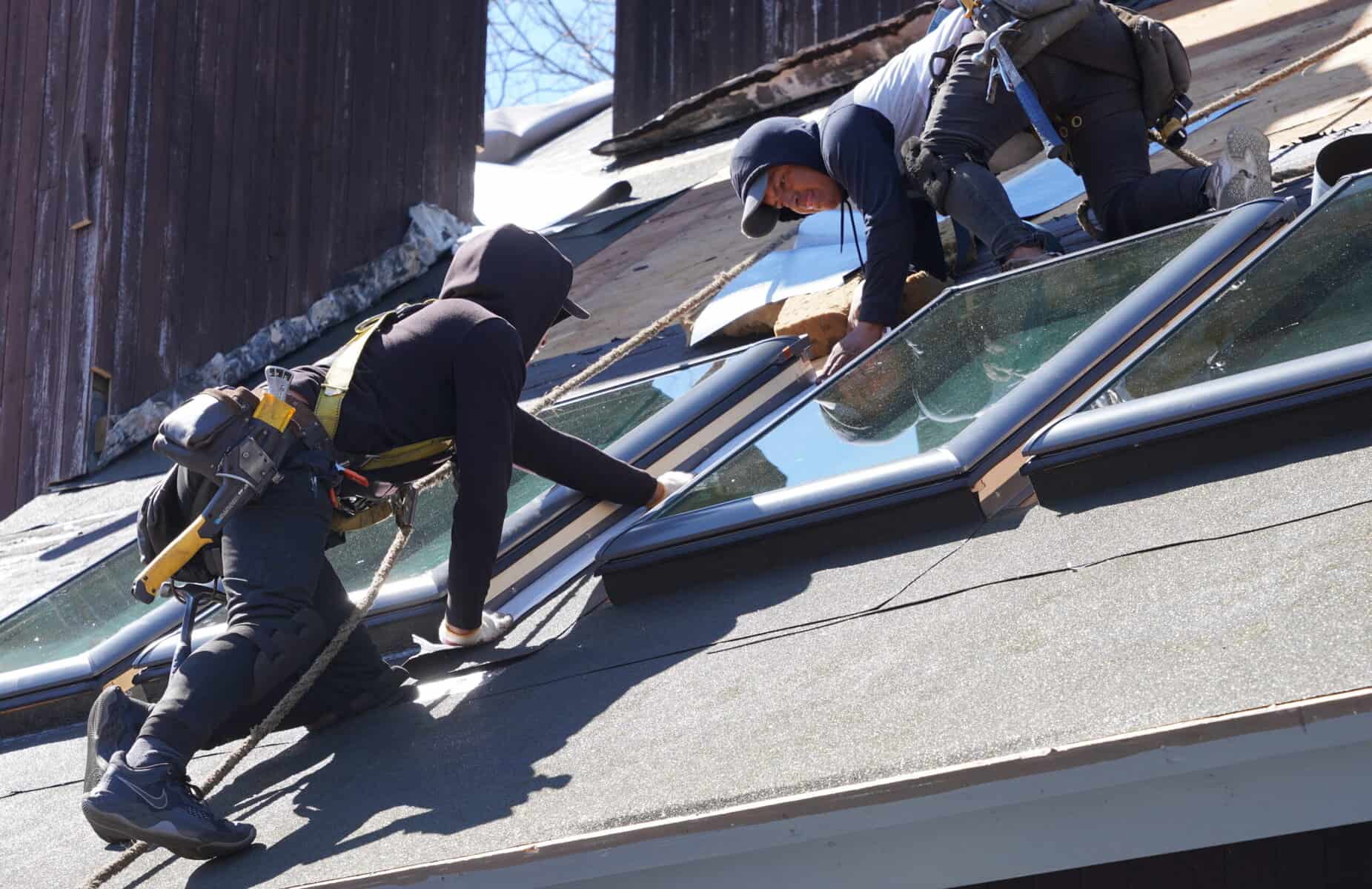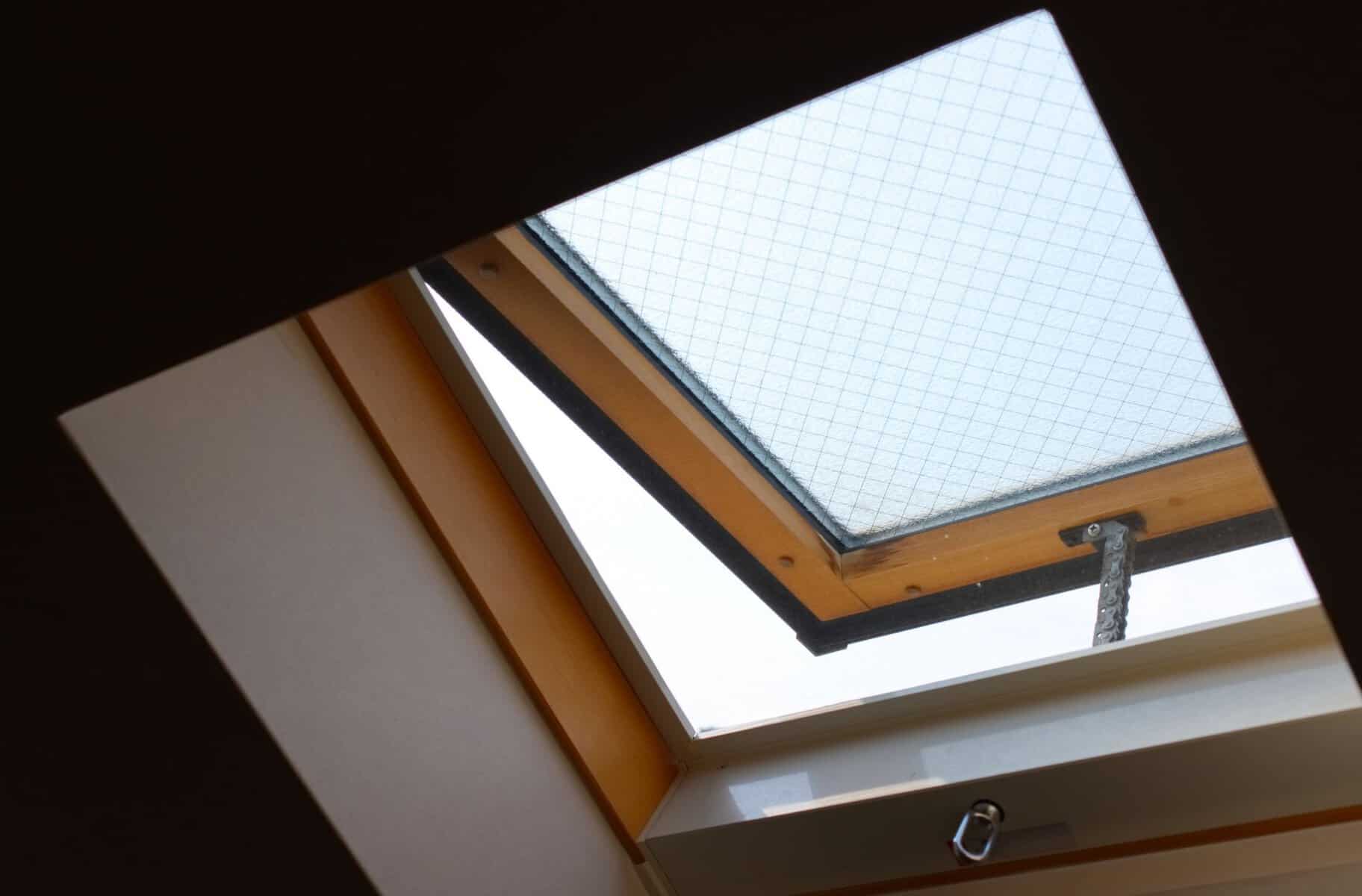

How Skylight UV Exposure Affects Attic Comfort Over Time

Skylight UV Exposure

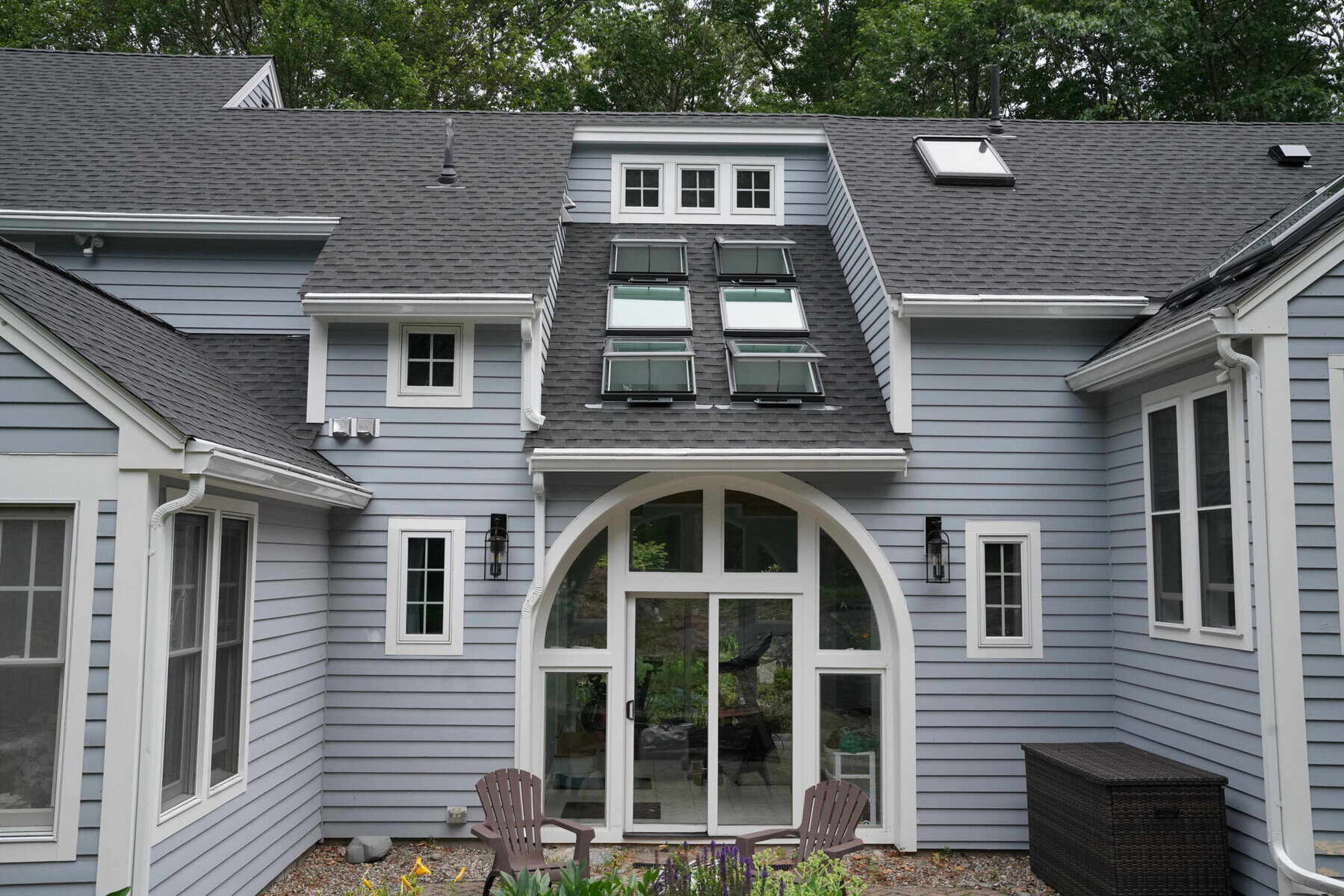
Skylights are a great way to bring natural light into your home, especially in upper levels or attics where windows are limited. They can make the space feel bigger, more open, and more welcoming. But when it comes to long-term comfort, there’s a side to skylights that many homeowners don’t think about. UV exposure from sunlight can slowly change the way your attic feels from one season to the next.

Over time, that sun shining through your skylight can start to impact attic temperature, insulation strength, and even the condition of stored items. As roofing contractors New Hampshire homeowners often call for attic or roof work, we’ve seen how much sunlight can affect the comfort of a home when a skylight isn’t handling UV rays properly.

How Skylights Let in More Than Just Light

We all enjoy the brightness that a skylight adds to a room, especially after long winters or cloudy spring stretches. But with that light comes heat, and not just the kind you feel through the glass. UV rays pass through skylights during warmer months, especially late spring into summer, and that consistent exposure changes things.

When sunlight pours through the skylight day after day, it begins to warm the attic. While light can help with general brightness and cheer, direct exposure causes imbalances. If the room gets too hot during the day and cools off too fast at night, insulation or temperature control in that space may start to suffer. Over time, the strain from UV exposure can shift internal temperatures and make the attic hotter than it needs to be, even in early summer.

Once this pattern begins, the attic may lose its ability to manage heat and airflow efficiently. Comfort inside the rest of the home might be affected too, especially in rooms just below the attic.

Signs Your Attic is Being Affected by UV Through the Skylight

Many homeowners don’t think of UV damage until signs start to show. These signs can be subtle at first, but over the years, they tell a pretty clear story. If your skylight has been letting in direct sun for a while, here are a few issues you might start to notice:

  • The upper floors of your home feel hotter or harder to cool, even when the air conditioning is running.
  • Paint or flooring near the skylight starts to fade or discolor.
  • Items stored in attic spaces, such as cardboard boxes, fabrics, or old furniture, start looking faded or warped.

If your attic feels stuffy or imbalanced when walking through it during the day, UV heat buildup may be the reason. Rooms directly under the attic might show changes in how long they stay cool or warm as well.

How Roof Materials and Skylight Design Work Together

Not all skylights are built the same. Some use double-pane glass or UV-blocking coatings, but older models usually don’t have those features. If your skylight is more than a few years old, it may already be showing signs of wear. Thin seals, small cracks in the frame, or fading surfaces inside the glass are a few early signs of UV trouble.

A skylight isn’t just a window in the roof. It works with a specific layout. In New Hampshire, steep rooflines and long daylight hours in summer can deeply impact how much sunlight pours into your attic. Roofing contractors in New Hampshire often adjust skylight position, flashing, and slope materials depending on roof shape and direction. The shape of the roof controls how the sun hits the skylight, which then affects how much heat builds up inside.

The color of your roofing material also plays a role since darker roof surfaces tend to collect and hold more heat. When combined with an unprotected skylight, that heat gets trapped faster and has fewer ways to escape.

Seasonal Shifts That Make UV Impact Worse

As we head into early June, daylight hours get much longer across New Hampshire and Southern Maine. Attics start warming up earlier in the day and stay warmer into the evening. Even on days that don’t feel especially hot outside, the sun pouring in through the skylight can raise the temperature inside much faster than expected.

When airflow in the attic isn’t great, heat from the skylight lingers. That’s especially common in older homes that were built before attic ventilation was a bigger focus. Summer air tends to feel thick, and when combined with strong daylight, that pressure can carry heat down into other parts of the home.

Humidity doesn’t help, either. A closed-off attic with a skylight and no airflow might trap moisture, which then interacts with sunlight and creates an unpleasant combination of heat and dampness. This can make wood surfaces feel sticky or soft over time and contribute to attic discomfort during the summer stretch.

Better Comfort Begins with Early Checks

As summer starts, we always recommend checking up on skylights before things heat up too much. Many skylight problems don’t show obvious symptoms at first. But by the time there’s major fading, heat loss, or water signs around the frame, UV exposure may have already done some damage.

The best time to catch it is early. That includes:

  • Looking for cracking around the skylight edges or along the roofline
  • Checking for signs of foggy glass or fading sealant
  • Watching for warping around insulation or skylight framing on the inside of the attic

We’ve found that regular attention to attic spaces, especially around the skylight area, helps keep comfort levels stable. Roofing contractors New Hampshire homeowners rely on often look for the quiet signals first, the small shifts that show something isn’t working quite right before it turns into a larger issue.

Keep Your Skylight Working With, Not Against, Your Attic

Skylights don’t need to be a problem. When they’re configured well and regularly inspected, they can make an attic more pleasant rather than less. But they do ask for a bit of attention, especially at the start of summer.

Watching how sunlight shifts and collecting early signs of wear can help. It keeps your attic cooler, your utility bills steadier, and your comfort levels more predictable across every floor of the house. Just a quick seasonal review can mean fewer surprises during warmer weeks ahead. For homes across New Hampshire and Southern Maine, a skylight should brighten a space, not overheat it. Quiet fixes made early can help keep balance in your attic all summer long.

A warmer attic may signal that your skylight is letting in more than just sunlight, so taking a close look now can help catch small issues before they turn into bigger problems. We have helped many homeowners work through skylight-related heating concerns, especially those caused by long summers and older rooflines, and for dependable roofing contractors New Hampshire homeowners rely on, J. Carnes & Son Roofing is ready to take a look and help you stay ahead of the heat. Give us a call to schedule a review.
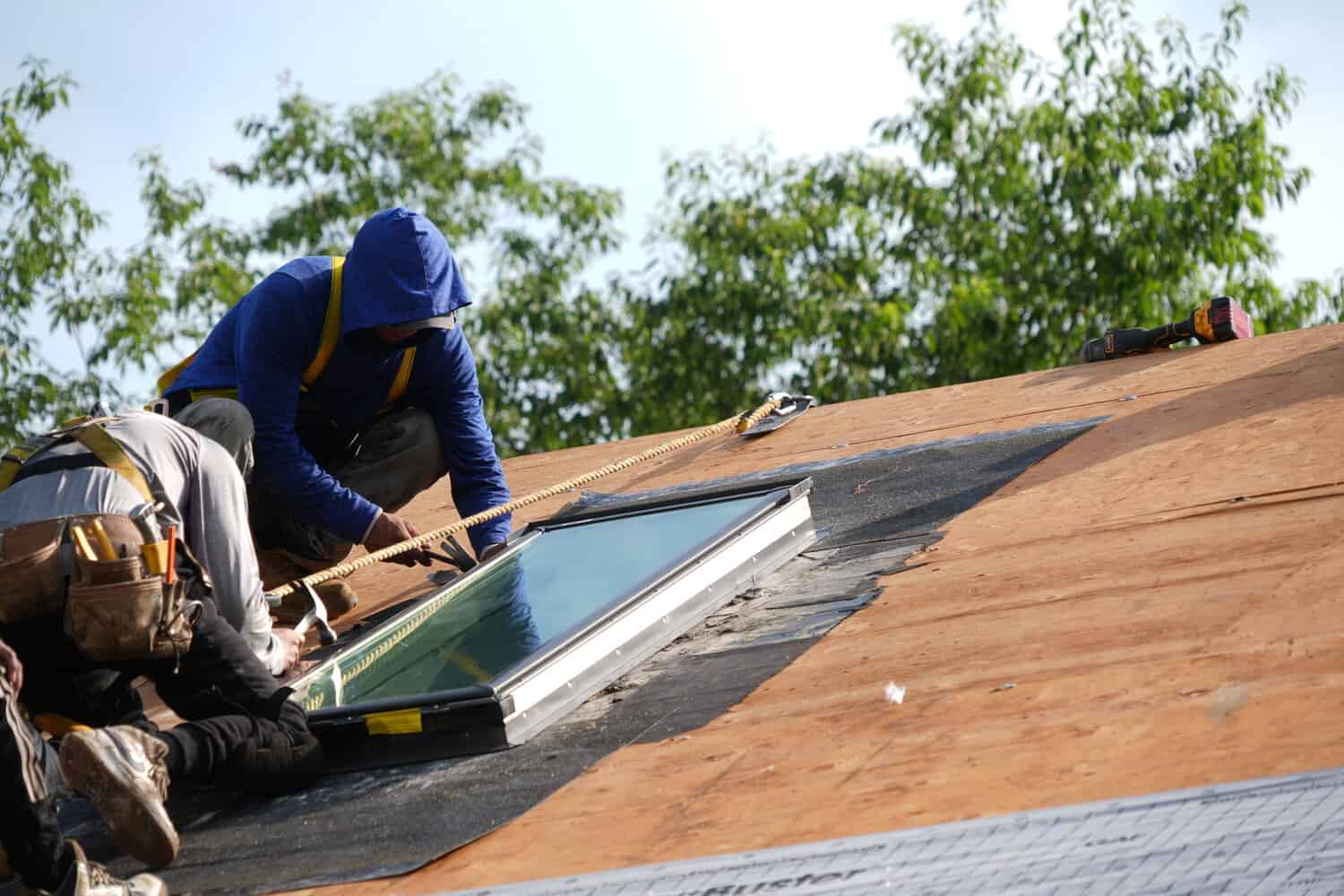
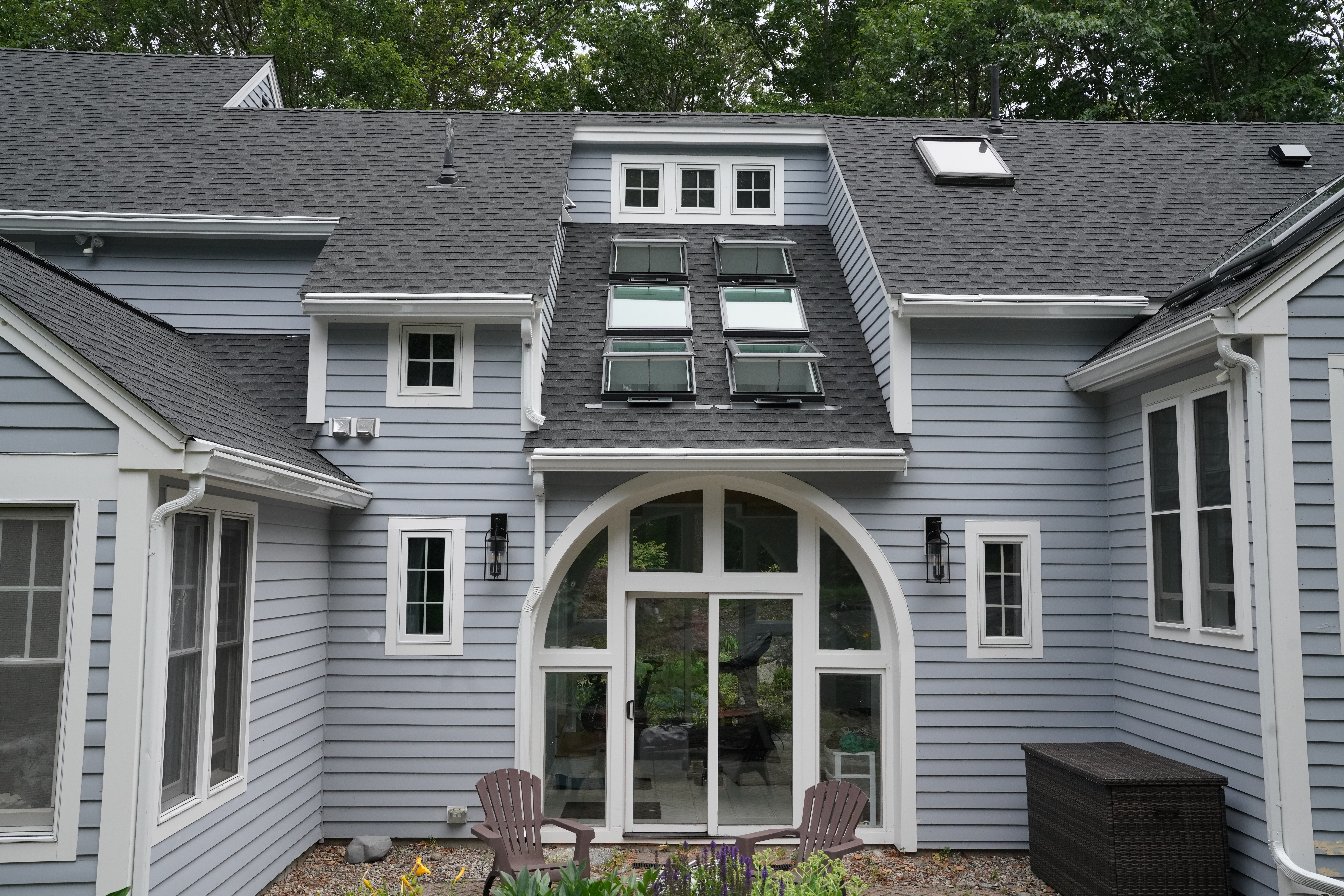
Steps to Prep Skylights for New England’s Early Summer Sun

skylight installation

Skylights can make any home feel brighter, especially during the early weeks of summer in New England. But without some attention, that added sunlight can bring more headaches than comfort. Heat, moisture leaks, and trapped condensation often start with skylights that were never prepped for the season ahead.

For homeowners thinking about Kingston residential roofing updates, skylights deserve a spot on your spring checklist. Getting them ready for the warmer weather means inspecting the edges, checking seals, and making sure they are clean and clear. Early May is the right time for this kind of prep, before the full swing of summer heat settles in. A few simple steps now can save time and trouble over the next few months.

Check for Post-Winter Skylight Damage

New England winters are not gentle on roofs or skylights. Snow can pile up around framing, ice buildup can cause stress fractures, and freezing temperatures often shrink and pull apart materials. By spring, those small problems can grow into leaks or cracks that let hot air and humidity sneak into the home.

Here are a few ways to spot winter wear before it becomes something bigger:

  • Look for water stains around the skylight, either on the ceiling or trim. This can be a sign that melted snow got in over the winter.
  • Notice any cloudiness between the panes or fog inside the dome. That might mean the seal has failed.
  • Check for obvious warps in the frame, gaps in the flashing, or signs of rust or wear.

Even tiny cracks or loose materials can turn into serious summer problems when UV rays and warm air hit those weak spots. Getting a professional to inspect these areas in early May gives you time to fix potential leaks before summer storms roll through.

Many homeowners don’t realize how much stress their skylights and roofs experience during the long and variable New England winter. It’s not just snow and ice, but freezing wind and shifting temperatures that work against the structure. The expansion and contraction of materials during freeze-thaw cycles can lead to unexpected gaps, allowing water or outside air to find its way in at the edges. Even with careful installation, this seasonal punishment can leave weaknesses that only show as the weather warms. Scheduling an inspection as soon as conditions allow can help you get ahead of any growing problems. Roofing professionals are able to spot small signs of trouble and provide advice on whether you’re looking at a minor repair or a more involved fix.

Clean Inside and Outside Skylight Surfaces

After a long winter, skylights rarely look their best. The outside can be coated in pollen, roof grit, or leftover dirt from melting snow. Inside, condensation builds up as temperatures shift from cold to warm. That buildup stops sunshine from getting through and can even cause heat to collect underneath.

To keep skylights clear for the season, we focus on a full cleanup. That means:

  • Wiping down both sides of the glass using soft, non-abrasive tools
  • Removing any dust, pollen, or fine grit that can scratch over time
  • Checking for interior moisture or condensation that does not go away once the weather warms

If there is ongoing moisture or dampness, it could be tied to insulation issues in the attic or a hidden roofing problem. Cleaning is a good chance to spot any of these before summer sticks around for good.

When cleaning skylights, use a step ladder and have a second person support it, especially upstairs where the angles can be tricky. Avoid harsh chemicals that could fog plastic lenses or harm rubber seals. Inside the home, regular cleaning means less dust and pollen accumulates on the glass. You’ll also notice problems such as chalky buildup, streaks that won’t go away, or cloudy patches that remain even after a careful wipe. These issues could mean it’s time to assess the skylight for leaks or a seal problem. Beyond just aesthetics, keeping the surfaces clean maximizes the natural light coming into your rooms, letting you truly benefit from your skylight investment.

Test and Update Skylight Seals

Seals around a skylight do not last forever. Rubber gaskets dry out and crack. Caulking can pull away or shrink after several freeze-thaw cycles. When that happens, the skylight stops being airtight, and during the warmer months, that means heat starts to creep in and cool air slips out.

Here is what to check when inspecting skylight seals:

  • Stand underneath the skylight during cooler mornings and feel for drafts or air movement
  • Take a close look along the outside edge for dried or broken caulking
  • Look for compressed or brittle rubber that is not holding shape anymore

A lot of people ask if sealing can be a quick fix project. We do not recommend doing it yourself. Instead, this part of the work should be handled by someone who specializes in Kingston residential roofing. Done right, it stops leaks and energy loss before the summer sun puts extra pressure on the system.

Sometimes DIY fixes to seals may seem easy, but the risk is that improper products or application could trap moisture or create gaps, which may worsen leaks as temperatures climb. A professional has access to the right materials, can properly match caulking, and understands the subtle movement of roofing systems in warm and cold weather. When the correct products are used and installed with care, the difference can be felt in the comfort and efficiency of your home the whole season. Prioritizing this inspection in spring puts you well ahead of midsummer repairs or costly emergency fixes.

Double-Check Roof Ventilation Around the Skylight

Skylights do not just bring in light. They change how the attic or the space around them needs to breathe. After a cold season, it is easy for ventilation paths to get blocked by fallen insulation or unnoticed damage.

Here is how poor roof airflow can hurt skylight performance:

  • It causes rooms under the skylight to trap heat, especially during still, sunny afternoons
  • Moisture gets sealed in instead of being pulled through the roof vents
  • Over time, that trapped air can affect everything from ceiling paint to wooden trim

Take a slow walk through your attic or top floor and notice if certain areas feel stuffier than others. Sometimes the problem is nothing more than foam batts pushed up against a soffit. Other times, the fix needs a closer look up top. Either way, it helps to catch it before the temperature truly starts rising in late May and June.

Proper ventilation keeps skylights performing as they should. When airflow is blocked or restricted, you may notice a “greenhouse effect” under the glass, with higher temperatures and humidity building up quickly. Over time, that trapped heat does not just make rooms uncomfortable, it contributes to premature degradation of wood trim, paint, and even the sealant itself. In the worst cases, it may encourage the growth of mold in poorly ventilated spaces, adding health concerns to comfort problems. When checking attic airflow, see that insulation is not blocking vents, and that fans or other ventilation systems are operational. If you’re at all unsure, consult with a roofing or ventilation specialist. Small adjustments can have a meaningful impact on comfort for the whole summer.

Sun-Ready and Leak-Free for the Season Ahead

When summer is just about to hit its stride, skylights should do more than let in sunshine. They need to work with your roof system, not against it. Clear, sealed, and well-ventilated skylights help keep indoor temps steady and stop water from sneaking in during sudden rain.

Checking them now, just as the season shifts, gives you more control over comfort and energy use all summer long. Spending time prepping skylights brings in better light and helps protect the rest of the roof, too. That makes the effort worthwhile before a full season of sun settles in across New Hampshire and Southern Maine.

Noticing signs of wear around your skylights means it is time to inspect your entire roof system to prevent more extensive damage. Homes in New Hampshire and Southern Maine often need more than a quick fix after winter, especially when past storms lead to unseen issues. At J. Carnes & Son Roofing, we address moisture concerns, ventilation checks, and sunlight protection to keep your roof working as it should. For help with Kingston residential roofing, including skylight preparation and surrounding roof care, contact us today.

Why Snow Accumulation Around Skylights Can Go Unnoticed in Winter

Skylights

Skylights can seem like a bright spot in the middle of a long winter. They let in sunlight during cold months and give rooms a more open feel, even when the snow piles up outside. But just because a skylight appears clear from below doesn’t mean it’s free of winter problems. That snow sitting around it may be slowly causing issues that can go unnoticed for weeks.

Often, snow piles naturally on rooftops and around skylights, blending into the rest of the winter scenery. Since skylights usually keep letting in light, many homeowners don’t think twice about them during the season. Trouble is, that snow doesn’t always melt evenly. And if it sticks around too long or refreezes in the same spot night after night, it can damage the seal or framing. As the leading and most trusted residential roofing contractor in New Hampshire and Southern Maine, we see how often these small skylight issues begin with snow that never really goes away between storms. Learning how to spot sneaky winter buildup and use smart solutions for skylights helps avoid hidden damage in the months to come.

Why Skylights Can Be Overlooked After Snowstorms

After a storm, the roof might look like a smooth white layer from the driveway. Skylights blend right in. Unless something is visibly cracked or leaking, most people won’t think to investigate further. That’s part of the problem during the later part of winter in colder places like New Hampshire and Southern Maine.

Here’s what often keeps snow-related skylight issues from being noticed early:

• Snow flattens evenly across shingles and skylight edges, hiding buildup from ground level

• Light still shines through the skylight even when the edges are sealed off by packed snow

• Cold temperatures, wind, or icy walkways keep homeowners from climbing up and checking things out firsthand

These factors mean snow can stick around unnoticed near the frame, making things worse over time. By the time a stain or leak shows up inside, it’s likely already done more work on the roof than you’d expect.

Hidden Effects of Snow Accumulation Around Skylights

The real damage usually happens out of view. When snow collects along the edges of skylights, it traps moisture where it shouldn’t be, especially when roof temperatures shift throughout the day. Sunlight starts to melt snow on warm afternoons, but once the sun fades and temperatures drop, everything freezes again.

These repeated freeze and thaw movements can mess with the materials around the skylight. Water can squeeze into tiny spaces. Then it expands as it turns to ice, putting strain on seals and joints. Over a few weeks, that constant stress can wear those parts down.

Some of the common problems we see from hidden buildup include:

• Moisture trapped against the flashing or frame causes slow breakdown

• Ice creeping under shingles near the skylight edge lifts or cracks the materials

• Gaps that didn’t exist before start allowing slow leaks through the roof deck

Since these are usually slow and quiet problems, they may not show up until a month or more after the last storm. By that point, ceiling stains or wall dampness might be the only clues. That slow process is what makes these skylight issues so tricky come late winter.

How Coastal Snowfall Patterns Affect Skylight Areas in New Hampshire and Southern Maine

Winter on the coast looks a bit different than it does inland. In towns cradled along New Hampshire and Southern Maine, snow tends to fall wetter and heavier. The ocean puts more moisture into the air, and when it mixes with cold temperatures, it creates a thick, clingy snow that sticks to roof surfaces. Skylights don’t always shed that snow easily.

Here are a few things specific to the local weather that make skylight snow buildup worse along the coast:

• Snow near the ocean holds more water, so it’s heavier and slower to melt

• Mixes of freezing rain and snow build icy layers that trap snow around roof features

• South-facing skylights warm up faster on sunny mornings and melt unevenly, leaving cold spots that refreeze at night

Because of these patterns, some parts of a skylight can thaw and refreeze multiple times a day. That gets tough on the seal over time. This pattern is especially common during the last few weeks of winter, when days start to warm slightly, but nights remain sharp and cold.

Smart Ways to Prevent and Respond to Skylight Snow Issues

Snow will always be part of winter in this region, but there are some simple ways to stay in front of the problems it causes around skylights. You don’t have to wait for a drip on your ceiling to know something’s wrong. Paying attention to winter melt patterns and keeping things in check with regular upkeep can protect your skylights for the long haul. At J. Carnes & Son Roofing, we install premium Velux skylights and roof windows that are built for New England weather and backed by a 10-year No-Leak Warranty to help guard against these kinds of issues.

Here are some areas where smart solutions for skylights can make a big difference:

• Book seasonal roof inspections from trusted local pros who know what to look for during thaw cycles

• Keep attic air flowing evenly and hold temperatures steady to limit uneven melting

• Ask about skylight models that are designed with better seals or hardware made for colder climates

Skylights should be a benefit to your home, not a stress. Making a couple of informed changes in how your roof and attic work together in cold weather can cut down on these hidden winter problems. That’s especially true in places where heavy snow and freeze-thaw cycles are just part of life for a few months every year.

Clearer Skies Ahead: Why It Pays to Notice the Small Stuff

Snow sitting around a skylight doesn’t always cause problems right away. It’s the smaller, repeated stresses that slowly build trouble into the roof system over time. By the time signs like stains or drips show up, there’s usually been a quiet breakdown at work for weeks or longer.

Keeping an eye out now saves a lot of extra effort down the road. The end of winter is a good time to walk through the attic, glance at the ceilings, and check for signs that snow might be overstaying its welcome. Getting familiar with warning signs and tackling skylight risks early means you’re better prepared to transition into spring without bringing water issues along with it.

Winter weather can take a quiet toll on the parts of your roof you don’t always see, especially around skylights. If you’re starting to notice stains or damp spots, it could be time to look into possible leaks from hidden snow damage. One smart way to stay ahead of bigger roof issues is to connect with pros who understand roof repair in New Hampshire and how local winters affect every part of your home. Give J. Carnes & Son Roofing a call if your skylight area has started showing signs of trouble.

Solving Light Leaks Around Skylight Frames

Skylight

Skylights can be a great addition to any home, bringing in more daylight and giving rooms an open, airy feel. But when light starts peeking through where it shouldn’t, like around the edges of the frame, it can mean there’s a problem. Light leaks may seem harmless at first, but they often hint at gaps or damage that could let in more than just sunshine. Left unchecked, those small leaks can allow moisture in, leading to bigger headaches like water damage or energy loss.

Fall is a good time for homeowners in New Hampshire and Southern Maine to check for these issues. As temperatures drop and the seasons change, skylight frames may expand or contract slightly. That shift can create tiny spaces that allow both light and cold air through. Addressing a light leak is more than just fixing a crack. It’s about making sure your roof is sealed, insulated, and doing its job. For that reason, skylight installation contractors are often called in to assess and solve these problems before they turn costly.

Identifying Light Leaks

Catching a light leak early can save you from dealing with a bigger roofing issue later on. The good news is that spotting the signs isn’t too hard if you know what to look for. Sometimes it’s a thin ray of sunlight visible when the skylight is closed. Other times, it shows up as a draft or a faint outline of daylight along the frame during certain times of the day. Homes with vaulted ceilings or taller skylight installations might notice it faster, especially if sunlight reflects from unusual angles.

Here are some of the most common signs that light leaks might be coming from your skylight frame:

– A defined shaft of light around the frame, especially when closed

– Drafts near the skylight, even when temperatures are mild

– Visible cracks or worn caulking around the skylight frame

– Fading or discoloration of nearby walls due to UV exposure

– A whistling sound on windy days pointing to poor sealing

These leaks can be caused by several things. Sometimes the original installation wasn’t done properly. In other situations, seals and materials just wear down over time. Expanding and contracting due to seasonal temperature changes can loosen the skylight’s fit. Even the best installations may need adjustments as the years go by. The important part is recognizing these early warnings before more than just light starts coming through.

DIY Troubleshooting Steps

Before picking up the phone, homeowners can take a few simple and safe steps to narrow down the issue. If the cause is basic—like cracked sealant or a poorly fastened screw—it can be helpful to get a closer look and decide if it needs fast attention from a professional.

Here’s a quick checklist to follow if you think your skylight is leaking light:

1. Look closely at the skylight during daylight hours to see if light passes through visible gaps.

2. Inspect the trim and interior frame for any loose joints or surface cracks.

3. Check the exterior seal around the skylight if accessible. Flaking sealant is a red flag.

4. Use a flashlight at night from outside. Have someone stay inside and check for incoming beams through the edges.

5. Feel around the skylight on a breezy day. Cold air might signal light can get through too.

If any of these steps turn up gaps, damage, or uncertain areas, it’s usually best to bring in a contractor. Fixes like adding temporary caulk or doing a patch job might hold up for a little while, but they rarely last through New England winters. A professional inspection will go deeper, finding out what exactly is going wrong and how to fix it properly.

Professional Solutions for Light Leaks

Some skylight problems can’t be solved with a tube of caulk or a screwdriver. When that’s the case, it’s time to call a skylight installation contractor in New Hampshire. These pros know what to look for, how to repair it right, and most importantly, how to do the work safely—especially when it means climbing up on a wet or steep roof during fall.

The process usually starts with a close visual check, inside and out. Contractors will inspect everything from seals and flashing to frame alignment and surrounding shingles. If the problem is simply failed sealant or a small gap, they may reseal the frame using weather-tough materials that are made to last. If the frame is warped or if the original setup wasn’t done correctly, they may need to make adjustments or replace parts altogether.

Here are some typical services a contractor might offer to fix skylight leaks:

– Removing and replacing worn or cracked flashing

– Resealing frames using high-performance sealants

– Fixing installation issues by realigning or rehousing the skylight

– Installing insulation to block energy loss through the skylight

– Re-caulking old frame sections no longer holding a seal

Getting a contractor involved means the problem gets handled at its source. Temporary patches might make the light go away for now, but without solving the deeper issue, it’s likely to show up again—usually at the worst time like during heavy rain or snow.

Preventative Maintenance Tips

Once your skylight’s been repaired, it’s smart to add it to your regular home maintenance schedule. The weather in New Hampshire and Southern Maine can be unpredictable. That means even a perfectly installed skylight might shift a bit or wear down faster than expected. A little checking once or twice a year can go a long way.

Here are a few easy things you can do to keep your skylight in good shape:

1. Check skylights at the start of fall and spring when temps begin to change.

2. Clean both the glass and the surrounding metal or trim.

3. Trim back trees that might leave debris on the roof and trap moisture.

4. Keep an eye on the ceiling underneath for water stains or signs of leaking.

5. Schedule a contractor every couple of years just for a quick inspection.

Most of these don’t take much time but can help prevent bigger problems. That small hole in the seal or a screw working its way loose could lead to more serious damage down the road if it’s left alone. A few minutes of effort can provide seasons of peace of mind.

Keep the Light but Lose the Leaks

Light leaks around skylights may not seem like a big deal at first. It’s just a little sun slipping through, right? But it nearly always means something else is going on—and it’s better to tackle it sooner than wait for how bad it can get. When UV rays or drafts start showing up, it’s time to take action.

Keeping your skylight system strong means keeping your home protected. Seasonal changes, shifting temperatures, and normal wear can all create issues, but they don’t have to become disasters. A watchful eye and calling a trusted contractor are usually all it takes. Whether it’s sealing, replacing flashing, or doing a full correction, getting help from skylight experts can keep everything working the way it should. If your skylight shows signs of trouble, now’s the time to deal with it, before wind and rain test your roof even more. Staying on top of things now makes the next season that much easier.

If you’re seeing light leaks around your skylights, now’s the time to reach out to trusted skylight installation contractors who can make sure everything is sealed up tight. J. Carnes & Son Roofing delivers dependable solutions that keep your home comfortable, energy efficient, and ready for whatever the New England weather brings.

The Advantages of Installing Velux Skylights

Velux skylight installation in a New Hampshire home by J. Carnes & Son Roofing

Adding a Velux skylight to your home is like opening a window to the sun’s embrace. Letting natural light flood into dim spaces can transform the way you live and feel in your home. It’s an effortless way to bring the beauty of the outdoors inside, creating an inviting atmosphere without turning on a single light switch.

Velux skylights offer more than just a view of the sky; they improve your living experience. Whether you’re looking at the warm colors of fall leaves in New Hampshire or the vibrant spring flowers of Southern Maine, skylights frame nature’s artwork perfectly, right above your head. They’re not only aesthetic but provide a real functional upgrade.

Benefits of Velux Skylights

Velux skylights do wonders for filling rooms with light, enhancing every corner they touch. More daylight means you can cut back on artificial lighting, leading to energy savings. Less reliance on bulbs means a smaller electricity bill and a step toward a greener lifestyle.

Energy efficiency is another great advantage. Skylights can help regulate your home’s temperature. During winter, they allow more sunlight, which warms your space naturally. With an efficient design like the ones Velux offers, your heating and cooling systems work less. This balance can keep your home comfortable year-round.

Aesthetic improvements are equally important. Skylights open up rooms visually, making them feel larger. They can add a touch of elegance that appeals to many homebuyers, boosting your home’s value. Imagine a kitchen with a skylight above the island, where sunshine illuminates family dinners without the need for glaring overhead lights.

The benefits of skylights extend well beyond looks and initial cost savings, weaving functionality and form into a seamless home upgrade that pays off over time. Whether you’re planning a renovation or enhancing the living spaces of your home, Velux skylights offer a simple yet stylish solution to brighten your life.

Mixing up the way light interacts with your spaces can change the rhythm of your day. Consider the practicality, beauty, and efficiency that skylights introduce, and let them guide you toward a more luminous home.

Choosing the Right Skylight for Your Home

Getting the right skylight involves a bit more than just picking a design that looks good. It’s about finding a model that meets both your functional needs and aesthetic preferences. Velux has a wide range of skylights, from fixed models to ones that open for ventilation. Fixed skylights are perfect if you’re simply looking to add more light to a space. They stay closed, so you won’t have to worry about rain or debris coming through. On the other hand, venting skylights allow hot air to escape, making them a great choice for stuffy areas like kitchens or bathrooms.

When choosing a skylight, think about where in your home you want to install it. If you’re adding it to a bedroom, consider a model with blinds that can control light and privacy. In a family room, a larger skylight can create a stunning focal point. It’s also smart to consider the roof’s structure and slope. This will not only affect installation but can also influence which type of skylight will perform best. Flat roofs might require special considerations compared to pitched ones.

Professional Installation by Skylight Installation Contractors

While it might be tempting to tackle a skylight installation yourself, getting a professional to handle it is a wise move. Skylight installation contractors can ensure the job is done correctly, avoiding potential problems like leaks or improper sealing. They have the expertise to determine the best placement and angle for maximum sunlight, as well as the know-how to work with varying roof types and materials.

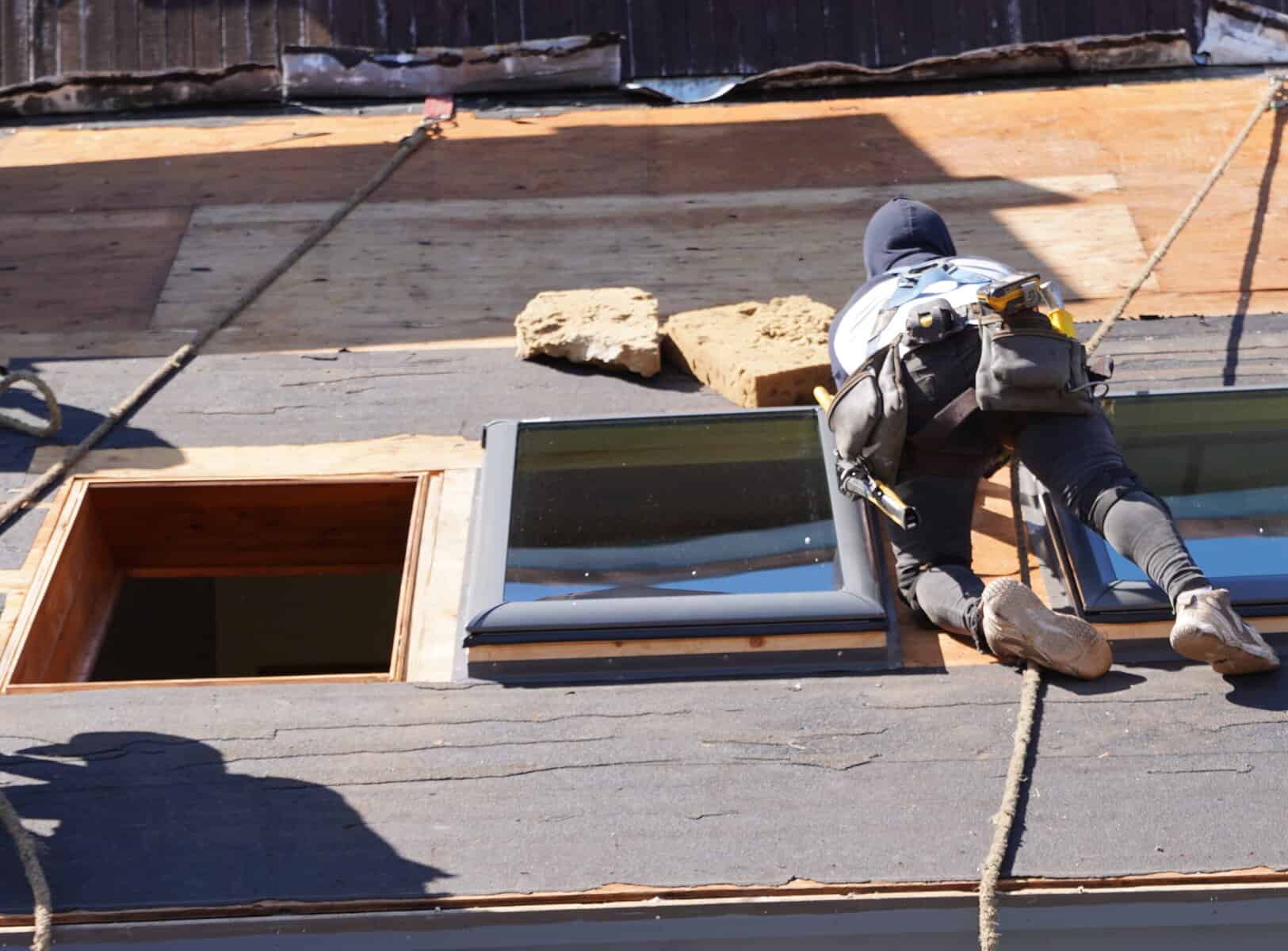
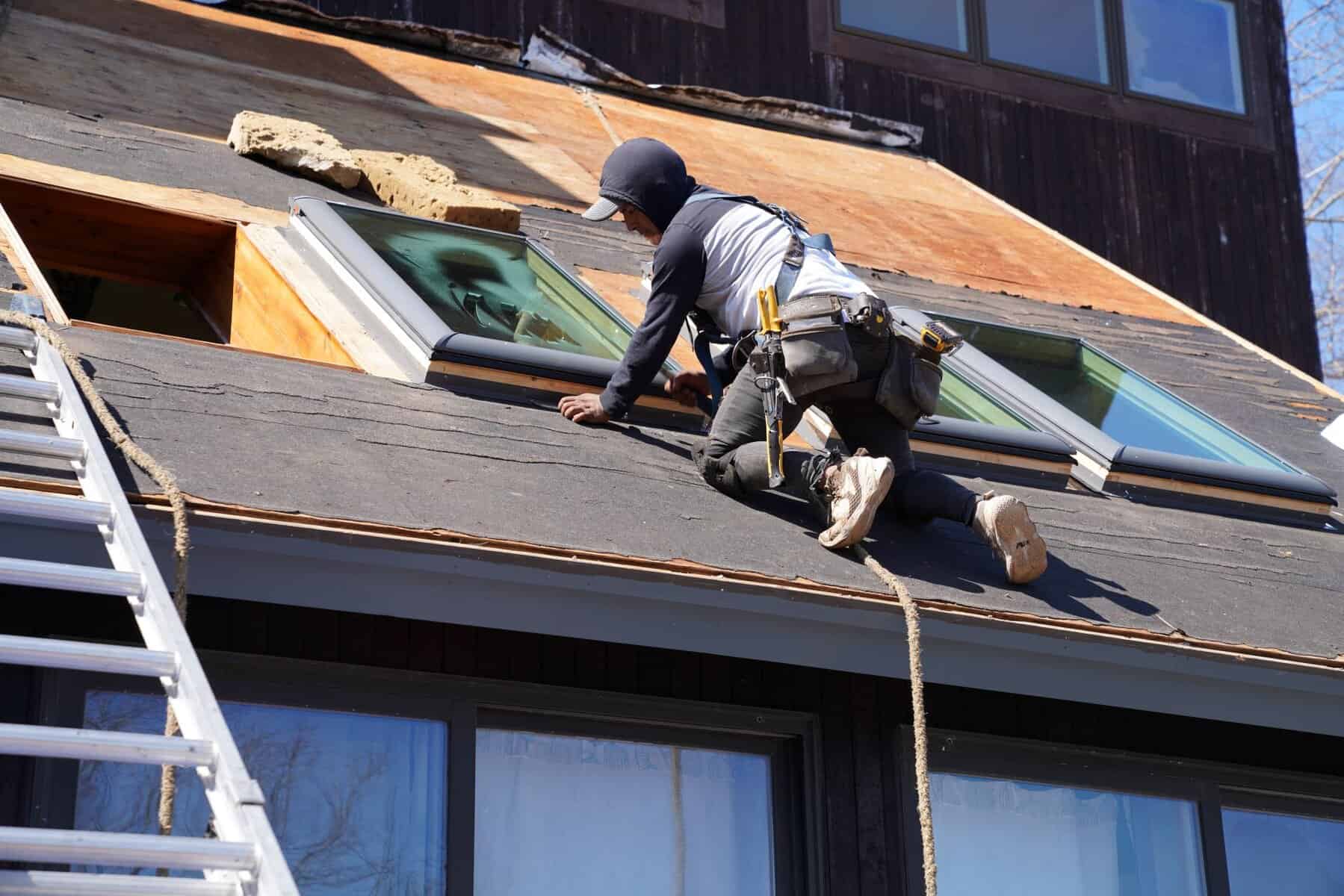
The installation process typically starts with an inspection of your roof to determine its suitability for a skylight. Once a suitable location is identified, the contractor will create the opening in your roof, carefully ensuring that the structure remains intact. They will then secure the skylight, using appropriate flashing and sealants to prevent leaks. This expertise is invaluable in regions like New Hampshire and Southern Maine, where weather can be unpredictable. Proper installation helps ensure that your investment stands up to the elements, providing beauty and function for years.

Maintenance Tips to Prolong the Life of Your Skylights

Just like any other part of your home, skylights benefit from regular care. A little maintenance goes a long way in preserving their good looks and functionality. Inspect your skylight every now and then for any signs of wear or damage, such as cracks or leaks. This is especially important after a big storm or during a seasonal change.

Here’s a simple maintenance checklist to keep your skylights in tip-top condition:

– Clean the glass regularly to remove dirt and debris, ensuring you get the most light.

– Check the seals to make sure they’re tight and haven’t deteriorated.

– Ensure the flashing around the skylight is secure, especially after severe weather.

– Trim any overhanging branches that might drop leaves or debris onto the skylight.

– Keep the blinds or shades clean if your skylight has them.

Taking these steps can help your skylights last longer, performing well in the diverse climate of New Hampshire and Southern Maine. By giving them a bit of attention, you can maintain their ability to brighten your space and add to your home’s charm throughout the years.

Let Your Home Shine with Velux Skylights

Velux skylights are more than just a smart architectural feature; they’re an experience. They offer a unique way to transform a home with natural beauty and light, and their benefits are tangible in both improved comfort and potential savings. Whether you’re savoring a summer sunset or enjoying the gentle light of a snowy winter morning, Velux skylights enrich those everyday moments by connecting you with the outdoors in a simple and effective way.

Take the next step to enhance your home. Consider how adding skylights can influence the way you live, bringing the full splendor of the sky right into your living space.

Illuminate your home with the elegance and energy efficiency of Velux skylights, and see the difference they can make in your daily living. Trust in the expertise of skylight installation contractors from J. Carnes & Son Roofing to ensure a flawless fit that complements your home in New Hampshire and Southern Maine. Our skilled team will guide you through each step, ensuring your skylights meet both your aesthetic and functional needs, transforming your space with natural beauty. Explore how we can help your home shine brighter than ever.

Velux Skylights: Maximize Natural Light in Your Attic

Velux Skylights

Natural light has a magical way of transforming spaces, making them feel more inviting and open. However, attics often miss out on this gift, becoming dark and underutilized. Adding skylights to your attic can dramatically change this.

Velux skylights are a great solution for brightening up attics. They flood the space with daylight, making it a pleasant retreat rather than a hidden corner of your home. This increase in natural light helps reduce dependence on artificial lighting, which can lower energy bills and be kinder to the environment.

Beyond utility, natural light from skylights can improve your mood and well-being. It turns the attic into a perfect spot for activities like reading, painting, or even just relaxing. With proper installation and maintenance, Velux skylights seamlessly blend into your roof while providing all these benefits. Whether you have an asphalt shingle or metal roof, Velux options can be suited to meet your home’s needs.

Understanding the Benefits of Velux Skylights

Velux skylights are a fantastic way to transform a dark attic into a bright, usable space. They bring in natural light, which can make the attic feel larger and more welcoming. Natural light helps in creating an airy and vibrant atmosphere, making the attic an enjoyable space for various activities like reading, crafting, or just relaxing.

One of the biggest advantages of installing Velux skylights is the positive impact on energy efficiency. With more daylight streaming into your home, there’s less need to rely on electrical lighting during the day. This means you can save on your energy bills and reduce your carbon footprint. The natural light provided by skylights also helps regulate indoor temperatures, reducing the need for heating in the winter and cooling in the summer.

Natural light has benefits beyond energy savings. Studies show that exposure to daylight can improve mood, enhance productivity, and even boost health. By installing skylights in your attic, you can create a space that not only looks better but also promotes well-being. The attic becomes a sanctuary of sunlight, helping to lift spirits and increase happiness.

Types of Velux Skylights for Attics

When it comes to choosing Velux skylights for your attic, you have several options. Understanding the different models and styles can help you pick the perfect fit for your space.

1. Fixed Skylights: These do not open but are great for letting in light without the need for ventilation. They’re ideal for locations that are hard to reach.

2. Venting Skylights: These can open manually or via electric controls to allow fresh air to circulate. Venting skylights can be a great way to improve attic ventilation and reduce humidity.

3. Solar Skylights: These models use solar power to open and close, which can be an energy-efficient choice. They also often come with remote controls and rain sensors for added convenience.

Velux skylights offer a variety of features to suit different needs:

– Manual Operation: A cost-effective choice where you can easily reach the skylight to open or close it by hand.

– Electric Operation: Perfect for hard-to-reach places, operated by remote, and providing excellent convenience by integrating with smart home systems.

– Durable Materials: Velux uses high-quality materials like laminated glass and aluminum frames for strength and long-lasting performance.

Selecting the right type of skylight depends on your specific needs, the attic layout, and your desired level of convenience. Each type provides unique benefits that can enhance the comfort and functionality of your attic space.

Installation Considerations for Optimal Skylight Performance

Proper installation of Velux skylights is crucial to ensure you get the most out of them. Here are some helpful tips to achieve optimal skylight performance:

1. Placement: For the best natural light, position skylights where they can capture maximum sunlight. East-facing skylights work well for morning light, while those facing west get more afternoon sun. To minimize heat loss during colder months, consider the pitch and angle of the skylight. Proper placement also helps spread light evenly throughout the space.

2. Professional Installation: Hiring a professional to install your skylight is wise. Experienced installers guarantee that the skylight is sealed correctly to prevent leaks and ensure proper insulation. This minimizes the risk of future repairs and maximizes energy efficiency.

3. Integration with Roofing Materials: Velux skylights are compatible with a variety of roofs, including asphalt shingles and metal roofing. Proper integration is key to maintaining the integrity of the roof. Professionals make sure your skylight blends seamlessly, preserving the beauty and functionality of your roof.

By considering these factors, you can enhance the performance of your Velux skylights, ensuring they provide maximum natural light without increasing energy costs or maintenance headaches.

Maintenance Tips to Keep Velux Skylights in Top Condition

To enjoy the benefits of Velux skylights for a long time, regular maintenance is essential. Here’s a simple checklist to help keep your skylights in great shape:

– Regular Cleaning: Clean the skylight glass periodically to keep it clear of debris and dirt, allowing maximum light to pass through. Use a gentle cleaner to avoid scratching the glass surfaces.

– Inspect Seals: Check the seals around your skylights annually to ensure they are intact and not letting in air or water. Replace any worn-out seals promptly.

– Gutter Check: Clear any leaves or debris from the gutters around your skylights. This prevents water from pooling, which could lead to leaks over time.

– Visual Inspection: Look for signs of damage like cracks or warping. Quick fixes can prevent bigger problems.

For repairs that go beyond basic cleaning and inspection, such as fixing cracked glass or addressing water leaks, it’s best to seek professional help. Regular attention keeps Velux skylights functioning effectively and extends their lifespan.

Conclusion

Velux skylights prove to be a wonderful addition to any attic, offering natural light that enhances the space’s utility and appeal. With a variety of types to choose from and proper installation, these skylights can transform any attic into a bright, inviting area. Maintenance plays a key role in ensuring they continue to perform well over time. Whether you’re looking to cut energy costs or improve the ambiance of your home, Velux skylights provide an excellent solution.

Turn your attic into a luminous retreat with help from J. Carnes & Son Roofing. Our team of skylight installers is ready to guide you through selecting and installing the perfect Velux skylights for your home. Let natural light brighten your space and boost your home’s energy efficiency. Contact J. Carnes & Son Roofing today to begin your skylight transformation!

Improve Energy Efficiency with Velux Skylights for Residential Homes

velux skylight

Finding ways to make your home more energy-efficient can save you money and improve your family’s comfort. One effective solution is the installation of Velux skylights. These skylights are designed to bring more natural light into your home, helping to reduce the need for artificial lighting. Besides lighting, Velux skylights offer several other benefits that can make your home more energy-efficient.

Velux skylights don’t just let light in; they also provide natural ventilation. By opening up your skylight, you can let fresh air circulate, reducing the need for fans and air conditioners. The design of these skylights helps maintain indoor air quality and comfort throughout the year.

In this article, we will explore the workings of Velux skylights, their energy-saving benefits, the different types you can choose from, and how to maintain them for long-term use.

What Are Velux Skylights and How Do They Work?

Velux skylights are specialized windows installed on the roof of a home to allow natural light to enter interior spaces. They’re designed not just to bring in light but also to offer additional benefits like ventilation and improved air quality. Velux skylights come in various designs, enabling them to fit different types of roofs and architectural styles comfortably.

The way Velux skylights work is quite intuitive. These skylights are typically made with high-quality glass that is double or triple-glazed. This glazing helps minimize heat loss during the winter and heat gain during the summer. The transparent material allows sunlight to penetrate deeply into the house, illuminating spaces that might otherwise require artificial lighting.

Some Velux skylights have operable features, allowing them to open for ventilation. They can be manually operated or controlled remotely. This ventilation option is valuable for airing out rooms, reducing humidity, and maintaining a fresh airflow. Other models include built-in blinds or shades that can be adjusted to control the amount of light entering the home, providing both functionality and aesthetic appeal.

Key Benefits of Velux Skylights for Energy Efficiency

Natural Light and Reduced Electricity Use

One of the main benefits of Velux skylights is the abundance of natural light they bring into a home. Increased natural light means that during daytime hours, you can switch off electric lights, reducing your electricity consumption. This not only saves money on energy bills but also positively impacts the environment by reducing your carbon footprint.

Enhanced Ventilation and Indoor Air Quality

Velux skylights offer the added benefit of ventilation. Models that can be opened provide a way to let fresh air circulate throughout your home. This is particularly useful in rooms prone to moisture build-up, like bathrooms and kitchens. Improved ventilation helps reduce the need for air conditioning and fans, further cutting down on energy use. It also enhances indoor air quality, making the living environment healthier.

Insulation and Temperature Regulation

Another significant advantage is the insulation properties of Velux skylights. Double or triple glazing helps maintain indoor temperatures by preventing heat escape in the winter and blocking excessive heat in the summer. This temperature regulation means your heating and cooling systems do not have to work as hard, which can result in lower energy bills and a more comfortable living space year-round.

Solar Integration Options

For homeowners interested in maximizing energy efficiency, Velux offers solar-powered skylight options. These models harness solar energy to operate, eliminating the need for additional electrical resources. Some solar skylights come with integrated panels that charge during the day and use that energy to open and close the skylight or shades. This green technology provides a sustainable way to improve home energy efficiency while enjoying the benefits of enhanced natural light and ventilation.

Types of Velux Skylights Suitable for Various Home Designs

Fixed Skylights

Fixed skylights are a popular choice for homeowners looking to add natural light without additional ventilation. These skylights are permanently sealed and do not open. They work well in spaces that need extra illumination, such as hallways, stairwells, or rooms with limited wall space for windows. The simplicity of fixed skylights makes them an affordable option, while their presence can make rooms feel more open and bright.

Ventilated Skylights

Ventilated skylights, also known as venting skylights, can be opened to allow fresh air to enter your home. These skylights offer the dual benefits of natural lighting and improved ventilation. Ventilated skylights are ideal for rooms that experience high levels of humidity, like kitchens and bathrooms. They can be operated manually or with a remote control. Some models even come with rain sensors that automatically close the skylight when bad weather approaches.

Maintenance and Care Tips for Velux Skylights

Routine Cleaning

Keeping your Velux skylights clean is essential for maintaining their effectiveness and longevity. Regular cleaning prevents the buildup of dirt, dust, and debris that can block sunlight. Use a soft cloth and mild soap to gently clean the glass surface. Avoid using abrasive materials or harsh chemicals, as these can damage the glass and frame.

Regular Inspections

Conduct regular inspections of your skylights to catch any potential issues early. Look for signs of leaks, cracks, or other damage. Ensure the seals around the skylights are intact and in good condition. Regular inspections help you identify and address problems before they become more significant and costly to repair.

Professional Servicing

While regular cleaning and inspections are tasks you can do yourself, some maintenance should be performed by professionals. Schedule professional servicing to ensure all components of your skylights are in good working order. Experts can check the integrity of the installation, address any complex issues, and provide recommendations for extending the lifespan of your skylights.

Conclusion

Adding Velux skylights to your home is a practical and effective way to improve energy efficiency. These skylights allow natural light to flood your living spaces, reducing the need for artificial lighting. They also offer enhanced ventilation, better indoor air quality, and improved insulation, helping to maintain comfortable temperatures throughout the year. With various types of skylights available, such as fixed, ventilated, and sun tunnel options, you can find the perfect fit for your home’s design and needs.

For professional installation and maintenance of Velux skylights, get in touch with J. Carnes & Son Roofing. Our team of skylight installers is ready to help you enhance your home’s energy efficiency with high-quality skylight solutions. Call us today to get started!

Maximize Natural Light and Energy Efficiency with Velux Skylights

VELUX skylights installed by J. Carnes & Son Roofing

Homeowners seeking ways to improve their living spaces often overlook the potential of enhancing natural lighting and energy efficiency by installing skylights. Velux skylights, a globally recognized brand associated with quality and innovation, have helped transform homes by bringing daylight and fresh air indoors while improving the overall energy profile. As the leading residential roofing contractor in New Hampshire and Southern Maine, J. Carnes & Son Roofing is dedicated to assisting homeowners in understanding the benefits of adding Velux skylights to their properties and ensuring seamless, professional installation and maintenance.

Velux skylights not only elevate the aesthetics of your home but also offer an array of practical advantages, making them a worthwhile investment. By brightening interiors with abundant natural light, these skylights help create a sense of openness and enhance the overall living environment. Furthermore, Velux skylights feature cutting-edge materials and technologies that ensure optimal energy efficiency, potentially lowering energy costs and reducing environmental impact.

In this comprehensive blog post, we will explore the various benefits of installing Velux skylights in your home, such as improved aesthetics, enhanced natural lighting, and energy efficiency. Additionally, we will discuss how to choose the right type of skylight for your needs, as well as the importance of proper installation and maintenance to keep your skylights functioning optimally for years to come. Trust J. Carnes & Son Roofing to guide you through the process of selecting, installing, and maintaining Velux skylights, ensuring that your home captures these valuable benefits.

The Magic of Velux Skylights: Benefits for Your Home

Homeowners seeking to enhance their homes with Velux skylights can enjoy several potential benefits:

1. Natural Light: Velux skylights brighten up interiors and maximize natural light, creating a welcoming and spacious environment that can improve mood and overall well-being.

2. Energy Efficiency: Cutting-edge materials and technologies in Velux skylights improve insulation and decrease heat transfer, reducing energy consumption and costs.

3. Ventilation: Some Velux skylight models offer built-in ventilation, helping to maintain optimal indoor air quality by improving air circulation and reducing excess humidity.

4. Aesthetics: The sleek, modern design of Velux skylights can elevate the appearance of your home’s interior and exterior, adding a touch of sophistication to your living spaces.

Selecting the Right Velux Skylight Type for Your Home

Velux offers a wide range of skylight types to suit your unique needs and preferences. Consider the following options:

1. Fixed Skylights: Ideal for areas where ventilation isn’t required, fixed skylights provide ample natural light without the capability to open or close.

2. Venting Skylights: These skylights can be opened manually or with a remote control to provide fresh air and improved air circulation throughout your home.

3. Solar-Powered Skylights: Harnessing solar energy to operate, these innovative skylights require no electrical wiring, offer built-in rain sensors, and are eligible for a federal tax credit.

4. Roof Windows: More than just a skylight, roof windows are designed to be accessible and can function as a point of egress in case of emergencies. They require a low, easily reachable installation point, making them perfect for attic or loft conversions.

Consider factors such as your home’s layout, local climate, and desired functionality when selecting the best Velux skylight type for your property.

Proper Installation: The Key to Lasting Performance

The effectiveness and longevity of your Velux skylights depend on professional installation. Partnering with a reputable roofing contractor like J. Carnes & Son Roofing guarantees seamless integration of your new skylights into your home. Keep in mind these critical factors for successful installation:

1. Correct Sizing: Your contractor will need to carefully measure your roof and desired skylight location to ensure a perfect fit, minimizing any risk of leaks or structural issues.

2. Weatherproofing: Properly installing flashing and sealants around your skylight edge is crucial to preventing water infiltration and damage.

3. Insulation: Correct insulation techniques around the skylight help minimize heat transfer, contributing to the overall energy efficiency of your home.

4. Safety Compliance: Adhering to local building codes, safety guidelines, and Velux’s installation specifications is essential for a secure and compliant installation.

Caring for Your Velux Skylights: Maintenance Tips

With proper care and maintenance, your Velux skylights can provide years of reliable performance. Follow these maintenance tips to protect your investment:

1. Regular Cleaning: Keep your skylights clean by wiping their interior and exterior surfaces with a soft cloth and soapy water or non-abrasive glass cleaner. For hard-to-reach locations, consider using a telescopic window cleaner.

2. Inspection: Periodically inspect your skylights for damage to glass, frames, seals, or flashing. Address any issues promptly to prevent potential damage and maintain optimal performance.

3. Weather-Related Checks: Following extreme weather events, like heavy rain or snow, check your skylights for signs of water leaks, drafts, or debris buildup.

4. Professional Maintenance: Schedule regular inspections and maintenance with an experienced roofing contractor like J. Carnes & Son Roofing to ensure your Velux skylights remain in peak condition.

Conclusion

Velux skylights offer a transformative solution for homeowners seeking to elevate their living spaces with abundant natural light, improved energy efficiency, and enhanced aesthetics. By choosing the right type of Velux skylight for your home and ensuring professional installation and maintenance, you can enjoy years of reliable performance and reap the numerous benefits that skylights provide.

At J. Carnes & Son Roofing, the leading residential roofing contractor in New Hampshire and Southern Maine, our team is ready to assist you in selecting, installing, and maintaining Velux skylights that best meet your needs. Contact us today to discuss your Velux skylight project and experience the difference that comes with trusting the professionals at J. Carnes & Son Roofing.

Enhance Your Home with Velux Skylights: Benefits, Styles, and Installation Tips

Velux Skylight

Velux skylights offer homeowners a solution to transform their living spaces by allowing the ingress of natural light and creating a brighter, more inviting atmosphere. As one of the most trusted residential roofing contractor in New Hampshire and Southern Maine, we have years of experience installing and maintaining top-quality Velux skylights. In this comprehensive guide, we’ll explore the key benefits of these high-quality skylights, the various styles available, and essential tips on proper installation and maintenance.

Velux skylights are known for their innovative designs, energy efficiency, and exceptional craftsmanship. They can significantly enhance the visual appeal and overall ambiance of your home, making it stand out from the rest. Installing a Velux skylight not only increases the amount of natural light entering your home but can also provide energy-saving benefits through improved insulation and passive solar heating. Additionally, these premium skylights can increase ventilation, freshness, and overall indoor air quality, making your living spaces healthier and more enjoyable.

Available in a wide range of styles, sizes, and configurations, Velux skylights cater to various architectural designs and homeowner preferences. Whether you’re considering a fixed skylight for a visually stunning light well or a vented option for enhanced airflow, there’s a Velux skylight tailored to your needs. Furthermore, Velux offers additional features, such as built-in blinds and remote-controlled operation, to customize your skylight experience further.

Key Benefits of Velux Skylights

Velux skylights provide numerous advantages for homeowners, from aesthetics to energy efficiency. Here are some of the top reasons to consider installing one in your home:

1. Natural Light: Velux skylights increase the amount of natural light entering your home, resulting in a brighter, more welcoming atmosphere.

2. Energy Efficiency: With improved insulation and passive solar heating capabilities, Velux skylights can help lower your energy bills and reduce your home’s carbon footprint.

3. Ventilation: Certain Velux skylight designs allow for increased airflow, creating a fresher and healthier living environment.

4. Enhanced Visual Appeal: Skylights can add a stunning architectural feature to your home, increasing its overall aesthetic appeal.

5. Increased Property Value: A well-designed and professionally installed Velux skylight can boost your home’s resale value.

Styles and Options Available

There are a variety of Velux skylight styles available to cater to different architectural designs and preferences. Some of the most popular options include:

1. Fixed Skylights: These non-opening skylights are designed for maximum light transmission, creating an impressive visual impact without requiring additional ventilation.

2. Vented Skylights: Also known as “roof windows,” these skylights can be opened to provide increased airflow and ventilation in your home. They can be manually operated, electrically powered, or solar-powered, depending on your preference and budget.

3. Sun Tunnel Skylights: A unique, tubular design that allows natural light to reach areas of your home that traditional skylights cannot. Ideal for hallways, closets, and other smaller spaces.

4. Balcony Roof Windows: A versatile option that transforms from a rooftop window into a balcony within seconds, providing extra outdoor living space in addition to bringing in natural light.

5. Custom Skylights: Velux also offers custom-designed skylights to suit unique architectural features and design requirements.

Proper Installation Tips

Follow these essential tips to ensure the successful installation of your Velux skylight:

1. Choose the Right Location: Select an optimal location for your skylight that provides maximum sunlight exposure while avoiding potential obstacles such as trees, power lines, or other structures.

2. Hire a Professional: Work with a reputable and experienced contractor to ensure expert installation in accordance with Velux guidelines and local building codes.

3. Proper Flashing: Ensure watertight installation by using Velux-approved flashing kits that are specifically designed for your skylight and roof type.

4. Insulation: Adequate insulation around the skylight minimizes heat loss and ensures energy efficiency.

5. Test for Leaks: After installation, perform a thorough inspection to identify and address any potential leaks before they become a problem.

Maintenance Best Practices

Following a regular maintenance routine helps to ensure your Velux skylight remains in optimal condition:

1. Glass Cleaning: Clean the exterior and interior glass surfaces of your skylight using mild soap and water, or a specialized glass cleaner.

2. Inspect the Seal: Perform regular checks on the skylight seal to ensure it remains in good condition and effectively prevents water intrusion.

3. Monitor Ventilation Components: Inspect and lubricate the ventilation components of vented skylights to maintain smooth operation.

4. Replace Damaged Components: Be vigilant about repairing or replacing any damaged or deteriorated components as soon as possible to prevent further issues.

Conclusion

Velux skylights offer an exceptional addition to your living spaces, providing natural light, energy efficiency, ventilation, and architectural appeal. By selecting the right style, ensuring proper installation, and following maintenance best practices, you can enjoy the numerous benefits these premium skylights deliver for years to come.

As the leading residential roofing contractor in New Hampshire and Southern Maine, our team of experienced professionals can guide you through every step of the Velux skylight process, from selection and installation to ongoing maintenance. Get in touch with our roofing contractors in New Hampshire today to discuss how we can help you enhance your home with a top-quality Velux skylight solution tailored to your needs.

Illuminate Your Home with Velux Skylights: Benefits, Options, and Installation Insights

Velux skylight installation in a New Hampshire home by J. Carnes & Son Roofing

Natural light can significantly impact the comfort, aesthetics, and energy efficiency of your home. Velux skylights, renowned for their high-quality design and performance, are an excellent solution for homeowners seeking to improve their living spaces with an abundance of natural light, fresh air, and enhanced energy efficiency. As the leading and most trusted residential roofing contractor in New Hampshire and Southern Maine, J. Carnes & Son Roofing specializes in guiding homeowners on the best skylight options for their homes, providing professional installation, repair, and maintenance services. 

Velux skylights are designed to transform your home, bringing natural light and fresh air into your living spaces while providing energy-saving benefits. In the following sections, we will explore the specific benefits of Velux skylights, examine the available styles and features, and provide expert guidance on collaborating with a skilled contractor for a successful skylight installation and maintaining your Velux skylight solution for years to come.

Benefits of Velux Skylights

Velux skylights offer numerous advantages for homeowners looking to elevate their living spaces:

1. Natural Lighting: Skylights bring an abundance of natural light into your home, brightening interior spaces and enhancing room aesthetics. The additional light can improve mood, reduce eye strain, and create a more inviting atmosphere.

2. Energy Efficiency: By harnessing daylight, Velux skylights can reduce your reliance on artificial lighting, lowering energy consumption and utility bills. Some Velux skylights also provide passive solar heating, capturing sunlight to warm your home during colder months, resulting in further energy savings.

3. Fresh Air and Ventilation: Opening skylights facilitate natural ventilation and air circulation, helping to regulate indoor temperatures, reduce humidity levels, and improve air quality by removing stale air and odors.

4. Architectural Appeal: Skylights can enhance your home’s architectural appeal, adding a unique and attractive design element both inside and on the exterior.

Styles and Features of Velux Skylights

Velux skylights are available in various styles and options, catering to different preferences, requirements, and budgets:

1. Fixed Skylights: Ideal for spaces where additional light is desired without the need for ventilation, fixed skylights provide a simple, energy-efficient solution for introducing natural light into your home.

2. Ventilated Skylights: These skylights can be opened manually or via remote control to facilitate fresh air and ventilation, ideal for kitchens, bathrooms, or any area where improved air circulation is desired.

3. Solar-Powered Skylights: Equipped with solar panels, these skylights harness sunlight to power their opening and closing mechanism, reducing energy consumption and offering an eco-friendly option for homeowners.

4. Roof Windows: More extensive and accessible than traditional skylights, roof windows can serve as additional egress points or facilitate rooftop access while still providing the benefits of natural light and ventilation.

5. Customization Options: Velux skylights come with various glazing, shading, and control options, allowing homeowners to tailor the appearance and functionality to suit their needs and preferences.

Choosing a Reputable Installer and Ensuring Skylight Longevity

Ensure a successful Velux skylight installation and long-lasting performance with these essential tips:

1. Experienced Contractor: Select a reputable and skilled contractor like J. Carnes & Son Roofing, specializing in skylight installation and maintenance, to guarantee a precise and efficient installation compatible with your roofing system.

2. Quality Materials: Trust Velux, a reputable skylight manufacturer known for its high-quality and durable products that meet rigorous performance and safety standards.

3. Proper Flashing and Sealing: Your contractor should ensure adequate flashing and sealing to prevent water leaks, maintain your roof’s structural integrity, and avoid potential damage or costly repairs.

4. Regular Skylight Inspections: Schedule periodic inspections with your contractor to identify and address any potential issues, such as damaged seals, cracked glass, or worn weather-stripping, before they escalate into costly repairs.

5. Maintenance and Cleaning: Keep your Velux skylight looking and functioning at its best by performing routine maintenance, such as cleaning glass surfaces, inspecting seals, and lubricating hinges and hardware if necessary.

Conclusion

Velux skylights are an excellent solution for homeowners seeking to infuse their living spaces with natural light, fresh air, and improved energy efficiency. By understanding the benefits and various options associated with Velux skylights, collaborating with an experienced contractor like J. Carnes & Son Roofing, and performing routine maintenance, you can ensure a seamless skylight installation and enjoy years of enhanced comfort, beauty, and sustainability in your home.
Contact our team of professional roofers in Newton today to discuss your Velux skylight needs and transform your living spaces with a bright, inviting, and energy-efficient solution that elevates both the form and function of your home.