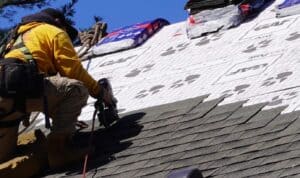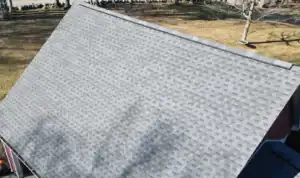


After a long New Hampshire winter, it’s common for homeowners in Windham to find signs of damage as the snow and ice begin to melt. One issue that tends to catch people off guard is roof flashing failure. It doesn’t always look like a big deal from the ground, but up close, a few small problems around the seams and corners of the roof can lead to water getting inside.
Roof flashing is what helps seal off those parts of the roof where two materials meet, like around chimneys, vent pipes, or valleys. When it fails, water finds its way into places it shouldn’t. After harsh winters with heavy snow and freezing temperatures, flashing can wear down fast without much warning. That’s why early spring is a smart time to check things out and plan for roof repair in Windham, NH, before the rainy season starts.
Why Roof Flashing Matters for Your Home
Flashing might not be the most noticeable part of the roof, but it plays a big role in keeping water out. It connects the different parts of the roof and covers small areas that are most likely to leak. Think of it like the trim around a window. It fills the gap between materials and stops water from sneaking through.
Here’s what good flashing helps protect:
- Roof valleys where two slopes meet
- The base of chimneys or skylights
- Vents for bathrooms or attics
- The edges where roofing meets walls or other surfaces
When temperature swings are common, as they often are in spring, these areas are more at risk. Warm afternoons followed by freezing nights make the roof shift slightly. That movement puts pressure on flashing and anything around it. If flashing isn’t sealed right or if it’s already worn down, that pressure can open up a path for water.
How Winter Weather Wears Down Flashing
New England winters can be tough on every part of a house, but flashing takes the brunt of it. Snow builds up and stays for weeks, sitting right up against chimneys, valleys, or rooflines. Once it starts to melt, that water can settle into corners and refreeze overnight, especially in those shaded or north-facing spots.
Here are a few ways flashing takes damage over the season:
- Snow and ice rest against flashing for long stretches, wearing down the material
- Freeze and thaw cycles cause the metal to expand and contract, and this back-and-forth can loosen the seams
- Ice dams trap water near the bottom of the roof and around flashing edges, slowly breaking apart the seal
Even well-installed flashing can wear out under these conditions. It may bend or pull away from its edges. The caulking that holds it tight can dry out or crack, leaving behind open seams. By the time spring rolls around, all that pressure has added up, and the leaks start to show.
Signs Your Flashing Didn’t Make It Through the Winter
From the outside of the house, it can be hard to tell if roof flashing has failed. Many homeowners first spot signs from inside. If water has snuck past the edges of the roof, it’ll leave clues behind. Knowing what to look for early can help prevent larger problems later.
Keep an eye out for these signs:
- Brown stains forming near chimneys, bathroom ceilings, or attic edges
- Shingles pulling loose or curling near valleys or walls
- Rusted, bent, or visibly cracked flashing when viewed from the ground or attic window
We’ve seen some homes where wind or snowmelt pushed shingles just enough to let water hit the flashing and work its way underneath. If moisture gets under the metal and into the roof structure, it can affect the wood beneath, the insulation, or even the drywall inside. It doesn’t take a deep leak to create problems. A small drip, week after week, can cause costly repairs if it goes unnoticed.
Why Timing Your Roof Repair Matters
The beginning of April is the sweet spot for checking your roof. Temperatures are finally warming, and most of the snow has melted off. This is the time when problems from winter start to show, and there’s still time to fix them before the April and May showers roll in.
For homeowners planning roof repair in Windham, NH, spring might be the best window of time. Once summer storms begin, those small flashing issues become high-risk spots. Waiting too long could mean dealing with ceiling leaks or water-damaged insulation down the road.
Fixing flashing sooner helps in a few ways:
- Keeps small damage from turning into a larger leak
- Protects the attic and upstairs walls before rainy weather sets in
- Stops water from entering unseen spots that cause long-term issues
Roof flashing problems don’t go away on their own. If they’re caught early in spring, they’re usually easier to deal with and far less expensive to fix than waiting until visible leaks show up indoors.
Staying Ahead of Spring Roof Trouble
Flashing may not be the first thing you think of when looking at your roof, but it’s one of the details that matters the most after a long, icy season. When it wears down, your roof doesn’t have much defense left around vents, skylights, or wall joints.
Taking time in early spring to check for worn flashing and signs of leaks helps keep bigger repairs off your plate. It also gives peace of mind knowing your home is better prepared for whatever weather rolls in later in the season. Even though flashing covers a small area, a little problem with it can reach deeper into your home if it’s ignored. That’s why keeping up with the little things now can help your roof last longer and keep your home dry year-round.
Noticing worn flashing or water stains near your ceilings means spring is a smart time to inspect your roof before more storms hit. Harsh winter conditions can hide damage around seams and joints that might go unnoticed until leaks develop. If you’re unsure where to start, we can help you take a closer look and decide on next steps. Learn more about our roof repair in Windham, NH and give J. Carnes & Son Roofing a call to get your roof ready for the season ahead.