
Why Attics Get Too Hot in Poorly Ventilated Homes in Summer

Roofing tips and insights from J. Carnes & Son

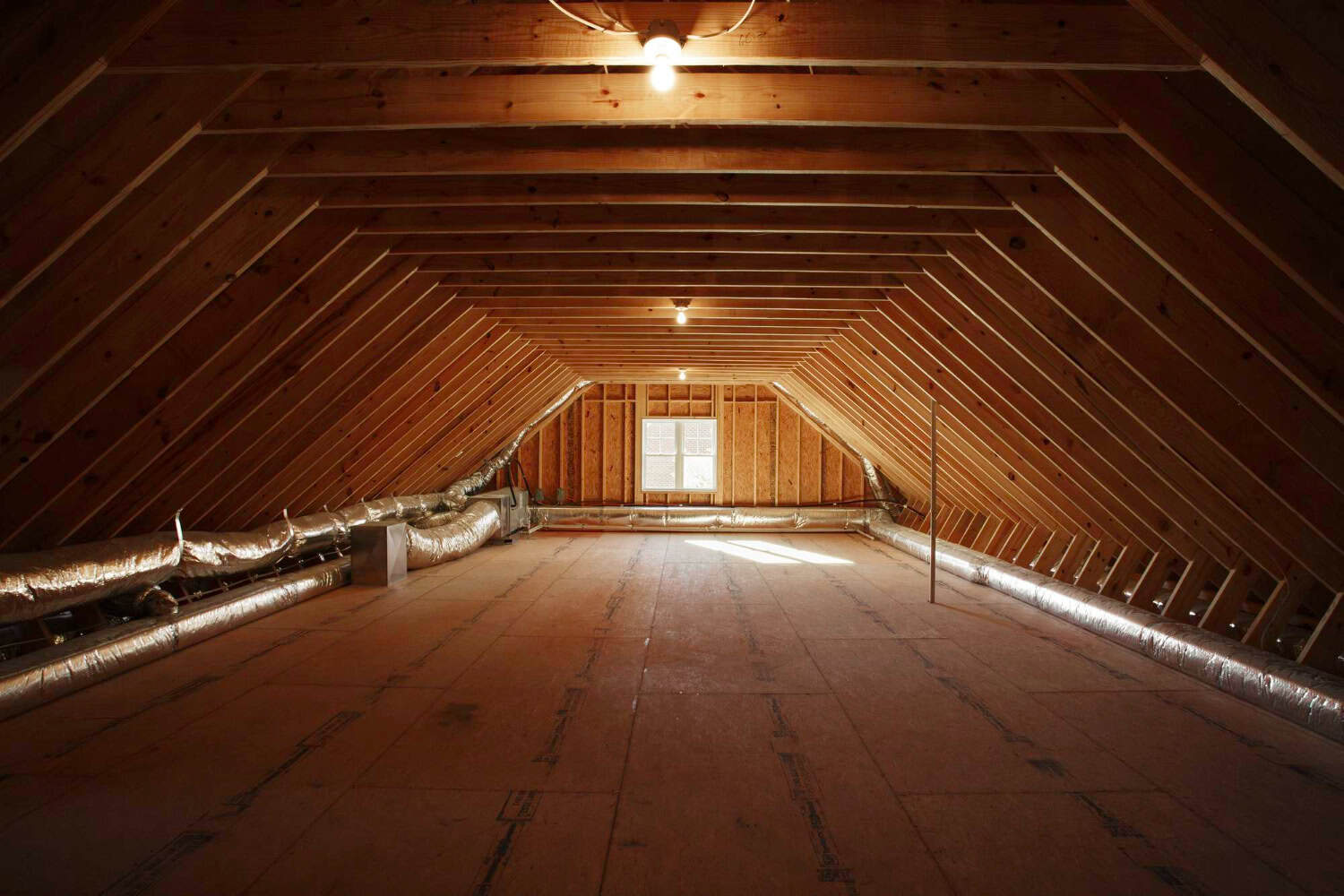
As temperatures rise in early summer, many homeowners across New Hampshire and Southern Maine start to feel the difference inside their homes. One of the biggest problem areas tends to be the attic. A poorly ventilated attic can turn into a heat trap, especially once the long summer days settle in. That warm air doesn’t just stay upstairs. It can flow down into the living spaces, making rooms stuffy and harder to cool. How your attic handles that heat comes down to good airflow and the condition of your roof. When we talk about roofing in New Hampshire, ventilation always plays a big part in how well a home deals with seasonal heat.

Why Heat Builds Up So Quickly in Attics

Attics hold onto heat more than most spaces in the home. It’s part of how air naturally moves. Warm air rises, so even on mild days, heat from the lower floors ends up in the attic.

The main problem with this is what happens next. In homes without strong ventilation, the hot air just stays there. It can’t escape. That trapped air builds up and starts to raise the overall temperature inside the attic. Then, it starts warming the insulation, the ceilings below, and even certain areas inside the rooms underneath.

The problem gets worse when the roof is exposed to long hours of sunlight. Heat from the sun warms up the roof, and if there’s no place for that added warmth to go, it passes right into the attic. With little movement of air, your attic becomes one of the hottest places in your house before noon.

How Roof Design and Age Affect Airflow

The shape and condition of your roof do more than protect your home from rain and snow. They also play a bigger part in how air moves through the attic. If the design is off or aging parts are failing, airflow slows down. Once that happens, heat builds faster.

Here’s what affects attic airflow the most:

  • Steep or oddly shaped rooflines can block air from passing evenly through attic vents
  • Older roofs may have damaged soffits, missing shingles near vents, or vents that are too small
  • Roofs installed decades ago might not include proper ridge or gable ventilation, which helps air flow out of the attic

Materials can play a role too. If repairs were made over the years using mismatched parts or the roof was layered instead of removed and replaced, air paths may get blocked or narrowed. That disruption can be enough to let heat pool where it shouldn’t.

Signs That Your Ventilation Isn’t Working Right

It’s not always easy to know if the attic has a ventilation problem just by looking at the outside of the roof. The signs tend to show up in how the upstairs part of your home feels during the day.

These are some common things to watch for:

  • The second floor or attic feels hotter than anywhere else, even with the air conditioning on
  • The upstairs has a stuffy or sticky feel, with little airflow or no breeze, even with fans running
  • You notice odd smells coming from the ceiling or attic hatch during warm afternoons
  • Wood or insulation near the attic appears damp or warped (this is common when trapped heat mixes with indoor moisture)

Once these signs show up, the attic probably isn’t releasing heat the way it should. And once moisture mixes in, things can quickly shift from uncomfortable to damaging.

Why Timing Matters Before Peak Heat Hits

In early June, summer hasn’t fully arrived in New Hampshire, but the sun is strong and the days run long. That makes now the right time to catch attic heat issues before the real heat sets in. Waiting until July means working in an already overbuilt problem.

Here’s what can happen when attic ventilation isn’t sorted early in the season:

  • Cooling systems work harder to keep rooms comfortable, running longer and more often
  • The roof gets exposed to more strain from rising interior heat and sun-heated surfaces
  • Your insulation struggles to keep up, losing its ability to hold a stable indoor temperature

If your attic and roof need attention, early summer is the easier time to address it before the worst heat shows up. Once temperatures start hitting their peaks, attic work becomes more urgent and less pleasant for everyone involved.

The Role of Professional Roofing Support

Checking attic ventilation isn’t always simple. That’s where experience with different roof types helps, especially when it’s local. When we deal with roofing in New Hampshire, we look closely at attic vents, soffit systems, ridge structure, and how each part works together based on the home’s layout.

An attic inspection usually focuses on these areas:

  • Condition and location of vents, both intake and exhaust
  • Roof materials, age, and repair history
  • Airflow patterns throughout the attic space

The goal is to catch hidden blockages or air gaps before they cause lasting changes to the inside of the home. Local roofs experience full-season weather cycles too, which gives us more signs to look for beyond just temperature swings. That kind of detail helps us spot problems faster.

Staying Comfortable from Top to Bottom

The attic has an effect on the whole house, even if you never set foot inside it. If heat gets trapped up there, it doesn’t just make the attic hot. That pressure spreads downward, straining systems and raising room temps when all you want is cool air.

When the air can move freely, your home stays more balanced. The AC doesn’t have to work as hard. Insulation holds its strength a little longer. And you notice fewer swings between morning and evening comfort.

Catching the problem early in June gives you a better shot at staying ahead of the full summer heat. By the time July rolls in, homes that already had good attic airflow in place tend to stay quieter, cooler, and far more comfortable.

Experiencing a warm attic too early in the season may indicate that your roof’s airflow is compromised. Ventilation problems often arise when summer heat builds, especially in homes across New Hampshire and Southern Maine. We inspect every part of your system, from ridge vents to attic layout, to make sure everything works together. To learn more about roofing in New Hampshire or discuss potential changes, reach out to J. Carnes & Son Roofing and let us know how we can help.
How Skylight UV Exposure Affects Attic Comfort Over Time

Skylight UV Exposure

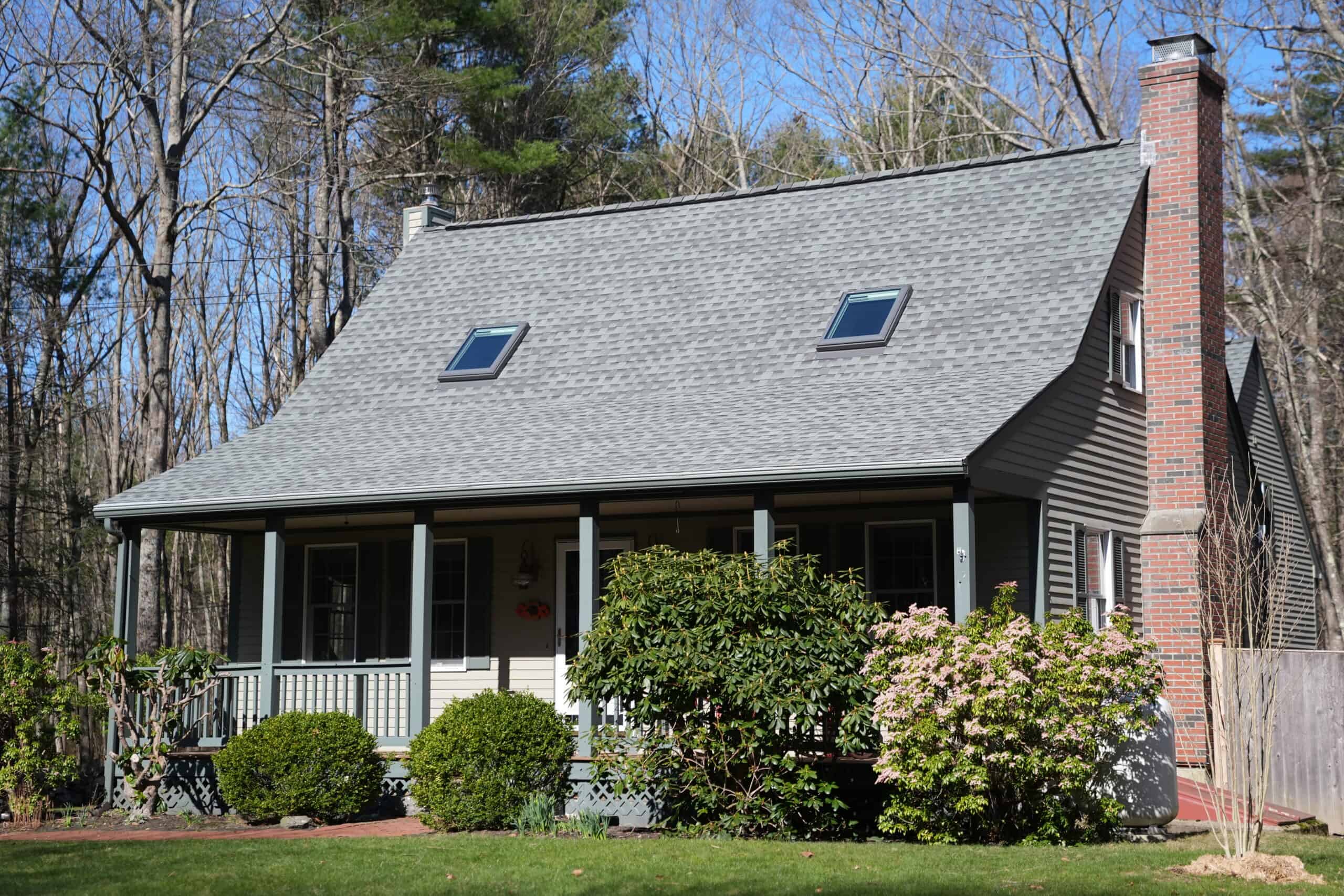
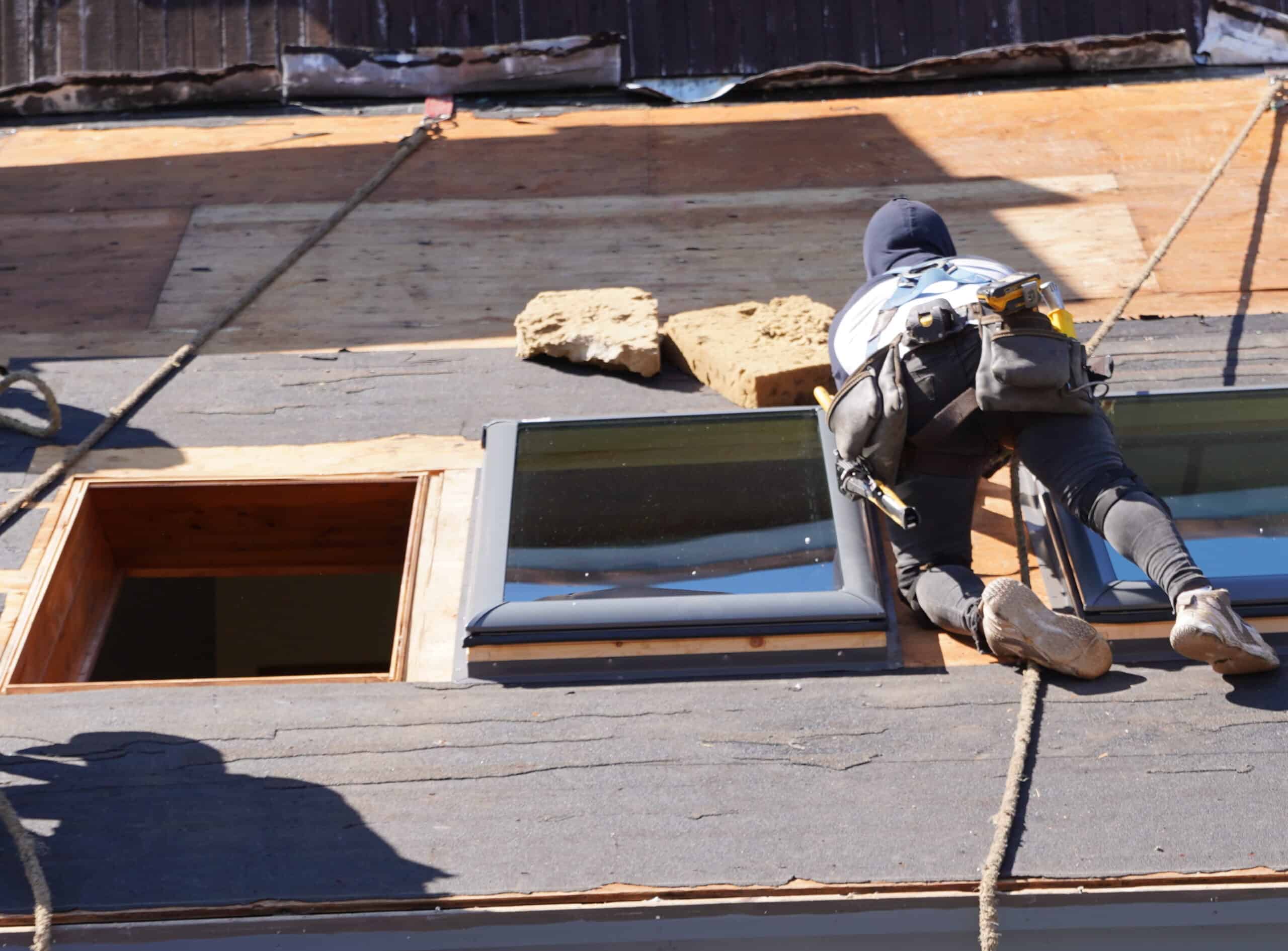
Skylights are a great way to bring natural light into your home, especially in upper levels or attics where windows are limited. They can make the space feel bigger, more open, and more welcoming. But when it comes to long-term comfort, there’s a side to skylights that many homeowners don’t think about. UV exposure from sunlight can slowly change the way your attic feels from one season to the next.

Over time, that sun shining through your skylight can start to impact attic temperature, insulation strength, and even the condition of stored items. As roofing contractors New Hampshire homeowners often call for attic or roof work, we’ve seen how much sunlight can affect the comfort of a home when a skylight isn’t handling UV rays properly.

How Skylights Let in More Than Just Light

We all enjoy the brightness that a skylight adds to a room, especially after long winters or cloudy spring stretches. But with that light comes heat, and not just the kind you feel through the glass. UV rays pass through skylights during warmer months, especially late spring into summer, and that consistent exposure changes things.

When sunlight pours through the skylight day after day, it begins to warm the attic. While light can help with general brightness and cheer, direct exposure causes imbalances. If the room gets too hot during the day and cools off too fast at night, insulation or temperature control in that space may start to suffer. Over time, the strain from UV exposure can shift internal temperatures and make the attic hotter than it needs to be, even in early summer.

Once this pattern begins, the attic may lose its ability to manage heat and airflow efficiently. Comfort inside the rest of the home might be affected too, especially in rooms just below the attic.

Signs Your Attic is Being Affected by UV Through the Skylight

Many homeowners don’t think of UV damage until signs start to show. These signs can be subtle at first, but over the years, they tell a pretty clear story. If your skylight has been letting in direct sun for a while, here are a few issues you might start to notice:

  • The upper floors of your home feel hotter or harder to cool, even when the air conditioning is running.
  • Paint or flooring near the skylight starts to fade or discolor.
  • Items stored in attic spaces, such as cardboard boxes, fabrics, or old furniture, start looking faded or warped.

If your attic feels stuffy or imbalanced when walking through it during the day, UV heat buildup may be the reason. Rooms directly under the attic might show changes in how long they stay cool or warm as well.

How Roof Materials and Skylight Design Work Together

Not all skylights are built the same. Some use double-pane glass or UV-blocking coatings, but older models usually don’t have those features. If your skylight is more than a few years old, it may already be showing signs of wear. Thin seals, small cracks in the frame, or fading surfaces inside the glass are a few early signs of UV trouble.

A skylight isn’t just a window in the roof. It works with a specific layout. In New Hampshire, steep rooflines and long daylight hours in summer can deeply impact how much sunlight pours into your attic. Roofing contractors in New Hampshire often adjust skylight position, flashing, and slope materials depending on roof shape and direction. The shape of the roof controls how the sun hits the skylight, which then affects how much heat builds up inside.

The color of your roofing material also plays a role since darker roof surfaces tend to collect and hold more heat. When combined with an unprotected skylight, that heat gets trapped faster and has fewer ways to escape.

Seasonal Shifts That Make UV Impact Worse

As we head into early June, daylight hours get much longer across New Hampshire and Southern Maine. Attics start warming up earlier in the day and stay warmer into the evening. Even on days that don’t feel especially hot outside, the sun pouring in through the skylight can raise the temperature inside much faster than expected.

When airflow in the attic isn’t great, heat from the skylight lingers. That’s especially common in older homes that were built before attic ventilation was a bigger focus. Summer air tends to feel thick, and when combined with strong daylight, that pressure can carry heat down into other parts of the home.

Humidity doesn’t help, either. A closed-off attic with a skylight and no airflow might trap moisture, which then interacts with sunlight and creates an unpleasant combination of heat and dampness. This can make wood surfaces feel sticky or soft over time and contribute to attic discomfort during the summer stretch.

Better Comfort Begins with Early Checks

As summer starts, we always recommend checking up on skylights before things heat up too much. Many skylight problems don’t show obvious symptoms at first. But by the time there’s major fading, heat loss, or water signs around the frame, UV exposure may have already done some damage.

The best time to catch it is early. That includes:

  • Looking for cracking around the skylight edges or along the roofline
  • Checking for signs of foggy glass or fading sealant
  • Watching for warping around insulation or skylight framing on the inside of the attic

We’ve found that regular attention to attic spaces, especially around the skylight area, helps keep comfort levels stable. Roofing contractors New Hampshire homeowners rely on often look for the quiet signals first, the small shifts that show something isn’t working quite right before it turns into a larger issue.

Keep Your Skylight Working With, Not Against, Your Attic

Skylights don’t need to be a problem. When they’re configured well and regularly inspected, they can make an attic more pleasant rather than less. But they do ask for a bit of attention, especially at the start of summer.

Watching how sunlight shifts and collecting early signs of wear can help. It keeps your attic cooler, your utility bills steadier, and your comfort levels more predictable across every floor of the house. Just a quick seasonal review can mean fewer surprises during warmer weeks ahead. For homes across New Hampshire and Southern Maine, a skylight should brighten a space, not overheat it. Quiet fixes made early can help keep balance in your attic all summer long.

A warmer attic may signal that your skylight is letting in more than just sunlight, so taking a close look now can help catch small issues before they turn into bigger problems. We have helped many homeowners work through skylight-related heating concerns, especially those caused by long summers and older rooflines, and for dependable roofing contractors New Hampshire homeowners rely on, J. Carnes & Son Roofing is ready to take a look and help you stay ahead of the heat. Give us a call to schedule a review.

Guide to Summer Readiness Checks for Metal Roofs in Southern Maine

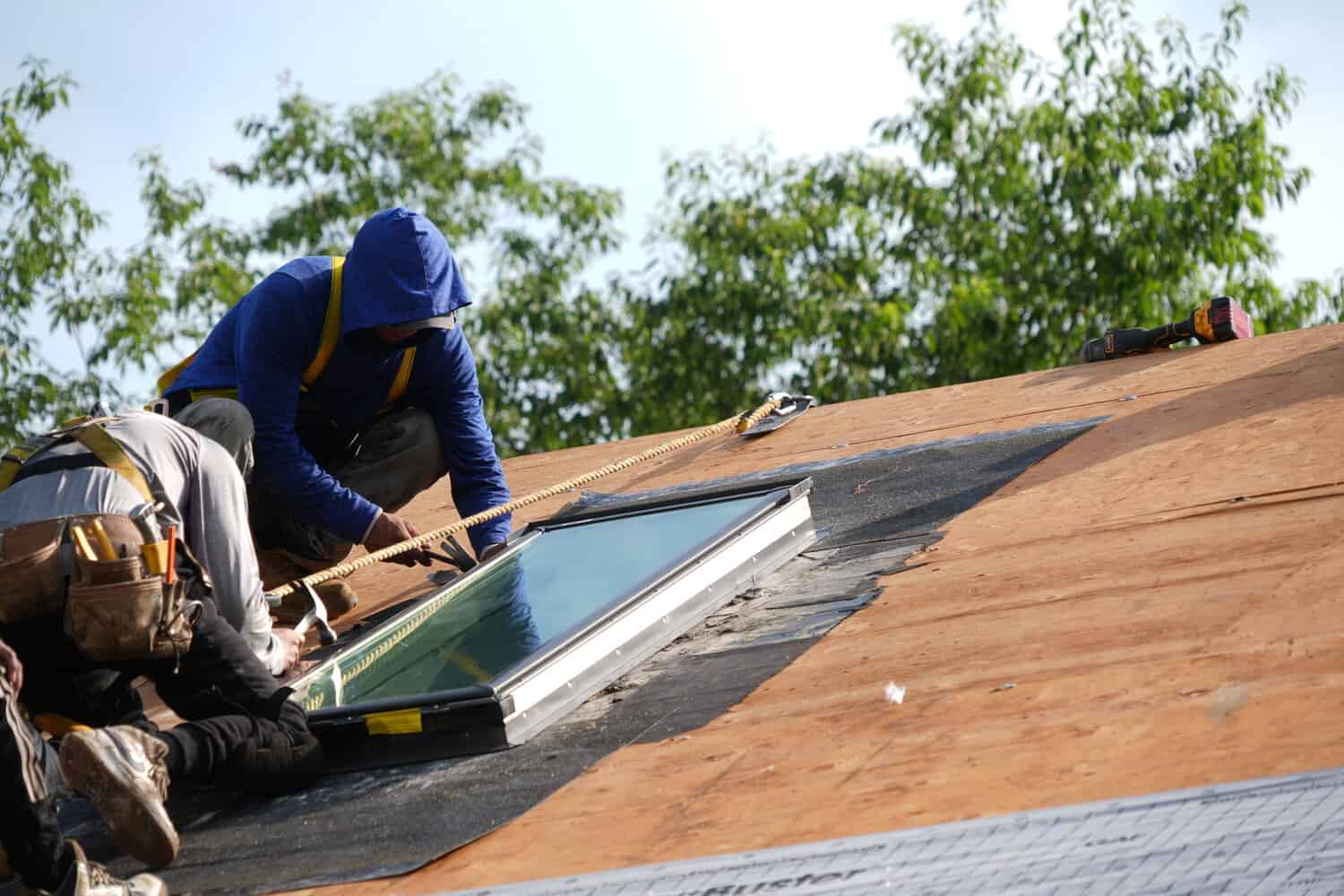
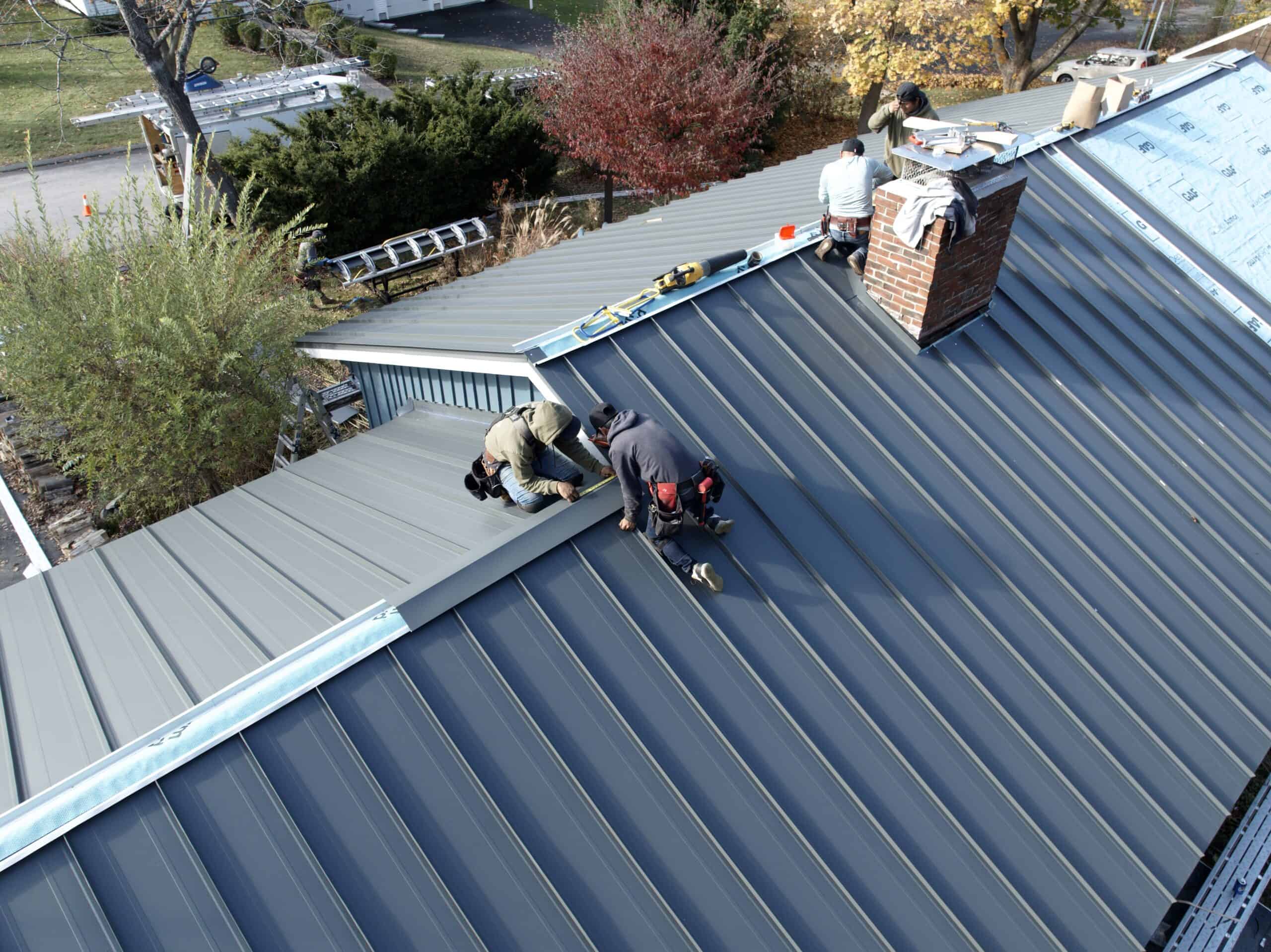
J. Carnes & Son Roofing crew installing a charcoal standing-seam metal roof on a New Hampshire home

Summer brings more sun, longer daylight, and plenty of changes to rooftops across Southern Maine. After months of heavy snow and seasonal wind, metal roofs need a good once-over before the hotter months settle in. Some of the damage might be easy to spot, but a lot tends to hide under surface layers or around seams.

This time of year, we always encourage homeowners to inspect their metal roofs closely. That includes looking for any signs of shifting panels or loose parts caused by winter weather. New Hampshire roofers often find that small problems in late spring can quickly grow into larger repairs in the middle of summer. Many of the metal roofs we install are standing seam systems with concealed fasteners, designed to stand up to wind and hail, but they still benefit from regular checks. Getting ahead of those issues now can save time and money down the line.

Check for Winter Wear and Tear

Snow, ice, and strong winter winds can take a toll on metal roofs. Even if the surface looks clean from below, a closer inspection can help reveal hidden problems. Here are the most common trouble spots we look at once the snow clears:

  • Seams and fasteners often shift from repeated snow weight or freeze-thaw cycles. Look for signs of movement or early rust forming.
  • Panels might show bends or lift at the edges, especially where ice built up and pushed against the metal.
  • Ripples in the panel coating or uneven sections can be early signs of warping or bubbling. These should not be ignored.

Catching these issues now helps limit how much direct sun reaches underneath panels, which can speed up wear in the summer.

Clean Off Spring Debris

Once spring breezes slow, tree debris and leftovers from earlier storms can build up on the roof. While it may not seem like a big deal, this extra layer traps moisture and keeps some parts of the roof from drying out. Before the stretch of hot, dry weather rolls in, it is a good time to clear it all off. Focus on these tasks:

  • Get rid of pine needles, twigs, and old leaves that often collect around chimneys and roof valleys.
  • Clear out any material clogging up flat sections or tucked corners that tend to hold on to debris longer.
  • Look closely near shaded areas and ridge caps, these spots sometimes show early algae growth or dark patches that signal trapped moisture.

This check keeps airflow moving across the roof and lowers the risk of long-term surface damage.

Watch for Water Flow Issues

Rain in late spring can uncover problems with how well your roof sheds water. A little pooling in the wrong spot or a slow-draining gutter might be a signal that something needs fixing. These signs often show up in less obvious places:

  • Gutters and downspouts should be clear and draining fast. If water backs up here, it can easily lead to roof damage.
  • Any sign of puddling near rooftop vents, skylights, or the chimney can lead to bigger leaks once summer storms hit.
  • Flashing that separates from the roof surface around these areas is something to fix right away.

Water does not always travel in a straight line, so any small blockage or gap can turn into a leak later when nobody is expecting it.

Prepare for Summer Storms

Southern Maine can get hit with surprise summer storms, especially later in the season. Straight-line winds, short bursts of rain, and constant humidity can make a weak roof issue much worse. Here are a few checks that help metal roofs hold up better heading into these months:

  • Make sure nothing attached to the roof is loose. This includes satellite dishes, antenna brackets, or old cables that no longer serve a purpose.
  • Look along the eaves and ridge caps for signs of loosening. These are often places where wind starts to lift roofing materials.
  • After early season storms, call in a qualified person if something seems off but you cannot safely check it yourself.

Quick fixes now can make a big difference when the weather turns quickly.

Small Fixes Now Save Bigger Problems Later

Warm days can turn small roof issues into bigger ones fast. When sunlight heats old coatings or loose seams, the damage spreads more easily. That is why a detailed check before summer heat ramps up can help keep repair costs lower and stress levels down. We have learned this approach through years of working with metal roofing in this area. Standing seam metal roofs are built with a heavier-gauge metal and, when properly maintained, can provide 50 years or more of service, so early inspections help protect that investment.

Here is what we often catch in our early summer inspections:

  • Hairline cracks in coatings that widen with heat.
  • Sealed seams that have just started to separate.
  • Minor leaks that have not made it to the ceiling but are shrinking your roof’s life.

New Hampshire roofers who work in our climate know how fast these types of issues can get worse. Fixing a spot now is always easier than replacing a section mid-July.

Keep Your Metal Roof in Top Shape All Season

Every roof handles the weather a little differently, but metal roofs in Southern Maine hold up best when they are given a proper check at the right time of year. Early summer offers the right mix of warm days and clear skies to walk the roof safely and spot early damage. With just a short list of checks, most problems can be caught before they grow.

Whether you are planning on staying home this summer or heading off for part of it, it helps to know your roof is set. No leaks, no loose edges, no surprises during the next big storm. A quick early look gives peace of mind while taking care of a roof that is likely working harder than most people think.

Small issues can quickly turn into big headaches after a long winter. Now is the time to have professionals examine your roof before summer storms roll in. We work with homeowners across New Hampshire and Southern Maine to keep their metal roofs performing at their best throughout the warmest months. When you are ready to get started, our team of New Hampshire roofers is here to help. Give J. Carnes & Son Roofing a call to schedule your inspection.”

Why Moss Grows Between Shingles in Coastal New Hampshire Areas

Shingles

By late May, roof surfaces across coastal New Hampshire start shifting back to their bare, warmer state. With the snow gone and spring rain soaking everything from above, many homeowners spot something unexpected creeping along the edges of their roofs. Green specks, fuzzy streaks, and damp patches between the shingles start showing up after a long wet season.

Moss does not wait long to take hold once the spring sun warms up the surface just enough. We often hear from homeowners who think their roof looks fine until they notice uneven patches of growth between shingle layers. That is typically when it becomes clear that something is going on beneath the surface. As a New Hampshire roofing contractor, we have dealt with this exact issue more times than we can count. With over 30 years of roofing experience in New Hampshire and the Seacoast region, we see firsthand how quickly coastal roofs can start to show moss growth when moisture hangs around. Moss might look harmless at first, but it tends to hide bigger underlying problems if it is left too long.

Why Moss Is Common in Coastal Areas

Moss thrives in damp, shaded places, which is why the coast plays a big part in how quickly it starts to grow. Along the New Hampshire and Southern Maine shoreline, we get more humidity, more overnight dew, and more fog than homes farther inland. That extra moisture in the air means roof surfaces rarely dry out fully during spring. Wet roofing makes a perfect place for moss to set in.

The environment makes it tougher on homes already shaded by trees. When a home is under heavy canopy, the sun cannot reach those spots fully, especially after a rainy day. The surface stays wet longer, which gives moss more time to root.

When you add in the slow drying caused by nearby woods or a cooler breeze from the seacoast, it is easy to understand why roofs hang onto moisture here. Once that happens, moss does not need much more to get started.

How Moss Finds Its Way Between Shingles

Moss starts small, carried in by wind or washed down with the rain. The spores can land anywhere, but they really like surfaces that stay damp. Once they settle between shingles, there is enough coverage to keep them out of the sun and just enough moisture to help them spread.

Other things make it worse. Pine needles, leaves, or other organic material build up along the roof and gutters during winter and early spring. These small piles give moss all the protection it needs. They act like sponges, holding water in place well after rain has stopped.

Once that space between the shingles stays wet for long stretches, moss has everything it needs to spread. Its shallow roots work their way between small shingle gaps and cling to the layers underneath. That is when it begins to multiply.

What Moss Can Do to Your Roof Over Time

The biggest issue with moss is that it never just stays on the surface. It slowly lifts shingles over time as it grows underneath. Once shingles begin to shift or lose their seal, water can sneak below and cause damage in places you cannot see right away.

Here is what comes next when moss settles in deeply:

  • Shingles start lifting at the corners, creating larger openings where water seeps in
  • The roofing material underneath stays wet too long, shortening the lifespan of the shingles
  • Over time, water can rot the decking, clog gutters, and lead to sagging spots on the roof

By the time serious leaks appear inside the house, moss has already been doing damage for a while. The water does not always rush in, it lingers, settles, and slowly weakens whatever it touches.

Signs Moss Is Becoming a Problem

Not every green patch is a sign of failure, but moss rarely stays in just one area. Small spots can grow faster than many people expect, especially during warm spring stretches. These signs pop up early and often if you know what to look for:

  • Discoloration or green streaks between shingle lines
  • Raised or uneven edges that were not visible in colder months
  • Slippery or soft-looking roof zones, especially near valleys or under tree-covered spots

If one area of the roof is starting to show unevenness, there is a good chance moisture is already doing some damage. As a New Hampshire roofing contractor, we always look beneath visible spots to find where the roof might already be at risk.

Many homeowners call once they have spotted a few questionable areas. By that point, things can often still be addressed before repairs get more involved.

Keeping Moss Off Your Roof Moving Forward

Keeping roofs in coastal areas clear does not require big changes. Mostly, it comes down to paying closer attention during spring and making sure debris does not collect for too long. A few seasonal habits can go a long way in keeping moss away:

  • Clear leaves and pine needles off your roof before and after stormy weather
  • Trim back branches hanging too close to the roofline to let in more light
  • Have someone check roof areas that hold moisture longer, like between dormers or around vents

We have also seen damage happen faster when homeowners try too hard to remove moss without the right touch. Heavy scrubbing, harsh cleaners, or walking on wet shingles tends to loosen things worse. Keeping moss away is better done through prevention than reaction.

When Prevention Is Not Enough, Know What to Expect

Moss growth is normal in coastal New Hampshire and does not necessarily mean your roof has failed. But when green streaks grow thick between shingles, it is often a sign your roof is not shedding water the way it should. That is when trouble starts growing quietly underneath.

Checking on moss now, before the full heat of summer sets in, lets you stop roof problems while they are still above the surface. Small cleanups and routine checks mean fewer headaches later, especially once summer storms start pushing more water across already-weakened spots. Keeping your roof dry, clear, and clean right after spring helps everything last longer.

Green buildup on your roof this spring means it is time to take a closer look before problems worsen. Moss problems can sneak up quickly, especially along the damp coastlines of New Hampshire and Southern Maine. As a trusted New Hampshire roofing contractor, we have seen how early signs of roof moss often point to deeper moisture issues beneath the surface, and catching them now can help avoid costly repairs once the summer rains arrive. Give J. Carnes & Son Roofing a call so we can take a look and help you stay ahead of it.

Tips for Spotting Loose Roof Fasteners After Spring Storms

Classic New Hampshire Cape with a new architectural shingle roof by J. Carnes & Son Roofing

After spring storms hit hard across New Hampshire and Southern Maine, your roof may be hiding signs of wear. Strong winds and heavy rain can shake things loose, even when everything looks fine from the ground. One common trouble spot that does not always show up right away is the roof fasteners. These small but important parts hold your roofing system together. If even a few come loose, water can start working its way into your home.

We have seen this happen in homes that looked fine after a storm. Without checking for signs early, what starts as one loose nail or screw can turn into lifted shingles, weakened decking, or interior water damage. As a GAF Master Elite and Owens Corning Platinum Preferred Contractor, we are trained to look closely at fastening patterns and hardware so hidden issues do not get overlooked during an inspection. Homeowners working with roofing contractors in Newton know that it only takes one rough storm to create problems that show up weeks down the line. That is why learning how to spot those early warning signs after spring weather hits is a smart move. It lets you catch problems before summer brings more heat and heavier seasonal weather.

Check for Raised or Missing Shingles

Shingles are your first clue. When fasteners loosen, shingles will not lie flat anymore. They will start to curl or lift, especially along the edges or corners. Sometimes they even slide out of place a bit. You may not notice this unless you are looking closely, but once you get a few raised shingles, others can follow.

After a spring storm, take a good look at the roof from your lawn or driveway. Walk around the house and check each slope. Watch for these early signs of loose fasteners:

  • Shingles that appear raised at the edges or moving separate from the rows
  • Bare patches where shingles are missing entirely
  • Bumps or uneven spots in the roof surface

If you see one lifted shingle, there could be several more nearby. Rain and wind find those weak points, increasing the chances of leaks through the layers below.

Inspect Areas Around Roof Penetrations

Some of the most common spots for fasteners to work loose are around chimneys, skylights, and exhaust vents. These openings in the roof have extra flashing and trim to keep them sealed, and that material is usually held in place by fasteners. When wind whips around these high points or rain builds up in low spots, those fasteners can shift or pull out.

It helps to check these features from inside and out. Look for these signs that fasteners may be coming loose:

  • Gaps between flashing and the nearby roofing surface
  • Flashing that seems bent, uneven, or pulling away
  • Water stains showing up on ceilings or walls inside the house near these roof features

Sometimes the flashing still looks okay at first glance, but it only takes a small gap to let water in. Fasteners are the anchor points that help hold all that water protection in place. When they back out or rust through, flashing cannot do its job.

Spotting Rust or Nail Heads Exposed

Not every fastener failure shows up with movement. Sometimes you will spot the signs in the material itself. Nails or screws should be hidden under your shingles or flashing. When they are not, something is off. You may see nail heads sitting out in the open or rust bleeding down nearby materials.

Take time during a walk-around or professional inspection to check for fastener wear like this:

  • Visible nail or screw heads, especially near the edges or valleys of your roof
  • Rust forming around fasteners, showing they have been exposed to too much moisture
  • Cracked or split shingles around nails

Rust is an early sign that the fastener is weakening. Once a fastener rusts out or a nail works free, it stops holding the roofing material correctly. Over time, rain gets in, cold temperatures expand the gaps, and now that small fastener issue is underneath a section of soaked wood.

Soft Spots or Spongy Roof Sections

When you walk on the roof or have someone check it out, another warning sign is how the roof feels underfoot. If there is a sinking or soft feeling in one area, it may mean the decking underneath is starting to give. This is often linked to water that got in past a raised shingle or loose fastener. Over time, the wood loses its strength, especially when fasteners no longer hold it tight.

Here is what to watch for during a physical roof inspection:

  • Mushy or spongy areas when you walk gently across the surface
  • Spots that seem lower or sagging slightly compared to others
  • Fasteners sticking out where they used to be sealed in place

Roofing contractors in Newton often find fasteners have rusted and pulled through the wood in these soft zones. Once that happens, the material above starts to shift too. If you spot this kind of roof movement early, repairs are much simpler.

Why Spring Storm Damage Should Not Wait

Late spring rains can be harsh, but they are the setup for summer. Loose fasteners that seem minor now can become bigger issues as we get into peak roofing season. Water often works its way deeper into layers of roofing over time, not right away. That makes it easy to ignore problems until there is water staining a ceiling or a new draft by the attic stairs.

Handling fastener problems early makes everything easier. Some reasons not to put it off:

  • Loose fasteners create open paths for water, bugs, and even small animals
  • Damage usually spreads wider during stretches of dry weather when the roof expands and contracts
  • Summer storms bring heavier wind that will test weak fasteners all over again

You may not be able to see loose nails from the ground, but signs like lifting shingles and soft spots underfoot usually show up now, right after the heaviest spring weather. That is the time to act.

Keep Your Roof in Shape Before Summer Hits

By late May, roofs across New Hampshire and Southern Maine have taken a beating from snow melt and spring rains. Fasteners that went through cold snaps can shift under warmer conditions. When you know what to look for, it is easier to get ahead of repairs.

We walk every roof as if it were our own, and our crews are factory trained to install and inspect major roofing systems according to manufacturer standards. Raised shingles, small rust marks, and even uneven rooflines can all help you spot weak fasteners early. In most homes, problems are not happening everywhere. It only takes a few spots going bad for leaks to begin.

Getting these small issues checked now makes the whole summer season simpler. That way your roof does what it should during every thunderstorm or passing shower without giving you something else to worry about.

Noticing lifted shingles, soft spots, or signs of fastener wear after spring storms means it is time to inspect your roof before summer begins. Homes around Newton, New Hampshire, often face seasonal roof stress that can build quietly over time, so we help homeowners stay ahead of issues by identifying common warning signs and taking action before they lead to more damage. For reliable help from roofing contractors in Newton, reach out to J. Carnes & Son Roofing today.

Steps to Prep Skylights for New England’s Early Summer Sun

skylight installation

Skylights can make any home feel brighter, especially during the early weeks of summer in New England. But without some attention, that added sunlight can bring more headaches than comfort. Heat, moisture leaks, and trapped condensation often start with skylights that were never prepped for the season ahead.

For homeowners thinking about Kingston residential roofing updates, skylights deserve a spot on your spring checklist. Getting them ready for the warmer weather means inspecting the edges, checking seals, and making sure they are clean and clear. Early May is the right time for this kind of prep, before the full swing of summer heat settles in. A few simple steps now can save time and trouble over the next few months.

Check for Post-Winter Skylight Damage

New England winters are not gentle on roofs or skylights. Snow can pile up around framing, ice buildup can cause stress fractures, and freezing temperatures often shrink and pull apart materials. By spring, those small problems can grow into leaks or cracks that let hot air and humidity sneak into the home.

Here are a few ways to spot winter wear before it becomes something bigger:

  • Look for water stains around the skylight, either on the ceiling or trim. This can be a sign that melted snow got in over the winter.
  • Notice any cloudiness between the panes or fog inside the dome. That might mean the seal has failed.
  • Check for obvious warps in the frame, gaps in the flashing, or signs of rust or wear.

Even tiny cracks or loose materials can turn into serious summer problems when UV rays and warm air hit those weak spots. Getting a professional to inspect these areas in early May gives you time to fix potential leaks before summer storms roll through.

Many homeowners don’t realize how much stress their skylights and roofs experience during the long and variable New England winter. It’s not just snow and ice, but freezing wind and shifting temperatures that work against the structure. The expansion and contraction of materials during freeze-thaw cycles can lead to unexpected gaps, allowing water or outside air to find its way in at the edges. Even with careful installation, this seasonal punishment can leave weaknesses that only show as the weather warms. Scheduling an inspection as soon as conditions allow can help you get ahead of any growing problems. Roofing professionals are able to spot small signs of trouble and provide advice on whether you’re looking at a minor repair or a more involved fix.

Clean Inside and Outside Skylight Surfaces

After a long winter, skylights rarely look their best. The outside can be coated in pollen, roof grit, or leftover dirt from melting snow. Inside, condensation builds up as temperatures shift from cold to warm. That buildup stops sunshine from getting through and can even cause heat to collect underneath.

To keep skylights clear for the season, we focus on a full cleanup. That means:

  • Wiping down both sides of the glass using soft, non-abrasive tools
  • Removing any dust, pollen, or fine grit that can scratch over time
  • Checking for interior moisture or condensation that does not go away once the weather warms

If there is ongoing moisture or dampness, it could be tied to insulation issues in the attic or a hidden roofing problem. Cleaning is a good chance to spot any of these before summer sticks around for good.

When cleaning skylights, use a step ladder and have a second person support it, especially upstairs where the angles can be tricky. Avoid harsh chemicals that could fog plastic lenses or harm rubber seals. Inside the home, regular cleaning means less dust and pollen accumulates on the glass. You’ll also notice problems such as chalky buildup, streaks that won’t go away, or cloudy patches that remain even after a careful wipe. These issues could mean it’s time to assess the skylight for leaks or a seal problem. Beyond just aesthetics, keeping the surfaces clean maximizes the natural light coming into your rooms, letting you truly benefit from your skylight investment.

Test and Update Skylight Seals

Seals around a skylight do not last forever. Rubber gaskets dry out and crack. Caulking can pull away or shrink after several freeze-thaw cycles. When that happens, the skylight stops being airtight, and during the warmer months, that means heat starts to creep in and cool air slips out.

Here is what to check when inspecting skylight seals:

  • Stand underneath the skylight during cooler mornings and feel for drafts or air movement
  • Take a close look along the outside edge for dried or broken caulking
  • Look for compressed or brittle rubber that is not holding shape anymore

A lot of people ask if sealing can be a quick fix project. We do not recommend doing it yourself. Instead, this part of the work should be handled by someone who specializes in Kingston residential roofing. Done right, it stops leaks and energy loss before the summer sun puts extra pressure on the system.

Sometimes DIY fixes to seals may seem easy, but the risk is that improper products or application could trap moisture or create gaps, which may worsen leaks as temperatures climb. A professional has access to the right materials, can properly match caulking, and understands the subtle movement of roofing systems in warm and cold weather. When the correct products are used and installed with care, the difference can be felt in the comfort and efficiency of your home the whole season. Prioritizing this inspection in spring puts you well ahead of midsummer repairs or costly emergency fixes.

Double-Check Roof Ventilation Around the Skylight

Skylights do not just bring in light. They change how the attic or the space around them needs to breathe. After a cold season, it is easy for ventilation paths to get blocked by fallen insulation or unnoticed damage.

Here is how poor roof airflow can hurt skylight performance:

  • It causes rooms under the skylight to trap heat, especially during still, sunny afternoons
  • Moisture gets sealed in instead of being pulled through the roof vents
  • Over time, that trapped air can affect everything from ceiling paint to wooden trim

Take a slow walk through your attic or top floor and notice if certain areas feel stuffier than others. Sometimes the problem is nothing more than foam batts pushed up against a soffit. Other times, the fix needs a closer look up top. Either way, it helps to catch it before the temperature truly starts rising in late May and June.

Proper ventilation keeps skylights performing as they should. When airflow is blocked or restricted, you may notice a “greenhouse effect” under the glass, with higher temperatures and humidity building up quickly. Over time, that trapped heat does not just make rooms uncomfortable, it contributes to premature degradation of wood trim, paint, and even the sealant itself. In the worst cases, it may encourage the growth of mold in poorly ventilated spaces, adding health concerns to comfort problems. When checking attic airflow, see that insulation is not blocking vents, and that fans or other ventilation systems are operational. If you’re at all unsure, consult with a roofing or ventilation specialist. Small adjustments can have a meaningful impact on comfort for the whole summer.

Sun-Ready and Leak-Free for the Season Ahead

When summer is just about to hit its stride, skylights should do more than let in sunshine. They need to work with your roof system, not against it. Clear, sealed, and well-ventilated skylights help keep indoor temps steady and stop water from sneaking in during sudden rain.

Checking them now, just as the season shifts, gives you more control over comfort and energy use all summer long. Spending time prepping skylights brings in better light and helps protect the rest of the roof, too. That makes the effort worthwhile before a full season of sun settles in across New Hampshire and Southern Maine.

Noticing signs of wear around your skylights means it is time to inspect your entire roof system to prevent more extensive damage. Homes in New Hampshire and Southern Maine often need more than a quick fix after winter, especially when past storms lead to unseen issues. At J. Carnes & Son Roofing, we address moisture concerns, ventilation checks, and sunlight protection to keep your roof working as it should. For help with Kingston residential roofing, including skylight preparation and surrounding roof care, contact us today.

Why Leaf Guards Matter More During Spring Pollen Season

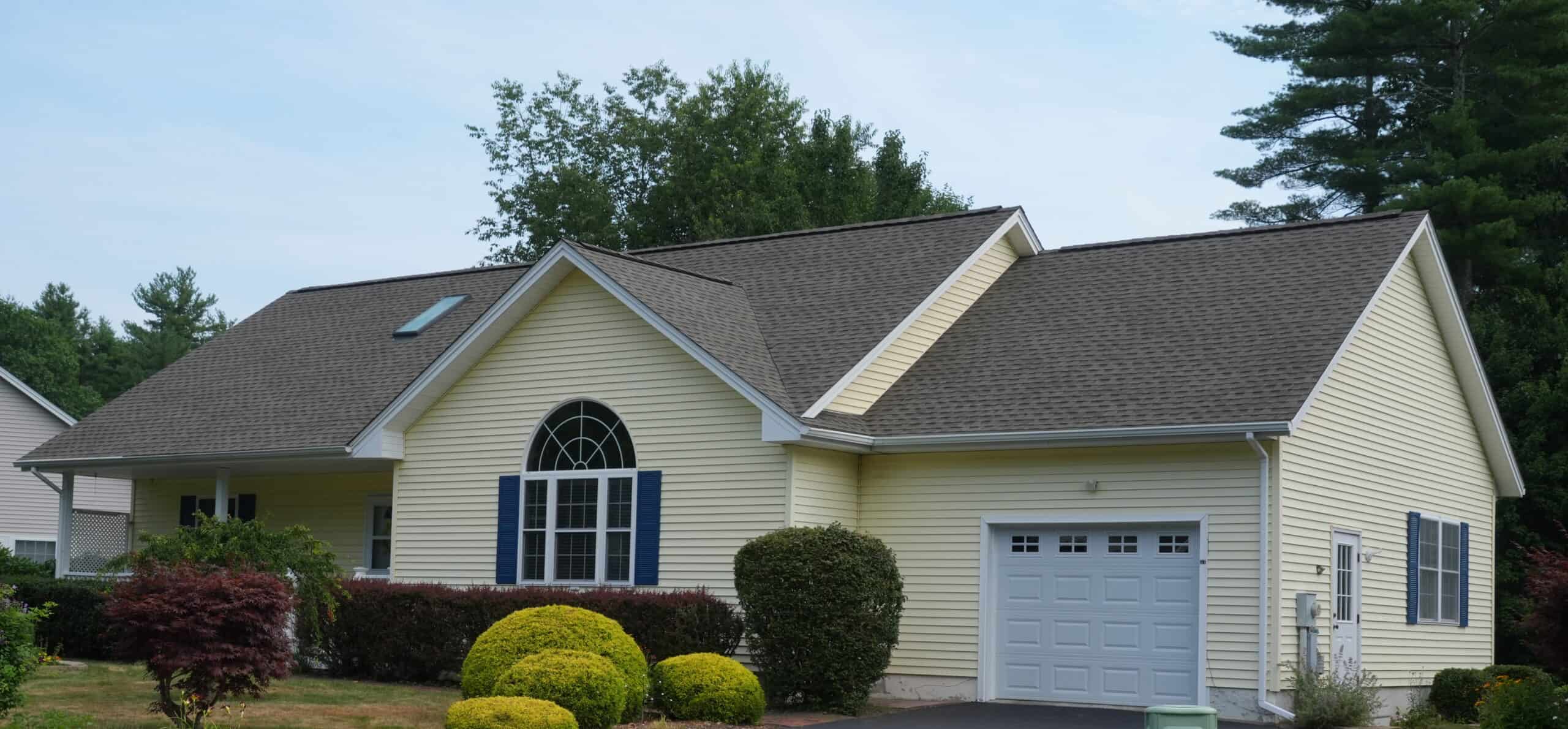
New architectural shingle roof and white seamless gutters installed on a New Hampshire home by J. Carnes & Son Roofing

Spring moves in fast here in New Hampshire and Southern Maine. One minute the snow is melting, and the next, there is yellow dust stuck to your car, porch, and windows. That fine, powdery pollen ends up just about everywhere, including your roof and gutters. It does not take long before it starts collecting inside those tight spaces.

As homeowners pull out their spring to-do lists, roof and gutter installation becomes more than just a cleanup task. It is about keeping water moving and preventing slow buildup that could turn into costly damage. One of the best helpers in this season is something you might not think about year-round: the leaf guard. When pollen is falling hard and fast, leaf guards turn out to play a much bigger role than most expect.

What Spring Pollen Does to Roof and Gutter Systems

Pollen might look light and harmless, but it really adds up. Especially when it mixes with other material left behind from winter, like twigs, pine needles, and grit. It drifts into small corners and starts to build clumps that can stick to just about anything. Once it lands inside a gutter or around a downspout, it settles in and starts trouble.

Here is how that pollen buildup causes problems:

  • Downspouts and gutter drains can clog quicker than most people notice. Pollen grains are small, but they form large blockages when damp.
  • Mixed with spring rain and leftover winter debris, the pollen layer becomes thick and sticky. That slows down gutter drainage or stops it completely.
  • When water gets held back, it stays pressed against your shingles or fascia boards longer than it should. Over time, that trapped moisture can start to break things down.

Few people look for pollen as a roof problem, but it is usually working behind the scenes, quietly sticking to everything until the system backs up.

How Leaf Guards Improve Gutter Performance in Spring

Leaf guards get attention in the fall when leaves are falling, but their job during spring is just as important. A good leaf guard does not just stop big debris. It keeps fine material like pollen and pine bits from entering the gutter in the first place.

That helps in a few ways:

  • By filtering out pollen at the surface level, leaf guards keep the inside of your gutters mostly clear.
  • With fewer clog points, water can move more freely through the system, even during back-to-back rain showers.
  • Since the gutters fill far less often with sticky buildup, you will not be looking at as many cleanings to keep things running.

Repeated clogs during pollen season can mean regular cleaning every few weeks. Installing leaf guards before spring helps avoid that hassle and keeps everything flowing even while the trees are dropping pollen continually.

A good leaf guard system can also reduce the risk of moss and algae growth. When gutters or the roofline remain full of damp material like pollen, it creates an environment where these unwanted growths can thrive. Moss and algae not only look bad but can attract more debris and hold moisture where you do not want it. A cleaner, better-flowing gutter works to keep the whole roof system healthier as the weather warms up.

What Can Happen Without Guards in Pollen Season

We have seen what happens when gutters are left open all spring. The first few weeks bring warmer days and the first pollen wave. A few rains later, that yellow dust has turned sticky and started packing into corners. Before long, gutters are not doing much of anything.

Here is what often follows when leaf guards are not there to help:

  • You get heavy yellow buildup that clogs fast and dries into a hard-on-the-bottom mess. Once it hardens, water just spills over the edges during rain.
  • That overflow does not disappear. It runs down your siding, seeps into window seams, or floods low areas near the basement.
  • Damp materials inside the gutter, not just pollen, but everything that comes with it, can lead to mold and give insects a place to nest.

A clogged gutter also means you lose your protection against sudden rainstorms. Water surges over the sides because nothing can move through fast enough. The ground near the home’s foundation may become too soggy, which risks issues with your basement or walkways. Overflowing gutters put more stress on the parts of your home meant to stay dry, making small problems grow fast.

It does not take much for a simple spring buildup to fall into deeper repair territory. Gutters fill up quickly, and just one or two rough storms during peak pollen season can expose drainage failure.

It is also more difficult to get rid of a jam once it dries in the sun. Sticky pollen traps sand, small sticks, and even seeds, making it heavier and tougher to flush out of the gutter channel. This increases the risk of sagging or warped gutters and can lead to more expensive repairs if the cycle continues unchecked from season to season.

Choosing the Right Setup for New Hampshire and Southern Maine Homes

Around here, weather changes fast. One day it is clear and warm. The next, we are getting a quick soaking rain or wind gusts that send pollen flying across rooflines. Spring in New Hampshire and Southern Maine needs systems that can handle both the dry and the wet.

That includes thinking more carefully about your roof and gutter installation plan. Not all homes face the same pollen challenges, especially when some neighborhoods are covered in tall pines and others lean more toward oaks and maples.

Here are a few points to keep in mind:

  • Make sure gutters are wide enough to handle both fast rainfall and floating particles that wash in after dry days.
  • Choose guard systems that can block both large items and fine dust or grains without slowing water flow.
  • Pay attention to the angle of the roof. In some cases, steeper pitches send pollen runoff faster and may need additional drainage near corners.

Wind patterns, tree types, and even roof age can impact how much pollen or debris ends up inside your gutters. Some homes may benefit from extra splash guards or wider downspouts in areas where pollen and needles like to collect most. Checking on these areas before pollen is at its worst makes adjustments easier and reduces the need for repeated intervention after each rainstorm.

Installing the right system before pollen season hits helps weather the rest of spring without surprises.

Peace of Mind When the Trees Start Blooming

Pollen season feels like it comes out of nowhere. One morning the trees are bare, and a few days later, your gutters are filled with yellow. The problem is, once that dust goes in, it does not come out unless it is cleaned by hand or washed through, which does not happen easily with clogs already forming.

Leaf guards are easy to forget until you are dragging out the ladder again for another cleaning. They offer a simple layer of protection that helps the whole system hold up better through spring. Once installed, they give homeowners a little more breathing room during a season that already brings plenty of tasks.

Staying ahead of buildup supports the health of your roof, gutters, and even the surrounding walls. Less moisture against these surfaces means fewer repairs and less frequent calls for emergency service during heavy rain. Clean, open gutters lead to a more relaxed spring season and prevent those tense moments when water suddenly starts pouring over the edge of the gutter system.

Getting ahead of pollen buildup means fewer surprises after each spring storm. That is a quiet win when everything else is racing to catch up from winter.

Spring maintenance is not just about clearing out your garage or trimming shrubs. When pollen, debris, and rain cause your gutters to back up, it may be time to examine your drainage system. We help homeowners in New Hampshire and Southern Maine stay ahead of seasonal issues with smart solutions that prevent clogs before they start. For those considering an upgrade, our roof and gutter installation is built to handle local weather challenges. Contact J. Carnes & Son Roofing today to schedule your service before spring storms roll through.

How Spring Rains Reveal Flat Roof Drainage Flaws

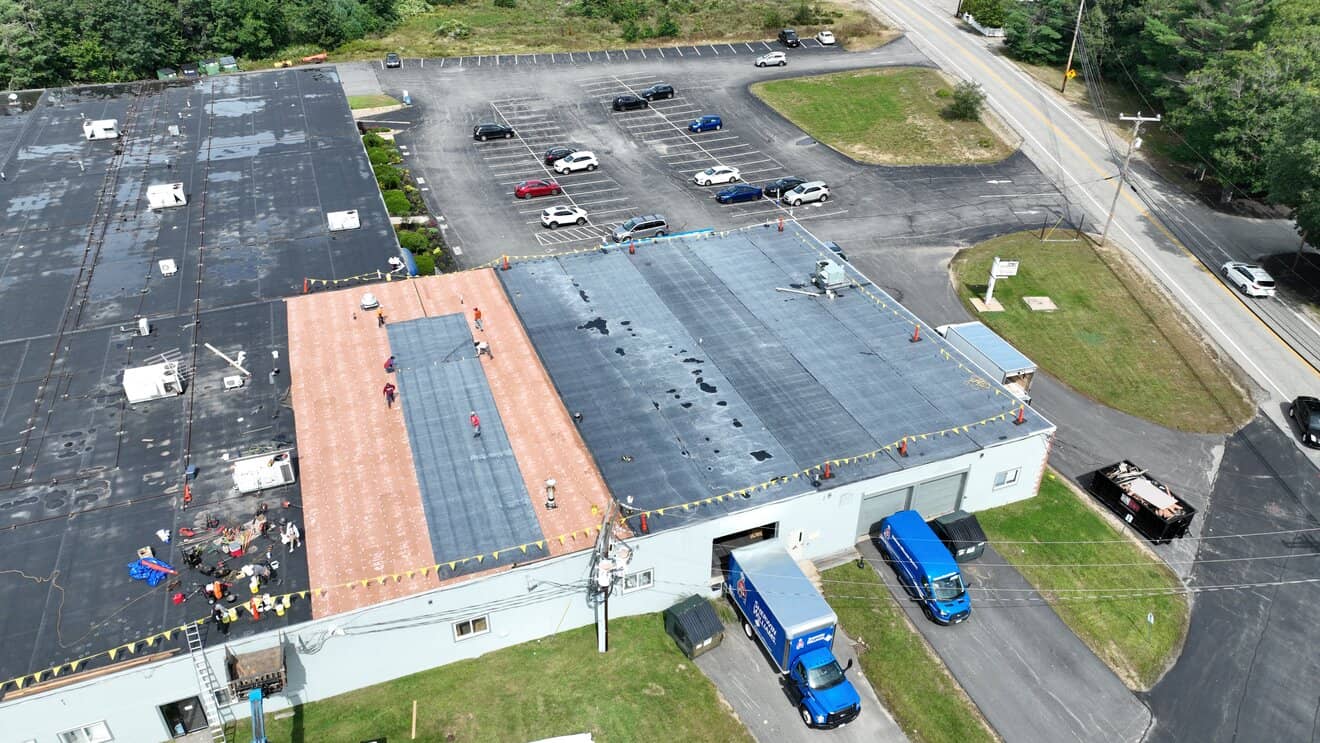
Aerial of a commercial flat-roof replacement in New Hampshire by J. Carnes & Son Roofing

Spring seems to have a way of uncovering things that winter kept hidden. After months of snow and freezing weather in New Hampshire and Southern Maine, the first heavy rain can quickly reveal where a flat roof is not draining quite like it should. What looked solid during dry days sometimes turns into trouble once the runoff has nowhere to go.

Flat roofs are built differently from pitched ones. Without gravity helping water move quickly off the surface, they rely on drains, scuppers, and slight slopes to guide the flow. If any part of that system gets blocked or damaged over the winter, it usually shows up fast once the spring rains roll through. That is why this time of year is common for calls related to flat roof repair in New Hampshire.

Why Flat Roofs Struggle With Spring Drainage

Flat roofs do not move water the same way as sloped roofs, and that makes drainage management more important. When water stays put, it increases the chances of damage. Every square foot that stays wet breaks down a little faster.

These are a few reasons why drainage problems often show up in spring:

  • Flat roofs rely entirely on well-placed drains or scuppers to get water moving off the surface. If those are blocked, water builds up fast.
  • Snow and ice from colder months can damage or clog these drainage points, especially if snowmelt refreezes and expands inside pipes or gutters.
  • Spring brings sudden downpours, and meltwater from leftover snow combines with rain, giving flat roofs a tough test early in the season.

If the drainage system cannot handle that mix, water starts to collect. You may not notice it right away because standing water sometimes soaks in slowly or sticks around long after the rain has passed. Often, by the time the puddle disappears, the damage has already begun.

Common Signs of Drainage Trouble After Winter

The tricky part is that flat roof damage does not always look dramatic at first. Instead, the signs tend to build up, especially if the weather stays wet for days at a time. Knowing what to watch for can help catch small issues before they grow.

A few warning signs include:

  • Large puddles of water that do not drain quickly, especially ones that seem to re-form in the same spots after each rain
  • Soft or sagging areas underfoot during a walk inspection, which may point to soaked materials under the surface
  • Damp patches forming inside the upper areas of the house or garage, especially where the roof meets the walls

These signs are often easy to miss early in the season. If they keep appearing, it is a good sign water is getting trapped somewhere. That excess weight and moisture speeds up wear on coatings, seams, and supports.

What Causes Drainage Failures to Show Up in Spring

Drainage systems that worked just fine last fall may not be working so well once spring rains arrive. The combination of winter debris, freeze-thaw cycles, and added water volume can push flat roof issues to the surface.

Here is what most often leads to drainage failure around this time of year:

  • Leaves, twigs, or grit left over from fall and winter storms clog up roof drains or downspouts
  • Material on the roof expands and contracts with temperature swings through the season, pulling apart seams or cracking seals
  • Water from melting snow enters small gaps that opened in cold weather, then freezes again overnight, making those gaps wider each time

These problems become easier to spot once spring hits full swing. As snow fully melts and seasonal rainfall increases, anything blocking water buildup comes under pressure. When water has nowhere to go, it forces itself into places it should not be, including interior ceilings and walls.

How Regular Checks Can Prevent Bigger Issues

One of the best habits for property owners with flat roofs is walking the roof early in the season, right after snow and ice have melted away. Those first few weeks of spring give a clear view of how water is behaving up there.

A few things we always recommend checking include:

  • Any standing water or signs of previous puddling, like dirt rings or algae marks
  • Visible cracks or popped seams near flashing, corners, or roof drains
  • Loose materials, especially around areas that slope into scuppers or gutters

Clearing any leaves along drains early in the season can keep water flowing where it should. More importantly, spotting the start of a problem gives you time to fix it well before more rain hits. That is when flat roof repair in New Hampshire tends to make the biggest difference, right between winter melt and the heavy rains of late spring.

A Solid Roof Starts With a Clear Path for Water

When spring rolls in, the first big rain will always test the roof. Water runs to the path of least resistance. If there is any weak point in the system, spring finds it.

That is why early checks matter. Drains, seams, and seals that held up through winter might only show trouble under the steady weight of pooled rainwater. Catching those early signs before real leaks form gives us the chance to protect both the surface of the roof and everything underneath it. With the right care, flat roofs in New Hampshire and Southern Maine can clear water fast and bounce back strong from even the toughest winter.

Flat roofs in New Hampshire face a tough mix of snow, rain, and debris this time of year, and even small drainage problems can turn into bigger issues fast. Keeping water moving as it should begins with knowing what to look for and where to check after a long winter. If something seems off or the roof has not been inspected yet this season, it is a smart time to take a closer look. To stay ahead of repairs, see how we approach flat roof repair in New Hampshire before spring rains cause more trouble. Contact J. Carnes & Son Roofing to schedule a roof check.

Guide to Replacing Missing Shingles on New Hampshire Homes

Shingles

Spring in New Hampshire is when many homeowners take a closer look at winter damage, especially the roof. Snow, ice, and wind can all leave behind problems, and missing shingles are one of the most common. Spotting a patch of bare roof or a few shingles in the yard might not seem like a big deal, but ignoring it can turn into something worse. Water has a way of finding every crack. Once it gets under the roof, it can cause wood to rot or insulation to soak through.

Missing shingles are often a sign that it’s time to act. Early spring is the smartest time for roof repair in NH because the weather is warming up, but the heavy rain of late spring hasn’t arrived yet. Taking care of damage now helps protect the home before the next round of storms appears.

Why Shingles Go Missing in the First Place

Shingles help keep water off your home, but they’re not immune to the kind of weather that hits New Hampshire throughout the year. We see strong wind storms, heavy snow, and ice buildup that bites the edges of the roof. These conditions work together to loosen shingles bit by bit.

A few things make shingles more likely to come off:

  • Winter wind gusts can lift edges of shingles and tear them away, especially if the seal underneath has worn out
  • Ice dams can trap melted water along the lower edge of the roof, allowing moisture to sneak underneath shingles and push them up
  • Old shingles become brittle and break more easily, especially after years of freeze-thaw cycles
  • Homes along the coast or in wide-open areas are more exposed to wind and salt, which can wear shingles down faster

Sometimes you won’t notice the damage until you see the water spots inside or feel a soft spot in the attic. By then, the damage has already started. The force of winter combined with the freeze and thaw cycles can age even a new roof faster than you might guess, especially when storms keep coming every few days. After repeated exposure, even shingles installed just a couple of years ago can show signs of loosening or curling, and some might eventually work free entirely.

What to Look for After Shingles Blow Off

After a rough winter, it’s a good idea to walk around your home and check for signs that shingles may have let go. Some signs will be easy to spot. Others can be more subtle but just as serious. Here’s what can hint at missing shingles or soon-to-be trouble:

  • Bare roof patches where the shingle layers are gone
  • Pieces of shingles found in the yard or found stuck in drains
  • Grit or granules filling up gutters, showing that shingles are breaking down
  • Water stains or a musty smell in the attic, caused by water slipping past where a shingle used to be

Spotting one or two of these signs doesn’t always mean there’s a big issue, but it should be a signal to take a closer look. The longer water has access to the wood layer below the shingles, the more likely that wood begins to soak, swell, and rot. Once moisture gets past the protective layer, it will travel downward following the path of least resistance, sometimes showing up as damp patches in rooms below. Inspecting after each heavy rainfall or windstorm can prevent overlooked damage from getting worse.

When to Replace vs. Repair

We often get asked if it makes sense to repair just the missing spots or if the whole roof should be replaced. The answer depends on more than how much is missing. Roofs that have only a few shingles torn off can often be patched well if the surrounding shingles are still strong.

But there are times when replacing makes more sense:

  • Large areas of missing shingles or repeat problems in the same section
  • Shingles that are cracked, curled, or breaking apart across the roof
  • A roof that’s 15 to 20 years old and starting to fail in multiple places

If you’ve had to patch the roof several times already, piling on more repairs could just be a short-term fix. It’s better to look at how long the roof can realistically hold up before deciding. Long-term protection usually comes from replacing damaged sections fully instead of chasing small repairs year after year. Even if repairs seem cheaper at first, a patchwork roof often leads to more water slips and insulation trouble down the road. Looking at the overall age and condition is the best way to decide what’s really needed.

What to Expect During a Shingle Repair

Repairing missing shingles might seem like a simple process, but it has to be done with care. If the repair doesn’t seal right, water can return to the same weak spots again. A proper shingle repair uses matching materials, secures the seal below the new shingles, and fastens everything to stay in place through the next storm.

Because safety should always come first, we never recommend climbing to assess damage on your own. The process often includes:

  • Removing any loose or damaged shingles in the area
  • Making sure the underlayment or decking below is dry and solid
  • Aligning replacement shingles and securing them with roofing nails
  • Applying sealant to bond the new shingles correctly with the originals

With spring weather in New Hampshire moving fast between warm and wet, timing matters. Milder temperatures early in the season make conditions more steady for a firm bond and a dry cut. The right method can bring back the tight seal, letting your roof work as it should by keeping water outside where it belongs. Never rush a repair on a cold or rainy day, since proper sealing relies on dry wood and the right temperature to hold.

Preventing Future Shingle Damage

Losing shingles happens more often when small warning signs are missed. But keeping a roof strong isn’t complicated. Routine inspections help catch issues while they’re small. Two good times to check the roof are at the end of each winter and around the start of fall.

Simple upkeep can go a long way:

  • Clear out gutters so water doesn’t back up and get under shingles
  • Watch for sagging or uneven rooflines from ground level
  • Look for signs of aging in shingles like discoloration or curling edges
  • Avoid letting nearby tree branches scrape or hang over the roof

By spotting problems early, we can prevent leaks before they reach the inside of the home. Regular checks help avoid surprises that show up after the next rainstorm. Even if things look fine after winter, small cracks and seams can open up as the temperature changes, so don’t skip looking things over a couple of times a year. When the roof stays in good shape, it can stand strong for many seasons and handle whatever weather comes its way.

A Safer Roof and Fewer Headaches This Spring

Getting ahead of shingle damage now can make the rest of spring and summer easier. Replacing missing shingles keeps water, pests, and wind from slipping into the roof after all the stress of a long winter. It’s a simple fix that can stop bigger problems later on.

We know storm season in New England isn’t far off. Staying on top of roof repair helps lower the risk of water damage inside the attic, walls, or ceiling. A solid roof brings peace of mind when the next set of spring showers rolls through.

After a harsh New Hampshire winter, your roof may need attention before spring storms arrive. Replacing a few missing shingles could solve the issue, but sometimes problems run deeper. Our team can assess your home and determine the best course of action. Learn what we do when it comes to roof repair in NH and let J. Carnes & Son Roofing help you stay ahead of the weather. Give us a call when you’re ready to take the next step.

How To Fix Attic Condensation

Roof ventilation detail on a New Hampshire home by J. Carnes & Son Roofing

You head up to your attic to grab the holiday decorations and notice something unsettling: water droplets clinging to the underside of the roof sheathing, damp insulation, maybe even dark stains creeping across the rafters. If you’re a homeowner in New Hampshire, you’re far from alone. Attic condensation is one of the most common and most misunderstood problems we see in homes across the Seacoast and southern NH.

The good news? Not every bit of moisture means your roof is failing. The bad news? Left unchecked, persistent condensation in your attic can lead to mold growth, rotting decking, ruined insulation, and repair bills that dwarf what prevention would have cost. This guide will walk you through the science of why it happens, what to look for, and when it’s time to call in a professional.

How Condensation Forms in Your Attic

The basic mechanism is the same one that fogs up your bathroom mirror after a hot shower. Warm, moisture-laden air meets a cold surface, and the water vapor in that air turns back into liquid. In a New Hampshire winter, the underside of your roof deck can easily drop below 32°F. When warm air from the living space below rises into the attic through light fixtures, plumbing penetrations, attic hatches, or gaps around ductwork, it hits that frigid surface and condenses.

The reason this is particularly aggressive in New Hampshire is our climate: we see sustained stretches of sub-zero temperatures from December through February, which means the temperature difference between your heated living space and the roof deck can exceed 80°F. That dramatic contrast turns your attic into a condensation factory if warm air has any path upward.

The 5 Most Common Causes of Attic Moisture in NH Homes

  1. Inadequate Attic Ventilation Your roof system is designed to breathe. Soffit vents pull cool air in along the eaves, and ridge or gable vents exhaust warm, moist air at the peak. When these vents are blocked by insulation, painted shut, or simply insufficient for the square footage, moisture has nowhere to go. We frequently find homes in towns like Stratham, Newmarket, and Newfields where soffit vents were inadvertently covered during re-insulation projects.
  2. Air Leaks from the Living Space This is the number-one culprit in most homes. Unsealed gaps around recessed lighting, bathroom exhaust fans vented into the attic (rather than to the exterior), pull-down attic stairs without weatherstripping, and plumbing or electrical penetrations all allow warm, humid household air to migrate upward. Even small gaps add up: a single unsealed recessed light can push a surprising volume of moist air into the attic over a cold winter night.
  3. Bathroom & Kitchen Exhaust Routed into the Attic Building code requires exhaust fans to vent directly to the outside, not into the attic, soffit, or roof cavity. Yet in older NH homes, it’s remarkably common to find dryer vents, bathroom fans, and even kitchen range hoods dumping moisture-laden air straight into the attic space. This single issue can generate enough moisture to cause visible frost on the roof sheathing within weeks.
  4. Insufficient or Damaged Insulation Insulation does double duty: it keeps your heating bills down and it maintains a thermal boundary between conditioned living space and the unconditioned attic. When insulation is thin, compressed, water-damaged, or missing in spots, heat escapes more readily, and where heat goes, moisture follows. Older homes in the Portsmouth and Dover areas often have original insulation that has settled or degraded over the decades.
  5. Ice Damming and Roof Leaks Sometimes what looks like condensation is actually water intrusion from ice dams. When heat escapes through the roof, it melts snow on the upper sections. That meltwater runs down to the colder eaves, refreezes into an ice dam, and backs water up under the shingles. The resulting leak can mimic condensation, making it tricky to diagnose without a professional inspection.

Warning Signs You Shouldn’t Ignore

Catching attic moisture problems early is the difference between a straightforward fix and a major remediation project. Here’s what to watch for:

💧
Visible water droplets

on the underside of roof sheathing or rafters, especially during cold snaps.

❄️
Frost on nail tips

that poke through the roof deck. Nails conduct cold and are the first place condensation appears.

🟤
Dark staining on wood

or plywood decking. This suggests repeated wetting and early-stage rot or mold.

🔵
Damp or matted insulation

that has lost its loft. Wet insulation loses its R-value and accelerates the problem.

🫧
Musty odor

when you open the attic hatch — a strong sign of mold or mildew growth you may not yet see.

🏠
Ceiling stains below the attic

in bedrooms or hallways. Moisture is migrating through the ceiling structure.

When It’s an Emergency

If you see active dripping, widespread black mold, or sagging roof decking, don’t wait. These are signs of advanced moisture damage that can compromise the structural integrity of your roof. A professional assessment should happen within days, not weeks.

How to Control Moisture in Your Attic

Effective attic moisture control comes down to three principles working together: seal the air leaks, insulate properly, and ventilate adequately. Miss any one of the three and the problem persists.

Seal Air Leaks First

Before adding ventilation or insulation, you need to stop the flow of warm, moist air from below. An energy audit or attic inspection can identify the penetrations. Common fixes include caulking around electrical and plumbing penetrations, installing airtight covers over recessed light housings, weatherstripping the attic hatch or pull-down stairs, and re-routing any exhaust fans that terminate in the attic so they vent directly through the roof or a sidewall to the exterior.

Upgrade Insulation Where Needed

New Hampshire’s climate calls for attic insulation in the R-49 to R-60 range. That’s roughly 14 to 18 inches of blown cellulose or fiberglass. Many homes in the Seacoast region have R-19 or less. Bringing insulation up to current standards strengthens the thermal barrier, reduces heat loss into the attic, and cuts heating costs at the same time. Pay special attention to areas around chimneys, knee walls, and the edges near the eaves where insulation tends to be thin.

Ensure Proper Roof Ventilation

A balanced ventilation system is non-negotiable. The general guideline is 1 square foot of net free ventilation area for every 150 square feet of attic floor space, split evenly between intake (soffit vents) and exhaust (ridge vents). In practice, many NH homes have soffit vents that are blocked by insulation baffles that were never installed, or they rely on gable vents alone, which create dead air zones in the attic’s peak. Adding proper baffles to keep insulation clear of the soffits and upgrading to continuous ridge ventilation can transform attic airflow.

NH-Specific Tip

If your home has an older roof with only gable vents, think carefully before simply adding a ridge vent. Mixing vent types can sometimes short-circuit airflow, pulling air from the gable vents instead of the soffits. A roofing professional can assess your specific setup and recommend the right combination for your home’s geometry.

The Connection Between Condensation and Your Roof

Homeowners often think of condensation as an insulation issue or a ventilation issue, and it is. But it’s also very much a roofing issue. Persistent moisture on the underside of your roof deck weakens the plywood or OSB sheathing over time. We’ve seen decks that needed full replacement after just a few years of unaddressed condensation. That moisture also degrades the adhesion between shingles and the deck, can void manufacturer warranties, and accelerates the aging of every roofing component from the underlayment up.

That’s why addressing attic condensation and scheduling a roof inspection often go hand in hand. A roofing contractor experienced with New Hampshire conditions can evaluate the ventilation system, check for ice dam damage, inspect the deck from above and below, and identify whether the issue is purely moisture management or whether the roof itself needs attention.

Frequently Asked Questions

Is some condensation in my attic normal during a New Hampshire winter?

A small amount of temporary condensation during extreme cold snaps can be normal, especially in older homes. The concern is when it’s persistent, widespread, or recurring. If you see moisture every time you check the attic during winter, or if it doesn’t dry out when temperatures warm, that indicates a ventilation or air-sealing issue that needs professional attention.

Can I fix attic condensation myself?

Some fixes are well within DIY territory; weatherstripping the attic hatch, sealing visible gaps with caulk or spray foam, and ensuring bathroom fans vent to the exterior. However, evaluating your overall ventilation balance, checking for hidden air leaks, and inspecting the roof deck for damage are tasks where a professional will save you time and catch issues you might miss.

Does attic condensation mean I need a new roof?

Not necessarily. Most attic condensation problems are solved with better ventilation and air sealing. However, if the moisture has been present long enough to cause soft or delaminated roof decking, mold penetration into the wood structure, or shingle failure, partial or full roof work may be part of the solution. An honest inspection will tell you what you’re dealing with.

How much does it cost to fix attic ventilation in New Hampshire?

Costs vary widely depending on the scope. Adding soffit baffles and a ridge vent during a re-roofing project is relatively affordable. Retrofitting ventilation into an existing roof, re-routing exhaust fans, and air-sealing an entire attic can range from a few hundred dollars for minor fixes to several thousand for comprehensive work. We recommend starting with a professional assessment to understand exactly what your home needs before committing to any solution.

Concerned About Your Attic?

We offer free roof health checks across New Hampshire’s Seacoast region, including a visual attic inspection for moisture and ventilation issues.

Schedule Your Free Consultation