
Questioning Your Roof Ventilation in New Hampshire’s Summer Heat

roof

Stop Summer Heat From Cooking Your New Hampshire Roof

Hot New Hampshire afternoons can make your roof work overtime. The AC may be blasting, but the upstairs still feels heavy and hot, and the attic air hits you in the face when you open the hatch. That is usually not just “a hot day”; it is often a sign that your roof ventilation is not doing its job.

Poor ventilation is quiet but rough on your home. It can shorten roof life, raise energy use, and trap moisture where you cannot see it. Over time, that can mean mold, damaged wood, and early roof repair in New Hampshire that could have been avoided.

We work on attics and rooftops across New Hampshire and southern Maine, and we see the same patterns every summer. When hot weather hits, weak ventilation shows up fast. Let us walk through how heat exposes the problem, what warning signs to look for, and what a pro can do to protect your roof before minor issues turn into major work.

How Summer Heat Exposes Weak Roof Ventilation

New Hampshire summers bring strong sun, humid stretches, and the occasional heat wave. Even when it feels warm but not brutal outside, your attic can be much hotter. Roof surfaces soak up sun for hours, and without a way for that heat to escape, it collects in the attic like an oven.

The basic goal of roof ventilation is simple: move hot, moist air out and pull cooler, drier air in. A good system has two parts working together:

  • Intake vents at the eaves or soffits that let fresh air in  
  • Exhaust vents at or near the ridge that let hot air escape  

When this balance is right, air flows from low to high across the whole roof. When it is wrong, problems stack up fast in the summer:

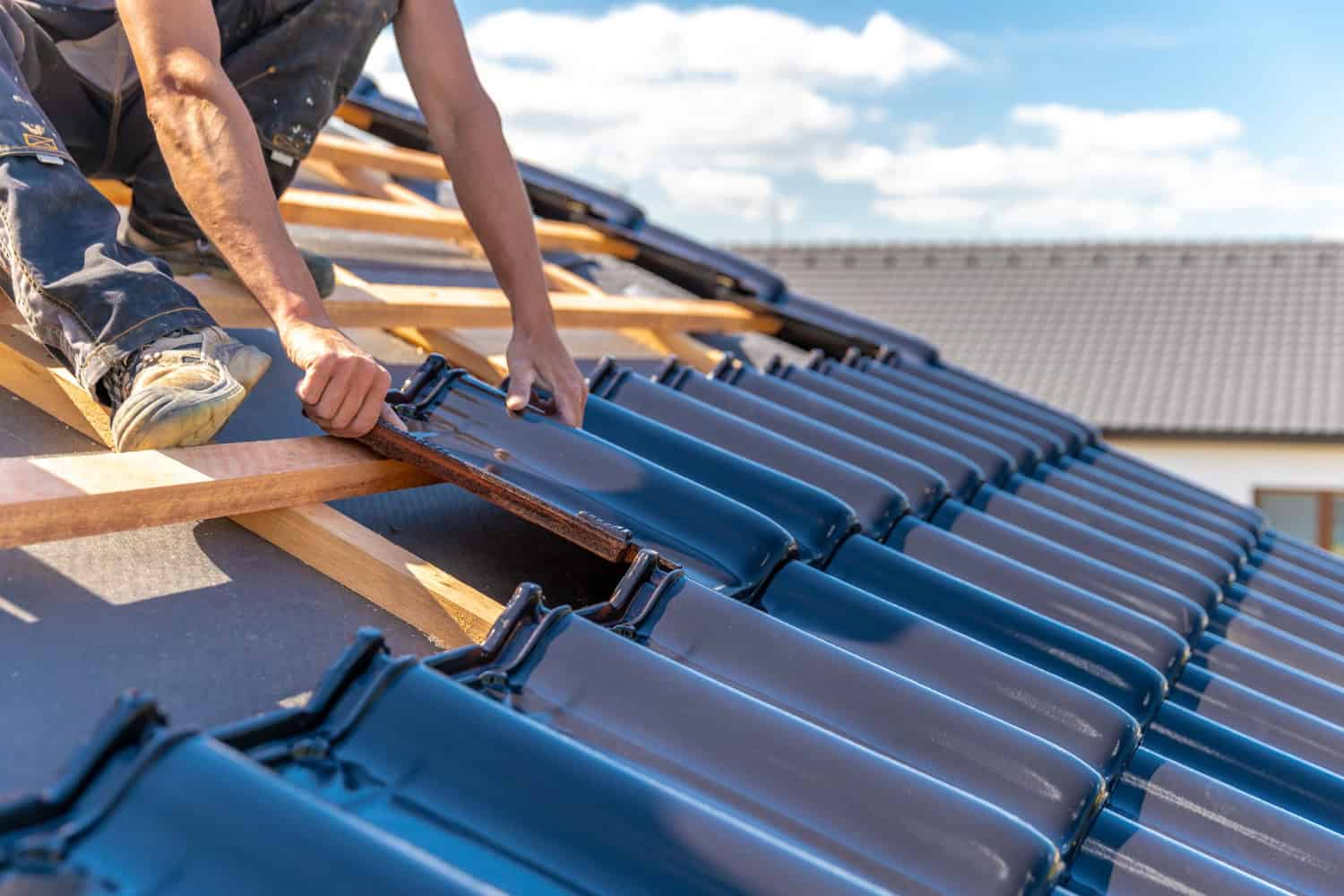
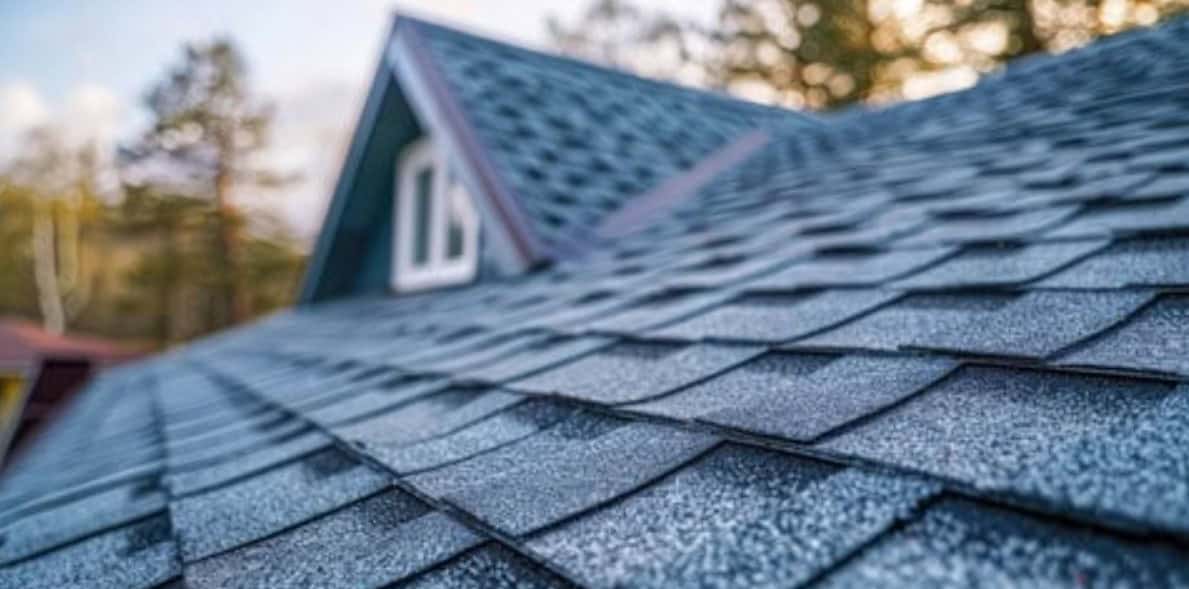
  • Shingles bake and can curl or lose grit earlier than they should  
  • Plywood roof decking can dry out, crack, or separate at the seams  
  • Underlayment can age faster from constant high heat  

Homeowners often think about ventilation for winter ice dams, but the same vents have to be sized and installed for peak summer heat too. If the system cannot handle July and August, you are asking a lot of your roof and your AC, which is why understanding the importance of proper roof ventilation in New Hampshire is such a smart first step.

Signs Your Attic Is Trapping Heat and Moisture

You do not have to climb on the roof to suspect a ventilation issue. Your house will usually give you clues.

Inside the living space, watch for:

  • Upstairs rooms that are much hotter than the first floor  
  • AC that seems to run nonstop on sunny days  
  • Musty or “old basement” smells that seem to come from the attic area  

If you are comfortable and safe going into the attic, you may notice:

  • Rust on nails or metal brackets, even in dry weather  
  • Darkened, stained, or soft-looking plywood around the peak  
  • Mold or mildew spots on rafters or the back of roof decking  
  • Insulation that looks matted, damp, or dirty on top  

Outside, a quick look from the ground can tell you a lot:

  • Shingles that look wavy, cupped, or worn out long before their time  
  • Blistered shingles on south-facing roof slopes that take the most sun  
  • Ridge vents, box vents, or other openings that look blocked, painted shut, or buried in debris  

When we perform a summer roof inspection, we pay close attention to those attic details. Dark, soft plywood or visible mold often means trouble has been building for a while. These warning signs do not fix themselves and can lead to structural rot and more serious roof repair in New Hampshire if they are ignored.

Common New England Ventilation Mistakes We See

Our local housing stock has plenty of character, but some common construction habits do not help ventilation. On New Hampshire and southern Maine homes, we often see:

  • Not enough intake at the eaves, or soffits that were never vented  
  • Soffit vents blocked by insulation baffles that are missing or poorly installed  
  • Bath fans or kitchen vents dumping warm, moist air straight into the attic  

Older New England homes create extra challenges. It is common to see:

  • Small, chopped-up rooflines with valleys and dormers that interrupt airflow  
  • Low-slope additions with little space for air to move  
  • Finished attics that were insulated tight but never properly vented  

We also run into mixed systems that work against themselves instead of helping. For example:

  • Ridge vents used along with powered attic fans on the same roof  
  • Several different exhaust vent types installed on one ridgeline  

These setups can short-circuit the airflow by pulling new air from the nearest vent instead of from the soffits. The air never sweeps across the whole roof, so hot spots and moisture pockets stay in place.

DIY changes can quietly undo a once-good system:

  • Adding recessed lights without air sealing, which leaks heat and moisture  
  • Spraying foam in the wrong cavities and blocking airflow paths  
  • Painting or covering soffits, “tightening up the house,” and cutting off intake vents  

That is why a full roof and attic review is so important before adding things like new skylights or changing insulation, especially if you are already seeing signs of poor roof ventilation during New Hampshire’s summer heat.

Ventilation Fixes That Protect Your Roof Investment

A proper ventilation fix starts with a full assessment. A local roofing contractor will usually:

  • Inspect the attic for heat, moisture, mold, and wood condition  
  • Review the exterior roof, including shingle wear and vent layout  
  • Check soffits and eaves for open and working intake vents  
  • Measure your existing vent area compared to roof size and layout  

From there, we look at practical, durable fixes that match your home. Common solutions in our area include:

  • Clearing blocked soffits and adding proper vented panels  
  • Installing or improving continuous ridge vents where the roof shape allows  
  • Updating old box vents to a more balanced system  
  • Adjusting insulation and baffles so air can move from eaves to ridge  

The goal is not just “more vents”; it is the right vents, in the right places, sized for your roof slope, sun exposure, and local weather. When ventilation is aligned with your roofing system and insulation strategy, you get:

  • More stable attic temperatures from season to season  
  • Better support for shingle performance and warranty terms  
  • Less stress on the AC and fewer comfort complaints upstairs  
  • A lower chance of hidden moisture issues around roof edges, valleys, and even features like gutters and leaf guards  

Handled correctly, good ventilation becomes a quiet helper that protects your roof investment year after year, and working with expert roofing services in New Hampshire helps make sure the vents, insulation, and roofing system all work together in both summer heat and winter snow.

Get Started With Your Project Today

If you are seeing signs of leaks or damage, our team at J. Carnes & Son Roofing is ready to help with expert roof repair in New Hampshire. We will evaluate your roof, explain your options clearly, and provide a reliable solution that fits your home and budget. To schedule an inspection or ask questions, simply Get a Free Quote or call us here.
Metal Roofing in Portsmouth, NH: Coastal Salt-Air Guide

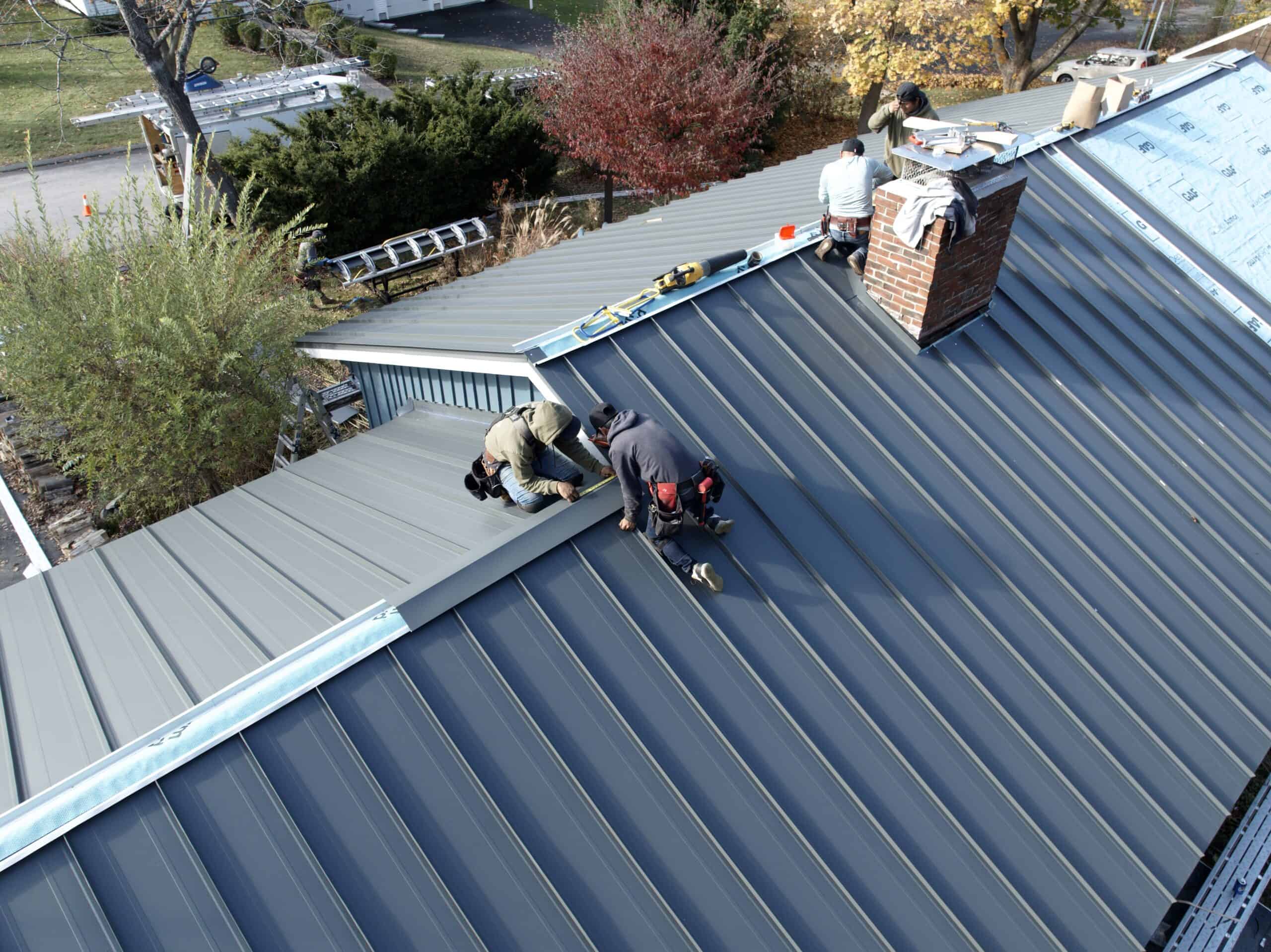
J. Carnes & Son Roofing crew installing a charcoal standing-seam metal roof on a New Hampshire home

I have replaced roofs from the water’s edge in New Castle to the older streets off Islington, and Portsmouth has a way of finding the weak spot in a roof faster than almost anywhere else we work. It is not only the nor’easters that roll up the coast. It is the salt. Wind carries it off the Piscataqua and the open Atlantic and drops it on everything: fastener heads, flashing, the cut edges of panels, the thin coating on a bargain gutter. Give that a few winters and you can watch a roof age in fast motion.

That is the real reason so many Seacoast homeowners ask us about metal. Specified correctly, a metal roof shrugs off the exact conditions that chew up ordinary roofs here. Specified poorly, salt works under a cheap coating or into the wrong fastener and you are back up a ladder in five years. This guide covers what actually matters for metal roofing in Portsmouth: which metals and coatings survive salt air, why standing-seam beats the cheaper panels near the coast, how long it lasts, and where the money really goes.

The short version

  • On the Portsmouth coast, airborne salt is the single biggest thing shortening a roof’s life. It attacks fasteners, flashing, and panel edges long before the roof field itself wears out.
  • Standing-seam metal with concealed clips outperforms exposed-fastener panels near the water, because it hides the exact parts salt corrodes first.
  • Aluminum and PVDF-coated (Kynar 500) steel are the coastal-grade choices. Stainless or coated fasteners are not optional this close to the Atlantic.
  • A properly specified coastal metal roof commonly lasts 40 to 60 years, two to three times a standard asphalt roof, which is why homeowners weigh the higher upfront cost against decades of not reroofing.

Why is salt air so hard on Portsmouth roofs?

Direct answer

Salt air carries chloride particles that pull moisture onto metal and speed up corrosion. On the Portsmouth coast that means fasteners, flashing, drip edge, and cut panel edges can rust and loosen years before an inland roof would, even while the main roofing material still looks fine.

Chloride is the culprit, and it does not need a storm to work. Even on a calm day near the coast, fine salt rides the sea breeze inland, settles on a roof, and holds moisture against every metal surface it touches. That constant damp-salt cycle is what corrosion feeds on. A roof three miles inland in Epping and a roof two blocks from the water in Portsmouth are living in two different climates, even in the same county.

The pattern is the same on almost every Seacoast home. The big field of the roof is usually not the first thing to go. The small metal parts are. Nail heads back out, flashing at the chimney and valleys corrodes and weeps, and gutter spikes rust until the gutters sag and pull away. By the time you spot a ceiling stain, salt has often been working on that metal for years. Understanding that is the whole key to a roof that lasts here.

Does metal roofing actually hold up better near the coast?

Direct answer

Yes, when it is built for salt exposure. Coastal-grade metal resists the moisture, wind uplift, and UV that wear out asphalt fastest here. The catch is that a generic metal roof is not automatically coastal-grade. The metal, the coating, and the fasteners all have to be chosen for salt air.

Asphalt has a hard time on the immediate coast. Sun and salt strip the protective granules, wind lifts the tabs, and our winter freeze-and-thaw swings open up the seams, so a lot of asphalt roofs in full coastal exposure are asking for replacement in fifteen to twenty years. Metal has no granules to lose, sheds water and snow cleanly, and carries far higher wind ratings, which matters when a coastal gust event comes through.

The important word is when. The metal roofs I have seen fail early on the Seacoast almost always came down to the wrong materials for the location: bare galvanized steel instead of aluminum or a coated product, standard screws instead of stainless, or a builder-grade paint that salt ate through. Metal is the right answer near the coast, but only the coastal-grade version of it.

Standing-seam or exposed-fastener: which belongs on a Seacoast home?

Direct answer

Standing-seam. Its seams lock together and its fasteners hide under the panels, out of the salt and weather. Exposed-fastener panels put hundreds of rubber-gasketed screws face-out into the salt air, and those gaskets and screw heads are the first things to fail on the coast.

There are two broad families of metal roofing. Exposed-fastener panels screw straight through the face of the metal, with a rubber washer under each screw head to seal the hole. Standing-seam panels lock together along raised vertical seams and attach with hidden clips, so no fastener ever faces the weather.

On the Portsmouth coast that difference is the whole ballgame. An exposed-fastener roof can carry hundreds of screws, and every rubber gasket sits out in the salt air expanding and contracting until it hardens, cracks, and lets water past the head. Multiply that by a few hundred screws and a couple of decades of salt. A standing-seam roof simply does not give salt those targets. It costs more to install, and near the water it is the version I recommend almost every time.

Which metals and coatings resist salt corrosion best?

Direct answer

Aluminum handles salt air best because it does not rust, which makes it a favorite on oceanfront homes. For steel, look for Galvalume with a PVDF (Kynar 500) finish. Pair either with stainless or coated fasteners. Bare galvanized steel and low-grade paint do not belong on a Portsmouth roof.

Aluminum is the standout for the toughest coastal exposure because it does not rust the way steel can, so on homes right along the water it is often the material I steer people toward. It carries a premium, but so does replacing a corroded roof early. For steel panels, the coastal-grade choice is Galvalume, an aluminum-zinc coated steel, finished with a PVDF paint system most people know by the Kynar 500 name. That finish holds its color and sheds salt for decades, which the cheap polyester paints on discount panels do not.

Fasteners and flashing deserve the same care as the panels, because they fail first here. This close to the Atlantic we use stainless or coated fasteners and keep the metals compatible, so salt cannot set off galvanic corrosion where two different metals meet. Driving plain steel screws into aluminum near saltwater is a recipe for a stain and a leak. These details never show up in a glossy brochure, and they are exactly what separates a coastal roof that lasts from one that does not.

How long does a metal roof last in Portsmouth’s climate?

Direct answer

A correctly specified coastal metal roof commonly lasts 40 to 60 years on the Seacoast, against roughly 15 to 25 years for asphalt in the same salt and storm exposure. The variable is usually not the panels. It is whether the flashing, fasteners, and coating were chosen for salt air.

Give a standing-seam aluminum or Kynar-finished roof the right fasteners and flashing, and it can outlast the time most families spend in a house. Maintenance is light: keep the gutters clear, rinse off heavy salt buildup when you can, and have the flashing and seams looked at every few years.

One piece of fine print is worth reading first. Some metal roofing warranties reduce or void coverage within a set distance of saltwater unless you upgrade to coastal-grade materials. That is not a reason to avoid metal. It is a reason to make sure the roof going on your Portsmouth home is the version the manufacturer actually stands behind near the coast. We read those terms with you so there are no surprises.

What does a metal roof cost in Portsmouth, and is it worth it?

Direct answer

Metal costs more upfront than asphalt, and the coastal-grade materials add to that. Where it pays back is time. One metal roof can outlast two or three asphalt roofs, so Seacoast homeowners who plan to stay in their home often come out ahead over the life of the house.

I am not going to hang a fake price on your roof, because an honest number depends on real details: the metal you choose, the size and pitch and complexity of the roof, whether the old roof needs a full tear-off, and the coastal-grade materials the location calls for. A simple Cape and a cut-up Victorian with multiple valleys are not the same job, and anyone quoting a firm price sight unseen is guessing.

What I can tell you is how to think about it. Metal is a bigger check today and a smaller total over the decades you own the house, because you are buying one roof instead of two or three. For homeowners who plan to stay, that math usually favors metal near the coast, and financing can spread the upfront cost. If you are still weighing options, our breakdown on choosing between asphalt and metal is a good next read, along with our notes on keeping a metal roof in shape.

Getting your Portsmouth metal roof done right

A metal roof is one of the best investments you can make on a Seacoast home, but only when it is specified and installed for salt air from the first fastener up. We install roofing in Portsmouth and across the New Hampshire coast every season, so we know what these conditions do to a roof and how to build one that stands up to them. Take a look at our full range of roofing services, or reach out for an estimate and we will walk your roof with you.

Frequently asked questions

Can I put a metal roof over my existing shingles?

Sometimes it is allowed, but on the coast we usually recommend a full tear-off. Going over old shingles hides the flashing, fasteners, and decking, which are exactly the parts salt attacks and the parts we want to inspect and replace before a new roof goes down. A clean deck is also the best base for a standing-seam system.

Are metal roofs too loud in coastal rain and storms?

No. A metal roof installed over solid decking and underlayment is about as quiet as any other roof. The drumming sound people picture comes from metal laid over open framing, like a barn or a shed, not a modern home installation.

Will a metal roof help with ice dams in the winter?

It helps. Snow tends to shed off a smooth standing-seam roof rather than pile up and refreeze, and a properly vented, well-flashed metal system gives ice fewer places to grab. Good roof ventilation and flashing still do most of the heavy lifting against ice dams, on any roof material.

Do coastal metal roofs really need special fasteners?

Yes. This close to the Atlantic we use stainless or coated fasteners and keep the metals compatible to prevent galvanic corrosion. Standard fasteners are one of the most common reasons a metal roof fails early near saltwater, which is why we never cut that corner on a Seacoast job.

What to Expect From Professional Roofing Services in NH

roofing service

A New Hampshire roof takes a beating. Long freezes, heavy snow, nor’easters, spring wind, and coastal salt air all test every detail of your roof. When a roofer does not understand our local weather, small shortcuts can turn into big problems a few winters later. As a New England roofing crew that works in these conditions every season, we look at your home differently, plan the work differently, and install a roof system built for years of rough weather.

Here is what you should expect from a roofer in New Hampshire, from the first phone call to the final cleanup, so you can spot red flags before you sign anything.

A local, weather-smart evaluation of your roof

It starts with the first contact. A professional roofer should respond quickly, set a firm time to visit, and show up when they say they will. That first visit should be more than a quick look from the driveway. We treat it as a full roof and exterior evaluation.

On a typical visit, we check:

  • Shingles or other roofing surface
  • Flashing around chimneys, vents, and walls
  • Skylights and roof windows
  • Gutters, downspouts, and roof edges
  • Areas where roof, siding, and trim meet

In New Hampshire, a basic “one-size-fits-all” inspection is not enough. A local, weather-smart roofer will also look at:

  • Snow load history on your roof and framing
  • Spots where ice dams like to form
  • Wind exposure on ridges, eaves, and gables
  • Coastal influences such as salt air and strong gusts
  • Shade and tree coverage that affect moss, debris, and drying

After this visit, you should receive clear photos, a plain-language summary of your roof’s condition, and a list of issues in order of urgency. A professional roofer will give you options for next steps instead of insisting everything must be replaced without explanation. There should be no scare tactics, just honest guidance based on what we see on your roof.

If you are looking ahead to skylight work, this is also the right time to talk about options. We explain how products like the ones on the skylights page can be tied into a new or existing roof so they stay dry and bright.

Clear, written scope instead of vague promises

Once you agree on the general plan, you should receive a detailed written proposal. That document tells you a lot about the roofer you are dealing with. A solid proposal should spell out:

  • Roofing materials, by manufacturer and product line
  • Underlayments, including ice and water shield areas
  • Type and metal of flashing and drip edge
  • Ventilation parts such as ridge vents or other systems
  • Any gutter, fascia, or siding work tied to the roof

Timelines matter in our climate. We have to plan around rain, humidity, heat, and fast-changing forecasts. You should be told:

  • The expected start window and how weather may affect it
  • How many days the job should take under normal conditions
  • Usual daily start and stop times at your home

You should also know who your main contact is and how changes will be handled. When we find hidden problems, like rotten decking under old shingles, we:

  • Take clear photos or videos of the damage
  • Explain what is needed and why
  • Get your approval before adding work to the project

That level of detail is part of what homeowners should expect from professional roofing services in NH, because a clear scope, documented change process, and real communication are what keep a roofing project on track from the first inspection through final cleanup

Craftsmanship tailored to New England conditions

On the job site, a good New Hampshire roofer is easy to spot if you know what to look for. The crew should set up protection before they start tearing off, not after damage happens. Good on-site practices include:

  • Covering landscaping and shrubs with tarps
  • Using plywood paths over delicate surfaces and driveways
  • Keeping tools, materials, and debris organized
  • Tearing off and cleaning as they go, not leaving a mess overnight

Installation details are where local experience really shows. In this region, it is not enough to put shingles on straight. A professional New Hampshire roofer pays close attention to:

  • Starter courses and nail patterns that resist high winds
  • Ice and water shield in valleys, at eaves, and other key spots
  • Step flashing where roof meets sidewalls or dormers
  • Proper chimney flashing and counterflashing
  • Drip edge that works with gutters to move water away from your home

Gutters and roof edges are often tied together, so if your project involves new gutters or leaf protection, that work should be planned with the roof from the start. We explain how systems like those on the gutters and leaf guards page tie into the shingle and flashing details to keep water moving where it should.

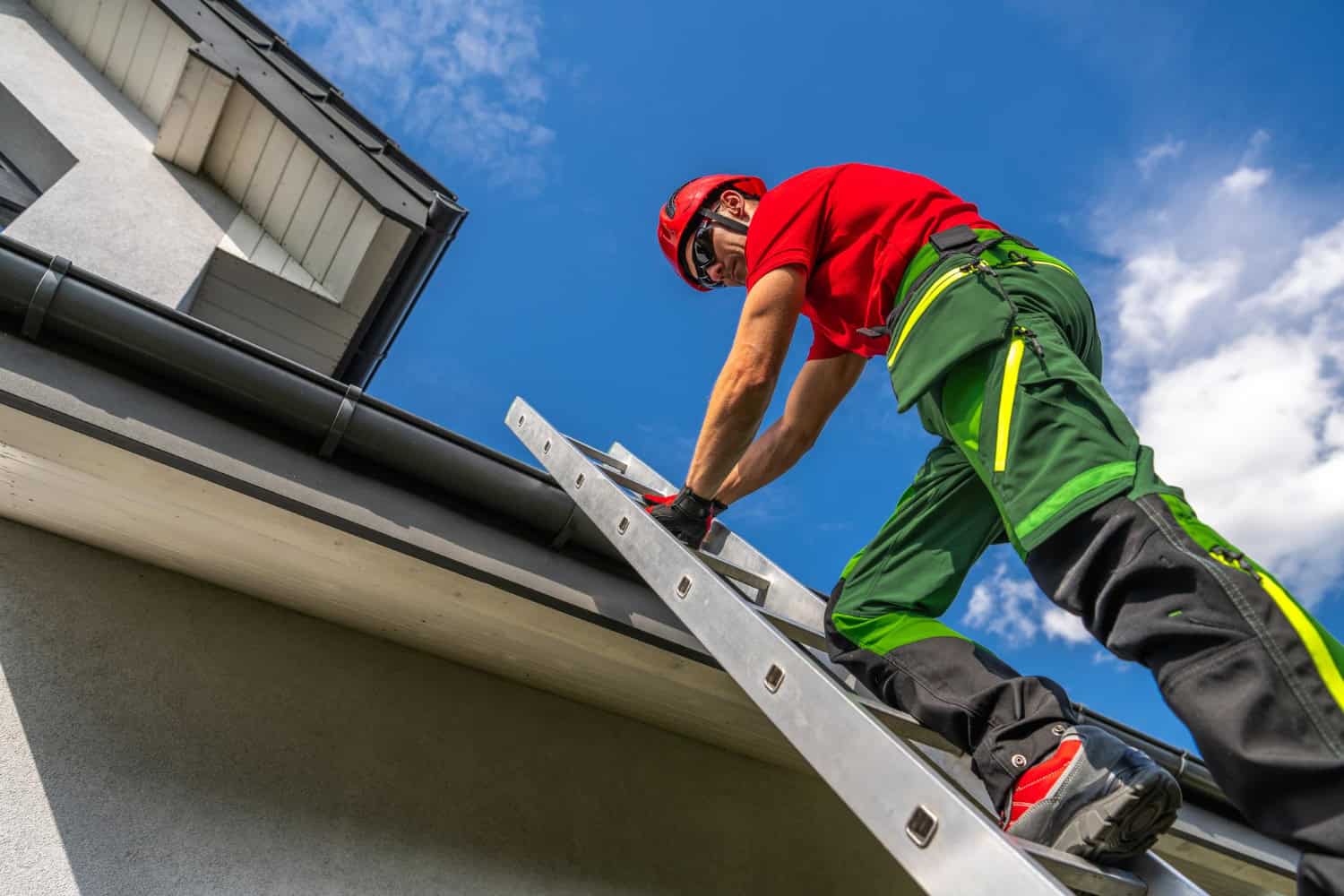
Crew professionalism matters as much as craft. You should expect professional roofing services to include fall protection in use, safe ladder placement, and respect for your property. On multi-day projects, expect daily cleanup, magnet sweeps for nails, and a site that looks tidy at the end of each workday.

Long-term protection, warranties, and follow-through

When the last shingle is nailed and the last vent is in, the job is not quite done. A professional roofer will do a final walkthrough with you, often with the foreman or project lead. Together, you should check:

  • Roof surfaces and visible flashing
  • Skylight seals and trim, if any were installed
  • Attic vents, if they are accessible and safe to view
  • Ground-level cleanup and any protected areas

If there are small punch-list items, such as touch-up work or missed debris, they should be noted and taken care of promptly.

You should also get a clear explanation of warranties. Most roofs have two sides to protection:

  • Manufacturer warranty on roofing products
  • Workmanship guarantee from the installer

Your roofer should explain what each covers, how to keep the warranty in good standing, and what to do if you ever think there is a problem, and it helps to review roofing estimate, warranty, and financing resources so you know exactly what questions to ask before and after installation.

A dependable New Hampshire roofer does not disappear once the truck pulls away. We stay prepared to:

  • Answer questions after storms or heavy snow years
  • Add future items like new skylights or small roof tie-ins
  • Check on trouble spots if conditions change, such as new tree shade or more coastal exposure

When your roofer stands behind the work and understands how our weather keeps changing, your roof is more likely to stay tight, dry, and ready for the next storm that rolls through.

Get Started With Your Project Today

If your roof needs attention, we are ready to evaluate its condition and recommend the best options for your home. At J. Carnes & Son Roofing, we provide trusted professional roofing services in NH tailored to your budget, timeline, and long-term goals. Share a few details about your project and we will respond with clear next steps, not a high-pressure sales pitch. To get a free quote or call us, please contact us.

Epping Roof Repair vs. Replacement: Costs, ROI, Financing, Warranties

roofing

Stop Guessing: Know If Your Epping Roof Needs Repair or Replacement

Roof repairs in Epping are not something you want to guess on. Between summer thunderstorms, heavy snow, and ice dams, a weak spot in your roof has plenty of chances to turn into a leak. If your roof is already 20 or 30 years old, every season adds a little more stress.

From what we see on local roofs every week, waiting “one more year” is usually where small problems turn into big ones. A loose shingle becomes rotten decking. A minor ice dam leads to soaked insulation and stained ceilings. Our goal is not to scare you; it is to help you make a clear, confident choice before that happens.

In this article, we will walk through how to look at repair versus replacement the way a New England roofing crew does on an actual job. We will talk about how different local roof types age, what really pays off over the long term, how warranties change with each option, and how smart financing can help you get ahead of the next round of storms.

How New England Roof Types Hold Up in Epping Weather

Around Epping and Southern New Hampshire, we see a few roof types again and again: asphalt shingles, architectural shingles, metal roofing, and low-slope systems on commercial buildings and multifamily properties.

Here is how they typically age in our climate:

  • Standard asphalt shingles: granule loss, curling on the edges, cracking in cold snaps, and shingles lifting in high winds.  
  • Architectural shingles: hold shape better, but still show granule loss, dark streaking, and brittle spots as they age.  
  • Metal roofing: fasteners backing out, seams opening up, and occasional surface rust around cuts and penetrations.  
  • Low-slope roofs: membrane punctures, seams letting go, and ponding water that never fully drains.

Your roof type has a big impact on when repair makes sense.

On the asphalt shingle roofs we inspect around Epping, spot repairs work well when the roof is generally healthy. Replacing a handful of blown-off shingles or fixing a bad flashing detail can buy time. Once we see widespread granule loss, bald patches, or lots of curled shingles across whole slopes, replacement usually makes more sense than chasing leaks.

Metal roofs can often be repaired if issues are isolated, like a loose ridge cap, a bad boot around a pipe, or a few fasteners that have backed out. When there is systemic rust, large areas of failing paint, or ongoing condensation problems, it is usually time to talk about more than just patching.

Low-slope roofs will often take a patch or two for small punctures or one troubled seam. When the membrane has aged, cracked, or has chronic ponding that keeps stressing the same spots, a new system becomes the better long-term plan.

Repair vs. Replacement: What Usually Works Best for Epping Homes

Repairs can absolutely extend the life of a roof when the base system is still sound. Good repair candidates we see locally include:

  • Localized storm damage in one area  
  • A few missing or slipped shingles  
  • Small flashing failures around a chimney, wall, or skylight  
  • Early ice dam issues when shingles are otherwise in good shape  

In these cases, fixing the problem on time can squeeze more years from your existing roof without taking on a full replacement.

The tipping point comes when repairs start repeating or spreading. Warning signs that replacement may be the smarter move include:

  • A history of leaks in different rooms over several seasons  
  • Widespread shingle cracking, curling, or bare spots  
  • Chronic ice dams tied to poor ventilation or insulation under an old roof system  
  • Layers of patchwork repairs already visible on the roof  

The payoff from a fresh, well-installed roof shows up in real life, not just on paper. A new, properly vented system can mean:

  • Fewer emergency service calls during storms  
  • Better overall performance from modern underlayments and improved airflow  
  • Stronger buyer confidence if you decide to sell your home  
  • Added protection when heavy snow loads or coastal storms hit  

If you have features like skylights, it can be smart to think about them as part of the overall plan. For example, updating older units while replacing the roof can help you avoid future tear-outs and keep everything sealed as one system.

Warranty and Lifespan Tradeoffs You Cannot Ignore

Repairs and replacements do not come with the same kind of warranty. A small repair usually covers the specific work area and labor for a limited time. It fixes the symptom in that spot, but the rest of the old roof keeps aging at its normal pace.

On an older roof, that can lead to mismatched aging: new shingles in one patch, tired shingles everywhere else. When the next hard winter hits, a different area can fail with no coverage, and you are back to chasing leaks again.

A full replacement, on the other hand, lets us install a complete system. That means shingles, underlayments, vents, and flashings that are designed to work together. That is what often unlocks stronger manufacturer warranty tiers, along with workmanship coverage from a professional installer, which is why it helps to review roofing estimate, warranty, and financing details before deciding whether another repair or a full replacement is the smarter investment.

The benefit is not just a longer expected service life; it is fewer surprises. When nor’easter winds push rain sideways or when heavy snow and ice sit on the roof for weeks, a well-built, fully covered system is much more forgiving than a patchwork of old and new materials.

Smart Ways to Finance Roof Work Before the Next Storm

Timing is a big part of making roof work less stressful. Warm, dry weather gives crews better windows to strip, repair, and seal everything up before the next season puts it to the test. That timing also gives you some space to plan how to pay for the project without rushing.

Many homeowners in Epping use one of a few paths:

  • Financing arranged through the contractor  
  • Home improvement loans through their bank or credit union  
  • Pairing roof work with other exterior upgrades to save on labor and setup  

When you plan, remember to think beyond the visible shingles or panels. Often, the best long-term results come from including related items like ventilation corrections, soffit work, and gutter improvements.

For example, if your existing gutters are undersized or leaking at the seams, they can dump water against your fascia and foundation even with a perfect roof above. Updating to a better system or adding gutters and leaf guards while you already have a crew and equipment on site can prevent future water problems.

It also helps to plan for possible hidden decking repairs once the old roof comes off. A budget that allows some room for rotten or soft wood replacement will reduce mid-project delays and stressful, last-minute decisions.

Get Local Eyes on Your Roof and a Clear Plan

At the end of the day, the only way to be sure whether repair or replacement is the smarter move is to have an experienced New England roofer actually walk your roof. Photos from the ground or quick drive-by looks will miss details like soft spots in the decking, loose fasteners, failing seams, and subtle ventilation issues.

A thorough on-roof inspection should cover:

  • Current condition of shingles, metal, or membrane  
  • Health of flashings, vents, and penetrations  
  • Attic ventilation and any signs of moisture inside  
  • Signs of past patchwork and how those areas are holding up  

With that information, you can compare repair and replacement side by side with help from an Epping roofing contractor who understands local roof systems, including expected remaining lifespan, warranty differences, and how each option fits your budget.

Ready to Stop Guessing?

If you are in Epping or Southern New Hampshire and are not sure whether to repair or replace your roof, let a local crew that works on these homes every day take a look. Or request a free quote, and we will get up on the roof, give you a clear written plan, and help you decide what is best for your home before the next round of storms has a chance to find every weak spot in your roof.

Get Started With Your Project Today

If you are seeing signs of leaks, missing shingles, or storm damage, our team is ready to help with expert roof repairs in Epping tailored to your home. At J. Carnes & Son Roofing, we take the time to assess your roof carefully so you get honest recommendations and quality workmanship. Get a Free Quote or call us through our contact page to schedule a convenient time to inspect your roof and receive a clear, detailed plan for repairs.

Post-Lightning Roof Risks in NH: Inspect Attic Wiring, Fans, and Roof Equipment

roofing inspection

Lightning Season in New Hampshire: Why Your Roof Is at Risk

Strong summer thunderstorms move through New Hampshire and Southern Maine often, and lightning is a big part of that. When a bolt hits nearby, it can send a sudden spike of energy through your roof, attic, and wiring. Even if you do not see obvious damage outside, your home can still have hidden trouble up top.

Direct hits are not common, but near strikes and power surges through utility lines happen a lot more than people think. Those surges can quietly damage attic wiring, bath fans, skylights, and roof-mounted equipment. That is why homeowners should not only scan for missing shingles after a storm. You also want to think about what might have happened in the attic where wood, insulation, and electricity all meet.

As local roofers working across New Hampshire and Southern Maine, we see what lightning and power issues do to roofs in our climate. We regularly inspect storm-damaged roofs and attics and know how small electrical and moisture problems can turn into major roof repair in New Hampshire when they are ignored.

What Lightning and Power Surges Do to Roof Systems

Lightning always looks for a fast path to the ground. On a house, that path often runs through metal or anything that carries power. Common points include:

  • Attic and bath vent fans  
  • Metal chimney caps  
  • Metal roofing or drip edge  
  • Satellite dishes and antennas  
  • Solar panel mounting rails and racking  
  • Snow-melt cables

When lightning or a strong surge hits, it can leave a clear trail. Typical damage includes:

  • Burned or melted wire insulation in the attic  
  • Scorch marks on roof decking around vents or pipes  
  • Fan motors that are seized, buzzing, or completely dead  
  • Cracked or warped skylight frames and domes  
  • Melted or distorted plastic vent covers on the roof

There is a difference between a direct strike to the house and a power surge that rides in on utility lines. A direct hit might blast shingles, decking, or masonry. A utility-side surge can slip in more quietly and burn out attic fans, smart vents, or any powered gear under the roof without leaving big marks outside, which is why learning to spot storm-related warning signs matters after severe weather.

New England homes add a few twists. Many houses have a mix of older and newer wiring, heavy insulation that hides heat damage, and cold-climate ventilation setups like ridge vents, soffit vents, and powered attic fans. Those systems are great for ice dam control, but the motors and wiring can be vulnerable when lightning energy runs through the structure.

Safe First Steps After a Suspected Lightning Strike

Safety comes first. If you smell burning, see smoke, or notice lights flickering or acting strange after a storm, do not head for the attic. Step outside, call the fire department or an electrician, and stay clear until a pro says it is safe. Do not touch metal components until you are sure power is off.

From the ground or driveway, you can do a quick visual scan:

  • Shingles missing, curled, or oddly lifted near the ridge  
  • Damaged or bent ridge vents  
  • Satellite dishes or antennas that look cracked or tilted  
  • Skylights with broken glass or frames out of line  
  • Dark burn marks around metal vent caps or chimneys

If attic fans, bath fans, or other roof-mounted equipment start making new noises, refuse to turn on, or keep tripping breakers, shut off the breakers that serve them. Leave them off until a roofer and electrician can inspect.

Even when everything looks fine from the yard, surge damage can hide inside wire insulation or fan motors and turn into a fire risk later. That is why a professional storm assessment is a smart step, and prompt professional roofing services can keep hidden electrical and moisture issues from turning into major roof repair in New Hampshire after a strong thunderstorm with close lightning.

How to Inspect Attic Wiring, Vent Fans, and Roof Equipment

If a pro has cleared your home for safety and you choose to look in the attic yourself, keep it simple and careful. Do this in daylight, with someone else at home. Use:

  • A stable ladder  
  • A headlamp or flashlight  
  • A dust mask and gloves  

Only step on joists or plywood platforms, not on the drywall ceiling between them.

Once you are up there, look and smell before you touch anything. For wiring, check for:

  • Scorch marks on rafters or roof decking near cables  
  • Melted, bubbled, or cracked insulation on wires  
  • Blackened or charred metal staples, junction boxes, or cable clamps  
  • A sharp electrical or burnt plastic odor

For attic and gable fans, with power turned off at the breaker:

  • Look for melted or distorted plastic housings  
  • Check that fan blades are intact and not rubbing on the frame  
  • Gently spin the blades by hand to see if they move freely  
  • Lightly touch the motor casing to feel if it is unusually hot

Next, inspect roof penetrations from inside the attic. Around vent pipes, bath fan ducts, and skylight wells, look for:

  • Daylight showing where it should not  
  • Fresh water stains or damp wood  
  • Insulation that looks burned, crusty, or oddly compressed in a line

Take photos of anything that looks off. Mark areas with a small piece of painter’s tape or note landmarks so a roofer or electrician can find them quickly.

Lightning Risks for Metal Roofs, Skylights, and Solar Hardware

There is a common myth that metal roofing attracts lightning. In reality, lightning looks for height and an easy path to ground, not just metal. A well-installed metal roof can actually help spread energy safely if the rest of the system is properly grounded.

Still, metal and glass components at the roof line can take a beating in a storm. Pay close attention to:

  • Skylight frames, glass, domes, and flashing  
  • Solar panel mounting brackets and rails  
  • Satellite dishes and TV antennas  
  • Snow-melt or de-icing cables along the eaves

Heat from a surge can crack sealants, warp plastic, or loosen gaskets around fasteners and seams. That damage might be tiny at first, but once New England rain and snow get involved, it can turn into leaks.

A good storm-related roof inspection should include every penetration and metal component, not just shingles and ridge vents. That means checking skylight flashing and glass, like you would see around modern units, as well as vent boots and caps.

When to Call a Roofer, an Electrician, or Your Insurer

After you have done a safe visual check, it is time to decide which pro you need. In many cases, you may need both a roofer and an electrician, and your insurer will want clear documentation.

Call an electrician if you notice:

  • Burned or melted wiring  
  • Breakers that will not reset or keep tripping  
  • Attic or gable fans that stopped working after the storm

Call a roofer if you see:

  • Damaged vents, caps, or ridge vents  
  • Cracked skylights or shifted skylight frames  
  • Suspected flashing problems, leaks, or scorch marks on decking

A roofing contractor can document roof and attic damage for insurance, including photos of scorched decking, melted vent parts, displaced shingles, or puncture points. That kind of record helps an adjuster understand how lightning and surges affected both the roofing surface and the components tied into it.

Try not to cut out wiring, remove decking, or tear into finishes on your own. That can make it harder to trace the original damage path and may complicate your claim. On older New England homes, a coordinated approach between roofer and electrician is usually the safest way to restore both the roof system and the electrical side.

If you have gutters, leaf guards, and other exterior details near the strike area, it is smart to have those checked too. Metal components can carry surge energy and may hide small cracks or loosened fasteners.

Protecting Your Home Before the Next New England Storm

The best time to think about lightning and surge damage is before the next set of thunderstorms rolls through. If your home has recently been through a strong storm, or your roof, wiring, or attic ventilation is more than a decade old, a professional roof and attic inspection can spot weak points early.

A roofer can work with other trades to look at:

  • Overall attic ventilation design and fan placement  
  • The condition of vents, boots, and flashing at all penetrations  
  • Skylight age, seals, and surrounding shingles  
  • How roof-mounted gear is installed and protected at the roof line

Small upgrades like better-sealed penetrations, updated skylight systems, and properly supported vent fans can make your roof system more resilient to both weather and surges. A careful review of your roof, attic wiring interface, and ventilation today can keep hidden lightning damage from turning into future leaks, structural problems, or safety issues for your New Hampshire or Southern Maine home.

Get Started With Your Project Today

If you need dependable roof repair in New Hampshire, we are ready to help protect your home with proven solutions. At J. Carnes & Son Roofing, we inspect your roof, explain your options clearly, and complete work with respect for your time and property. Get a Free Quote or call us today via our contact page.

Choosing Between Asphalt and Metal Roofs for New Hampshire Homes

Asphalt

Make a Smart Roofing Choice for New Hampshire Weather

Choosing the right roof material is important for any New Hampshire homeowner. Local weather puts every roof to the test, from heavy winter snow and ice to summer heat and wind-driven rain. The right choice can protect your home, reduce maintenance issues, and keep the property looking good for years.

For most homes in the area, the decision usually comes down to asphalt shingles or metal roofing. Both can work very well here, but they perform differently and have different impacts on budget and appearance. The information below compares these options so you can select what fits your home, style, and long-term plans.

How Climate and Home Style Shape Your Roof Decision

The local climate is tough on roofs, so material choice is about more than looks. Key weather-related factors include:

  • Freeze-and-thaw cycles that can stress roofing materials  
  • Ice dams along the eaves that can lead to leaks  
  • Nor’easters and strong wind gusts  
  • Heavy, wet snow sitting on the roof  
  • Summer sun and UV exposure that can age shingles over time  

The way your home is built matters as well. Details that affect whether asphalt or metal is a better fit include:

  • Roof pitch and shape, such as simple gables versus complex hips and valleys  
  • Existing framing and roof deck condition  
  • Attic ventilation and insulation levels  
  • Areas that are prone to ice dams or drifting snow  

Style also plays a big role. New Hampshire and Southern Maine are full of Colonials, Capes, ranch homes, farmhouses, and lake or coastal homes. Asphalt and metal both offer a range of colors and profiles that can complement those looks. Roofing materials are commonly matched to:

  • Historic or traditional styles that favor classic shingle looks  
  • Modern or farmhouse designs that pair well with standing seam metal  
  • Neighborhood standards or homeowners associations that prefer certain colors  

The goal is to balance performance with curb appeal so the roof both functions well and fits the home’s character.

Asphalt Shingles for Affordability and Familiar Curb Appeal

Asphalt shingles are the most common roof material in New Hampshire. They provide a familiar, traditional look that blends into many streets and neighborhoods. For many families, asphalt is a straightforward way to get a fresh, durable roof without a major change in appearance.

Some of the main benefits of asphalt shingles include:

  • Lower upfront cost compared with many metal systems  
  • Wide availability and many style options  
  • A look that works with traditional New England architecture  

Modern architectural shingles are a significant step up from the flat three-tab shingles many people picture. They are thicker, have a dimensional look, and are designed to stand up to:

  • Typical winter snow loads  
  • Local wind conditions when installed correctly  
  • Moderate hail and storm debris  

With proper installation and regular inspections, asphalt shingle roofs can provide years of reliable service. Many product lines also offer options such as:

  • A wide range of colors to match siding, trim, and surroundings  
  • Textures that mimic wood shakes or more upscale profiles  
  • Algae-resistant features that help reduce staining in damp or shaded areas  

Asphalt is often a practical choice for roof installation in New Hampshire when:

  • A familiar, classic look is desired for an older roof  
  • The homeowner plans to stay in the home for a moderate amount of time  
  • A material is needed that works well on complex roof shapes with many valleys and dormers  

Metal Roofing for Durability and Long-Term Value

Metal roofing has become more popular across New England. It offers notable durability and handles a mix of snow, ice, and wind very effectively. Many homeowners view it as a long-term investment, especially on homes they plan to keep for an extended period.

Key advantages of metal roofing include:

  • Long lifespan when installed and maintained properly  
  • Excellent shedding of snow and ice, which can help reduce ice dam issues  
  • Strong performance in high winds and coastal storms  
  • Potential energy benefits because reflective finishes can help keep attics cooler in summer  

Common questions about metal roofs include:

  • Noise: With proper underlayment and attic insulation, interior noise levels are often comparable to other roofing materials  
  • Appearance: Modern metal comes in standing seam panels and metal shingles that can create a clean, finished look  
  • Denting: Quality metal roofing is designed to handle typical hail and falling branches, though any roof can be damaged by extreme impacts  

Metal can be a suitable choice for:

  • Long-term or “forever” homes where a roof that can last a very long time is preferred  
  • Rural properties with wide-open exposure to wind and snow  
  • Coastal homes in Southern Maine where salt air and storms are a concern  

While the initial investment is typically higher compared with asphalt, metal roofing may lead to fewer replacements over the life of the home and less frequent repair work.

Cost, Lifespan, and Maintenance Compared Side by Side

When comparing asphalt and metal, it is useful to look at three main areas: cost, lifespan, and maintenance. Exact numbers vary by home, roof size, and specific product, but there are some general patterns.

Upfront cost usually looks like this:

  • Asphalt shingles: Lower initial investment, especially for standard architectural shingles  
  • Metal roofing: Higher initial investment due to material and more detailed installation  

Expected lifespan typically follows this pattern:

  • Asphalt: Reliable service life when properly installed and maintained, with the understanding that it may need to be replaced more than once over the time you own the home  
  • Metal: Often lasts significantly longer, so one metal roof may outlast multiple asphalt roofs on the same house  

Maintenance for the New Hampshire climate should always include regular professional inspections, especially after strong storms or heavy winter seasons. In general:

  • Asphalt roofs may need more spot repairs over time, such as replacing damaged shingles, performing flashing work, or addressing areas where moss or algae take hold  
  • Metal roofs often need less frequent repair, but it is still important to check fasteners, sealants, and flashing to keep everything watertight  

In New Hampshire’s mix of snow, sun, and storms, either material can perform well if it is installed correctly and inspected on a regular schedule.

Choosing the Right Roof Installation Partner in New Hampshire

No matter which material is selected, the quality of the installation is just as important as the shingles or panels. A local, experienced roofing contractor should understand how regional weather affects roofs and how to prevent common problems like ice dams and attic moisture.

When discussing roof installation in New Hampshire with a contractor, consider asking about:

  • Experience with both asphalt and metal roofing on homes similar to yours  
  • How attic ventilation and insulation concerns are evaluated and addressed  
  • The types of warranties available from both the manufacturer and the contractor  
  • How permits, on-site safety, and daily cleanup are managed  
  • References from other homeowners in your area  

By weighing climate, home style, budget, and long-term plans, and by working with a qualified local roofing professional, you can select a roofing material and installation approach that will protect your home for many seasons to come.

Get Started With Your Project Today

If you are ready to protect your home with expert workmanship, schedule your roof installation in New Hampshire with J. Carnes & Son Roofing. We will walk you through materials, timelines, and budget so you know exactly what to expect. Have questions or need a detailed quote fast? Simply contact us and our team will follow up promptly.

How to Tell If Your Commercial Roof Is Ready for a Heat Wave

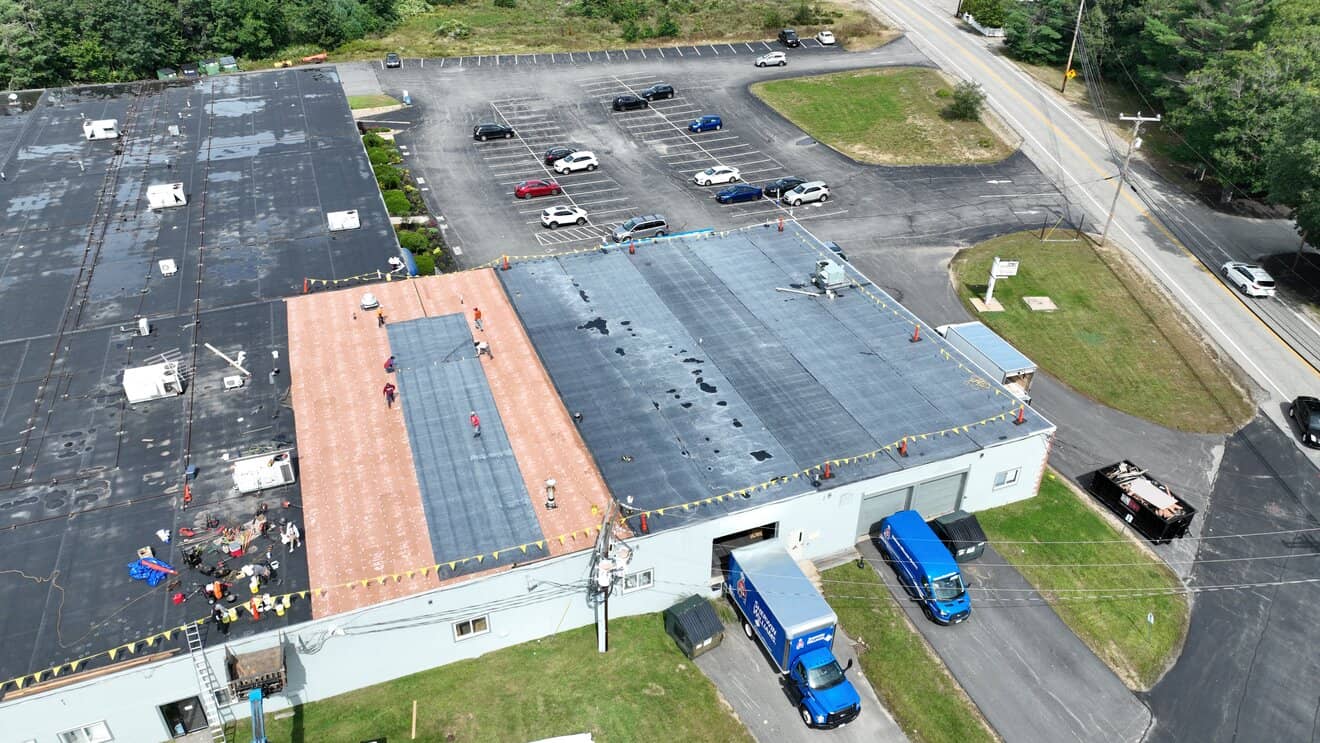
Aerial of a commercial flat-roof replacement in New Hampshire by J. Carnes & Son Roofing

Summers in New Hampshire and Southern Maine can get pretty intense, and that heat doesn’t just affect people. Commercial roofs take a beating each year, and if yours has not been looked at or maintained recently, you might be closer to serious damage than you think. When temperatures soar, roofing systems face more pressure than during any other time of year. Seams stretch, coatings peel, and poor drainage only gets worse under all that sun.

If you are responsible for commercial roofing in New Hampshire, doing a heat-readiness check before July kicks into full swing could help you avoid major problems. It is a simple way to stay ahead of damage that often creeps up unnoticed until it is too late.

How Heat Affects Commercial Roofs

Hot weather has a lot more impact on roofing systems than most people realize. Everything from the sun’s rays to heat trapped inside the building can cause problems that start small and grow fast. Here are the most common ways heat works against your roof:

  • When the sun heats up materials like rubber or single-ply membranes, those surfaces expand. Over time, the seams begin to pull apart or lift, creating spots where water can sneak in.
  • UV rays break down surface coatings. This makes the material dry out, crack, or become brittle. That weaker surface has a harder time bouncing sunlight off, which can make your building warmer inside.
  • Insulation under the roof can absorb heat, causing the inside of your building to feel stuffy or hard to cool. That usually leads to higher energy use just to keep the temperature balanced.

Without proper inspections, these issues continue without being noticed until they turn into leaks, mold, or rising utility bills.

Signs Your Commercial Roof Might Not Be Ready

Not every roofing problem is visible at a glance, but there are a few strong clues that suggest a heat wave could be hard on your roof. If you are seeing any of these things, it is time to take a closer look:

  • Soft spots under your feet when walking on the roof can mean moisture is trapped underneath. That moisture weakens the structure and usually gets worse during heat buildup.
  • Around vents and HVAC units, you might see cracks or fading. That is a warning sign that the seals are not holding up well under sun exposure.
  • Pooled water or slow-draining sections are trouble. If your roof slope has been compromised, water can collect in spots that dry slowly in hot weather. This increases the chance of leaks and further damage.

These early signs can help catch issues before they shut down your business or cause inside damage to your space.

What a Summer-Ready Roof Should Look Like

A roof that is ready for heat should show no signs of wear, sagging, or blocked drainage. If you are checking your own roof or walking it with a professional, here is what to look for:

  • Seams should be sealed tight with no bubbling or curling. Flashing should be secure, especially around edges and equipment.
  • Drains and downspouts need to be clear of debris. Heat can dry out leaves or trash collected over spring, making it easier for them to clog up and cause backflow.
  • The surface should lie flat and firm, without dips or soft areas. Flat areas often take the biggest hit from summer weather, so checking the structure underneath is important.

Taking the time to confirm that your roof looks solid before the heat arrives will cut down on repairs and business interruptions later.

Best Timing for a Mid-Year Inspection

Late June through early July is the ideal time to review your roof. In New Hampshire and Southern Maine, this is the window when heat waves really start to become frequent. Getting eyes on your roof around now helps spot problems that may have started in the spring and keeps them from getting worse.

Inspections this time of year are important because:

  • Catching small wear means you can fix it before sunlight and heat make it worse.
  • Any issues from spring storms or temperature swings are easier to see, making repairs faster and less expensive.
  • It is easier to schedule short downtime in early July than to deal with emergency closures in August after something breaks.

Making mid-year checks a habit gives you more control over the health of your building and helps manage surprise costs.

Why Routine Maintenance Prevents Heat Damage

Think of your roof like any other part of the building. It needs care to perform well. Without it, worn parts cannot do their job, and that leads to bigger repairs down the line. Regular upkeep does not have to be complicated. It is about staying ahead of things.

Here is why basic maintenance goes a long way during the summer:

  • Sealing and checking the surface materials stops small cracks from turning into leaks.
  • Cleaning off debris and checking drainage after storms helps prevent pooling in the warmer months.
  • Fixing gaps or worn flashing stops hot air from sneaking in (or cool air from leaking out), helping your AC keep up without working overtime.

These types of maintenance steps help your roof last longer and save you from dealing with disruptions when temperatures hit their peak.

Keep Your Roof Summer-Strong

Being ready for the summer heat is not about guessing; it is about knowing what to look for. Small repairs in early July are always better than big emergencies in August. Learning how to spot signs of wear gives you the chance to stay in control before the heat brings problems to the surface.

Commercial roofing in New Hampshire gets tested every summer. Heat waves do not wait for convenience, and neither should maintenance. With a smart heat-readiness checkup, you are doing your part to keep your building safe, cool, and open for business all season long.

Your building has faced a few hot summers without a proper checkup, so do not wait until problems start stacking up. Staying on top of maintenance now makes it easier to avoid shutdowns or major leaks in August. We help businesses with all aspects of commercial roofing in New Hampshire, from small repairs to full inspections. At J. Carnes & Son Roofing, we are ready to take a look and help you plan your next steps. Give us a call to schedule an inspection before the heat hits its peak.

Tips for Identifying Roof Edge Damage From Prevailing Summer Winds

Roof Repair

When the summer winds start rolling through Hampton Falls, NH, most people are thinking about grilling, beach days, and keeping the lawn watered. What often gets overlooked is how those same gusts can quietly wear down the edges of your roof. Unlike heavy snow or ice that leaves clear signs behind, wind damage during the warmer months is usually hidden until water starts creeping in.

The roof edge is where everything meets: the shingles, the gutters, the fascia, and the drip edge. It’s also one of the first places wind attacks during a storm. If something shifts, even slightly, it can lead to bigger issues later. Catching roof edge problems early can lower the chance of serious roof repair in Hampton Falls, NH, when weather picks up later in the season.

If you’re not sure what to look for or when to be concerned, here’s how to start noticing the warning signs before they turn into a costly surprise.

Identifying What Counts as the Roof Edge

The roof edge isn’t just a row of shingles. It’s a group of connected parts that help keep wind and water from getting under the roofing system. Here’s what makes up the roof edge:

  • Eaves: the part of the roof that extends past the wall
  • Fascia: the vertical boards that cap the end of each rafter
  • Drip edge: thin metal flashing that directs water away from your roof’s edge
  • Gutters: the channels that move water away from your house

All of these parts work together to keep your home dry and protected. But they also take the biggest hit when wind picks up. Gusts can lift shingles slightly, making gaps over time. Strong winds may even loosen gutters or pull away pieces of flashing. Because these areas aren’t always easy to see from the ground, the damage often goes unnoticed until there’s staining on the siding or wood rot where moisture has crept in.

By the time a homeowner notices critters nesting in the soffit or water dripping behind gutters, edge damage has probably already spread. Understanding these areas helps you spot weak points faster and allows you to address potential concerns before they escalate. Each section of the roof edge plays its own important role in keeping out water and withstanding wind, so regular checks on all components are essential for a secure home.

Common Signs of Roof Edge Damage After Windstorms

After a summer storm, it’s smart to take a look around the house for signs of roof edge trouble. The wind you heard sweeping through might have shifted pieces you thought were secure. Look for obvious problems like:

  • Curled shingles at the roofline
  • Sections of drip edge that look bent or are missing altogether
  • Gutters pulling away from the fascia or holding water where they should be draining

Not every issue is easy to spot, though. Keep an eye out for things like watermarks or stains on your exterior walls just under the roof. These can mean water is sneaking behind the gutters or down through a hidden crack.

Another red flag is cold air coming into upper-floor rooms during breezy days. That might point to gaps near the roof edge. If you ever hear rattling or clattering during moderate wind, that’s a sign something is loose and needs to be looked at.

Staying alert to these early signs is easier than dealing with the result of a slow leak that’s gone on all summer. Taking notes of any changes from one storm to the next can also help you identify ongoing problems more easily.

Why Summer Wind Damage Is Different From Winter Stress

Winter damage gets attention in our area, but summer storms hit differently. While snow sits and presses down on a roof over time, summer wind damage happens fast. The sudden gusts that come with thunderstorms can lift, shift, or slap around roof materials. And because there’s no snow melted into puddles to see afterward, the damage is easy to miss.

The light is different during summer as well. Long daylight hours make small details stand out better on a sunny afternoon. That’s one reason early summer is a smart time to do a visual check before hurricane season builds momentum.

Summer heat can make shingles soft or brittle. Constant heating and cooling start to wear them out, especially near the roof edge. When a storm hits, those sections are more likely to lift up or crack where they meet the fascia. Getting ahead of that wear becomes more important this time of year. It’s helpful to compare how your roof looks at the beginning of summer and then after significant storms to spot any changes quickly.

Humidity, sunlight, and the frequency of passing storms mean that summer’s conditions can be unpredictable, and minor issues can very quickly become significant if not spotted early. Homeowners who are proactive about checking their roof edge and understanding how it responds to changing weather conditions will be much better prepared when strong winds arrive.

When to Have a Professional Inspection

You don’t have to wait for something to go wrong before scheduling a roof check. Summer is a good time to plan one if:

  • There was a major windstorm recently
  • Your roof is over 10 years old
  • You’re heading into hurricane season and want peace of mind

A trained eye can find damage most people would miss. Small, hidden cracks near the drip edge, soft spots in the wood, and signs of separation near the fascia can show up clearly on a roof inspection. These are the kinds of details that help avoid unexpected roof repair in Hampton Falls, NH, when the skies open up again in late summer.

Getting everything checked now keeps the roof edge, and the rest of the house, one step ahead of the weather. An inspection in early summer not only provides reassurance but can also save time and money by letting you plan for small repairs before they become urgent.

Having an established relationship with a local roofer can make scheduling these checks easier and ensure your roof receives consistent attention year after year.

Benefit of Finding Roof Edge Problems Early

Spotting trouble early is the easiest way to avoid bigger problems down the road. When the roof edge holds strong, it gives every part of the roofing system a better chance to do its job.

Early fixes help:

  • Keep water from getting under shingles and causing deck rot
  • Reduce the chance of insulation damage from inside leaks
  • Stop animals and insects from nesting at the roofline
  • Protect the paint and siding near gutters that might overflow

Windstorms don’t always give a warning, but your roof can. If you know what to watch for and when to ask for help, those small edge issues won’t turn into expensive repairs. A little careful looking now makes the rest of the summer feel a lot more comfortable, and a lot less risky.

Sometimes just walking around your home after a storm and taking photos can spot new problems. Comparing these images over time is another helpful way to monitor the condition of your roof edges. Minor repairs, such as securing a length of gutter or replacing a small section of drip edge, are far easier than dealing with major leaks or rotten wood further down the line.

At J. Carnes & Son Roofing, we know how quickly summer winds in Hampton Falls, New Hampshire, can turn a minor roof issue into something bigger. Even small edge damage, if left unchecked, can lead to leaks and require far more work later. You may notice warning signs or find that your roof hasn’t been inspected recently, which means it could be time for a professional review. Learn about our approach to roof repair in Hampton Falls, NH and why early summer inspections help prevent costly repairs. Give us a call to get started.

Why Your Roof and Gutters Should Work Together During Storm Season

Roof and Gutter

When storm season rolls into New Hampshire and Southern Maine, homes can take a real beating. Wind, rain, and clogged drainage systems often lead to problems that show up long after the skies clear. One spot many people overlook is the way the roof and gutters are supposed to work together. If either one falls short, the whole system gets thrown off balance.

When we talk about a proper roof and gutter installation, we mean more than just putting pieces in place. These two features need to work hand in hand to carry water away before it can collect or leak into places it should not. If they are not set up correctly, or if damage goes unnoticed, even a short summer downpour can cause real trouble. Let’s take a closer look at how this system works and why it matters so much this time of year.

How Roofs Handle Heavy Rain

Roofs do more than just keep the house dry from above. Their shape, slope, and surface all play a role in controlling how water moves once the rain starts falling. Without proper drainage, that water sits and soaks. Over time, it can work its way under shingles or puddle along seams.

Different roof shapes drain differently. A steep, well-lined roof can shed water quickly, which helps protect the surface below. A flat or low-slope roof may need extra drainage points to avoid water pooling in the middle. Either way, it is all designed to push water off as fast as possible when a storm hits.

The surface materials that cover your roof matter, too. Shingles are designed to help direct water downward in layers. Underneath those shingles is the underlayment, which adds backup protection if any moisture gets through. If those layers are not working together, rainwater can sneak past and cause hidden damage, especially around seams, skylights, or chimneys. Any effective roof plan should always include a water flow strategy, not just surface coverage.

What Gutters Are Supposed to Do

Gutters are often taken for granted, but during a storm, they carry out some of the hardest work around the house. Their main job is simple: catch the water coming off the roof and move it away. That keeps your siding, windows, doors, and foundation from getting soaked or worn down as time goes on.

When gutters stop working the right way, everything slows down. Water might pour over the sides instead of moving through the downspouts. If the angle is off or there is a clog, rain builds up quickly and spills wherever it finds a path. After a single heavy rain, that might not seem like a big deal. But after several storms, soaked spots begin to decay or wear down your siding or foundation.

There are a few signs that your gutters are not doing their job as they should:

  • Overflowing water during normal rainfall
  • Sagging or separated gutter panels
  • Pools of water or patches of dirt splashed back near your siding
  • Peeling paint or soft wood around fascia boards

When these signs show up, preventive work is usually needed.

Problems That Happen When Roofs and Gutters Do Not Match Up

Roof and gutter issues do not just happen independently. If they are not lined up to work together, they can cause each other to fail. Water slipping behind the siding near the eaves can happen if the gutters do not sit flush with the roof edge. That connection is where the roof sends water to the gutters. If this transition is not done well, water finds other places to go, usually into the wood behind or beneath the edges.

Water damage often appears first around the fascia, which is the board running along the roof’s edge. If that floods or rots from behind, it loses strength and may no longer support gutters. When that damage starts, the issues often spread further. Moisture can bring mold, mildew, and insects into the attic or ceiling spaces.

In coastal and inland homes across New Hampshire and Southern Maine, winter storms often leave behind hidden damage. Ice, snow, and wind loosen parts without fully breaking them. When hot summer rainstorms arrive a few months later, those weak spots become problems fast. This is why older winter damage, even if it looked minor, needs to be checked before storm season starts.

How Roof and Gutter Installation Should Work Together

Proper installation is not just about placing a roof here and a gutter there. To work well, these features must be planned and installed as one system. That planning makes sure that all drainage paths, water capacity, and slopes are compatible.

Here is what a matched system looks like:

  • Gutter size and shape fit the size and slope of the roof above
  • Downspouts match the amount of water expected on each side of the house
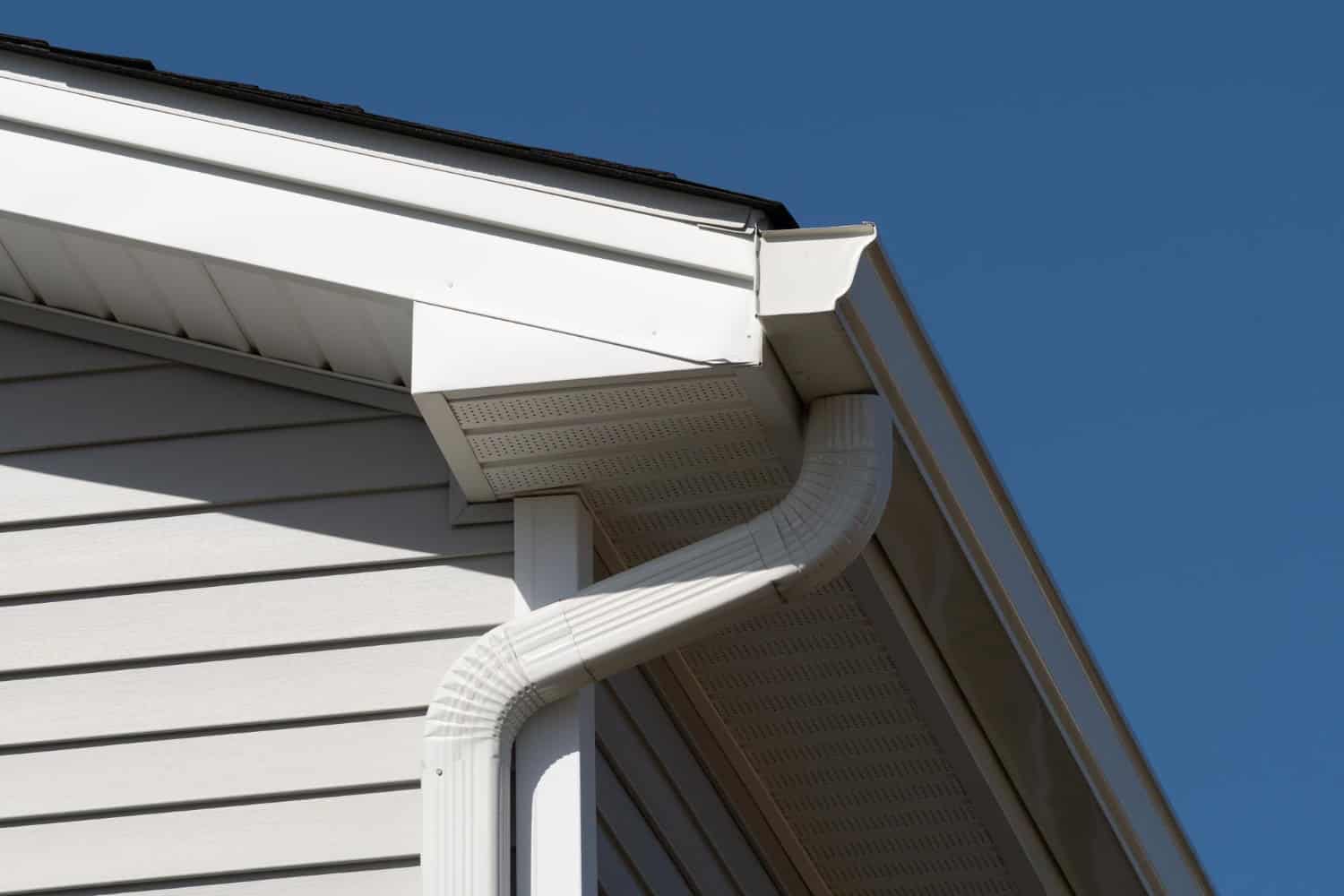
  • Drip edges and flashing are installed to guide runoff into the gutter, not behind it
  • Roof edges include strong anchor zones to support gutter weight during downpours

When everything is installed with care, water gets a smooth path off the roof and down through the gutter system. With effective planning during roof and gutter installation, there is much less chance of damage from summer storms.

Keeping It Working During Storm Season

By mid-June, summer rain can arrive quickly. Noticing early issues can make a big difference. Even without getting on a ladder, there are a few common signs to look for that can point to drainage problems.

Keep an eye out for:

  • Water spilling straight over or behind the gutters when it rains
  • Dark streaks or patches under the eaves
  • Gutter joints pulling away from the house
  • Twigs, leaves, or asphalt granules collecting inside or below gutters

Storm systems can build quickly in this area. Some roll in from the coast, others drop in from the mountains. In early summer, weather can go from calm to intense quickly. Larger storms are not the only test. Sometimes just two fast showers in one day will put extra strain on a half-full gutter.

May and early June are the best times to review the roof and gutter setup. Anything you find at this point is almost always easier to fix than something discovered after a storm does damage. When everything is ready, those first storms become a test your system is more likely to pass.

Small Fixes Now, Fewer Problems Later

A roof and gutter system that works together helps protect more than just the outside of your home. It keeps the inside dry, protects the foundation, and lowers the chance of future repairs. A good drainage system also supports your home’s insulation and structure by keeping water where it should be, outside.

In places like New Hampshire and Southern Maine where the weather changes fast, especially moving into midsummer, being prepared is far better than tackling problems after they happen. When your roof and gutters match well, that is one less thing to worry about, and your home stays in better shape through every season.

Controlling water takes more than just having a solid roof or clean gutters; it takes coordination between the two. When either fails, it adds pressure on the other, especially during heavy summer storms in New Hampshire and Southern Maine. That is why we pay attention to every detail during a proper roof and gutter installation. It is the right way to protect your home from water damage and costly repairs down the road. Notice any signs of trouble or just want to be confident everything is working as it should? Give J. Carnes & Son Roofing a call.