
Metal Roofing in Portsmouth, NH: Coastal Salt-Air Guide

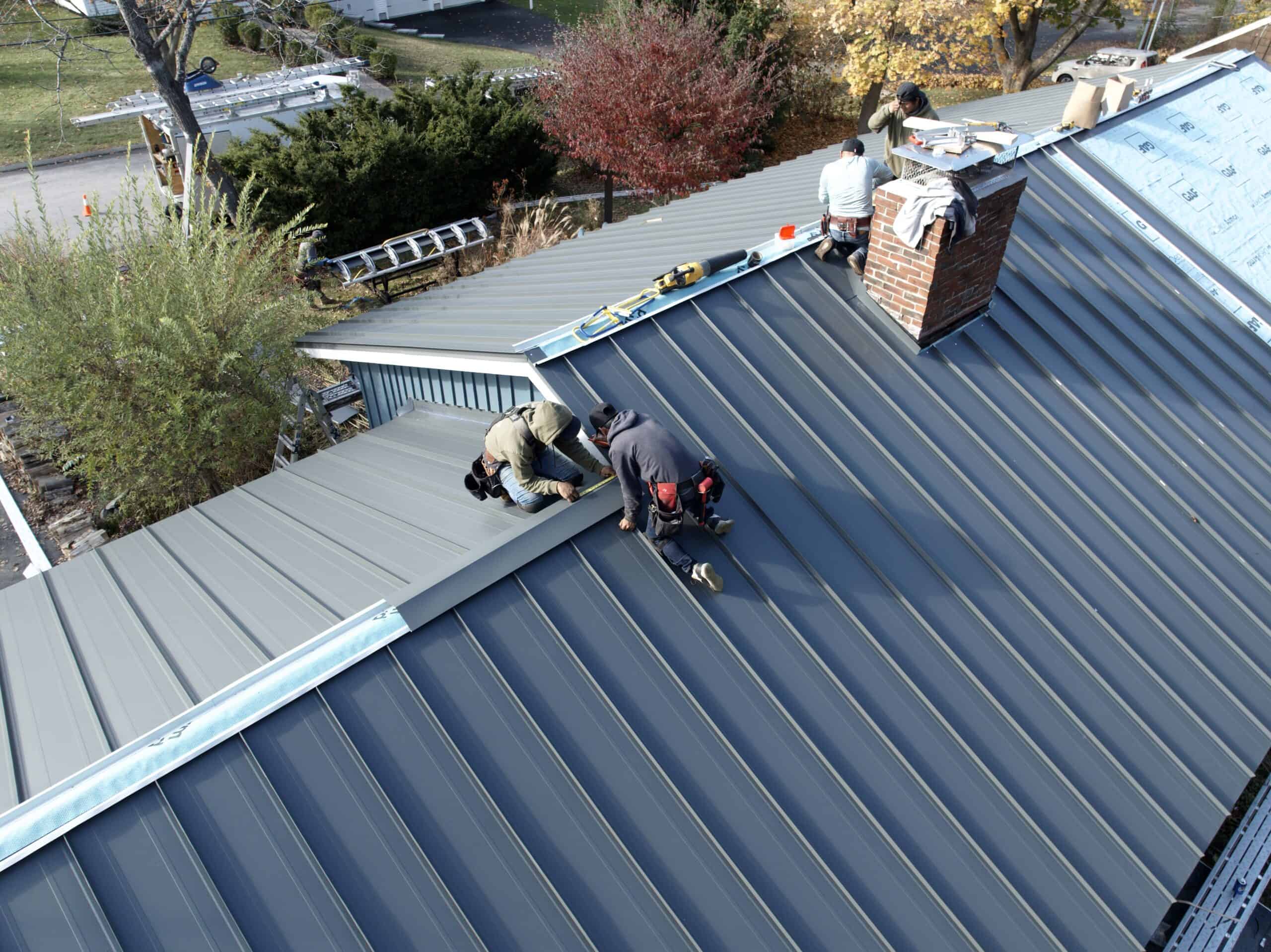
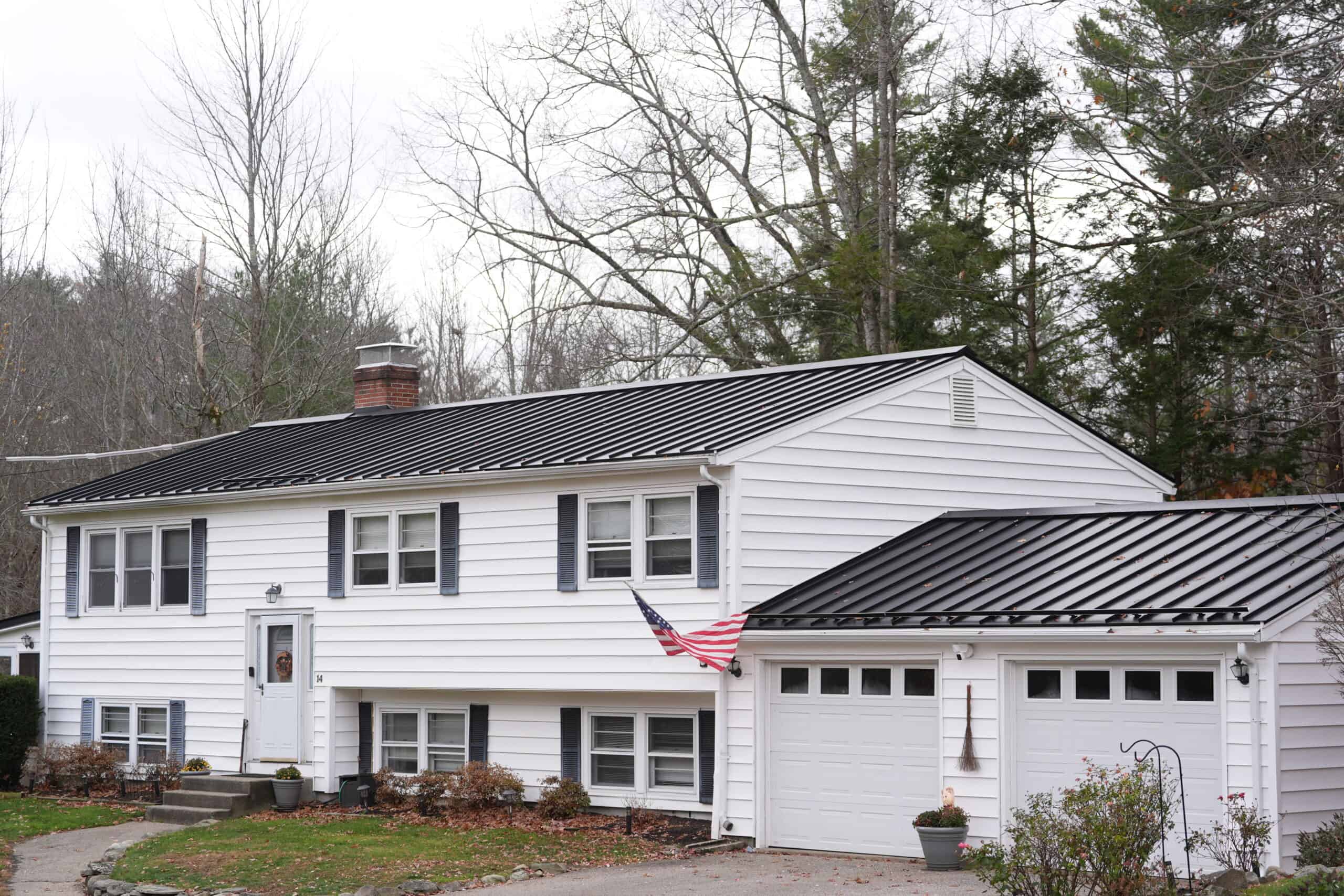
J. Carnes & Son Roofing crew installing a charcoal standing-seam metal roof on a New Hampshire home

I have replaced roofs from the water’s edge in New Castle to the older streets off Islington, and Portsmouth has a way of finding the weak spot in a roof faster than almost anywhere else we work. It is not only the nor’easters that roll up the coast. It is the salt. Wind carries it off the Piscataqua and the open Atlantic and drops it on everything: fastener heads, flashing, the cut edges of panels, the thin coating on a bargain gutter. Give that a few winters and you can watch a roof age in fast motion.

That is the real reason so many Seacoast homeowners ask us about metal. Specified correctly, a metal roof shrugs off the exact conditions that chew up ordinary roofs here. Specified poorly, salt works under a cheap coating or into the wrong fastener and you are back up a ladder in five years. This guide covers what actually matters for metal roofing in Portsmouth: which metals and coatings survive salt air, why standing-seam beats the cheaper panels near the coast, how long it lasts, and where the money really goes.

The short version

  • On the Portsmouth coast, airborne salt is the single biggest thing shortening a roof’s life. It attacks fasteners, flashing, and panel edges long before the roof field itself wears out.
  • Standing-seam metal with concealed clips outperforms exposed-fastener panels near the water, because it hides the exact parts salt corrodes first.
  • Aluminum and PVDF-coated (Kynar 500) steel are the coastal-grade choices. Stainless or coated fasteners are not optional this close to the Atlantic.
  • A properly specified coastal metal roof commonly lasts 40 to 60 years, two to three times a standard asphalt roof, which is why homeowners weigh the higher upfront cost against decades of not reroofing.

Why is salt air so hard on Portsmouth roofs?

Direct answer

Salt air carries chloride particles that pull moisture onto metal and speed up corrosion. On the Portsmouth coast that means fasteners, flashing, drip edge, and cut panel edges can rust and loosen years before an inland roof would, even while the main roofing material still looks fine.

Chloride is the culprit, and it does not need a storm to work. Even on a calm day near the coast, fine salt rides the sea breeze inland, settles on a roof, and holds moisture against every metal surface it touches. That constant damp-salt cycle is what corrosion feeds on. A roof three miles inland in Epping and a roof two blocks from the water in Portsmouth are living in two different climates, even in the same county.

The pattern is the same on almost every Seacoast home. The big field of the roof is usually not the first thing to go. The small metal parts are. Nail heads back out, flashing at the chimney and valleys corrodes and weeps, and gutter spikes rust until the gutters sag and pull away. By the time you spot a ceiling stain, salt has often been working on that metal for years. Understanding that is the whole key to a roof that lasts here.

Does metal roofing actually hold up better near the coast?

Direct answer

Yes, when it is built for salt exposure. Coastal-grade metal resists the moisture, wind uplift, and UV that wear out asphalt fastest here. The catch is that a generic metal roof is not automatically coastal-grade. The metal, the coating, and the fasteners all have to be chosen for salt air.

Asphalt has a hard time on the immediate coast. Sun and salt strip the protective granules, wind lifts the tabs, and our winter freeze-and-thaw swings open up the seams, so a lot of asphalt roofs in full coastal exposure are asking for replacement in fifteen to twenty years. Metal has no granules to lose, sheds water and snow cleanly, and carries far higher wind ratings, which matters when a coastal gust event comes through.

The important word is when. The metal roofs I have seen fail early on the Seacoast almost always came down to the wrong materials for the location: bare galvanized steel instead of aluminum or a coated product, standard screws instead of stainless, or a builder-grade paint that salt ate through. Metal is the right answer near the coast, but only the coastal-grade version of it.

Standing-seam or exposed-fastener: which belongs on a Seacoast home?

Direct answer

Standing-seam. Its seams lock together and its fasteners hide under the panels, out of the salt and weather. Exposed-fastener panels put hundreds of rubber-gasketed screws face-out into the salt air, and those gaskets and screw heads are the first things to fail on the coast.

There are two broad families of metal roofing. Exposed-fastener panels screw straight through the face of the metal, with a rubber washer under each screw head to seal the hole. Standing-seam panels lock together along raised vertical seams and attach with hidden clips, so no fastener ever faces the weather.

On the Portsmouth coast that difference is the whole ballgame. An exposed-fastener roof can carry hundreds of screws, and every rubber gasket sits out in the salt air expanding and contracting until it hardens, cracks, and lets water past the head. Multiply that by a few hundred screws and a couple of decades of salt. A standing-seam roof simply does not give salt those targets. It costs more to install, and near the water it is the version I recommend almost every time.

Which metals and coatings resist salt corrosion best?

Direct answer

Aluminum handles salt air best because it does not rust, which makes it a favorite on oceanfront homes. For steel, look for Galvalume with a PVDF (Kynar 500) finish. Pair either with stainless or coated fasteners. Bare galvanized steel and low-grade paint do not belong on a Portsmouth roof.

Aluminum is the standout for the toughest coastal exposure because it does not rust the way steel can, so on homes right along the water it is often the material I steer people toward. It carries a premium, but so does replacing a corroded roof early. For steel panels, the coastal-grade choice is Galvalume, an aluminum-zinc coated steel, finished with a PVDF paint system most people know by the Kynar 500 name. That finish holds its color and sheds salt for decades, which the cheap polyester paints on discount panels do not.

Fasteners and flashing deserve the same care as the panels, because they fail first here. This close to the Atlantic we use stainless or coated fasteners and keep the metals compatible, so salt cannot set off galvanic corrosion where two different metals meet. Driving plain steel screws into aluminum near saltwater is a recipe for a stain and a leak. These details never show up in a glossy brochure, and they are exactly what separates a coastal roof that lasts from one that does not.

How long does a metal roof last in Portsmouth’s climate?

Direct answer

A correctly specified coastal metal roof commonly lasts 40 to 60 years on the Seacoast, against roughly 15 to 25 years for asphalt in the same salt and storm exposure. The variable is usually not the panels. It is whether the flashing, fasteners, and coating were chosen for salt air.

Give a standing-seam aluminum or Kynar-finished roof the right fasteners and flashing, and it can outlast the time most families spend in a house. Maintenance is light: keep the gutters clear, rinse off heavy salt buildup when you can, and have the flashing and seams looked at every few years.

One piece of fine print is worth reading first. Some metal roofing warranties reduce or void coverage within a set distance of saltwater unless you upgrade to coastal-grade materials. That is not a reason to avoid metal. It is a reason to make sure the roof going on your Portsmouth home is the version the manufacturer actually stands behind near the coast. We read those terms with you so there are no surprises.

What does a metal roof cost in Portsmouth, and is it worth it?

Direct answer

Metal costs more upfront than asphalt, and the coastal-grade materials add to that. Where it pays back is time. One metal roof can outlast two or three asphalt roofs, so Seacoast homeowners who plan to stay in their home often come out ahead over the life of the house.

I am not going to hang a fake price on your roof, because an honest number depends on real details: the metal you choose, the size and pitch and complexity of the roof, whether the old roof needs a full tear-off, and the coastal-grade materials the location calls for. A simple Cape and a cut-up Victorian with multiple valleys are not the same job, and anyone quoting a firm price sight unseen is guessing.

What I can tell you is how to think about it. Metal is a bigger check today and a smaller total over the decades you own the house, because you are buying one roof instead of two or three. For homeowners who plan to stay, that math usually favors metal near the coast, and financing can spread the upfront cost. If you are still weighing options, our breakdown on choosing between asphalt and metal is a good next read, along with our notes on keeping a metal roof in shape.

Getting your Portsmouth metal roof done right

A metal roof is one of the best investments you can make on a Seacoast home, but only when it is specified and installed for salt air from the first fastener up. We install roofing in Portsmouth and across the New Hampshire coast every season, so we know what these conditions do to a roof and how to build one that stands up to them. Take a look at our full range of roofing services, or reach out for an estimate and we will walk your roof with you.

Frequently asked questions

Can I put a metal roof over my existing shingles?

Sometimes it is allowed, but on the coast we usually recommend a full tear-off. Going over old shingles hides the flashing, fasteners, and decking, which are exactly the parts salt attacks and the parts we want to inspect and replace before a new roof goes down. A clean deck is also the best base for a standing-seam system.

Are metal roofs too loud in coastal rain and storms?

No. A metal roof installed over solid decking and underlayment is about as quiet as any other roof. The drumming sound people picture comes from metal laid over open framing, like a barn or a shed, not a modern home installation.

Will a metal roof help with ice dams in the winter?

It helps. Snow tends to shed off a smooth standing-seam roof rather than pile up and refreeze, and a properly vented, well-flashed metal system gives ice fewer places to grab. Good roof ventilation and flashing still do most of the heavy lifting against ice dams, on any roof material.

Do coastal metal roofs really need special fasteners?

Yes. This close to the Atlantic we use stainless or coated fasteners and keep the metals compatible to prevent galvanic corrosion. Standard fasteners are one of the most common reasons a metal roof fails early near saltwater, which is why we never cut that corner on a Seacoast job.

Identifying How Often You Must Do a Roof Deck Replacement

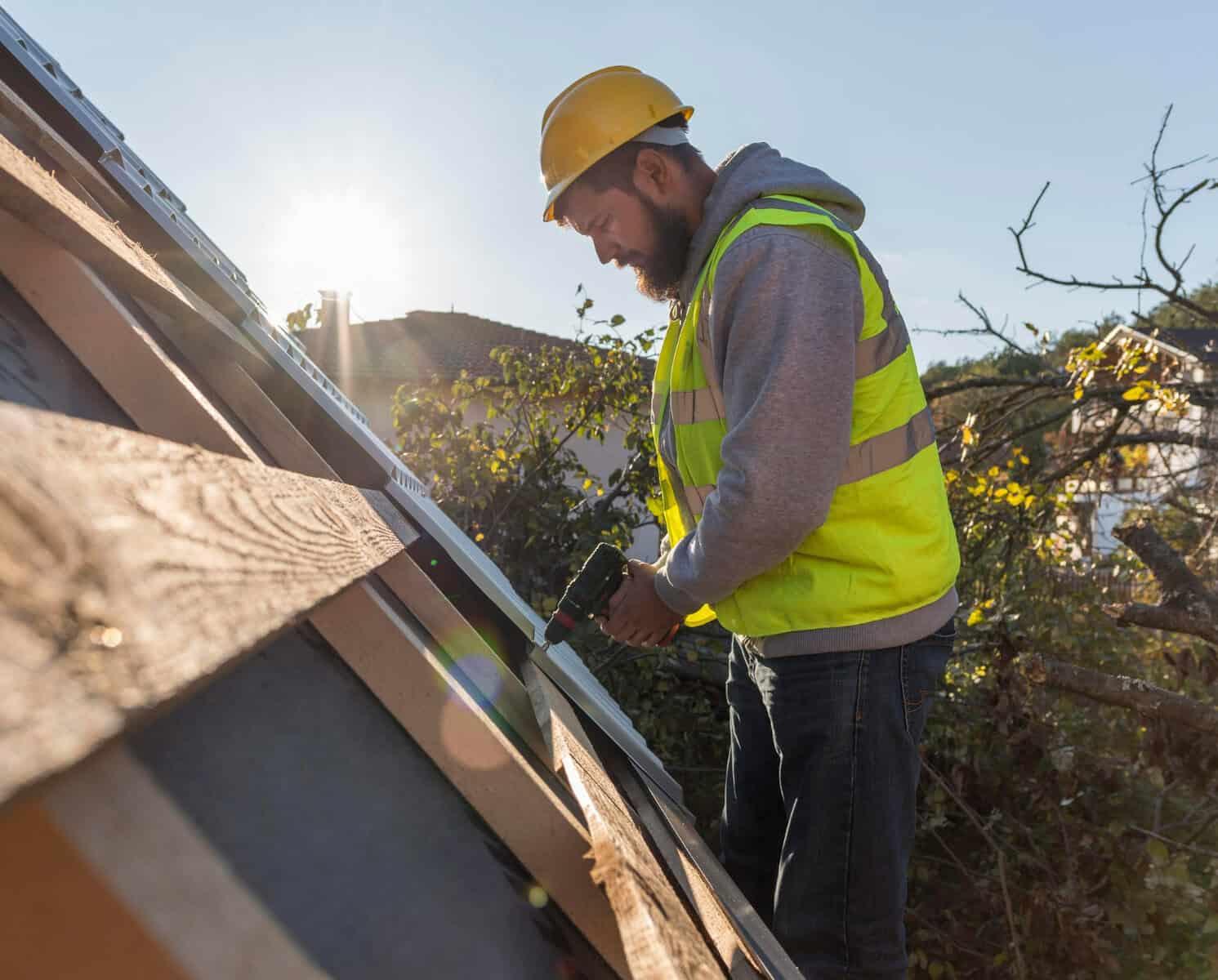
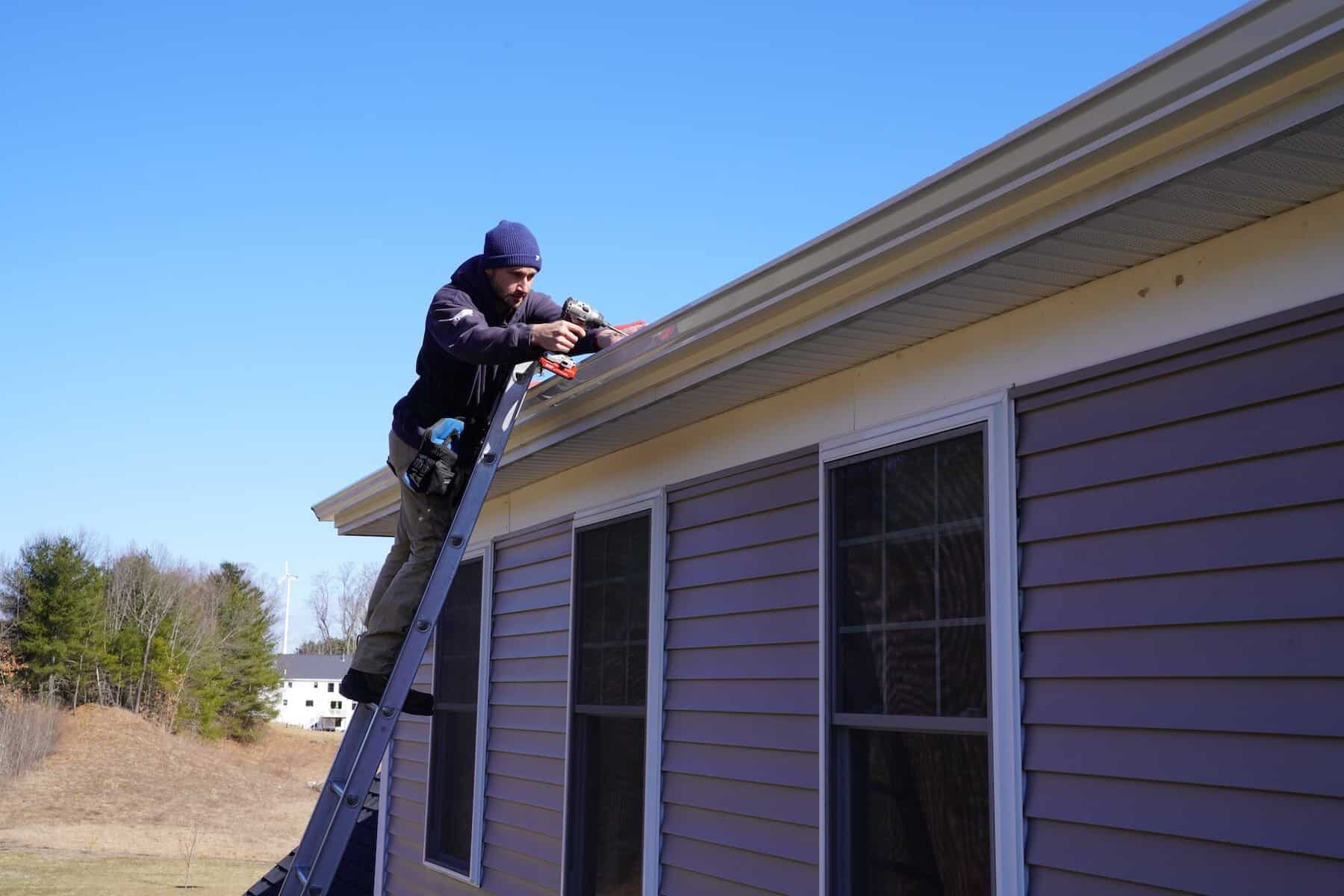
man working roof with drill

A roof deck is an essential part of a building’s structure, supporting the roofing material and ensuring that your home remains secured from the elements. Over time, roof decks can deteriorate due to various factors such as weather, water damage, and pests. As a responsible homeowner, it’s crucial to understand when to consider replacing your roof deck to prevent significant injuries and costly repairs. 

This blog post will discuss how often you must do a roof deck replacement, the factors contributing to its deterioration, and the signs indicating it’s time for a replacement.

How Often Should You Replace Your Roof Deck?

The frequency of roof deck replacement varies depending on several factor. On average, a well-maintained roof deck should last between 20 to 30 years. However, it’s essential to remember that the lifespan of your roof deck may be shorter or longer depending on the specific circumstances of your home.

Factors That Contribute to Roof Deck Deterioration

1. Roofing Material Lifespan

Different roofing materials have different lifespans, which can affect the longevity of the roof deck. For example, asphalt shingles typically last 20 to 30 years, while metal roofing can last up to 50 years or more. If your roofing material is nearing the end of its lifespan, it may be time to inspect the roof deck for hints of damage.

2. Climate

The local climate can significantly impact the durability of your roof deck. Extreme temperatures, heavy snowfall, and high humidity levels can cause the roof deck to expand and contract, leading to cracks and other damages over time. Additionally, areas with frequent storms and high winds can also cause damage to the roof deck through water leaks and debris impact.

3. Maintenance

Proper roof and gutter system maintenance is crucial for preventing roof deck damage. Regular roofers inspections, cleaning, and quality roofers repairs can extend the life of your roof deck by preventing water damage, mold growth, and other roofing issues that can weaken the structure.

4. Installation Quality

The initial installation’s quality can significantly impact your roof deck’s lifespan. An improperly installed roof deck may fail prematurely due to poor ventilation, insufficient support, or other structural issues. Hiring professional, experienced roofing contractors is essential to ensure a high-quality installation and a long-lasting roof deck.

Signs It’s Time for a Roof Deck Replacement

1. Sagging or Pitched Roof

A sagging or uneven roof may indicate that the roof deck has been compromised, either by water damage, rot, or other structural issues. Suppose you notice that your roof is uneven or sagging in certain areas. In that case, it’s essential to have a professional inspect the roof deck to determine if replacement is necessary.

2. Water Damage and Leaks

Water leaks can cause significant damage to your roof deck over time, leading to rot and mold growth. If you recognize water stains on your ceiling or walls or if you’ve had recurring leaks, it may be a sign that your roof deck has been compromised and needs replacement.

3. Mold and Mildew Growth

Mold and mildew growth can weaken the roof deck’s structure and pose a health risk to your family. If you encounter a musty smell in your attic or see visible mold growth, it’s essential to have a professional inspect the roof deck and address any underlying issues.

4. Pest Infestations

Pests such as termites, carpenter ants, and rodents can cause significant damage to your roof deck by chewing through the wood and creating tunnels. Suppose you notice signs of a pest infestation, such as sawdust or droppings. In that case, it’s essential to have a professional inspect the roof deck to determine the extent of the damage and whether replacement is necessary.

Conclusion

Regular roof deck inspections and maintenance are crucial for ensuring your home’s longevity and structural integrity. Understanding the factors contributing to roof deck deterioration and knowing when to replace it can prevent costly repairs and potential damage to your home. If you suspect any issues with your roof deck, consult professional roofing contractors to evaluate the situation and provide the necessary recommendations for repair or replacement. 

J. Carnes & Son Roofing has established itself as one of the preeminent residential roofing contractors in Merrimack, NH. With a commitment to utilizing top-quality materials and staying current with the latest roofing trends and innovations, we ensure that our customers receive only the highest quality roofing services. If you need roofing services, do not hesitate to contact us to experience the difference our expertise and dedication can make in your home improvement project.

5 Ways Proper Attic Venting Can Help You Save Money

Roof and attic ventilation work in New Hampshire by J. Carnes & Son Roofing

With energy costs continually on the rise, homeowners are constantly searching for ways to save money on their utility bills. One area of the home that is often overlooked regarding energy efficiency is the attic. 

Proper attic ventilation is critical for a comfortable living environment and can help you save money in the long run. In this article, we will discuss five ways that proper attic venting can help you save money.

1. Reducing Energy Costs

A well-ventilated attic allows for better air circulation, which can significantly reduce your home’s energy costs. In the summer, a properly ventilated attic will help keep your home cooler by letting hot air escape. This means that your air conditioning system will not have to work as hard to maintain a comfortable temperature inside your home, resulting in lower energy bills.

In the winter, proper attic ventilation will help hinder warm air from becoming trapped in the attic, which can lead to heat loss through the roof. By allowing warm air to escape, your heating system will not have to work as hard to keep your home warm, which can help to lower your heating costs.

2. Preventing Moisture Problems

A poorly ventilated attic can lead to various moisture-related problems, such as mold, mildew, and wood rot. These issues can be costly and negatively impact your home’s air quality. Ensuring that your attic is adequately ventilated can help prevent moisture from becoming trapped in the space, reducing the risk of these problems.

In addition to preventing moisture problems, proper attic ventilation can help reduce the risk of ice dams solidifying on your roof during winter. Ice dams can cause sizable damage to your roof and gutters, and repairing this damage can be expensive. 

By allowing cold air to circulate through your attic, you can help to prevent warm air from becoming trapped and causing ice dams to form.

3. Extending the Life of Your Roof

Proper attic ventilation can also help to extend the life of your roof. When hot air becomes trapped in your attic during the summer months, it can cause the temperature of your roof to rise significantly. 

This can lead to premature aging of your roofing materials and warping and cracking. By allowing hot air to escape from your attic, you can help to keep your roof cooler and extend its lifespan.

4. Improving Indoor Air Quality

A well-ventilated attic can also help to improve your home’s indoor air quality. As mentioned earlier, proper attic ventilation can help to prevent mold and mildew growth by reducing moisture levels in the space. Mold and mildew can unleash spores into the air, negatively impacting your home’s air quality and potentially causing health issues for you and your family.

In addition to mold and mildew, a poorly ventilated attic can lead to a buildup of allergens, such as dust and pollen. Ensuring your attic is properly ventilated can help improve your home’s indoor air quality and maintain an optimal living environment for you and your family.

5. Increasing Your Home’s Resale Value

Finally, proper attic ventilation can help to increase your home’s resale value. A well-ventilated attic is an attractive feature to potential buyers, as it shows that the home has been well-maintained and is less likely to have moisture-related problems. Additionally, a properly ventilated attic can help improve a home’s energy efficiency, another appealing factor to potential buyers.

Conclusion

Proper attic ventilation is essential to maintaining a comfortable and energy-efficient home. By ensuring that your attic is well-ventilated, you can save money on your energy bills, prevent costly moisture-related problems, extend the life of your roof, improve your home’s indoor air quality, and potentially increase your home’s resale value. Proper attic ventilation is smart for any homeowner looking to save money and protect their investment.

Don’t wait any longer to improve your home’s attic ventilation! Contact J. Carnes & Son Roofing today to discuss your attic venting needs with our expert team. With years of experience and a commitment to quality, we’ll ensure your attic is properly ventilated, providing you with all the benefits discussed above. Contact us today for a free consultation. 

Understanding Why Gutters Pull Away and What Follows After

Storm-damaged gutter repair in New Hampshire by J. Carnes & Son Roofing

A home’s exterior is not complete without its gutters. These are responsible for directing rainwater away from the foundation and preventing water damage. However, gutters can pull away from the house over time, leaving gaps between the gutter and the roofline. This may seem minor, but it can lead to significant issues if left untreated.

Reasons for Gutters Pulling Away

  • Poor Installation: If gutters are not installed correctly, they are more likely to pull away from the roofline. This is because the fasteners that secure the gutter to the house are not strong enough or are not located in the proper position.
  • Clogged Gutters: When gutters are clogged, water accumulates, causing the gutters to become heavy and pull away from the house.
  • Weather Conditions: Harsh weather conditions, such as strong winds, heavy rain, or snow, can put pressure on the gutters, causing them to separate from the house.
  • Age: Over time, gutters can weaken and deteriorate, making them more susceptible to pulling away from the house.

What Happens When They Pull Away?

  • Water Damage: When gutters are not functioning correctly, rainwater can accumulate around your home’s foundation, causing water damage. This may result in expensive repairs and compromise the structural integrity of your home.
  • Pest Infestation: Water pooling around your home’s foundation can attract pests, such as mosquitoes, ants, and termites. These pests can damage your home and be a health hazard to your loved ones.
  • Landscape Erosion: Water pouring out of clogged or damaged gutters can erode the soil around your home, causing damage to your landscape and potentially leading to drainage issues.
  • Structural Damage: When water accumulates around your home’s foundation, the soil will inevitably shift, leading to structural damage. This can include cracked walls, uneven floors, and doors and windows that no longer close correctly.

How to Prevent Gutters from Pulling Away

  • Regular Maintenance: This includes removing debris that may clog the gutters, checking for leaks or damage, and ensuring the gutters are properly attached.
  • Professional Installation: Make sure your gutters are installed correctly, with the correct number of hangers to support the gutters’ weight and the water they collect. Additionally, ensure the gutters are sloped correctly to ensure proper water flow.
  • Upgrading Gutters: If your gutters are old and deteriorated, upgrading to a more durable and robust system is necessary. For instance, seamless gutters are less likely to pull away since they are built to custom-fit your house and have fewer joints that can weaken over time.
  • Repairing Damage:  Any sign of damage, such as cracks or holes, requires repair at the soonest. Neglecting these issues may lead to further damage and potentially costly repairs in the future.

The Bottomline

Gutters are vital in protecting your home and keeping it safe from water damage. However, when gutters pull away from your house, they can lead to significant problems. Whether it’s professional installation, upgrading to a more durable system, or repairing damage, you must address any issues immediately. In short, don’t ignore your gutters at all costs!

If your home’s gutters are pulling away, hire one of the gutter installers at J. Carnes & Son Roofing for a professional assessment and replacement. With our expertise and experience in house gutters, we can make sure they are properly installed and functioning correctly to protect your home from water damage.

Call us at 603-686-7763 to request a free estimate!

Serious Issues That Can Stem from Leaking Roofs: A Guide

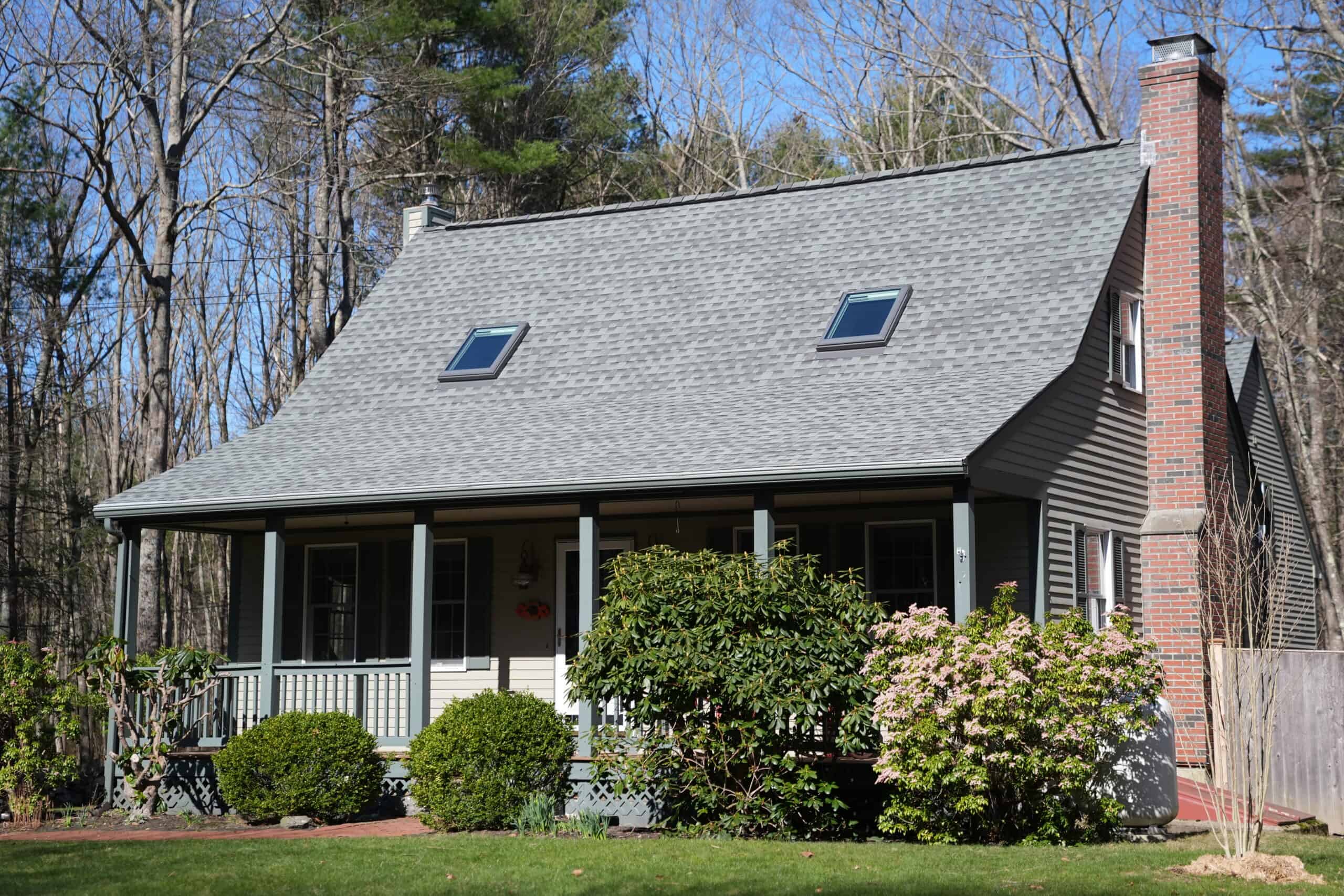
Classic New Hampshire Cape with a new architectural shingle roof by J. Carnes & Son Roofing

A leaking roof can cause a multitude of issues for homeowners, ranging from minor annoyances to major structural damage. In this article, we will explore 10 common issues that can arise from a leaking roof. These issues include water damage to ceilings and walls, mold growth, decreased energy efficiency, compromised structural integrity, decreased property value, increased risk of electrical hazards, and potential health risks. By understanding these issues, homeowners can take proactive measures to prevent or address leaking roofs before they become a more significant problem.

1. Attic, Ceiling, and Paint Damage

One of the most obvious and visible effects of a leaking roof is damage to the attic, ceiling, and paint. Water seeping through the roof can cause stains, discoloration, and peeling paint on the ceiling and walls. Over time, the water can weaken the ceiling’s structure, causing it to sag or even collapse.

2. Mold Growth

A leaking roof can create a moist environment that is ideal for mold growth. Mold can quickly spread and cause respiratory problems, allergies, and other health issues. If you notice a musty smell or see black spots on your ceilings or walls, you may have mold growth.

3. Decreased Energy Efficiency

A leaking roof can reduce the insulation’s effectiveness, leading to increased energy bills. The insulation can become wet and compressed, making it less effective in regulating the temperature inside the house.

4. Compromised Structural Integrity

Water can damage the roof’s structural components, including the trusses, rafters, and decking. Over time, this can compromise the roof’s strength and stability, making it more susceptible to collapse during heavy rain or snow.

5. Decreased Property Value

A leaking roof can significantly decrease a property’s value. Potential buyers may see a leaking roof as a sign of neglect and expect to pay less for the property.

6. Increased Risk of Electrical Hazards

A leaking roof can create an electrical hazard if water seeps into the electrical system. Water can cause short circuits, which can cause fires or shock hazards.

7. Potential Health Risks

Mold growth caused by a leaking roof can create health risks for homeowners. Mold spores can cause respiratory problems, allergies, and other health issues, particularly in children, the elderly, and people with weakened immune systems.

8. Pest Infestations

A leaking roof can create an ideal environment for pests such as rodents, termites, and other insects. These pests can cause damage to the roof’s structure and create health risks for homeowners.

9. Decreased Comfort

A leaking roof can make the home less comfortable. Water can seep into the insulation, making it less effective in regulating the temperature inside the house. This can lead to drafts and temperature fluctuations that make the home less comfortable.

10. Higher Maintenance Costs

A leaking roof can lead to higher maintenance costs, as homeowners may need to replace damaged insulation, repair water damage to ceilings and walls, and address other issues caused by the leak.

Conclusion

In a nutshell, a leaking roof can cause a multitude of problems for homeowners, ranging from minor annoyances to major structural damage. By understanding these issues, homeowners can take proactive measures to prevent or address leaking roofs before they become a more significant problem. Regular roof inspections, timely repairs, and proper maintenance can help prevent many of these issues and ensure a safe and comfortable home.

If you need help from a contractor for roofing, contact J. Carnes & Son Roofing. We are considered the leading and most trusted residential roofing contractor in New Hampshire and Southern Maine. Contact us and let us know what you need for your roof today!

The Devastating Consequences of Not Cleaning Your Gutters

New roof and gutters on a New Hampshire home by J. Carnes & Son Roofing

As a homeowner, it’s easy to overlook the maintenance of your gutters. After all, they’re not the most glamorous feature of your home, and they’re often out of sight and out of mind.

However, neglecting your gutters can have severe consequences for your home and your wallet. In this article, we’ll explore what happens if you don’t clean your gutters and why keeping them in good condition is so important.

What Are Gutters and Why Do You Need Them?

First, let’s define gutters and why they’re essential for your home’s health. Gutters are narrow channels that are attached to the edge of your roof. They aim to collect rainwater and direct it away from your home’s foundation. Without gutters, rainwater would run off your roof and pool around your house, causing erosion, water damage, and flooding.

Gutters also protect your home’s exterior from water damage. When rainwater collects on your roof, it can seep into your home’s walls and cause mold, rot, and other types of water damage. Gutters divert this water from your home, keeping it safe and dry.

What Happens When You Don’t Clean Your Gutters?

1. Water Damage

When your gutters are clogged with leaves, twigs, and other debris, rainwater can’t flow freely through them. Instead, it backs up onto your roof, causing water damage. Over time, this can lead to leaks, mold, and rot, which can be expensive to repair.

2. Pest Infestations

Gutters that have missed a few gutter cleaning sessions can also be a breeding ground for pests like mosquitoes, rodents, and birds. These pests are attracted to stagnant water and can use your gutters as nesting sites. Once they’ve taken up residence, they can cause damage to your home and be difficult to remove.

3. Foundation Damage

Remember how gutters are designed to direct water away from your home’s foundation? When your gutters are clogged, water can’t flow away from your home properly. Instead, it pools around your foundation, causing erosion and potentially leading to foundation damage. This can be a costly repair, and in extreme cases, it can even cause your home to become unstable.

4. Roof Damage

Clogged gutters can also cause damage to your roof. When water backs up onto your roof, it can seep under the shingles and cause them to lift or even fall off. This can leave your roof vulnerable to further water damage, making it more likely to leak.

5. Ice Dams

In colder climates, clogged gutters can cause ice dams to form on your roof. When water can’t flow through your gutters, it freezes and creates a barrier on your roof. As more water backs up behind the ice dam, it can seep under your shingles and cause water damage.

How Often Should You Clean Your Gutters?

Now that you know the consequences of neglecting your gutters, you probably wonder how often you should clean them. The answer depends on a few factors, including:

  • The climate in your area
  • The number of trees around your home
  • The type of gutters you have

Generally, it’s a good idea to hire gutter cleaning services at least twice a year – once in the spring and once in the fall. If you live in an area with a lot of trees, you may need to clean your gutters more frequently. It’s also a good idea to inspect your gutters after a big storm or heavy rainfall to ensure they’re in good condition.

Conclusion

Neglecting your gutters can have severe consequences for your home’s health and your wallet. Water damage, pest infestations, foundation damage, roof damage, and ice dams are just a few of the risks of clogged gutters. To keep your home safe and dry, it’s essential to clean your gutters regularly and inspect them for damage. By taking care of your gutters, you’ll be protecting your home for years to come.

Choose J. Carnes & Son Roofing for professional gutter cleaning services. We also offer gutter guards to protect your gutters and ensure they’re in good working condition. Contact us today to schedule your gutter cleaning appointment and give your home the protection it deserves.

3 Ways Clogged Gutters Can Lead to Basement Flooding

Gutter installation on a New Hampshire home by J. Carnes & Son Roofing

Clogged gutters are an often-overlooked problem that can have serious consequences for homeowners. One of the most significant risks of clogged gutters is basement flooding. To help you combat this, we thought it would be useful to put together a brief discussion on how clogged gutters can cause flooding. If this is something that you’re interested in learning more about, here are three ways clogged gutters can lead to basement flooding.

1. Water Overflow

The primary function of gutters is to direct rainwater away from your home’s foundation. However, when gutters become clogged with leaves, twigs, and other debris, they can no longer perform this essential task. Instead, water will overflow from the gutters and cascade down the side of your home, saturating the soil around your foundation. Over time, this can lead to soil erosion, which can cause your foundation to shift or crack, creating gaps that allow water to seep into your basement.

To prevent this from happening, homeowners should make sure to clean their gutters regularly. Ideally, gutters should be cleaned at least twice a year, in the spring and fall, to remove built-up debris. If you live in an area with many trees, you may need to clean your gutters more frequently.

2. Ice Dams

During the winter months, clogged gutters can also lead to basement flooding through the formation of ice dams. Ice dams occur when snow melts on your roof and then refreezes at the edge of your gutters, creating a barrier that prevents water from draining properly. As water continues to melt and accumulate behind the ice dam, it can seep under your shingles and into your attic, eventually making its way down to your basement.

To prevent ice dams from forming, homeowners should make sure their gutters are clear of debris before the first snowfall. Additionally, they should ensure that their attic is properly insulated and ventilated to prevent heat from escaping and melting snow on the roof.

3. Downspout Disconnection

Another way that clogged gutters can lead to basement flooding is through downspout disconnection. Downspouts are the vertical pipes that carry water from your gutters down to the ground and away from your home’s foundation. If downspouts become clogged or disconnected from the gutters, water can accumulate around your foundation, increasing the risk of basement flooding.

To prevent downspout disconnection, homeowners should make sure that their downspouts are securely attached to their gutters and that there are no obstructions preventing water from flowing freely. Additionally, they should ensure that their downspouts are directed away from their home’s foundation and towards a drainage area, such as a dry well or a storm drain.

Conclusion

Clogged gutters can pose a significant risk to your home’s foundation and increase the likelihood of basement flooding. Homeowners should take steps to prevent clogged gutters by cleaning them regularly, installing gutter guards, and trimming trees near their homes. Additionally, they should ensure that their downspouts are properly attached and directed away from their home’s foundation. By taking these steps, homeowners can protect their homes from water damage and avoid the costly repairs associated with basement flooding.

Choose J. Carnes & Son Roofing for professional gutter cleaning services. We also offer gutter guards to protect your gutters and ensure they’re in good working condition. Contact us today to schedule your gutter cleaning appointment and give your home the protection it deserves.

Why Hire Professional Contractors for a Chimney Flashing

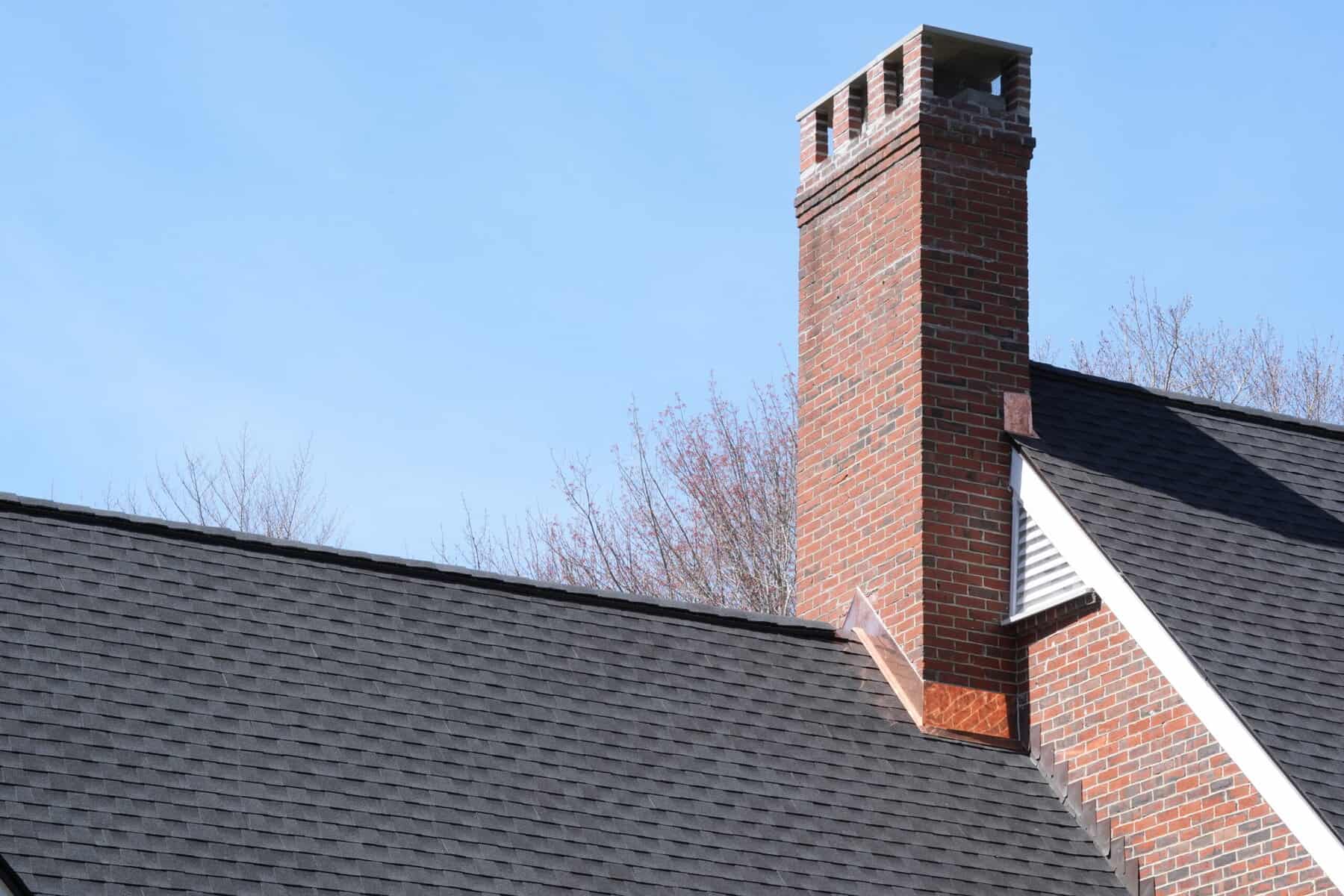
Roof flashing repair on a New Hampshire home by J. Carnes & Son Roofing

Chimney flashing is a critical component of your roofing system that ensures your home is protected from water damage. It is a thin sheet of metal installed around the base of your chimney where it meets the roof, creating a watertight seal that prevents water from seeping in and causing damage to your home’s structure. 

While some homeowners may be tempted to take on chimney flashing installation or repairs themselves, it is crucial to hire professional contractors for this essential task. In this blog, we will explore why hiring a professional contractor for chimney flashing is the best decision for your home and safety.

1. Safety

Chimney flashing installation and repair involves working at significant heights and requires specialized knowledge and skills to ensure the job is done safely.

Professional contractors have the necessary training, experience, and equipment to perform the work safely and efficiently, minimizing the risk of accidents or injuries. By hiring a professional, you can have peace of mind knowing that your chimney flashing will be installed or repaired safely and securely.

2. Attention to Detail

Chimney flashing requires meticulous attention to detail to ensure a watertight seal and proper fit. Professional contractors have the expertise to identify any potential issues with your chimney and flashing, such as damaged or missing pieces.

They can recommend the best course of action for repair or replacement. They will also ensure the flashing is correctly installed and sealed, preventing future leaks and water damage.

3. Better Material Expenses

Professional contractors can access high-quality materials at better prices than homeowners typically find. They have established relationships with suppliers, allowing them to source the best materials for your chimney flashing at competitive prices.

By hiring a professional, you can ensure that your chimney flashing is made from top-quality materials that will stand the test of time and protect your home for years to come.

4. Roofing Warranty

Many roofing manufacturers require that chimney flashing be installed or repaired by a certified professional to maintain the warranty on your roof. Hiring a professional contractor ensures that your chimney flashing is installed according to the manufacturer’s specifications, protecting your investment in your roofing system.

If any issues arise with your flashing or roof, having a professional contractor perform the work may also make it easier to work with your insurance company to address any claims or repairs.

Final Thoughts

Chimney flashing is a crucial aspect of your home’s roofing system, and it is essential to ensure it is installed and maintained correctly. Hiring a professional contractor for chimney flashing offers numerous benefits, including increased safety, attention to detail, access to better materials, and protection for your roofing warranty.

By investing in a professional contractor for your chimney flashing needs, you can rest easy knowing that your home is protected from water damage and you are safeguarding your investment in your roofing system.

Don’t take chances with DIY repairs or inexperienced contractors — trust the professionals to get the job done right. Work with us at J. Carnes & Son Roofing, lead chimney flashing experts from Elmhurst, IL. Give us a call today for more information.

Watertight Homes: The Importance of Roof & Chimney Flashing

Roof flashing repair on a New Hampshire home by J. Carnes & Son Roofing

Roof and chimney flashing are essential components of a watertight home. They serve as protective barriers that prevent water from seeping into your home, causing damage to the structure and interior. In this article, we will delve into the importance of roof and chimney flashing, the role they play in maintaining a watertight home, and why you should invest in high-quality materials and professional installation to ensure the longevity and effectiveness of these vital components.

The Role of Flashing in Your Roofing System

Roof flashing is a thin sheet of metal or other waterproof material that is installed at the intersections of different roofing surfaces and around roof penetrations, such as vents, chimneys, and skylights. Its primary purpose is to direct water away from these vulnerable areas, ensuring that it does not seep into your home and cause damage.

Chimney flashing, in particular, is crucial in preventing water from entering the home through the gaps between the chimney and the roof. The intersection between the roof and chimney is especially susceptible to water intrusion due to the angle at which water runs down the roof, which can cause it to pool around the base of the chimney.

The Importance of Roof & Chimney Flashing

1. Protection against Water Damage

The primary function of roof and chimney flashing is to protect your home from water damage. Flashing is typically installed in vulnerable areas where roofs intersect with walls, valleys, and around roof penetrations such as vents, skylights, and chimneys. These areas are prone to water infiltration, and without proper flashing, water can easily seep into your home, causing damage to the structure, walls, ceilings, and insulation.

2. Preventing Mold and Mildew Growth

When water infiltrates your home, it creates a damp environment conducive to the growth of mold and mildew. These fungi can cause respiratory issues, trigger allergies, and endanger the structural integrity of your home. Properly installed flashing helps prevent water infiltration, diminishing the risk of mold and mildew growth and ensuring a healthier living environment for you and your family.

3. Energy Efficiency

Water infiltration can lead to damaged insulation, which in turn reduces your home’s energy efficiency. Properly installed flashing helps maintain the effectiveness of your insulation, ensuring that your home stays warm in the winter and cool in the summer. This not only improves your comfort but also helps reduce your energy bills.

4. Preserving Your Home’s Aesthetics

Water damage can cause unsightly stains and discoloration on your home’s walls, ceilings, and exterior surfaces. By preventing water infiltration, roof and chimney flashing helps maintain your home’s aesthetics and curb appeal.

5. Protecting Your Investment

A well-maintained home with properly installed flashing will have a higher resale value than one with water damage or signs of poor maintenance. Investing in high-quality materials and professional installation of roof and chimney flashing protects your investment and ensures that your home remains in good condition for years to come.

Types of Roof and Chimney Flashing

There are several types of flashing materials available, each with its own advantages and disadvantages. Some popular materials include:

1. Aluminum: Lightweight, durable, and rust-resistant, aluminum flashing is an affordable option for many homeowners. However, aluminum can corrode when it comes into contact with some types of roofing materials, so it’s essential to consult with a professional to determine if it’s the right choice for your home.

2. Copper: Known for its longevity and durability, copper flashing is an excellent option for homeowners who want a long-lasting solution. Plus, it is highly resistant to corrosion than aluminum and can last for decades with proper maintenance.

3. Galvanized Steel: This type of flashing is made from steel coated with a layer of zinc, which makes it resistant to rust and corrosion. It’s a durable and affordable option, but it may not last as long as copper or some other materials.

4. Lead: Lead flashing is highly malleable, making it easy to work with and install. It’s also highly resistant to corrosion and can last for a long time. However, lead is a toxic material, and its use has been restricted in some areas due to environmental concerns.

Professional Installation & Maintenance

To ensure the effectiveness and longevity of your roof and chimney flashing, it’s essential to invest in professional installation and regular maintenance. A qualified roofing contractor will assess your home’s unique needs and recommend the best materials and installation techniques to ensure a watertight seal.

Regular maintenance, including periodic inspections and repairs as needed, will help extend the life of your flashing and protect your home from water damage. Professional installation and maintenance of your roof and chimney flashing can also save you money in the long run by preventing costly repairs or replacements.

Conclusion

Proper roof and chimney flashing is essential for maintaining a watertight home. Without it, water can seep into the gaps and cracks in the roof and chimney, causing damage to the structure of the home. By using the right type of flashing material and ensuring that it is installed properly, you can help protect your home from water damage and keep it safe and secure for years to come.

Looking for top-notch roof and chimney flashing services? You’ve come to the right place! At J. Carnes & Son Roofing, we pride ourselves on being the most reliable and trustworthy residential roofing contractor in New Hampshire and Southern Maine. Whether you need a new roof installation, roof repair, or chimney flashing installation and repair, our experienced team has got you covered! Don’t settle for less when it comes to protecting your home—trust our experts for all your roofing needs. Ready to schedule your roof and chimney flashing services? Contact us today and our friendly team will be happy to assist you every step of the way!

The Bottom Line On Why You Need Snow Removal

BLOG BottomLine2 01

Having snow covering your roof provides your home with some insulation from cold air, but it isn’t always good to leave it up there.

Snow can end up causing problems with your roof at times, resulting in the need for snow removal. Find out when you should get rid of snow from your roof and what kinds of issues it can cause.

When to Remove Snow From Your Roof

A little bit of snow on your roof generally won’t cause any problems. When you start getting 6 inches or more of snow building up, it’s a good idea to remove it. The heavy weight of large snow accumulations can put your roof at risk of having severe structural damage. You should also remove snow from your roof when it blocks your ventilation systems since this can lead to ice dams.

Other Problems with Snow on a Roof

Ice dams are the other main problem with snow to worry about. These dams form when snow at the ridge of your roof begins to melt on a sunny day or when your ventilation systems are covered. The heat which normally escapes through the blocked vents stays and warms your attic up enough to cause snow to melt quickly. As the melting snow drips toward your roof eaves and gutters, which are typically still frozen, it freezes again causing dams to form. As it melts, this moisture seeps into your home’s interior and causes serious water damage.

DIY vs. Professional Roof Snow Removal

Homeowners can remove snow on their own using a roof rake. However, this may not be enough to get all the snow off your roof. Professional roofers have the right equipment and experience to do thorough snow removal from rooftops, helping protect your home from structural damage and ice dams. Having professional snow removal also ensures vents are uncovered so snow won’t melt and refreeze at the eaves.

We offer reliable roofing services for homeowners in Hampton Falls. If you need snow removal from your roof contact J. Carnes & Son Roofing to keep your roof in good condition all winter long.